Article

Research on the Mechanism of Strength Improvement in Acid–Base-Activated Low Carbon Oil Absorbent Concrete

1
College of Civil Engineering and Architecture, Northeast Petroleum University, Daqing 163318, China
2
State Key Laboratory of Metastable Materials Science and Technology, Yanshan University, Qinhuangdao 066000, China
*
Author to whom correspondence should be addressed.
Sustainability 2024, 16(9), 3661; https://doi.org/10.3390/su16093661
Submission received: 19 March 2024 / Revised: 11 April 2024 / Accepted: 24 April 2024 / Published: 26 April 2024
(This article belongs to the Special Issue Porous Materials for Sustainable Futures)

Abstract

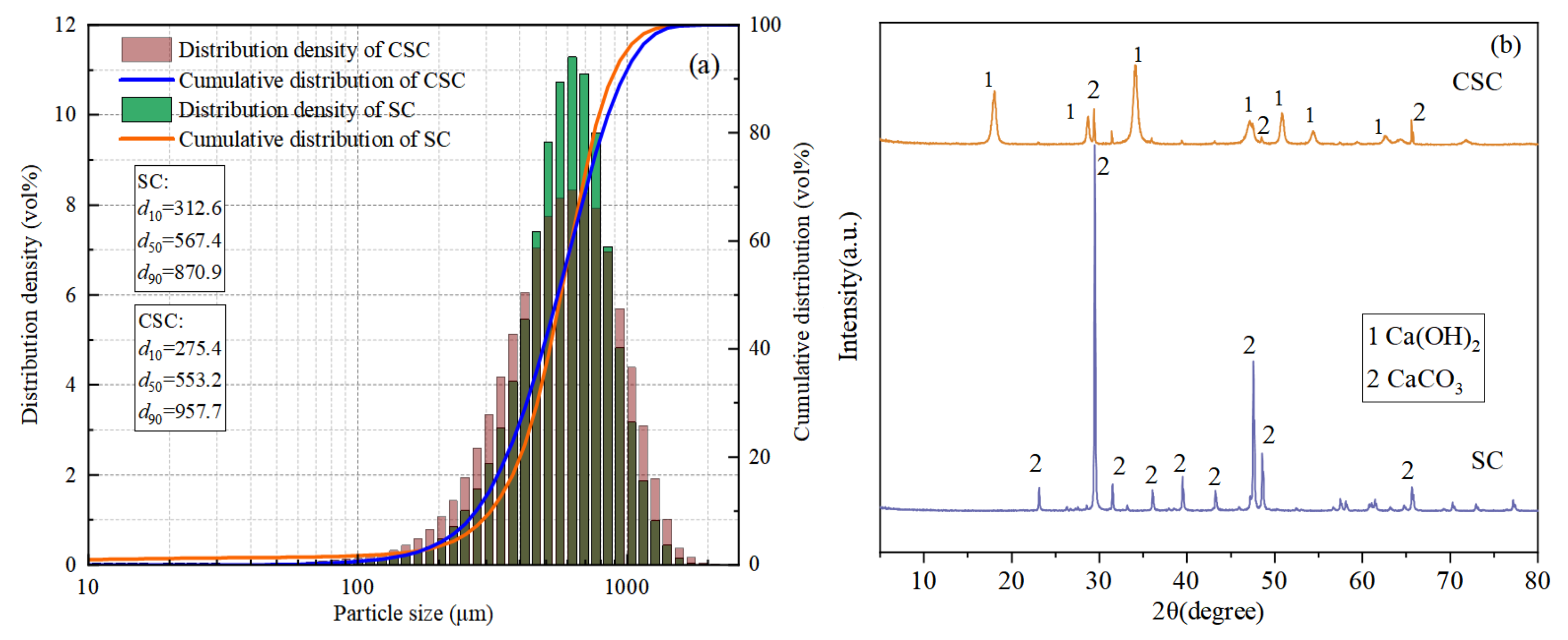
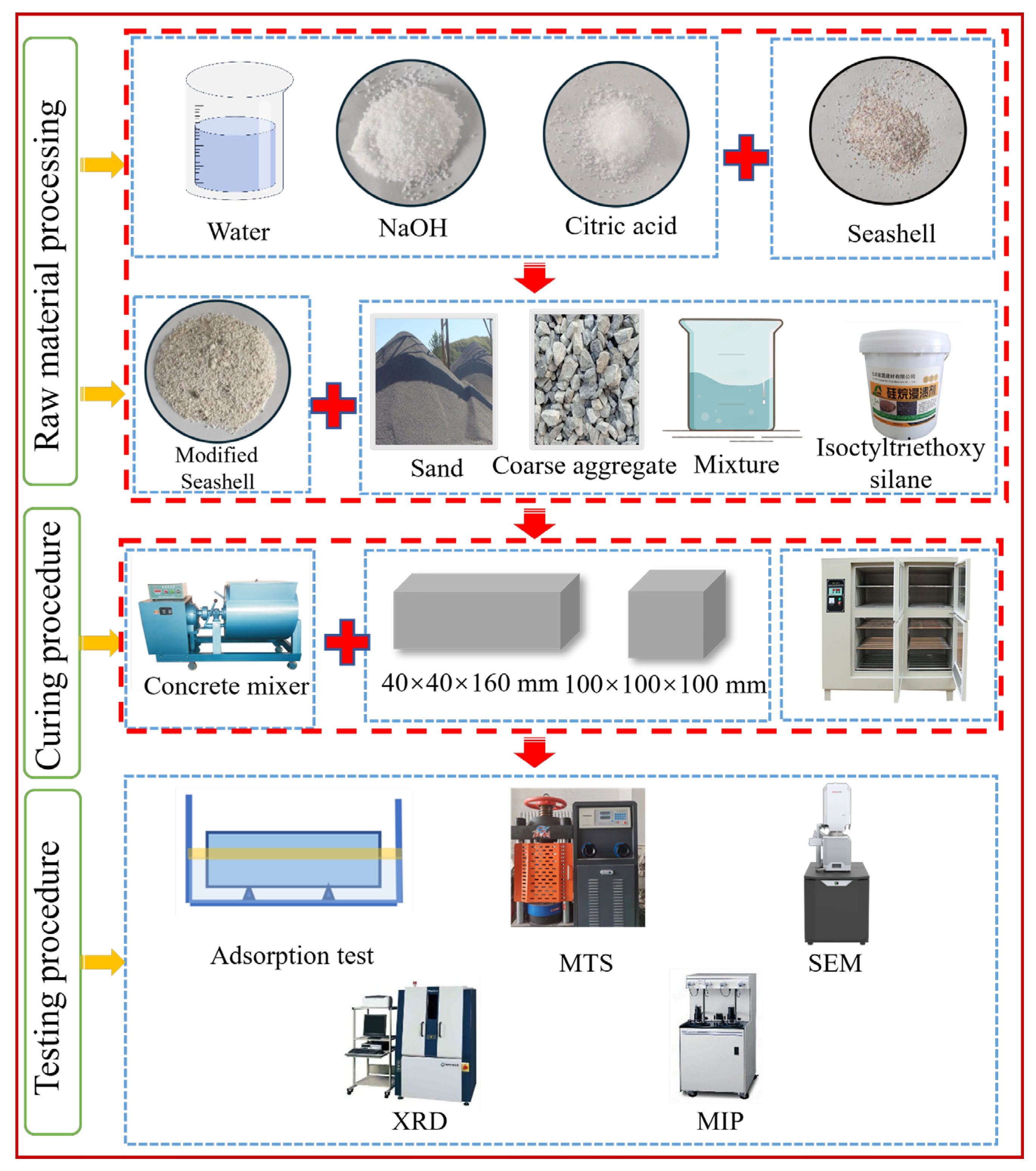
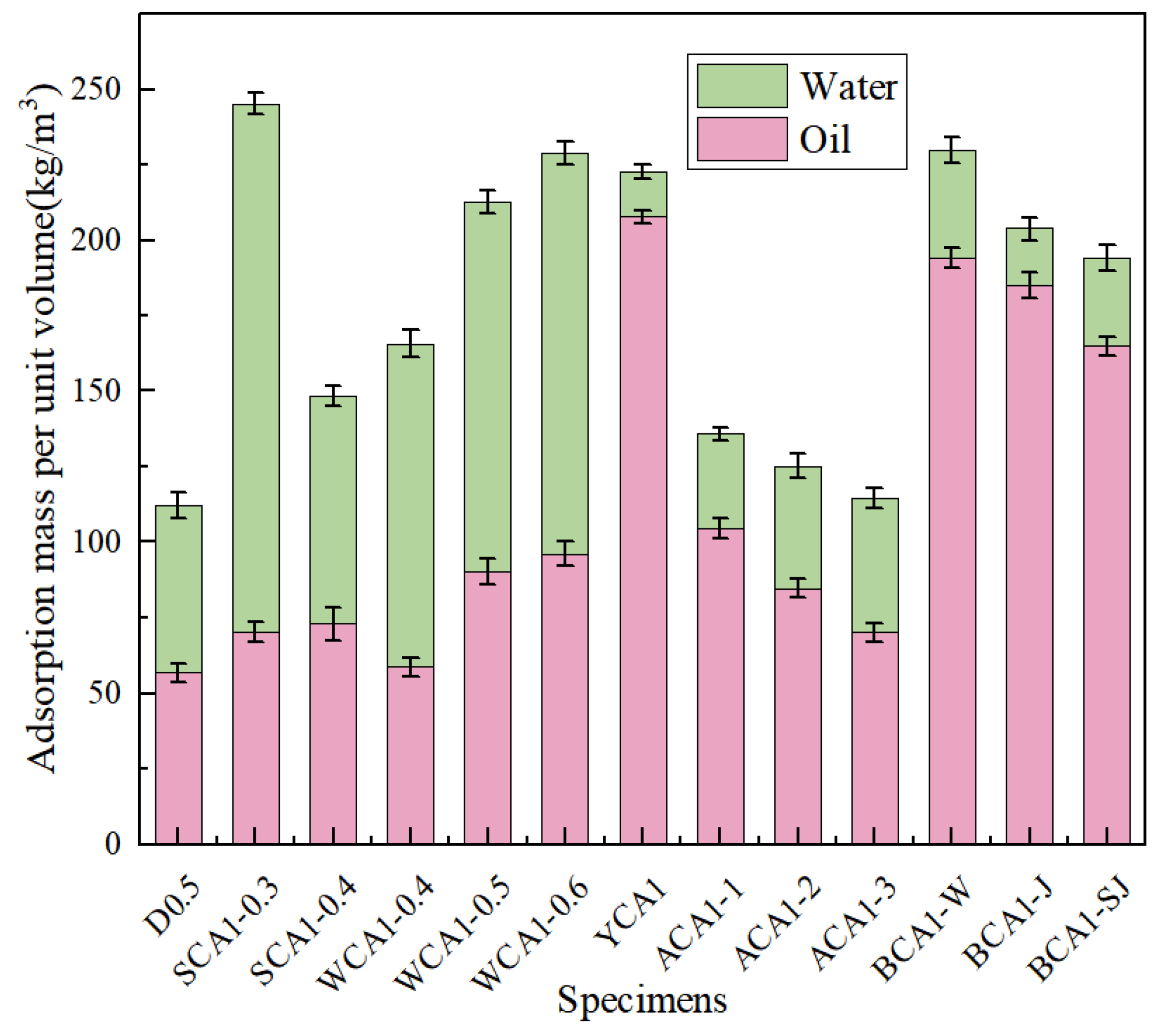
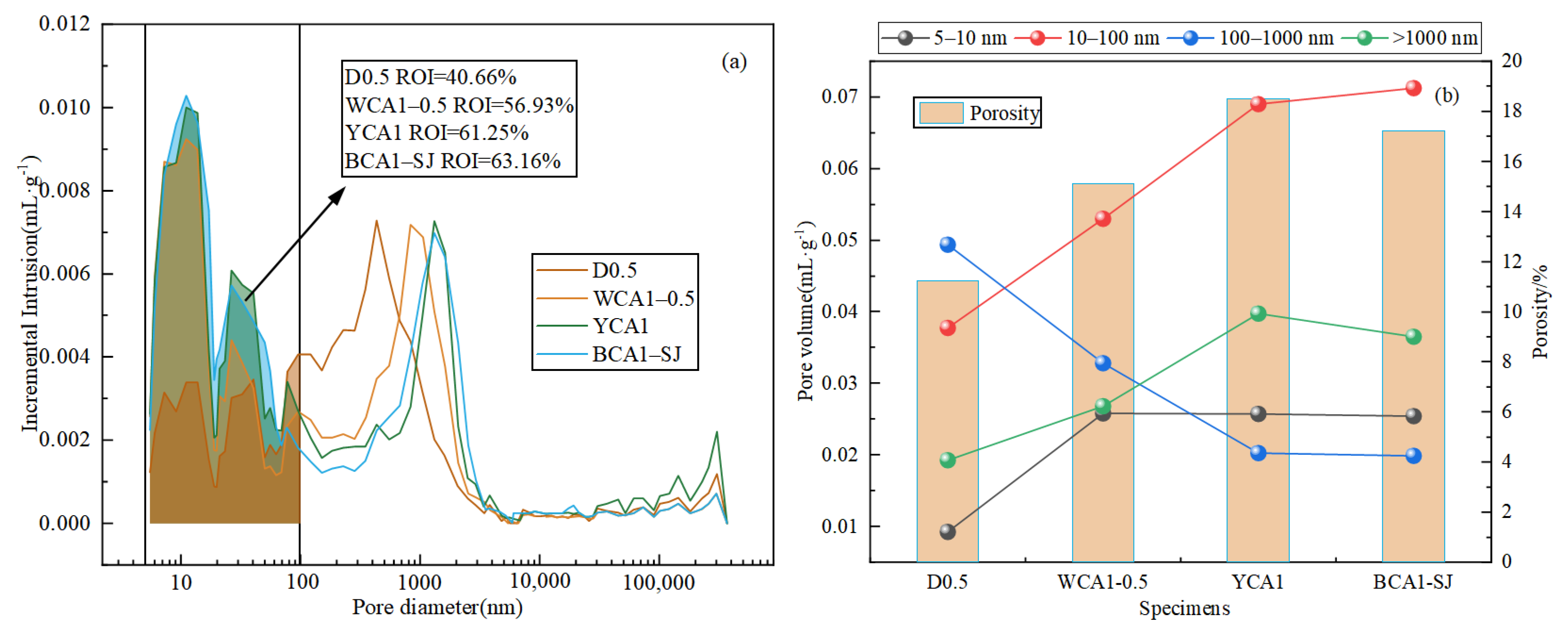
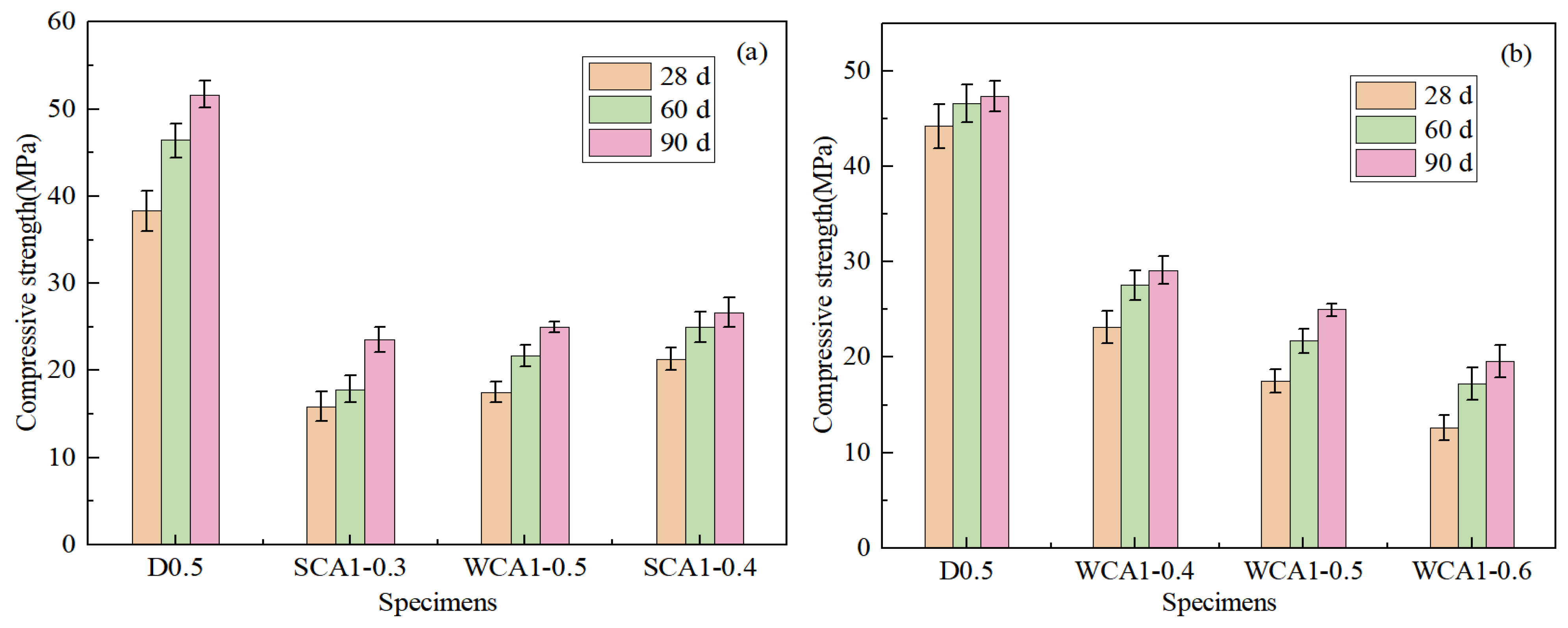
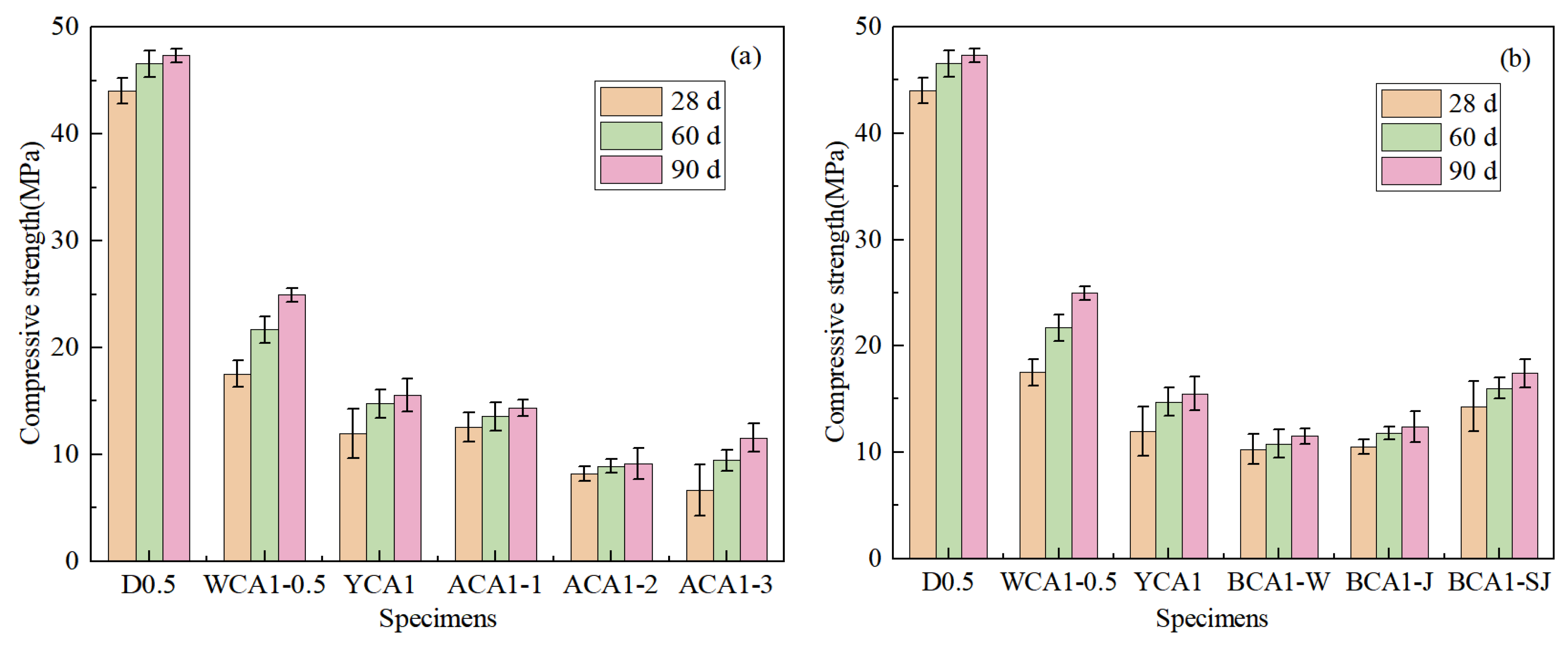
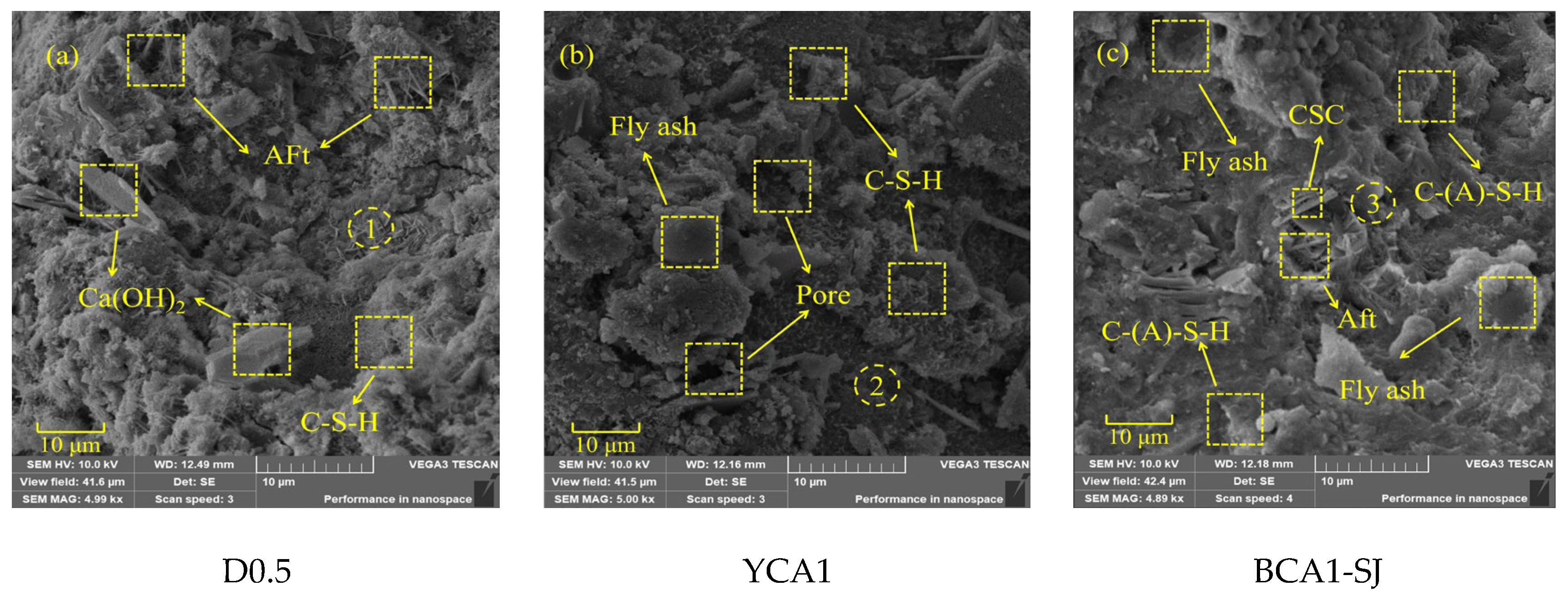
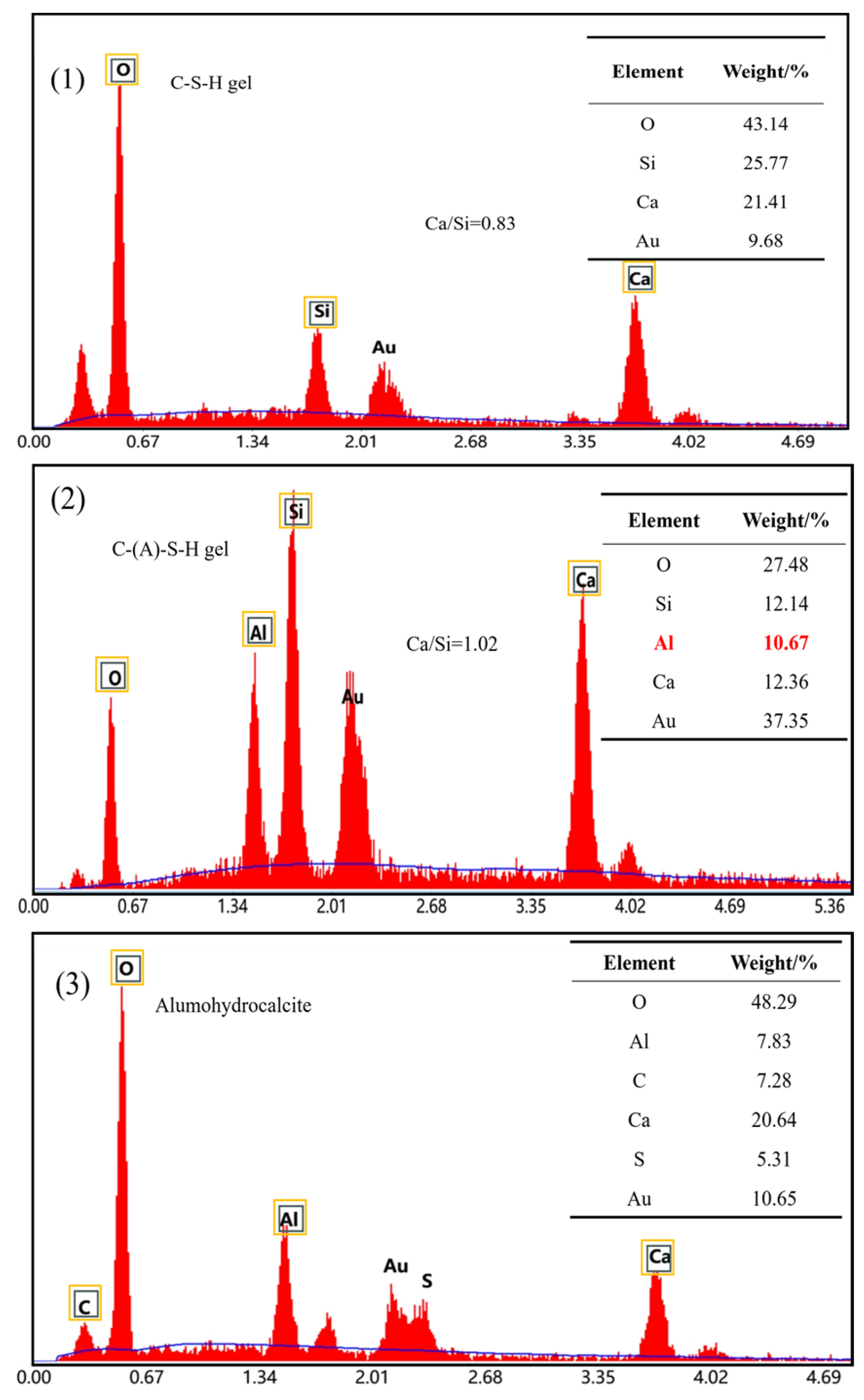
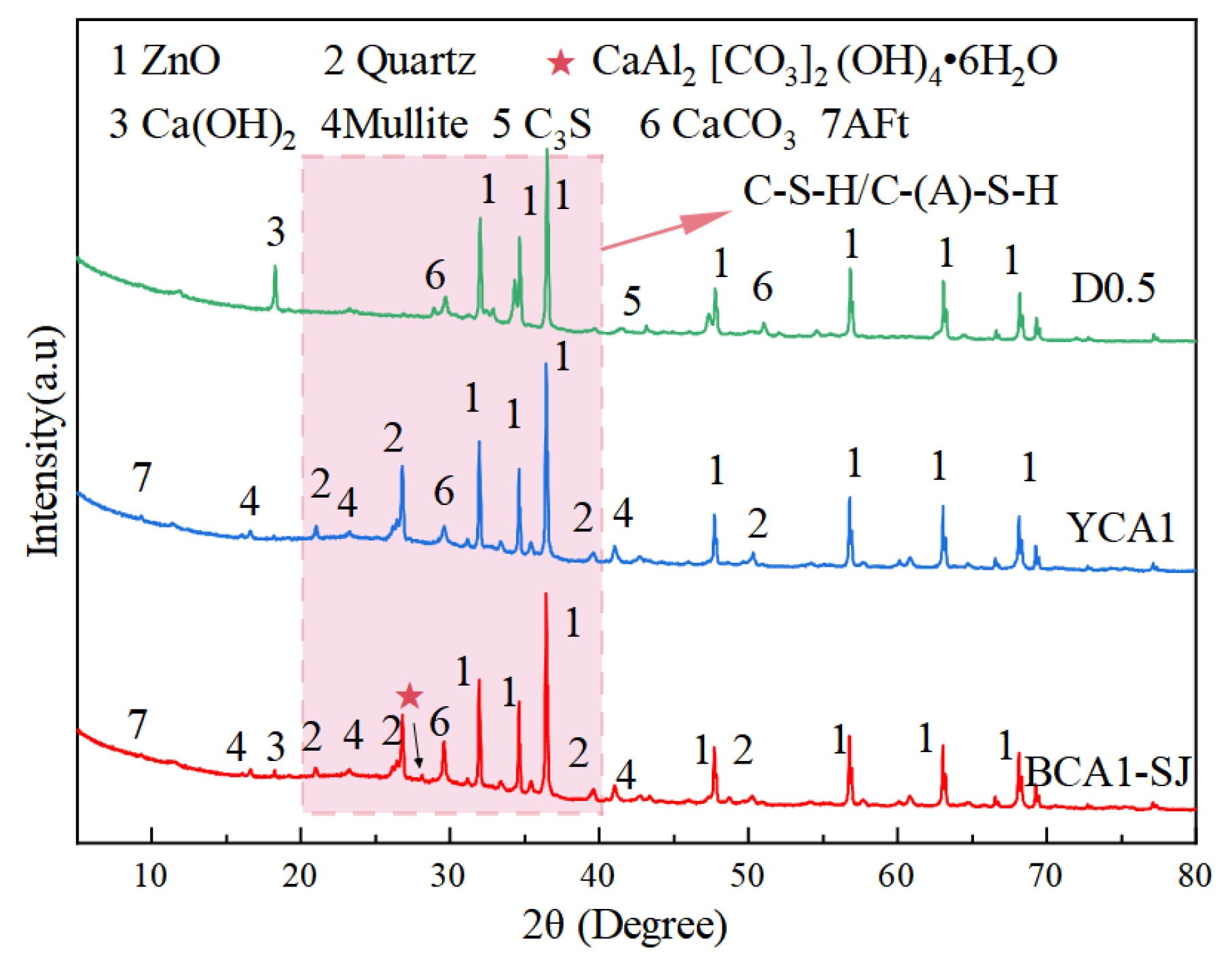
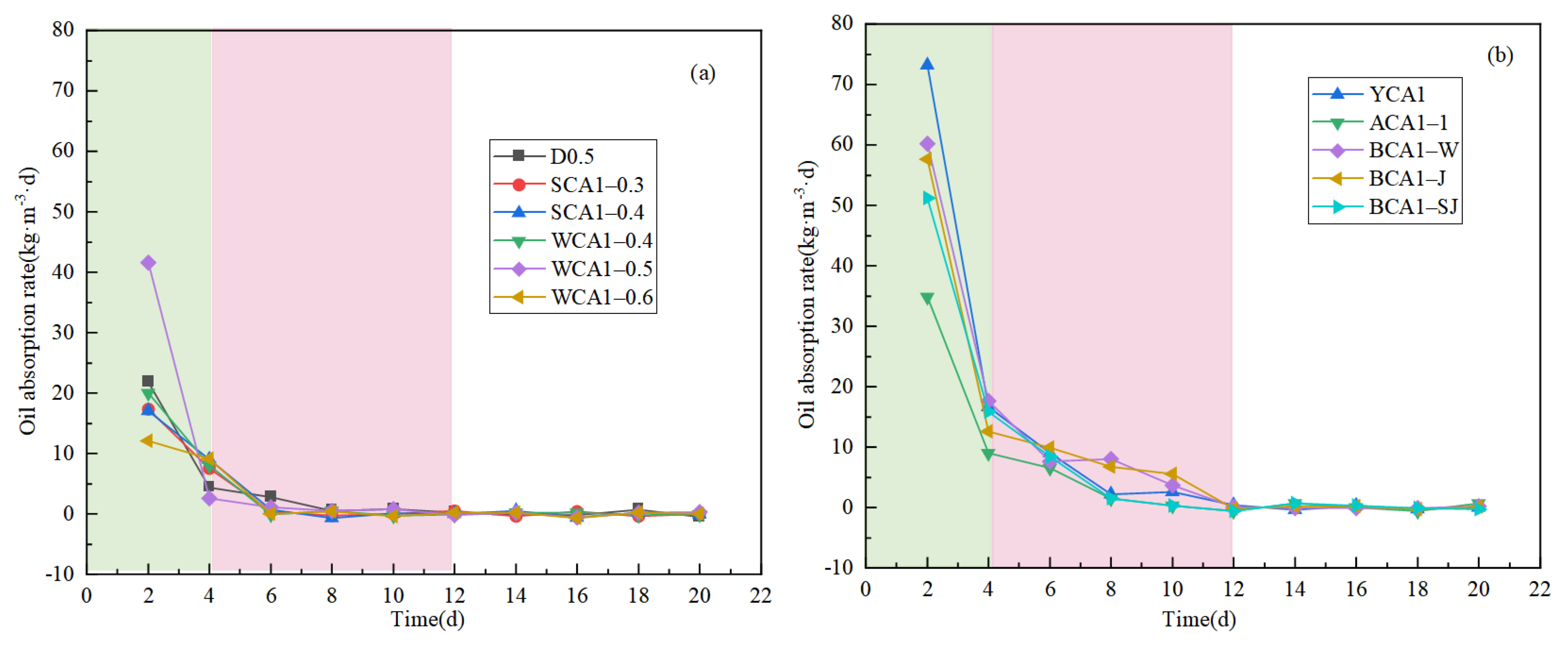
The aim of this study is to improve the compressive strength of oil absorbent concrete (OAC) and to encourage its use in slope protection projects. This study used fly ash and slag produced in thermal power plants to substitute cement in significant amounts to prepare oil absorbent concrete (OAC). The water–cement ratios were set at 0.4, 0.5, and 0.6 and the sand rates were set at 30%, 35%, and 40% to investigate the effects of these factors on the oil absorption properties of the concrete, the variation of the oil absorption rate over time, and the compressive strengths at 28 days, 60 days, and 90 days. The compressive strength of oil absorbent concrete was improved by incorporating seashell powder (SC), alkali-modified seashell powder (SSC), and acid–base-modified seashell powder (CSC). The results showed that the optimal water–cement ratio for comprehensive oil absorption performance and compressive strength was 0.5, while the optimal sand ratio was 0.35. Compared with ordinary concrete, the oil absorption performance improved by 58.69%. The oil absorption rate decreased gradually over time. However, the oil absorption time could be effectively extended and the oil absorption performance could be improved by the addition of a silane modifier. The best method for seashell modification was acid–base modification. The compressive strength reached 14.32 Mpa at 28 days and 17.45 Mpa at 90 days, which was 19.62% higher than that of OAC. Scanning electron microscopy (SEM), mercury intrusion porosimetry (MIP), and X-ray diffraction (XRD) were used to analyze the microstructure of OAC. It was discovered that the inclusion of CSC caused a reaction with hydrocalumite in the concrete, resulting in the formation of alumohydrocalcite. Additionally, Ca(OH)2 in CSC facilitated the hydration reaction of mineral admixtures like fly ash and slag. At 28 days, more amorphous gels (C-S-H, C-(A)-S-H) and Aft were produced. The three components were combined to enhance the bonding between the cementitious materials and the aggregates, resulting in a denser internal structure of the OAC and improving its strength. This study promotes the use of OAC in slope protection projects.
Keywords: modified seashell; alkali activation; oil adsorption performance; compressive strength modified seashell; alkali activation; oil adsorption performance; compressive strength