Article

Potential Bioactivities of Tamarind Seed Jellose at the Cellular Level for Cosmetic Product Development

by
Pasarat Khongkow
1,2,*,
Suphatsa Khakhong
3,
Chayanee Thammarat
1 and
Thanaporn Amnuaikit
3,4
1
Department of Biomedical Sciences and Biomedical Engineering, Faculty of Medicine, Prince of Songkla University, Songkhla 90110, Thailand
2
Translational Medicine Research Center, Faculty of Medicine, Prince of Songkla University, Songkhla 90110, Thailand
3
Department of Pharmaceutical Technology, Faculty of Pharmaceutical Sciences, Prince of Songkla University, Songkhla 90110, Thailand
4
Drug Delivery System Excellence Center, Faculty of Pharmaceutical Sciences, Prince of Songkla University, Songkhla 90110, Thailand
*
Author to whom correspondence should be addressed.
Sustainability 2024, 16(8), 3114; https://doi.org/10.3390/su16083114
Submission received: 21 September 2023 / Revised: 17 November 2023 / Accepted: 3 April 2024 / Published: 9 April 2024
(This article belongs to the Section Sustainable Products and Services)

Abstract

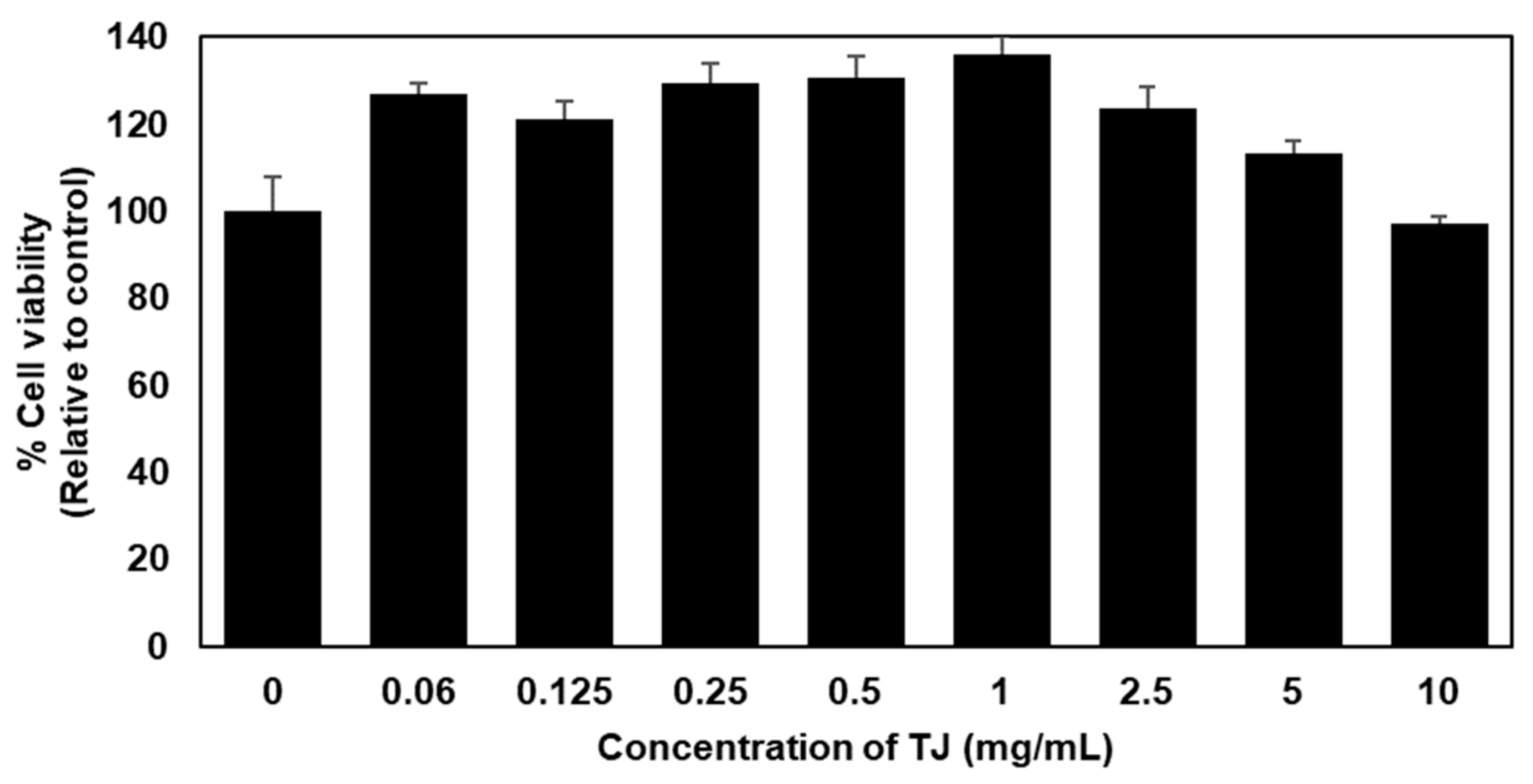
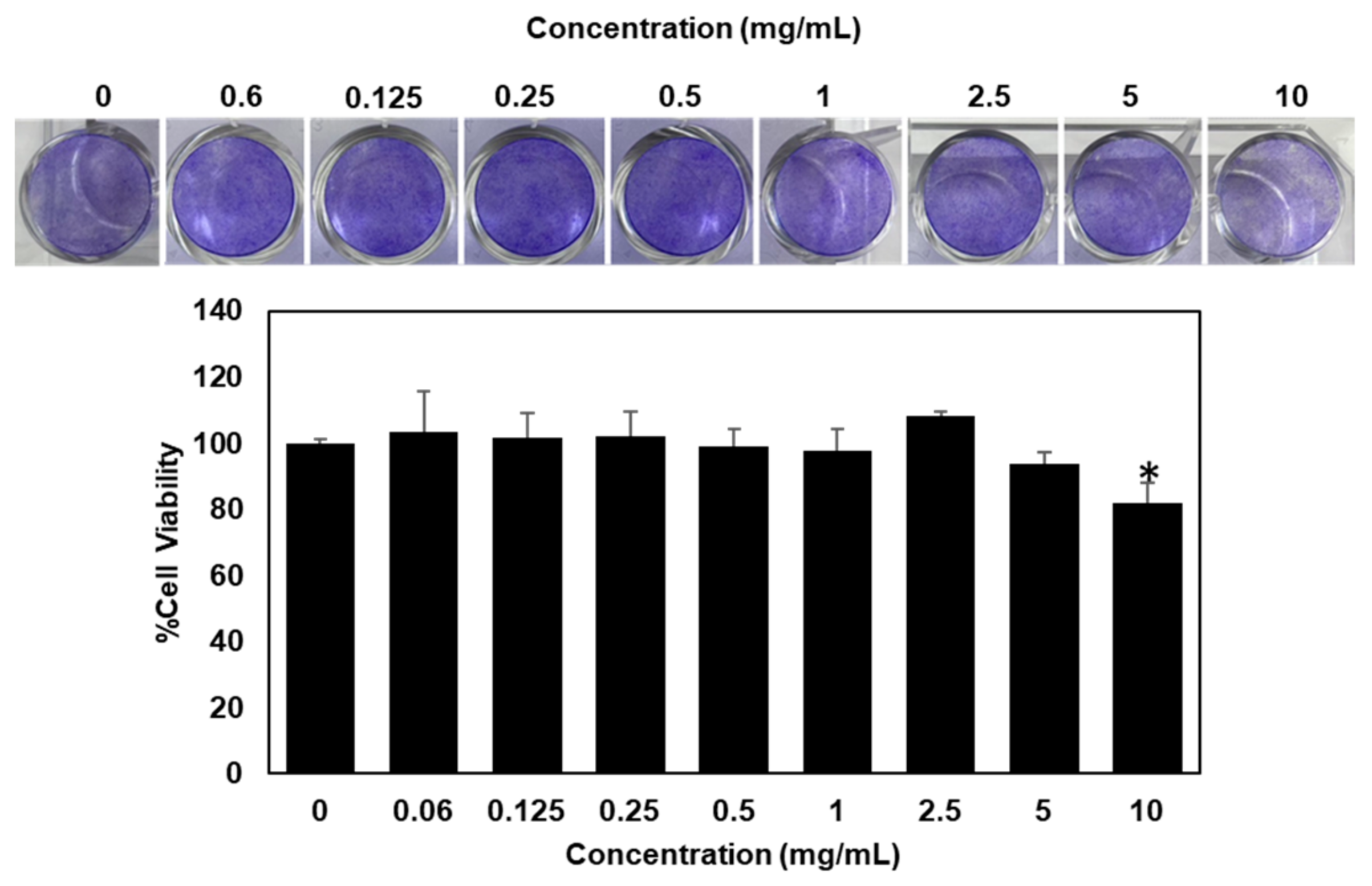
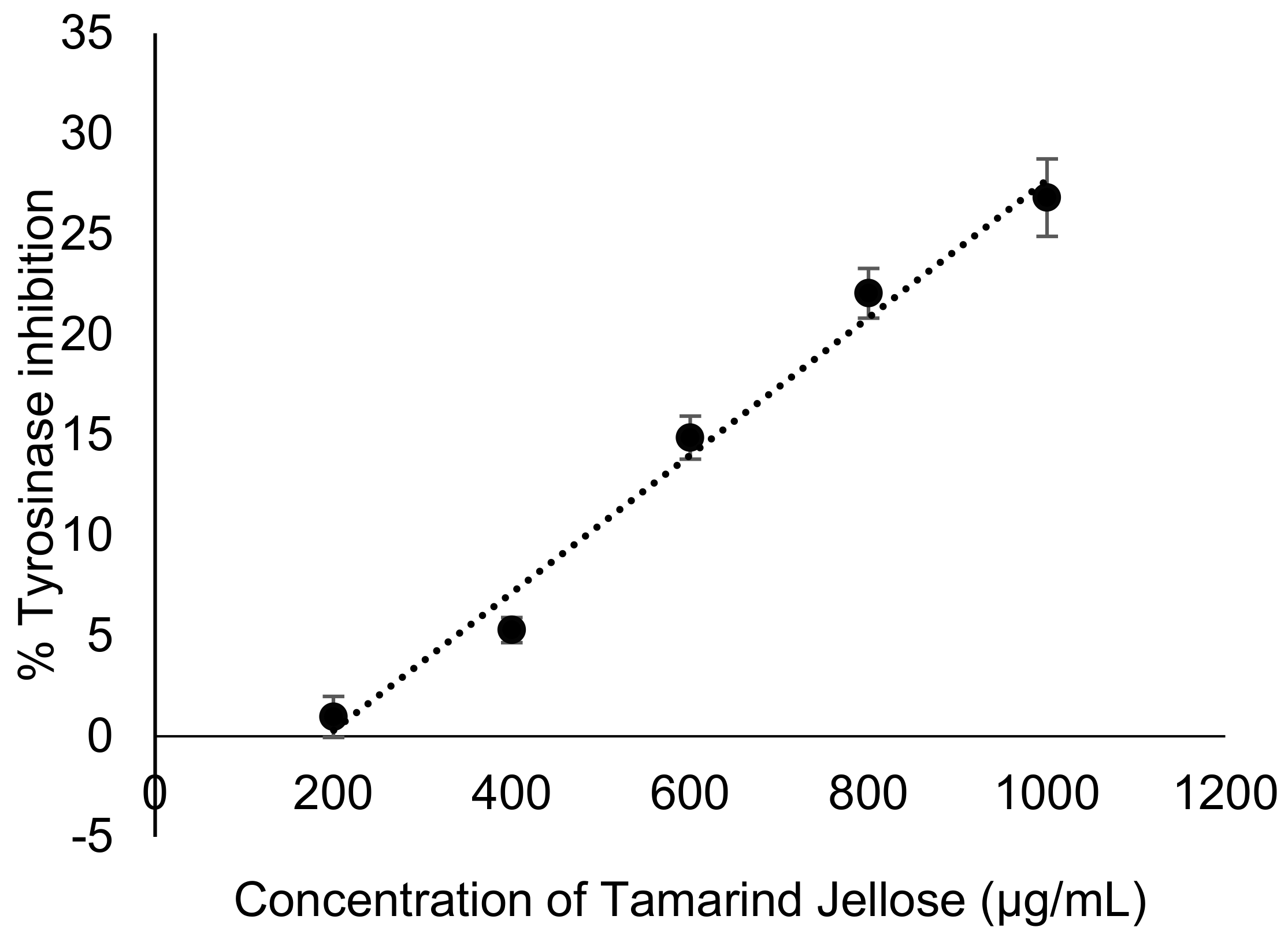
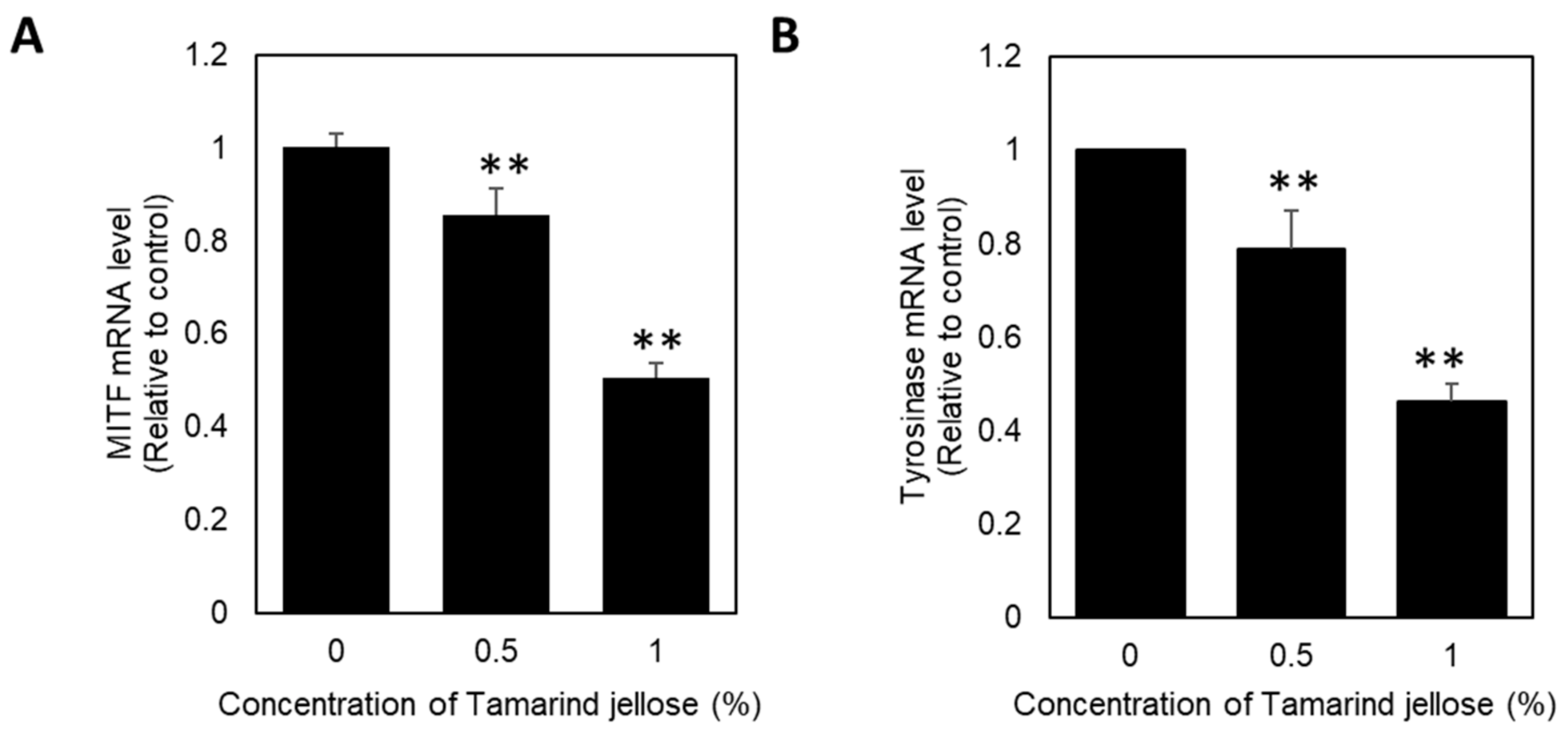
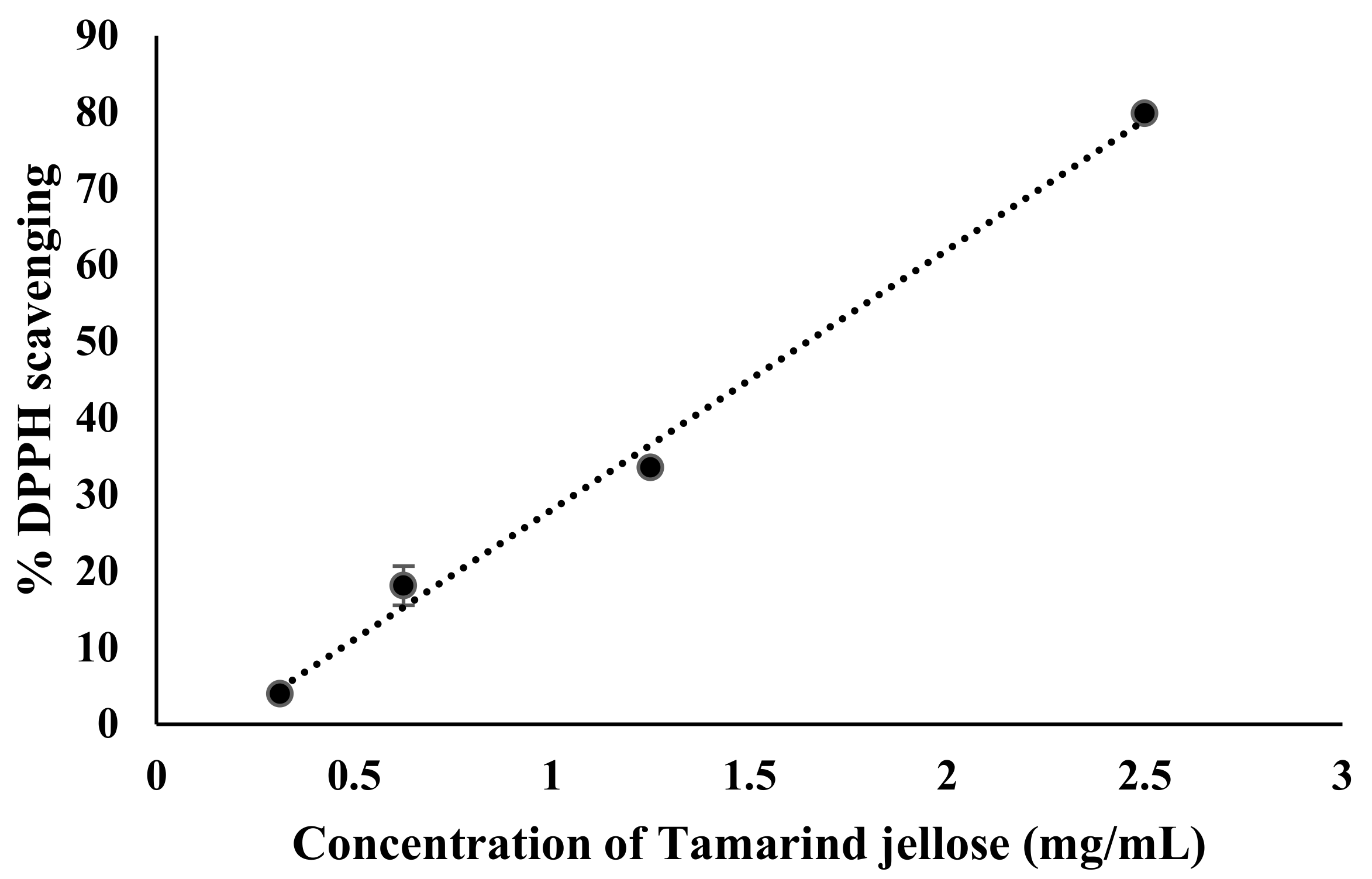
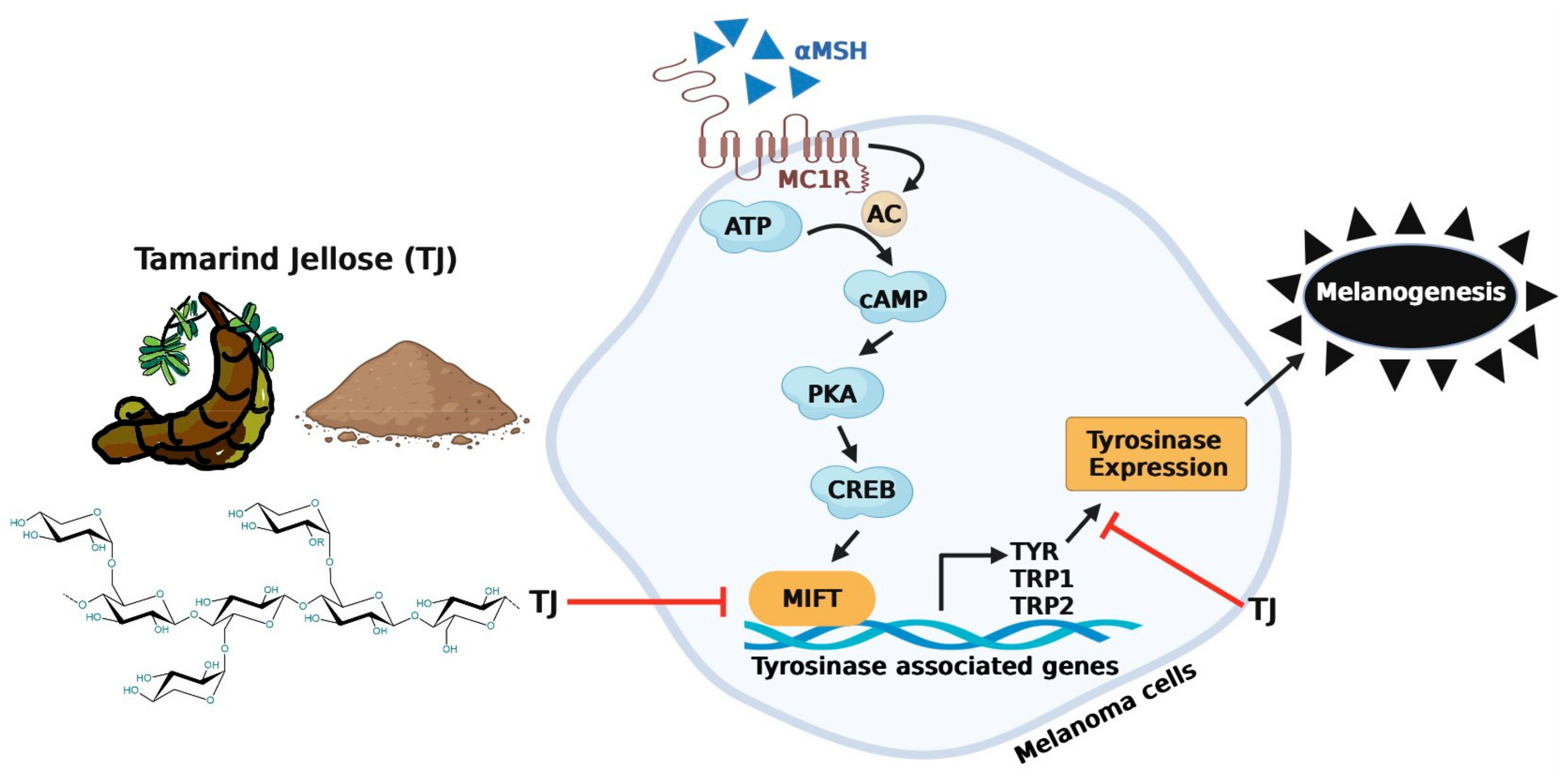
In recent years, the utilization of tamarind seeds as a potential and sustainable ingredient in green cosmetics has gained significant interest. These seeds, previously considered by-products in various food industries, are now being recognized for their interesting value and wide range of bioactive compounds. This study aimed to deeply examine the potential biological activities and underlying molecular mechanisms of tamarind seed jellose (TJ), a natural polysaccharide derived from Tamarindus indica seeds, for various cosmetic applications. Tyrosinase, a key regulator of melanin synthesis and skin color, was the main focus of this study. Through a series of in vitro experiments on skin fibroblasts and B16 melanoma cells, the cytotoxicity, antioxidant activity, and melanogenesis inhibitory potential of tamarind seed jellose were evaluated. Notably, the results revealed that TJ had no obvious cytotoxic effects on skin fibroblast cells at any tested concentrations, ranging from 0 to 10 mg/mL. Interestingly, tamarind seed jellose effectively reduced melanin synthesis by inhibiting tyrosinase expression in a dose-dependent manner. In addition, TJ exhibited a promising antioxidant activity. Collectively, these findings highlight that TJ has the potential to serve as a safe and multi-functional ingredient for green cosmetic applications, offering the potential opportunity to repurpose waste for the beauty industry.
Keywords: tamarind jellose; green cosmetics; whitening; tyrosinase inhibition tamarind jellose; green cosmetics; whitening; tyrosinase inhibition