Review

Review of Operation Performance and Application Status of Pulsating Heat Pipe

by
Haofan Mu
1 and
Weixiu Shi
2,*
1
School of Environment and Energy Engineering, Beijing University of Civil Engineering and Architecture, Beijing 100044, China
2
Beijing Engineering Research Center of Sustainable Energy and Building, Beijing University of Civil Engineering and Architecture, Beijing 100044, China
*
Author to whom correspondence should be addressed.
Sustainability 2024, 16(7), 2722; https://doi.org/10.3390/su16072722
Submission received: 19 December 2023 / Revised: 9 February 2024 / Accepted: 4 March 2024 / Published: 26 March 2024

Abstract

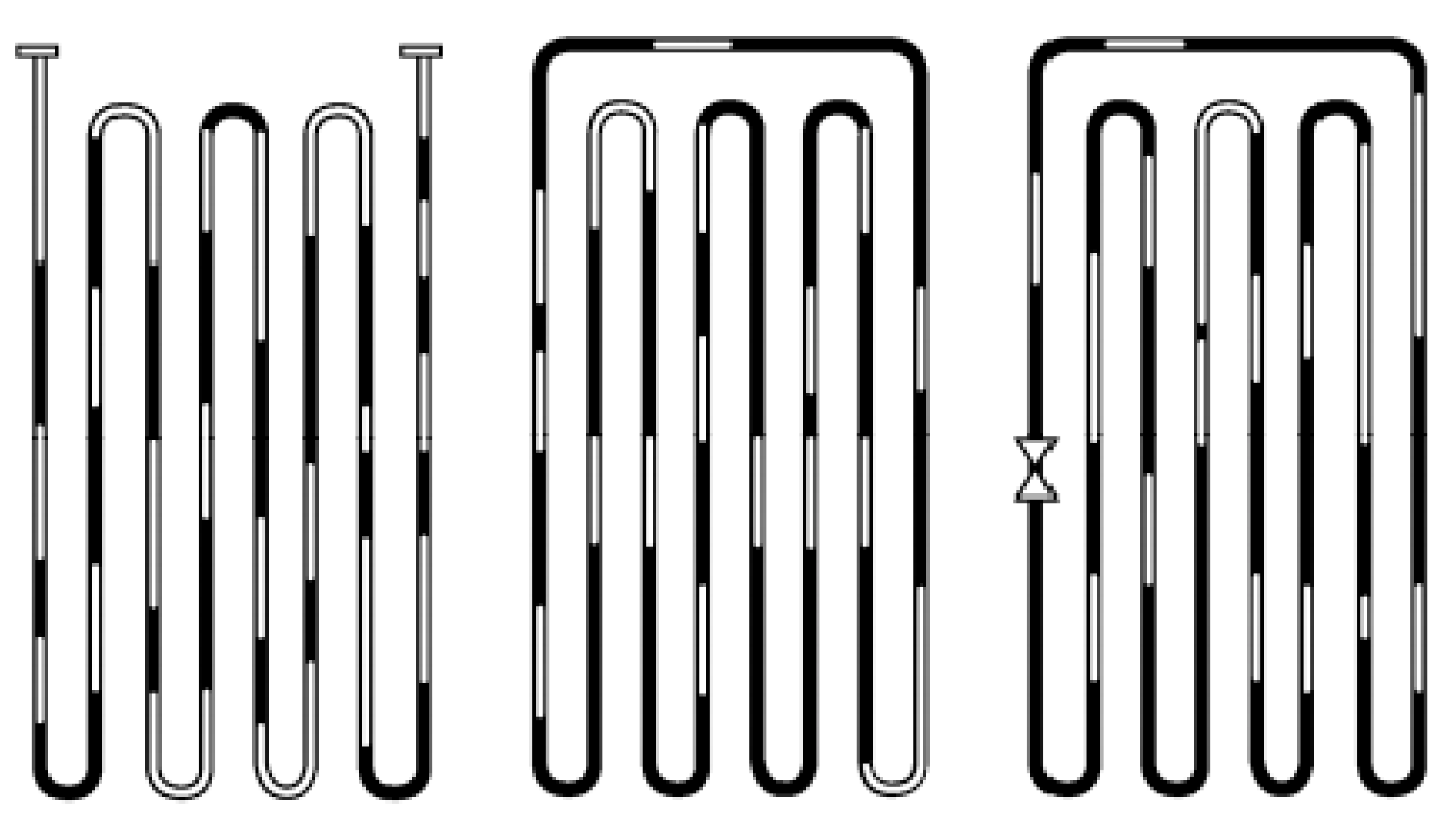
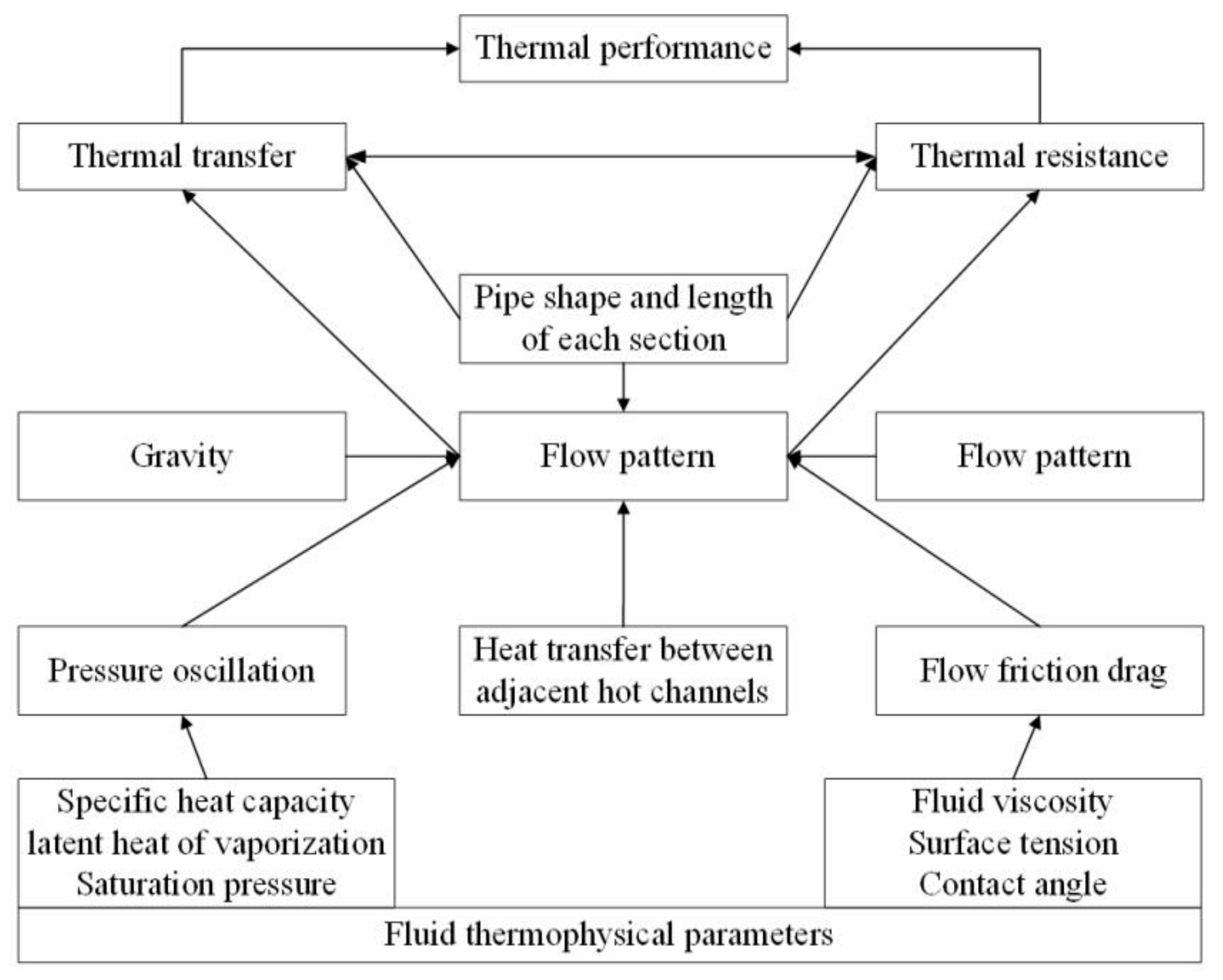
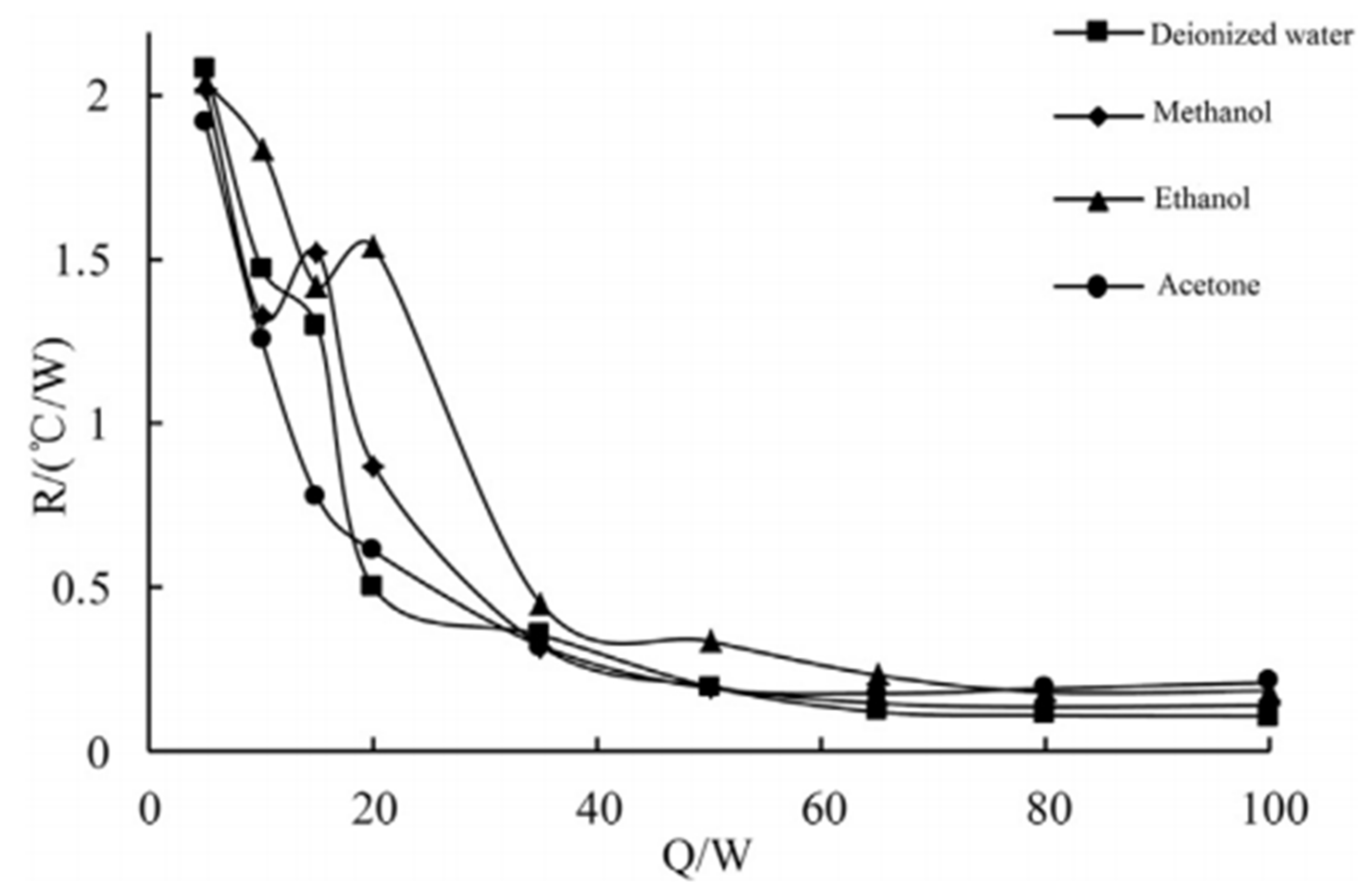
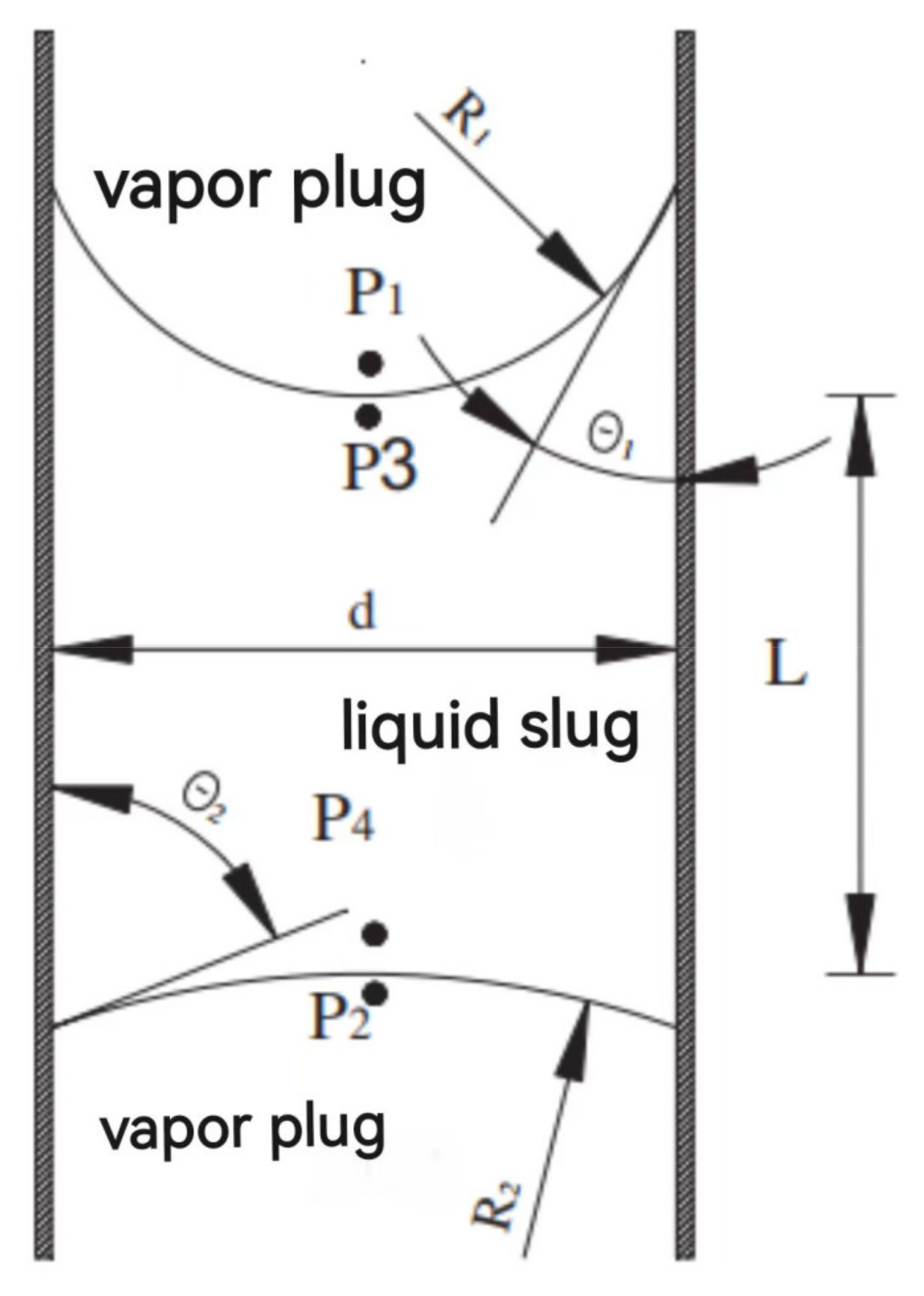
Due to the rapid development of science and technology in today’s era, electronic equipment is constantly upgrading. Today, the developmental trend of electronic equipment is miniaturization, portability and multi-functionality. However, multi-functionality often means multi-components, so it is undoubtedly a great test of heat dissipation ability to accommodate more components in a smaller volume. Without sufficient heat dissipation capacity, a large number of components will stop working or even be damaged because of the heat generated during operation. As a new passive cooling and heat exchange technology, pulsating heat pipes have many advantages, such as having no external energy input, a simple structure, changeable installation forms and low installation requirements. They have shown great potential in the field of thermal management, and have attracted a lot of scholars’ attention since they were put forward. Because of their operational stability and heat exchange ability in high heat flux environments, they are the best choice for cooling electronic equipment at present. If they can be fully studied and utilized, pulsating heat pipes can not only reduce the consumption of heat dissipation resources but also reuse heat energy to realize the sustainable utilization of resources. This paper briefly introduces the demand background and structural principle of pulsating heat pipes, and summarizes the research on the parameters of pulsating heat pipes and the application status of pulsating heat pipes. The parameters involve working fluid type, pipe diameter, elbow number, liquid filling rate, inclination angle, etc. After classifying the parameters that affect the operation results of pulsating heat pipes, this paper summarizes the research at this stage, and points out the lack of research fields, such as heat flux density, and new application fields of unconventional gravity environment by combining the literature content with the current scientific and technological development trends and experimental parameters, such as thermodynamics.
Keywords: pulsating heat pipe; review; thermal performance; sustainable use pulsating heat pipe; review; thermal performance; sustainable use