Article

An Intelligent Automatic Sea Forecasting System Targeting Specific Areas on Sailing Routes

1
Navigation College, Dalian Maritime University, Dalian 116026, China
2
Faculty of Engineering and Technology, Liverpool John Moores University, Liverpool L3 3AF, UK
3
Zhenjiang Maritime Safety Administration, Zhenjiang 212002, China
*
Author to whom correspondence should be addressed.
Sustainability 2024, 16(3), 1117; https://doi.org/10.3390/su16031117
Submission received: 28 October 2023 / Revised: 7 January 2024 / Accepted: 16 January 2024 / Published: 28 January 2024
(This article belongs to the Special Issue Sustainable Maritime Transportation)

Abstract

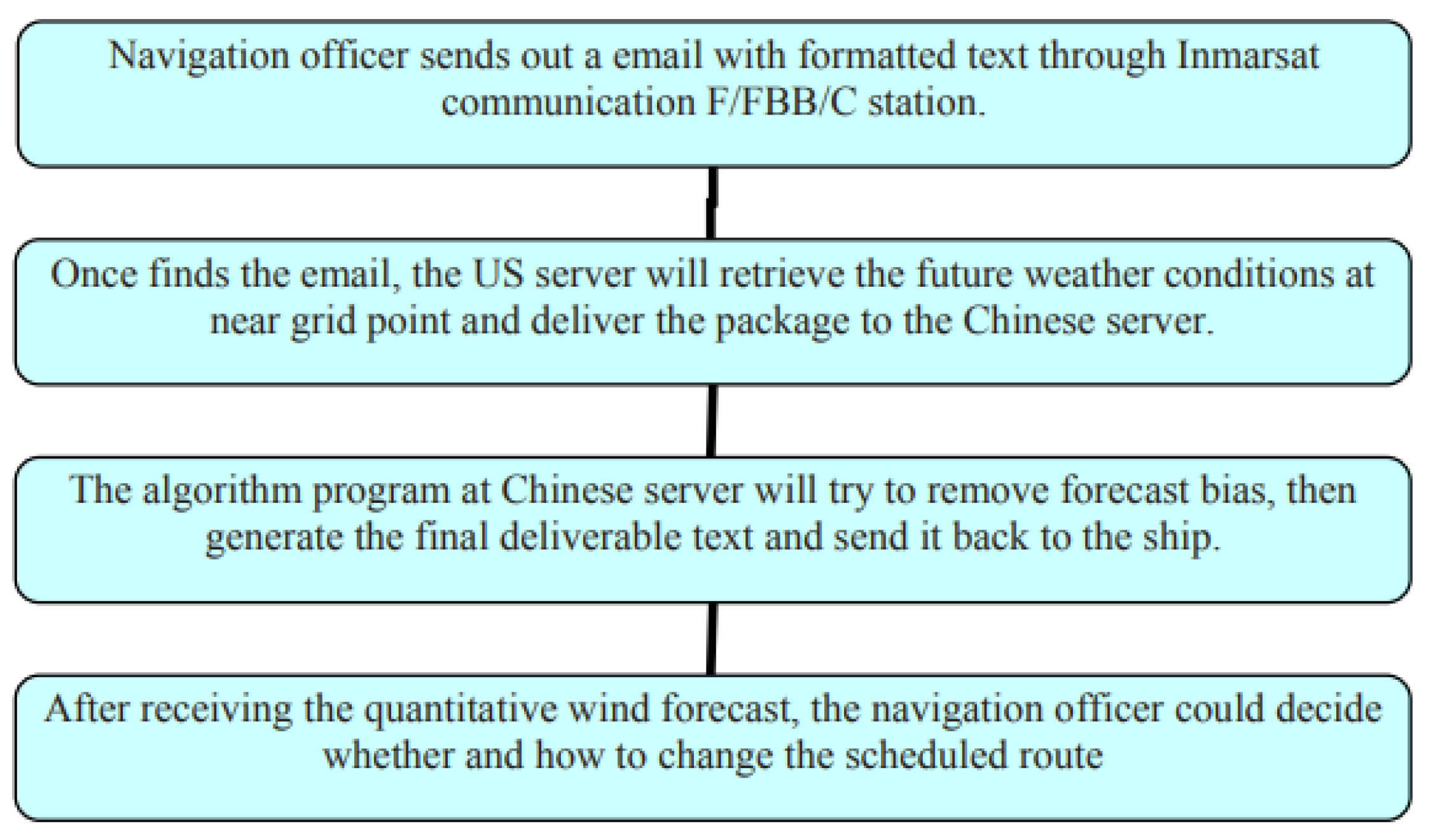
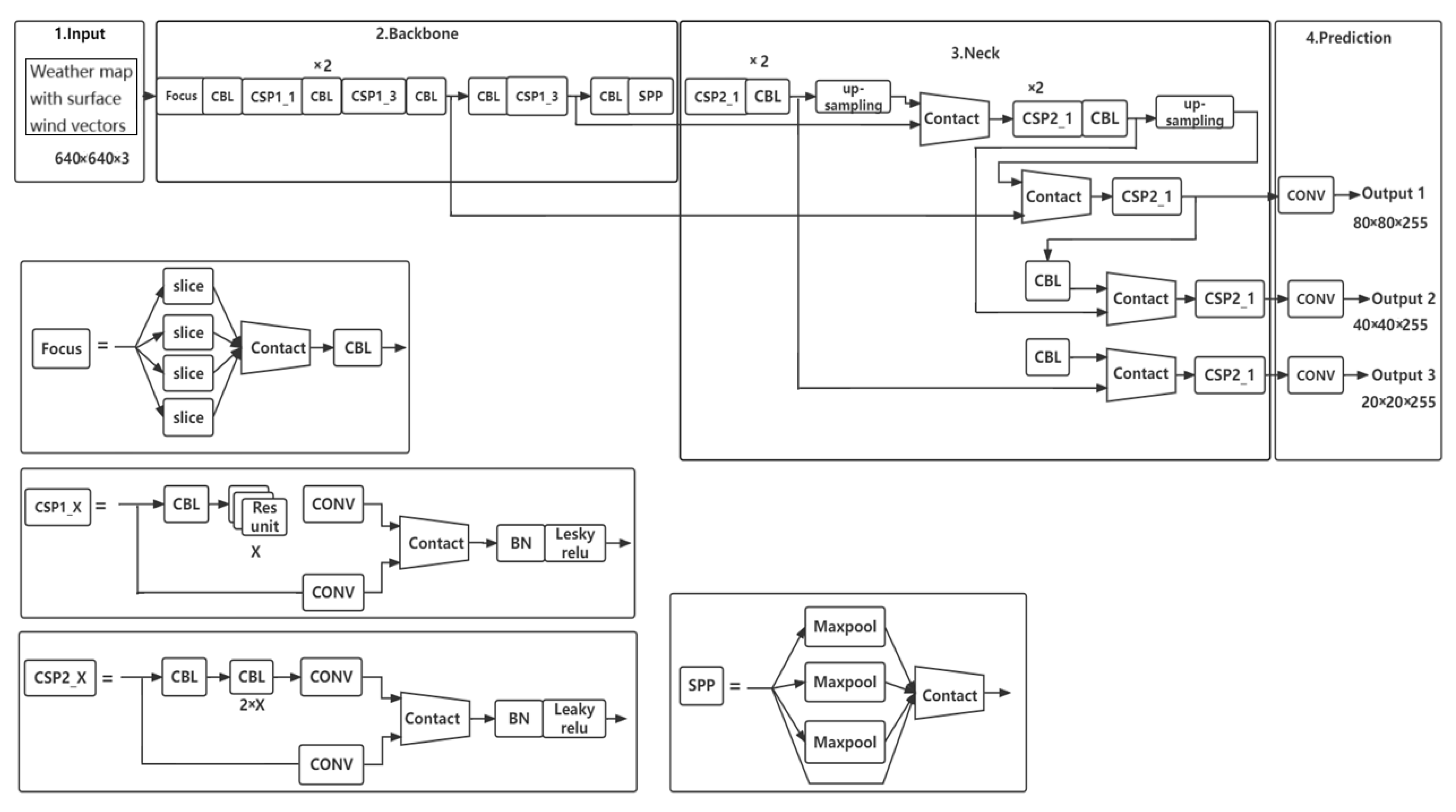
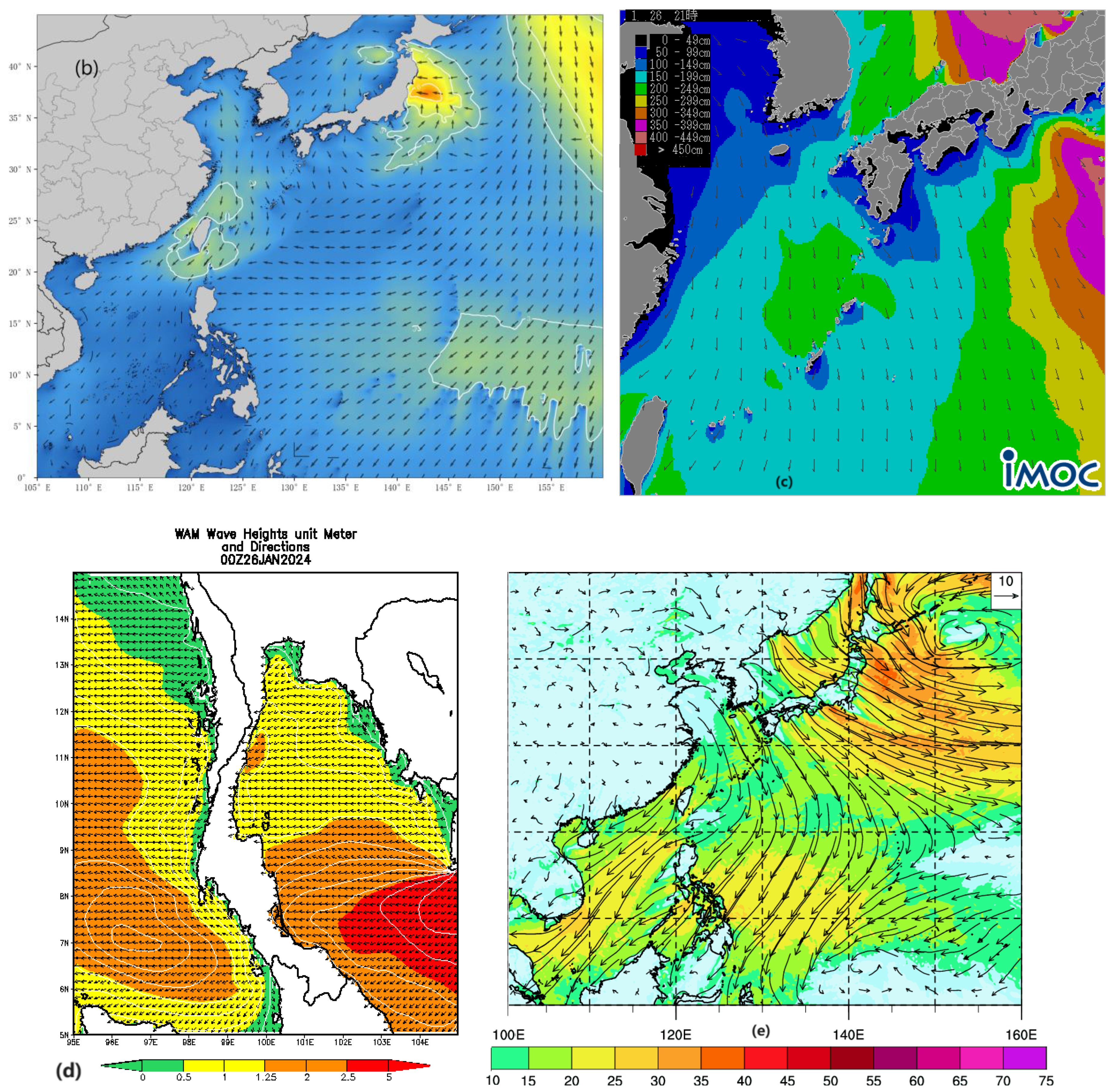
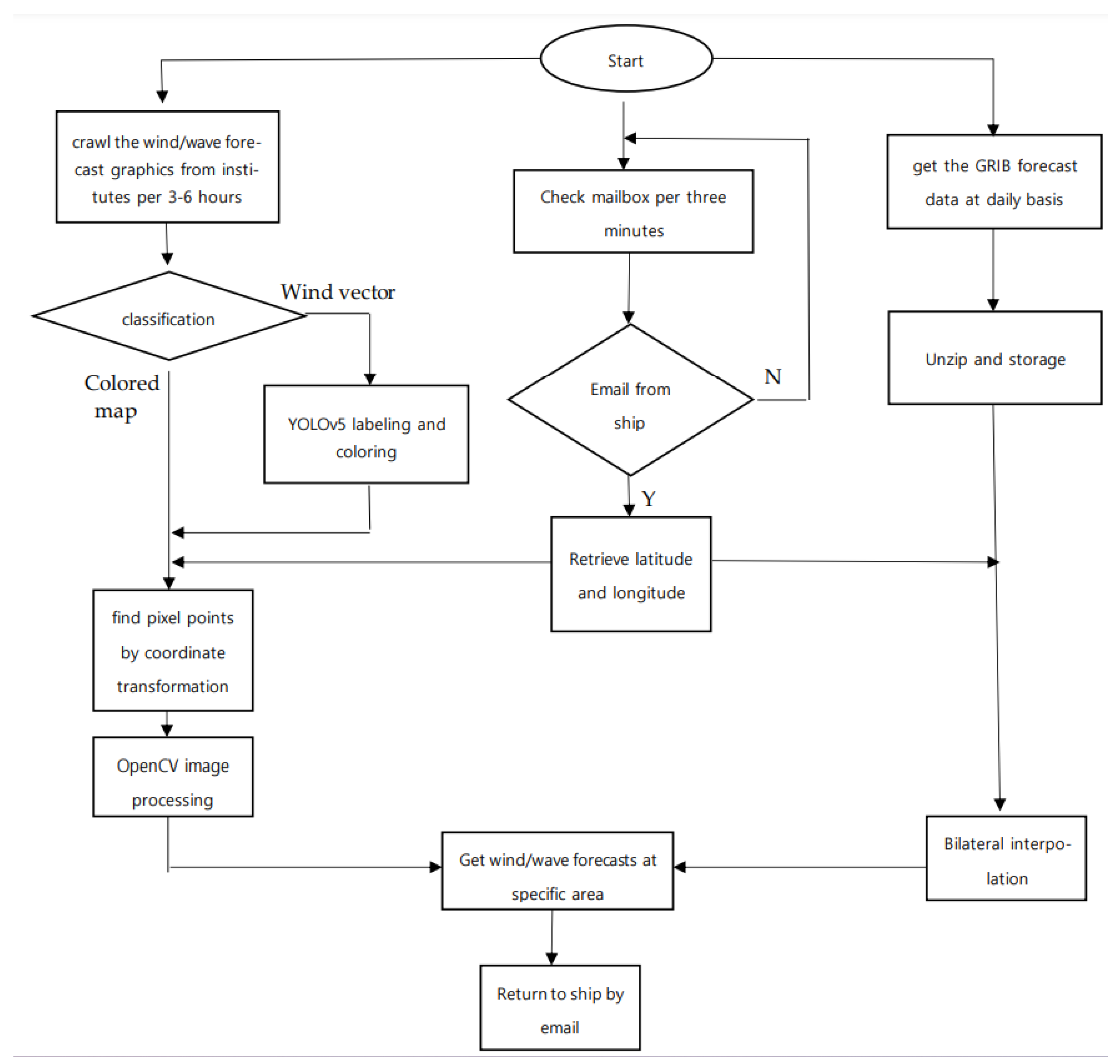
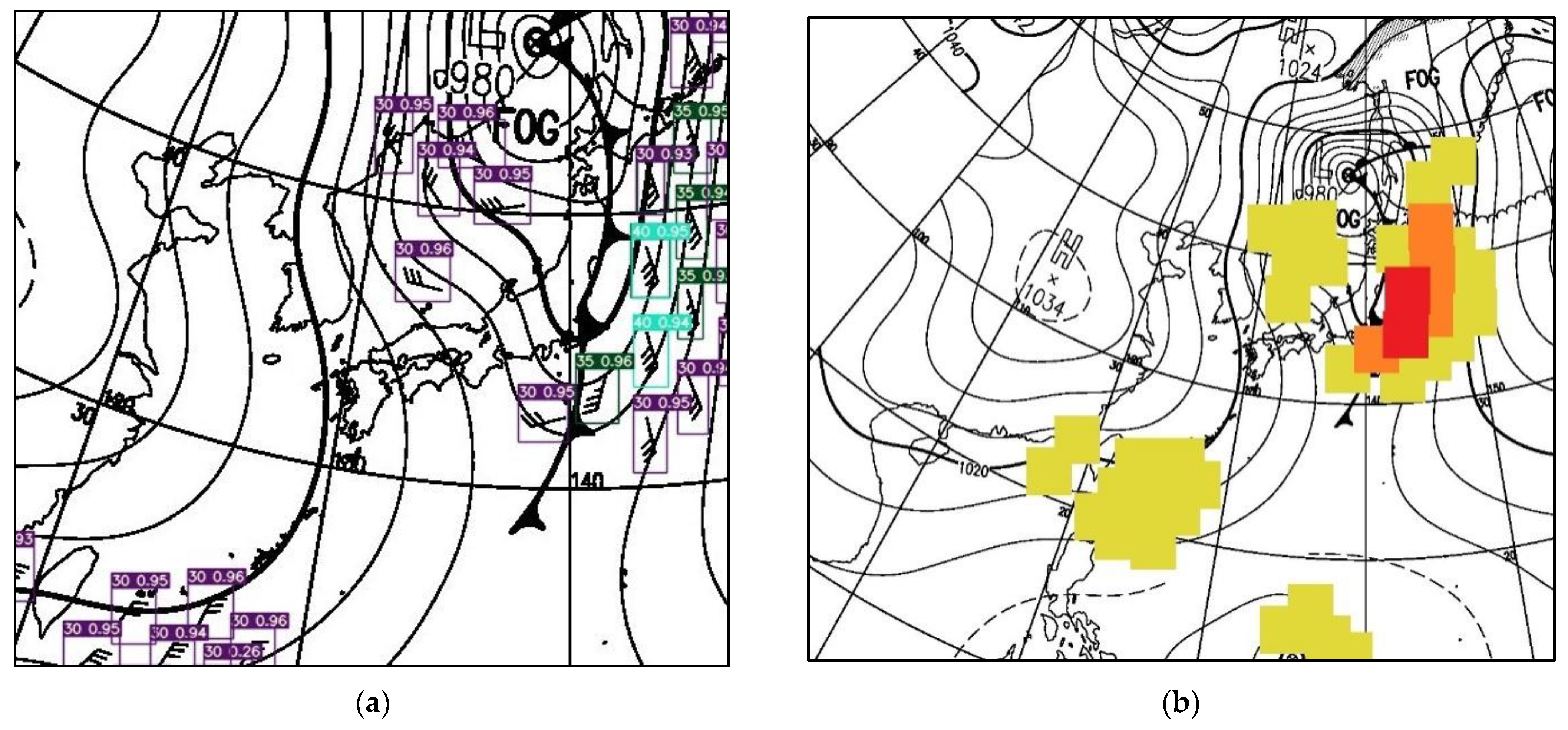
Sailing vessel navigators always want to receive state-of-the-art prompt and accurate marine weather-forecasting services. However, the weather-routing services by private sectors are expensive. Further, forecasting results from public institutes are usually free, and they are not in real-time or numerical modes, so they are not quite suitable for small-size or offshore vessels. In this study, an intelligent system was constructed for delivering sea forecasting at specific areas according to the navigator’s order. The system can automatically obtain web-based forecasting charts issued from multi-source meteorological agencies and convert the regional information into numerical text at requested points. During this step, several intelligent algorithms, like the OpenCV digital image processing algorithm and the YOLO wind vector deep learning recognition method, were applied. By applying this state-of-the-art system, navigators on board do not need to download different institutional graphics (usually with large stream bytes) to explore the future states of the sea surface in a specific area in the sailing route but can obtain the multi-source text forecasting information just by sending the area coordinates to a designated email address. The field tests confirmed that this auto-intelligent system could assist the navigator within a few minutes and thus greatly enhance the navigation safety with minor text-based communication costs. It is expected that by improving the efficiency of marine services and bringing in more artificial intelligence technology, maritime security would be more sustainable.
Keywords: intelligent response system; sea forecasting; OpenCV image processing; YOLOv5 recognition intelligent response system; sea forecasting; OpenCV image processing; YOLOv5 recognition