Article

Passive Safety Assessment of Railroad Trains in Moose Herd Collision Scenarios

1
CCRC Qingdao Sifang Co., Ltd., Qingdao 266000, China
2
Key Laboratory of Traffic Safety on Track, Ministry of Education, School of Traffic & Transportation Engineering, Central South University, Changsha 410075, China
*
Author to whom correspondence should be addressed.
Sustainability 2024, 16(3), 1043; https://doi.org/10.3390/su16031043
Submission received: 4 December 2023 / Revised: 19 January 2024 / Accepted: 22 January 2024 / Published: 25 January 2024

Abstract

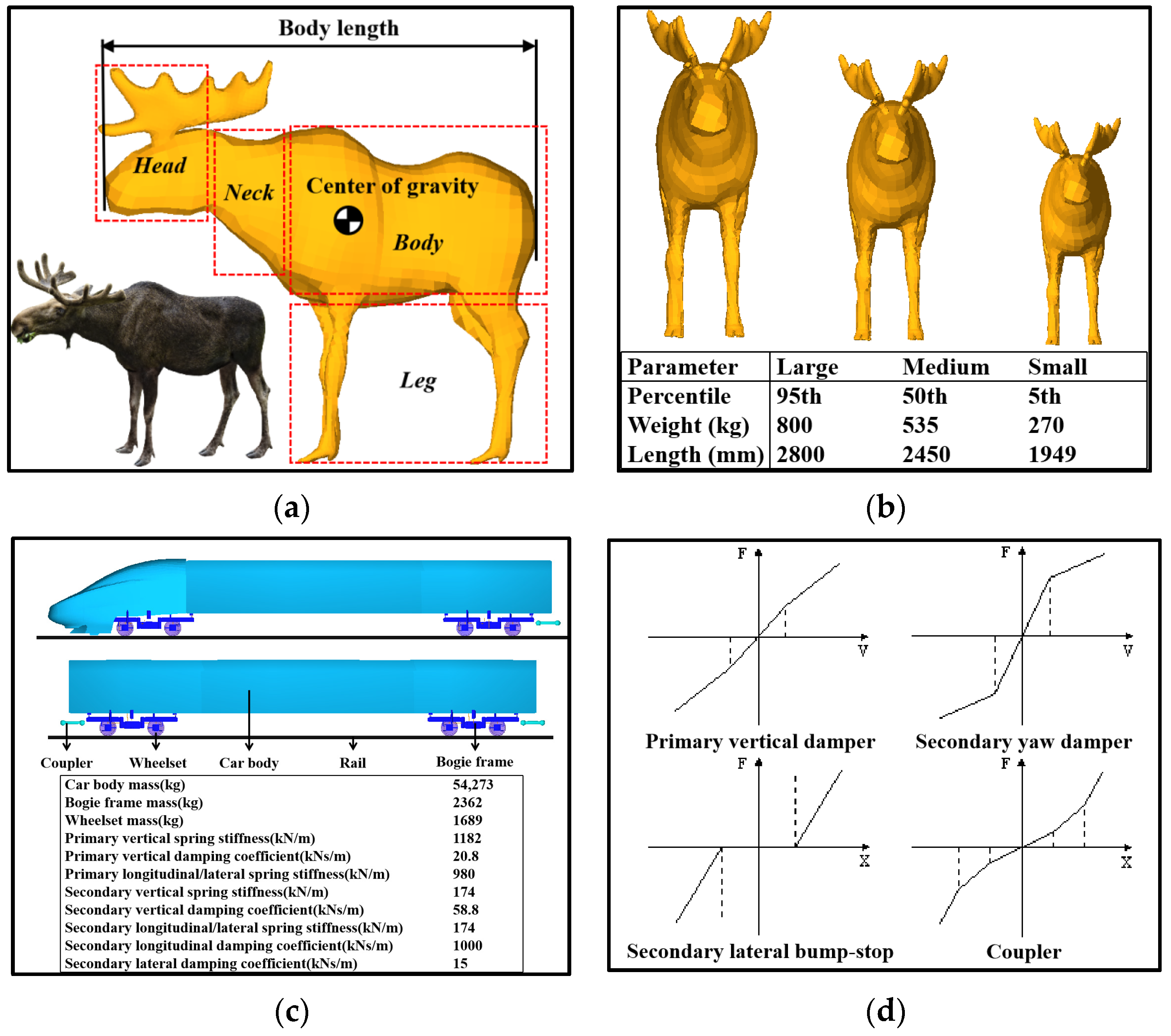
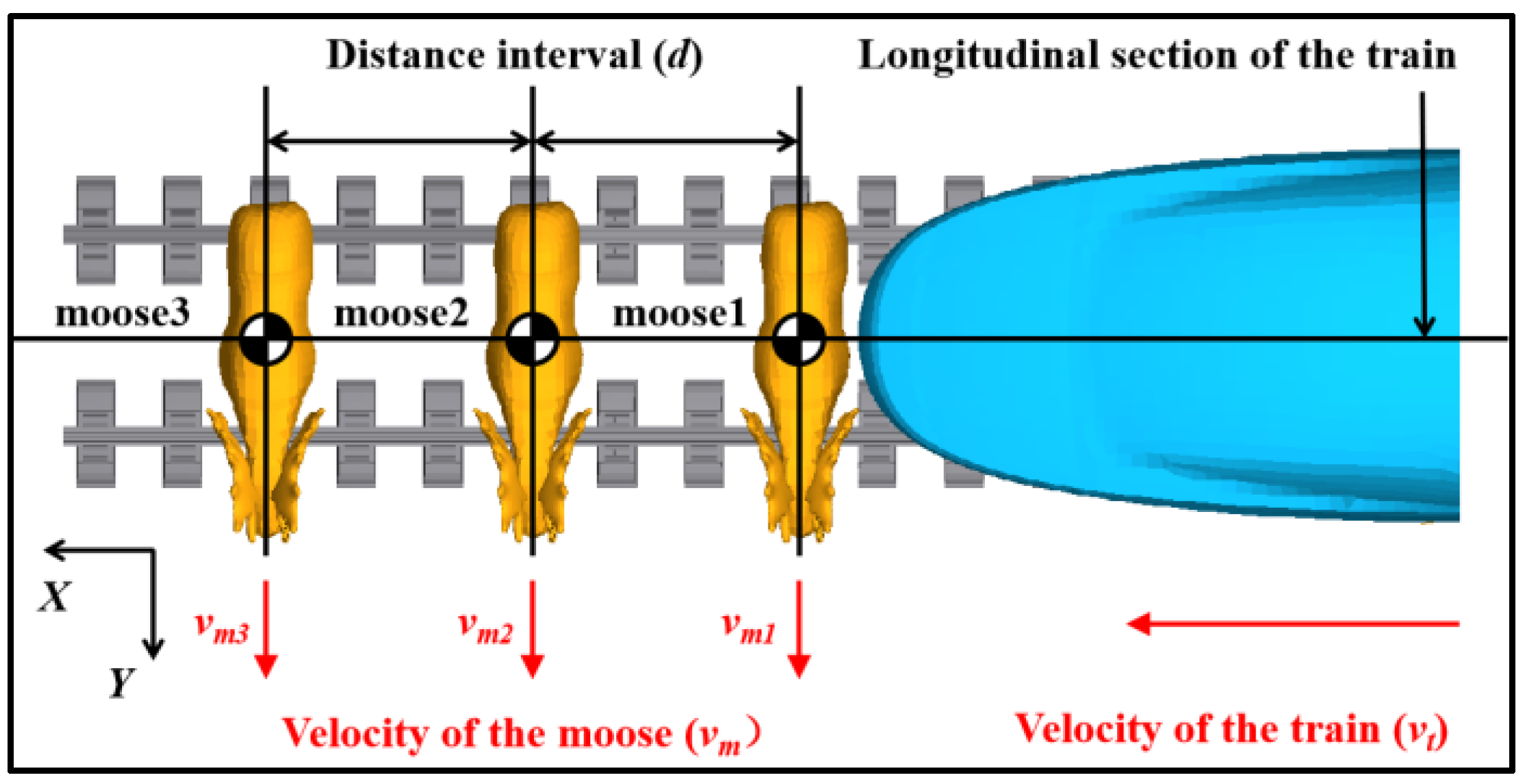
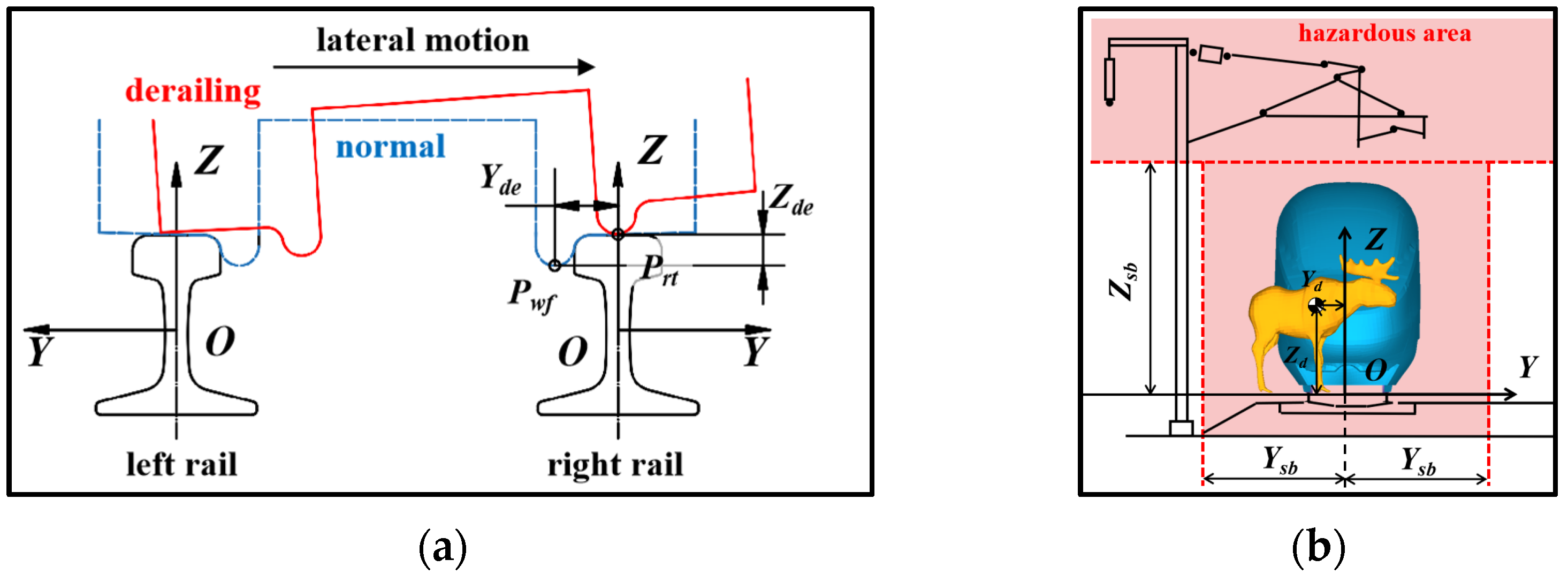
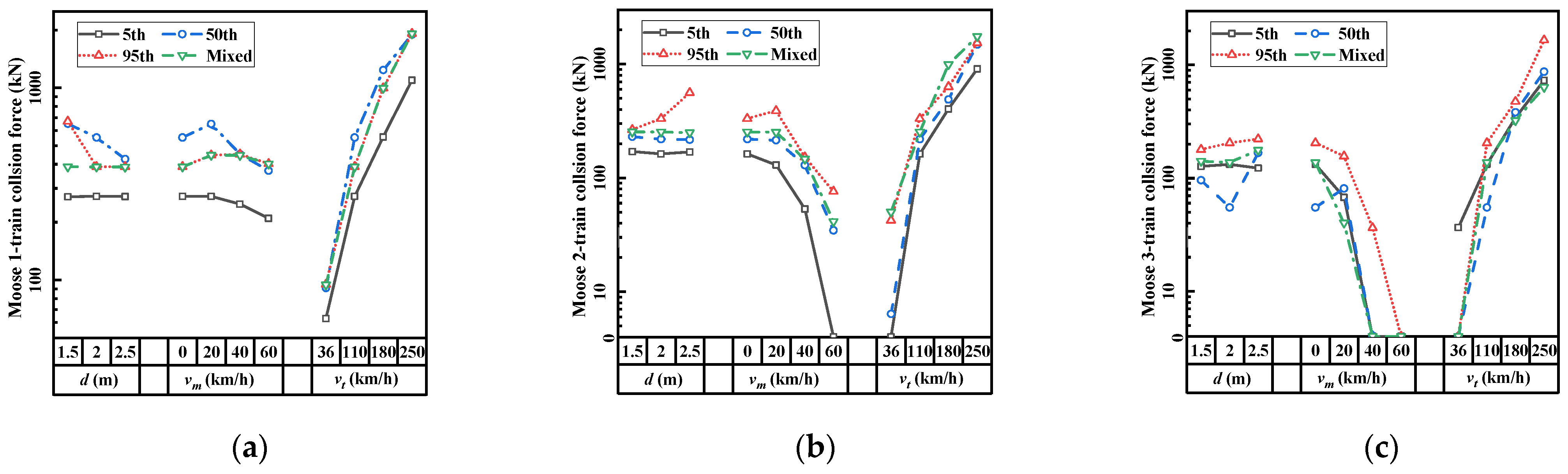
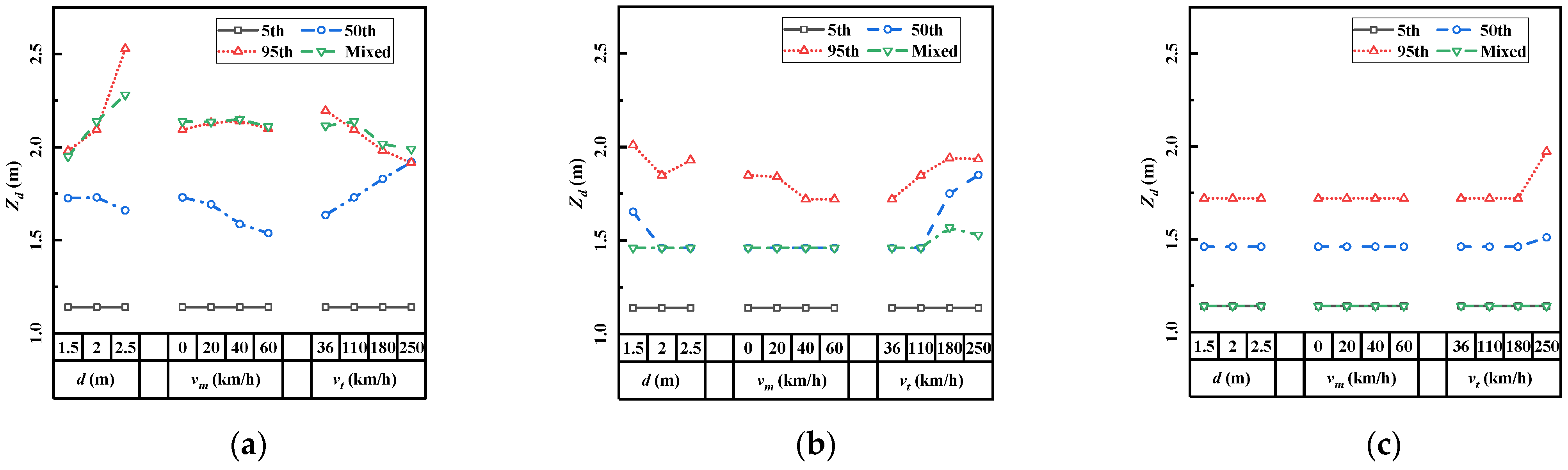
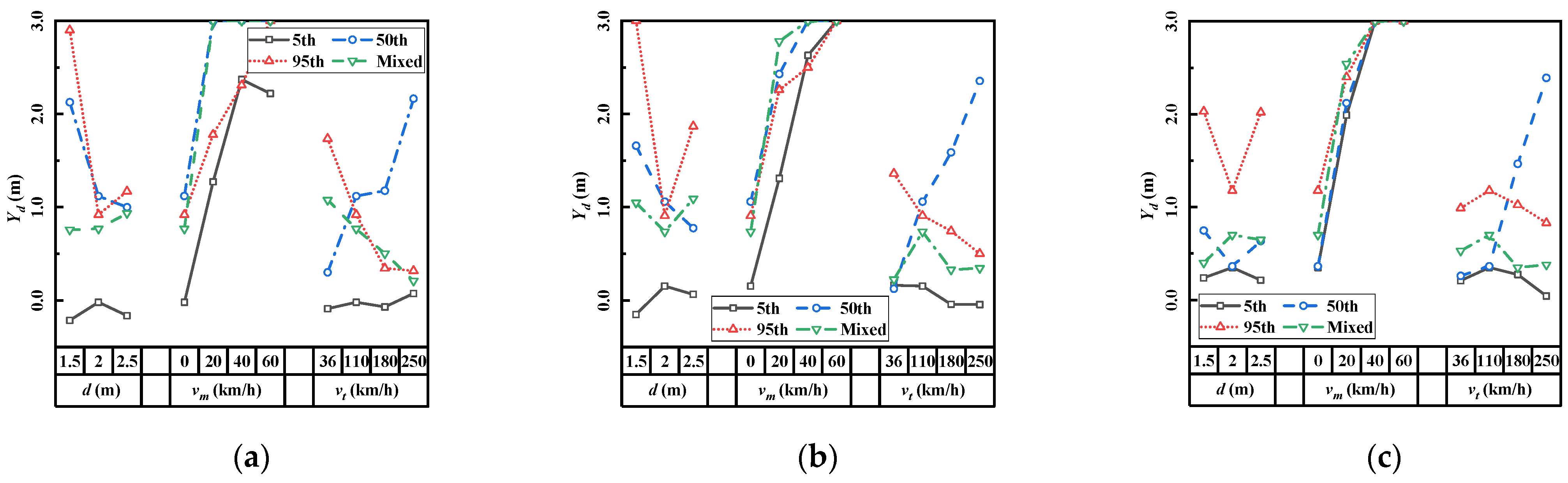
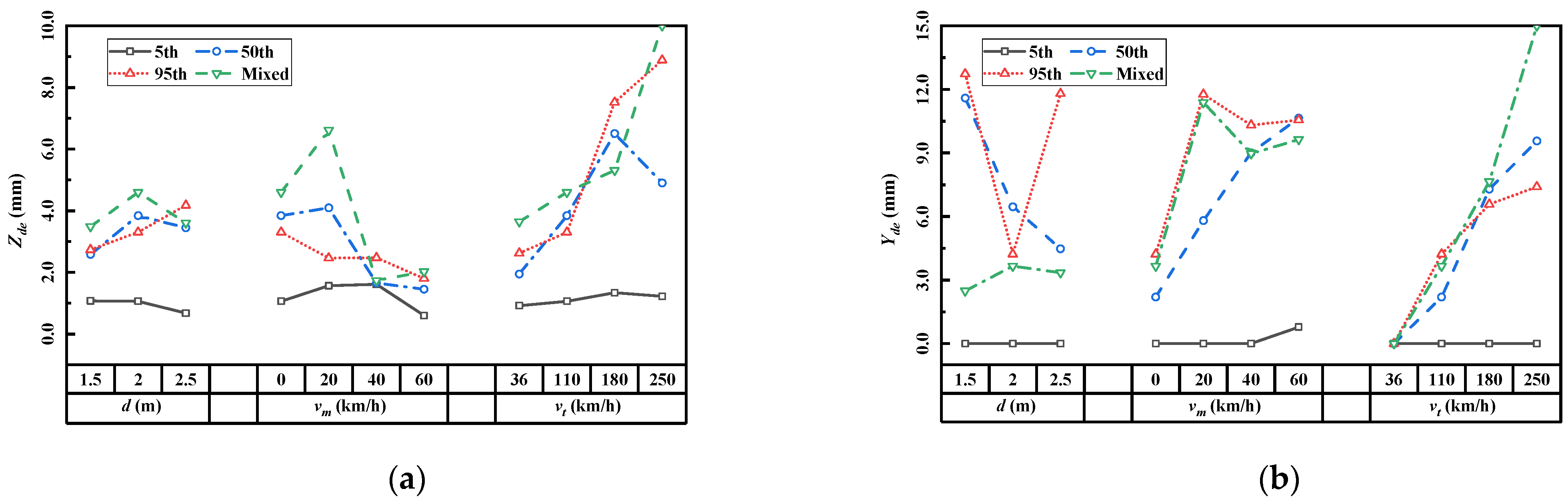
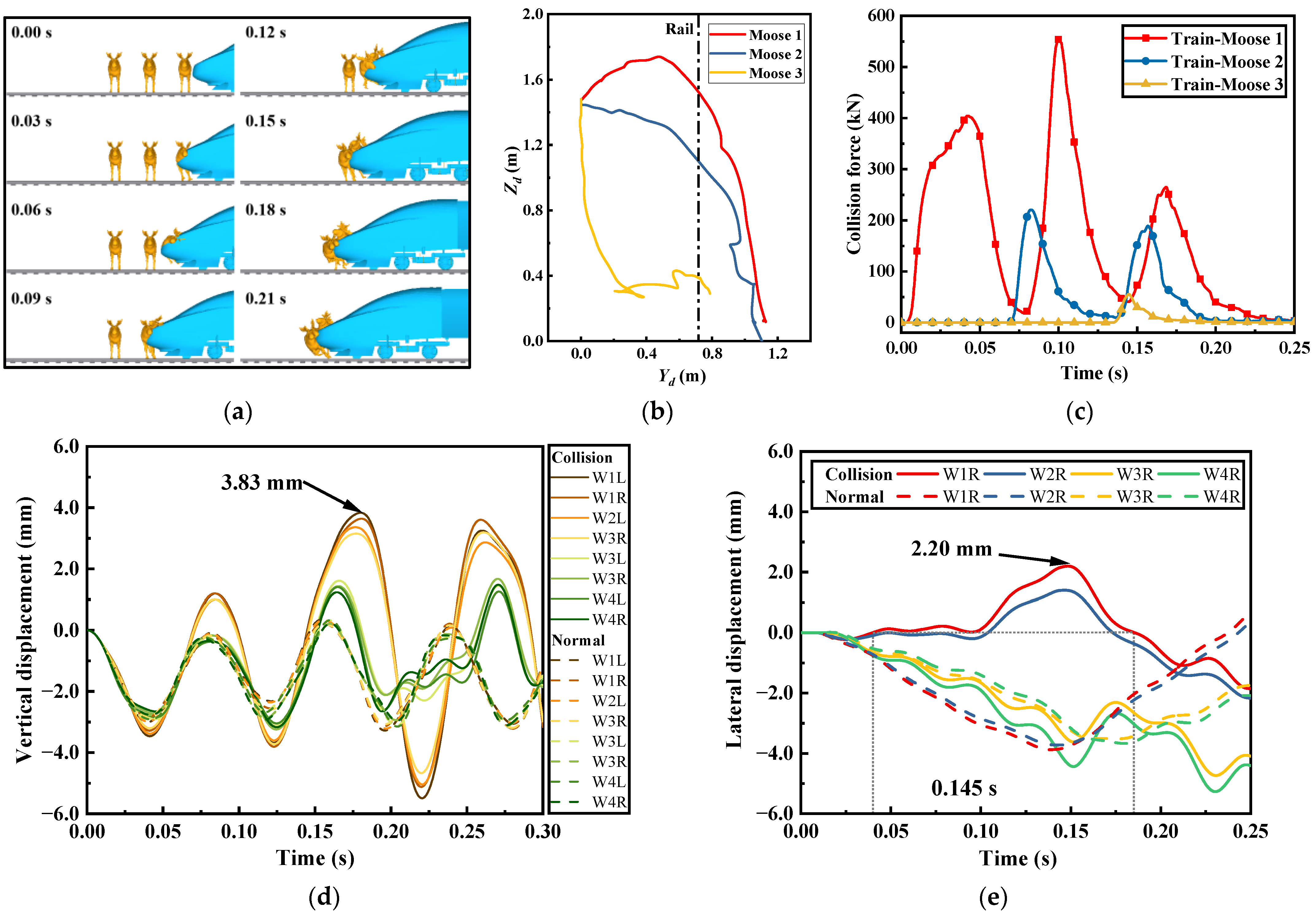
Moose herd–train collisions represent one of the potential hazards that railway operations must contend with, making the assessment of passive train safety in such scenarios a crucial concern. This study analyzes the responses of bullet trains colliding with moose herds and investigates the influence of various factors under these conditions. To achieve this goal, a multibody (MB) model was developed using the MADYMO platform. The displacement of the moose’s center of gravity (CG) was employed to assess the safety boundaries, while the relative positions between the wheels and rails were used to evaluate the risk of derailment. The findings revealed that the collision forces exhibited multi-peak characteristics that were subsequently transmitted to the wheel–rail contact system, resulting in disturbances in the relative positions of the wheels and rails. However, these disturbances did not reach a level that would induce train derailment. Furthermore, larger moose herds exhibited higher throw heights, although these heights remained within safe limits and did not pose a threat to overhead lines. The primary safety risk in moose–train collisions stemmed from secondary collisions involving moose that had fallen onto the tracks and oncoming trains. This study offers valuable insights for enhancing the operational safety of high-speed trains and safeguarding wildlife along railway corridors.
Keywords: train–moose herd collisions; crash safety assessment; high-speed train; accident analysis; multibody mode train–moose herd collisions; crash safety assessment; high-speed train; accident analysis; multibody mode