Review

Extensive Green Roofs (EGRs) and the Five Ws: A Quantitative Analysis on the Origin and Evolution, Aims, Approaches, and Botanical Views

by
Amii Bellini
1,
Flavia Bartoli
1,2,* and
Giulia Caneva
1,3
1
Department of Sciences, University Roma Tre, Viale Marconi 446, 00146 Rome, Italy
2
Institute of Heritage Science (CNR-ISPC), National Research Council of Italy, Area della Ricerca di Roma 1, Montelibretti, Via Salaria Km 29,300, 00015 Rome, Italy
3
National Biodiversity Future Center (NBFC), Università di Palermo, Piazza Marina 61, 90133 Palermo, Italy
*
Author to whom correspondence should be addressed.
Sustainability 2024, 16(3), 1033; https://doi.org/10.3390/su16031033
Submission received: 8 December 2023 / Revised: 15 January 2024 / Accepted: 23 January 2024 / Published: 25 January 2024
(This article belongs to the Special Issue Urban Green Space and Sustainable Forest Management)

Abstract

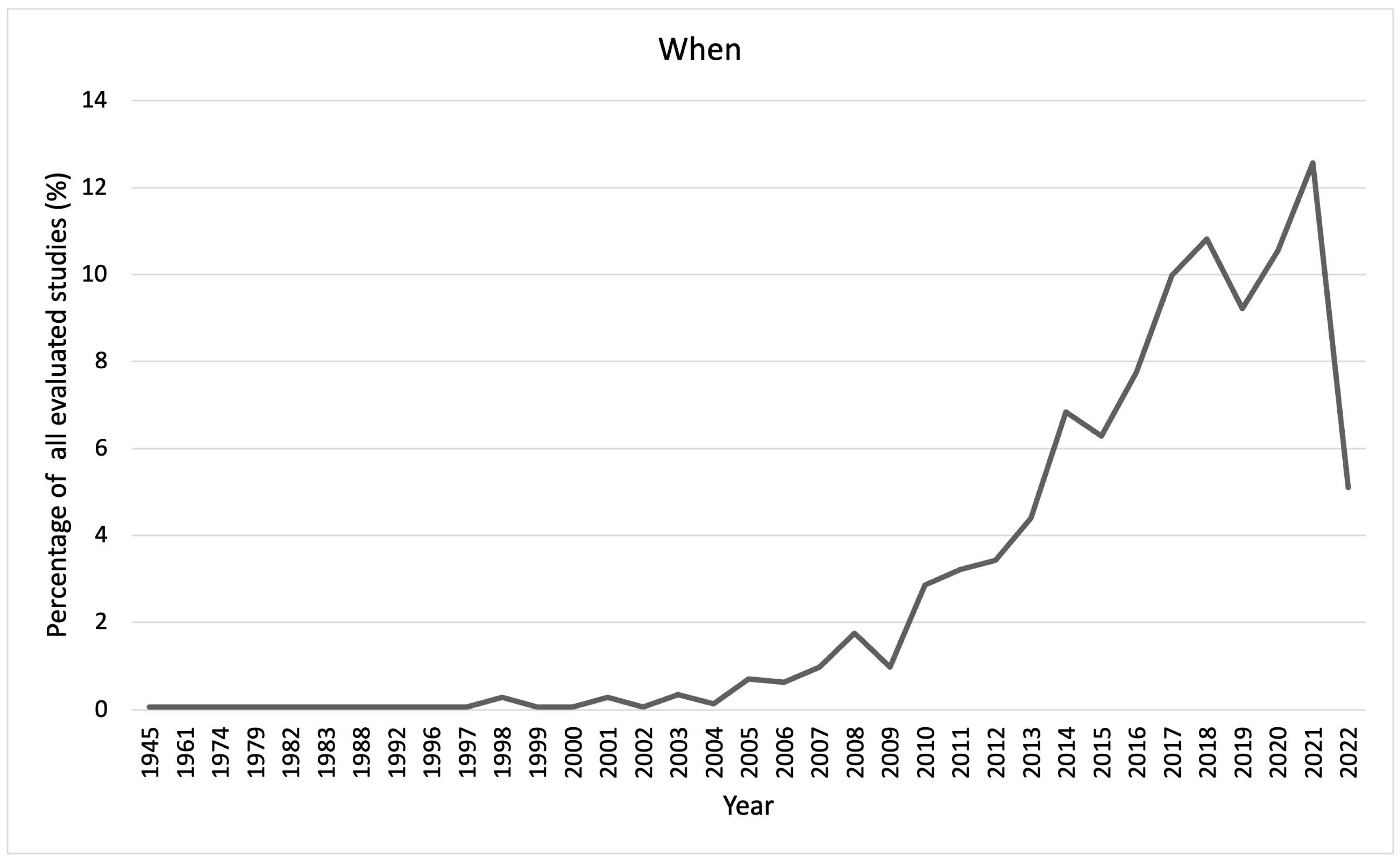
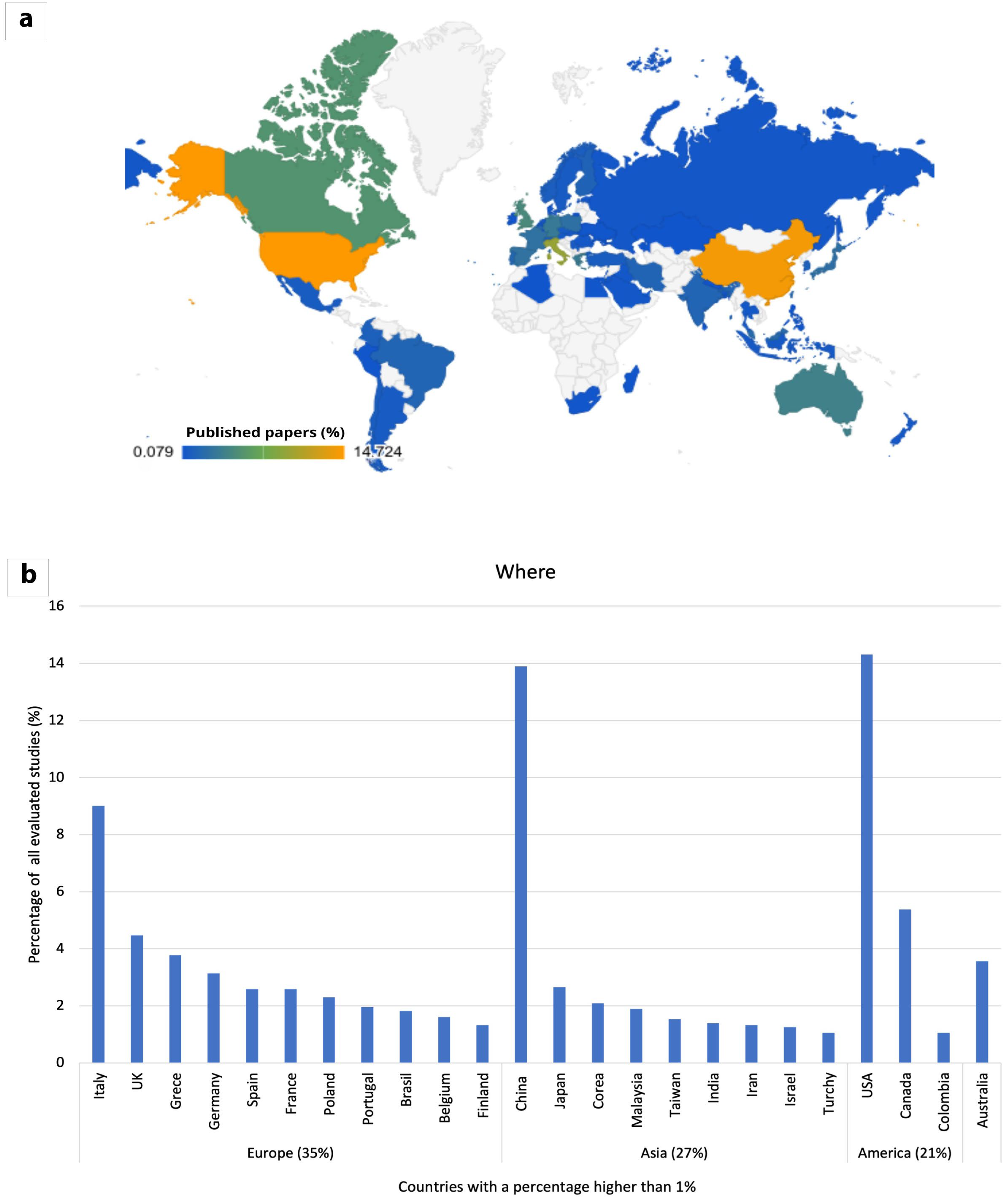
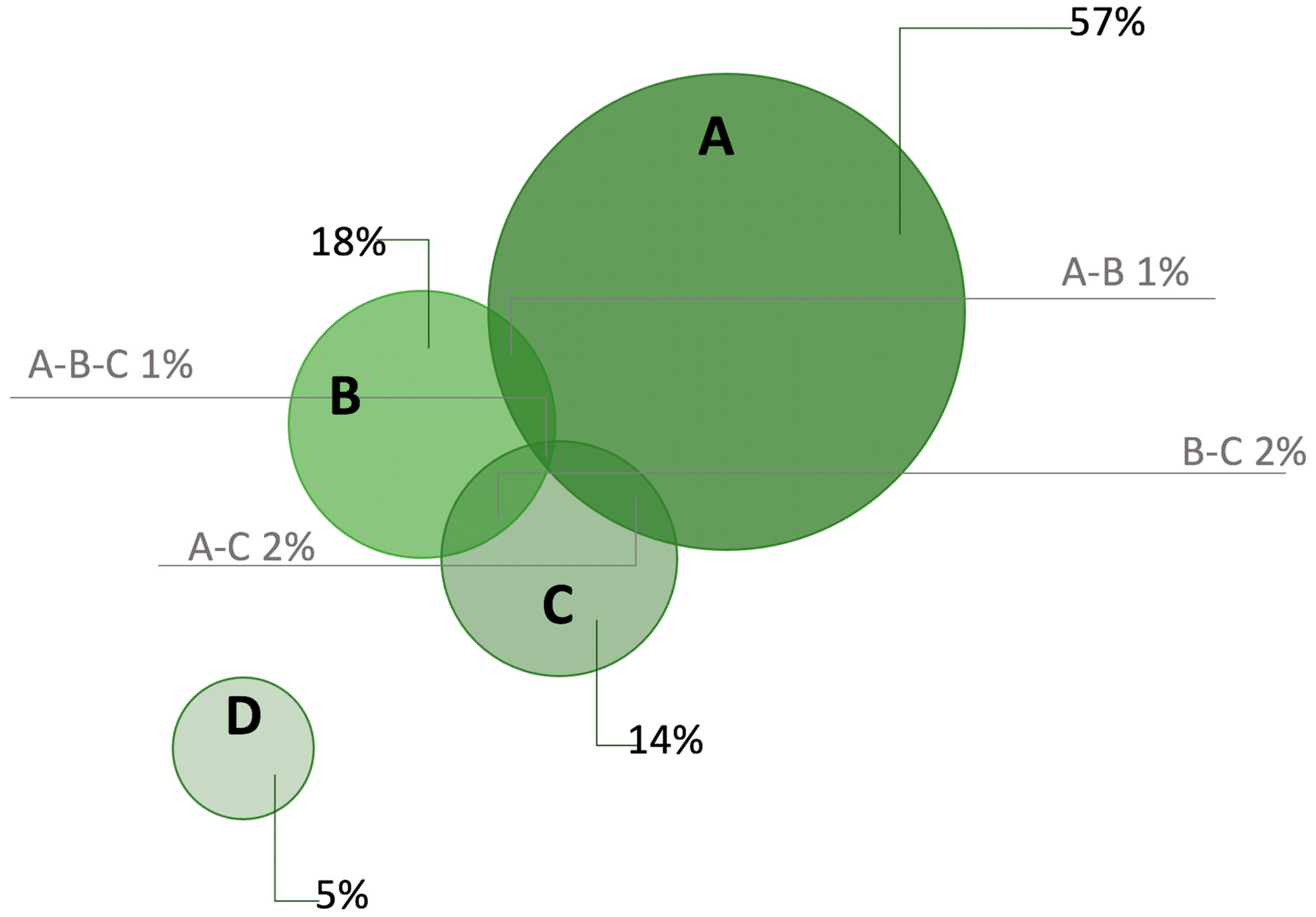
Extensive Green Roofs (EGRs) are nature-based solutions that provide several environmental, health, social, and economic benefits. This review of about 1430 scientific papers, based on the five Ws, When, Where, Why, Who, and Which, aims to understand how interest in these important green infrastructures originated and developed, as well as the nature of such academic research. Special attention was paid to the way researchers approached plant selection. Furthermore, this review made a detailed quantitative evaluation of the growth in interest for such green infrastructures within the scientific literature, which began mainly in Europe around the middle of the last century before spreading to America and Asia, growing rapidly during recent decades. The main impulse behind the study of EGRs came from the fields of engineering and architecture, especially on the themes of thermal mitigation and runoff reduction. In decreasing order, we found the categories aimed at ecological and environmental issues, substrate, and pollution reduction. We also found little evidence of collaboration between different disciplines, with the result that botanical features generally receive little attention. Despite the ecological benefits of plants, not enough attention has been given to them in the literature, and their study and selection are often limited to Sedum species.
Keywords: roof greening; urban ecology; biodiversity; urban planning; sustainable development roof greening; urban ecology; biodiversity; urban planning; sustainable development