Review

Generative AI for Consumer Behavior Prediction: Techniques and Applications


Department of Arts, Communications and Social Sciences, University Canada West, Vancouver, BC V6Z 0E5, Canada
Sustainability 2024, 16(22), 9963; https://doi.org/10.3390/su16229963
Submission received: 21 September 2024 / Revised: 4 November 2024 / Accepted: 5 November 2024 / Published: 15 November 2024

Abstract

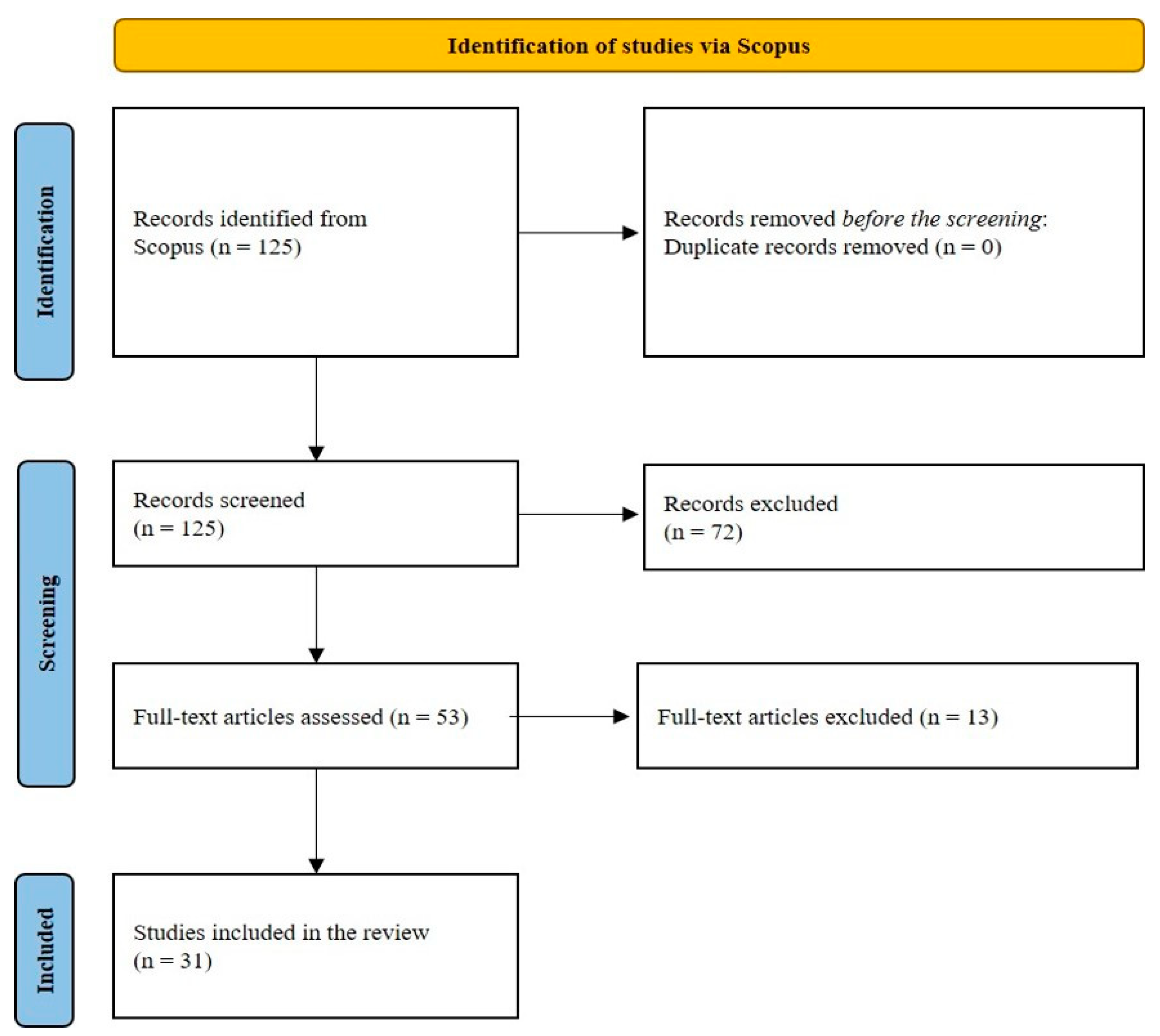
Generative AI techniques, such as Generative Adversarial Networks (GANs), Variational Autoencoders (VAEs), and transformers, have revolutionized consumer behavior prediction by enabling the synthesis of realistic data and extracting meaningful insights from large, unstructured datasets. However, despite their potential, the effectiveness of these models in practical applications remains inadequately addressed in the existing literature. This study aims to investigate how generative AI models can effectively enhance consumer behavior prediction and their implications for real-world applications in marketing and customer engagement. By systematically reviewing 31 studies focused on these models in e-commerce, energy data modeling, and public health, we identify their contributions to improving personalized marketing, inventory management, and customer retention. Specifically, transformer models excel at processing complicated sequential data for real-time consumer insights, while GANs and VAEs are effective in generating realistic data and predicting customer behaviors such as churn and purchasing intent. Additionally, this review highlights significant challenges, including data privacy concerns, the integration of computing resources, and the limited applicability of these models in real-world scenarios.
Keywords: generative AI; consumer behavior prediction; transformer models; recommendation systems; sentiment analysis generative AI; consumer behavior prediction; transformer models; recommendation systems; sentiment analysis