Article

Sustainable Implementation of Citizen-Based Plastic Monitoring of Fresh Waters in Western Africa


by
Lea Schmidtke
1,
Tim H. M. van Emmerik
2,
Rose Boahemaa Pinto
2,
Louise J. Schreyers
2,
Christian Schmidt
3,
Katrin Wendt-Potthoff
4 and
Sabrina Kirschke
1,*
1
Museum für Naturkunde-Leibniz Institute for Evolution and Biodiversity Science (MfN), 10115 Berlin, Germany
2
Hydrology and Environmental Hydraulics Group, Wageningen University, 6708 PB Wageningen, The Netherlands
3
Department of Hydrogeology, Helmholtz Centre for Environmental Research (UFZ), 04318 Leipzig, Germany
4
Department of Lake Research, Helmholtz Centre for Environmental Research (UFZ), 39114 Magdeburg, Germany
*
Author to whom correspondence should be addressed.
Sustainability 2024, 16(22), 10007; https://doi.org/10.3390/su162210007
Submission received: 18 September 2024 / Revised: 15 October 2024 / Accepted: 12 November 2024 / Published: 16 November 2024
(This article belongs to the Section Sustainable Water Management)

Abstract

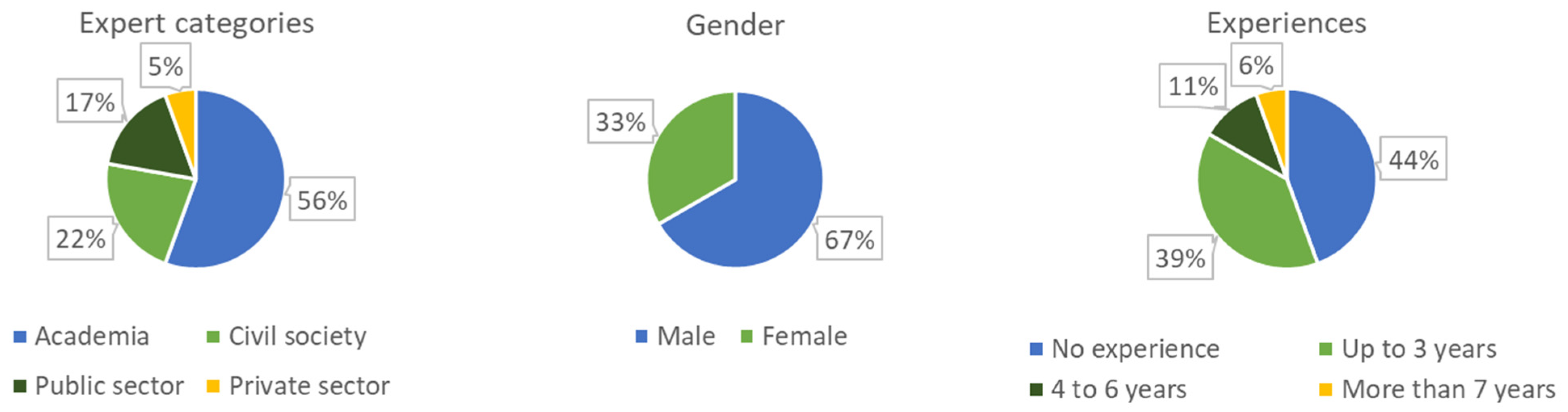
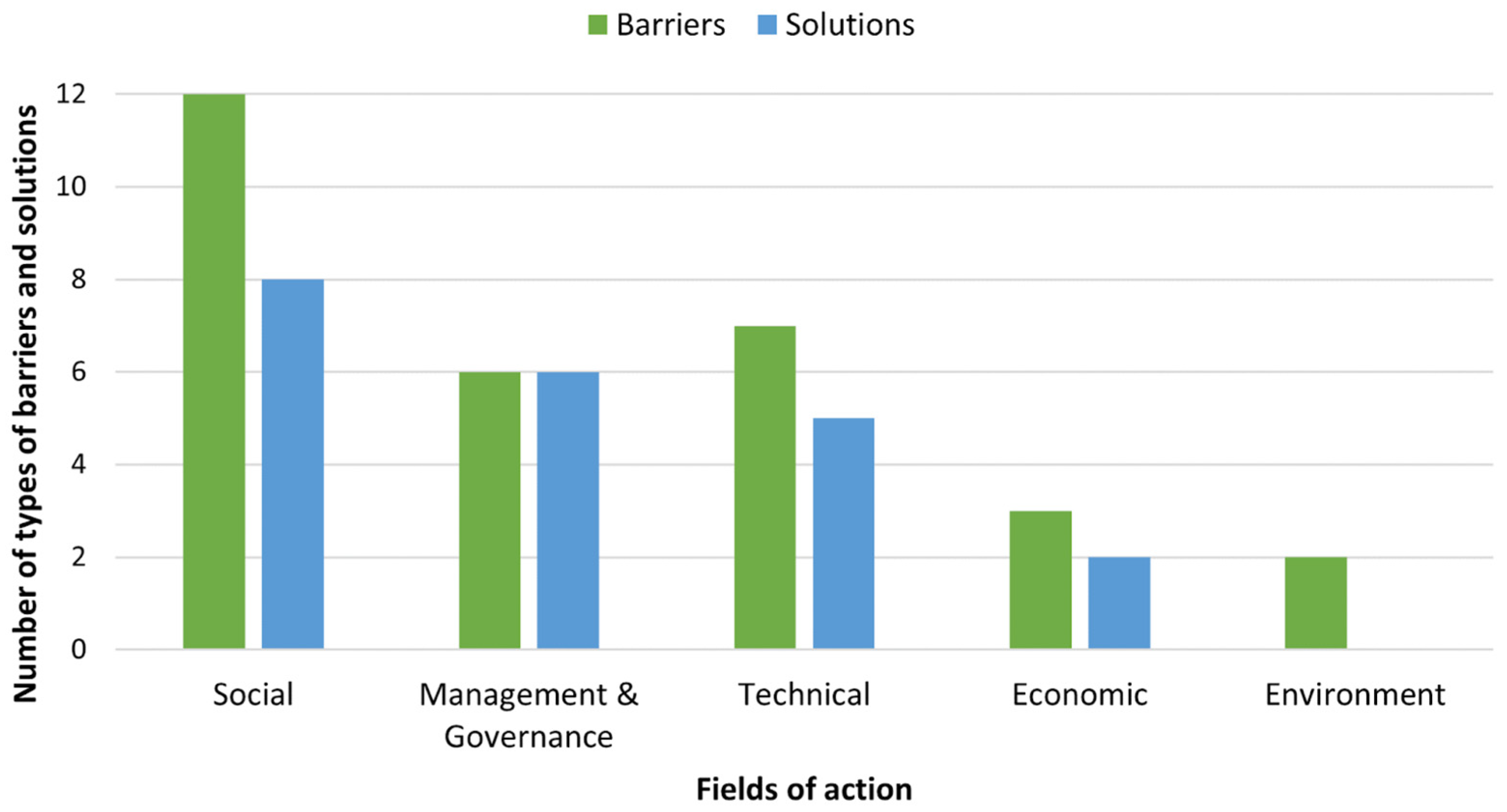
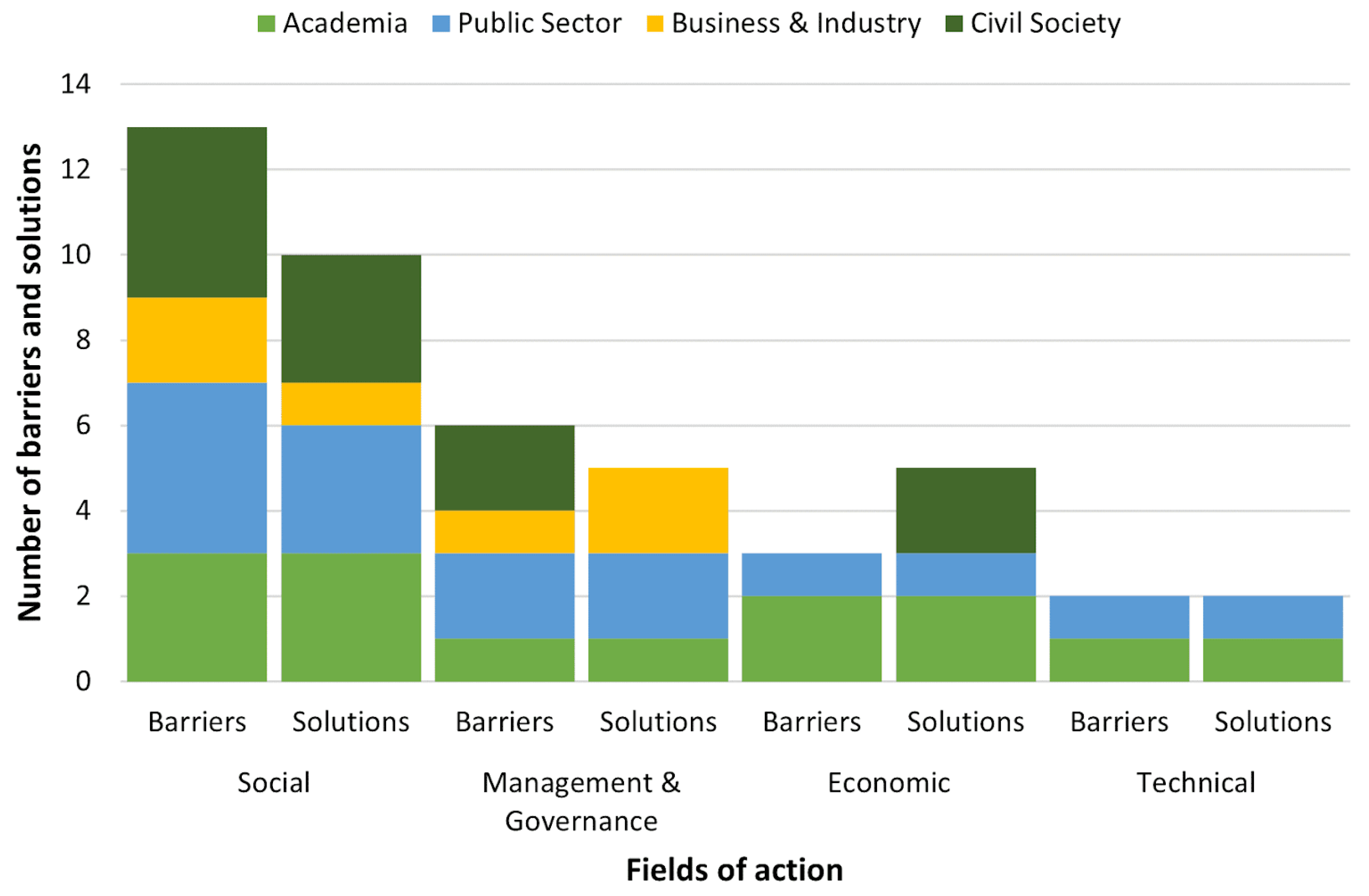
Citizen science projects globally have increasingly been implemented in collecting and analysing environmental data. At the same time, these initiatives are often project-based and, therefore, of short duration. This presents a challenge as data from such activities may not be used in research and political decision-making. This research aims to explore the barriers and solutions for establishing a sustainable long-term citizen-based plastic monitoring strategy in fresh waters based on a case study in Accra, Ghana. This case study is particularly relevant due to the significant issue of plastic pollution in the region, limited official monitoring data to effectively address the problem, and the potential role of citizen science in addressing this data gap in the long term. Data on barriers and solutions were collected based on eight expert interviews, a survey amongst 17 stakeholders, and subsequent roundtable discussions with 24 experts and stakeholders from academia, the private sector, the public sector, and civil society. From this, we identified 30 types of barriers and 21 types of solutions to implement citizen science in the long term. These barriers and solutions relate to five fields of action (social, economic, environmental, technical, and management and governance) and four stakeholder groups (public sector, private sector, civil society, and academia) to implement solution pathways for long-term citizen science projects. Based on our findings, we make suggestions as to how citizen science can be implemented more sustainably in the future in different fields of action and from various institutional perspectives. With this, we hope to advance the potential use of citizen science and citizen science data in research and policy design related to plastics in fresh waters.
Keywords: Barrier analysis; citizen science; community-based monitoring; Ghana; plastic pollution; voluntary monitoring Barrier analysis; citizen science; community-based monitoring; Ghana; plastic pollution; voluntary monitoring