Article

Recycling Iron Ore Waste through Low-Cost Paving Techniques

by
Virlene Leite Silveira
1,
Antônio Carlos Rodrigues Guimarães
1,
Lisley Madeira Coelho
1,*,
William Wilson dos Santos
1,
Pedro Henrique Poubel Mendonça da Silveira
2,3 and
Sergio Neves Monteiro
2
1
Department of Fortification and Construction, Military Institute of Engineering—IME, Praça General Tibúrcio, 80, Urca, Rio de Janeiro 22290-270, Brazil
2
Department of Materials Science, Military Institute of Engineering—IME, Praça General Tibúrcio, 80, Urca, Rio de Janeiro 22290-270, Brazil
3
West Zone Campus, Rio de Janeiro State University—UERJ, Avenida Manuel Caldeira de Alvarenga, 1203, Campo Grande, Rio de Janeiro 23070-200, Brazil
*
Author to whom correspondence should be addressed.
Sustainability 2024, 16(13), 5570; https://doi.org/10.3390/su16135570
Submission received: 9 May 2024 / Revised: 17 June 2024 / Accepted: 21 June 2024 / Published: 29 June 2024

Abstract

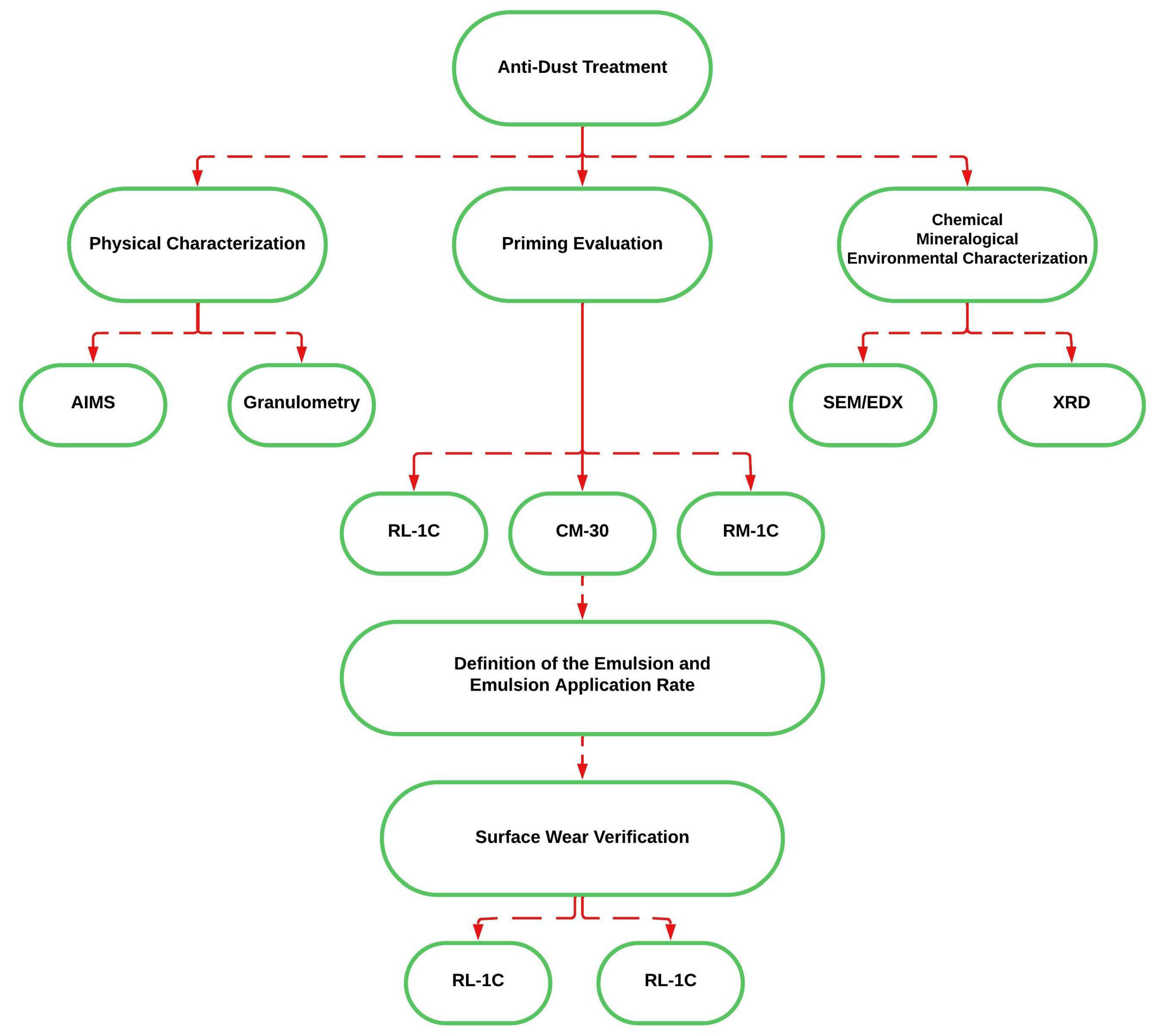
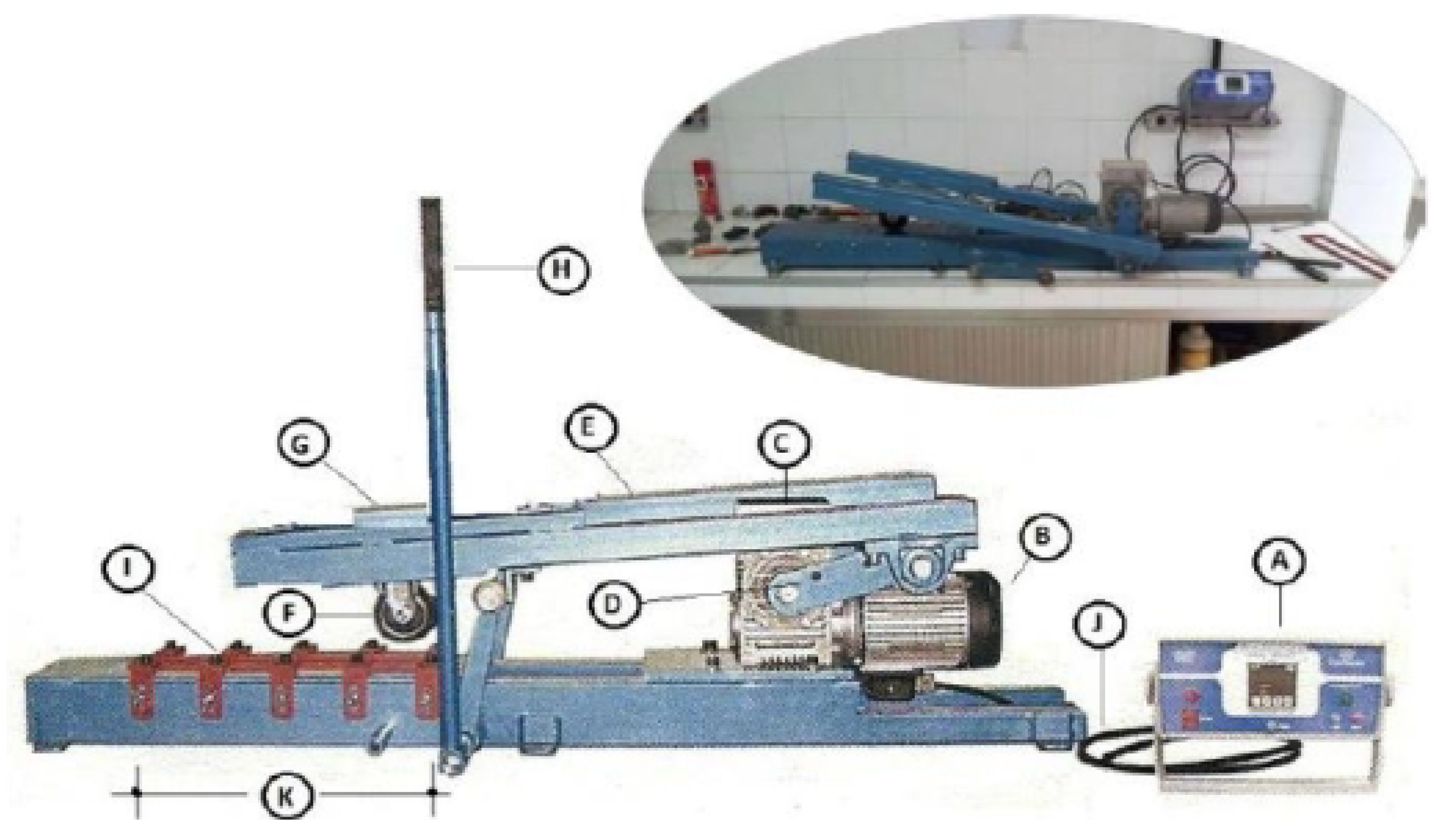
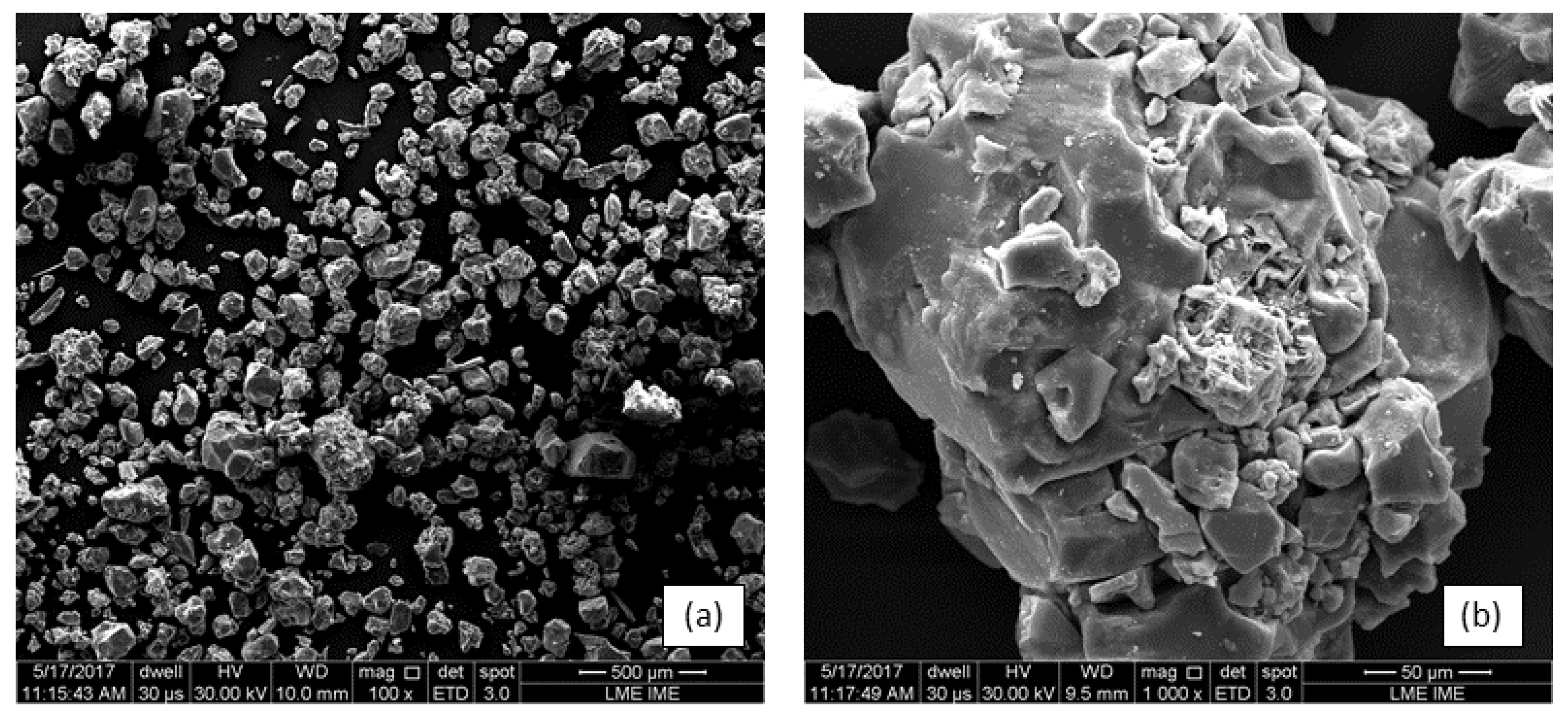
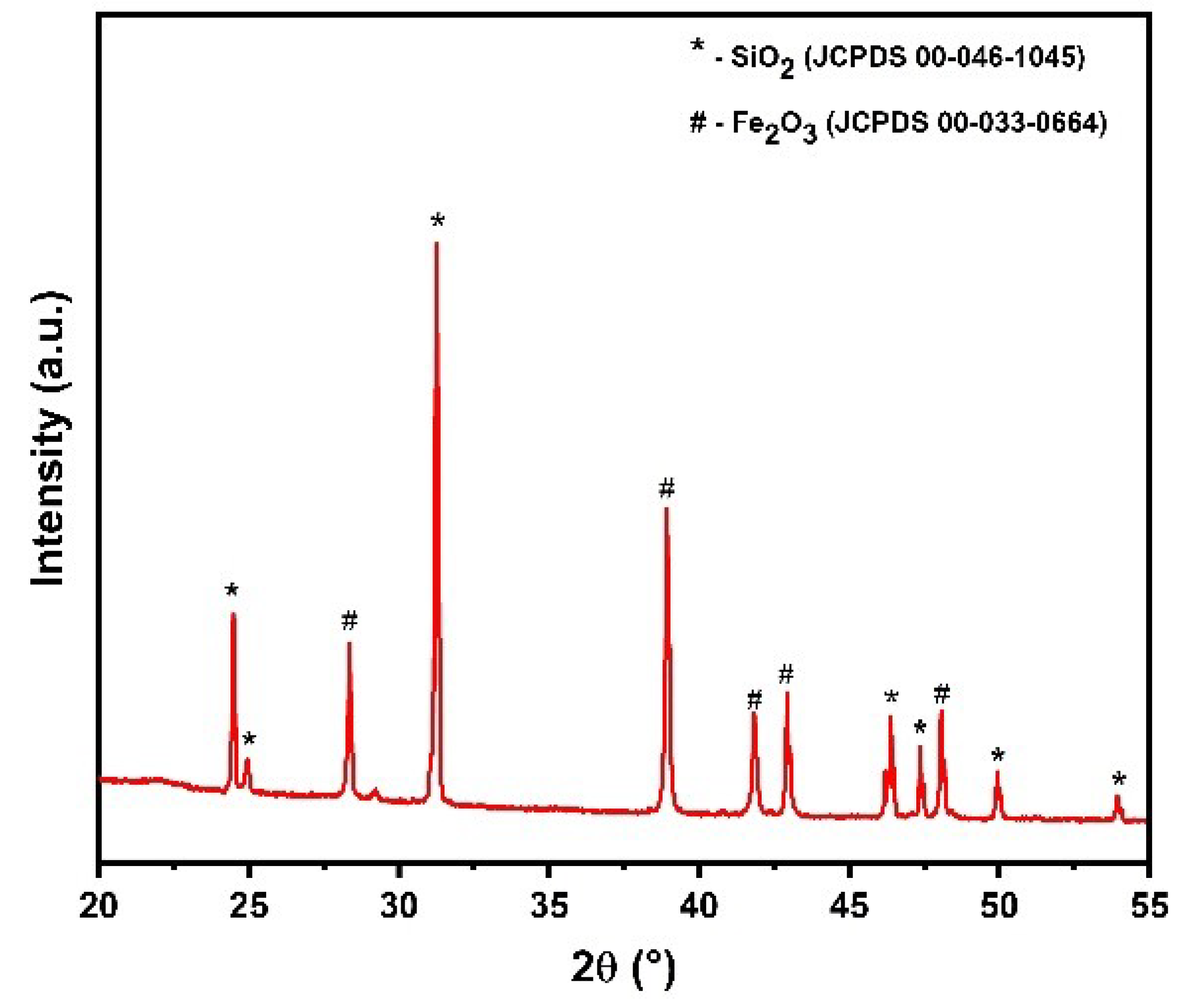
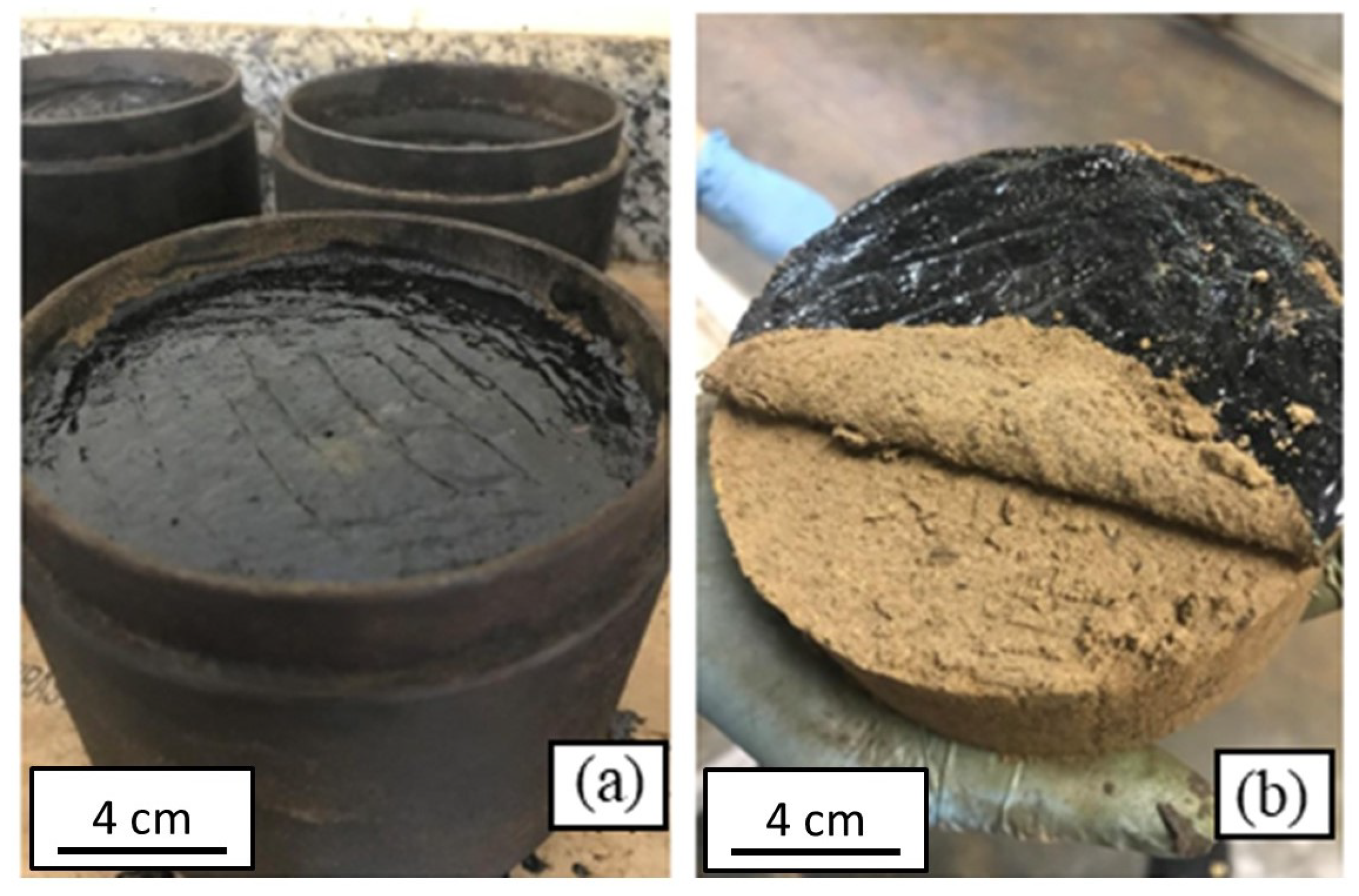
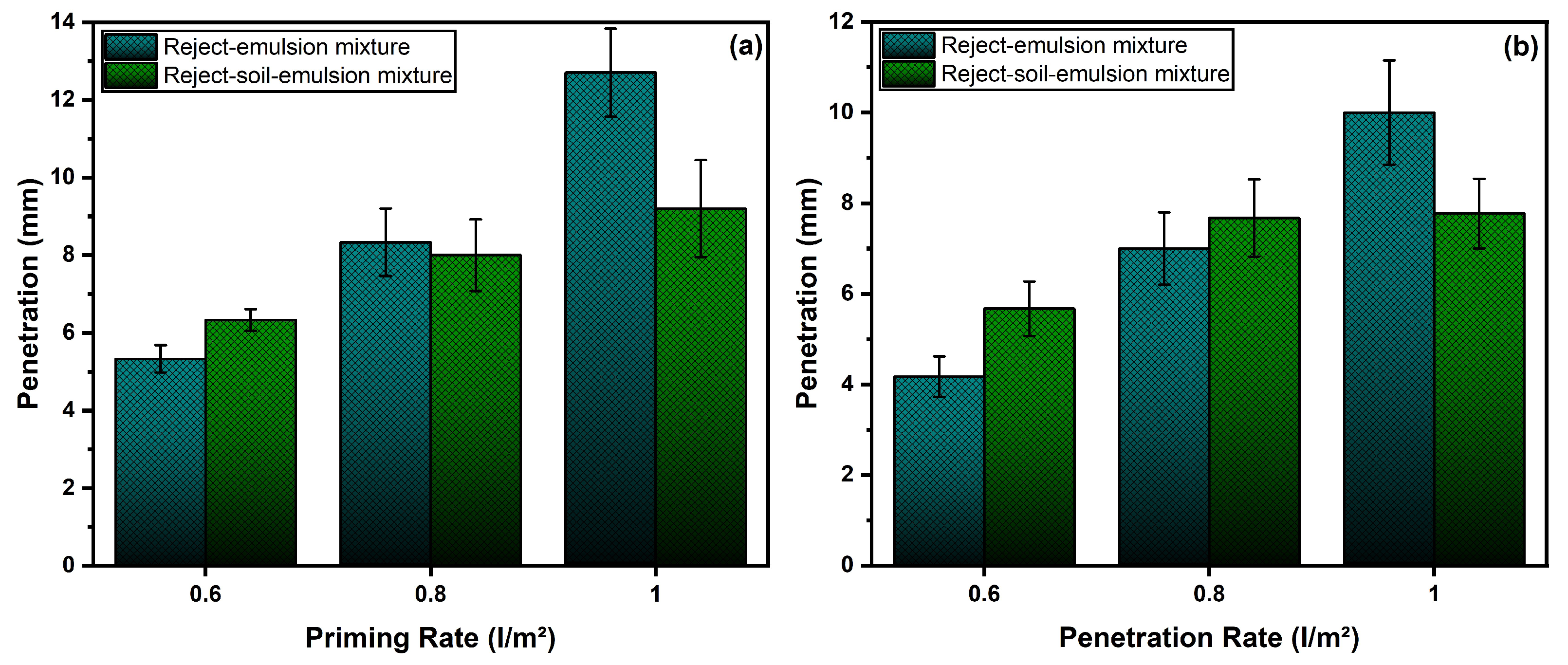
Research on road construction has evolved and advanced. Environmental sustainability considerations are now an integral part of the specific focus of these infrastructure projects. This study investigated the feasibility of recycling on iron ore reject through cost-effective pavement techniques, demonstrating significant improvements in the performance of stabilized mixtures with the addition of anti-dust treatment. The mineralogical and chemical analysis of the reject, coupled with the conducted priming tests (LWT and WTAT), highlighted the effectiveness and promising application of these materials in construction. Under a load of 33 kg, the anti-dust-treated mixture showed a deformation of 5.3 mm, compared to 7.76 mm for the stabilized reject–emulsion mixture. Similar improvements were observed in reject–soil–emulsion mixtures, with a sinking of 4.16 mm for anti-dust-treated specimens compared to 6.99 mm for stabilized mixtures. The results of the WTAT test corroborated the effectiveness of the layer formed by the anti-dust treatment; in all cases, the mass loss was less than 2%. These findings have significant implications for sustainability in construction, contributing to environmental conservation and resource efficiency.
Keywords: anti-dust; reject; emulsion; (LWT) load wheel test; (WTAT) wet track abrasion test anti-dust; reject; emulsion; (LWT) load wheel test; (WTAT) wet track abrasion test