Article

A Model for Estimating the Tourism Carrying Capacity of a Tourism Corridor: A Case Study of the Qinghai–Tibet Plateau


1
Institute of Geographic Sciences and Natural Resources Research, Key Laboratory of Regional Sustainable Development Modeling, Chinese Academy of Sciences, Beijing 100101, China
2
College of Resources and Environment, University of Chinese Academy of Sciences, Beijing 100049, China
*
Author to whom correspondence should be addressed.
Sustainability 2024, 16(13), 5466; https://doi.org/10.3390/su16135466
Submission received: 28 May 2024 / Revised: 19 June 2024 / Accepted: 22 June 2024 / Published: 27 June 2024
(This article belongs to the Special Issue Sustainable Development in Urban and Rural Tourism)

Abstract

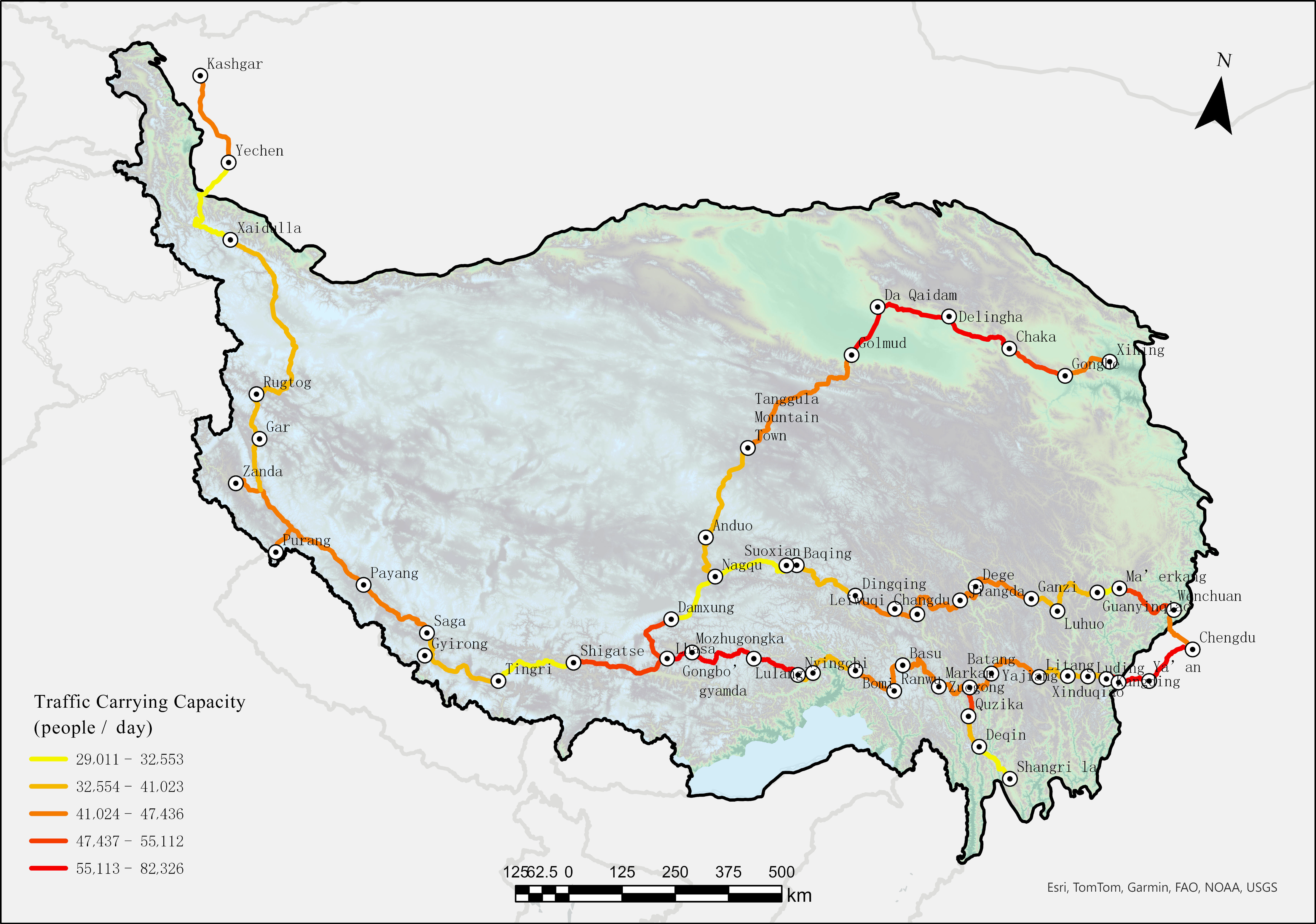
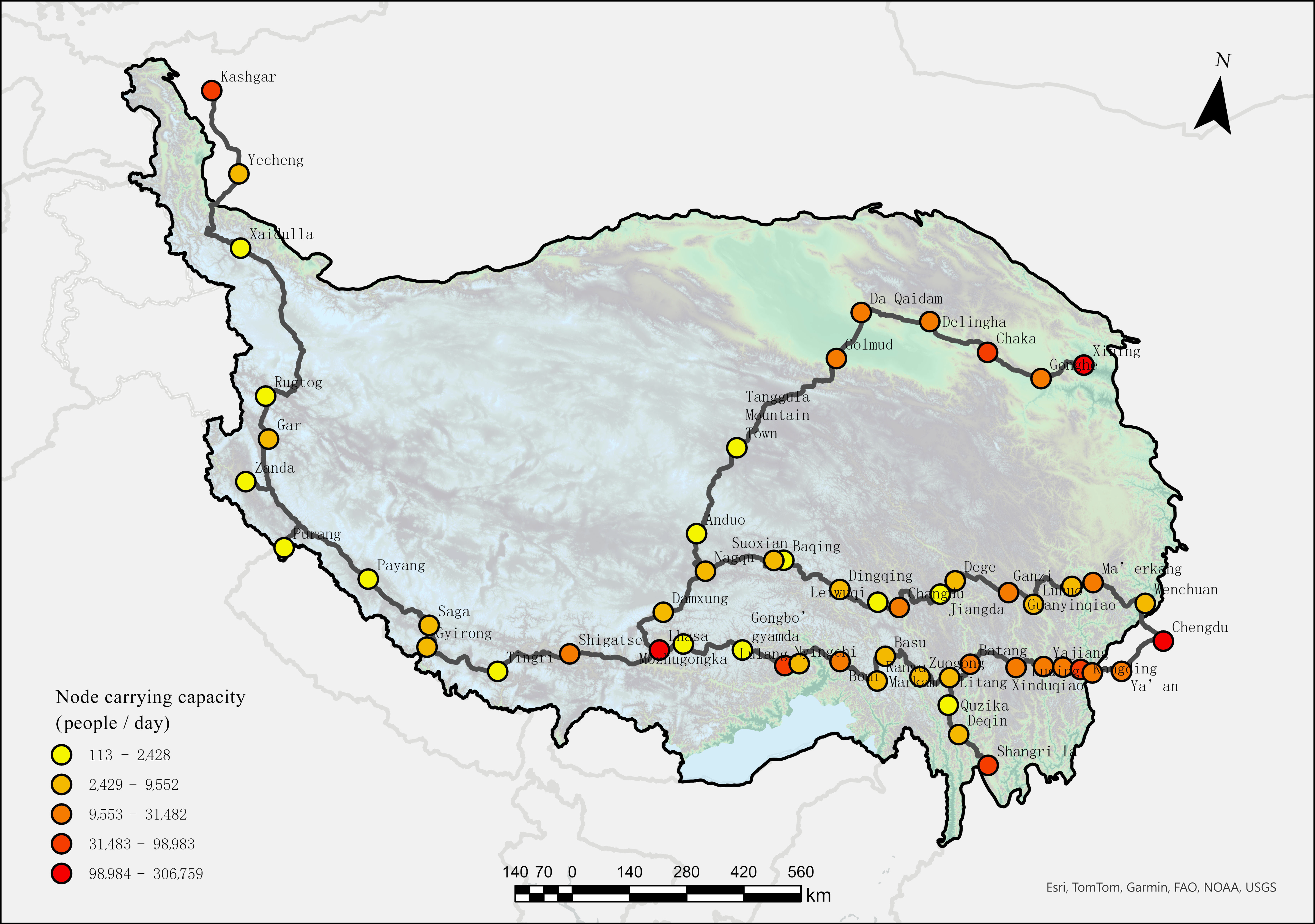
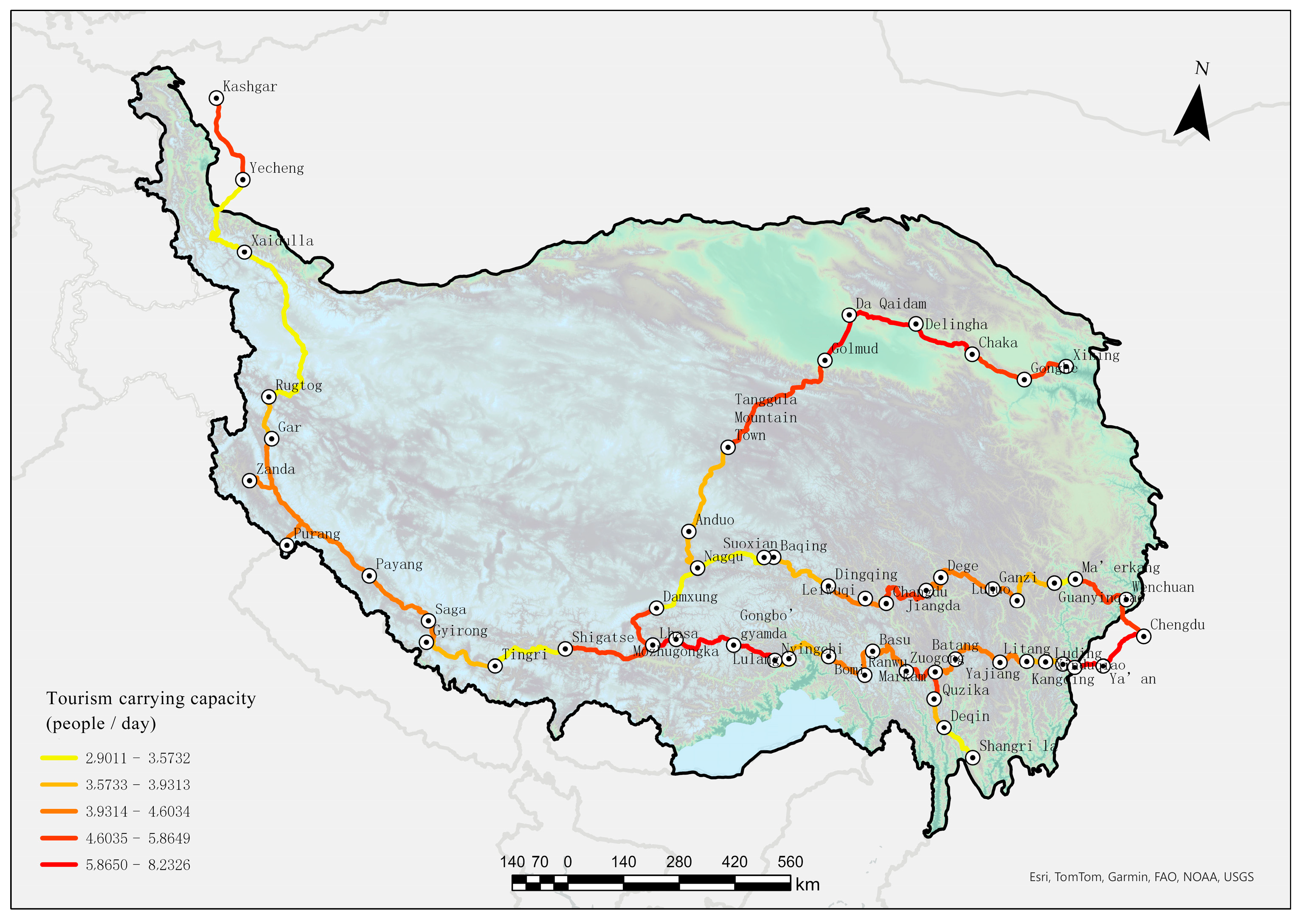
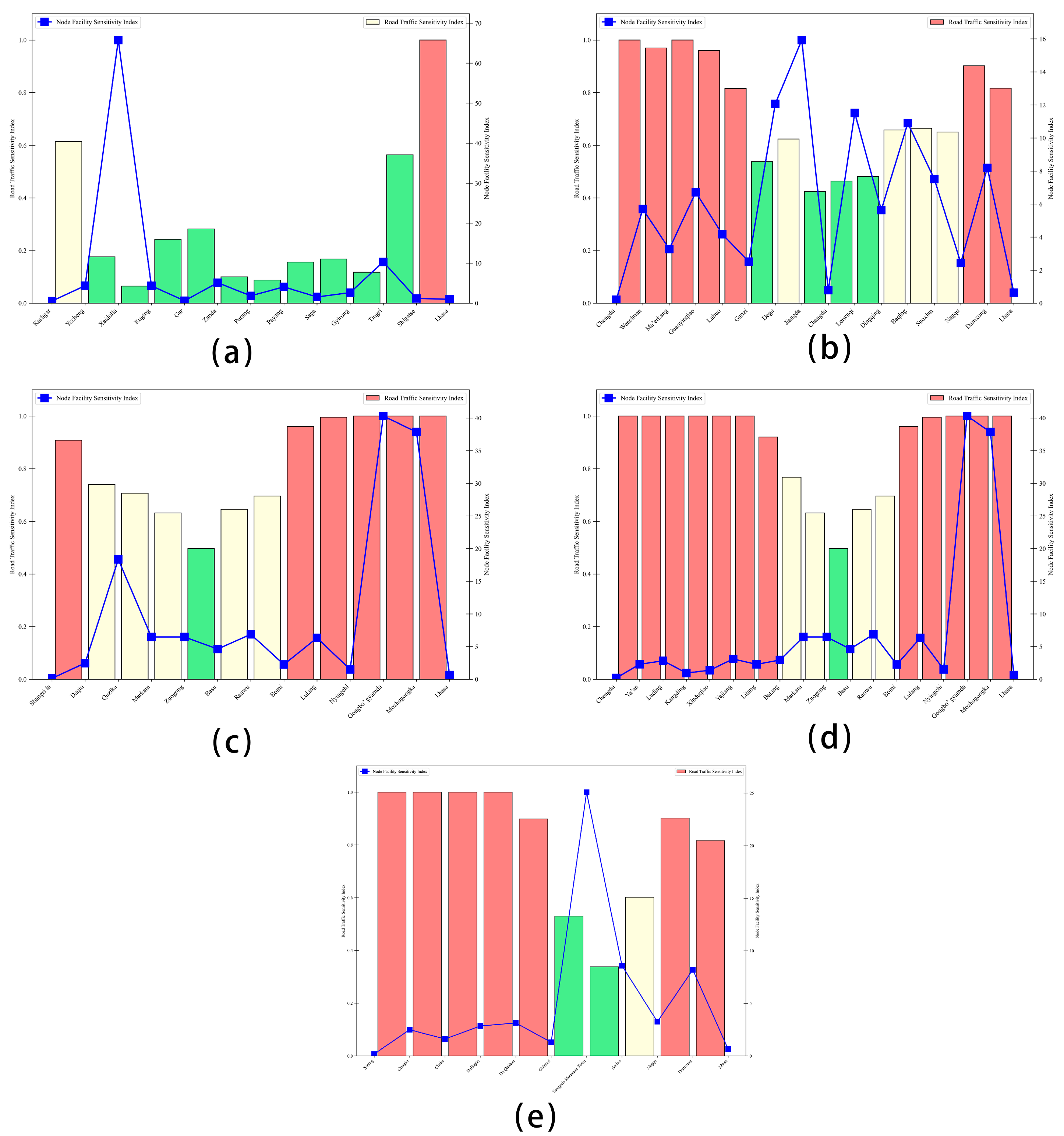
Research on the tourism carrying capacity (TCC) serves as the scientific basis for ensuring the sustainable development of tourism and is vital for the establishment of tourism corridors. From the novel perspective of the space of flows, in this study, we conducted a set of evaluations of the TCCs of tourism corridors using the methods of space–time consumption and linear programming in operational research. Through empirical investigation of the five tourism corridors in the Qinghai–Tibet Plateau, we arrived at the following conclusions: (i) The traffic carrying capacity of the tourism corridors amounts to 2,463,600 people/day. (ii) Under the constraints of urban reception service facilities and tourist attraction capacity, the traffic carrying capacity of each section is only 1,782,400 people/day. The research results scientifically reflect the current carrying capacity of tourism traffic in different corridors and sections, as well as the state of road traffic and the urban tourism infrastructure along corridors experiencing overload. This paper not only verifies the feasibility of the proposed theoretical method but also provides an optimization plan and theoretical support for enhancing the sustainable development of the tourism industry on the Qinghai–Tibet Plateau.
Keywords: tourism carrying capacity; tourism corridor; space of flows; Qinghai–Tibet Plateau tourism carrying capacity; tourism corridor; space of flows; Qinghai–Tibet Plateau