Article

Spatial Network Structure and Shift Path Prediction of Ecological Welfare Performance in Chinese Cities—Evidence from 284 Cities


1
College of Management Science, Chengdu University of Technology, Chengdu 610059, China
2
School of Economics, Anhui University of Finance and Economics, Bengbu 233030, China
3
Chengdu Park City Demonstration Zone Construction Research Center, Chengdu 610059, China
*
Author to whom correspondence should be addressed.
Sustainability 2024, 16(13), 5282; https://doi.org/10.3390/su16135282
Submission received: 16 April 2024 / Revised: 25 May 2024 / Accepted: 6 June 2024 / Published: 21 June 2024
(This article belongs to the Special Issue Sustainable Development Goals and Circular Economic)

Abstract

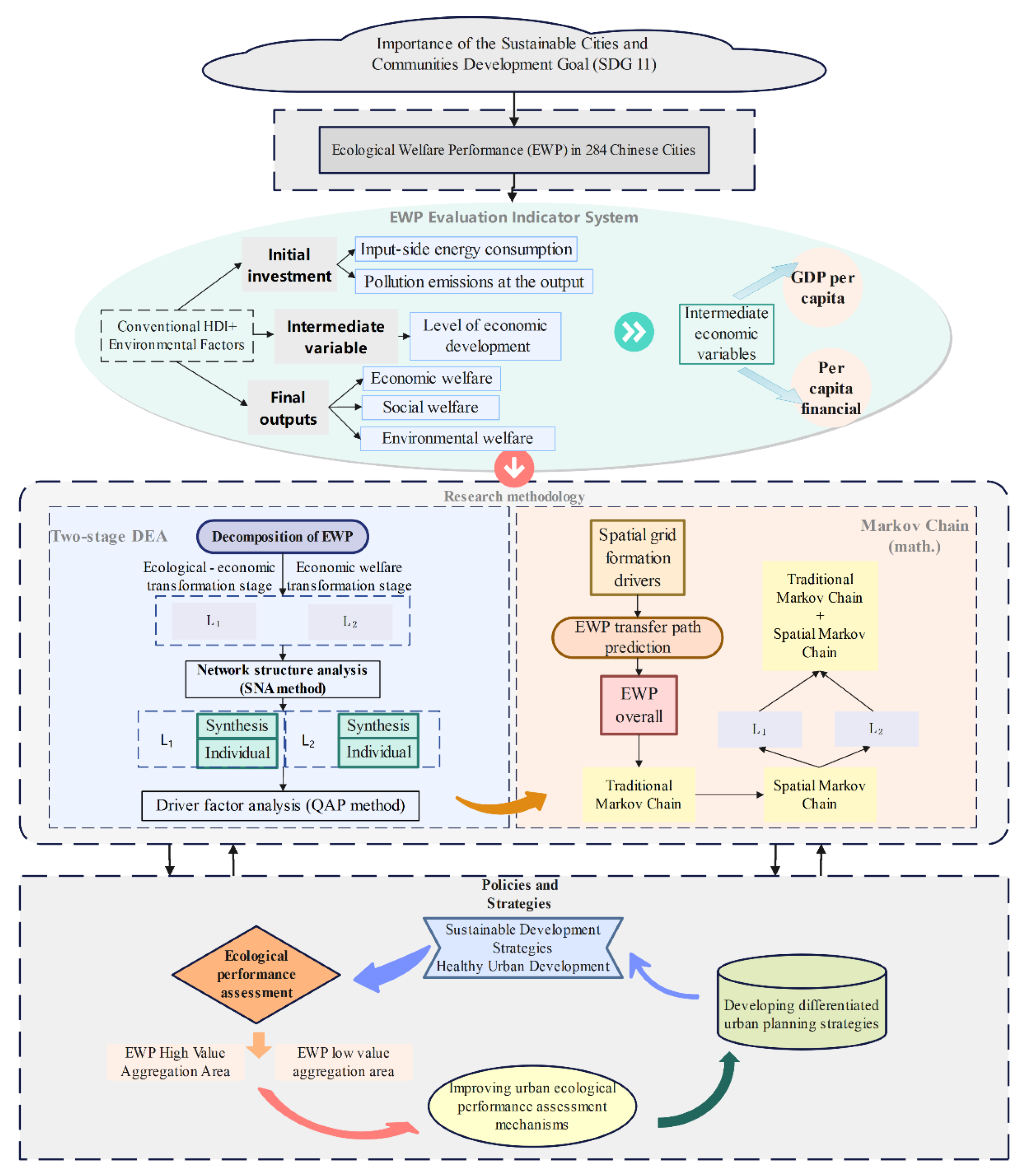
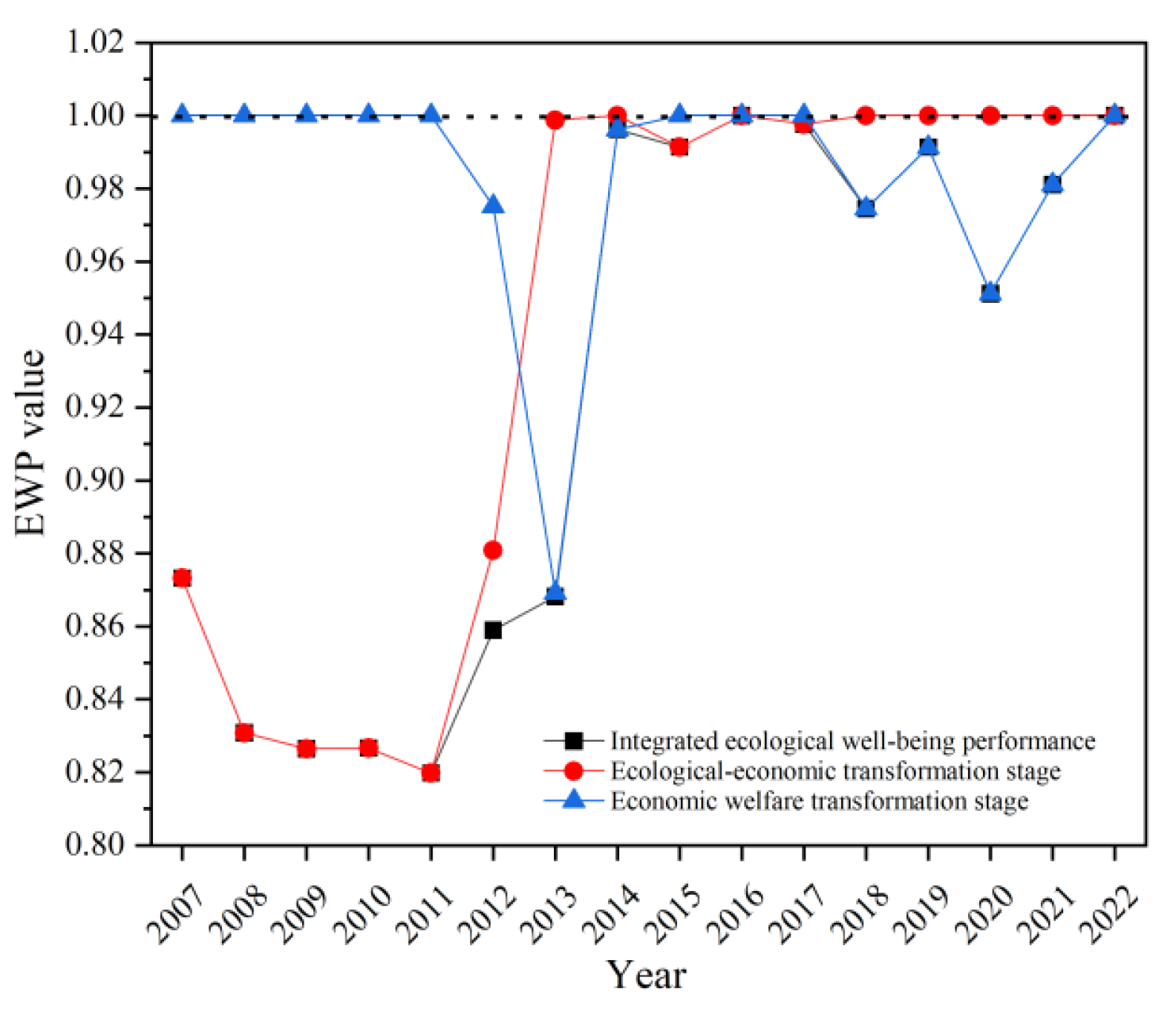
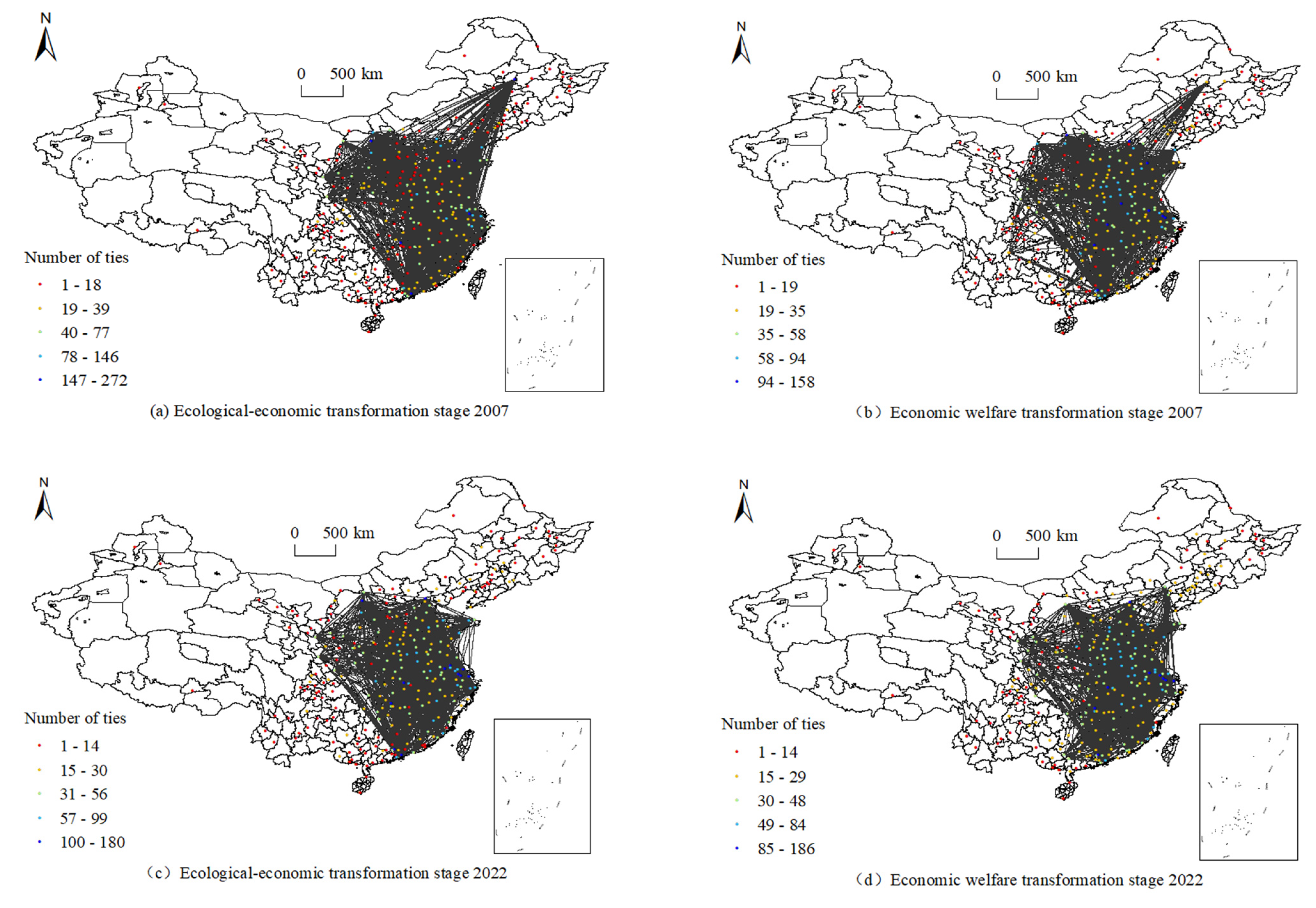
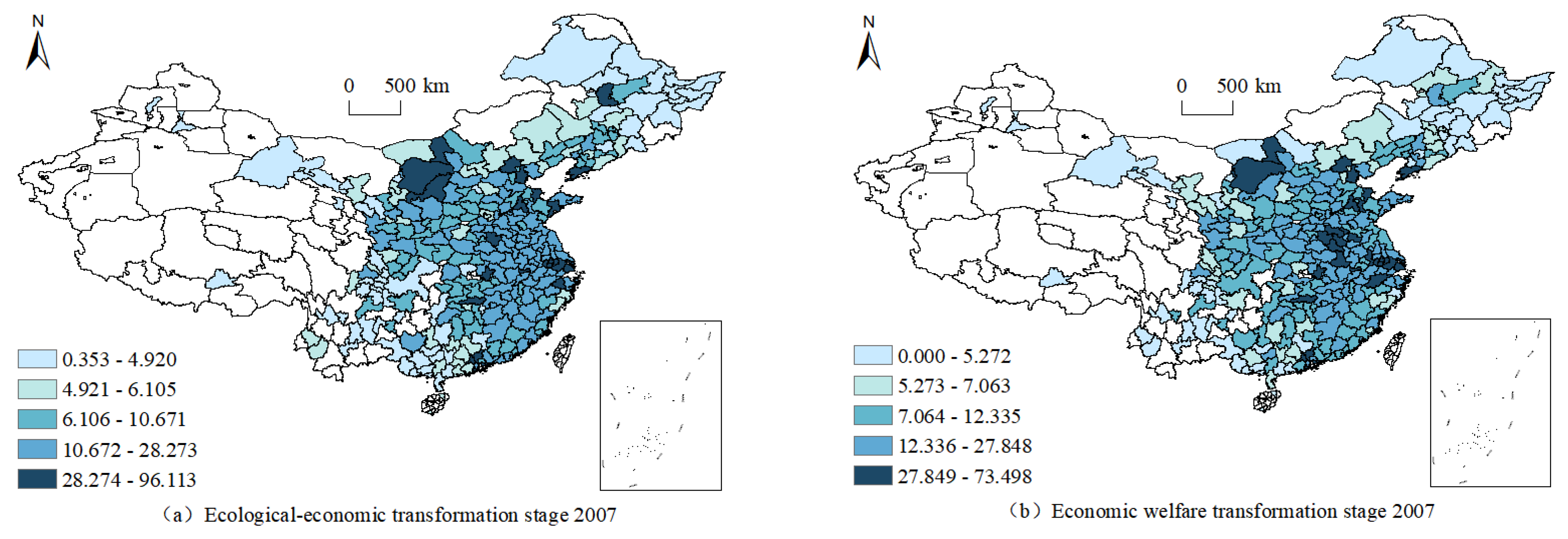
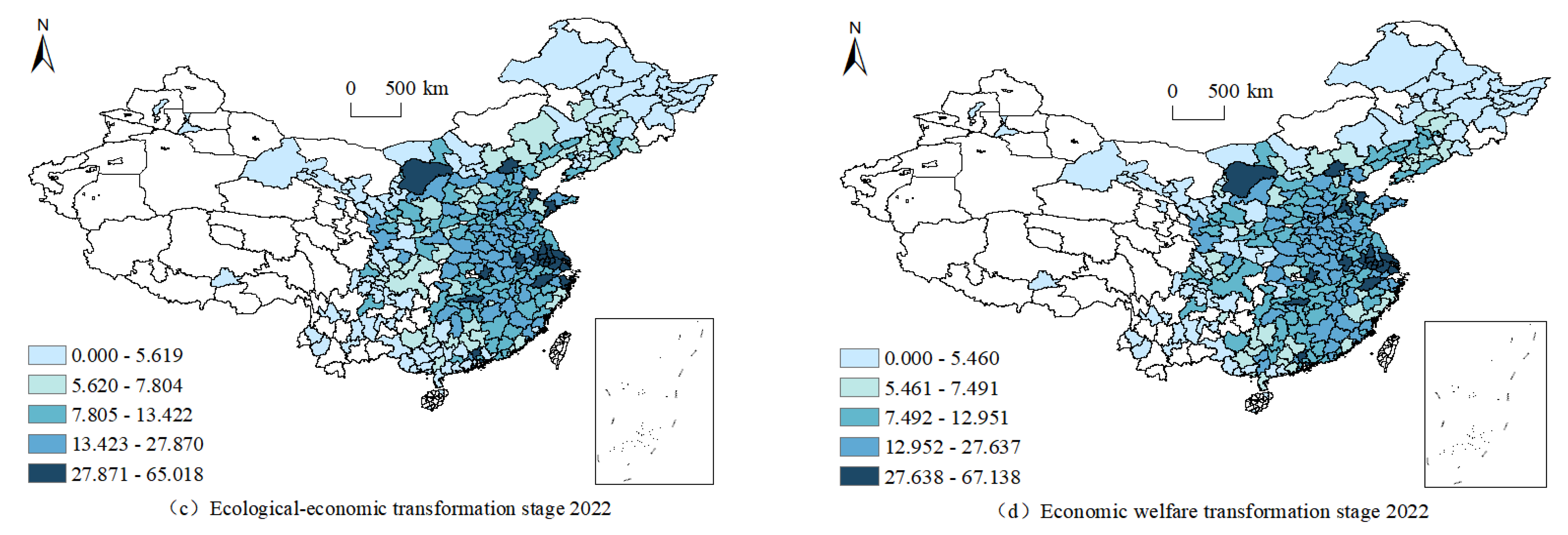
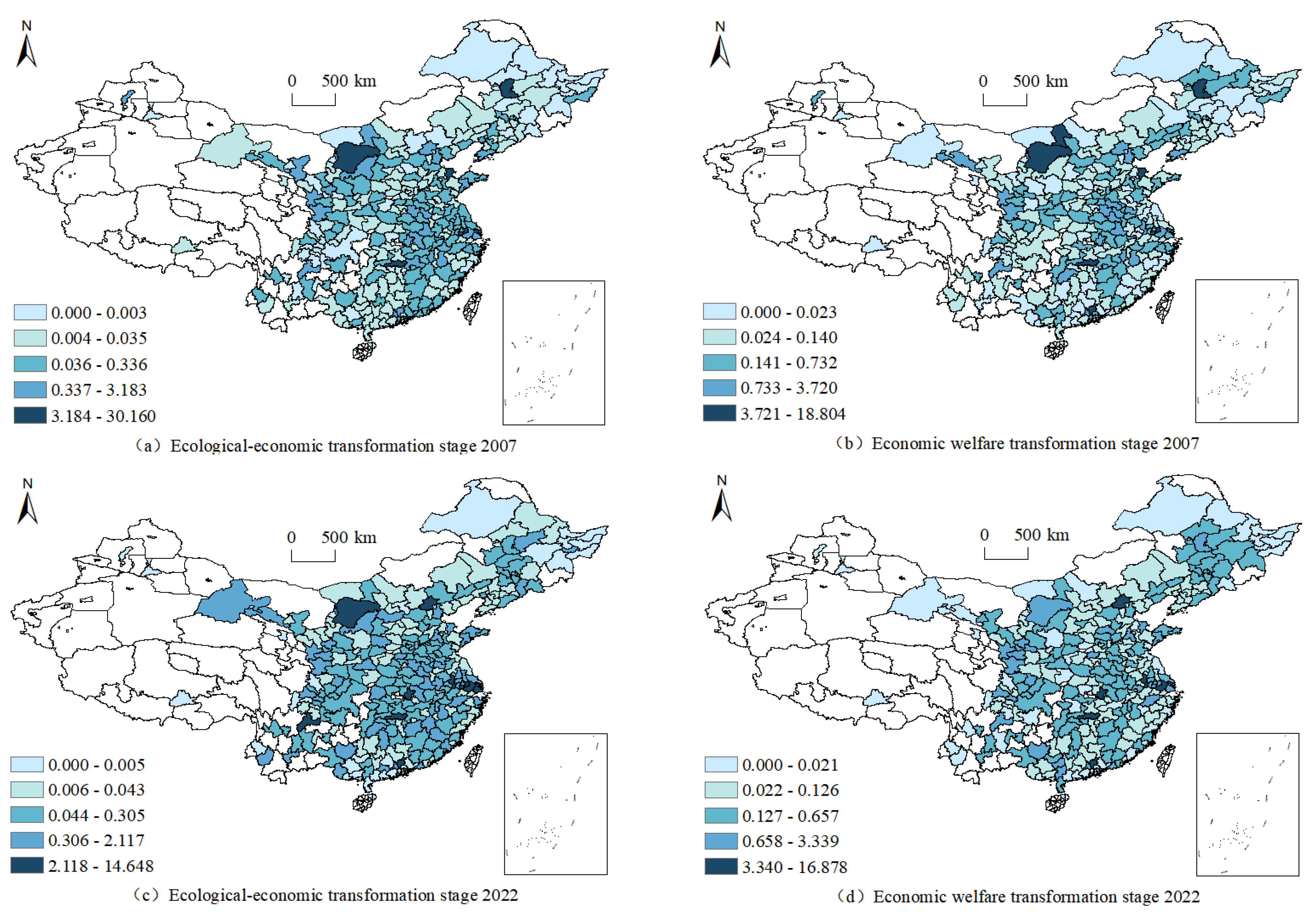
Ecological welfare performance (EWP) serves as a crucial measure for assessing the green development of a region. Exploring the spatial characteristics, network structure, and transfer paths of its specific stages is crucial for grasping an internal space’s EWP and optimizing urban ecological planning. This research employed a two-stage DEA model to assess the EWP of 284 Chinese cities from 2007 to 2022 and decompose it into an ecological–economic transition stage (L1) and an economic welfare transition stage (L2). Second, a social network analysis (SNA) was conducted to describe the EWP sub-stages’ network structure and construction mechanism. Finally, the transmission path process of EWP was revealed through Markov chains. It is found that (1) the overall trend of EWP is rising and then falling, with L2 as the critical constraint; (2) the network structure of the two stages is complex, dominated by industrial structure, urbanization, and healthcare level; and (3) ‘club integration’ constrains the transfer across EWP in the short term. Compared with L2, which has a lower probability of interstate transfer, L1 has a greater likelihood of transfer to a higher level. This paper provides suggestions for the optimal allocation of ecological resources in Chinese cities through the analysis of EWP.
Keywords: urban eco-welfare performance; two-stage DEA modeling; social network analysis method; Markov chain urban eco-welfare performance; two-stage DEA modeling; social network analysis method; Markov chain