Article

Comparison Regarding the Carbon Footprint of Various Sustainable Seismic Consolidation Solutions for Romanian Orthodox Churches


1
Faculty of Architecture and Urban Planning, Politehnica University Timisoara, Traian Lalescu 2/A, 300223 Timisoara, Romania
2
Faculty of Architecture and Urban Planning, Technical University of Cluj-Napoca, Str. Observatorului 34-36, 400500 Cluj-Napoca, Romania
*
Author to whom correspondence should be addressed.
Sustainability 2024, 16(10), 3979; https://doi.org/10.3390/su16103979
Submission received: 5 March 2024 / Revised: 19 April 2024 / Accepted: 30 April 2024 / Published: 9 May 2024
(This article belongs to the Section Green Building)

Abstract

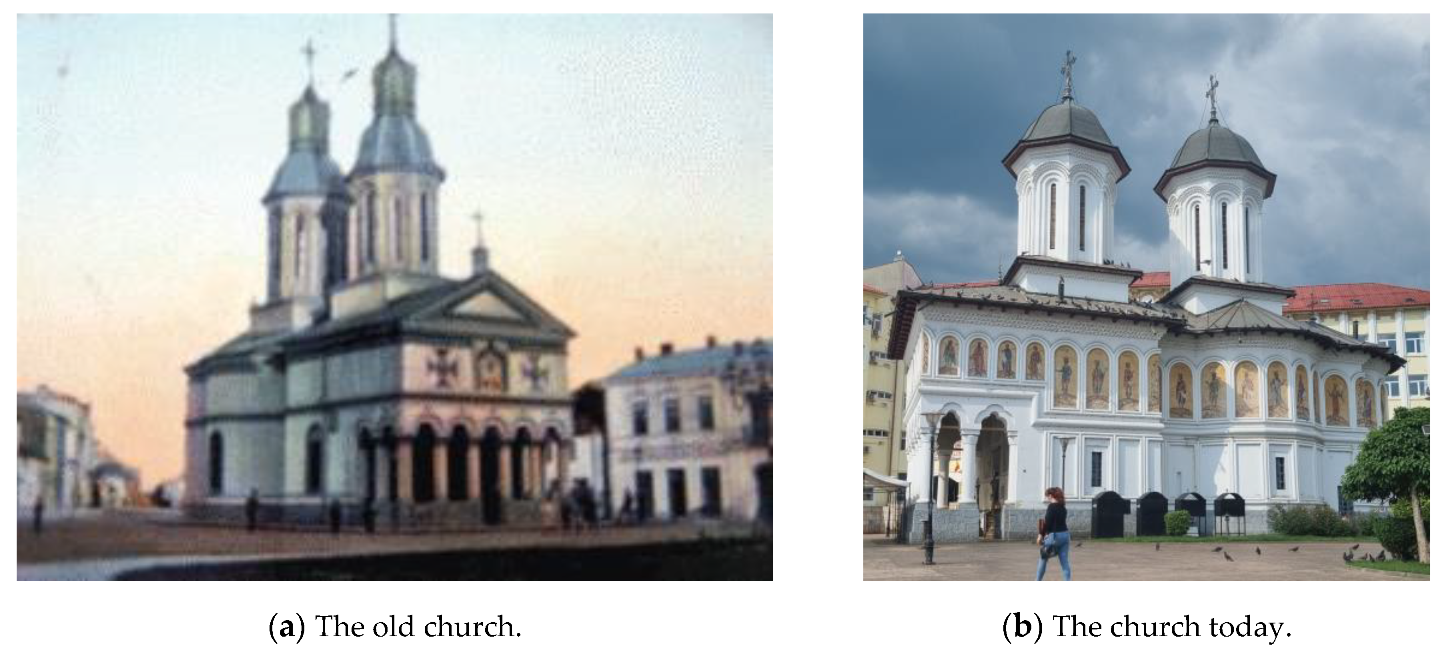
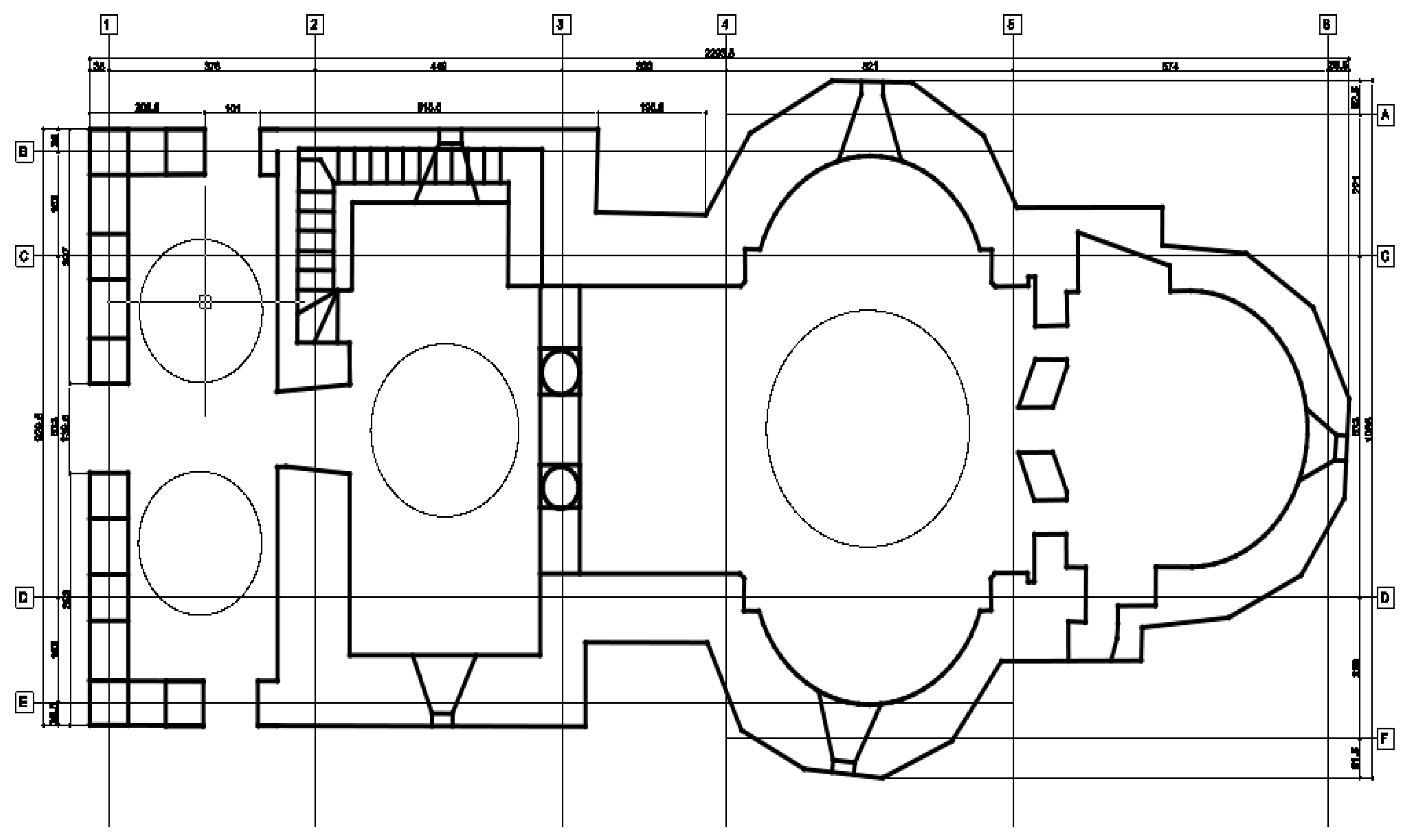
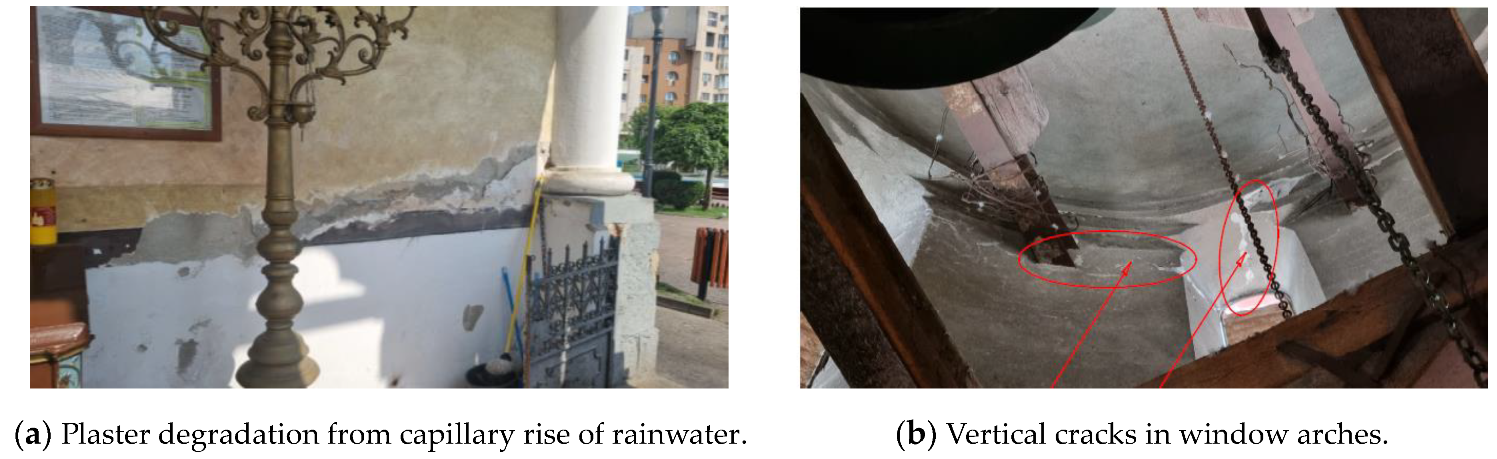
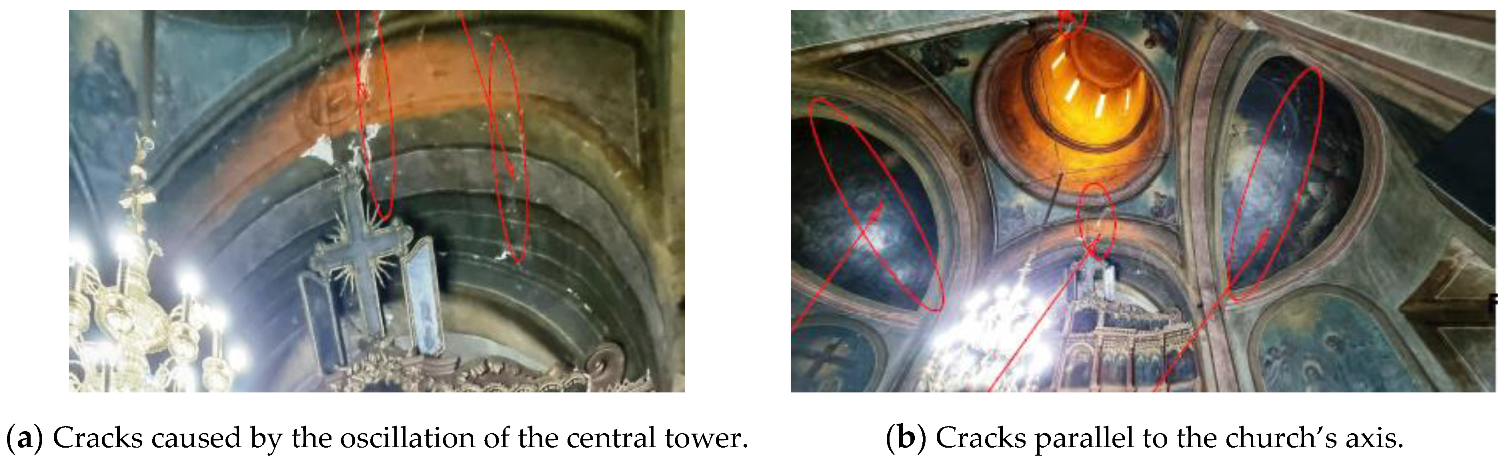
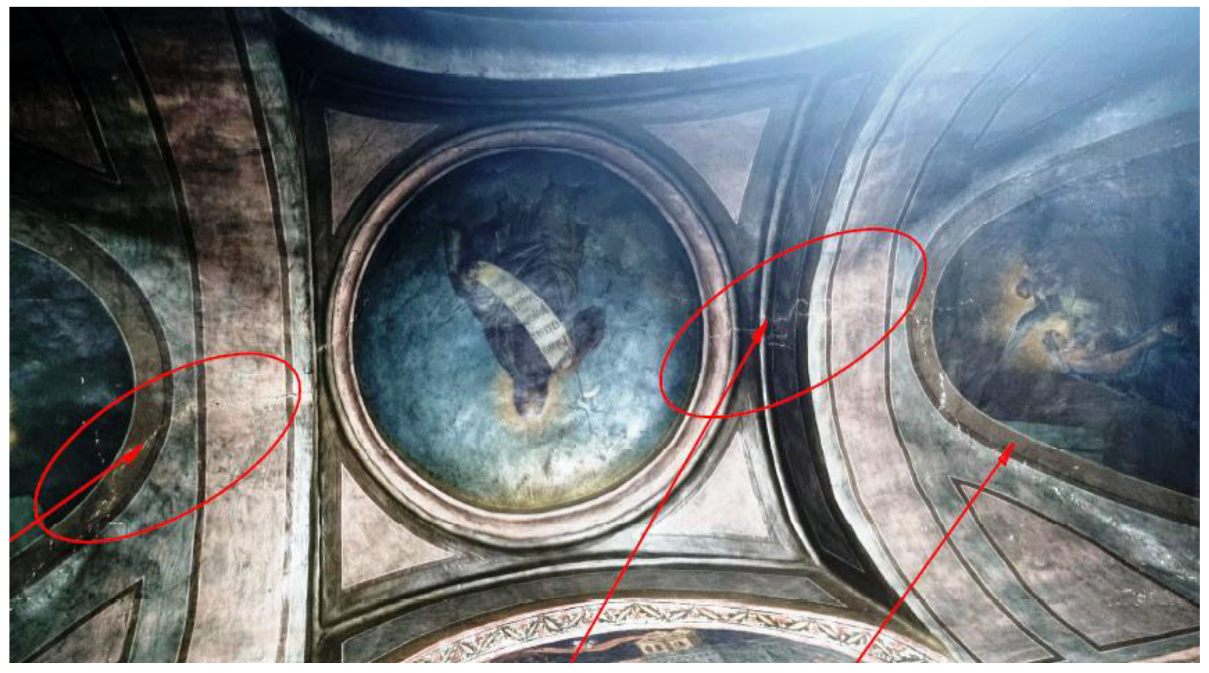
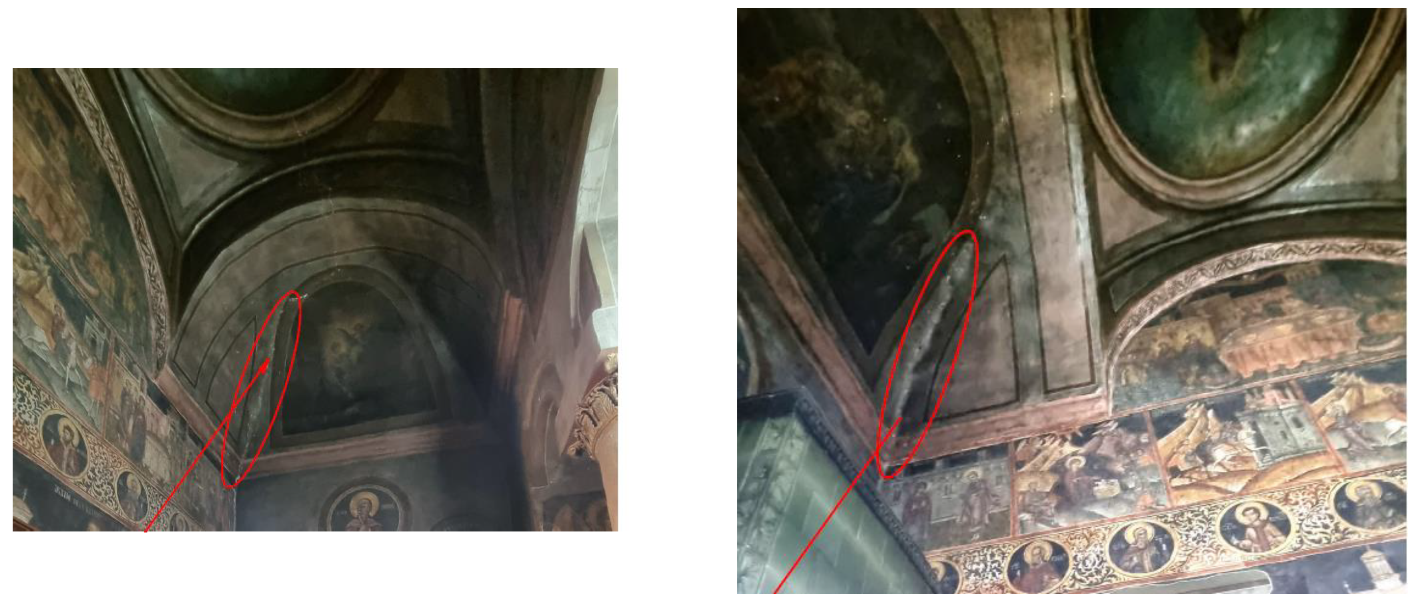
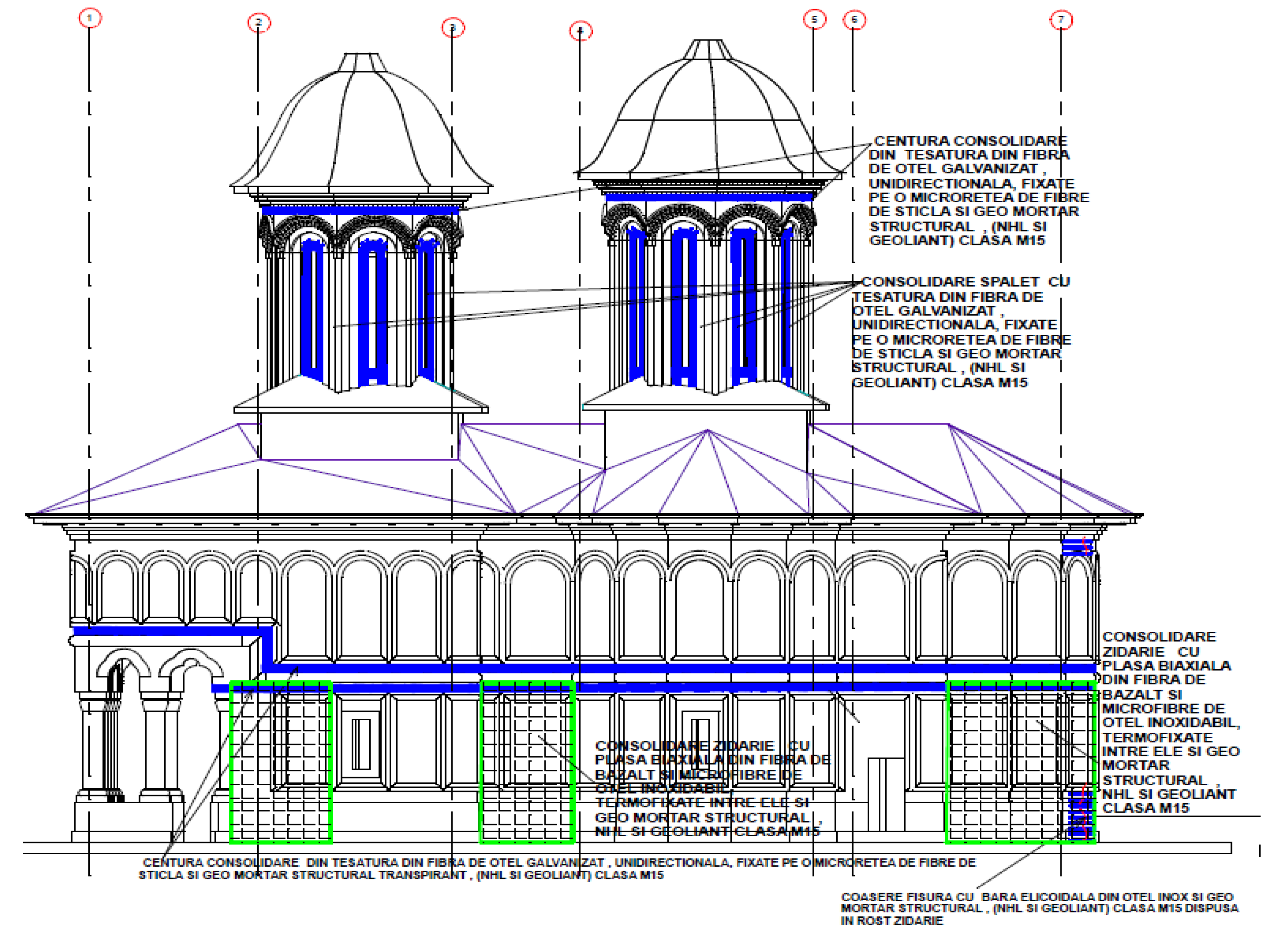
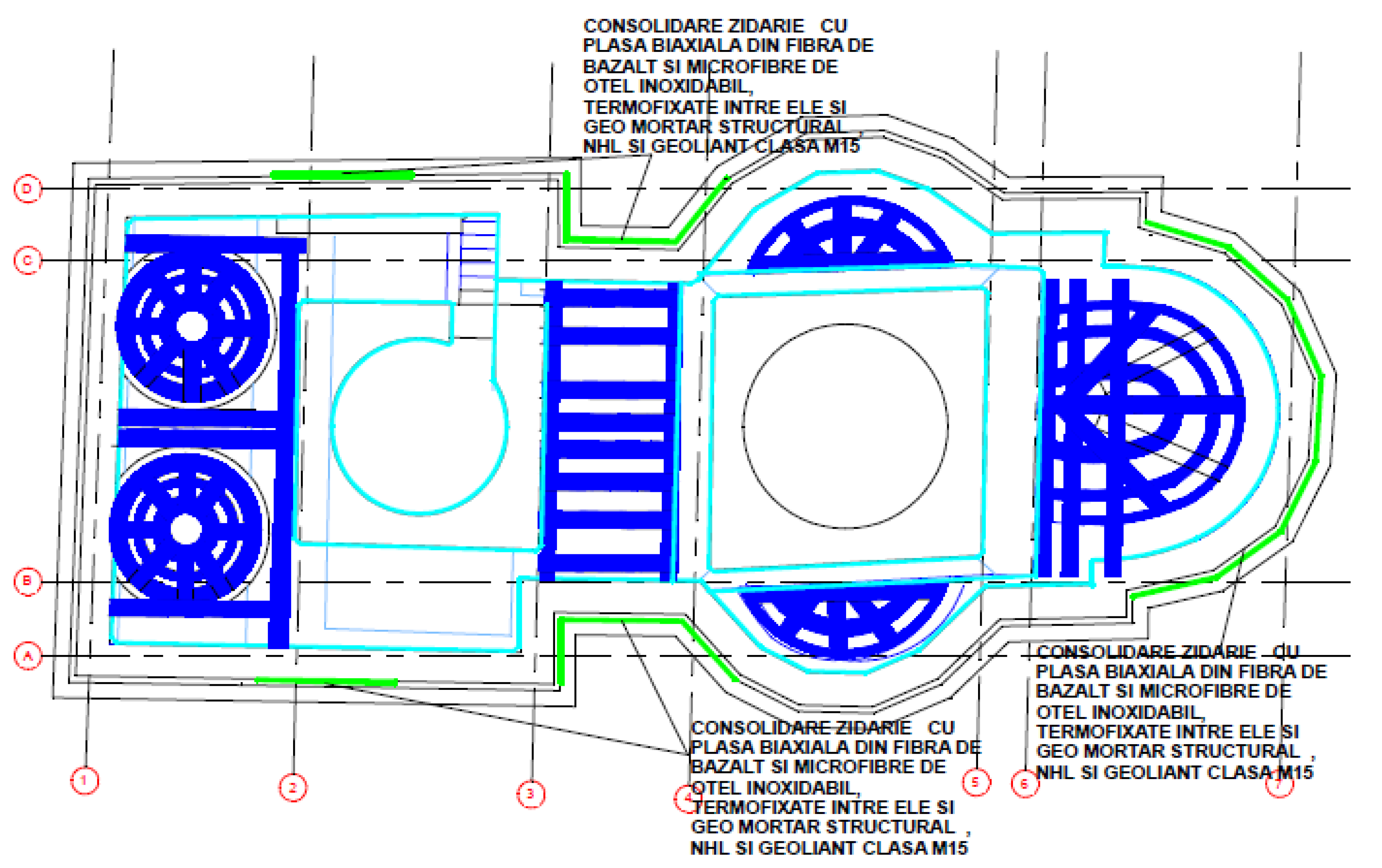
In Romania, there are numerous Orthodox churches, many of which are historical monuments of great cultural value that have suffered multiple degradations over time due to various natural or man-made reasons. In a context that is currently increasingly focused on environmental protection, we aim to analyse the carbon footprint of several different consolidation proposals to an Orthodox church with structural deteriorations (and more) and the equivalent impact if a similar building were erected with new materials. The research is proposed to be a stepping stone for determining the sustainability of interventions for orthodox churches, as the existing literature is scarce when it comes to the emissions of these churches and there is no norm to prevent unsustainable interventions. The Orthodox Church “Sfintii Voievozi”, the subject of the analysis, is in the city of Tg. Jiu, Gorj County. The construction was documented to be between 1748 and 1764 and is a historical monument listed in the LMI GJ-II-m-A-09189 registry. The architectural solutions for the church and the structural elements that comprise the load-bearing system are presented. A detailed investigation was conducted to determine structural and non-structural degradations, specifying the main causes that have produced them. With regard to consolidation solutions, two options are presented and compared in this paper: Alternative I—minimal intervention and Alternative II—maximal intervention, both of which are reversible. The carbon footprint calculation was carried out for both options, determining the associated material consumption, and compared to the carbon footprint for the case of a new construction. In conclusion, the consolidation methods with a minimal degree of intervention is recommended as the “most environmentally friendly”, considering carbon emissions when comparing the options.
Keywords: carbon footprint; retrofitting; historic buildings; churches; sustainable interventions; case study carbon footprint; retrofitting; historic buildings; churches; sustainable interventions; case study