Article

Data Management for Environmentally Sustainable and Profitable Business: Evidence from the Food Retail Industry


1
School of Engineering, University of Wollongong in Dubai, Dubai P.O. Box 20183, United Arab Emirates
2
School of Business, University of Wollongong in Dubai, Dubai P.O. Box 20183, United Arab Emirates
*
Author to whom correspondence should be addressed.
Sustainability 2023, 15(23), 16298; https://doi.org/10.3390/su152316298
Submission received: 14 October 2023 / Revised: 6 November 2023 / Accepted: 13 November 2023 / Published: 25 November 2023

Abstract

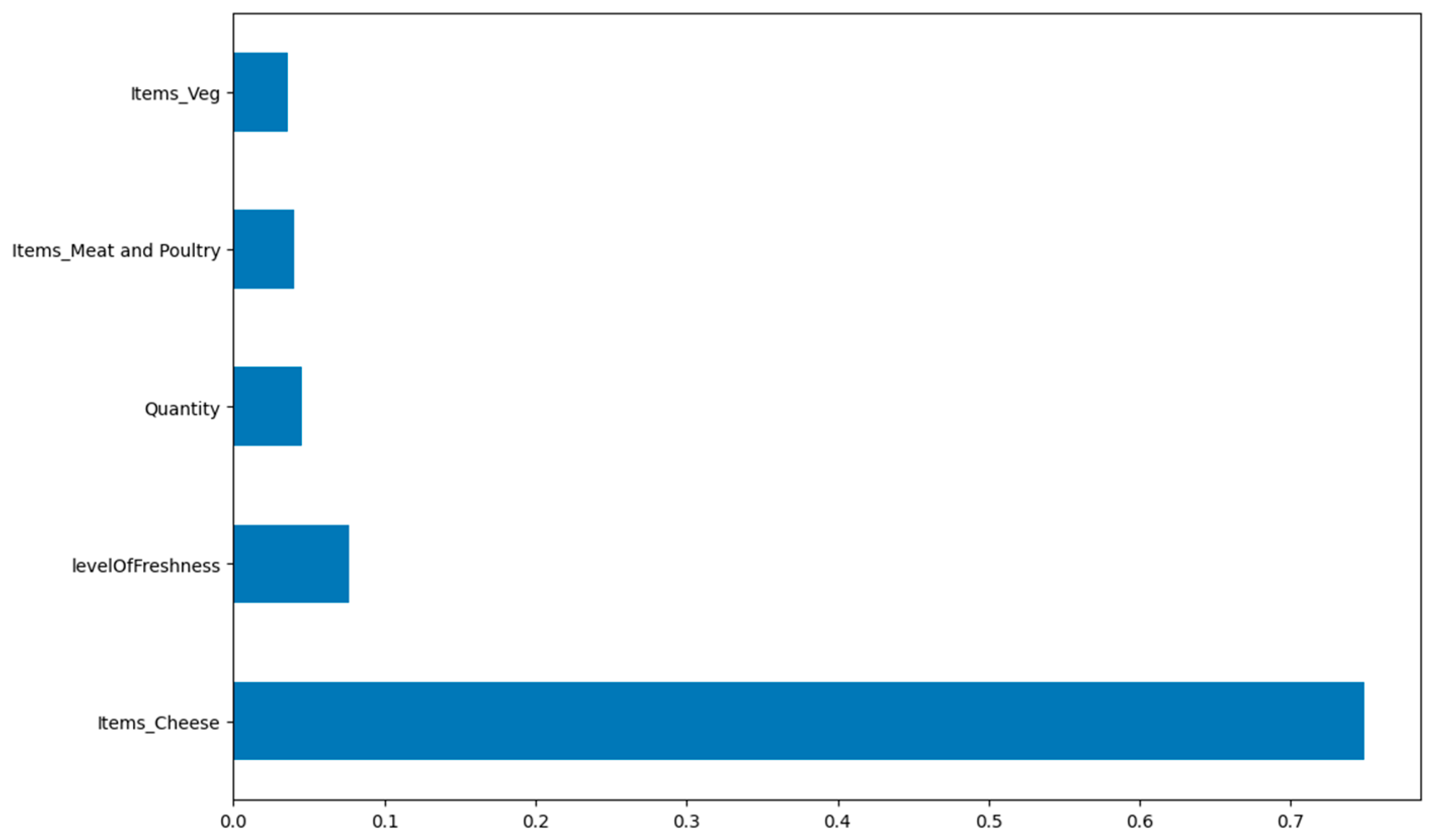
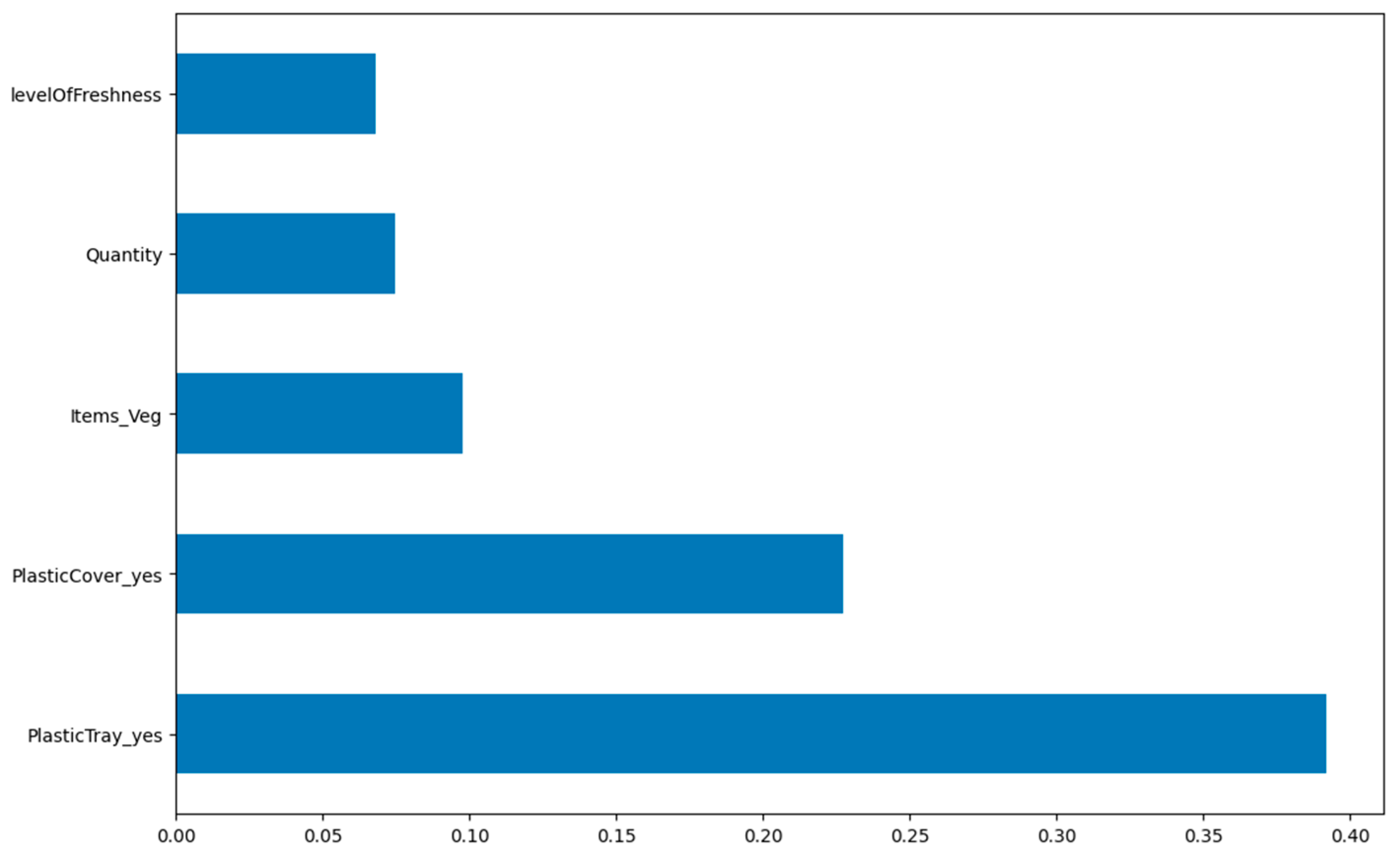
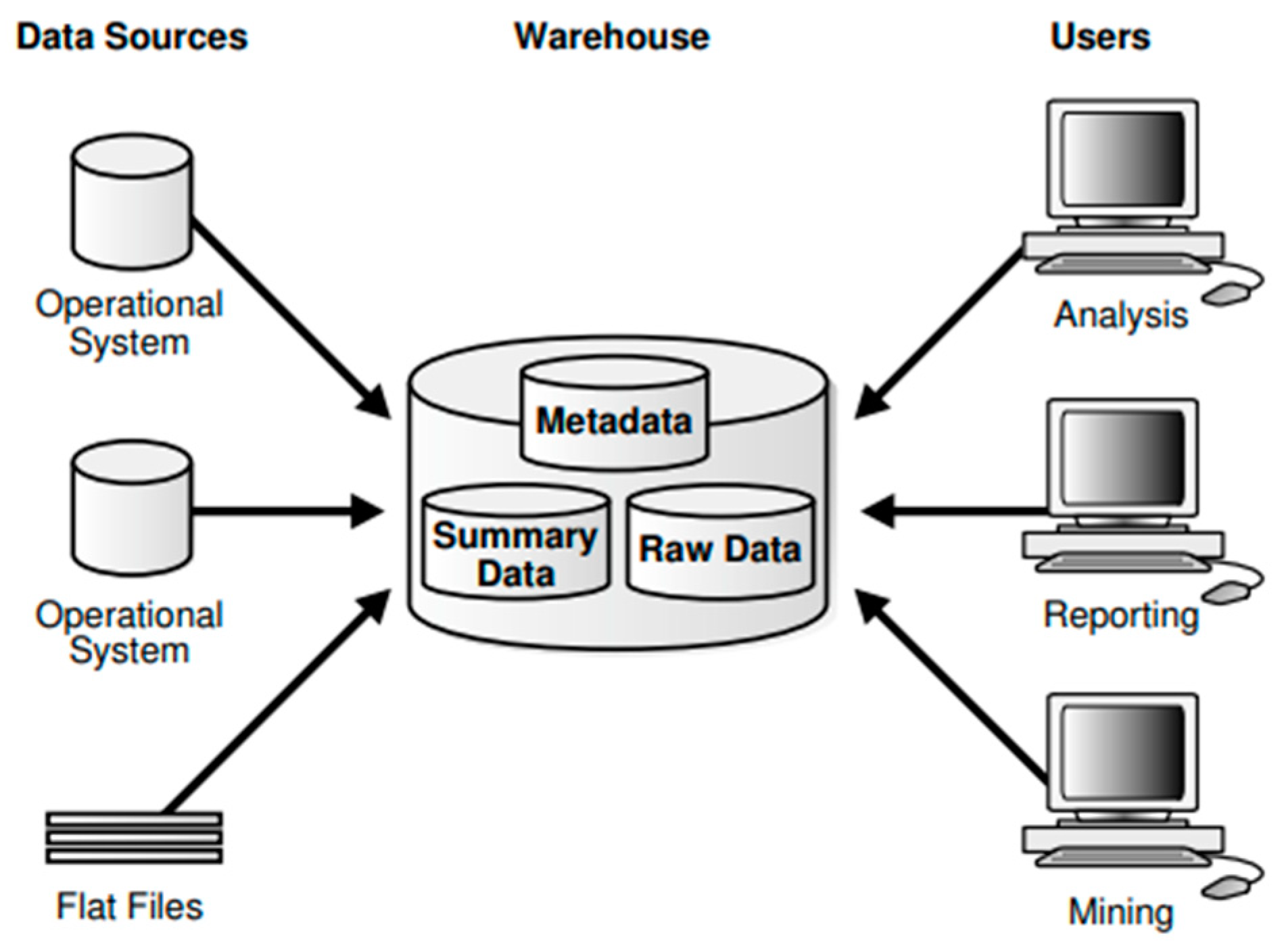
Climatic changes are now a global reality with widespread repercussions for individuals and businesses worldwide. The responsibility to adapt behaviors and protect the environment is shared by all of humanity. Business leaders can play a pivotal role in expediting this transformation by shifting their focus from pure profit-seeking to becoming value-driven entities that actively contribute to societal betterment while championing environmental conservation and sustainable profitability. This transition, however, poses certain challenges, notably the higher costs associated with ecofriendly materials, which can strain a company’s financial equilibrium. Furthermore, a significant number of organizations overlook the untapped potential of their data, a valuable asset that could significantly bolster their competitive position. To address these challenges, this study aims to provide actionable guidance for business leaders by using a notable data framework to reassess their capabilities and dynamically adapt to external environments. Our method relies on data mining algorithms and business intelligence tools to report data. The results pinpoint which products are greatly in demand, so leaders can be assured their investment in redesigning products yields profit, improves product freshness, and eliminates waste. By bridging the gap between profitability and environmental responsibility, this study endeavors to empower businesses to thrive in a sustainable, value-driven future.
Keywords: business ethics; sustainability; strategy; data mining; business intelligence business ethics; sustainability; strategy; data mining; business intelligence