Article

Real-Time Identification of Cyanobacteria Blooms in Lakeshore Zone Using Camera and Semantic Segmentation: A Case Study of Lake Chaohu (Eastern China)

1
School of Surveying, Mapping and Geographical Sciences, Liaoning Technical University, Fuxin 123000, China
2
Key Laboratory of Watershed Geography, Nanjing Institute of Geography and Limnology, Chinese Academy of Sciences, Nanjing 210008, China
*
Authors to whom correspondence should be addressed.
Sustainability 2023, 15(2), 1215; https://doi.org/10.3390/su15021215
Submission received: 11 November 2022 / Revised: 25 December 2022 / Accepted: 27 December 2022 / Published: 9 January 2023

Abstract

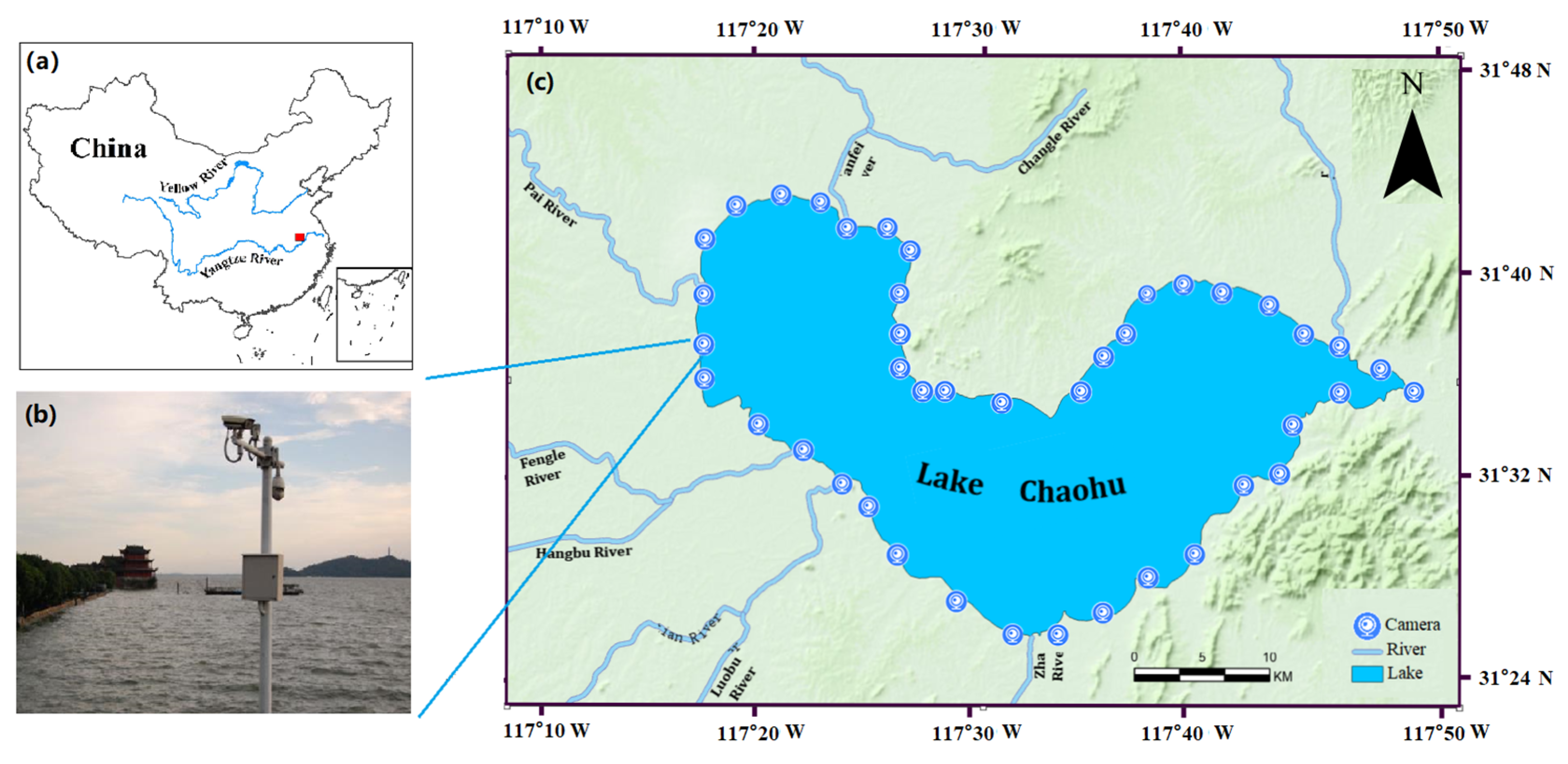
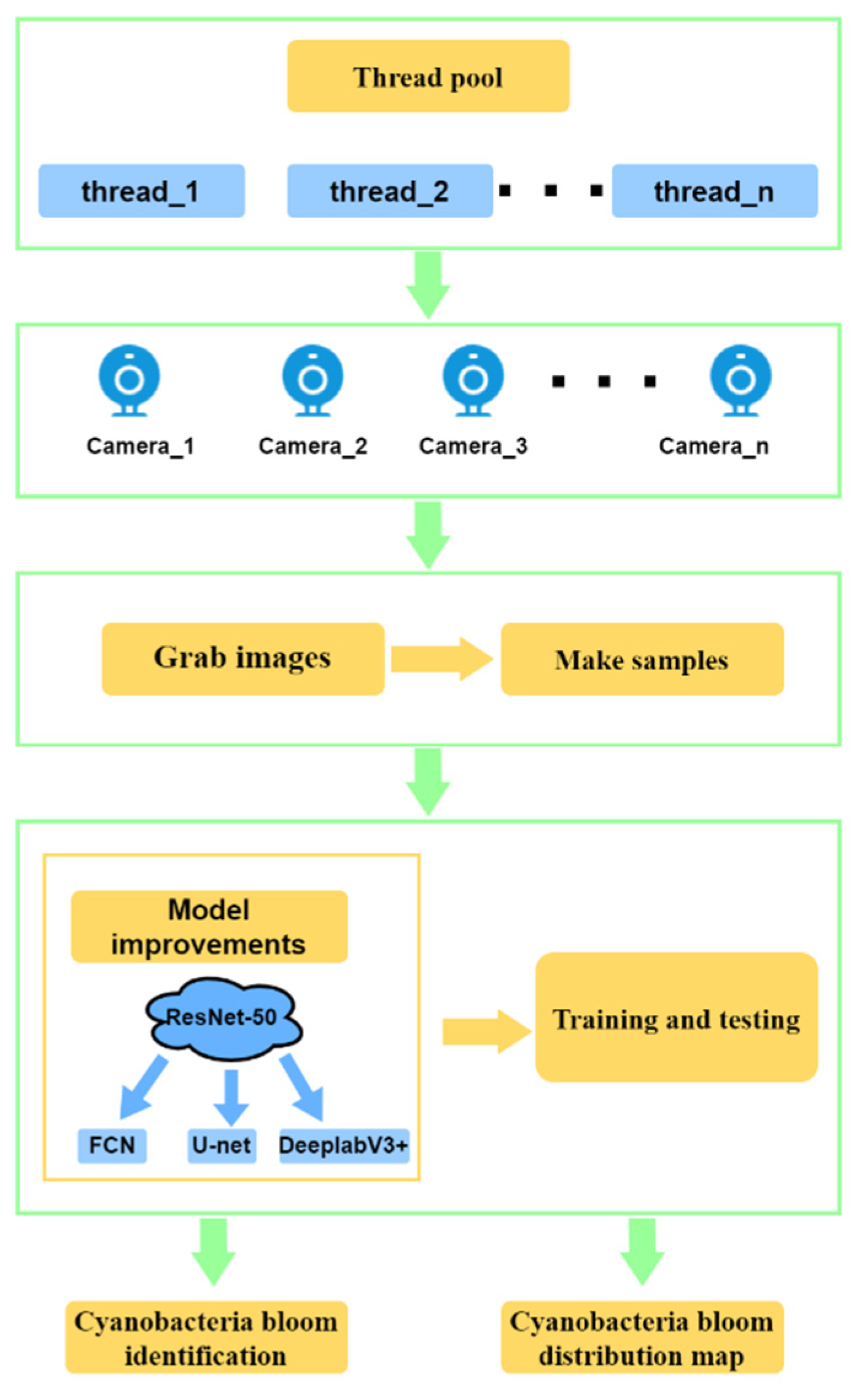
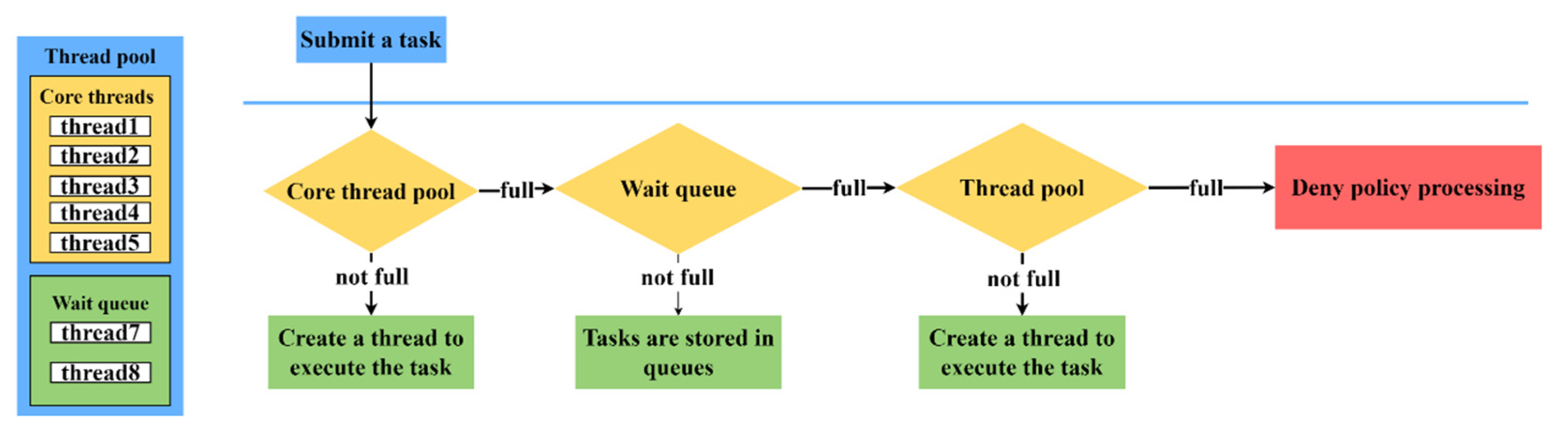
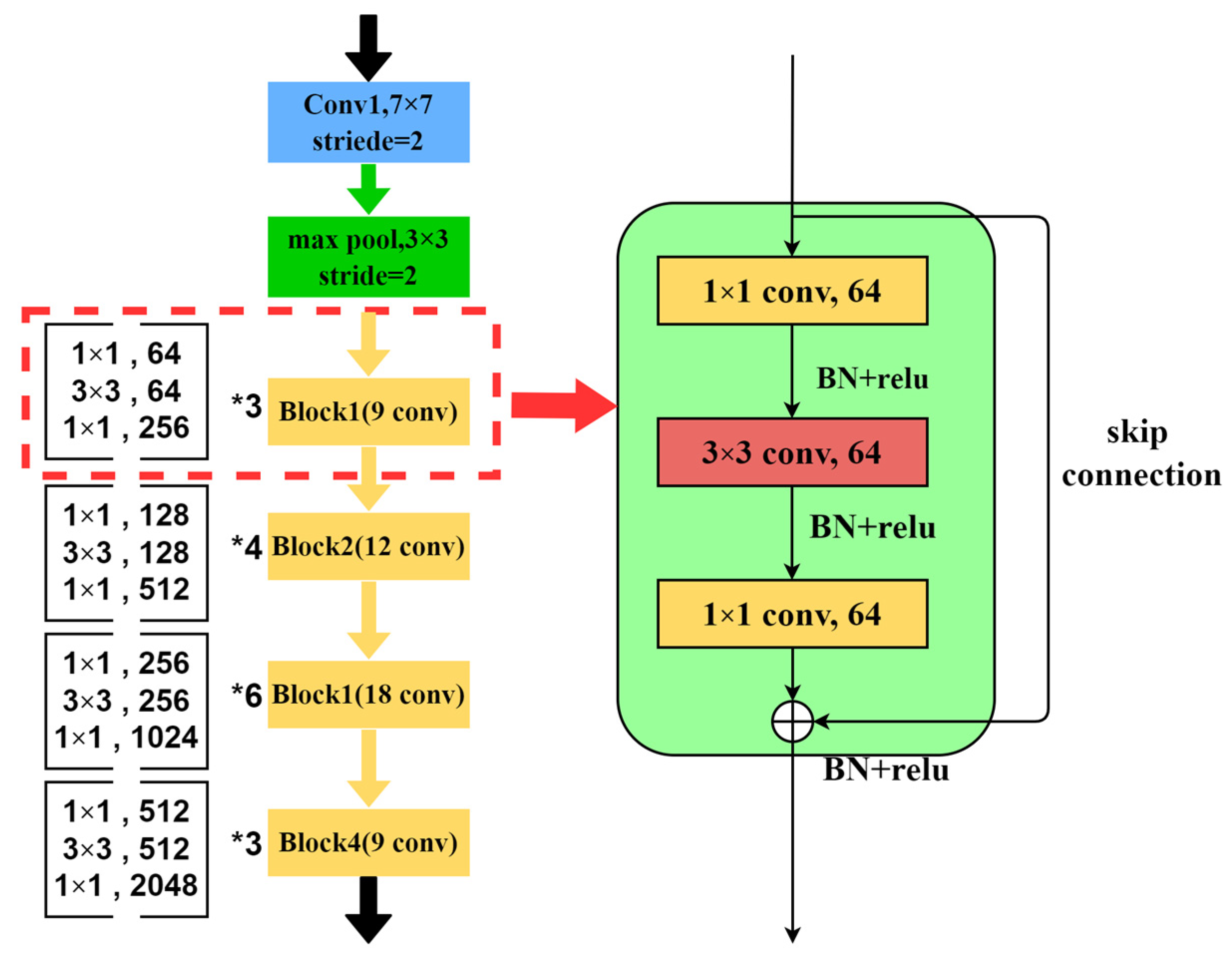
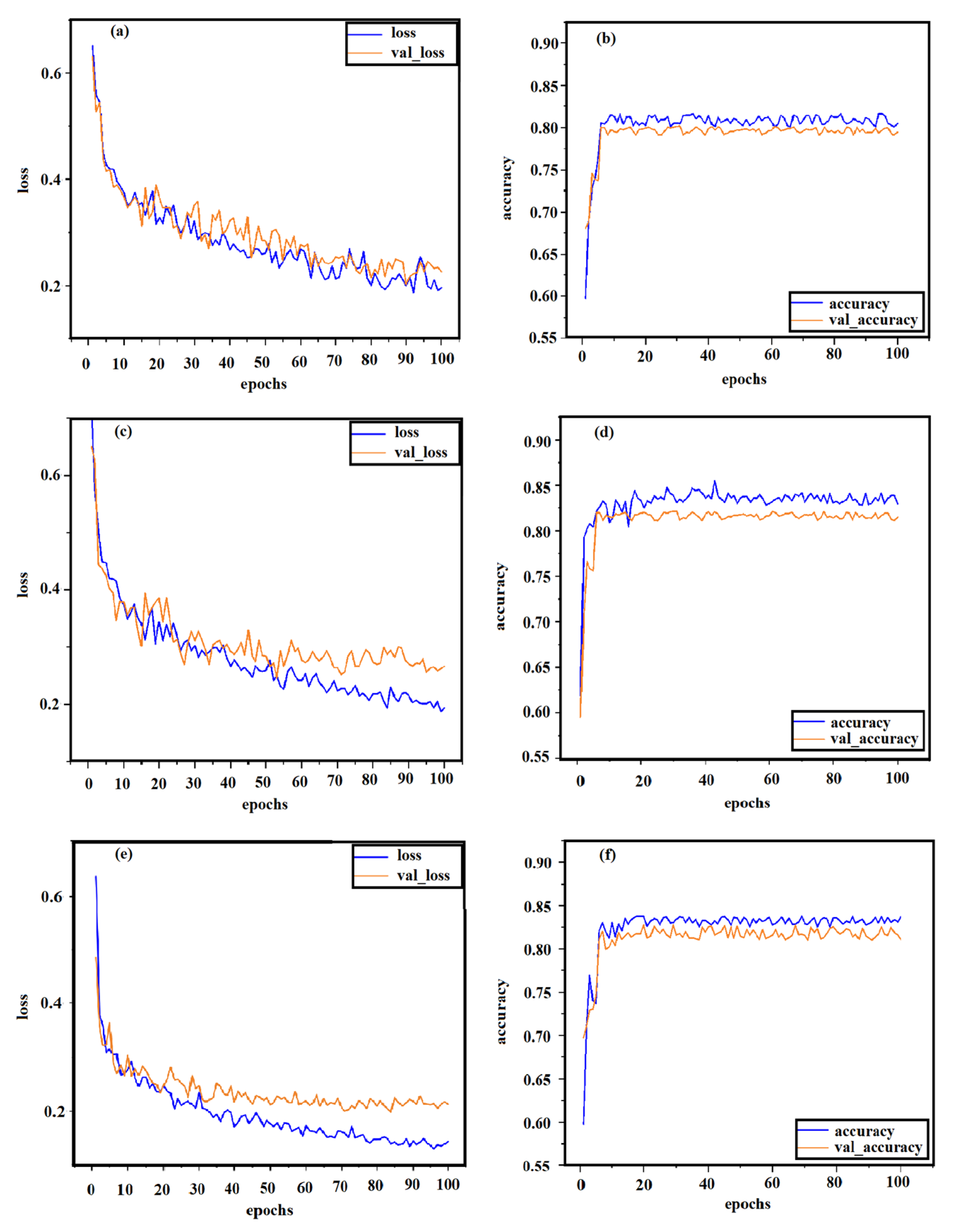
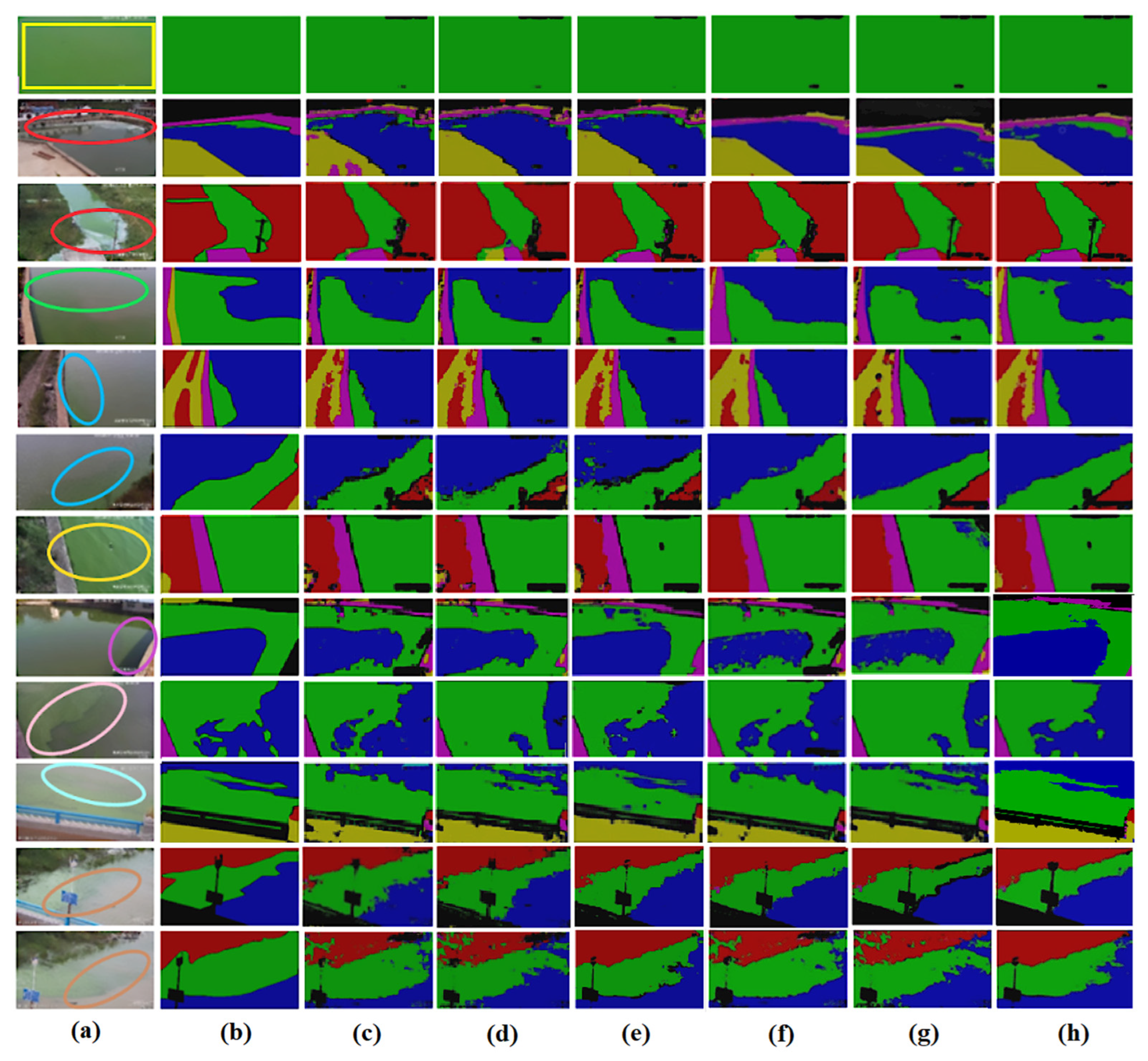
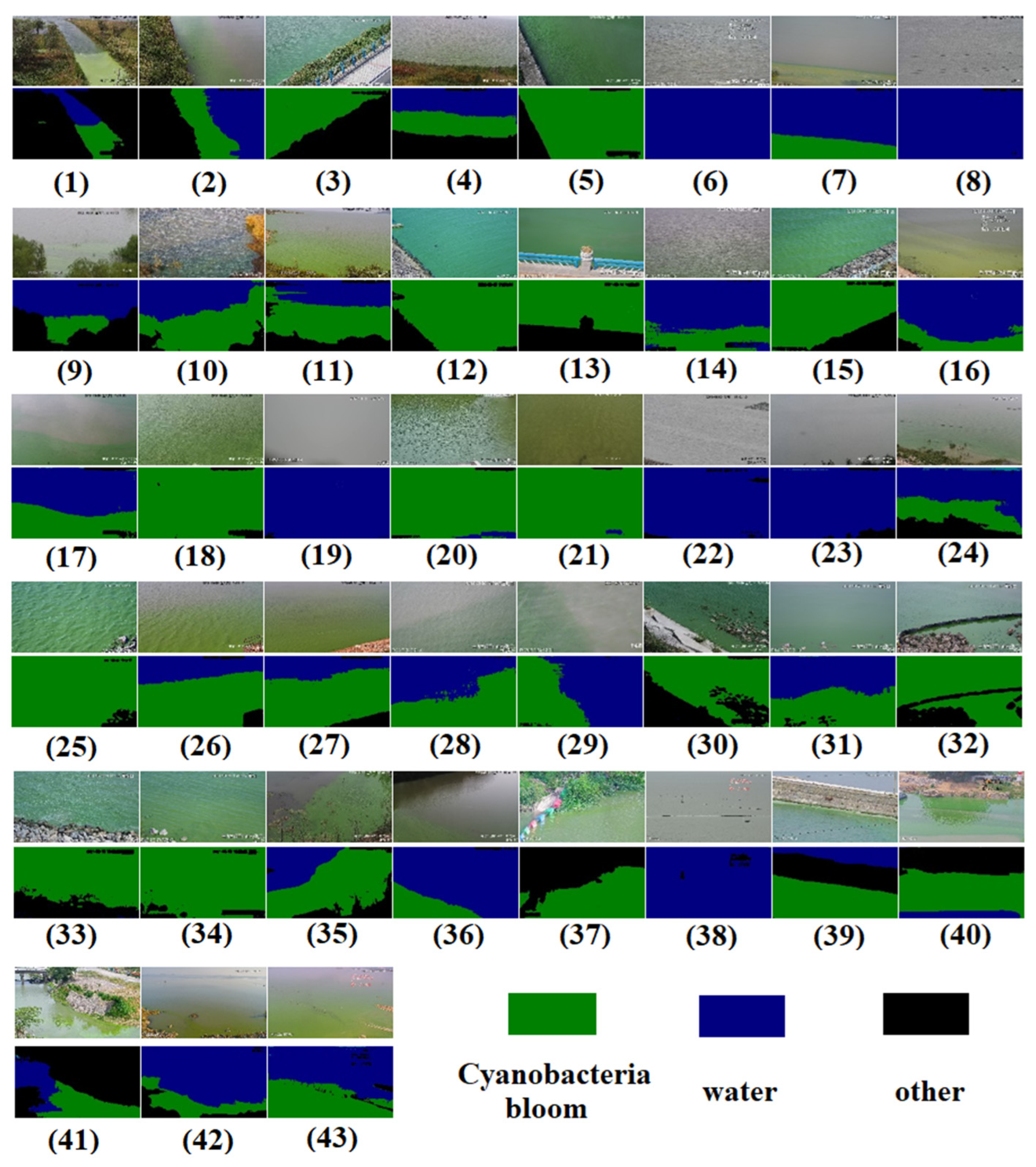
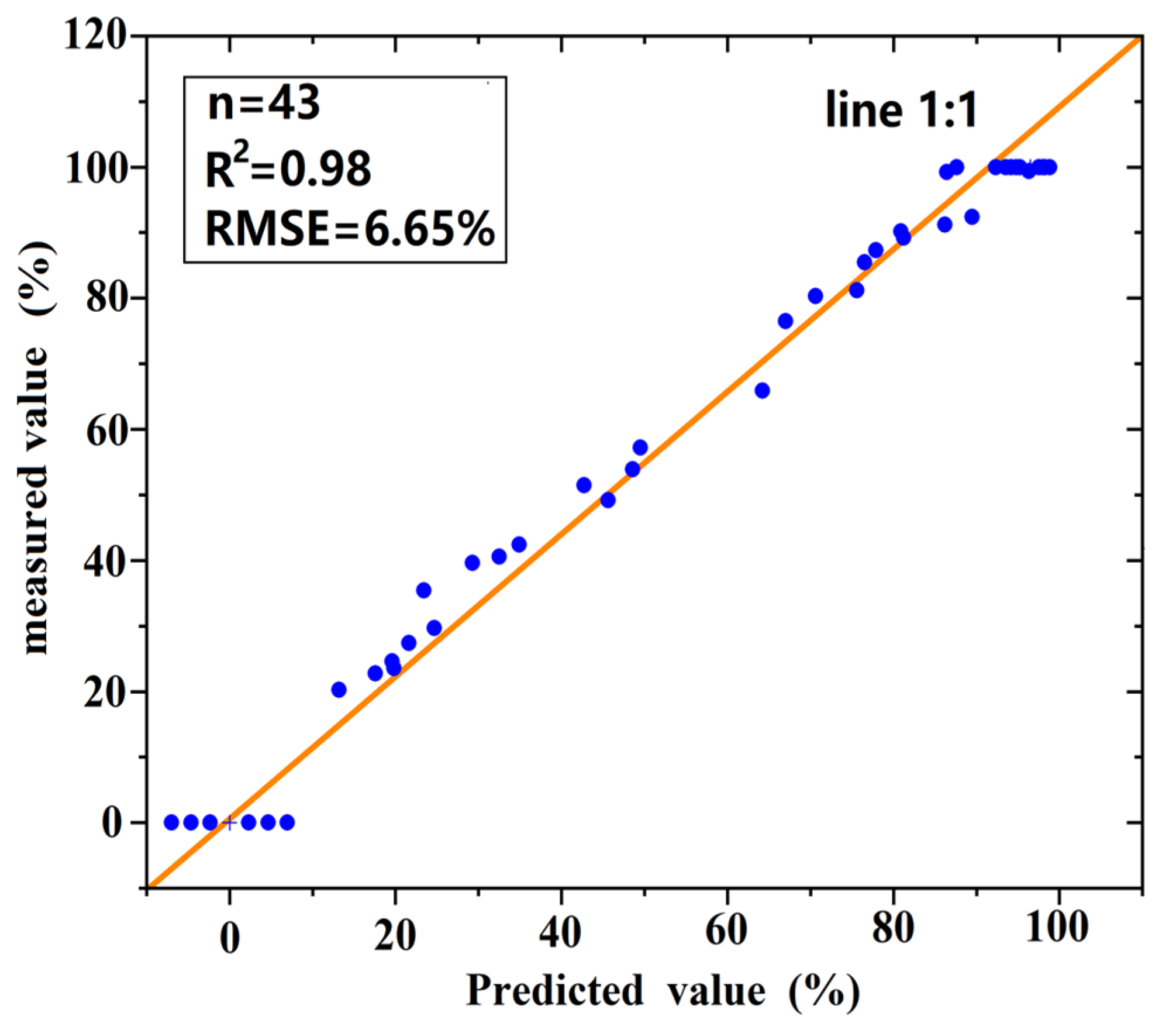
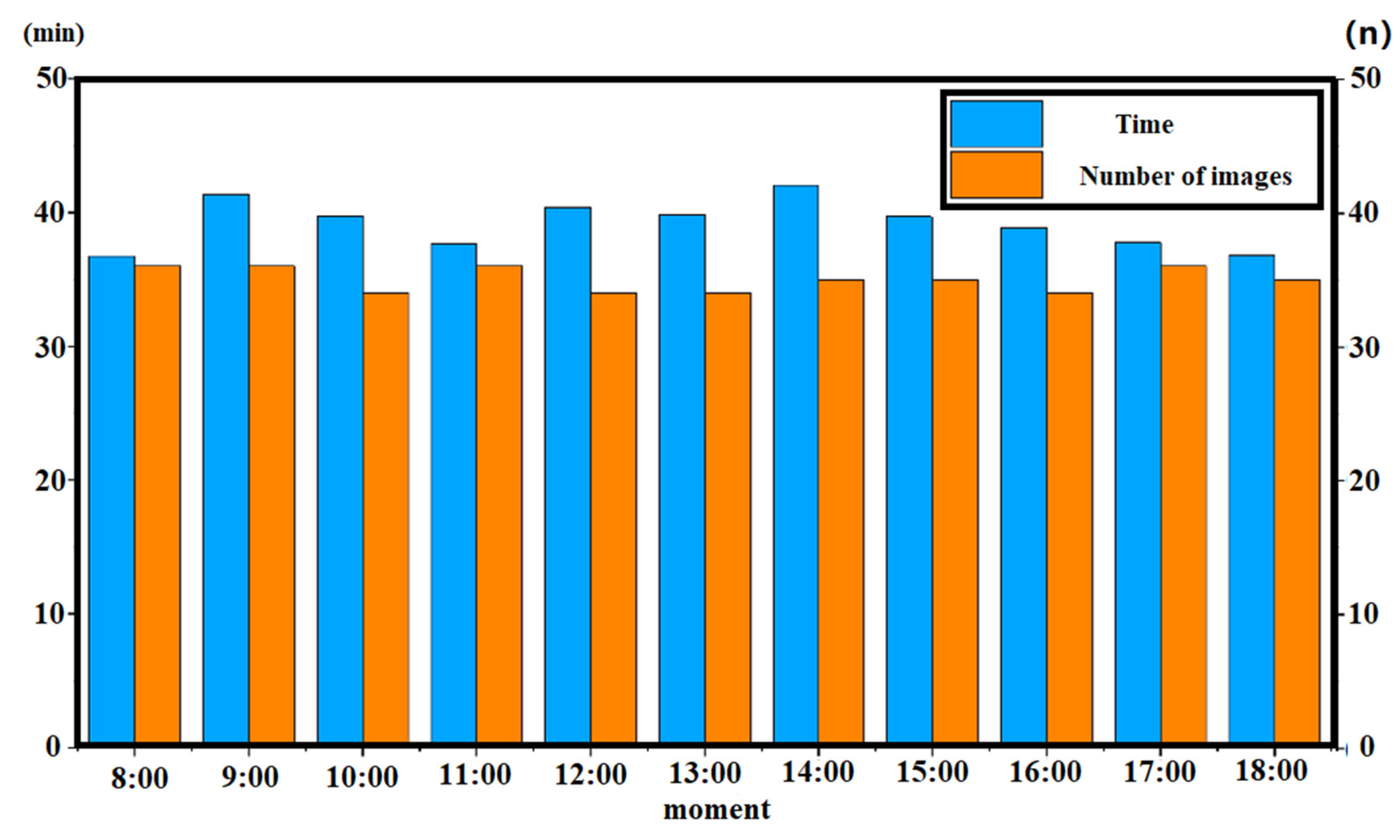
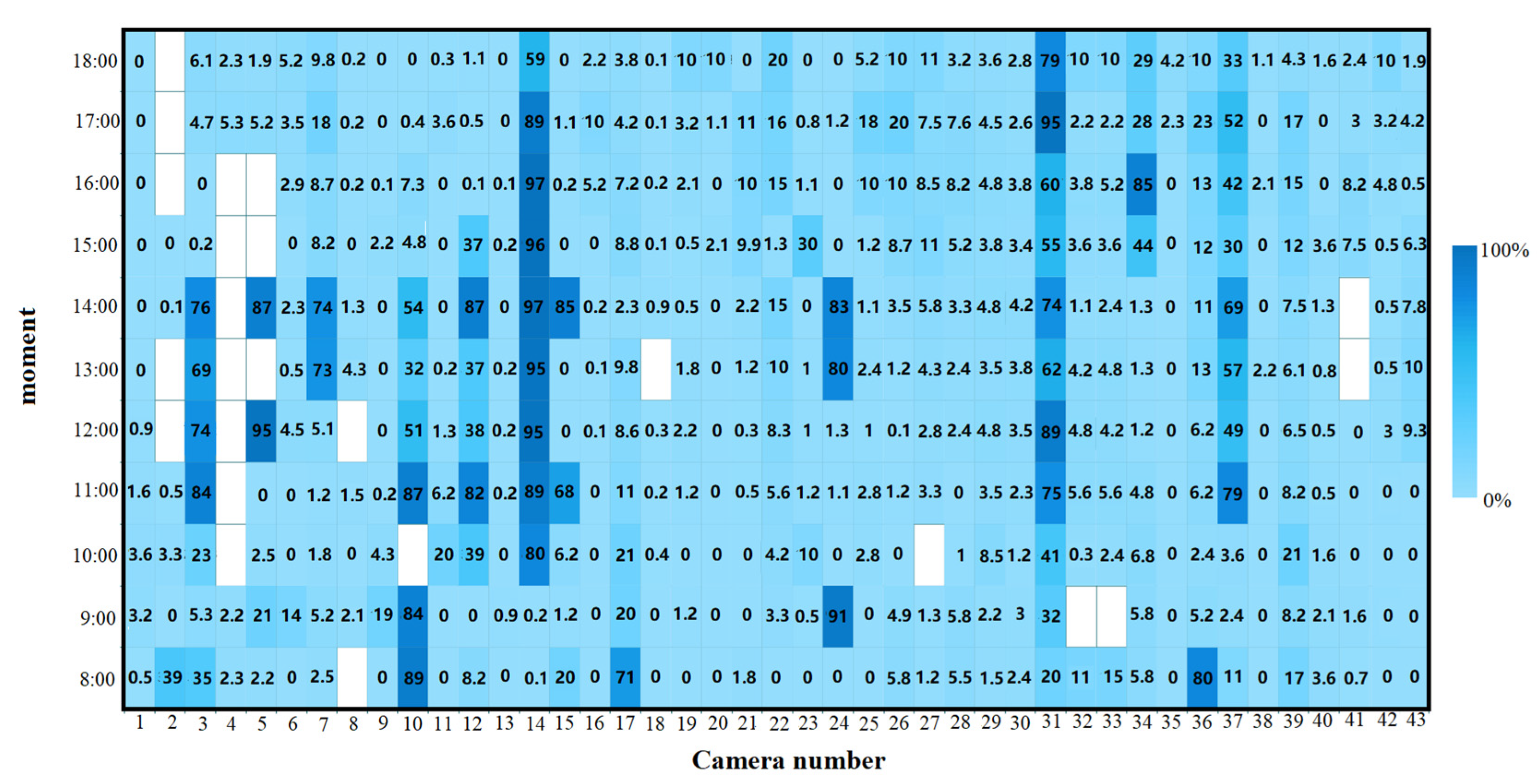
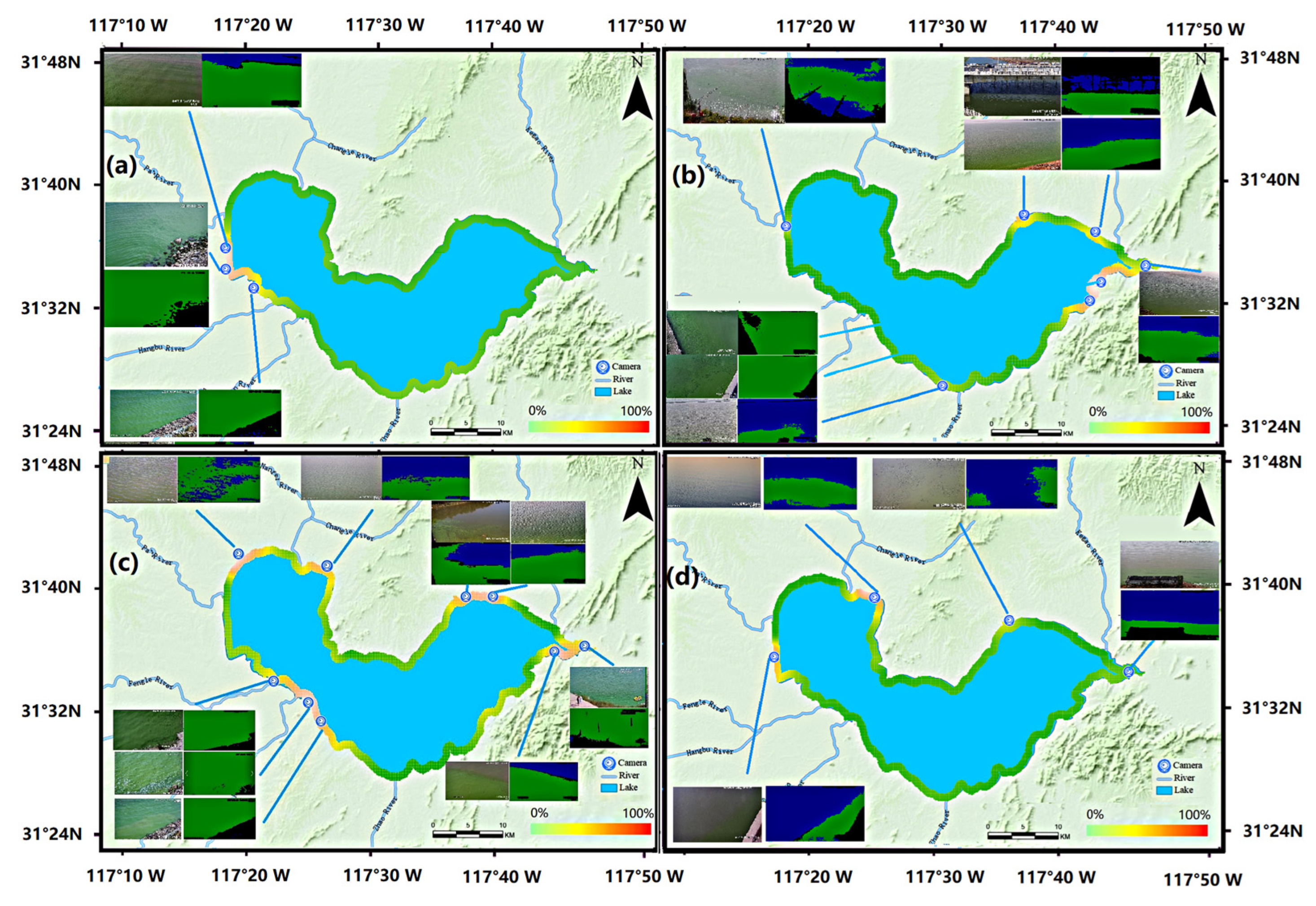
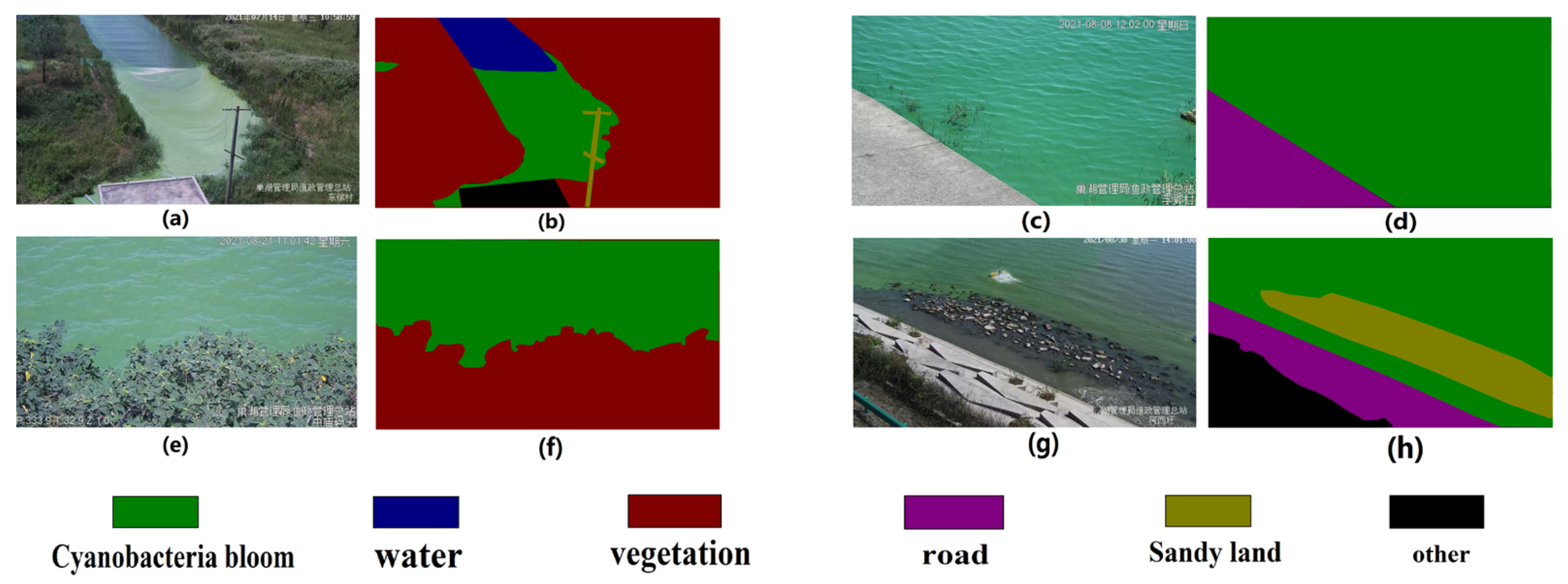
The surface water in the lakeshore zone is the primary area where cyanobacteria bloom floats intensively. In lake water environment monitoring, it has become pressing to accurately identify the distribution and accumulation coverage area of cyanobacteria blooms in the surface water of the lakeshore zone. This study proposes a real-time and dynamic monitoring technology for cyanobacteria blooms in surface water using a shore-based camera monitoring network. The specific work is as follows: Chaohu Lake, a large eutrophic lake in China, is selected as the research object. The multithreading technology is used to dynamically obtain the hourly video images of 43 cameras around Chaohu Lake. The semantic segmentation method is used to identify the cyanobacteria blooms in the video images, calculate the coverage of cyanobacteria blooms, and draw the spatial distribution map of cyanobacteria blooms in the lakeshore zone of Chaohu Lake. To improve the accuracy of cyanobacteria blooms recognition, we use the ResNet-50 network to integrate three semantic segmentation models, namely FCN, U-net, and DeeplabV3+. By comparing the cyanobacteria blooms results identified by the three methods, it is found that the boundary of the cyanobacteria blooms results identified by DeeplabV3+(ResNet-50) is clear, which is more consistent with the real spatial information of the distribution of cyanobacteria blooms and is more suitable for monitoring the hourly dynamic changes of cyanobacteria blooms in the Chaohu Lake lakeshore zone. The results demonstrated that the time requirement of monitoring cyanobacteria blooms in real time on an hourly basis could be met by utilizing technology that uses multiple threads. The OA (Overall Accuracy), MPA (Mean Pixel Accuracy), IOU (Intersection Over Union) of cyanobacteria blooms, and the IOU of water values of the DeeplabV3+(ResNet-50) were the highest, which were 0.83, 0.82, 0.71, and 0.74, and the RMSE between the predicted and real cyanobacterial blooms coverage of 43 cameras was 6.65%. The above values show that DeeplabV3+(ResNet-50) is this technology’s most suitable semantic segmentation model. This technique can provide technical support for the scientific development of a cyanobacteria blooms management plan in the lakeshore zone of Chaohu Lake by calculating the coverage area of cyanobacteria blooms and drawing the spatial distribution map of cyanobacteria blooms in the lakeshore zone.
Keywords: lakeshore zone; cyanobacteria blooms; semantic segmentation; multiple threads lakeshore zone; cyanobacteria blooms; semantic segmentation; multiple threads