Article

Methodology of a Circular Economy in a Specific Territory

by
Djamilia Skripnuk
1,*,
Nikolay Didenko
1,
Albina Gazizulina
2,
Kseniia N. Kikkas
2 and
Konstantin Skripniuk
2
1
Institute of Industrial Management, Economics and Trade, Peter the Great St. Petersburg Polytechnic University, 195251 St. Petersburg, Russia
2
Institute of Advanced Manufacturing Technologies, Peter the Great St. Petersburg Polytechnic University, 195251 St. Petersburg, Russia
*
Author to whom correspondence should be addressed.
Sustainability 2023, 15(13), 10363; https://doi.org/10.3390/su151310363
Submission received: 28 February 2023 / Revised: 10 June 2023 / Accepted: 14 June 2023 / Published: 30 June 2023

Abstract

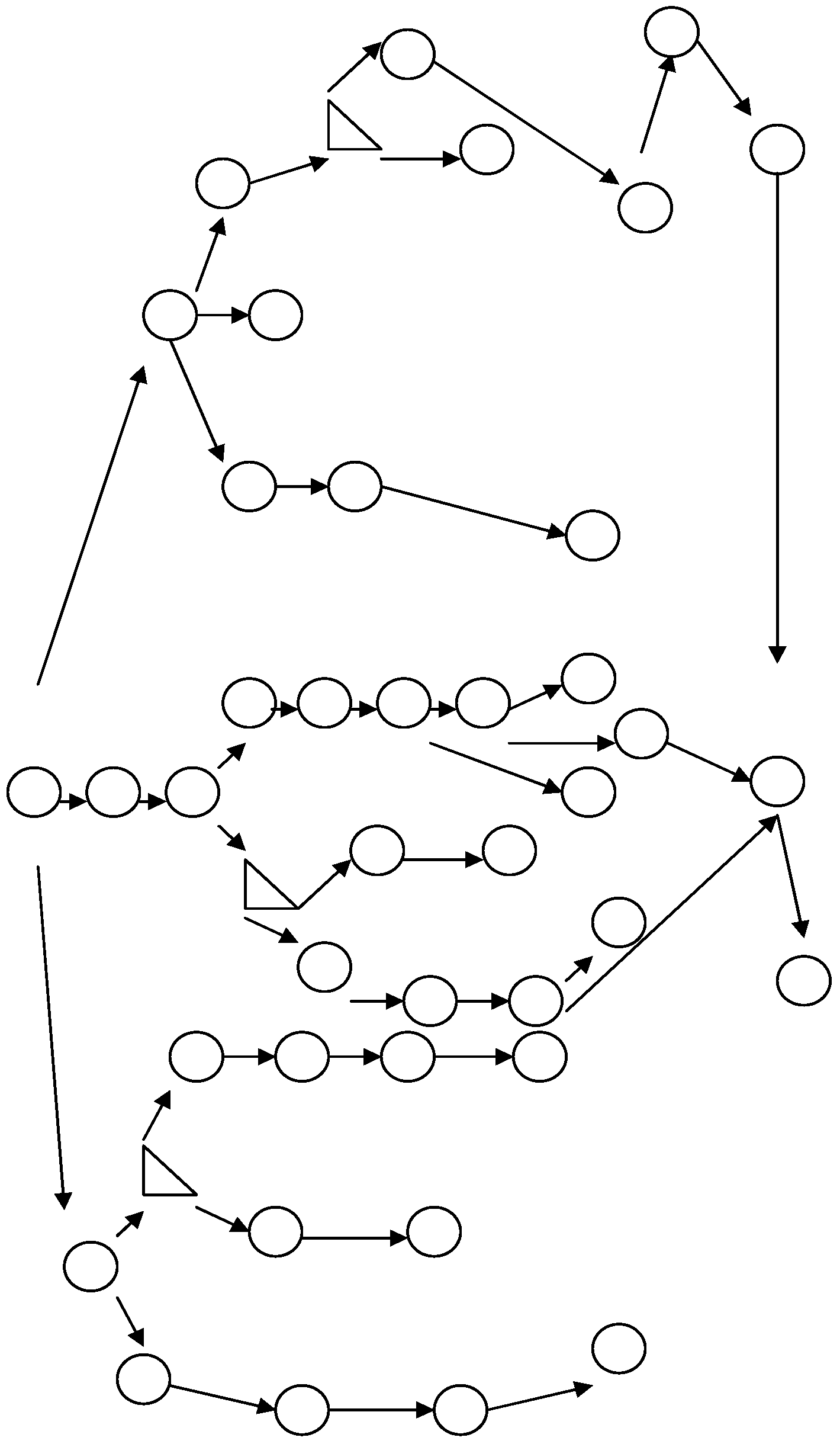
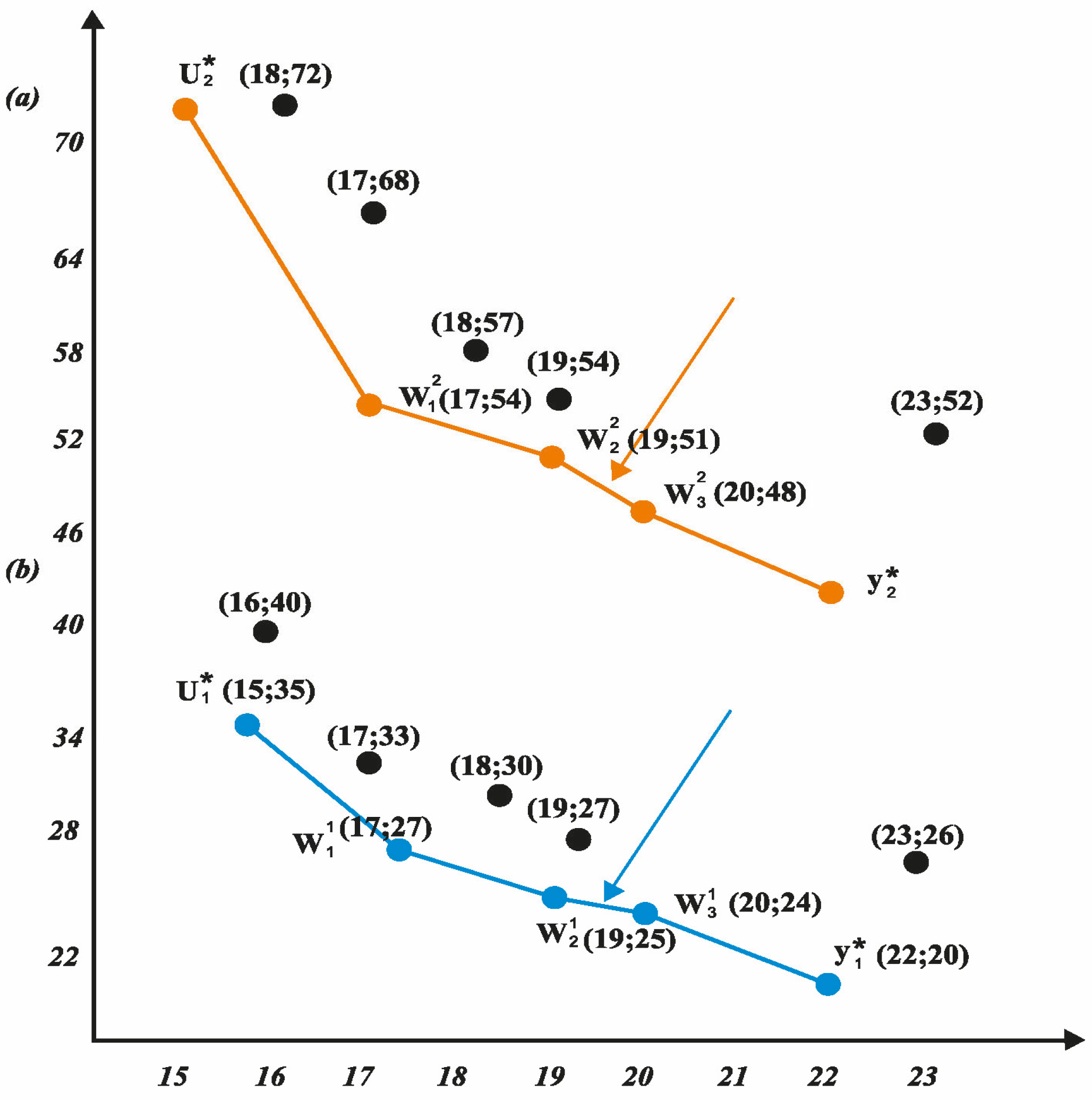
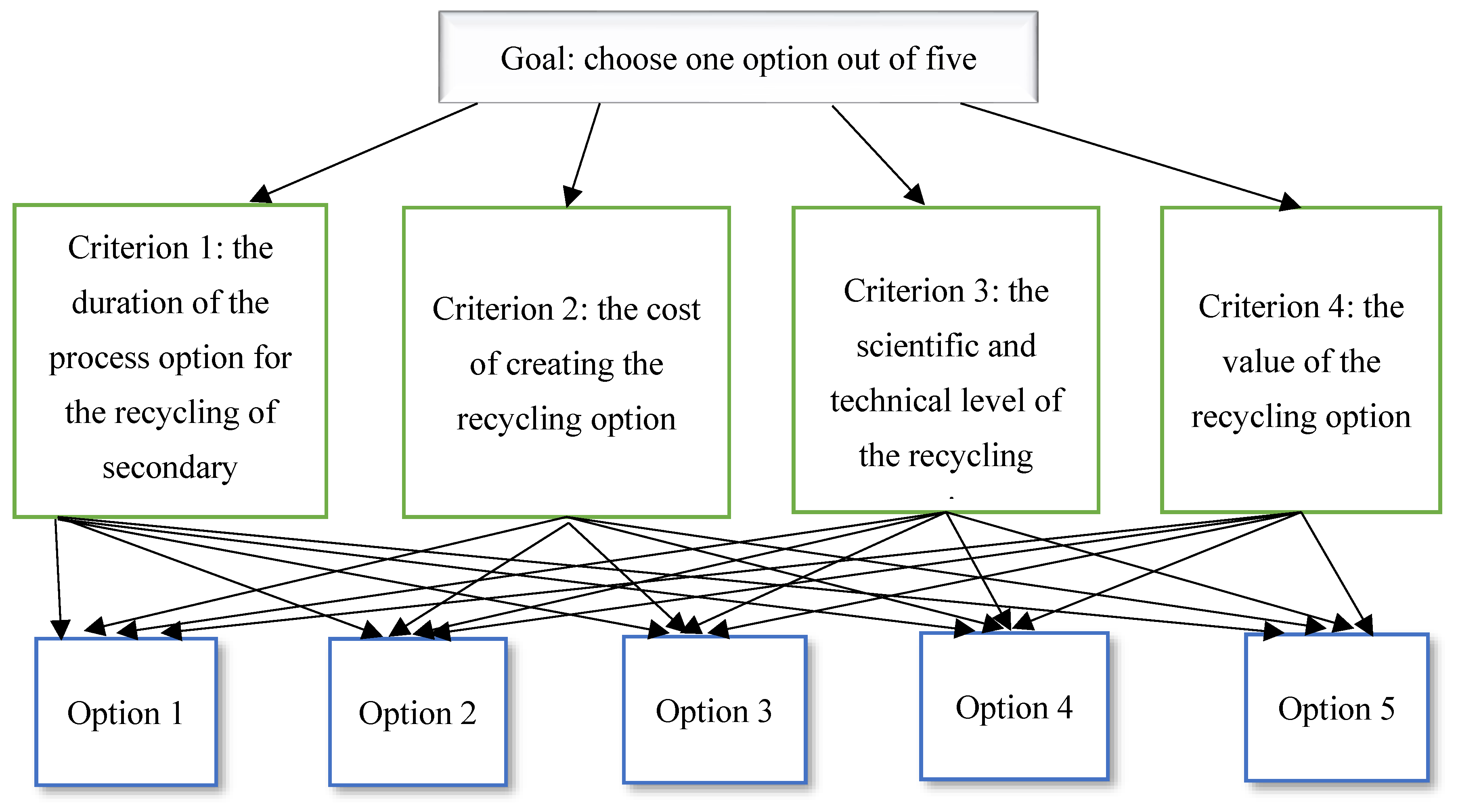
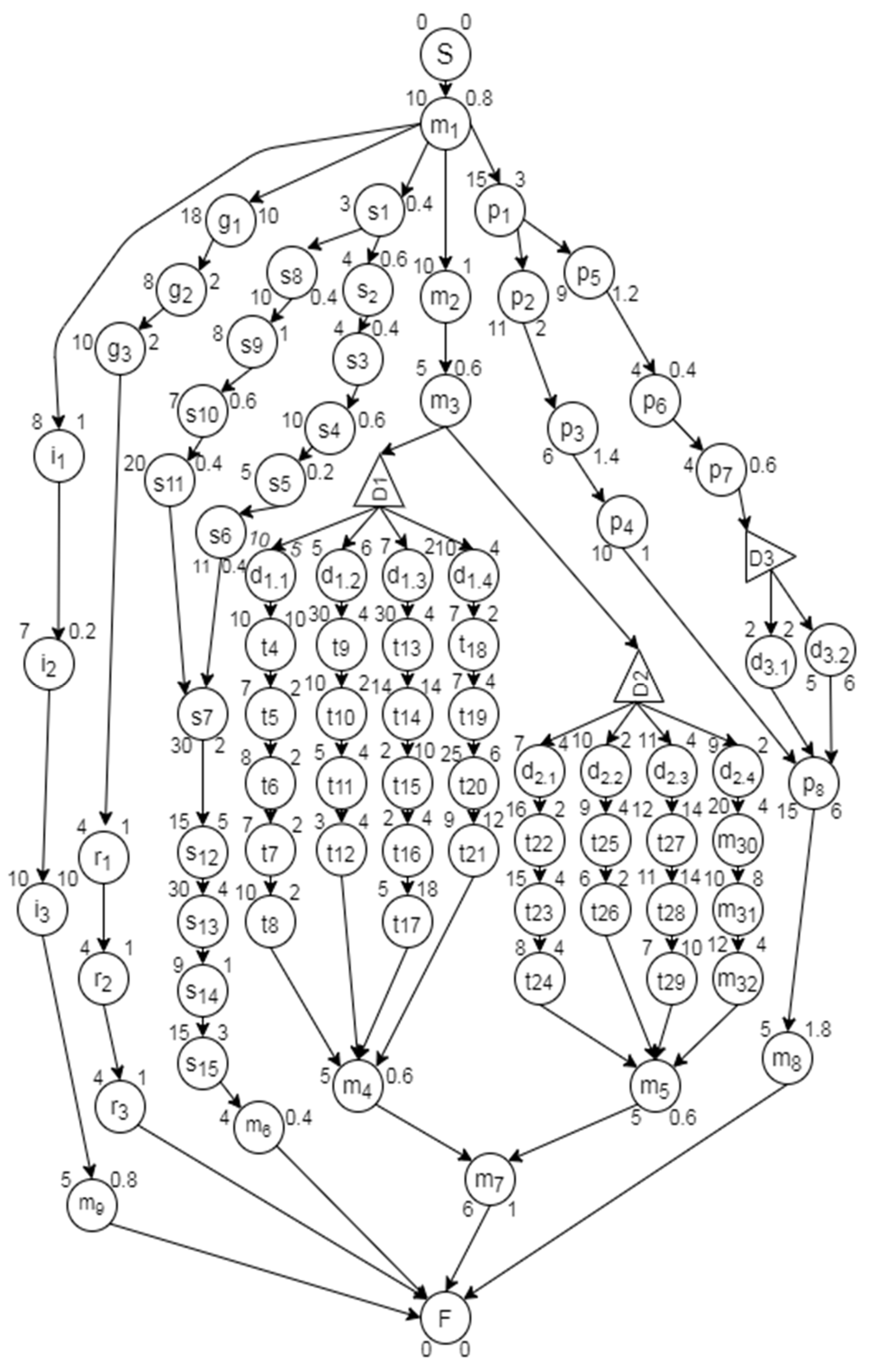
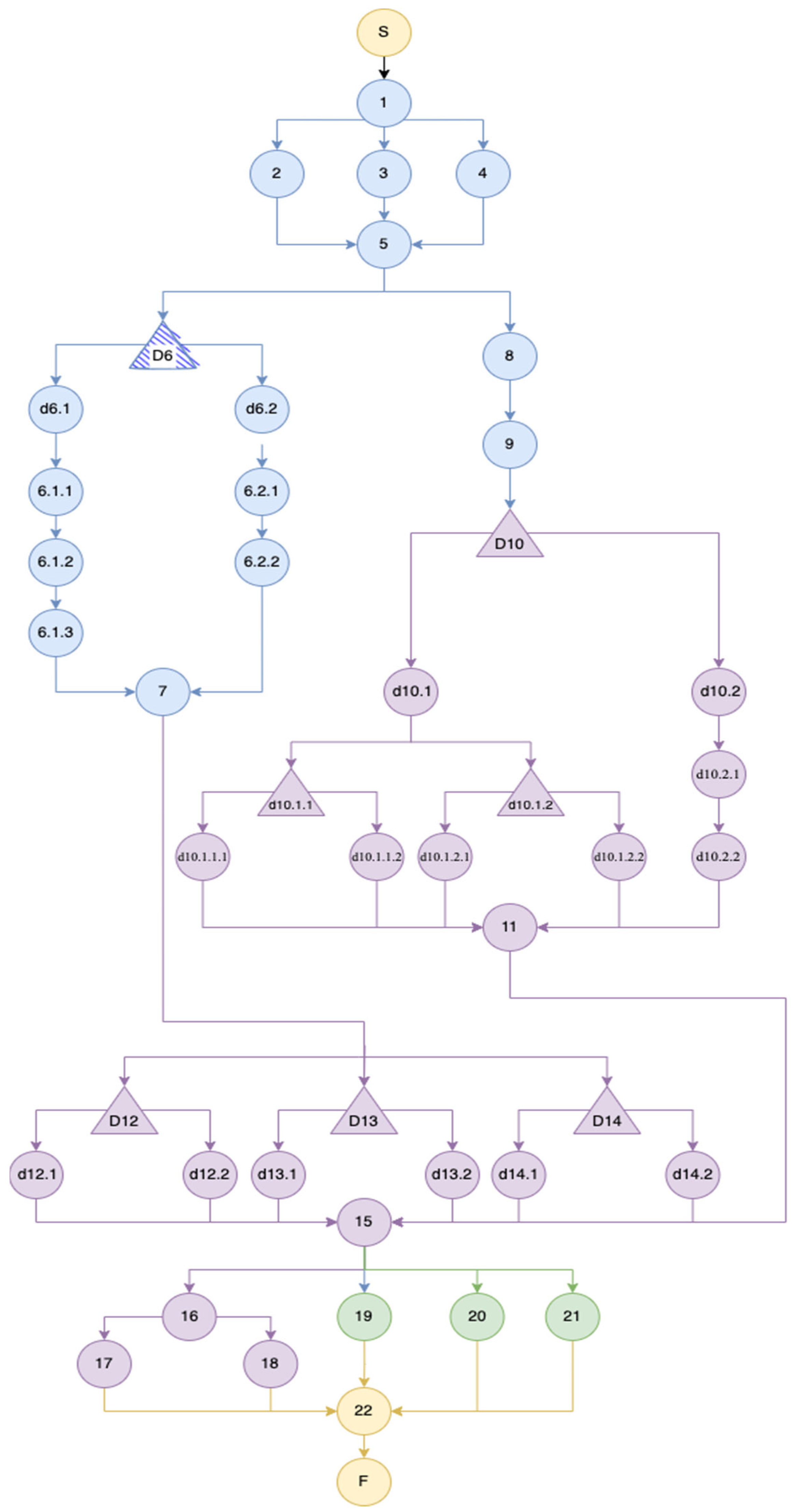
This article refers to the UN Sustainable Development Goals (SDGs), adopted in 2015 by the 193 countries of the UN General Assembly, of which Goal 12: Ensure sustainable consumption and production patterns has important implications for achieving a zero-waste, circular economy. The methodology of achieving integrated zero-waste production and a circular economy is discussed for application in a specific territory. The methodology consists of the following key aspects: (a) a targeted program of zero-waste production addressing problems concerning industrial and domestic waste in a specific territory; (b) targeted zero-waste production subprograms addressing industrial waste problems; (c) Industry 4.0 technologies involved in the development of a circular economy in a specific territory; (d) involvement of residents of a territory in collectively addressing all environmental problems and participating in zero-waste production organizations; and (e) mathematical, software, and IT methodologies of implementing a zero-waste and circular economy in a specific territory. An empirical analysis of the methodological aspects was carried out, using the example of a municipal district with a developed multisectoral economy. This study demonstrates the concept of waste classification involving the use of waste as raw material in a municipal district, including a specific targeted subprogram for recycling polymer products in a municipal district. A mathematical model of a zero-waste and circular economy program in a municipal district is depicted as an alternative graph to show different options of operation while addressing both local and global goals. An analytic hierarchy process was used to empower decision-makers to interactively select the option that best corresponds to the financial capacity of the municipal district, the duration of the program, and the technical requirements of the task.
Keywords: linear economy; circular economy; green economy; sustainable consumption; sustainable production; alternative graph for waste management linear economy; circular economy; green economy; sustainable consumption; sustainable production; alternative graph for waste management