Article

Establishing Social Learning in an Engineering MOOC: Benefits for Diversity and Inclusion in Engineering Education

1
Department of Electronic Engineering, University of York, York YO10 5DD, UK
2
STEM Learning Ltd., York YO10 5DD, UK
*
Author to whom correspondence should be addressed.
Sustainability 2022, 14(9), 5472; https://doi.org/10.3390/su14095472
Submission received: 31 March 2022 / Revised: 26 April 2022 / Accepted: 27 April 2022 / Published: 2 May 2022
(This article belongs to the Special Issue Equality, Diversity and Inclusion in STEM for a Sustainable Future)

Abstract

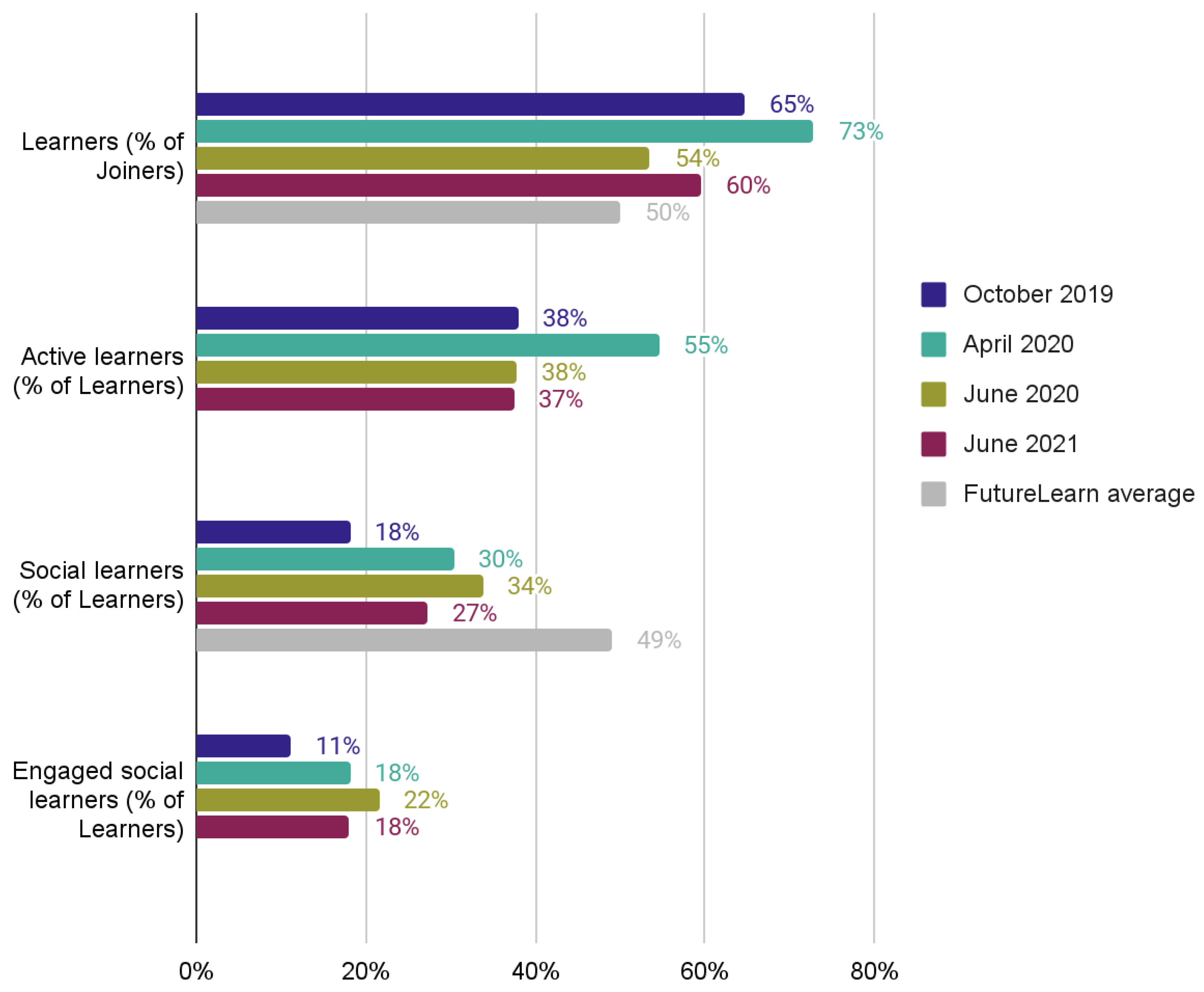
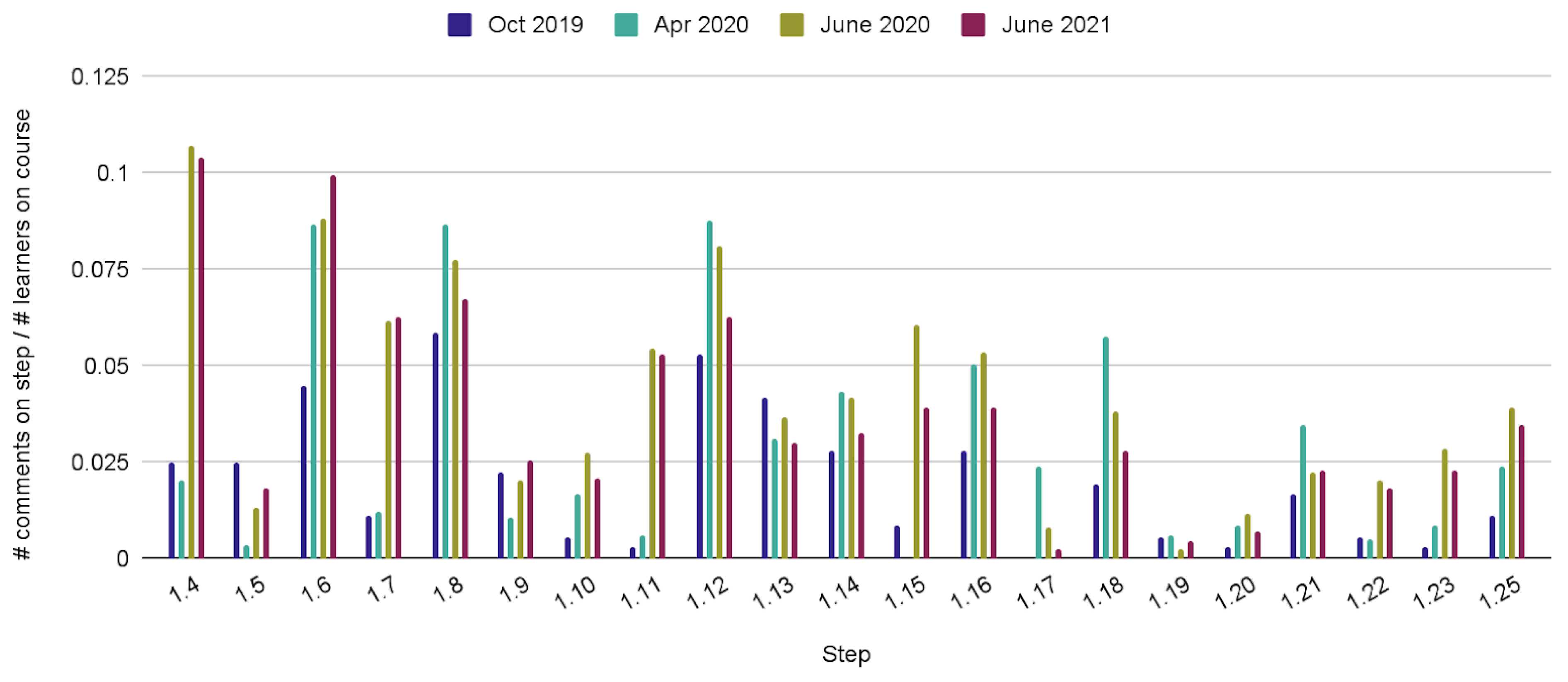
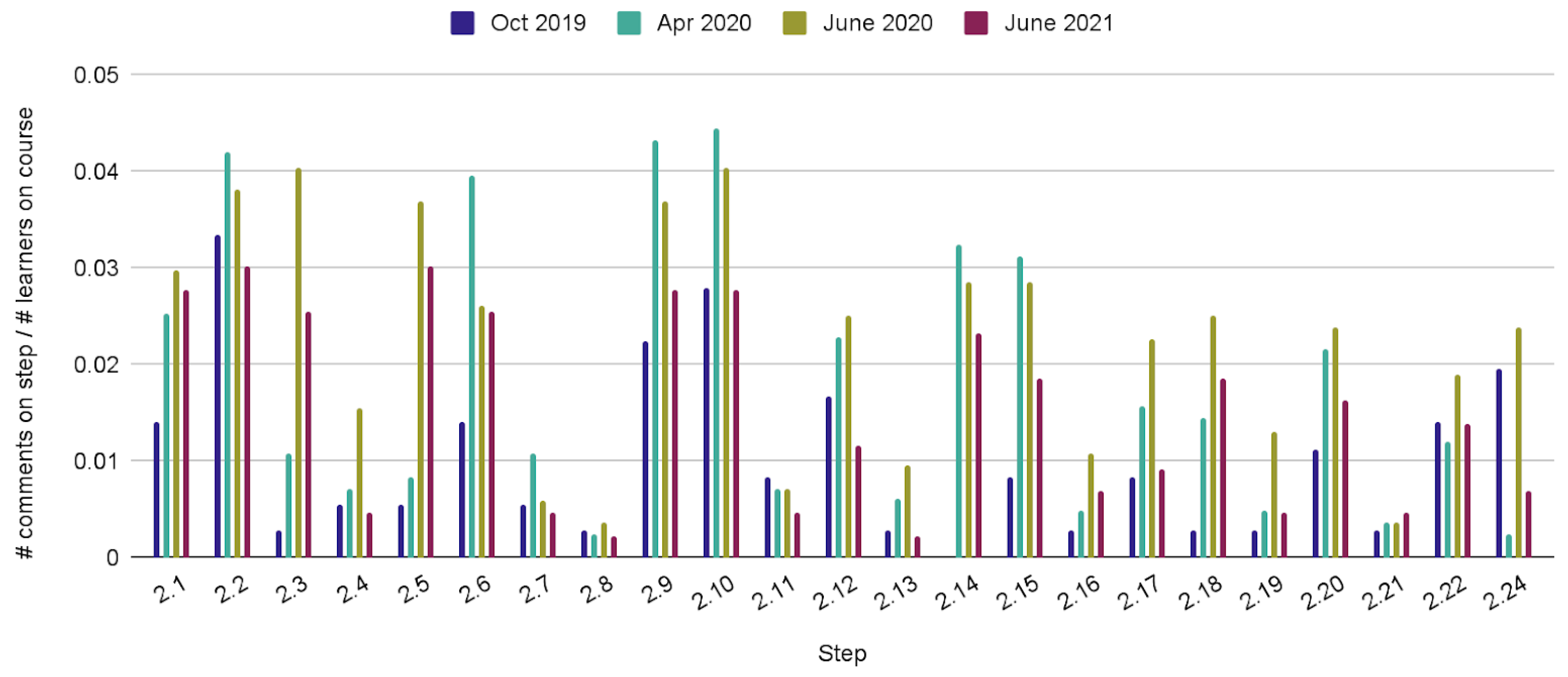
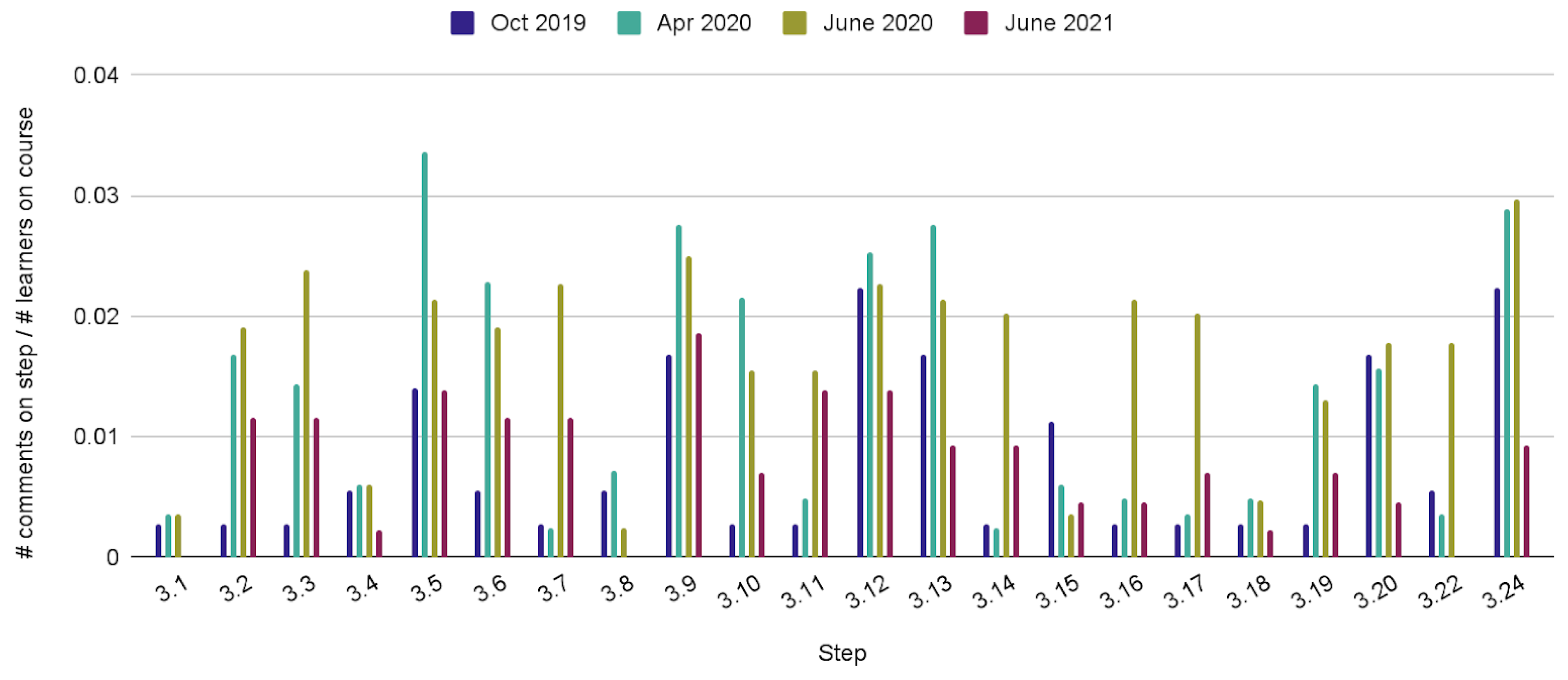
Recent Higher Education Statistics Agency data shows that only 20% of engineering students at UK Universities are female, despite the hard work being undertaken by many educational institutions to address this gender imbalance via outreach events and special interventions focussing on girls/women in STEM. It has been argued that student-centred teaching methods, together with changes in the engineering curriculum itself, which emphasise the social, creative, and human-centred aspects of the discipline, are required to effect real change in engaging with those from traditionally underrepresented groups. Through analysing quantitative data on age, gender, learner type, and commenting rates in peer-to-peer discussions, we examine the development and delivery of an engineering MOOC, before, during, and after COVID-19-related lockdowns in the UK, to identify what aspects of online learning might be harnessed to improve diversity in engineering education. The results show that the MOOC attracted a better gender balance than reported for UK-based in-person engineering programmes. In addition, we show that careful structuring of discussion prompts encouraged higher levels of social learning. We recommend the continued use of interactive and discursive elements within a blended learning environment to positively impact diversity and inclusion in engineering education specifically, and STEM education in general.
Keywords: engineering; learning analytics; MOOC; online learning; social learning engineering; learning analytics; MOOC; online learning; social learning