Article

International Migration Projections across Skill Levels in the Shared Socioeconomic Pathways
1
RFF-CMCC European Institute on Economics and the Environment (EIEE), Centro Euro-Mediterraneo sui Cambiamenti Climatici, 20144 Milan, Italy
2
Department of Management, Economics and Industrial Engineering, Politecnico di Milano, 20156 Milan, Italy
*
Author to whom correspondence should be addressed.
Sustainability 2022, 14(8), 4757; https://doi.org/10.3390/su14084757
Submission received: 14 March 2022 / Revised: 12 April 2022 / Accepted: 13 April 2022 / Published: 15 April 2022
(This article belongs to the Topic Climate Change and Environmental Sustainability)

Abstract

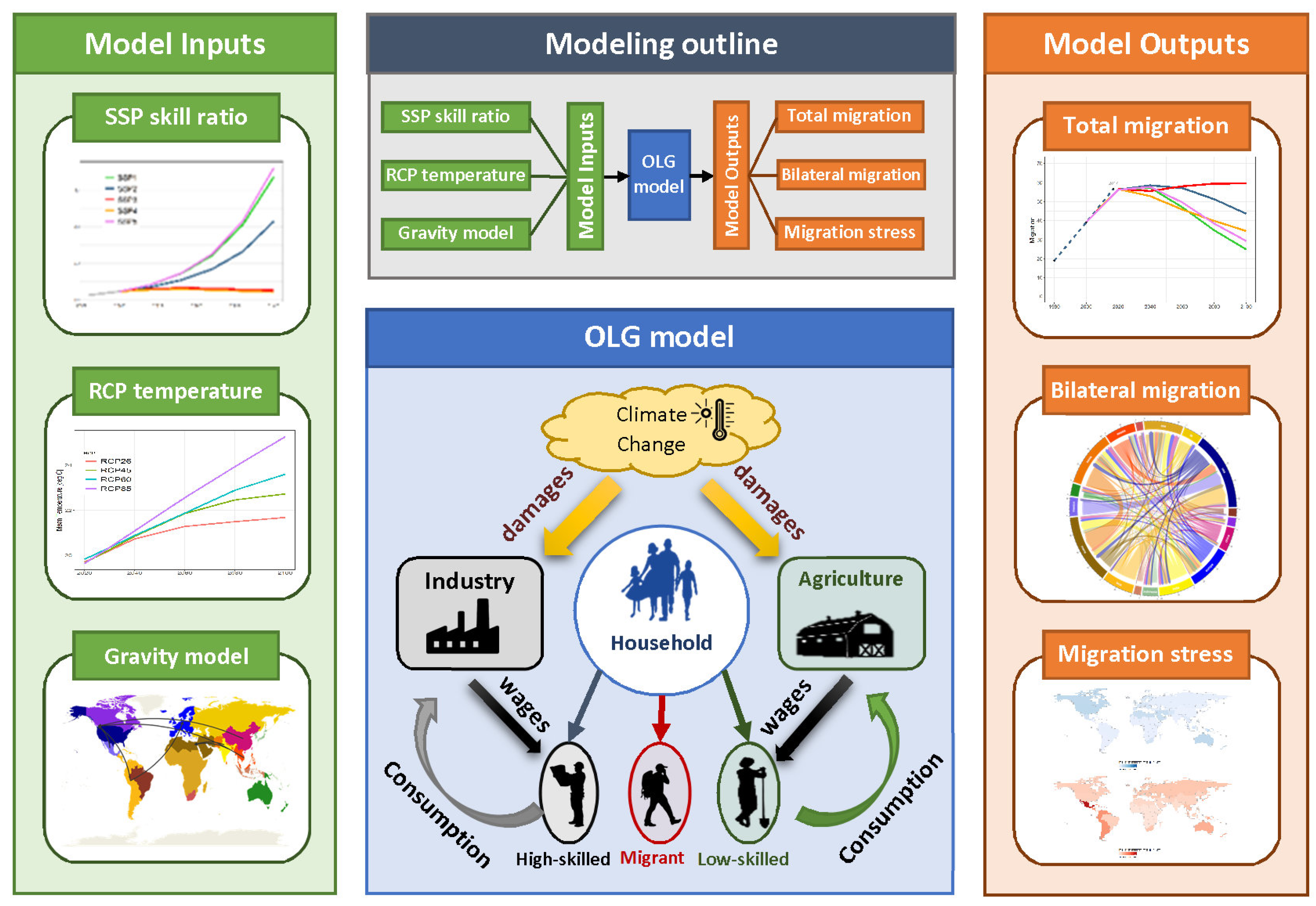
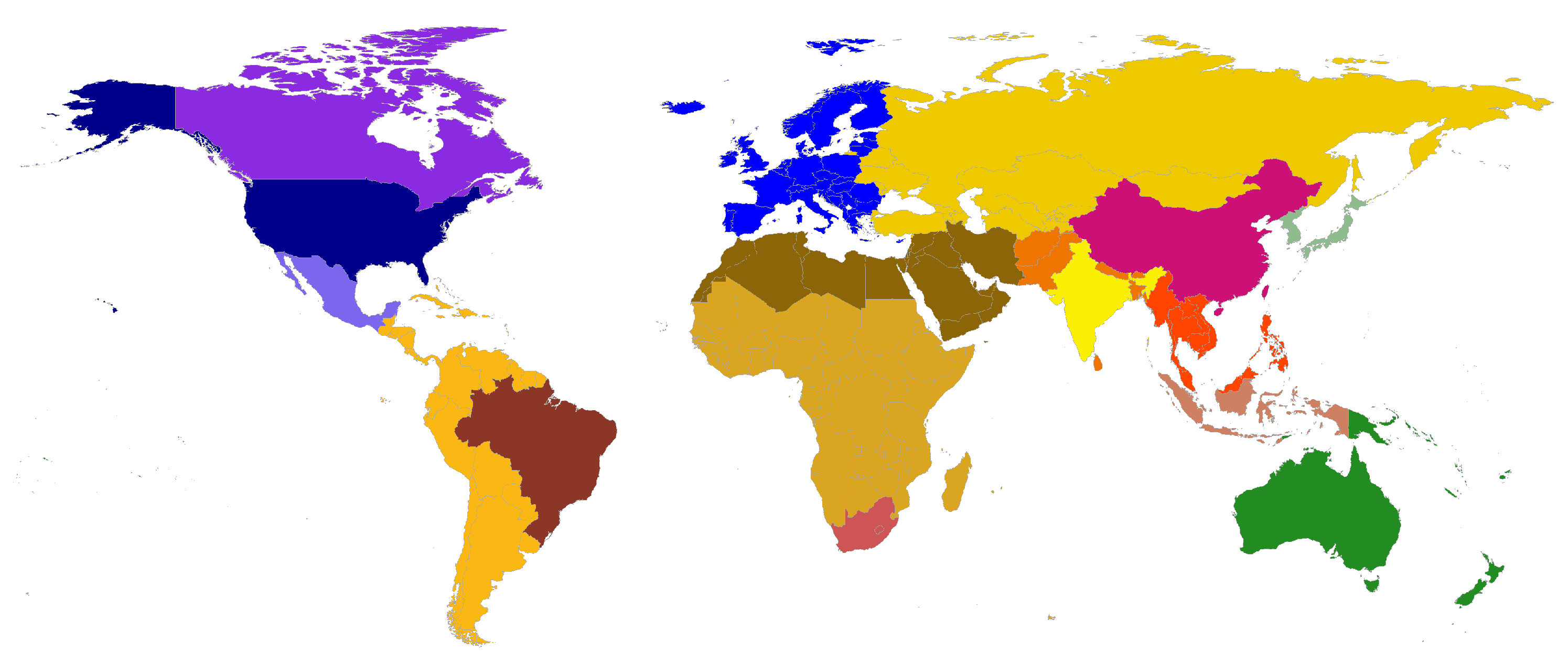
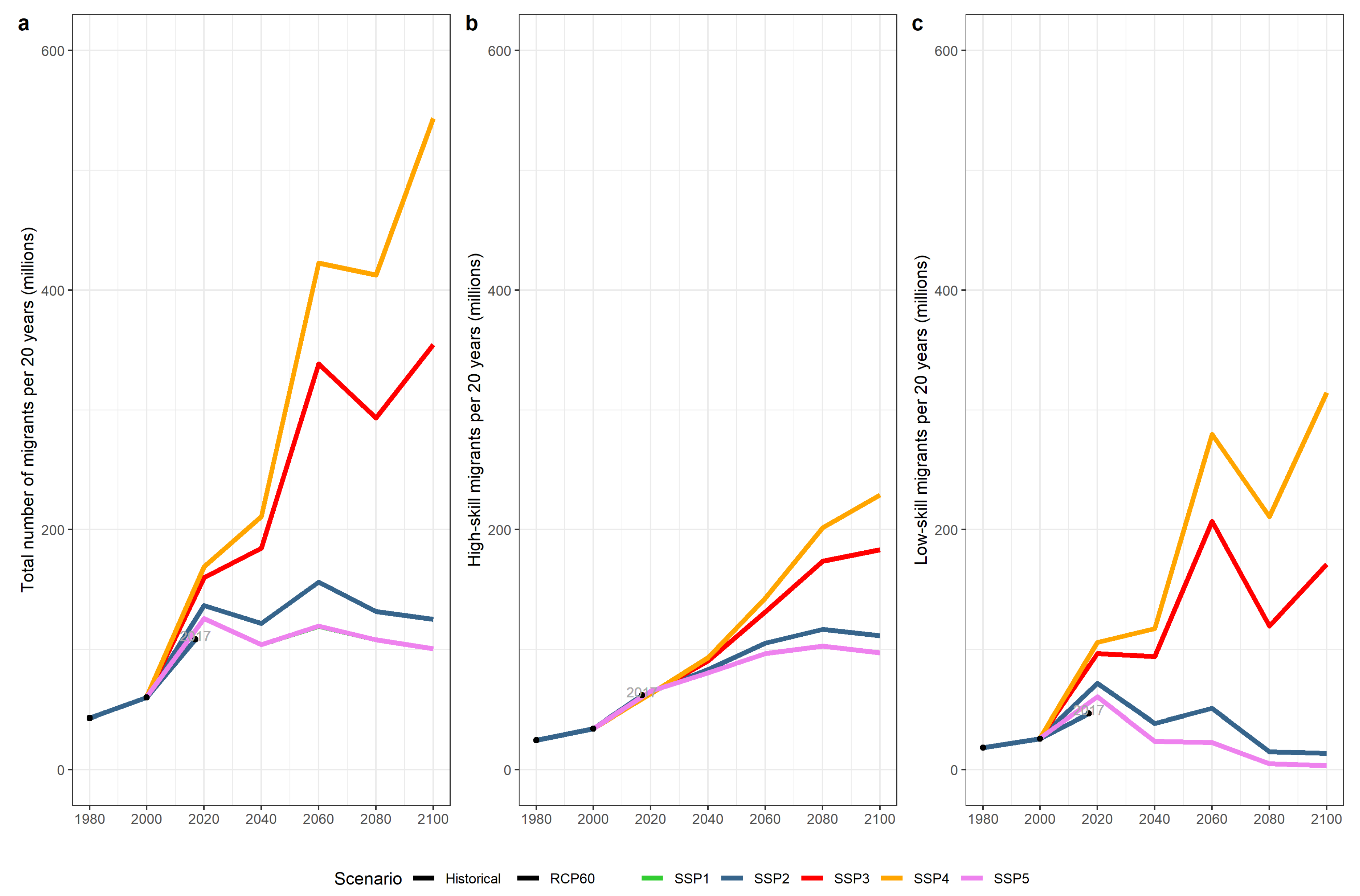
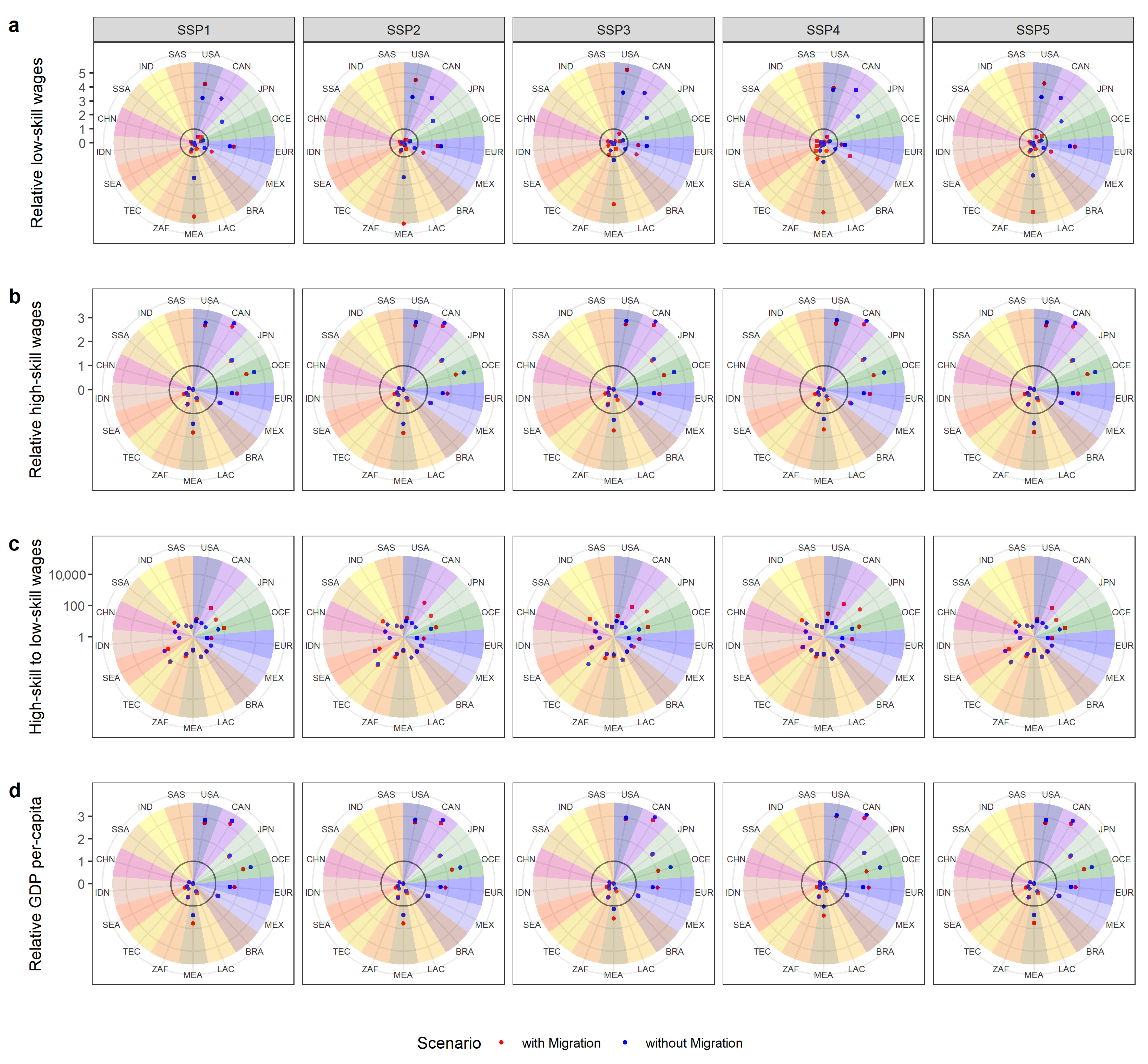
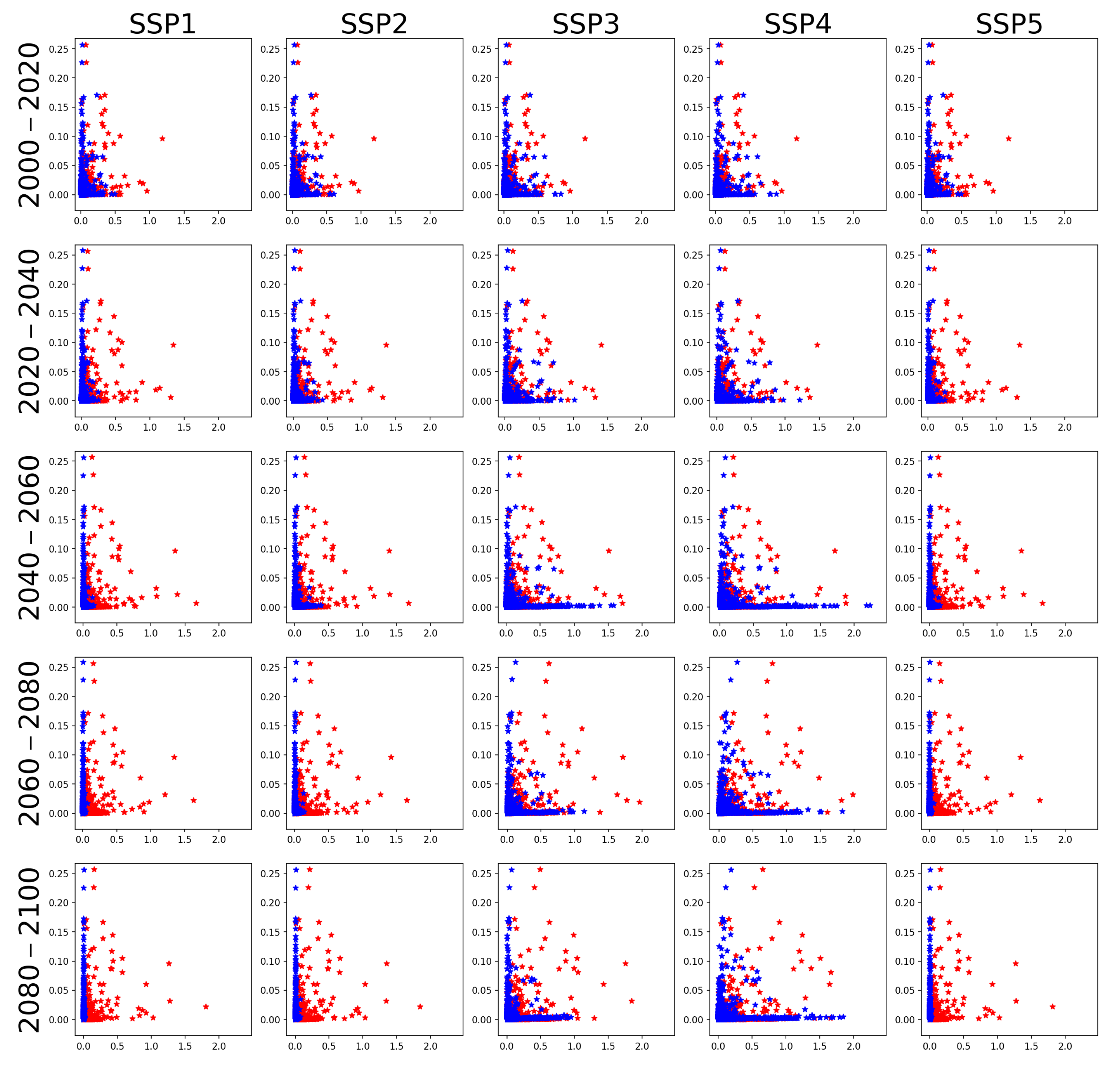
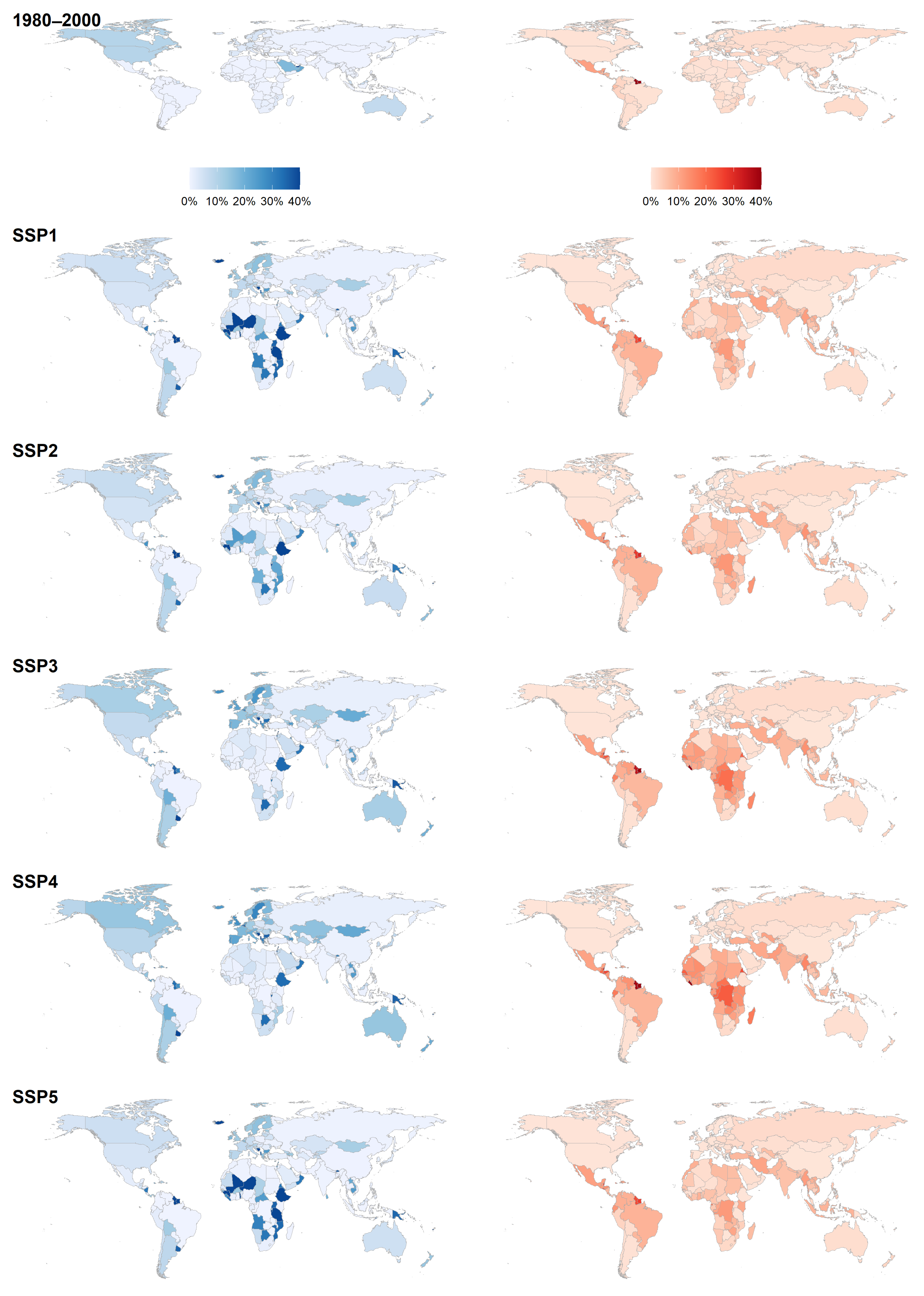
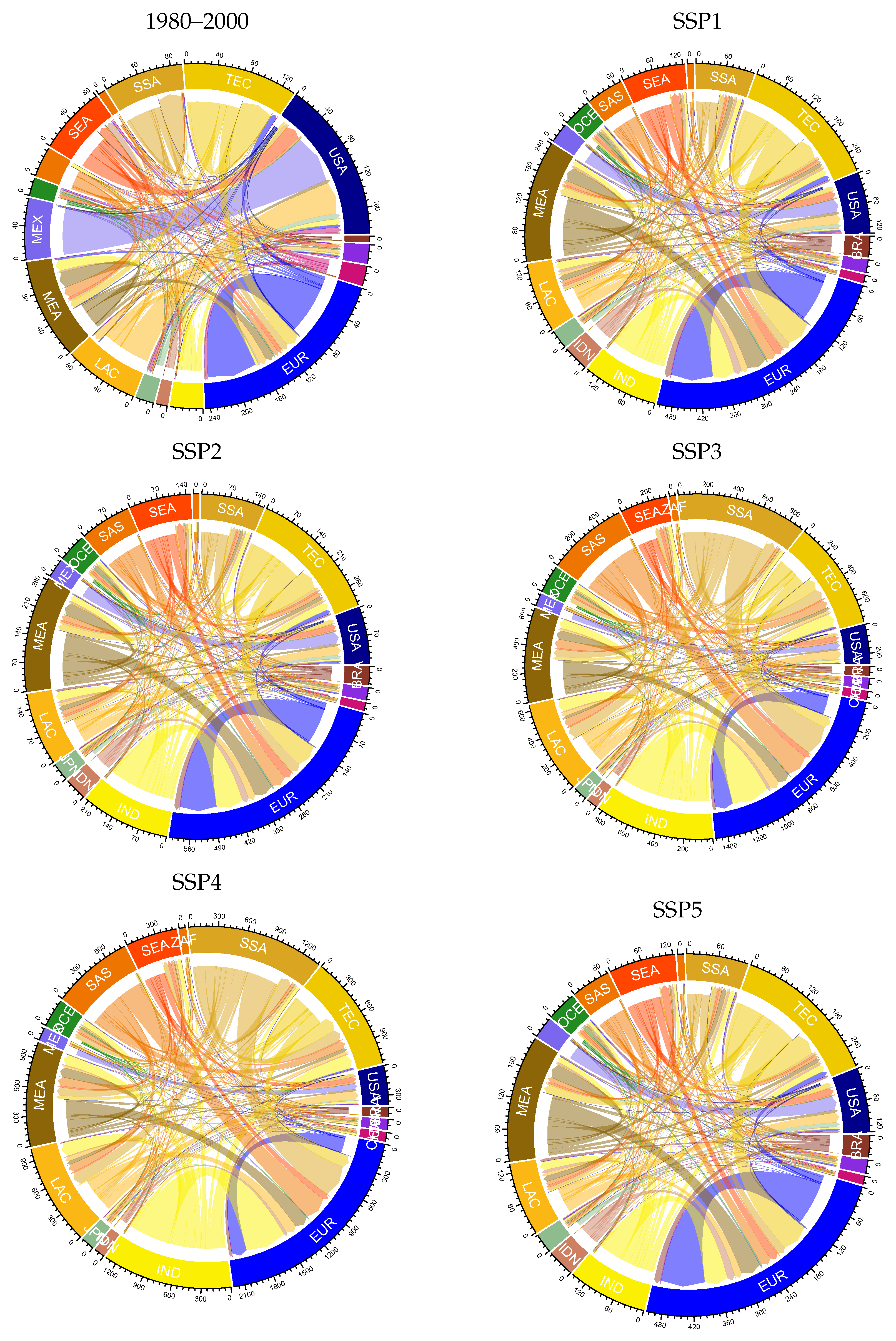
International migration is closely tied to demographic, socioeconomic, and environmental factors and their interaction with migration policies. Using a combination of a gravity econometric model and an overlapping generations model, we estimate the probability of bilateral migration among 160 countries in the period of 1960 to 2000 and use these findings to project international migration flows and their implications for income inequality within and between countries in the 21st century under five shared socioeconomic pathways (SSPs). Our results show that international migration increases welfare in developing countries, and closes the inequality gap both within and between low-skilled and high-skilled labor in these countries as well. In most developed countries, on the contrary, international migration increases the inequality gap and slightly reduces output. These changes are not uniform, and vary significantly across countries depending on their population growth and human capital development trajectories. Overall, while migration is strongly affected by inequality between developed and developing countries, it has an ambiguous impact on inequality within and between countries.
Keywords: migration; shared socioeconomic pathways; inequality; labor; demographics; human capital migration; shared socioeconomic pathways; inequality; labor; demographics; human capital