Article

Assessing Carbon Pools of Three Indigenous Agroforestry Systems in the Southeastern Rift-Valley Landscapes, Ethiopia

by
Hafte Mebrahten Tesfay
1,2,3,*,
Mesele Negash
3,
Douglas L. Godbold
2 and
Herbert Hager
2
1
Department of Forest Biodiversity and Nature Conservation, Federal Research and Training Centre for Forests, Natural Hazards and Landscape, Seckendorff-Gudent-Weg 8, A-1131 Vienna, Austria
2
Department of Forest and Soil Sciences, Institute of Forest Ecology, University of Natural Resources and Life Sciences (BOKU), Peter-Jordan-Strasse 82, 1190 Vienna, Austria
3
Department of Agroforestry, Wondogenet College of Forestry and Natural Resources, Hawassa University, Shashemene P.O. Box 128, Ethiopia
*
Author to whom correspondence should be addressed.
Sustainability 2022, 14(8), 4716; https://doi.org/10.3390/su14084716
Submission received: 28 February 2022 / Revised: 31 March 2022 / Accepted: 11 April 2022 / Published: 14 April 2022
(This article belongs to the Topic Sustainable Built Environment)

Abstract

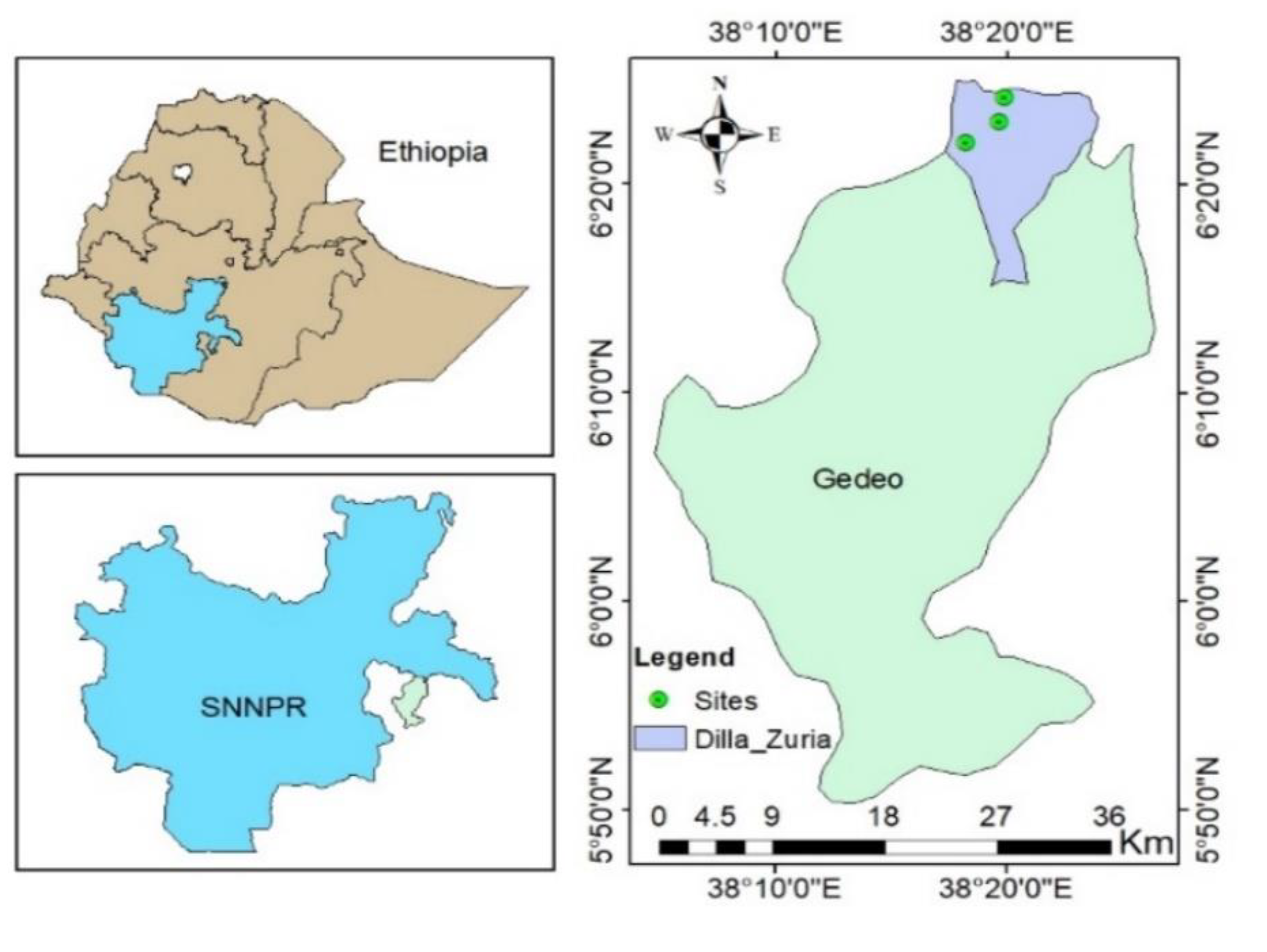
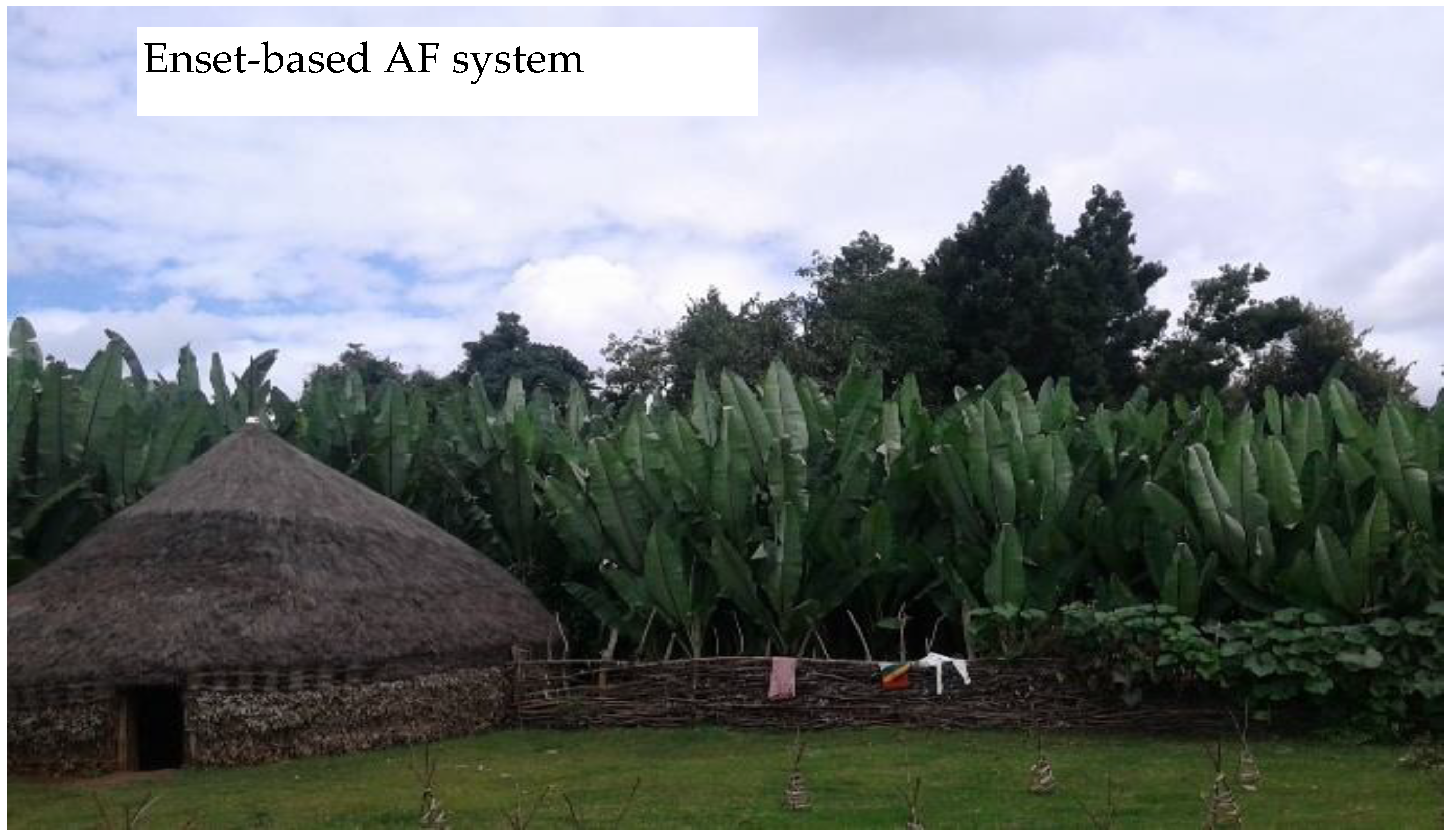
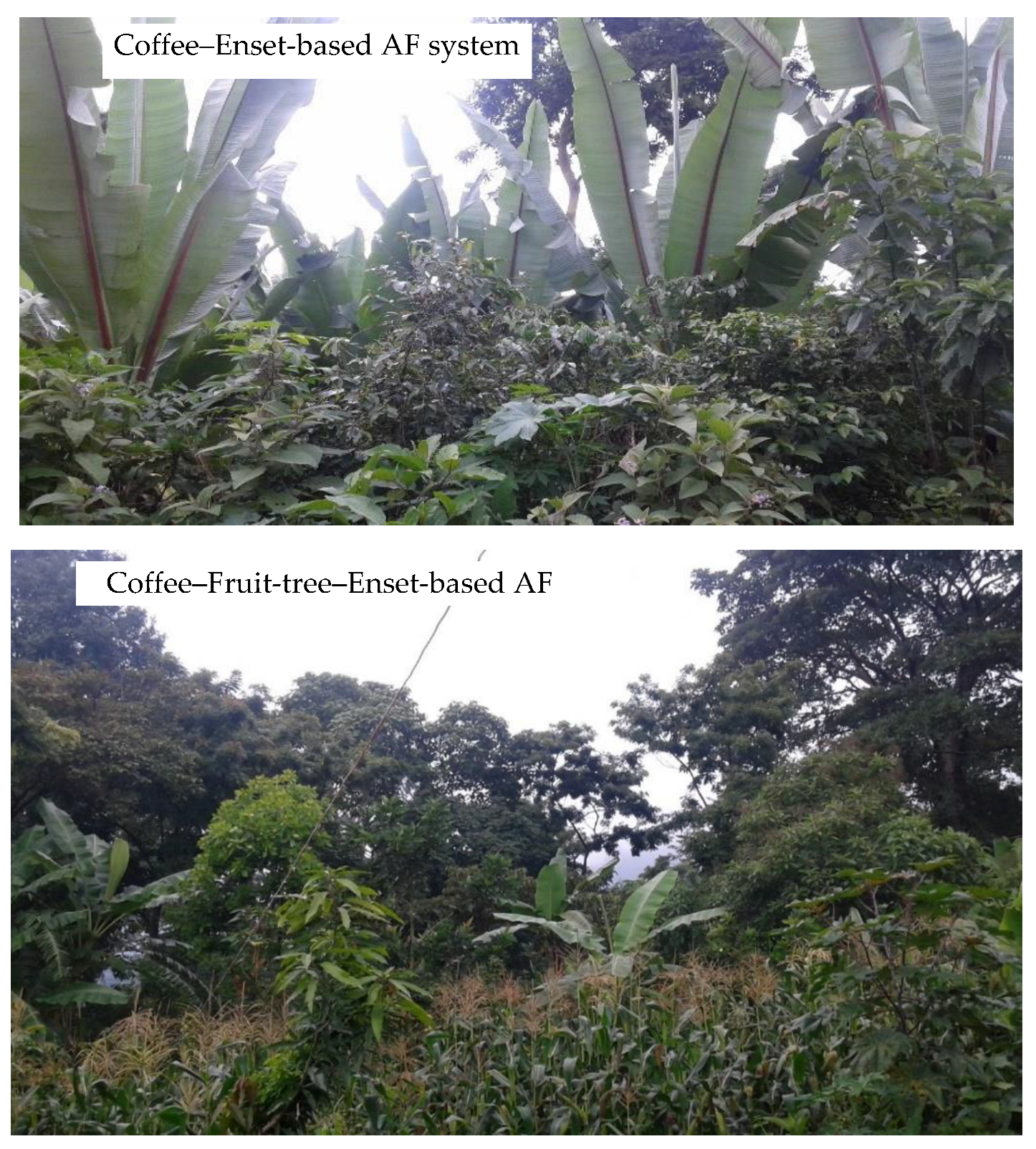
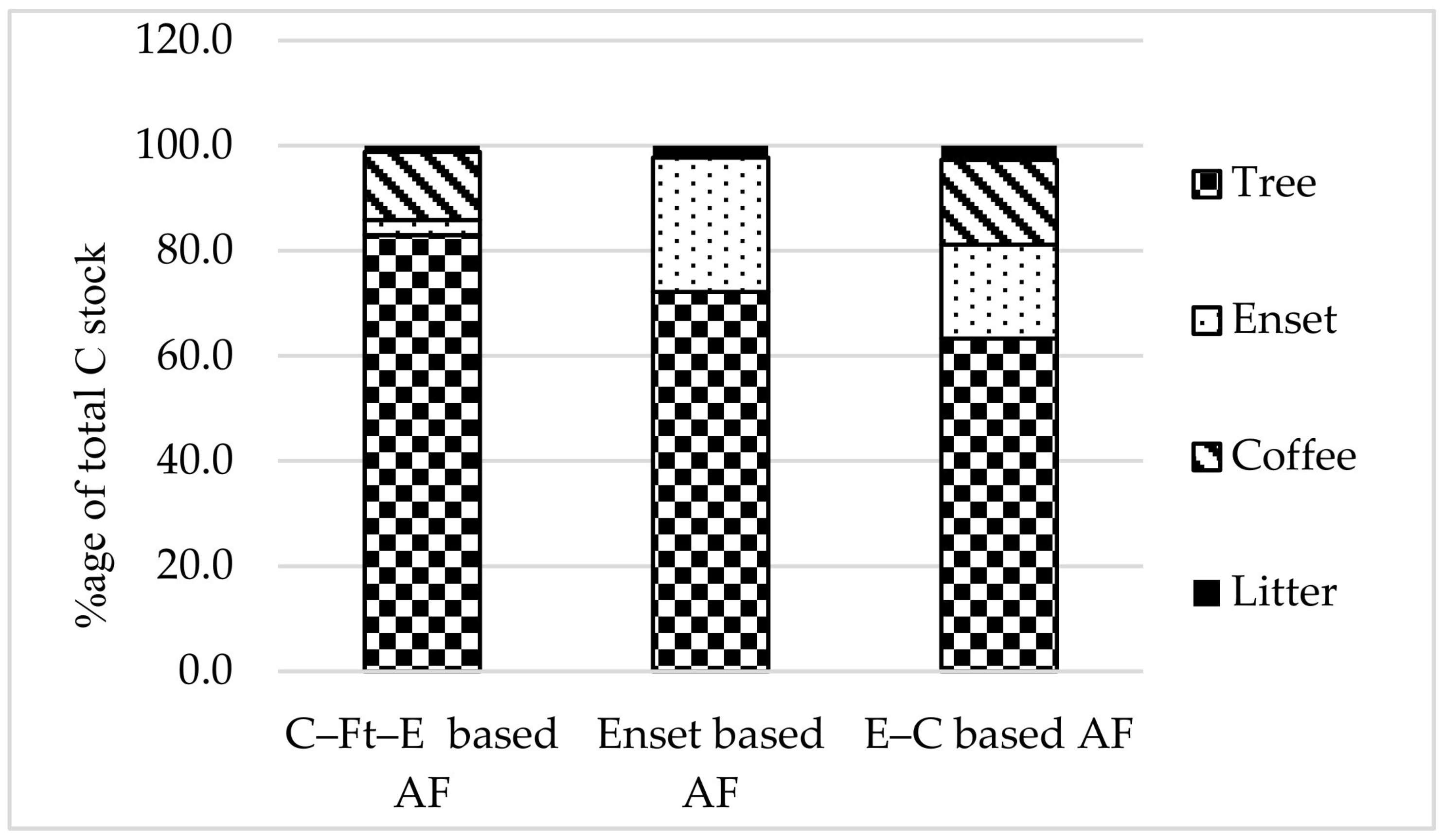
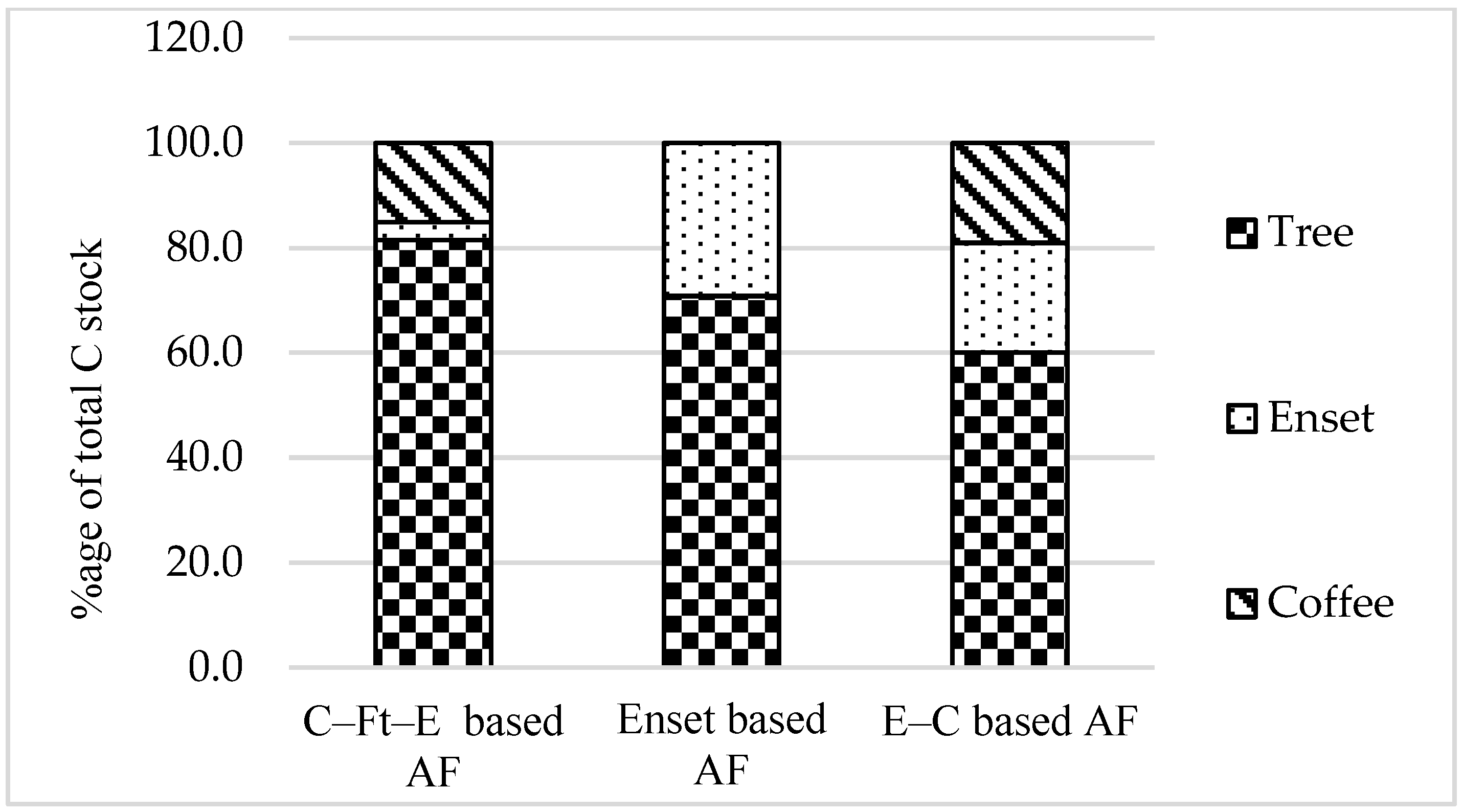
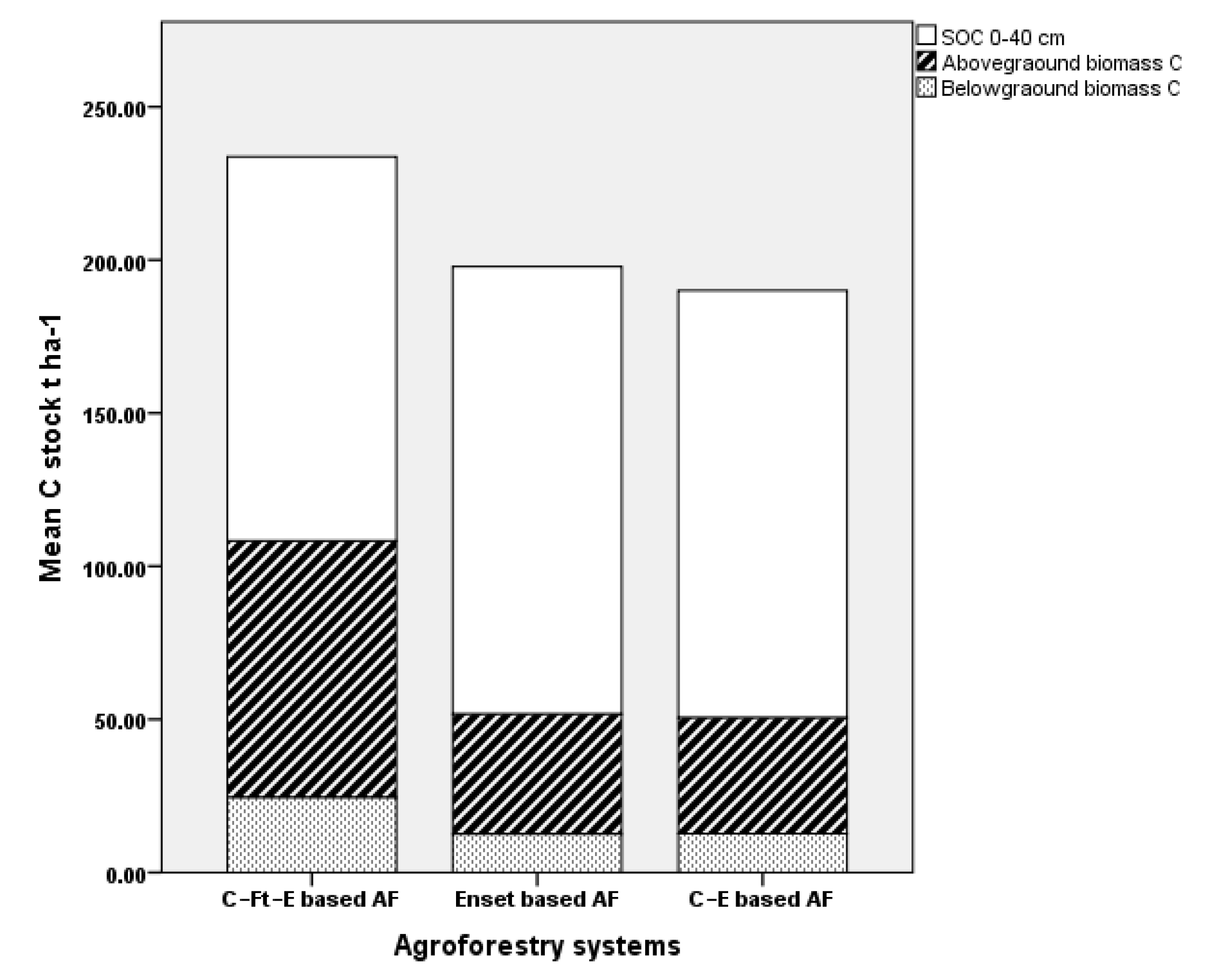
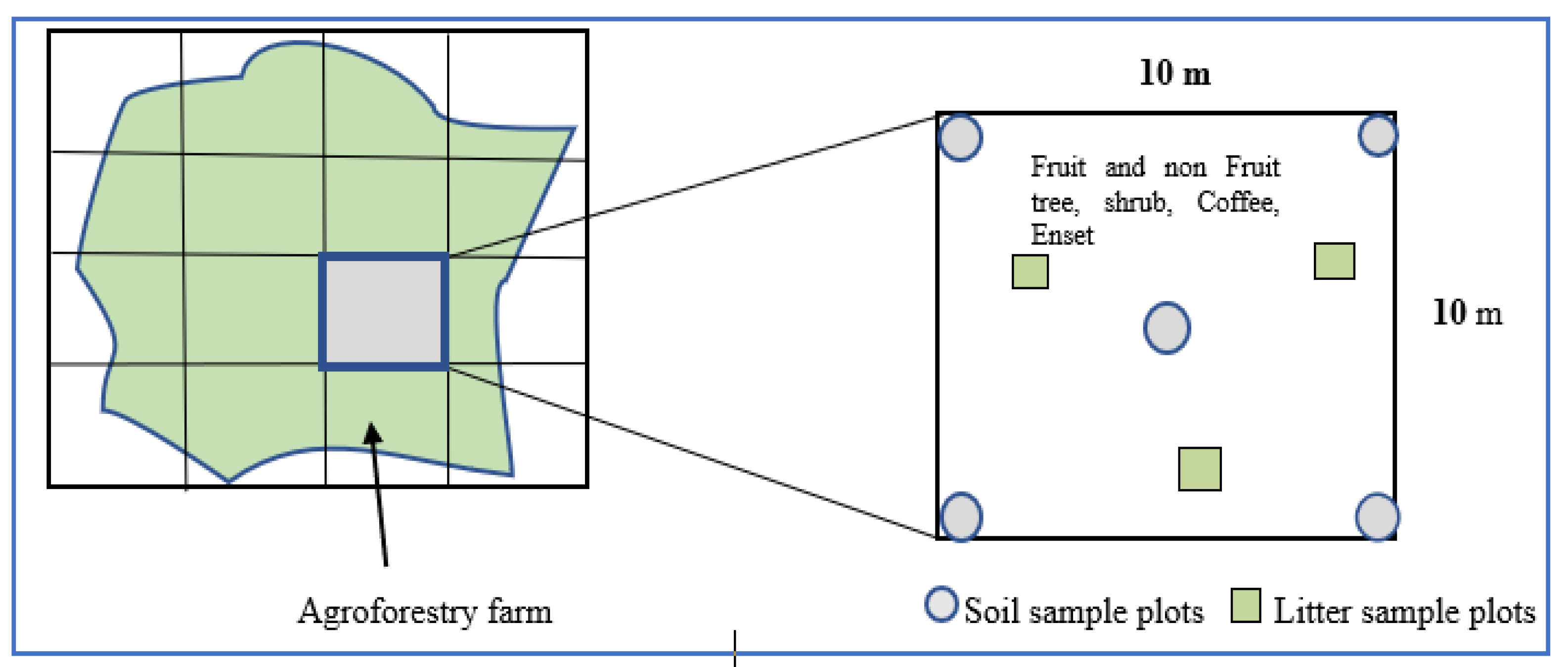
The role of agroforestry (AF) systems in providing ecosystem services is very crucial. The greatest considerable increase in carbon (C) storage is often attained by moving from lower biomass land-use systems to tree-based systems such as AF. However, for estimation of C stocks in indigenous AF systems of southeastern Rift-Valley landscapes, Ethiopia, the data are scarce. This study was aimed to investigate the biomass, biomass carbon (BC), and soil organic carbon (SOC) stock of Enset-based, Enset-Coffee-based, and Coffee-Fruit-tree-Enset based AF systems. Comparison of SOC stock of AF systems against their adjacent monocrop farms was also investigated. Research questions were initiated to answer whether C stocks among the three AF systems vary because of different management systems and how biomass C stock is influenced by species abundance, diversity, and richness in the AF systems. The study was carried out at three selected sites in the Dilla Zuria district of Gedeo zone. Twenty farms (total of 60) representative of each AF system were arbitrarily selected and inventoried, and the biomass C stocks estimated. Ten adjacent monocrop farms which were related to each AF system were selected in a purposive manner for comparison of SOC stock. Inventory and soil sampling were employed in the 10 × 10 m farm plot. The mean AGB ranged from 81.1 to 255.9 t ha−1 and for BGB from 26.9 to 72.2 t ha−1. The highest C stock was found in Coffee–Fruittree–Enset based (233.3 ± 81.0 t ha−1), and the lowest was in Coffee–Enset based AF system (190.1 ± 29.8 t ha−1). The result showed that SOC stocks were not statistically significant between the three AF systems, although they showed a significant difference in their BC stock. The C stocks of the investigated AF systems are considerably higher than those reported for some tropical forests and AF systems. The SOC of AF systems is significantly higher than the ones for the adjacent monocrop farms. Therefore, it can be understood that the studied AF systems are storing significant amounts of C in their biomass as well as in soil. This considerable C storage by these systems might contribute to climate change mitigation.
Keywords: biomass; carbon pool; indigenous agroforestry system; coffee; Enset; southeastern Ethiopia biomass; carbon pool; indigenous agroforestry system; coffee; Enset; southeastern Ethiopia