Technical Note

Recycling of Industrial Waste Gypsum Using Mineral Carbonation
1
Climate Change Response Division, Korea Institute of Geoscience and Mineral Resources (KIGAM), 124, Gwahak-ro, Yuseong-gu, Daejeon 34132, Korea
2
Policy & Planning Division, Korea Institute of Geoscience and Mineral Resources (KIGAM), 124, Gwahak-ro, Yuseong-gu, Daejeon 34132, Korea
*
Author to whom correspondence should be addressed.
Sustainability 2022, 14(8), 4436; https://doi.org/10.3390/su14084436
Submission received: 15 February 2022 / Revised: 4 April 2022 / Accepted: 6 April 2022 / Published: 8 April 2022

Abstract

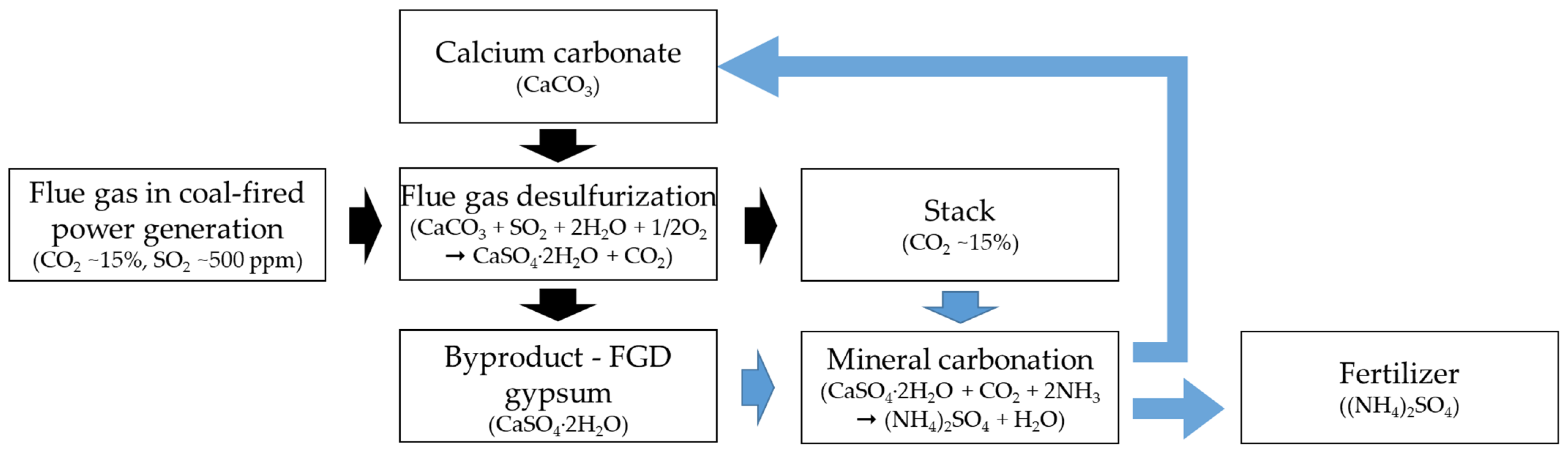
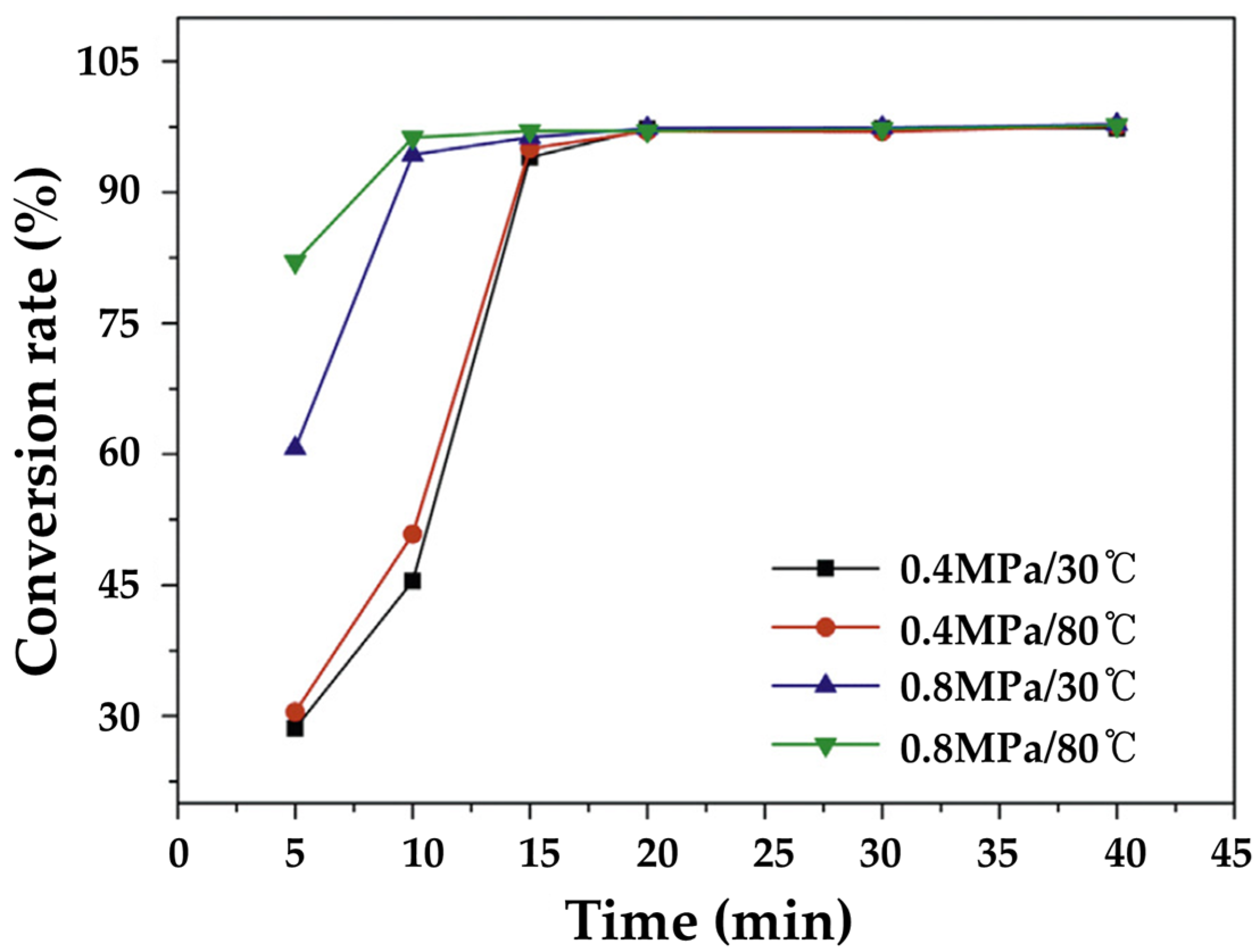
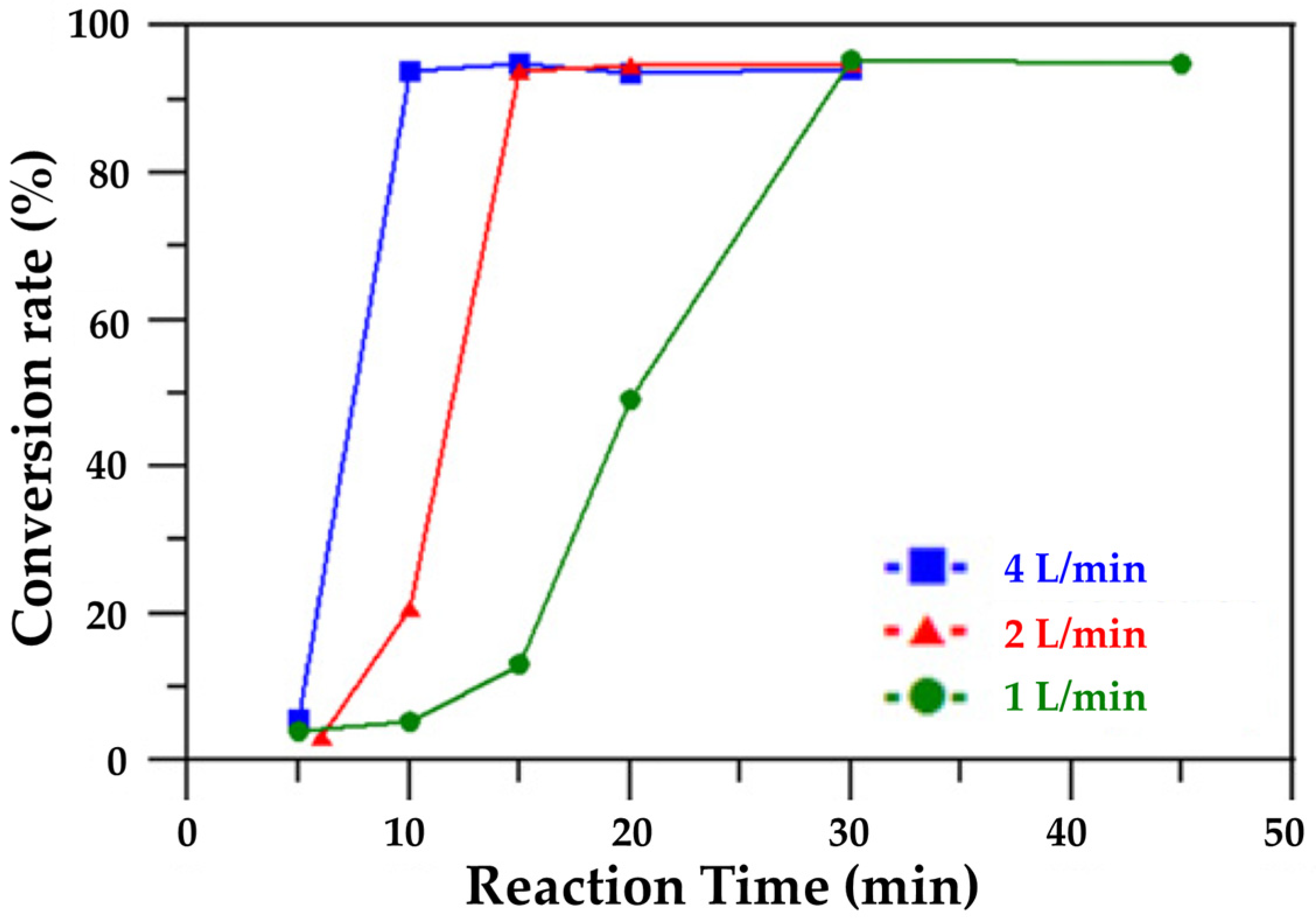
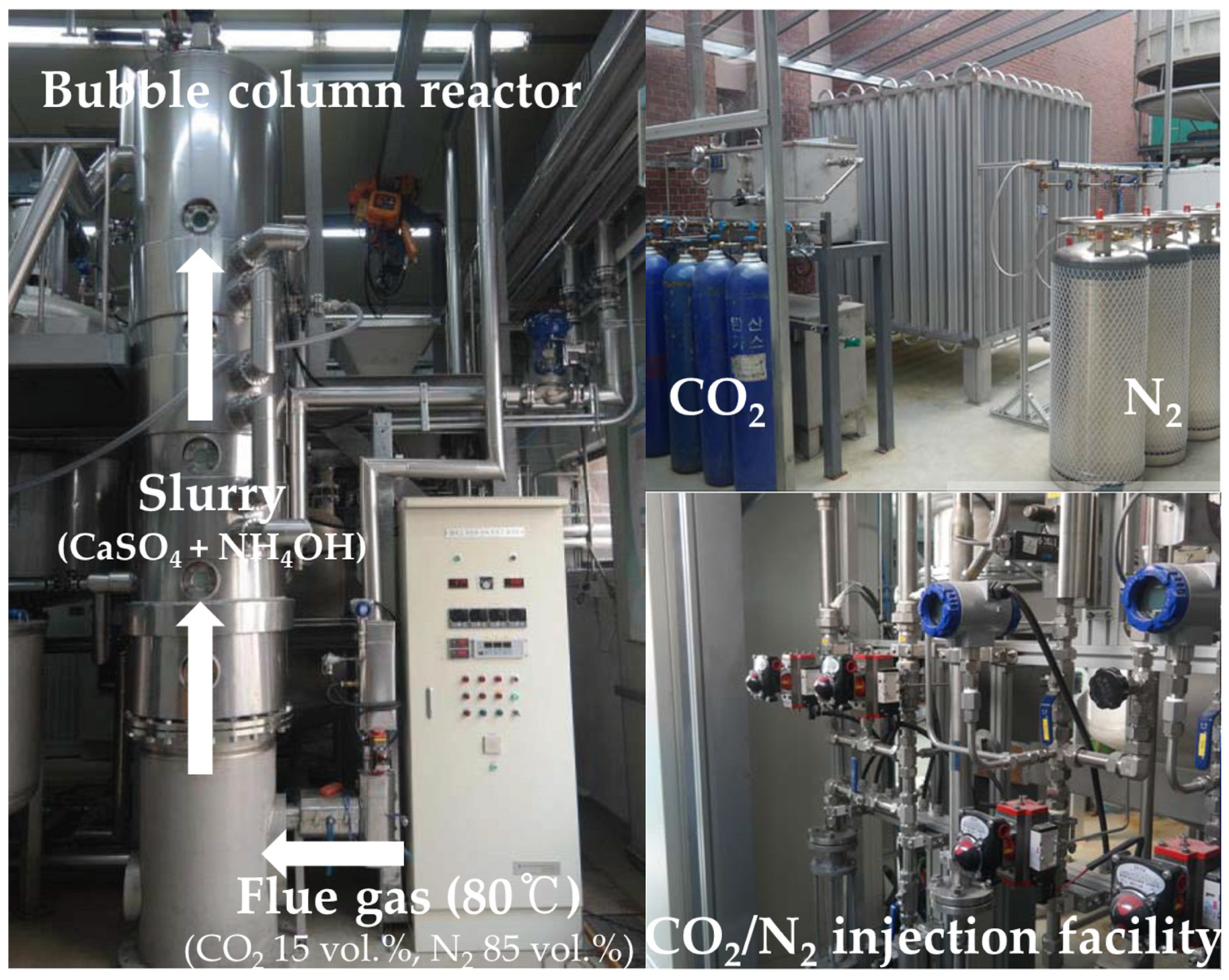
Direct mineral carbonation (MC) is used to mitigate carbon dioxide (CO2) emissions. This method has the great advantages of reducing the amount of industrial residues and creating valuable materials by incorporating CO2. Waste gypsum, industrial waste including flue gas desulfurization (FGD) gypsum (25.27–53.40 wt% of CaO), and phosphogypsum (30.50–39.06 wt% of CaO) can be used for direct MC (conversion rate up to 96%). Mineral carbonation converts waste gypsum into calcium carbonate (CaCO3), which can be recycled during desulfurization. Furthermore, ammonium sulfate ((NH4)2SO4), which is used as a fertilizer, can be prepared as a by-product when the carbonation reaction is performed using ammonia (NH3) as a base. In this study, recent progress in the carbonation kinetics and preparation of CaCO3 using FGD gypsum and phosphogypsum with NH3 was investigated. Temperature, CO2 partial pressure, CO2 flow rate, and NH3 concentration were reviewed as factors affecting carbonation kinetics and efficiency. The factors influencing the polymorphs of the prepared CaCO3 were also reviewed and summarized. A state-of-the-art bench-scale plant study was also proposed. In addition, economic feasibility was investigated based on a bench-scale study to analyze the future applicability of this technology.
Keywords: mineral carbonation; waste gypsum; calcium carbonate; ammonia mineral carbonation; waste gypsum; calcium carbonate; ammonia