Article

Sustainable Design Masters: Increasing the Sustainability Literacy of Designers
by
Paul Micklethwaite
Kingston School of Art, Kingston University London, Kingston upon Thames KT1 2QT, UK
Sustainability 2022, 14(6), 3255; https://doi.org/10.3390/su14063255
Submission received: 26 July 2021 / Revised: 27 February 2022 / Accepted: 4 March 2022 / Published: 10 March 2022
(This article belongs to the Special Issue Sustainable Design Education and Implementation)

Abstract

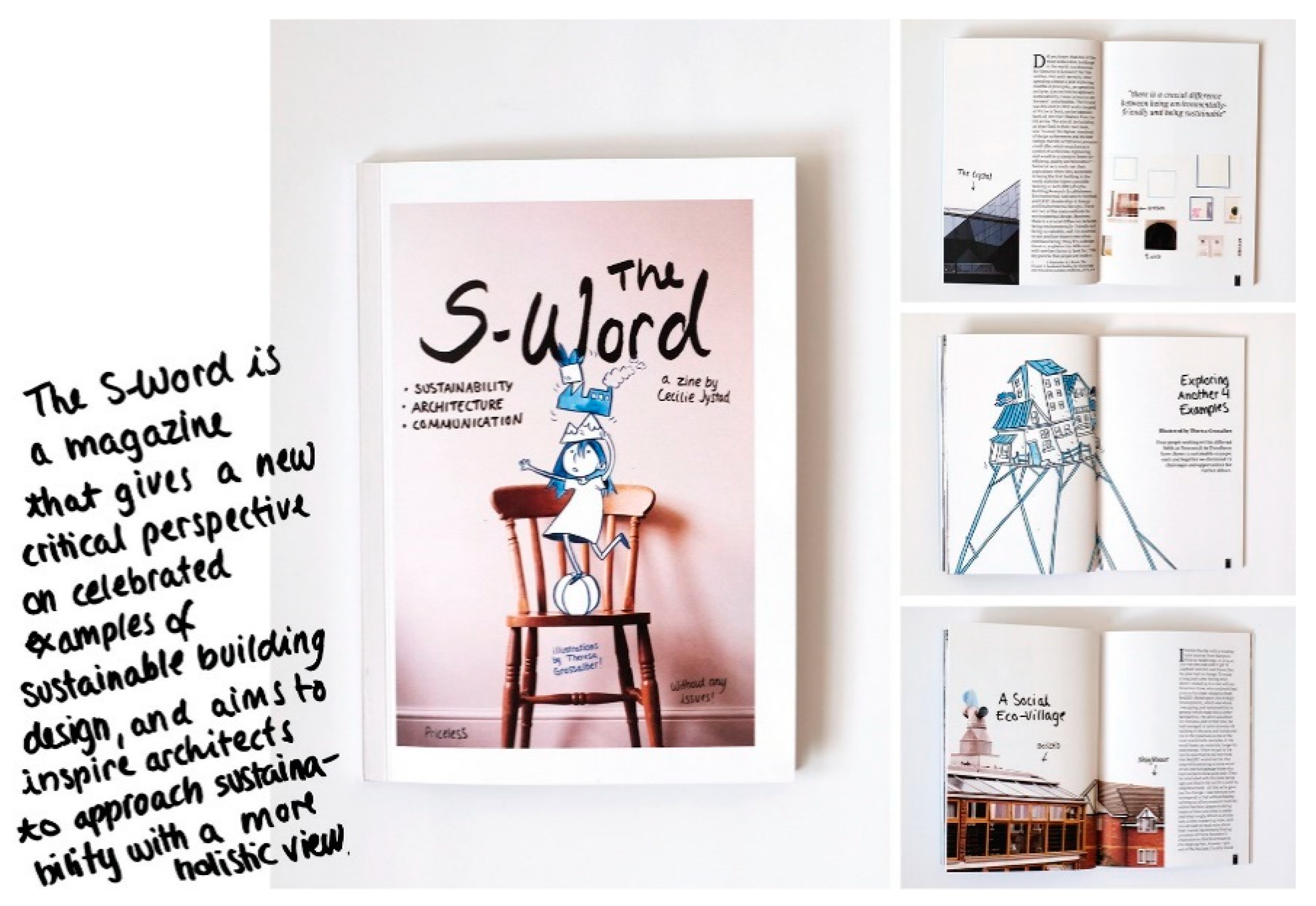
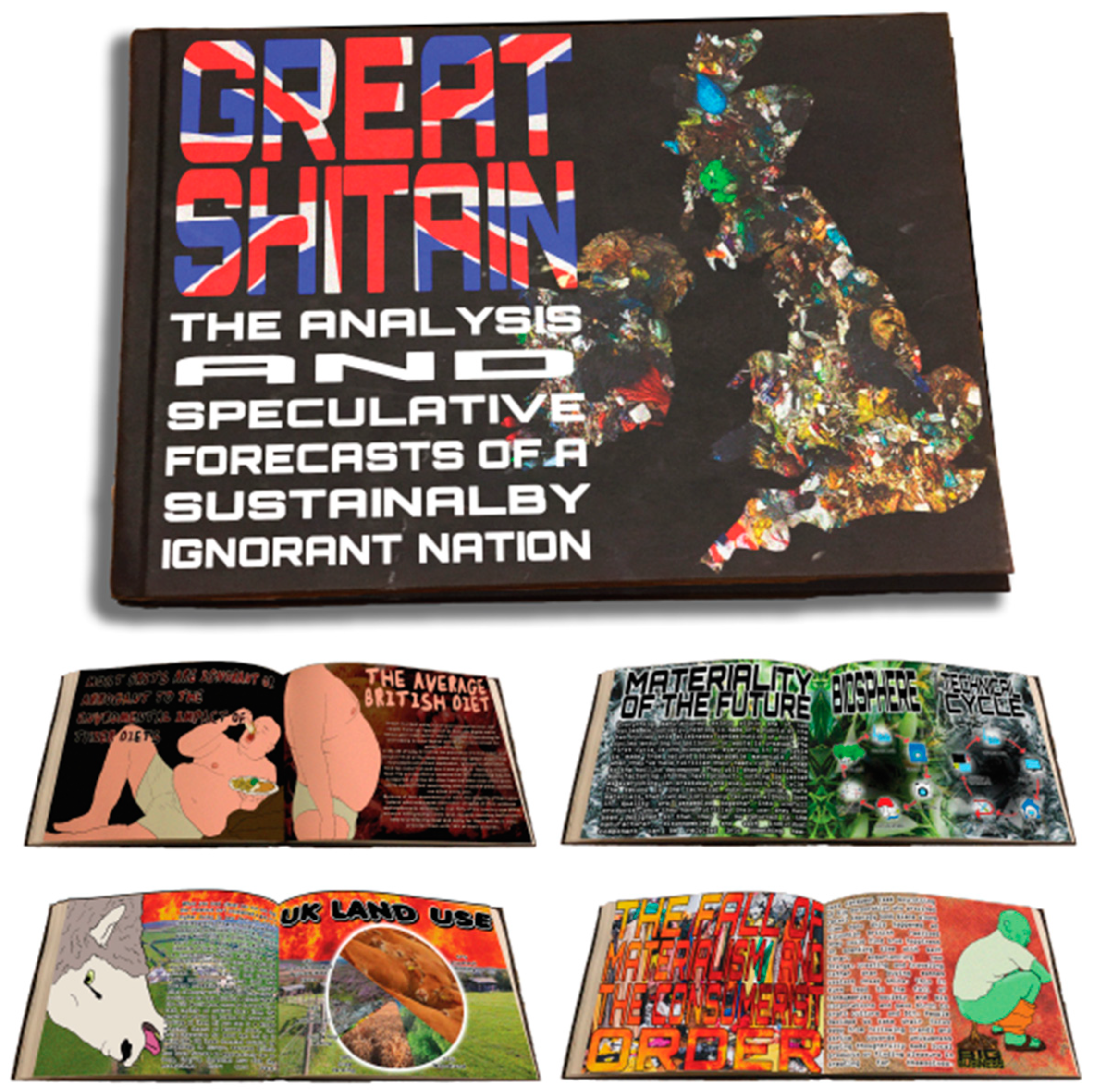
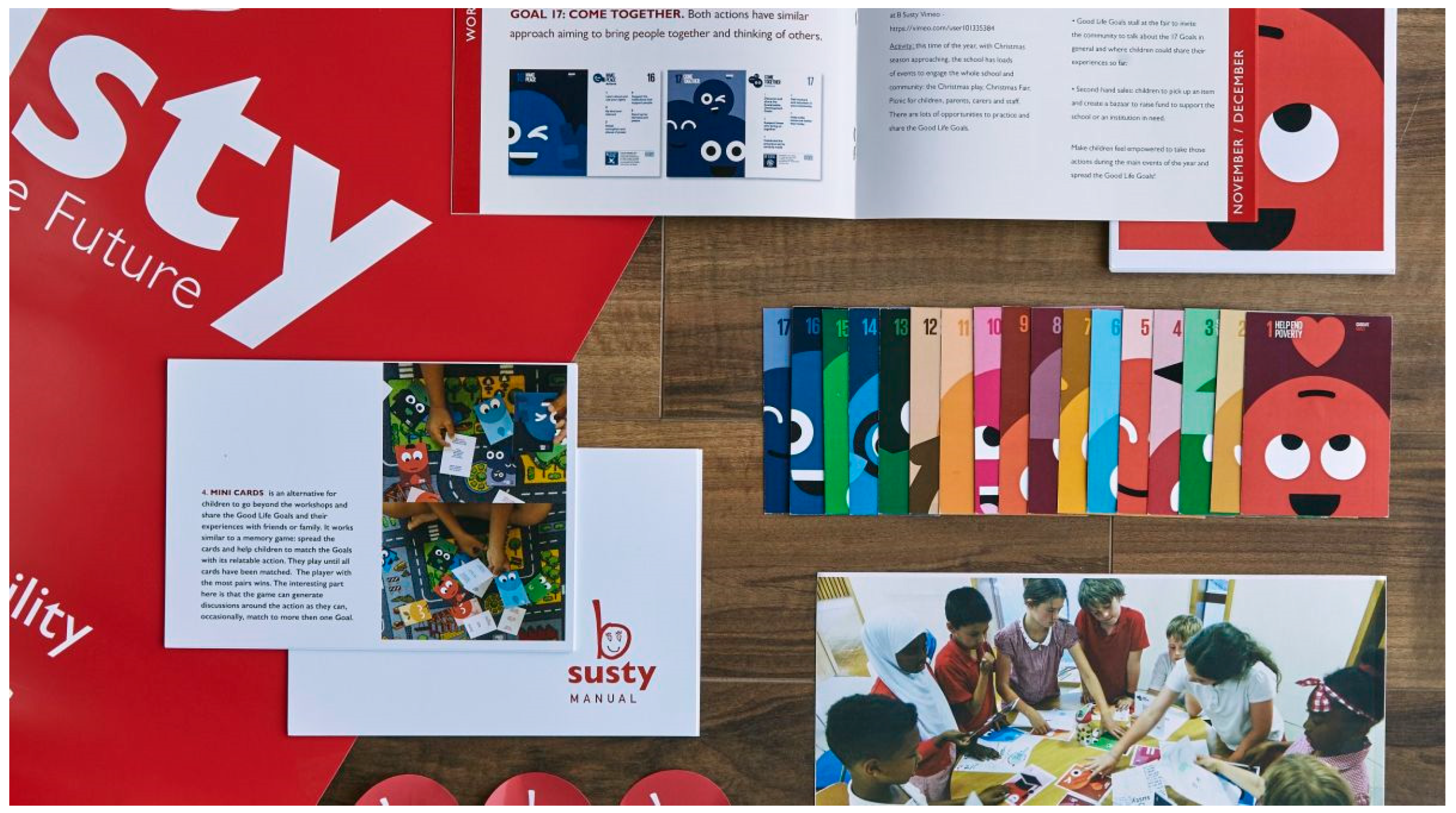
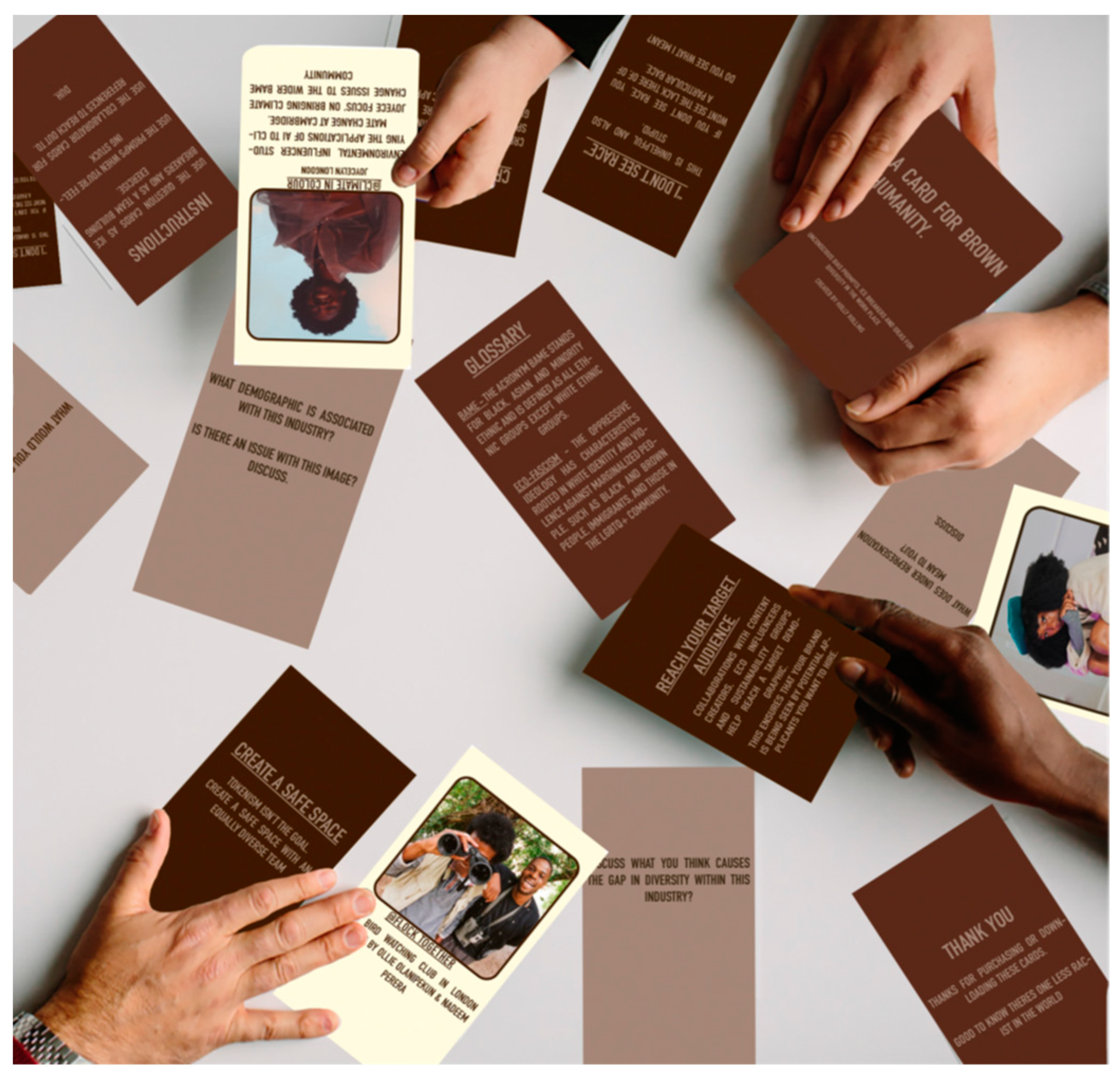
This paper examines student learning in the Master of Arts in Sustainable Design course at Kingston School of Art, Kingston University London. It considers what designers learn, how they learn and where they learn, in a postgraduate course that seeks to enable them to direct their practice towards sustainability by increasing their sustainability literacy. The paper reviews the learning experiences of students, and the curriculum structures and approaches used to serve those experiences. The story of the course is told here by the course leader of ten years, using student outputs to illustrate the argument made for a sustainable design pedagogy. The key principles of this pedagogy are (1) sustainability is a social, not just an environmental, agenda; (2) sustainability presents us with ‘wicked problems’, which have no right or wrong answers; (3) sustainability-directed design practice arises from the sustainability literacy of the designer; (4) sustainability derives from mindsets and worldviews, not just methods and materials; and (5) sustainability is an emergent property of systems, not a quality of products. This combination has generated a distinctive model of postgraduate sustainable design education, which seeks to equip students with a ‘mastery’ of how to put into practice their own visions of sustainable design.
Keywords: sustainable design; social design; sustainable education; active learning; wicked problems; sustainability literacy; creative education sustainable design; social design; sustainable education; active learning; wicked problems; sustainability literacy; creative education