Article

Rainfall Spatial-Temporal Variability and Trends in the Thamirabharani River Basin, India: Implications for Agricultural Planning and Water Management

by
Shanmugam Mohan Kumar
1,
Vellingiri Geethalakshmi
1,*,
Subbiah Ramanathan
1,
Alagarsamy Senthil
2,
Kandasamy Senthilraja
3,
Kulanthaivel Bhuvaneswari
3,
Ramasamy Gowtham
1,
Balaji Kannan
4 and
Shanmugavel Priyanka
3
1
Agro Climate Research Centre, Tamil Nadu Agricultural University, Coimbatore 641003, India
2
Department of Crop Physiology, Tamil Nadu Agricultural University, Coimbatore 641003, India
3
Directorate of Crop Management, Tamil Nadu Agricultural University, Coimbatore 641003, India
4
Department of Soil Water Conservation Engineering, Tamil Nadu Agricultural University, Coimbatore 641003, India
*
Author to whom correspondence should be addressed.
Sustainability 2022, 14(22), 14948; https://doi.org/10.3390/su142214948
Submission received: 11 August 2022 / Revised: 23 October 2022 / Accepted: 27 October 2022 / Published: 11 November 2022

Abstract

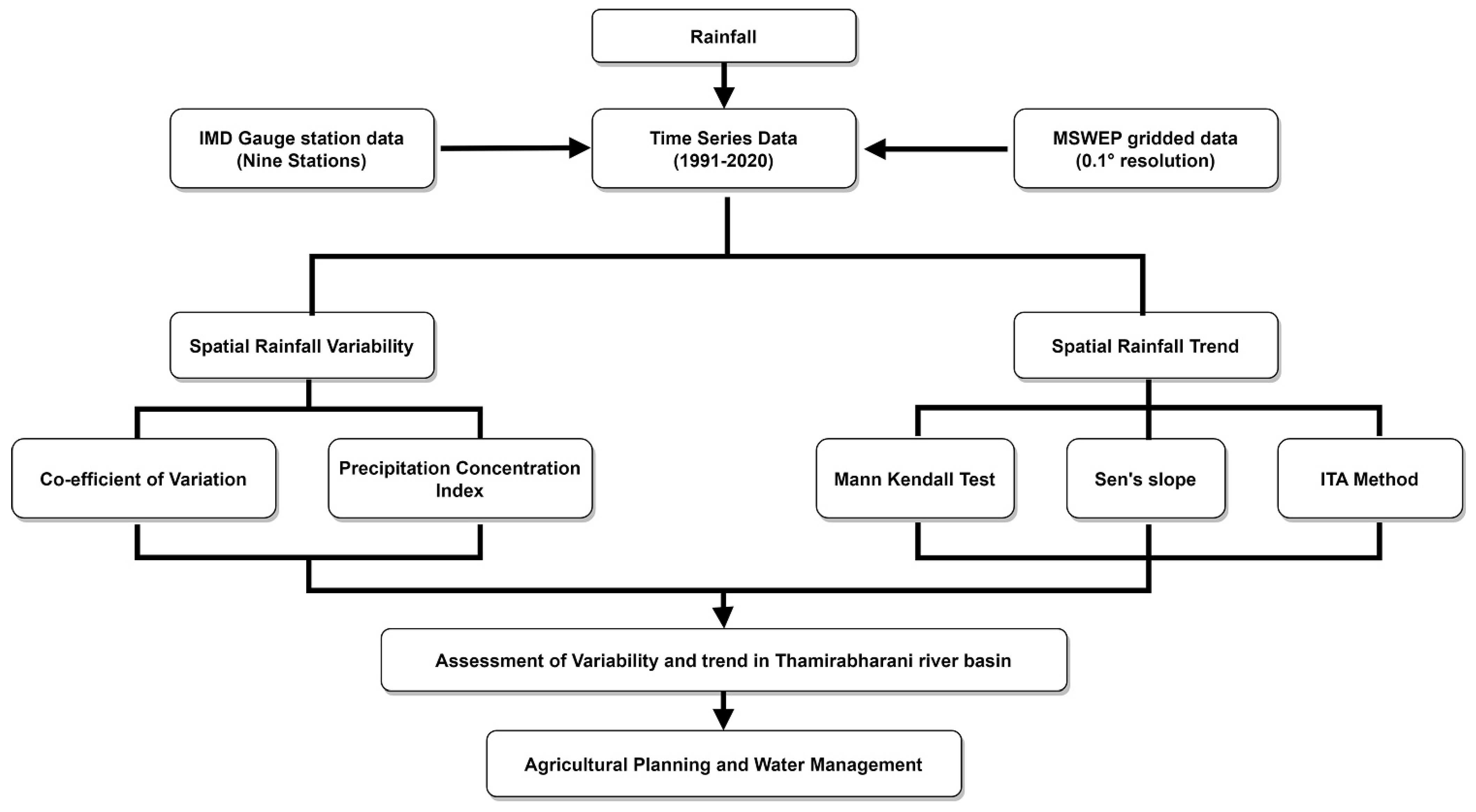
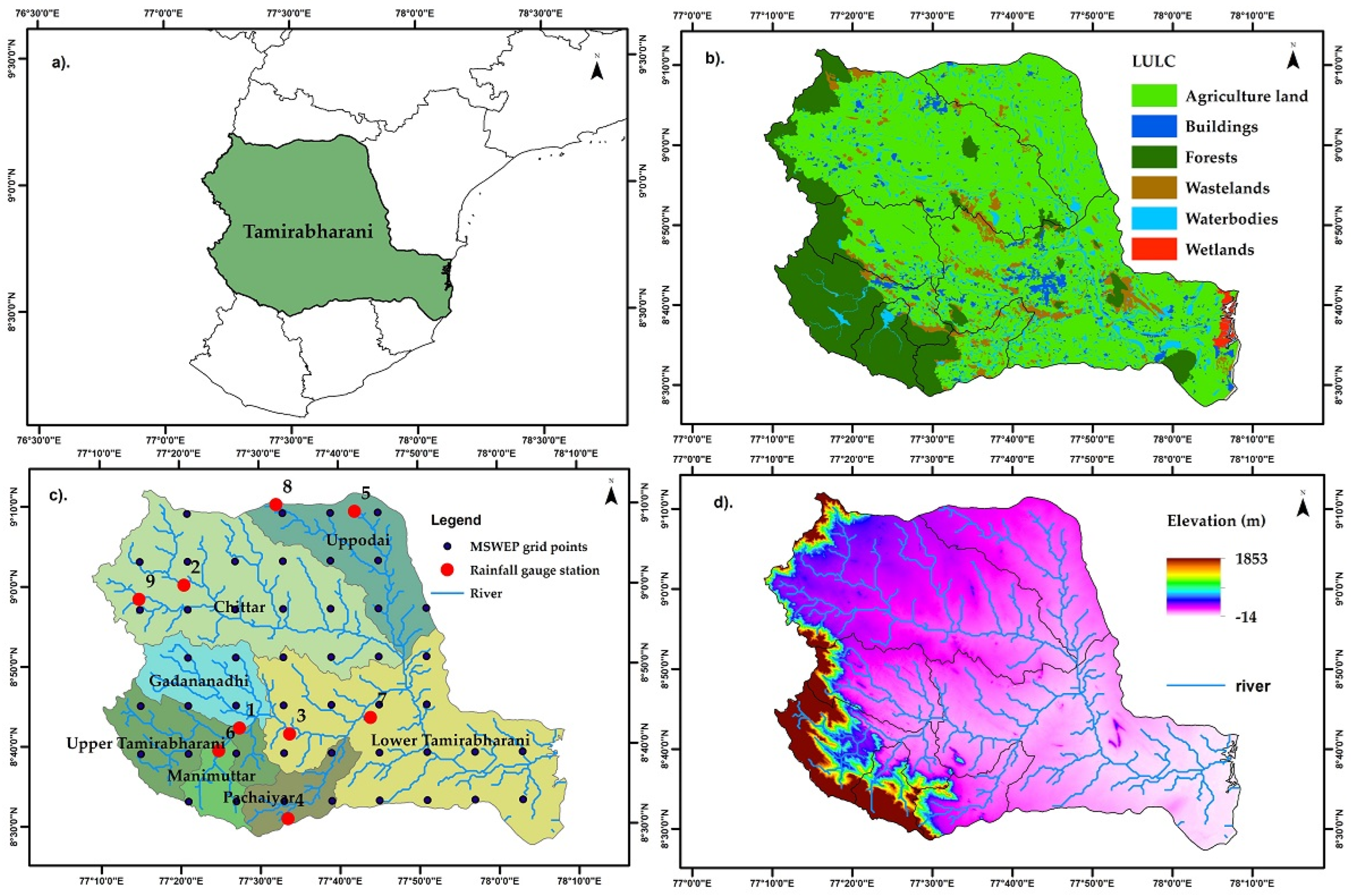
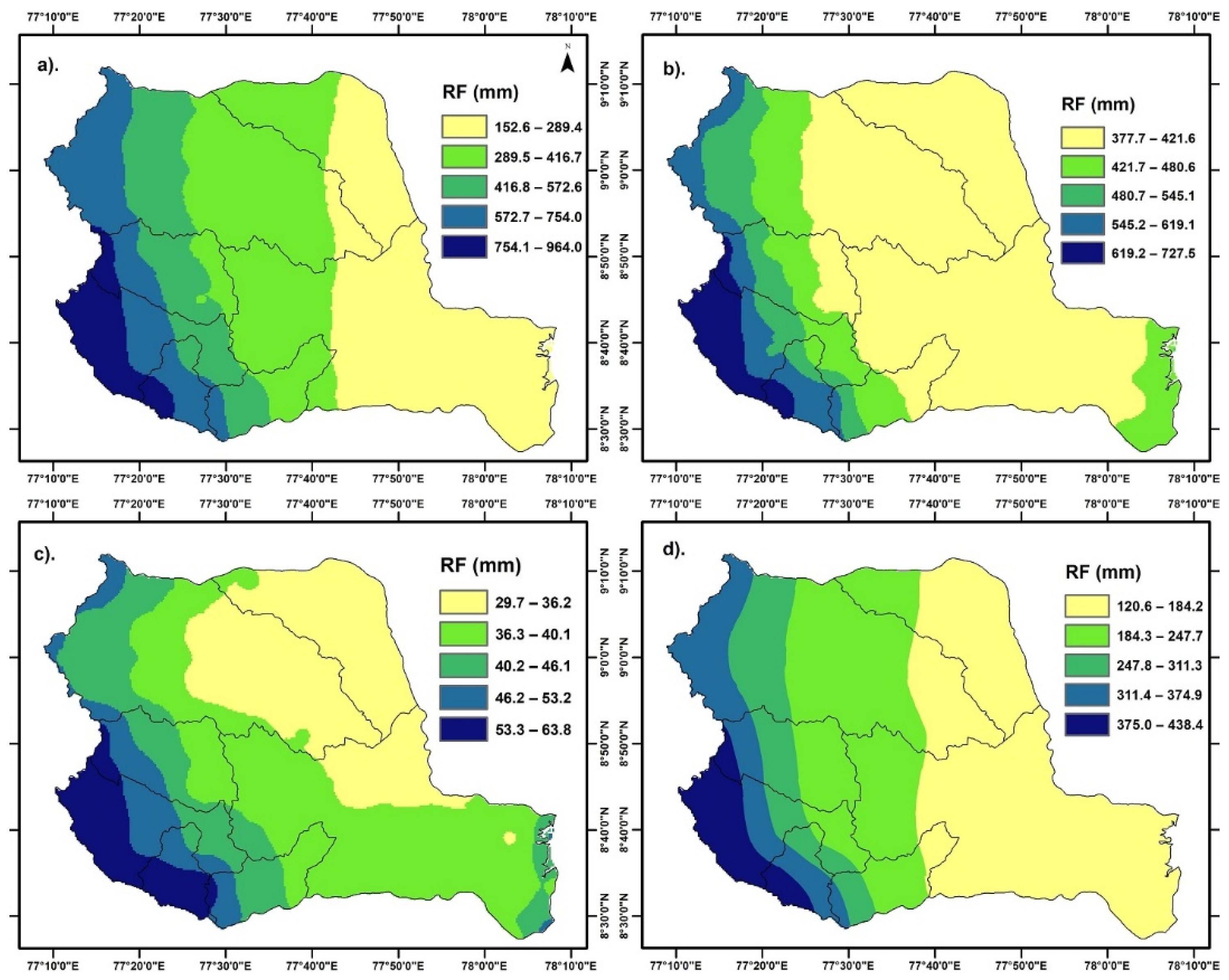
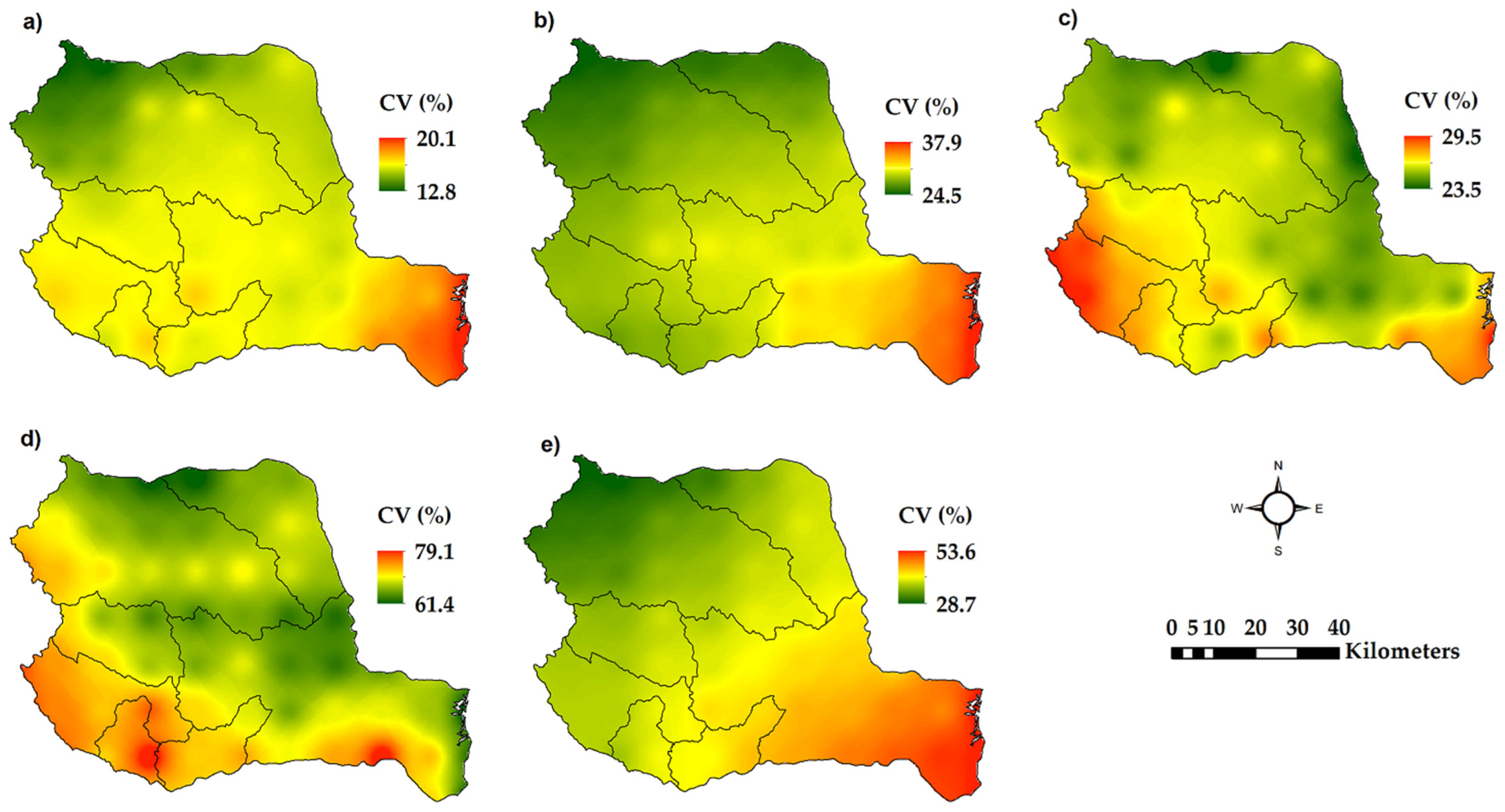
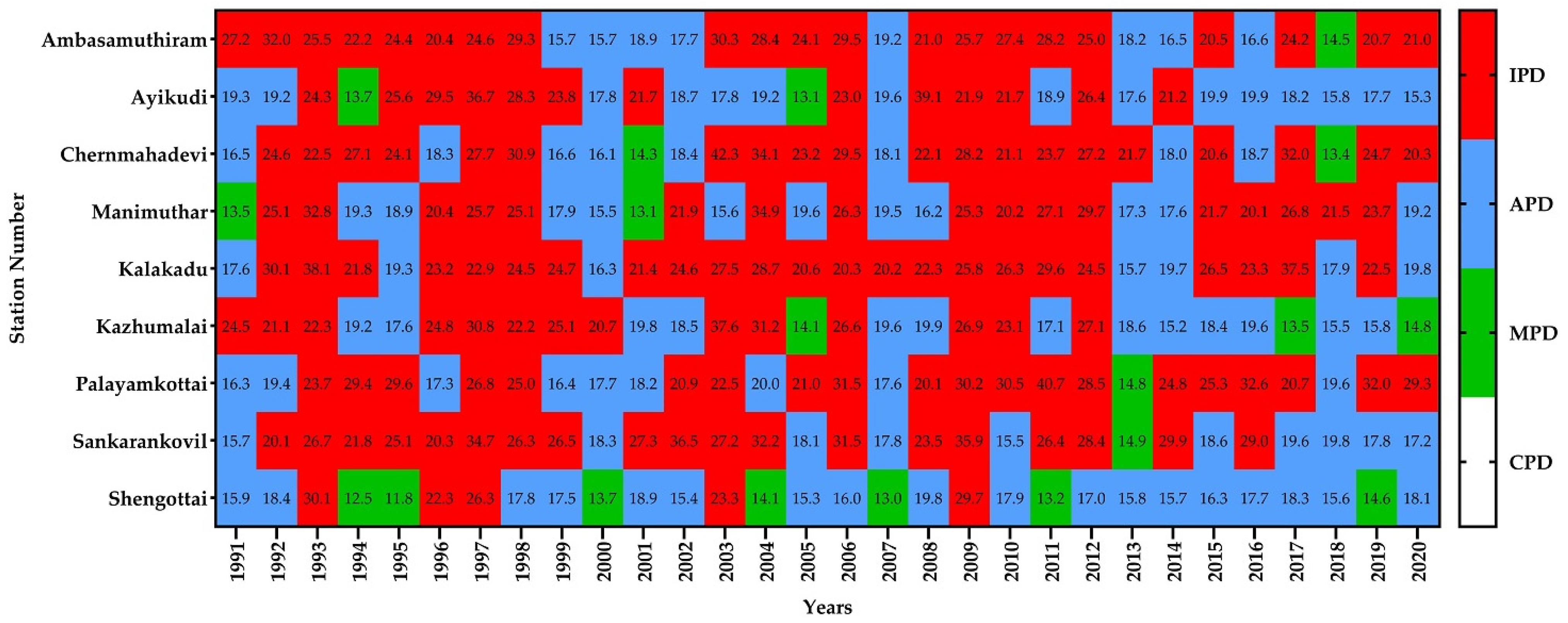
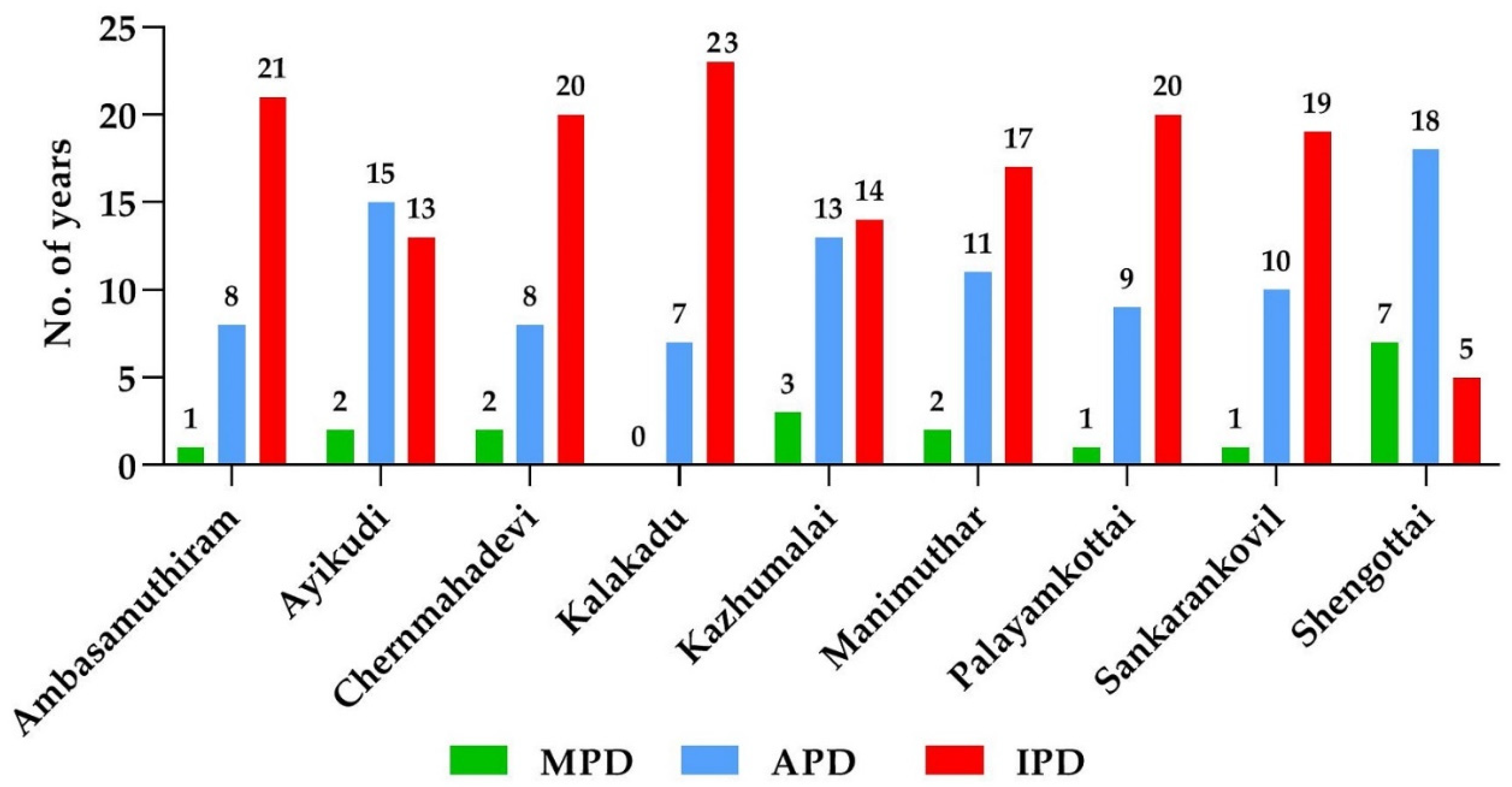
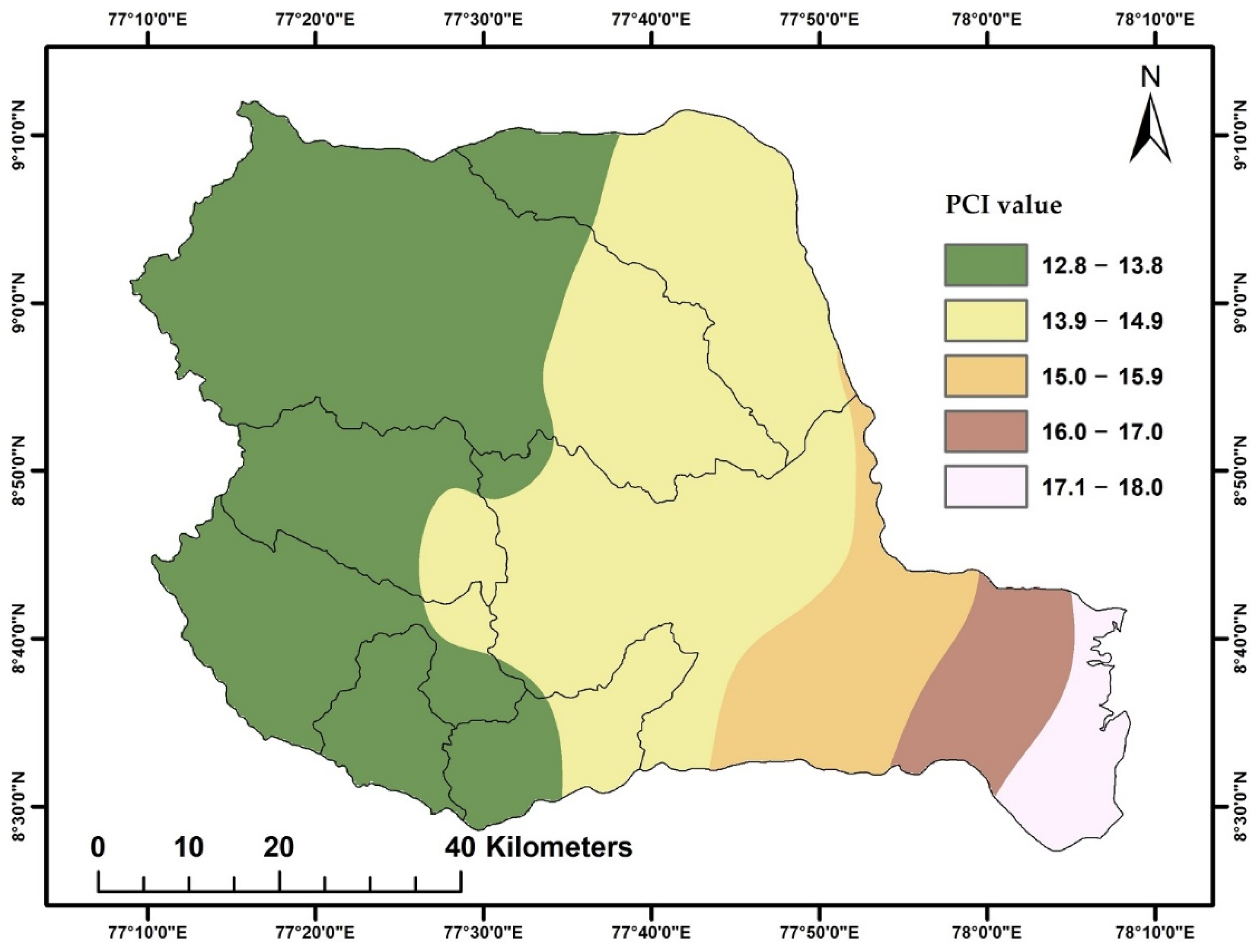
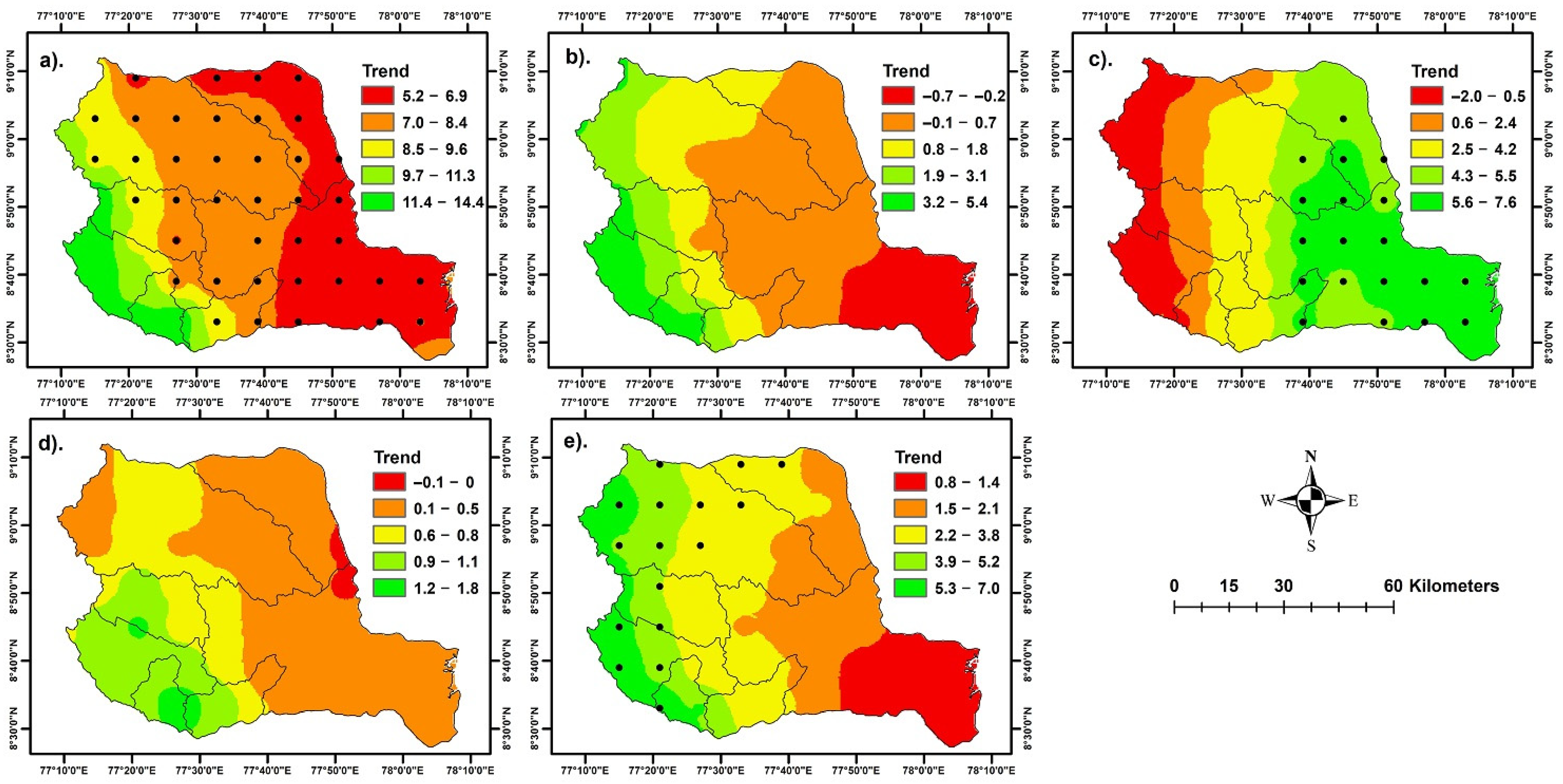
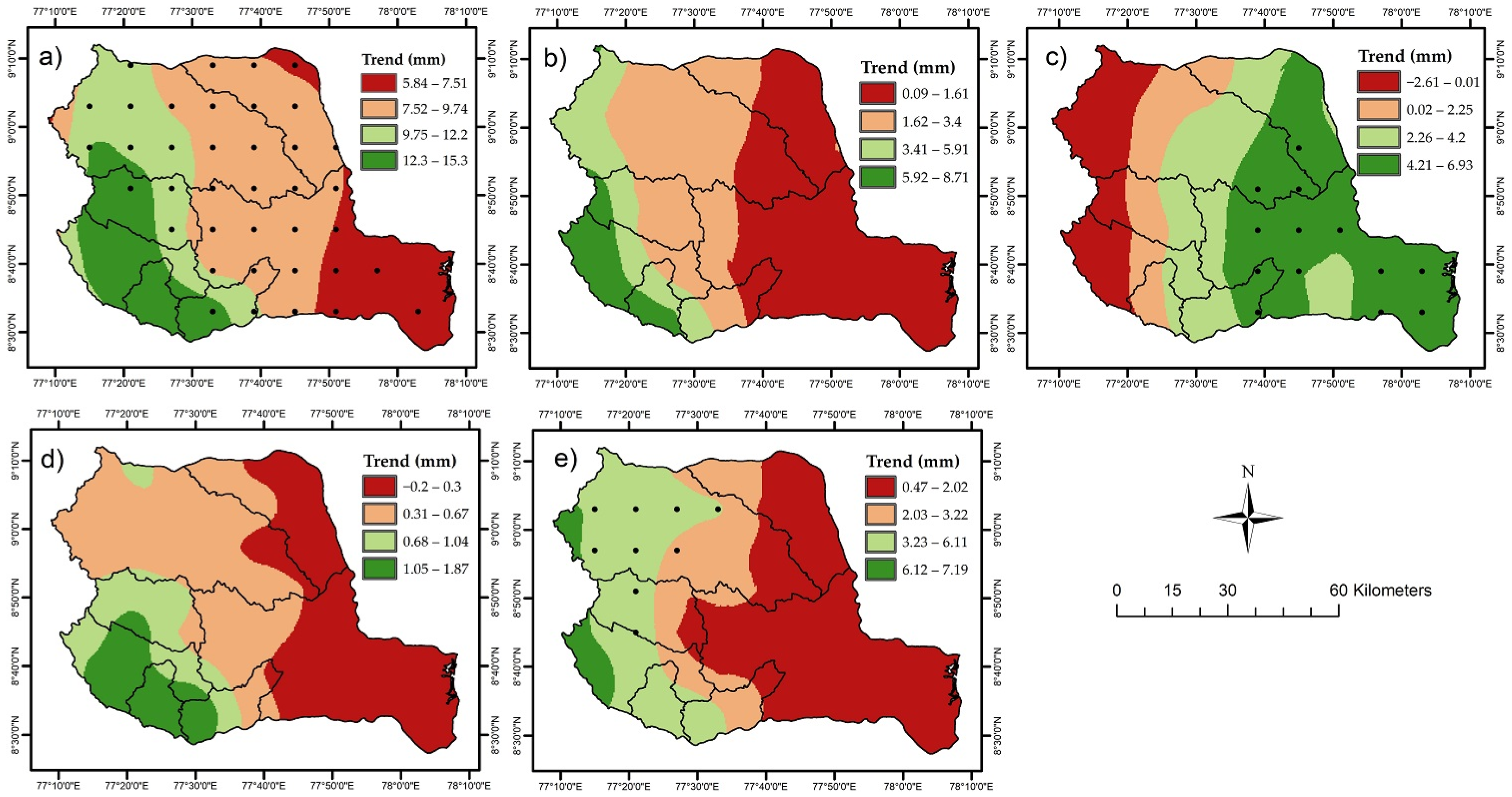
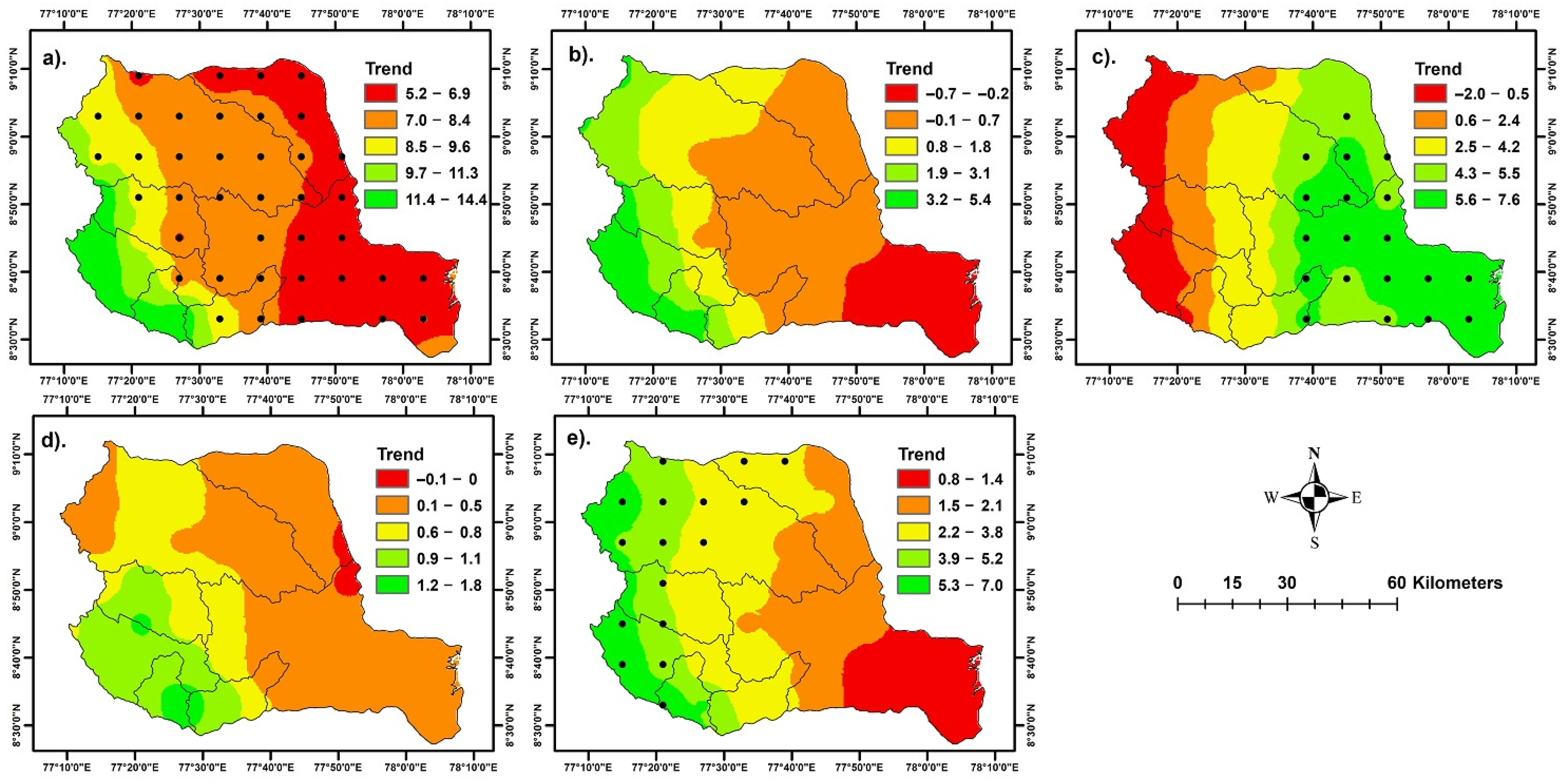
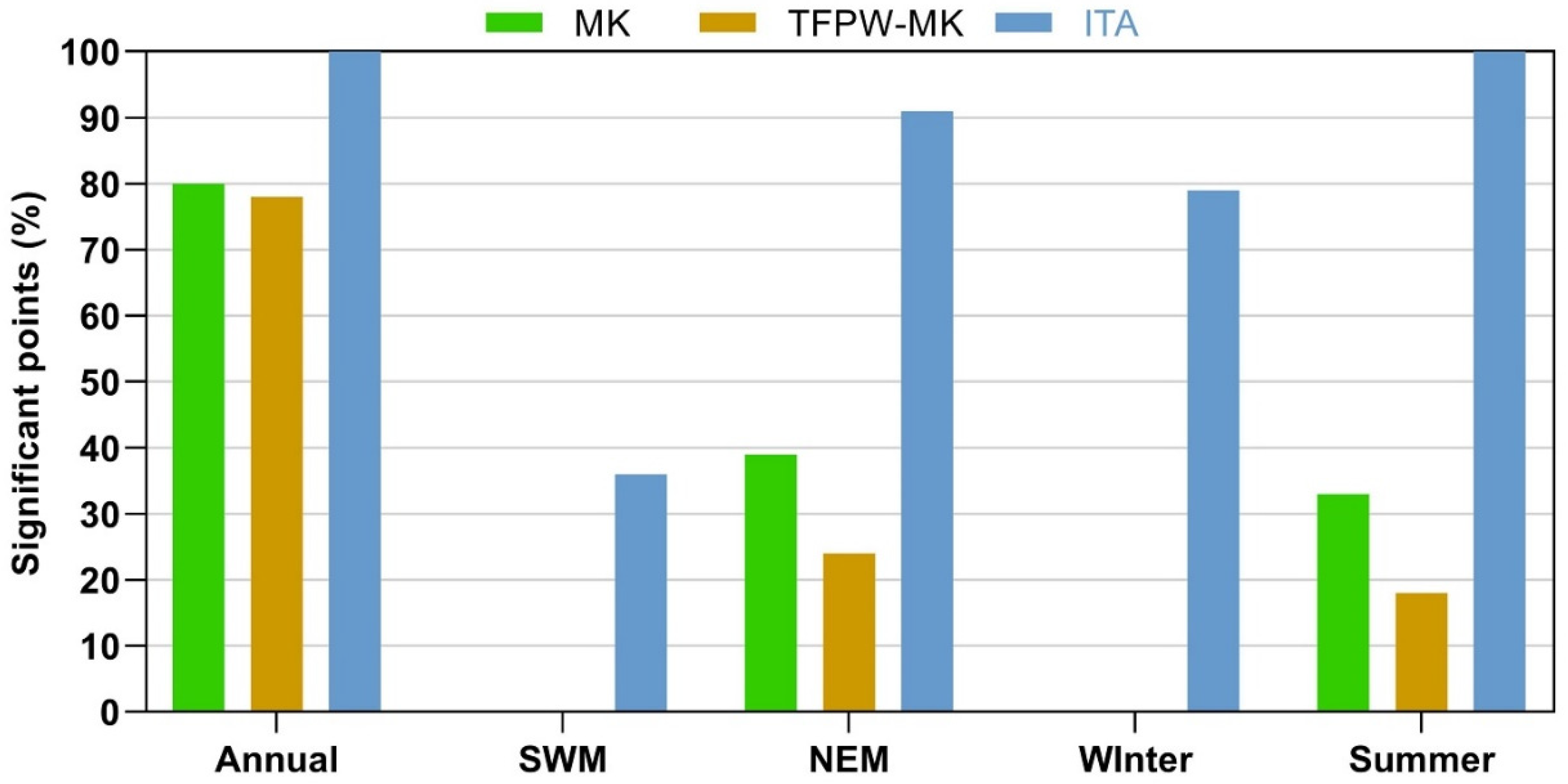
Rainfall is critical to agricultural and drinking water supply in the Thamirabharani river basin. The upper catchment areas of the Thamirabharani basin are located in high-elevated forest regions, and rainfall variability affects dam inflow and outflow. The well-known methods for rainfall analysis such as the coefficient of variation (CV), the precipitation concentration index (PCI), and trend analysis by Mann-Kendall and Sen’s slope test, as well as the Sen’s graphical innovative trend method (ITA) recently reported in several studies, were used. Rainfall data from gauge stations and the satellite-gridded Multisource Weighted Ensemble Precipitation (MSWEP) dataset were chosen for analysis at the annual and four-season time scales, namely, the Southwest Monsoon, Northeast Monsoon, winter, and summer seasons from 1991 to 2020. The mean annual PCI value reflects irregular monthly rainfall distribution (PCI > 20) in all gauge stations. The spatial monthly rainfall distribution of PCI values remarkedly shows a moderate distribution in the western and an anomalous distribution in the eastern part of the basin. The annual mean rainfall ranges from 718.4 to 2268.6 mm/year, decreasing from the high altitude zone in the west to the low plains and coastal regions in the east. Seasonal rainfall contributes about 42% from the NEM, 30.6% from the SWM, 22.8% from summer, and 3.9% from winter, with moderate variability (CV less than 30%). Ground stations experienced extremely high interannual variability in rainfall (more than 60%). Trend analysis by the MK, TFPW-MK, and ITA methods shows increasing annual rainfall in the plains and coastal regions of the basin; particularly, more variations among the seasons were observed in the Lower Thamirabharani sub-basin. The NEM and summer season rainfall are statistically significant and contribute to the increasing trend in annual rainfall. The ITA method performed better in the annual and seasonal scale for detecting the rainfall trend than the MK and TFPW-MK test. The Lower Thamirabharani sub-basin in the eastern part of the basin receives more rain during the NEM than in other areas. To summarize, the low plains in the central and coastal regions in the southeast part experience an increase in rainfall with irregular monthly distribution. This study helps farmers, governments, and policymakers in effective agricultural crop planning and water management.
Keywords: Thamirabharani river basin; annual rainfall; climate variability; Mann-Kendall trend; innovative trend method; precipitation concentration index; southwest monsoon; northeast monsoon Thamirabharani river basin; annual rainfall; climate variability; Mann-Kendall trend; innovative trend method; precipitation concentration index; southwest monsoon; northeast monsoon