Article

Exploring the Heterocatalytic Proficiencies of ZnO Nanostructures in the Simultaneous Photo-Degradation of Chlorophenols


by
Ali Dad Chandio
1,*,
Abdul Hameed Pato
2,
Iftikhar Ahmed Channa
1,
Sadaf Jamal Gilani
3,
Aqeel Ahmed Shah
1,
Jaweria Ashfaq
1,
Jamil A. Buledi
2,
Imran Ali Chandio
4 and
May Nasser Bin Jumah
5,6,7
1
Department of Metallurgical Engineering, NED University of Engineering and Technology, Karachi 75270, Pakistan
2
National Centre of Excellence in Analytical Chemistry, University of Sindh, Jamshoro 76080, Pakistan
3
Department of Basic Health Sciences, Preparatory Year, Princess Nourah Bint Abdulrahman University, Riyadh 11671, Saudi Arabia
4
Institute of Chemistry, Shah Abdul Latif University, Khairpur Mirs 66111, Pakistan
5
Biology Department, College of Science, Princess Nourah Bint Abdulrahman University, Riyadh 11671, Saudi Arabia
6
Environment and Biomaterial Unit, Health Sciences Research Center, Princess Nourah Bint Abdulrahman University, Riyadh 11671, Saudi Arabia
7
Saudi Society for Applied Science, Princess Nourah Bint Abdulrahman University, Riyadh 11671, Saudi Arabia
*
Author to whom correspondence should be addressed.
Sustainability 2022, 14(21), 14562; https://doi.org/10.3390/su142114562
Submission received: 12 October 2022 / Revised: 29 October 2022 / Accepted: 31 October 2022 / Published: 5 November 2022
(This article belongs to the Special Issue Pollutant Removal Process in Water Environment)

Abstract

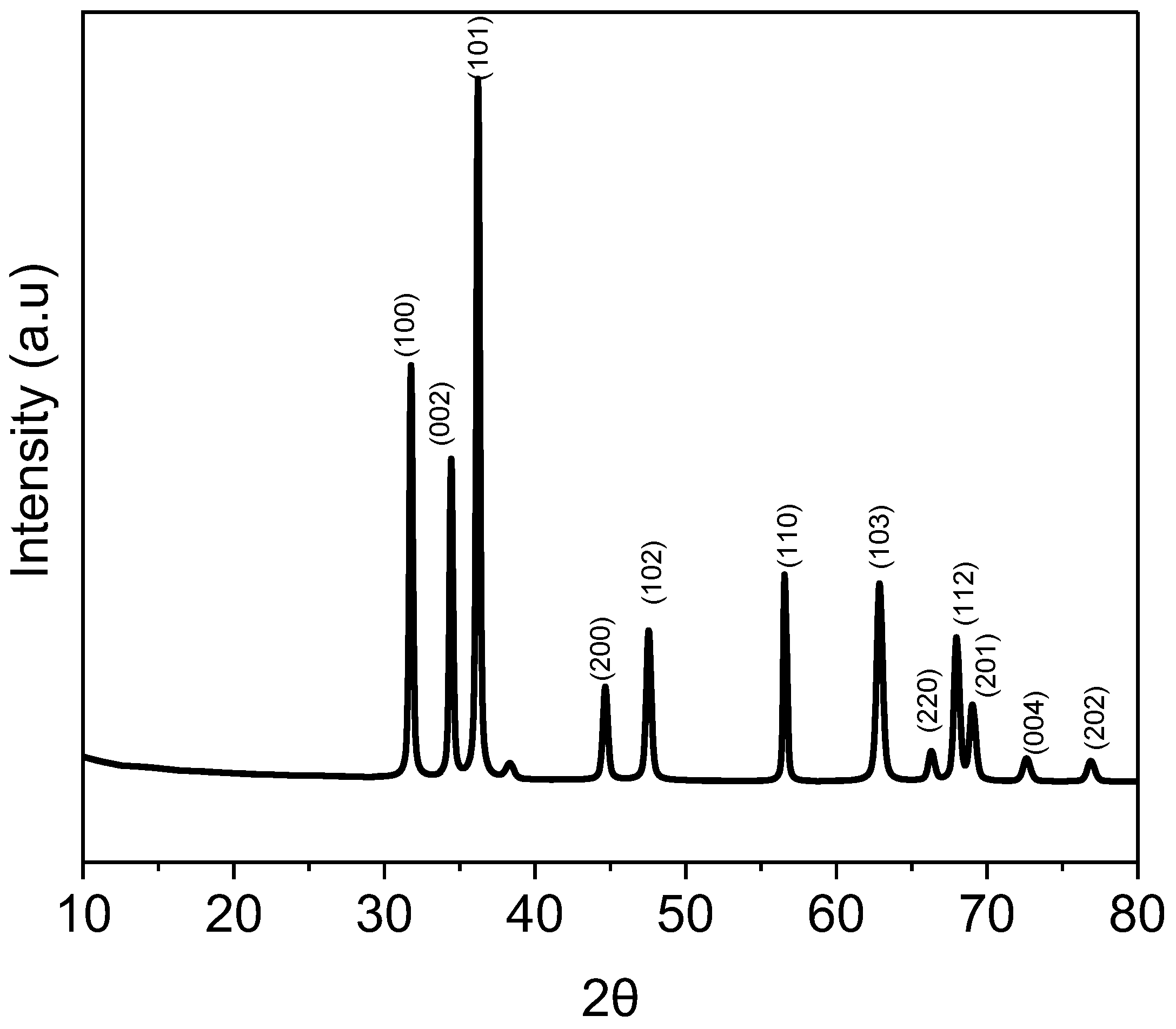
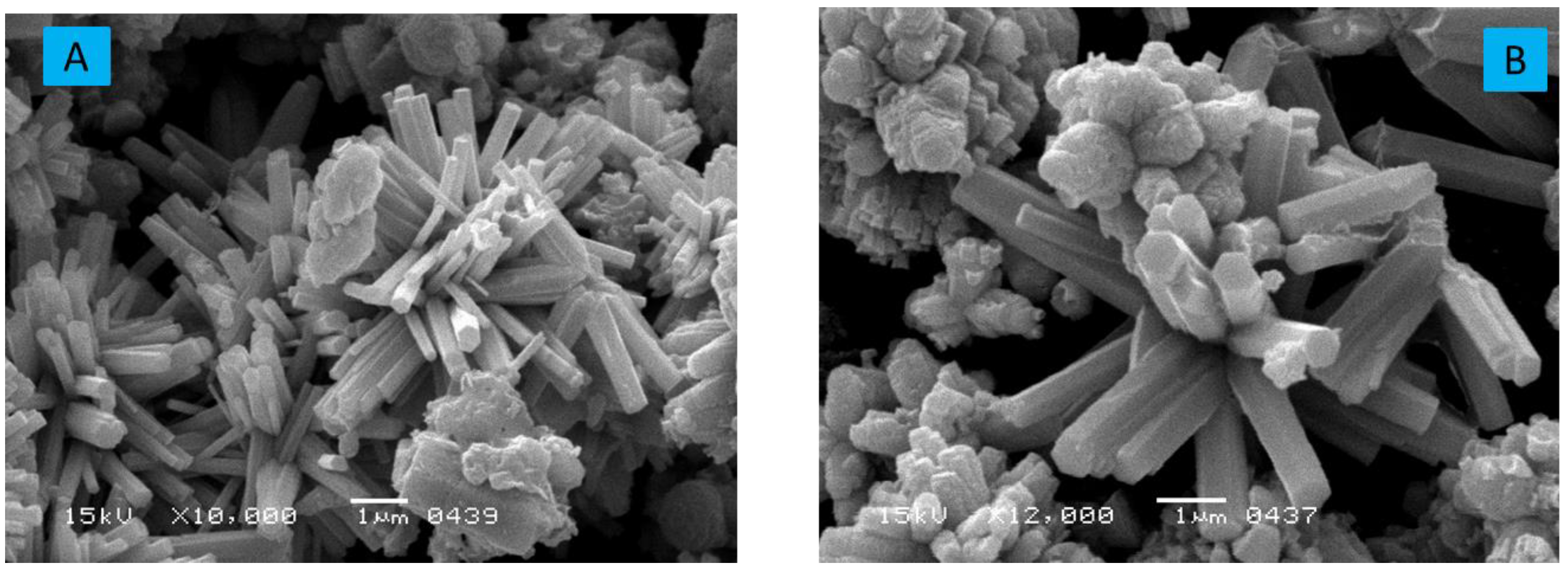
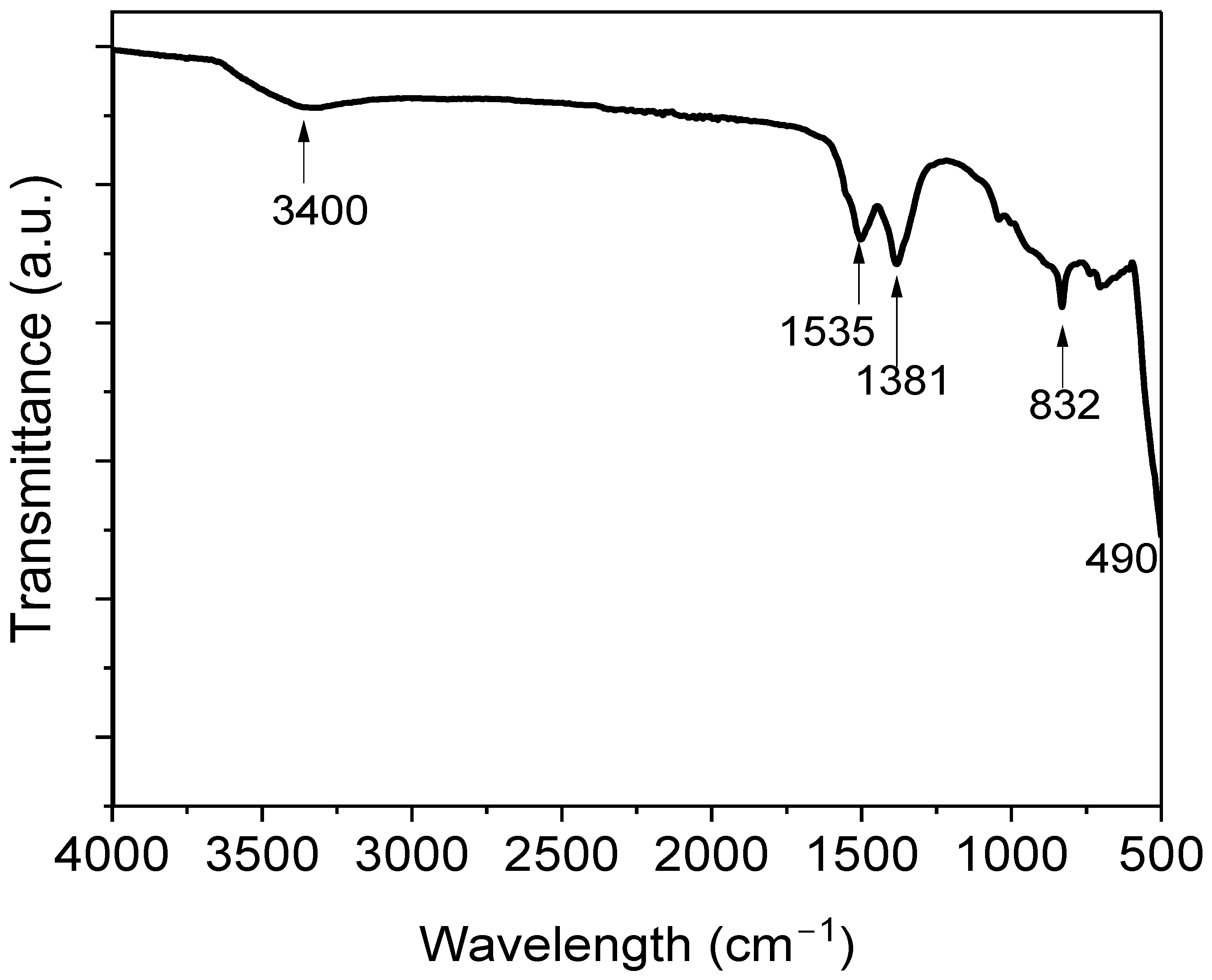
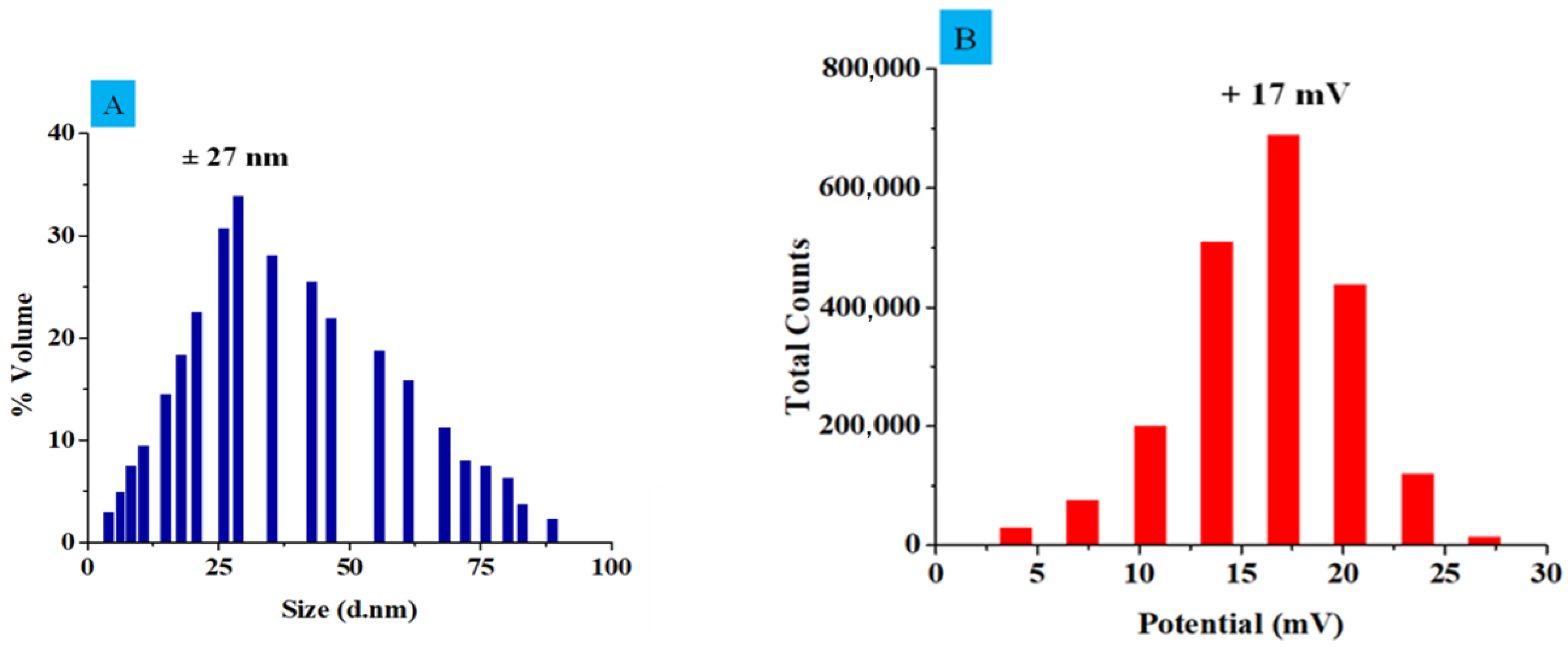
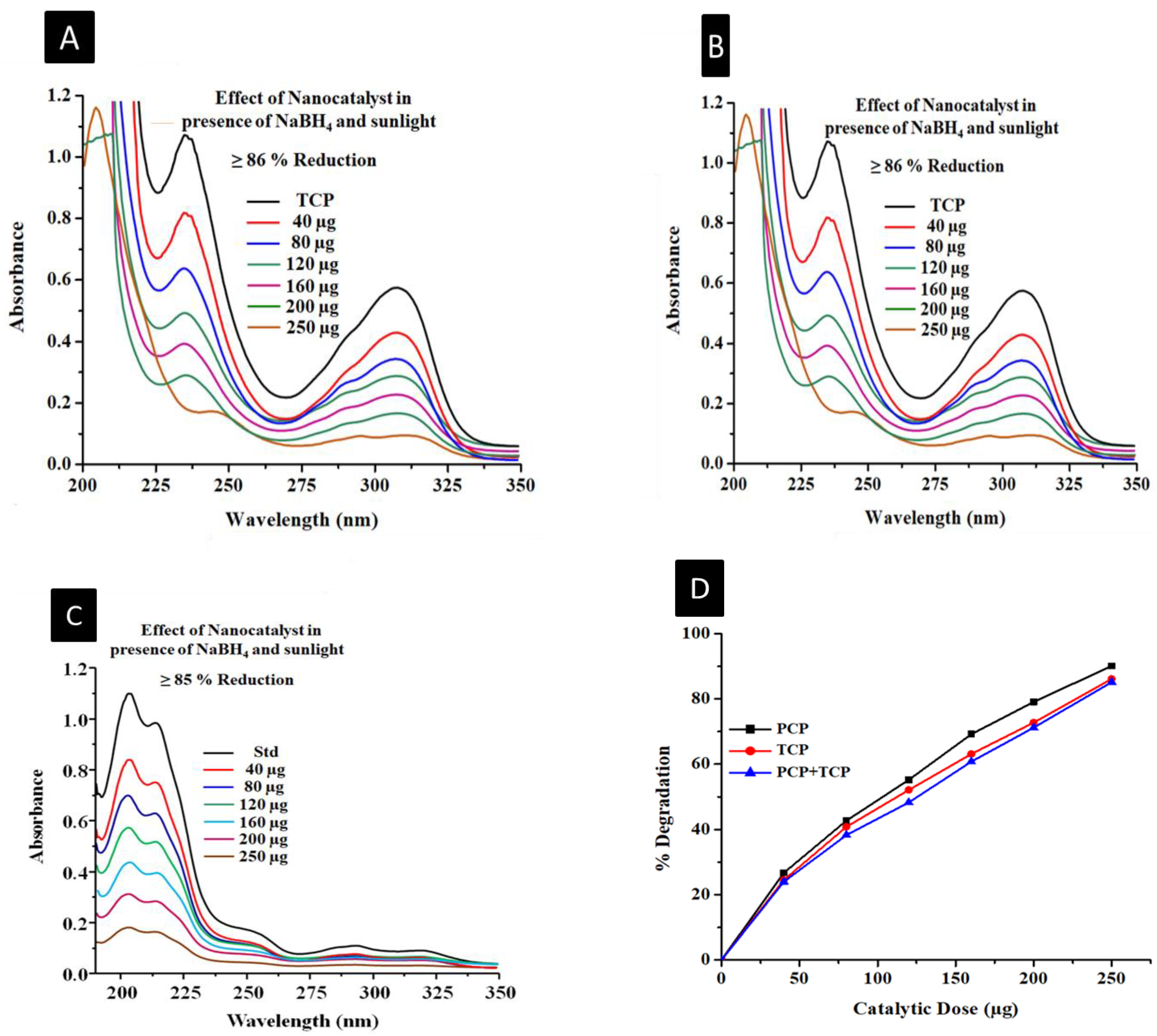
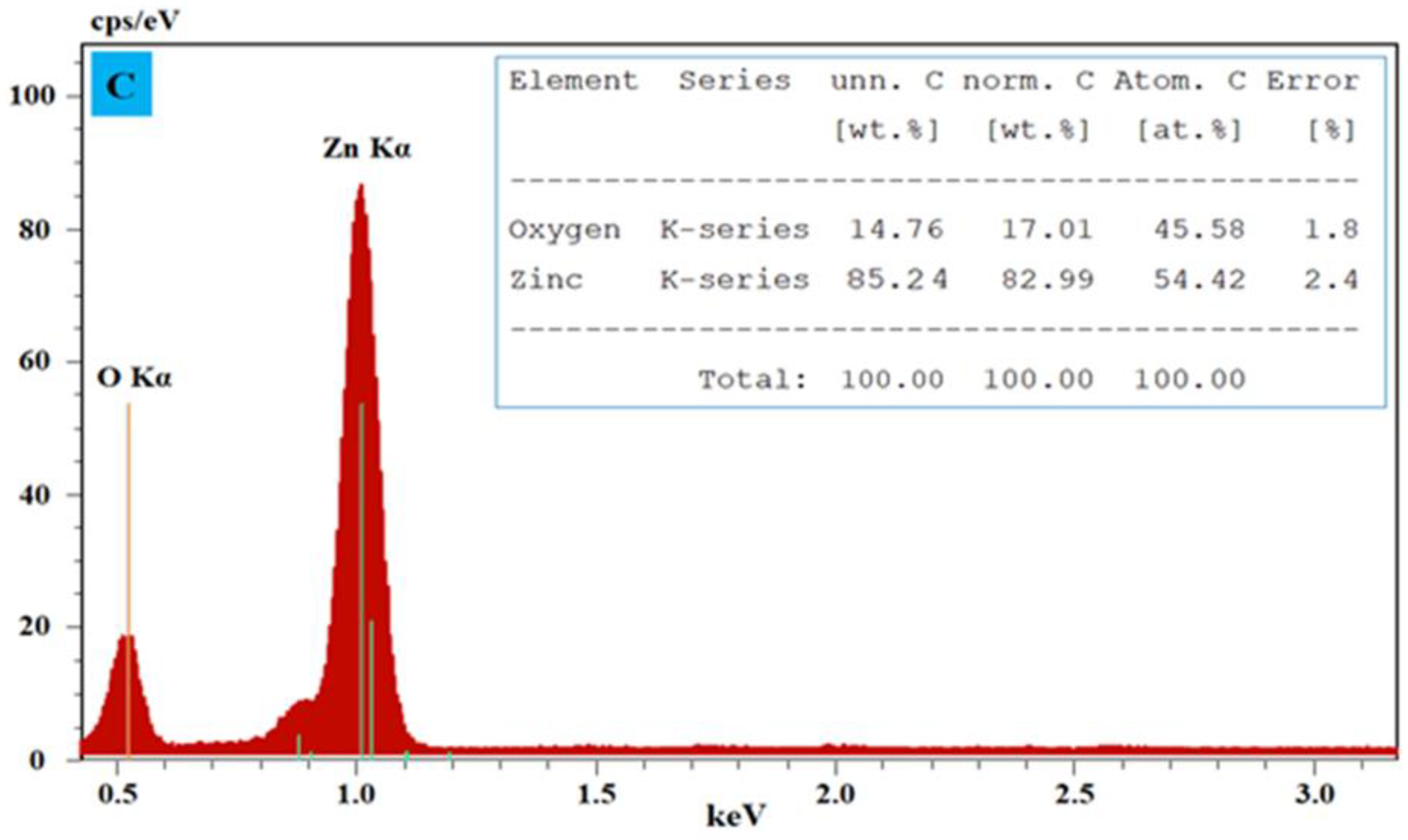
The development of innovative technology for effective pollutant degradation is becoming more important as a result of major environmental issues. Here, ZnO nanoparticles were synthesized using facile and aqueous chemical growth routes. Analytical techniques such as scanning electron micrographs (SEM), energy dispersive spectroscopy (EDS), X-ray diffraction (XRD), Fourier transform infrared spectroscopy (FTIR), Zeta Seizer (ZS), and Zeta Potential were used to analyze the resultant nanoparticles (ZP). The ZnO reveals a nanocluster texture that has a medium scale of 27 nm and a surface charge (17 ± 3 mV) with a wurtzite phase and crystalline nature. Photo catalysts have a higher potential for the thermal disposal of chlorophenols pollutants due to their low cost and simple synthesis procedure. The as-prepared sample underwent photocatalysis for the simultaneous photo-degradation of PCP and TCP as a model dye under sunlight. The ZnO nanostructure exhibited an exceptional degradation of around 85–90% for PCP and TCP in the aqua liquid, with the lowest amount of catalyst dosage of 240–250 μg individually and simultaneously, over 3 min beneath the sun ray. The greater productivity of the ZnO nanostructure for natural deterioration during solar irradiation indicates that the aqueous chemical growth enables the creation of effective and affordable photocatalysts for the photodegradation of a variety of environmental contaminants.
Keywords: ZnO nanostructure; heterogeneous kinetics; aqueous chemical growth method; photocatalytic degradation; pentachlorophenol (PCP); trichlorophenol (TCP) ZnO nanostructure; heterogeneous kinetics; aqueous chemical growth method; photocatalytic degradation; pentachlorophenol (PCP); trichlorophenol (TCP)