Article

Inclusiveness in the Caribbean-Locals’ Perceptions about Nature, Tourism and Recreation in Bonaire

1
Wageningen Economic Research, Wageningen University & Research (WUR), Droevendaalsesteeg 4, 6708 PB Wageningen, The Netherlands
2
Wageningen Environmental Research, Wageningen University & Research (WUR), Droevendaalsesteeg 3-3 A, 6708 PB Wageningen, The Netherlands
3
‘360° by Eangel’, Kaya Apure #14, Kralendijk, Bonaire, Caribbean Netherlands
*
Author to whom correspondence should be addressed.
Sustainability 2022, 14(21), 14167; https://doi.org/10.3390/su142114167
Submission received: 27 July 2022 / Revised: 24 October 2022 / Accepted: 25 October 2022 / Published: 30 October 2022
(This article belongs to the Section Social Ecology and Sustainability)

Abstract

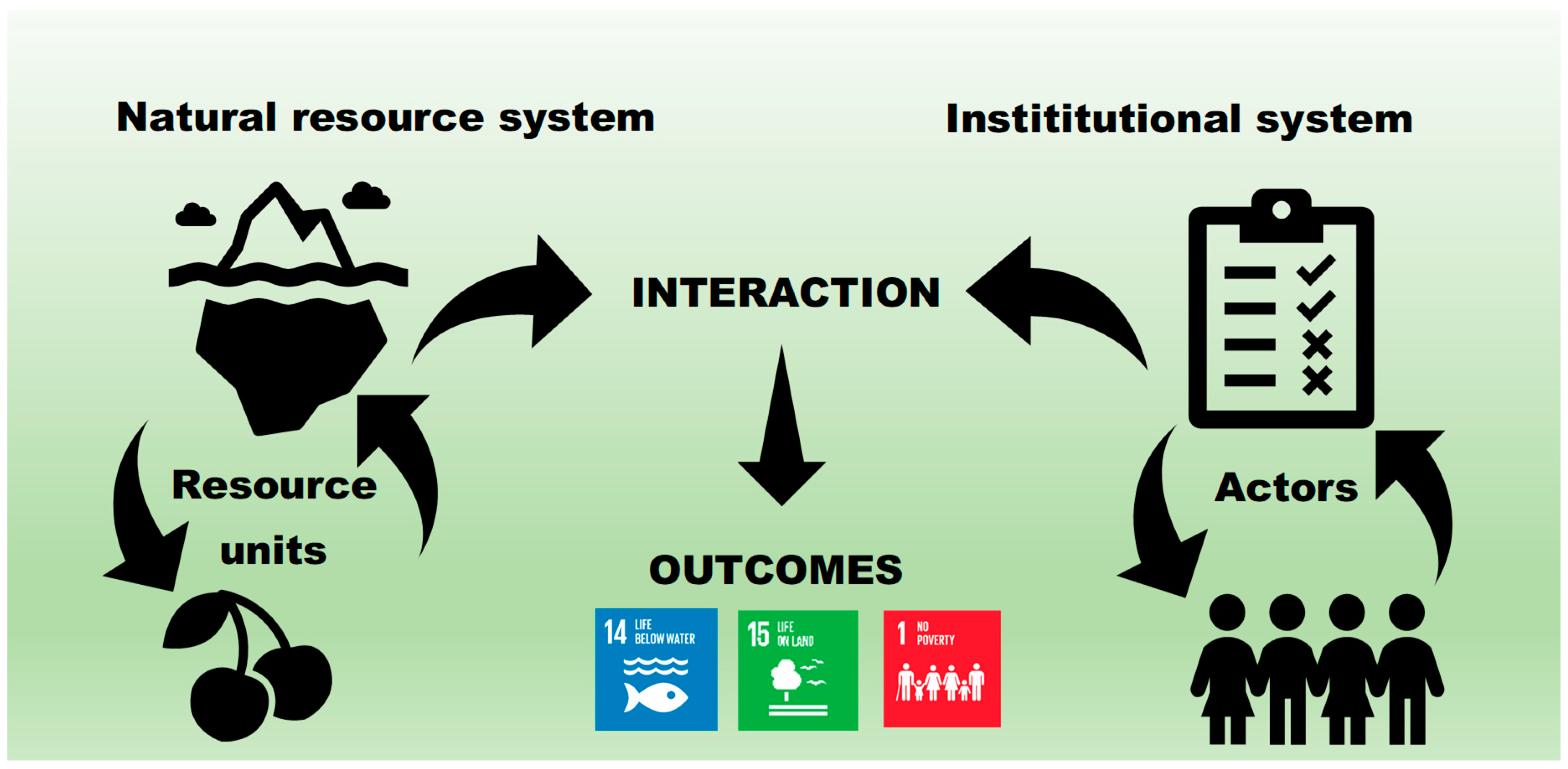
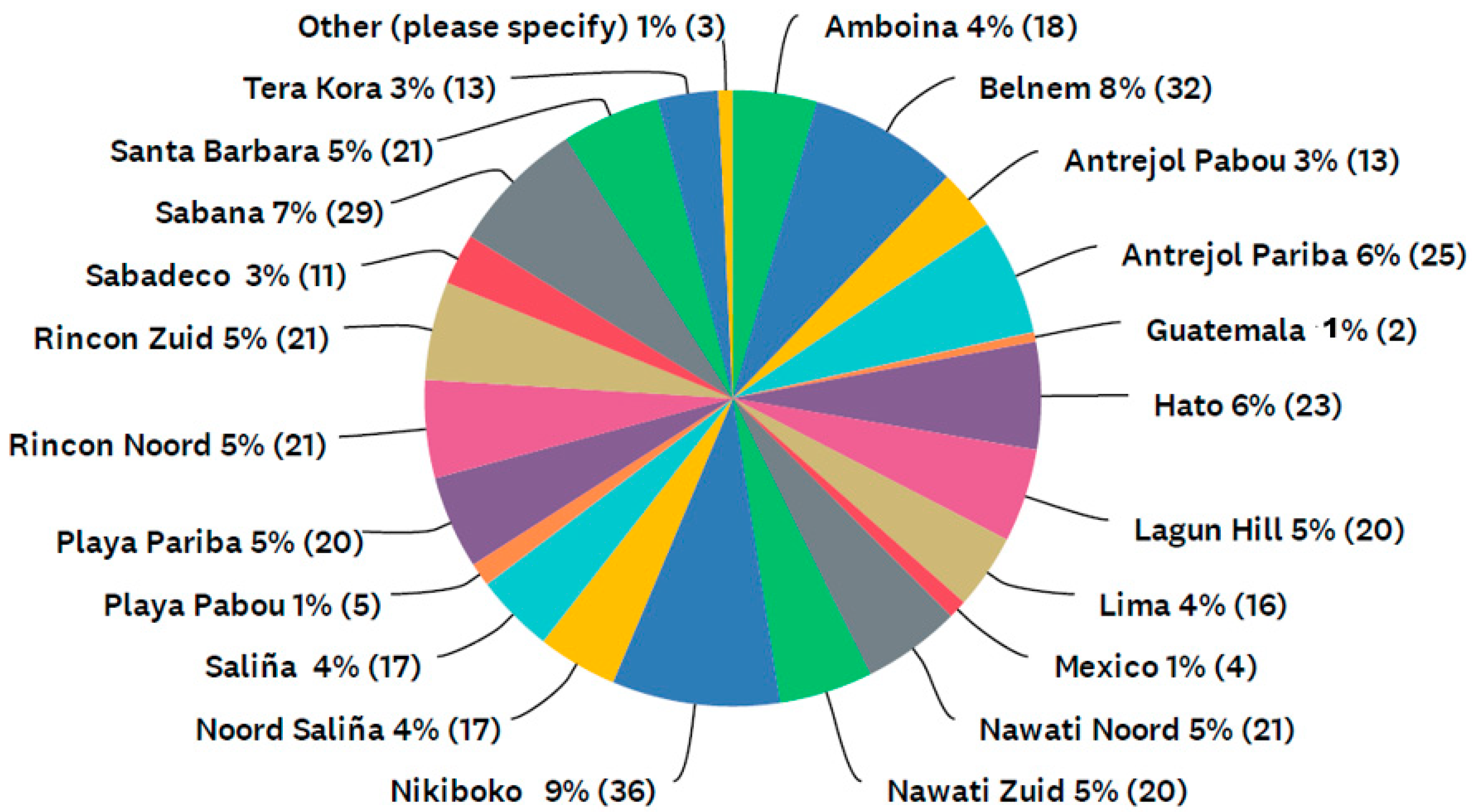
The economies of small tropical islands often benefit from large-scale tourism, attracted by the guarantee of beach facilities, sun and warmth, landscape beauty, and cultural and underwater life. While these are highly valued assets, it is unclear how local communities benefit from tourism, or how they perceive their natural environment, which has been the basis for their rich cultural history. Against this background, the main aim of this article is to investigate inhabitants’ perceptions about locals’ inclusiveness in tourism and recreation on a small island called Bonaire. A total of 400 households were interviewed during the period November 2021–February 2022. Inclusiveness in tourism and the welfare it brings are judged as low, based on the findings in this study. With a share of around 40% of the population of Dutch Caribbean islanders living in poverty, the challenge of inequality is urgent. While environmental degradation contributes to inequality, inequality can also contribute to environmental degradation. To reduce inequalities, while ensuring life below water and life on land, the handling of poverty is one of the most critical bottlenecks in this society.
Keywords: small islands; Caribbean; Bonaire; inclusiveness; tourism; nature inclusiveness; household survey small islands; Caribbean; Bonaire; inclusiveness; tourism; nature inclusiveness; household survey