Article

The Assessment of Ecological Livability for Agricultural, Pasture, Forestry, Residential, and Tourism Activities; Study Area: North of Iran


by
Sarfaraz Hashemkhani Zolfani
1,*,
Seyed Mostafa Hedayatnezhad Kashi
2 and
Saba Baharvandi
3
1
School of Engineering, Universidad Catolica del Norte, Larrondo 1281, Coquimbo 1780000, Chile
2
Faculty of Geography and Environmental Planning, University of Sistan and Baluchestan, Zahedan 9816745845, Iran
3
Faculty of Geographical Sciences and Planning, University of Isfahan, Isfahan 8174673441, Iran
*
Author to whom correspondence should be addressed.
Sustainability 2022, 14(19), 12638; https://doi.org/10.3390/su141912638
Submission received: 27 August 2022 / Revised: 30 September 2022 / Accepted: 30 September 2022 / Published: 5 October 2022
(This article belongs to the Special Issue Circular Economy and Logistics)

Abstract

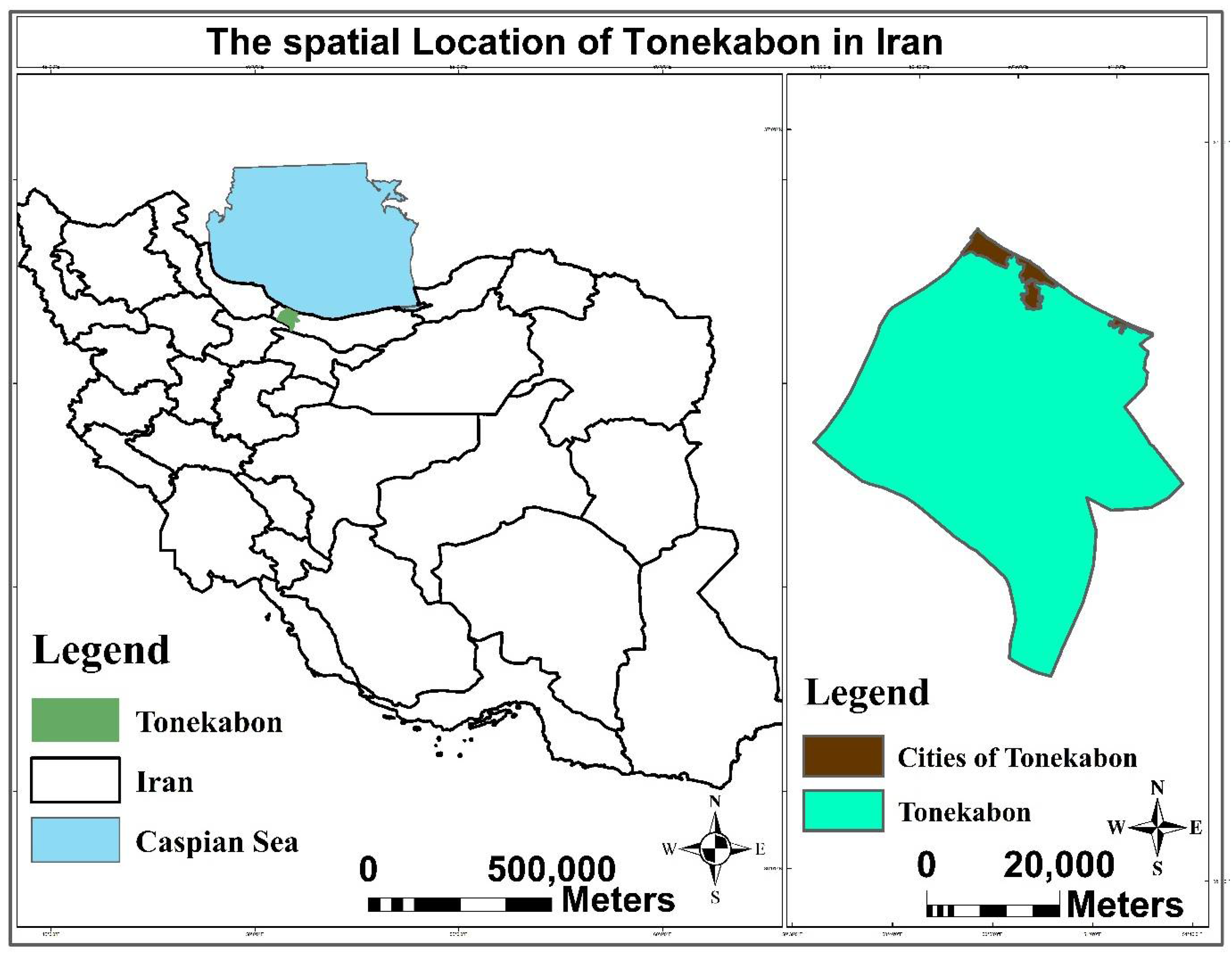
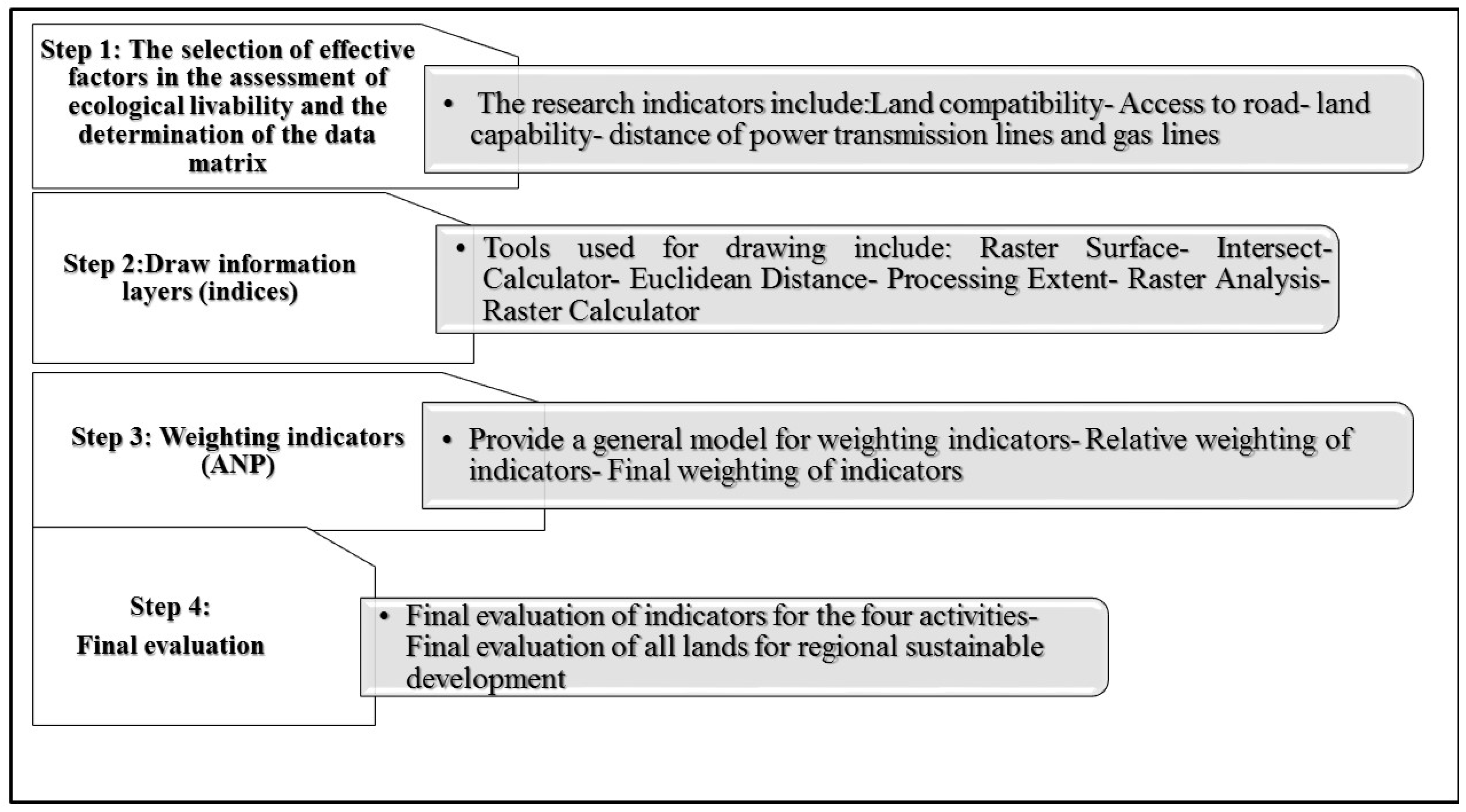
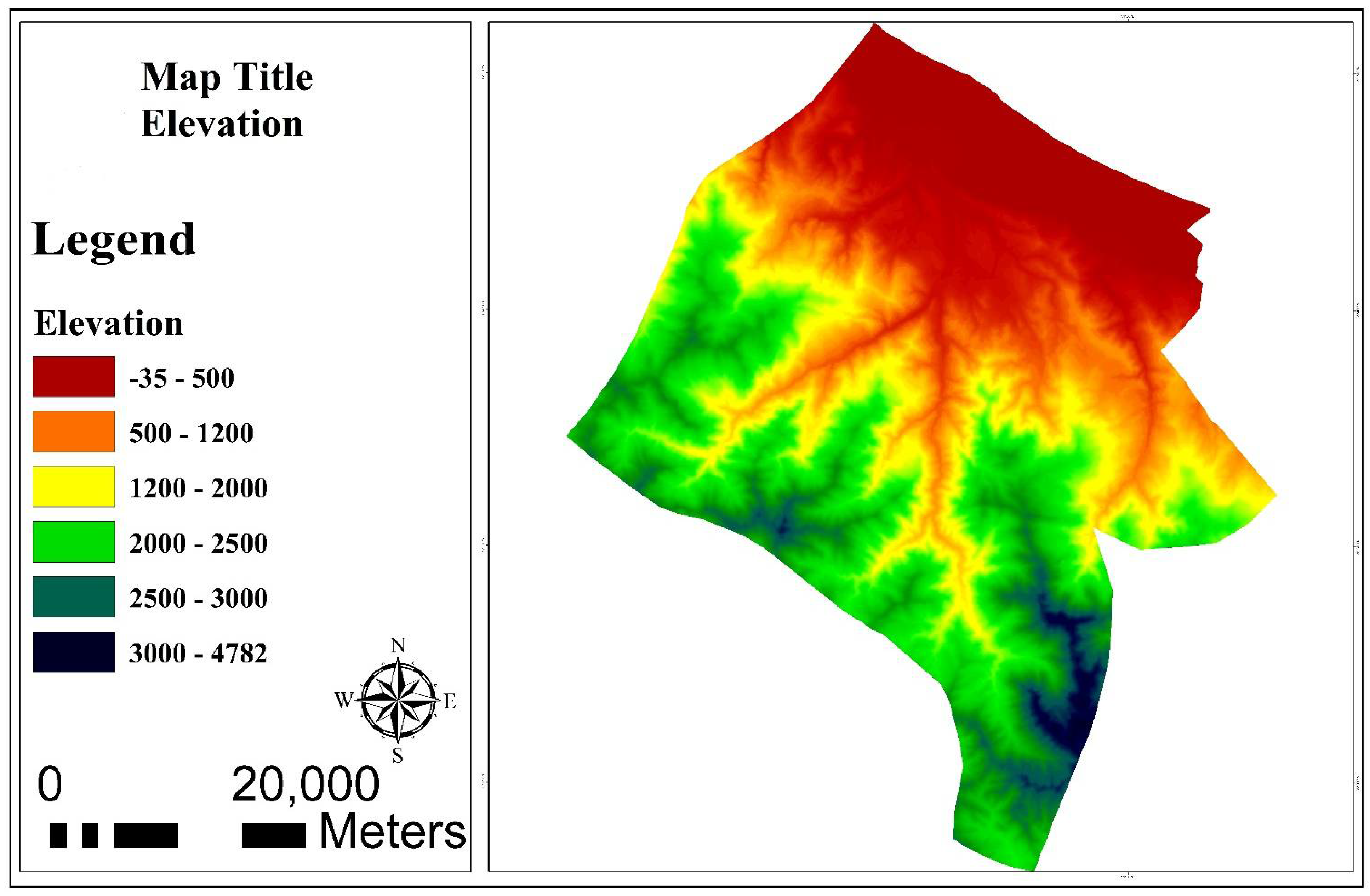
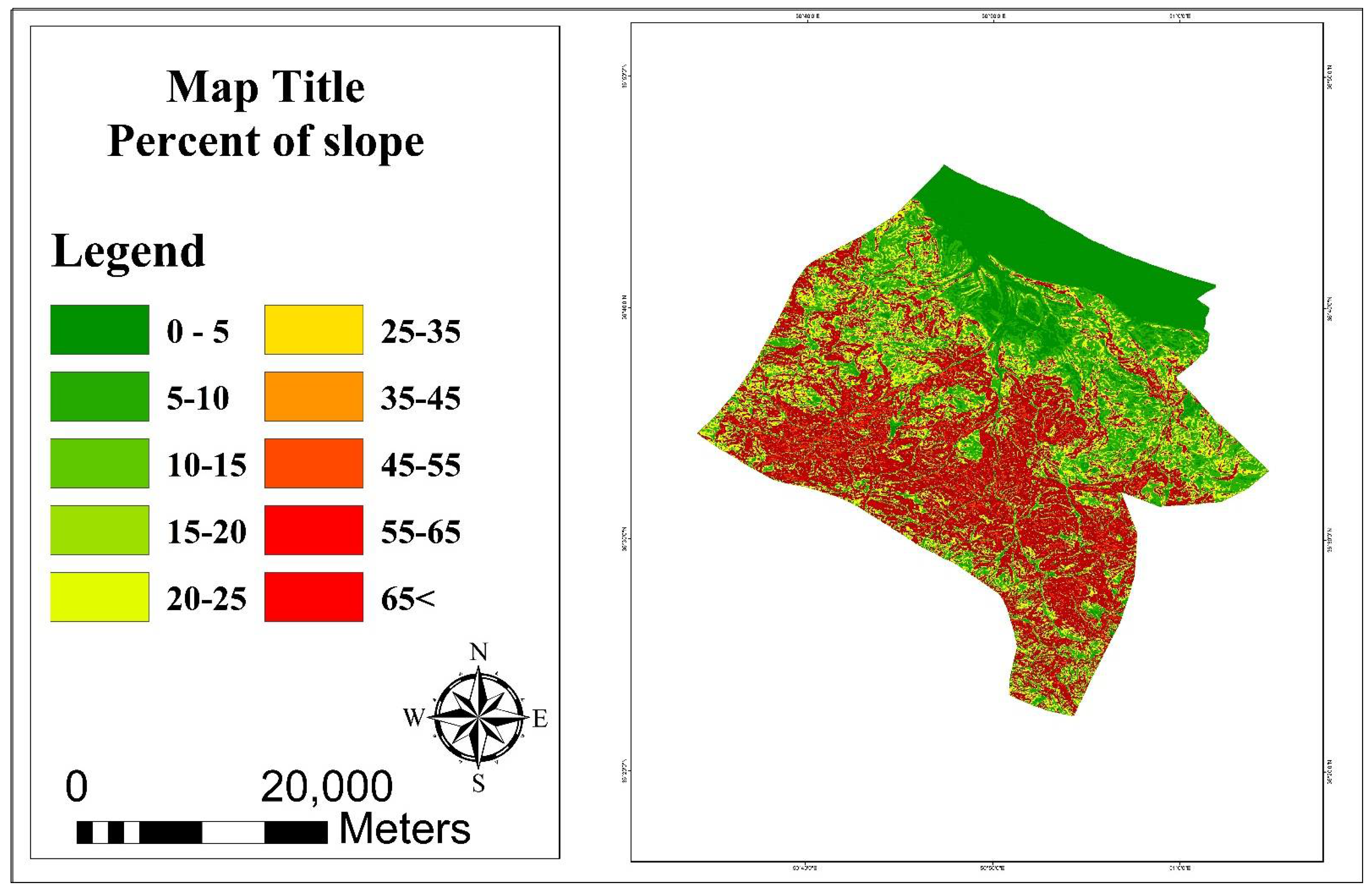
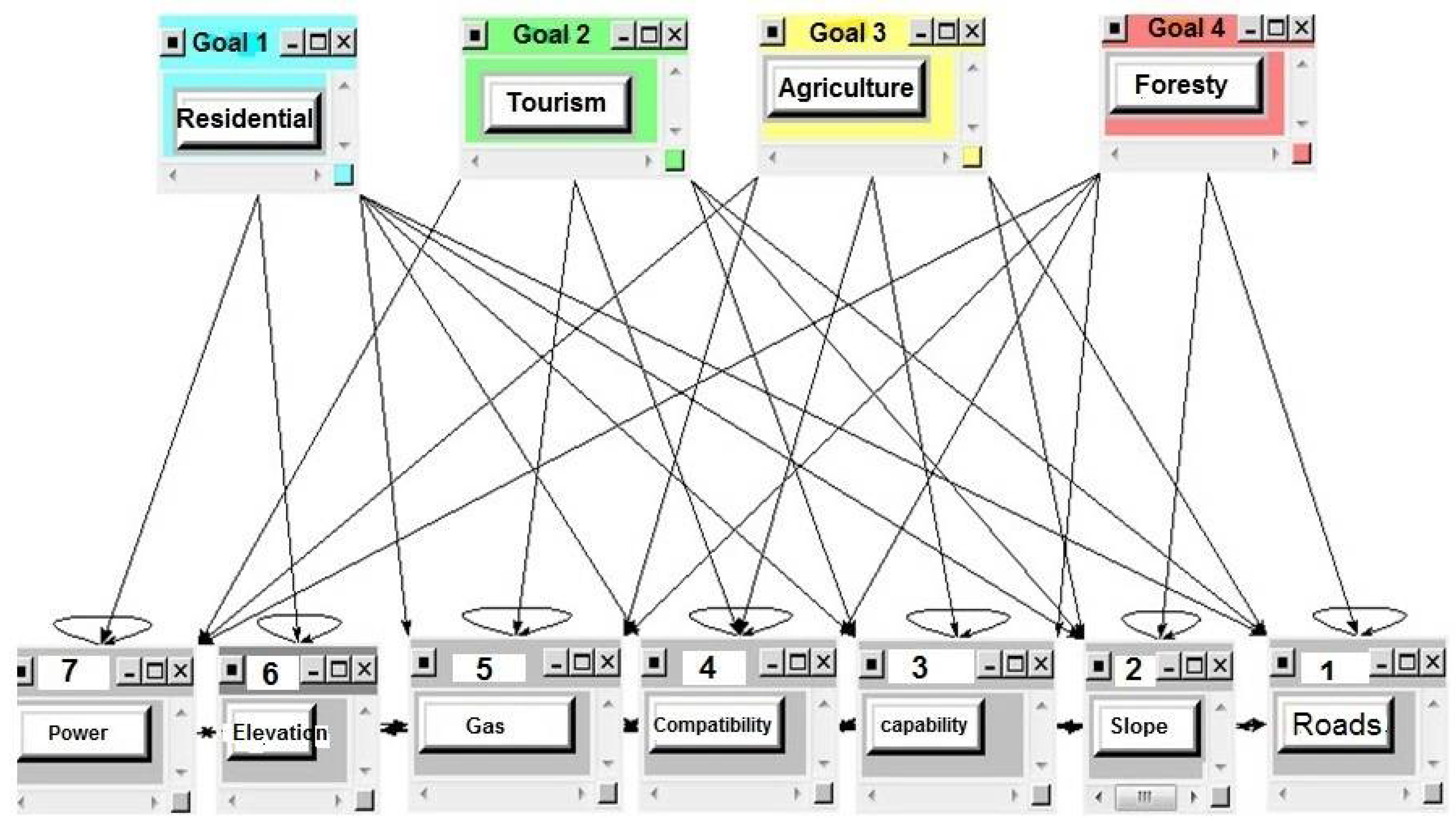
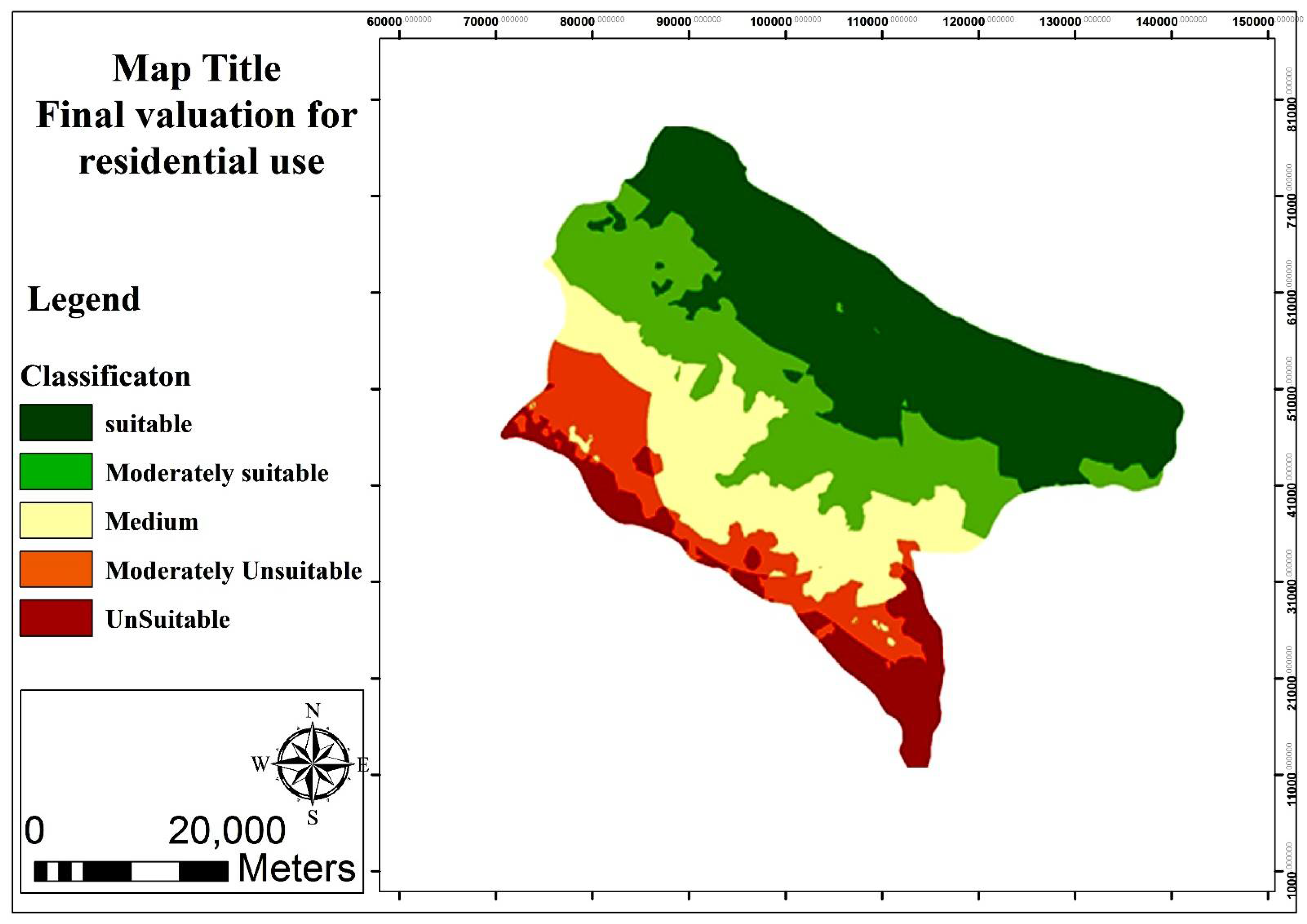
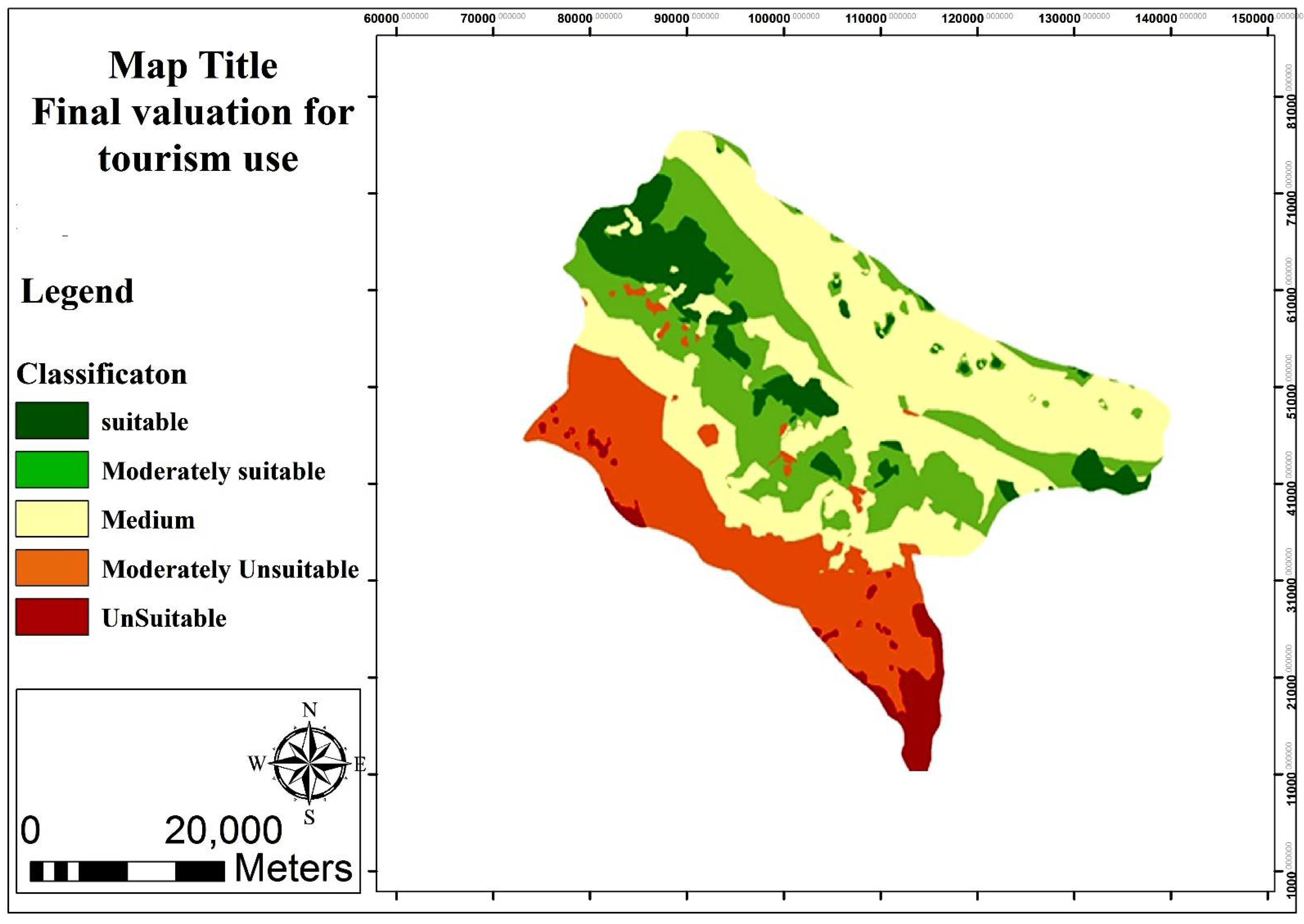
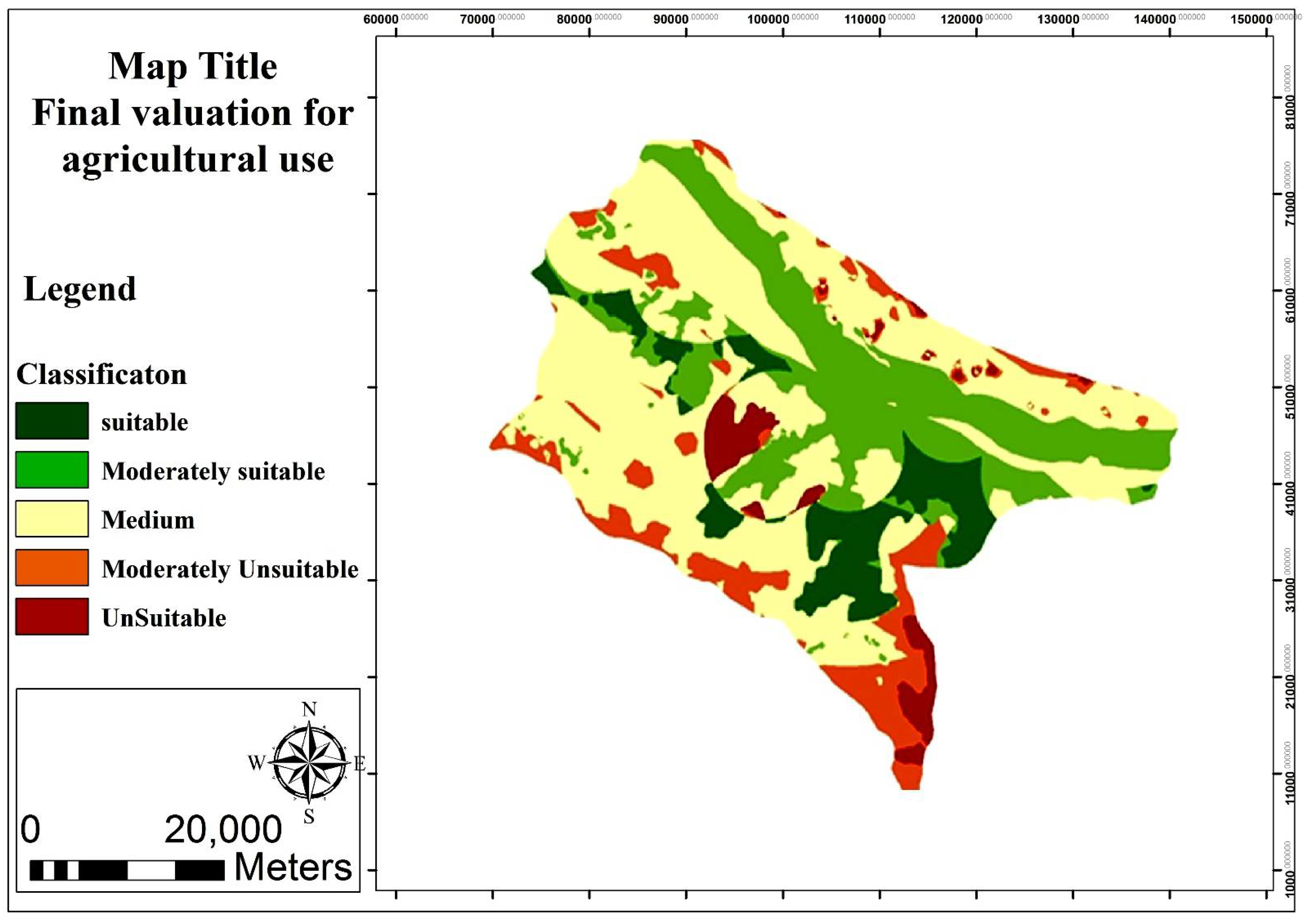
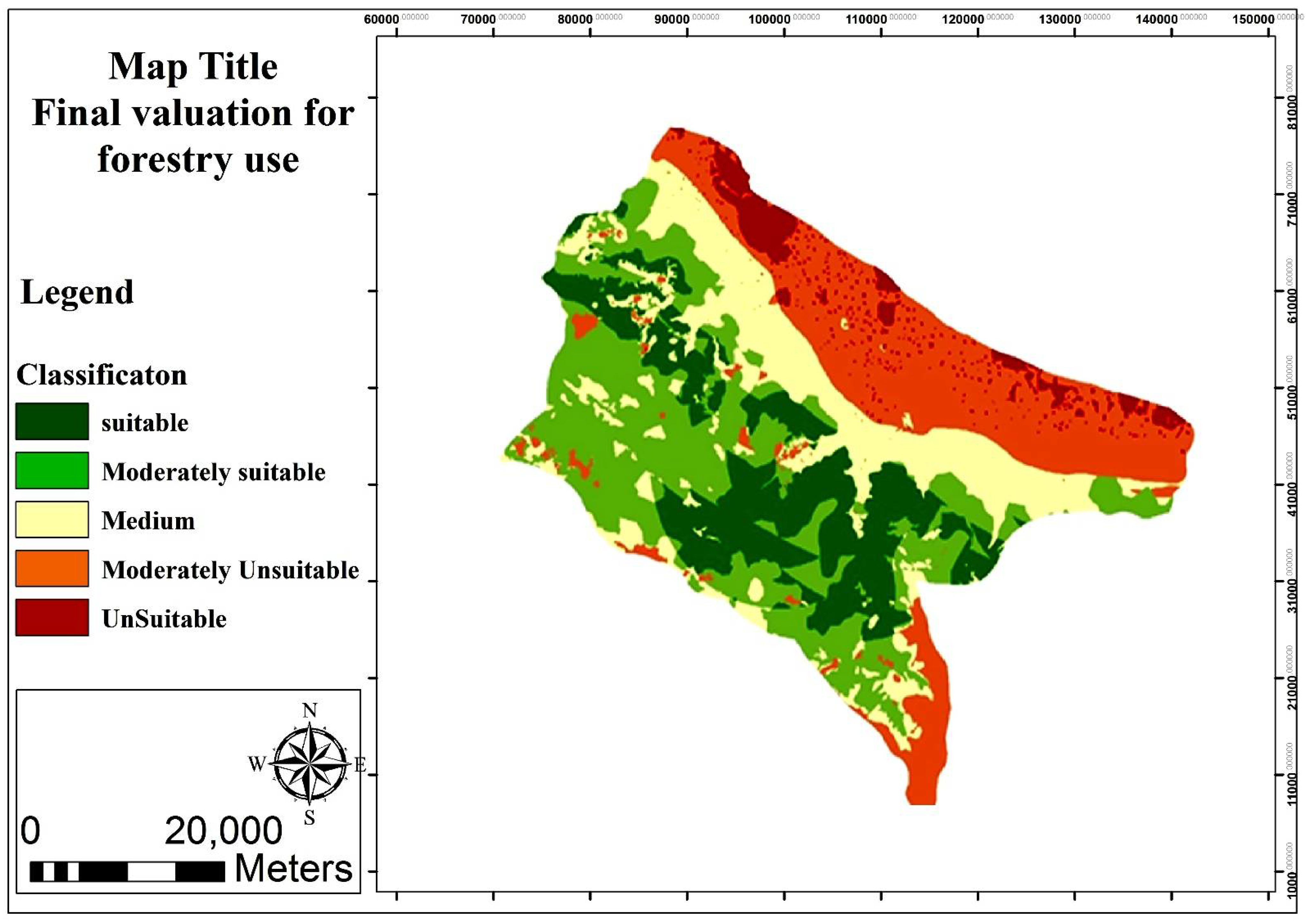
Ecological livability assessment is one of the effective strategies seeking an optimum balance between the processes of urban development and ecological ones to ensure sustainable and livable environments ultimately. Since this type of evaluation is functional and practical for managers and planners, ecological livability is studied from different aspects (ecological, physical-social, economic). With an emphasis on ecological-infrastructural potentials, the present paper studies the region’s capabilities in four activities: agriculture, pasture, forestry, residential, and tourism in northern Iran. Firstly, in the methodology and based on GIS, ecological-infrastructural indicators were investigated in the study area (Tonekabon City). Secondly, the four activities evaluated the ecological-infrastructural indicators according to the Delphi and ANP methods. Then they were combined with the Overlay function to prioritize the ecological-infrastructural potential of Tonekabon City for the activities. Findings from the study show that topographic and land capability indicators impact various activities concerning Tonekabon City’s characteristics. The results of the research for the four activities in Tonekabon indicate that 35% of lands have a high potential for agriculture and pasture, more than 70% for forestry, 35% for tourism activities, and more than 73% for settlement ones in the category 1 and 2 (suitable, moderately suitable). In addition, the most ecological infrastructure potential is for agricultural-pasture, residential, and tourism activities in the northern of Tonekabon and forestry ones for the southern part. However, the high potential and power are in other parts of Tonekabon, especially the central sections, to establish several activities that it is possible to improve livability in the light of sustainable development through the investment in activities.
Keywords: ecological livability; infrastructure; capability and potential of the region; multiple criteria decision making (MCDM); ANP method ecological livability; infrastructure; capability and potential of the region; multiple criteria decision making (MCDM); ANP method