Article

Acceptance of ELV Management: The Role of Social Influence, Knowledge, Attitude, Institutional Trust, and Health Issues

by
Charli Sitinjak
1,
Rozmi Ismail
1,*,
Zurinah Tahir
2,
Rizqon Fajar
3,
Wiyanti Fransisca Simanullang
4,5,
Edward Bantu
6,
Karuhanga Samuel
6,
Rosniza Aznie Che Rose
2,
Muhamad Razuhanafi Mat Yazid
7 and
Zambri Harun
8
1
Centre for Research in Psychology and Human Well-Being (PSiTra), Faculty of Social Sciences and Humanities, Universiti Kebangsaan Malaysia, Bangi 43600, Selangor, Malaysia
2
Research Centre for Development, Social, and Environment, Faculty of Social Sciences and Humanities, Universiti Kebangsaan Malaysia, Bangi 43600, Selangor, Malaysia
3
Research Center for Transportation Technology, National Research and Innovation Agency, Jakarta 10340, Indonesia
4
Research Center for Chemistry, National Research, and Innovation Agency, Jakarta 10340, Indonesia
5
Department of Chemical Engineering, Widya Mandala Surabaya Catholic University, Surabaya 60112, Indonesia
6
Department of Social Work & Social Administration, Faculty of Arts and Social Sciences, Kabale University, Plot 346 Block 3 Kikungiri Hill, Kabale P.O. Box 317, Uganda
7
Department of Civil Engineering, Faculty of Engineering and Built Environment, Universiti Kebangsaan Malaysia, Bangi 43600, Selangor, Malaysia
8
Department of Mechanical and Manufacturing Engineering, Faculty of Engineering and Built Environment, Universiti Kebangsaan Malaysia, Bangi 43600, Selangor, Malaysia
*
Author to whom correspondence should be addressed.
Sustainability 2022, 14(16), 10201; https://doi.org/10.3390/su141610201
Submission received: 24 June 2022 / Revised: 27 July 2022 / Accepted: 28 July 2022 / Published: 17 August 2022
(This article belongs to the Section Social Ecology and Sustainability)

Abstract

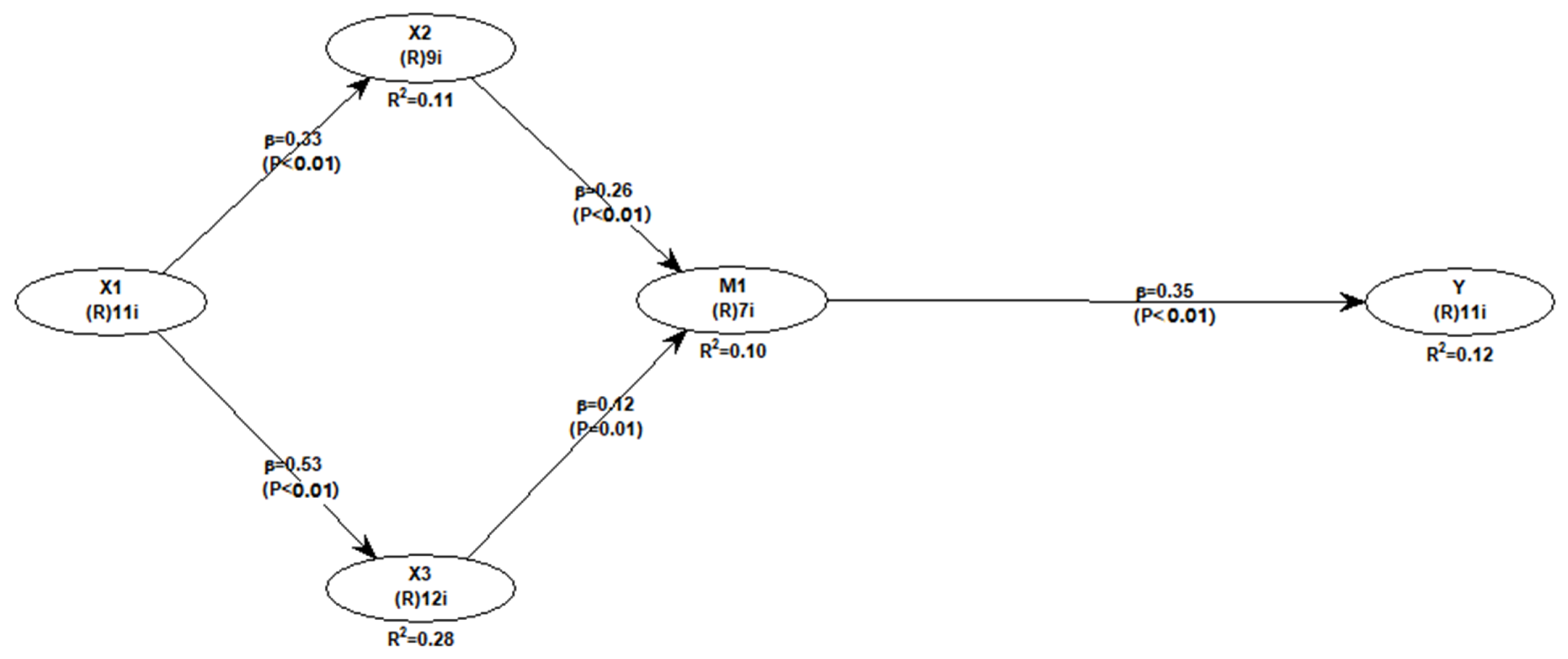
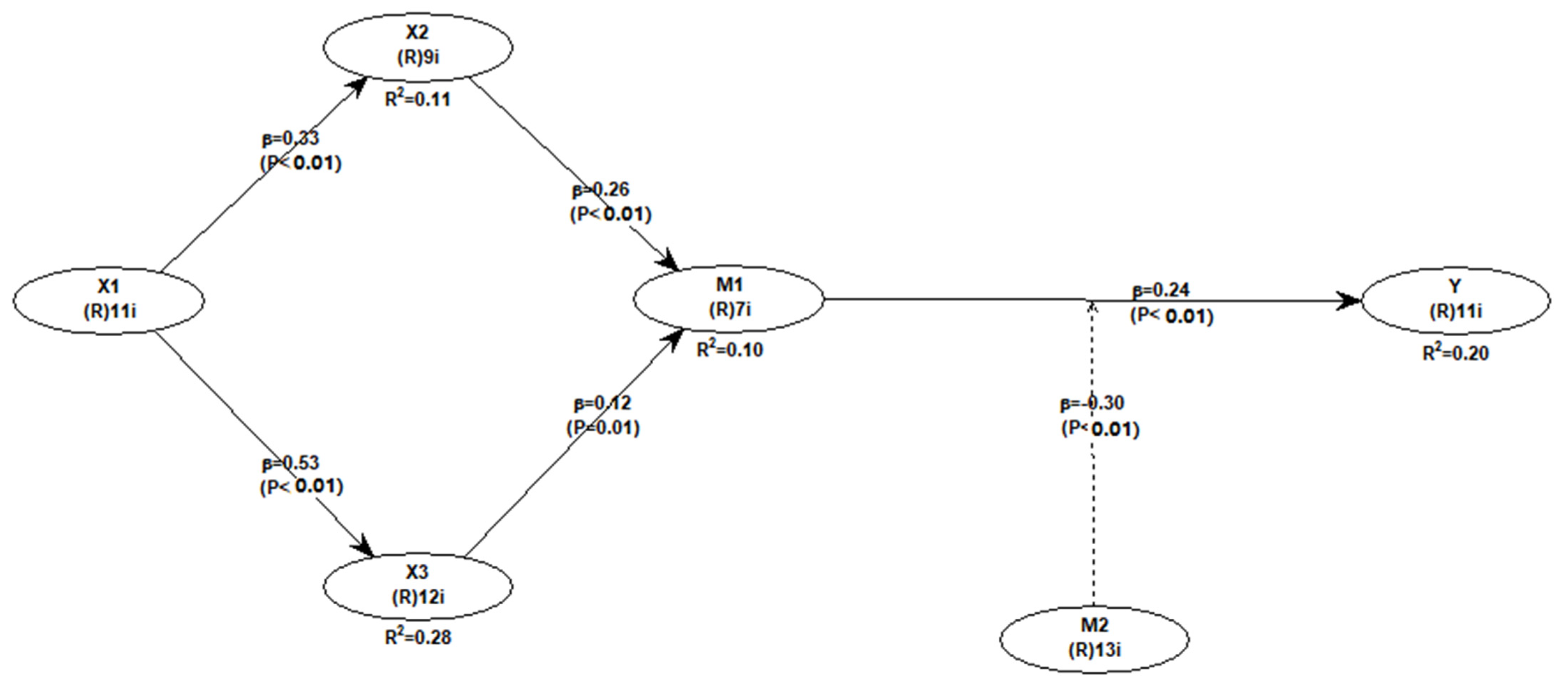
The growth of Indonesia’s automotive sector has increased the number of end-of-life vehicles (ELVs), making ELV waste management a major issue. Most countries, such as Japan, China, and Europe, manage ELV waste well, but developing countries still do not. In developing countries, little is known about ELV social admissions. This study analyzes ELV management social acceptance in developing countries. Three hundred nine respondents from Jakarta, Bogor, Depok, Tangerang, and Bekasi (the district in Indonesia) were surveyed in a cross-sectional. A set of questions was designed to determine social acceptance (attitude, knowledge, social influence, institutional trust, health issues, and acceptance). After passing validity and reliability tests, the hypothesized research model was estimated using structural equitation. According to this study, social influence, attitude, knowledge, institutional trust, and health issues influenced public acceptance. The health issues variable was also a good moderator (Adj. R2 = 0.173, p < 0.001, average path coefficient = 0.299). The analysis of social acceptance models related to ELV management found that social influence, attitude, knowledge, and institutional trust play a role in one’s desire to accept a new rule, and health issues can strengthen a person in the admission process.
Keywords: attitude; end-of-life vehicles; institutional trust; knowledge; social influence; solid waste management attitude; end-of-life vehicles; institutional trust; knowledge; social influence; solid waste management