Article

Techno-Economic Analysis and Optimisation of Campus Grid-Connected Hybrid Renewable Energy System Using HOMER Grid


by
T. M. I. Riayatsyah
1,*,
T. A. Geumpana
2,
I. M. Rizwanul Fattah
3,
Samsul Rizal
4 and
T. M. Indra Mahlia
3,5,*
1
Mechanical Engineering Program, Institut Teknologi Sumatera (ITERA), South Lampung 35365, Indonesia
2
School of Information and Physical Science, University of Newcastle, Newcastle, NSW 2308, Australia
3
Centre for Green Technology, School of Civil and Environmental Engineering, Faculty of Engineering and Information Technology, University of Technology Sydney, Sydney, NSW 2007, Australia
4
Department of Mechanical Engineering, Universitas Syiah Kuala, Banda Aceh 23111, Indonesia
5
Department of Mechanical Engineering, College of Engineering, Universiti Tenaga Nasional, Kajang 43000, Malaysia
*
Authors to whom correspondence should be addressed.
Sustainability 2022, 14(13), 7735; https://doi.org/10.3390/su14137735
Submission received: 20 May 2022 / Revised: 17 June 2022 / Accepted: 22 June 2022 / Published: 24 June 2022
(This article belongs to the Collection Solar Energy Utilization and Sustainable Development)

Abstract

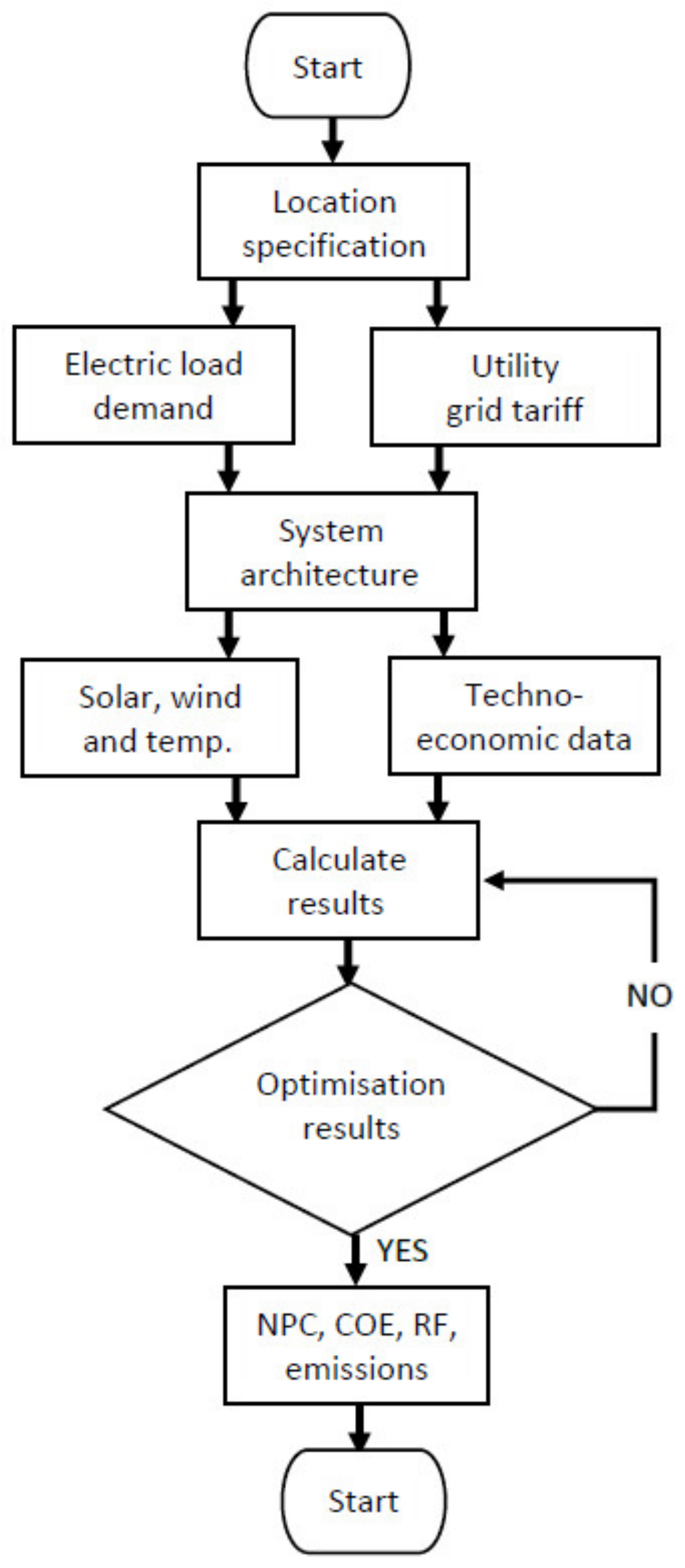
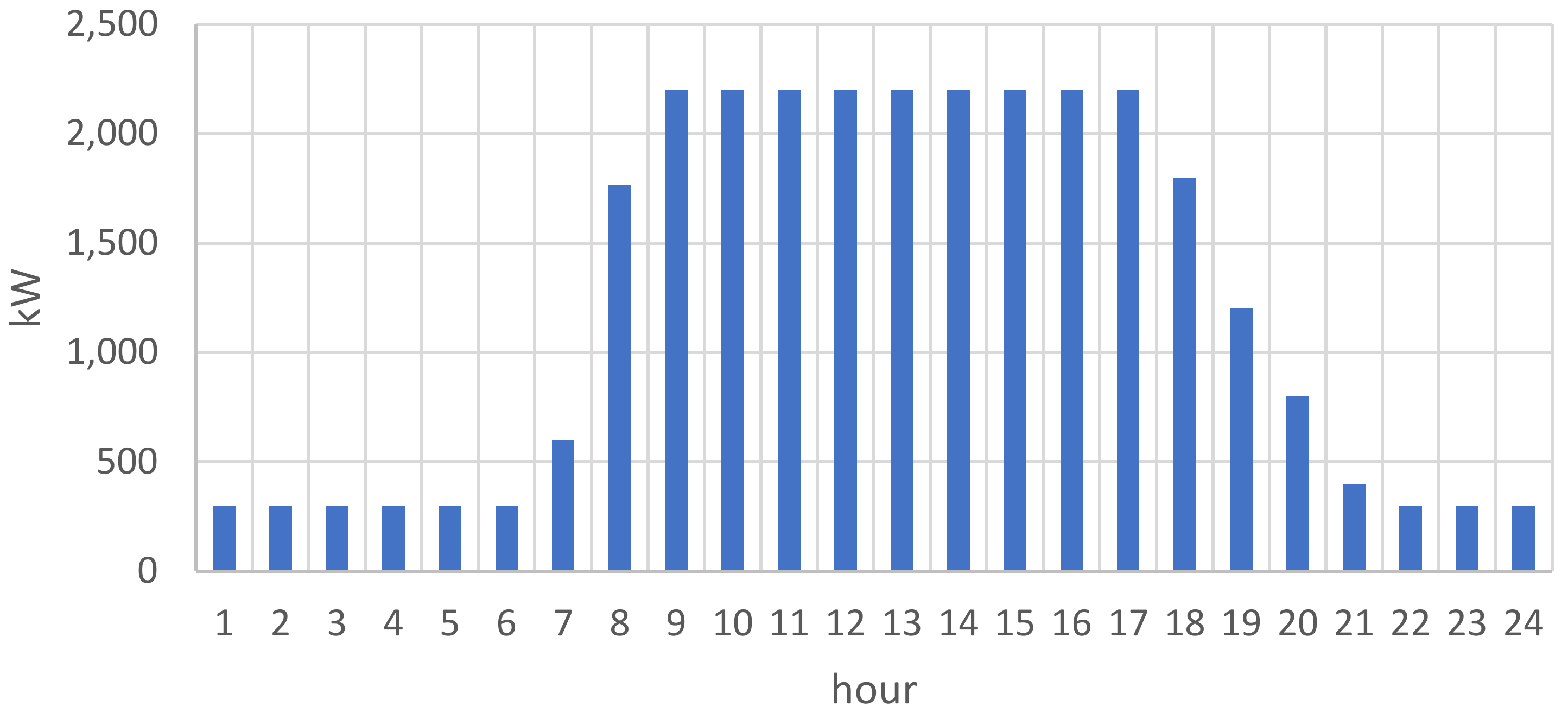
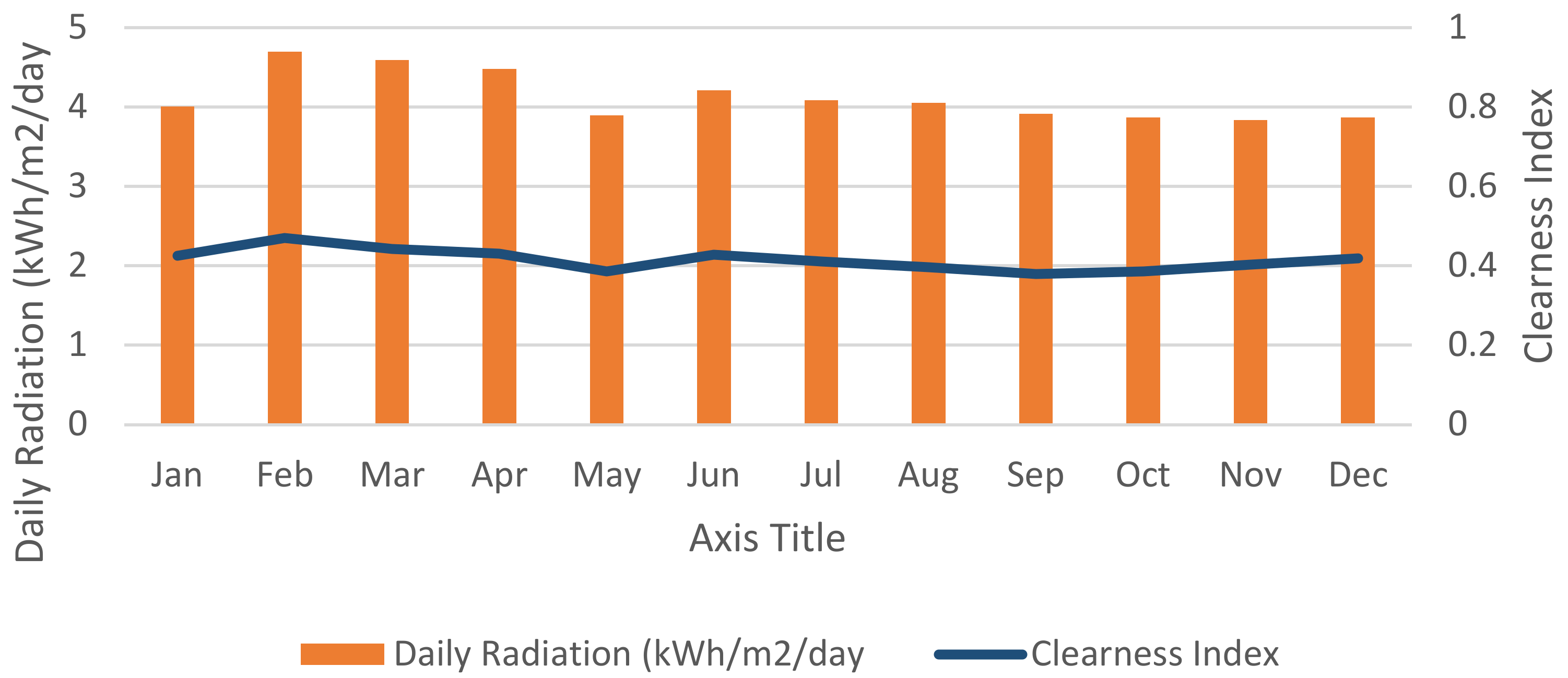
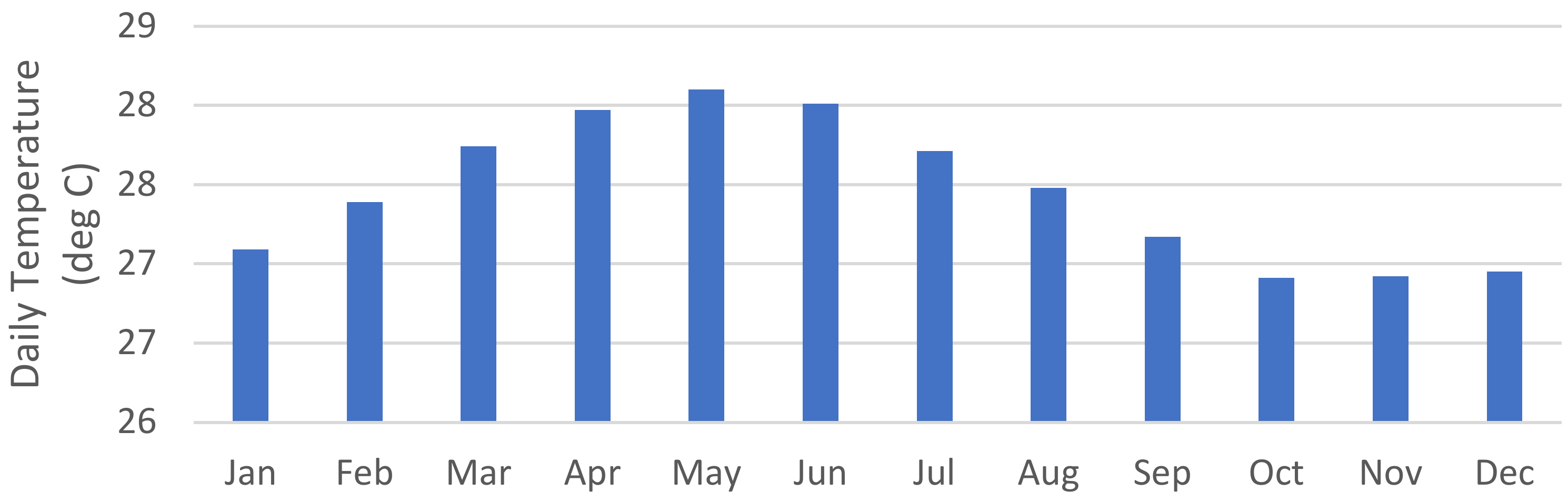
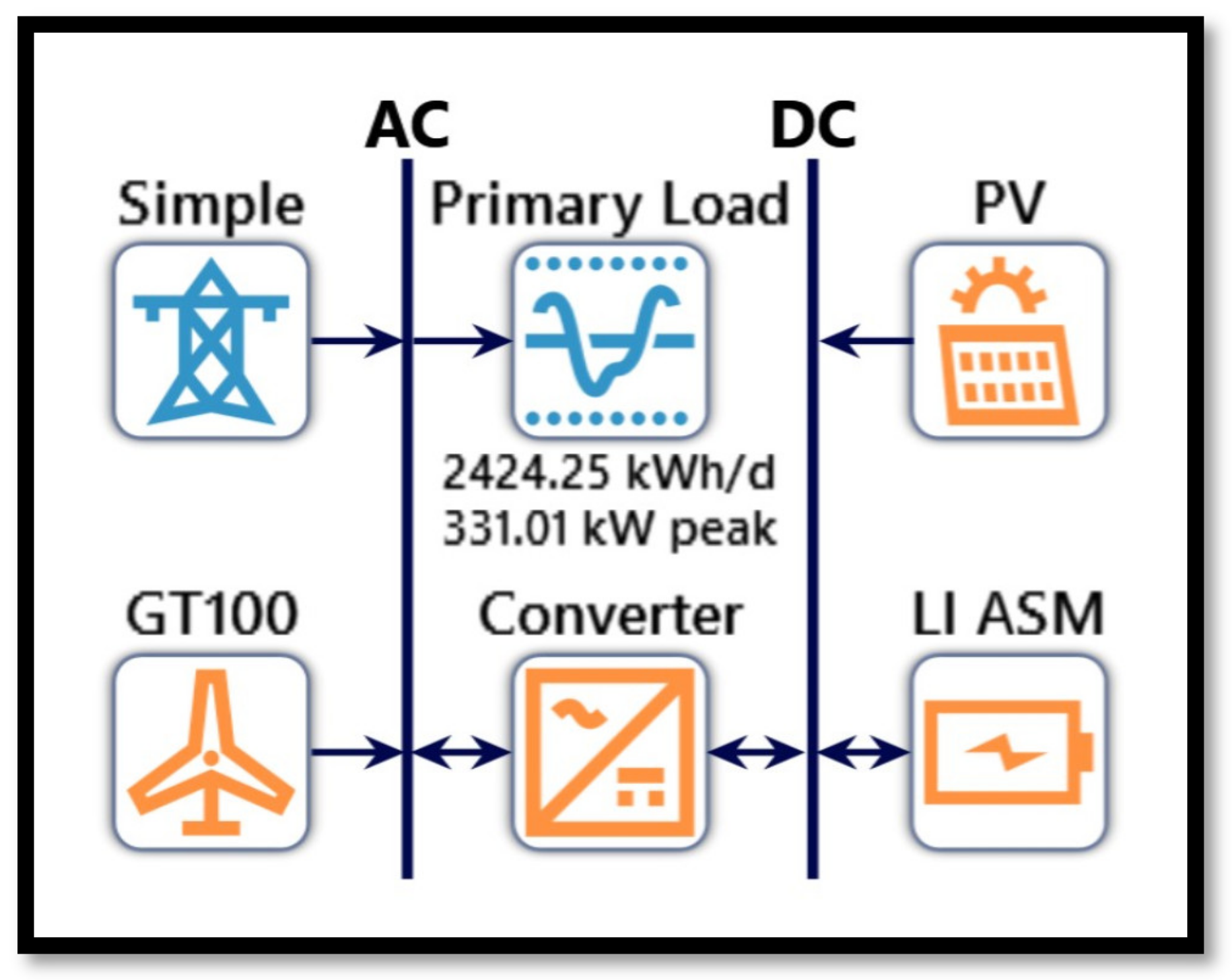
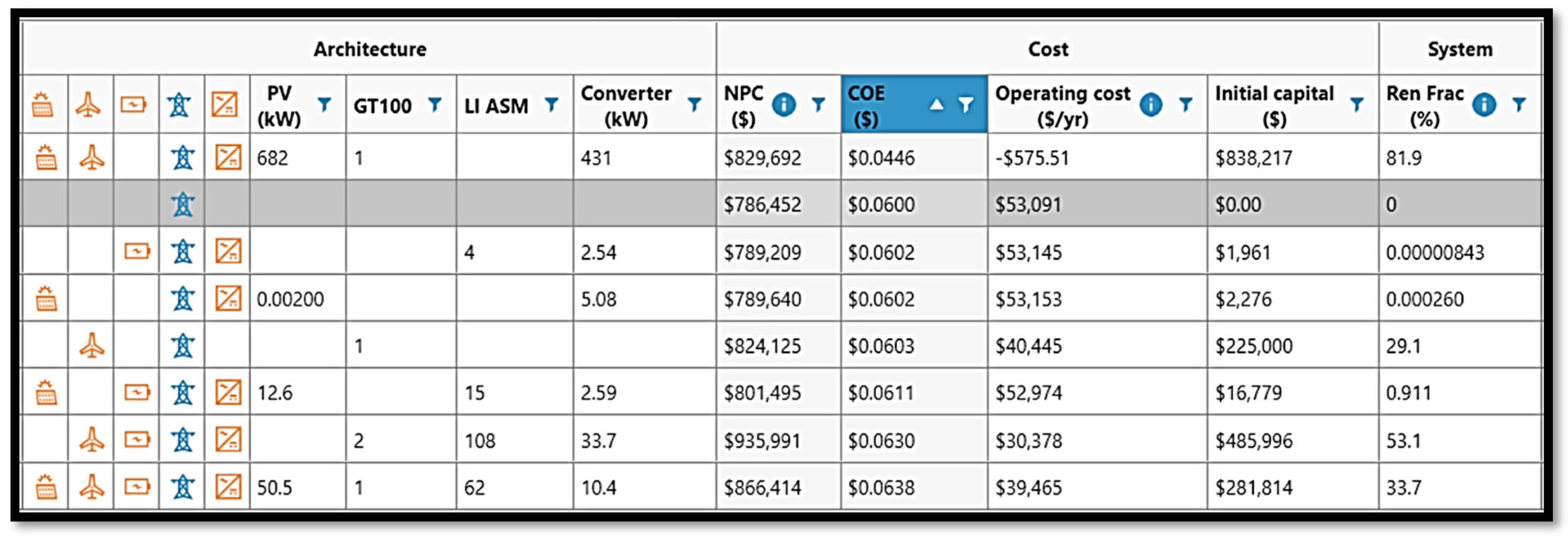
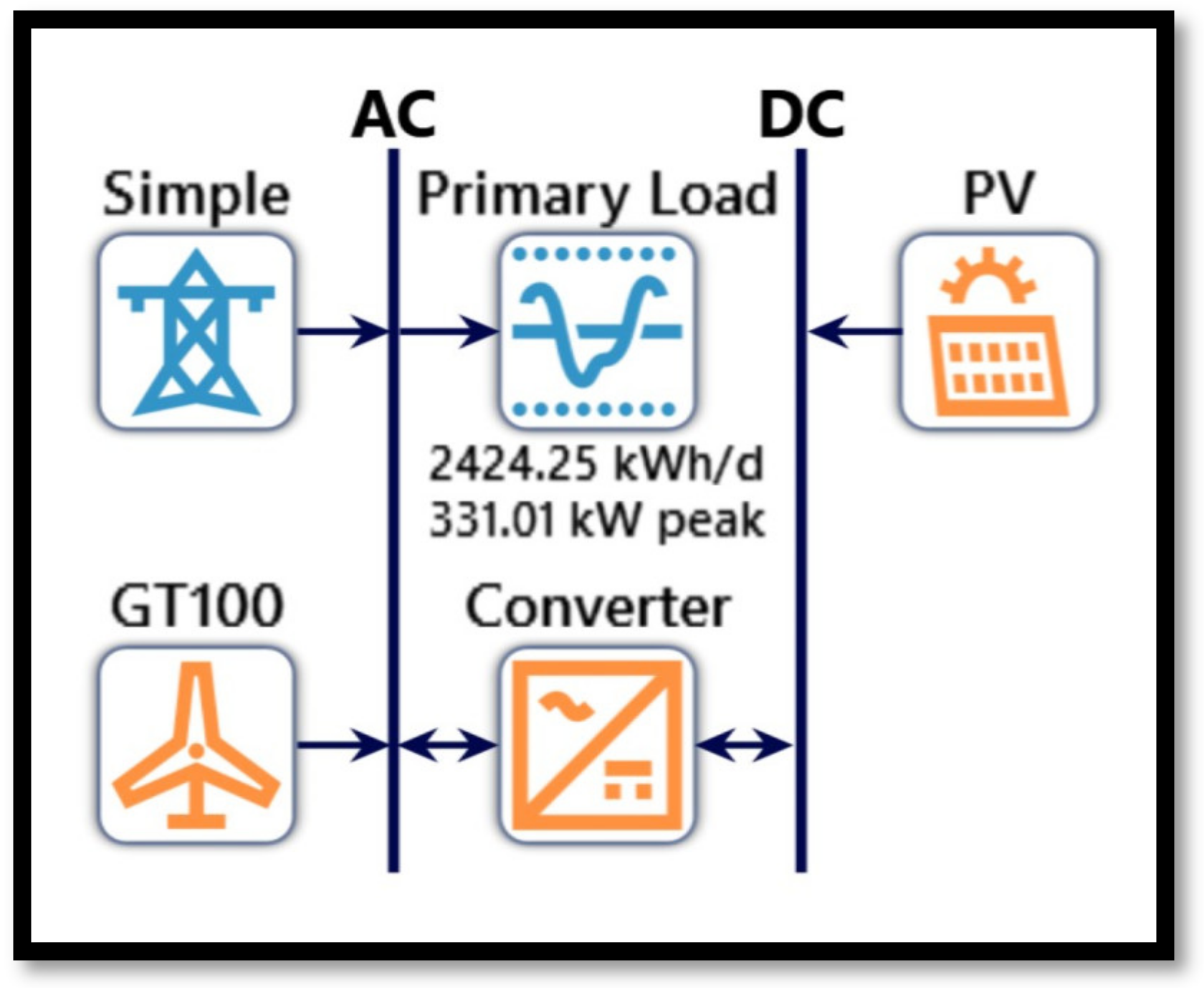
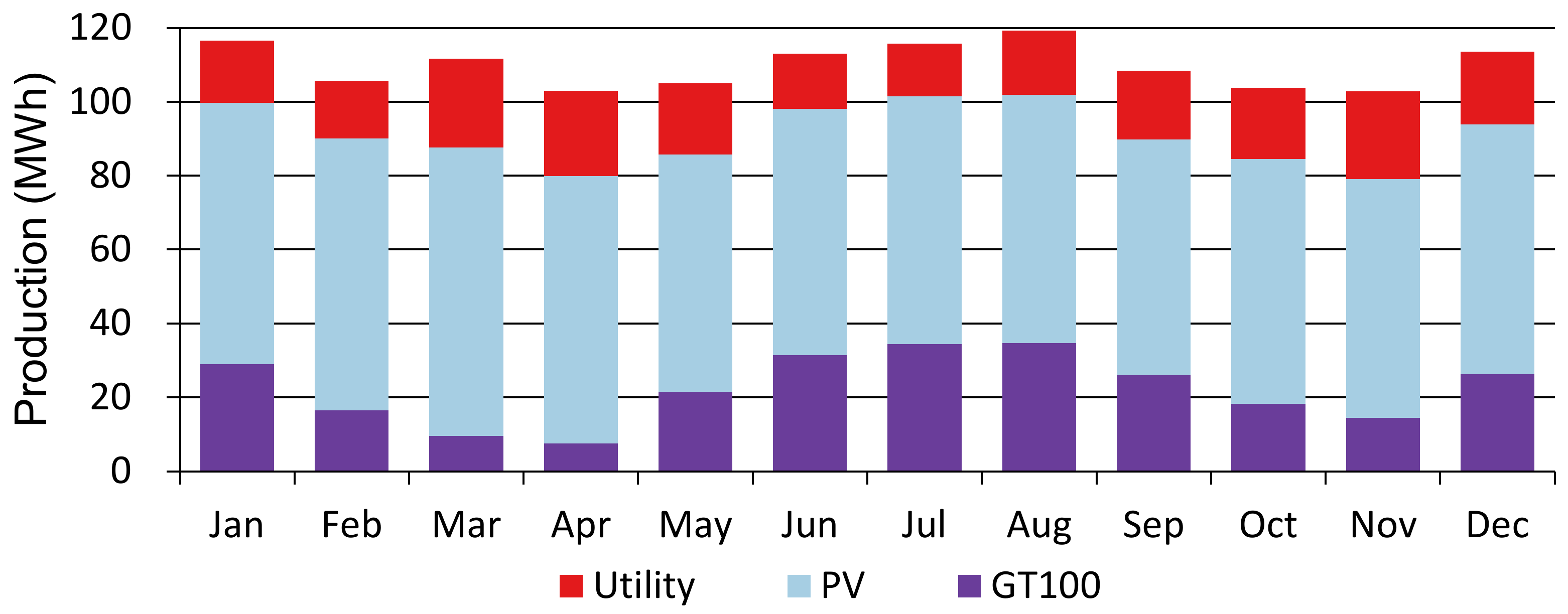
This study aimed to conduct a techno-economic performance and optimisation analysis of grid-connected PV, wind turbines, and battery packs for Syiah Kuala University, situated at the tip of Sumatra island in the tsunami-affected region. The simulation software Hybrid Optimisation Model for Electric Renewables (HOMER) was used to analyse and optimise the renewable energy required by the institution. The methodology began with the location specification, average electric load demand, daily radiation, clearness index, location daily temperature, and system architecture. The results revealed that the energy storage system was initially included in the simulation, but it was later removed in order to save money and optimise the share of renewable energy. Based on the optimisation results, two types of energy sources were chosen for the system, solar PV and wind turbine, which contributed 62% and 20%, respectively. Apart from the renewable energy faction, another reason for the system selection is cost of energy (CoE), which decreased to $0.0446/kWh from $0.060/kWh. In conclusion, the study found that by connecting solar PV and wind turbines to the local grid, this renewable energy system is able to contribute up to 82% of the electricity required. However, the obstacle to implementing renewable energy in Indonesia is the cheap electricity price that is mainly generated using cheap coal, which is abundantly available in the country.
Keywords: techno-economic analysis; grid-connected; wind turbine; HOMER grid; emission mitigation techno-economic analysis; grid-connected; wind turbine; HOMER grid; emission mitigation