Article

Fly Ash from Thermal Conversion of Sludge as a Cement Substitute in Concrete Manufacturing
by
Gabriela Rutkowska
1,
Marek Chalecki
1,* and
Mariusz Żółtowski
2
1
Institute of Civil Engineering, Warsaw University of Life Sciences (SGGW), 02-776 Warszawa, Poland
2
Water Center of Warsaw University of Life Sciences (SGGW), 02-776 Warszawa, Poland
*
Author to whom correspondence should be addressed.
Sustainability 2021, 13(8), 4182; https://doi.org/10.3390/su13084182
Submission received: 12 March 2021 / Revised: 6 April 2021 / Accepted: 6 April 2021 / Published: 9 April 2021
(This article belongs to the Special Issue Strategies toward a Green Deal and Circular Economy)

Abstract

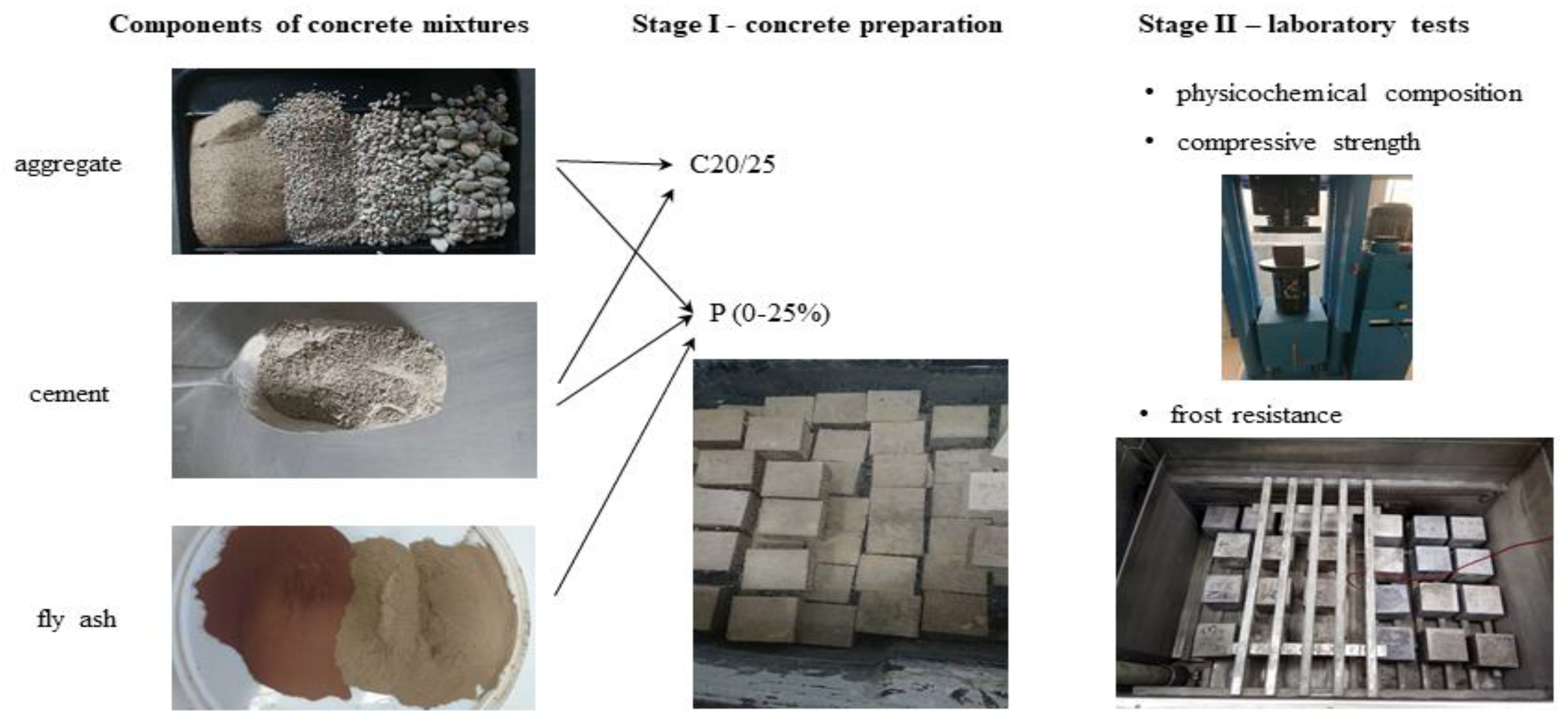
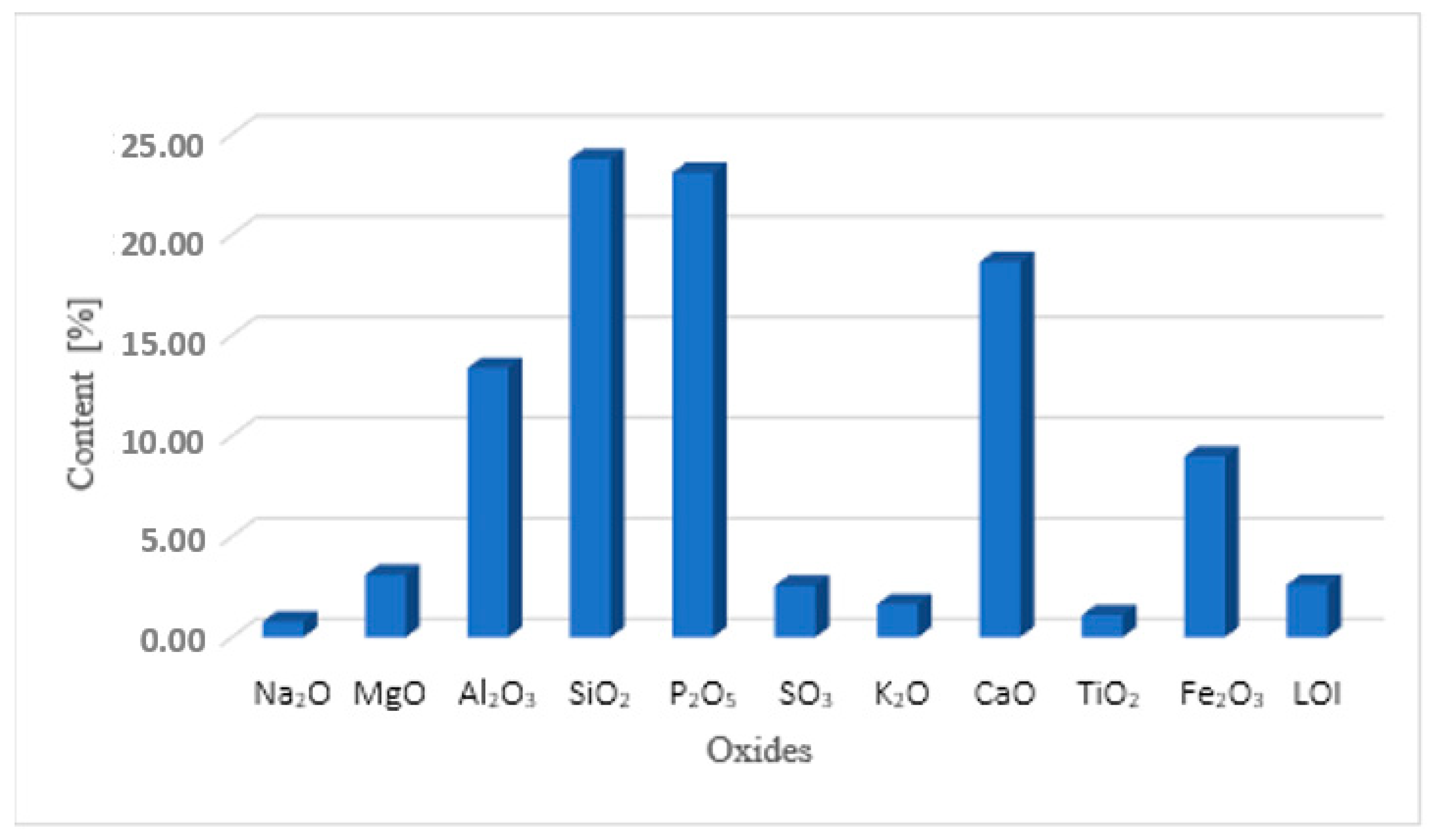
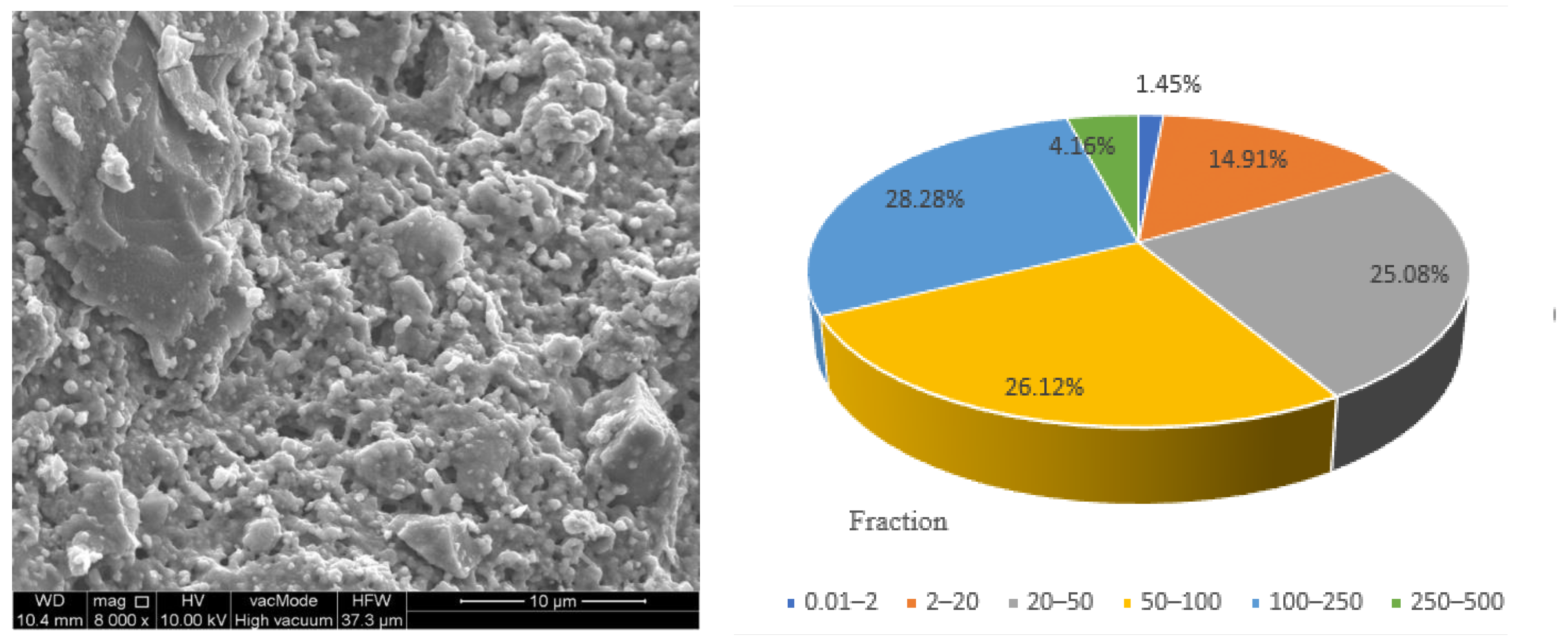
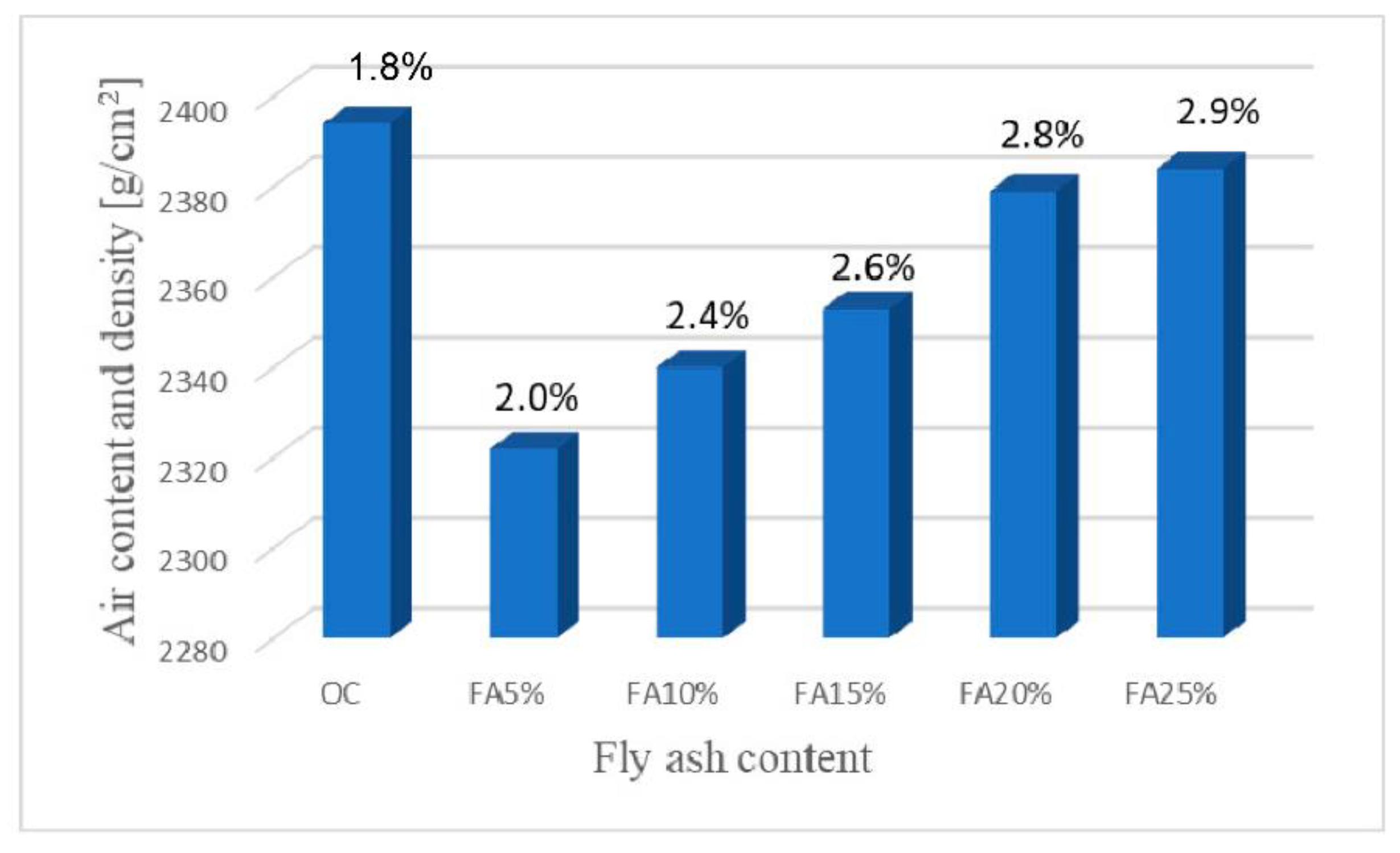
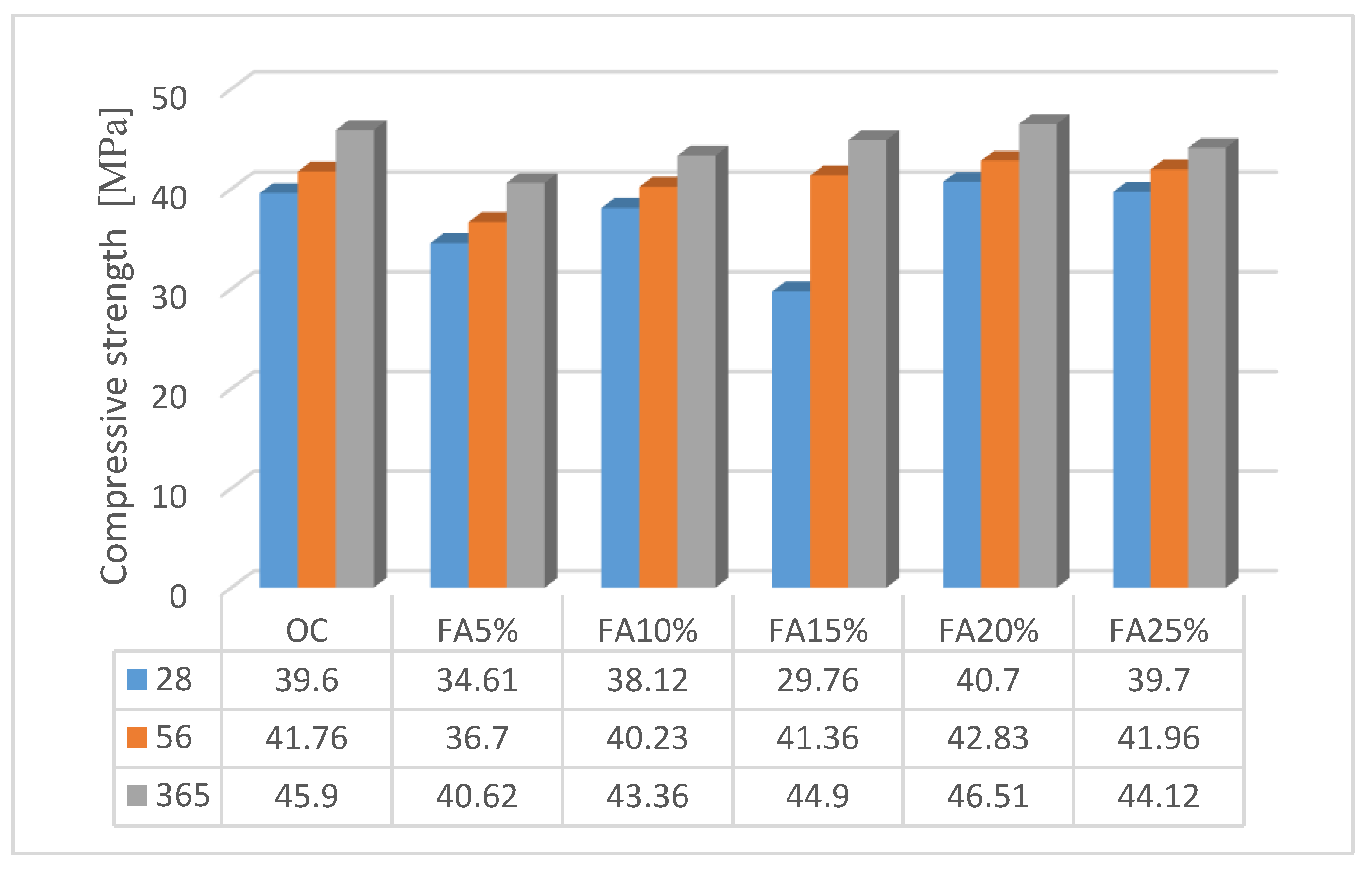
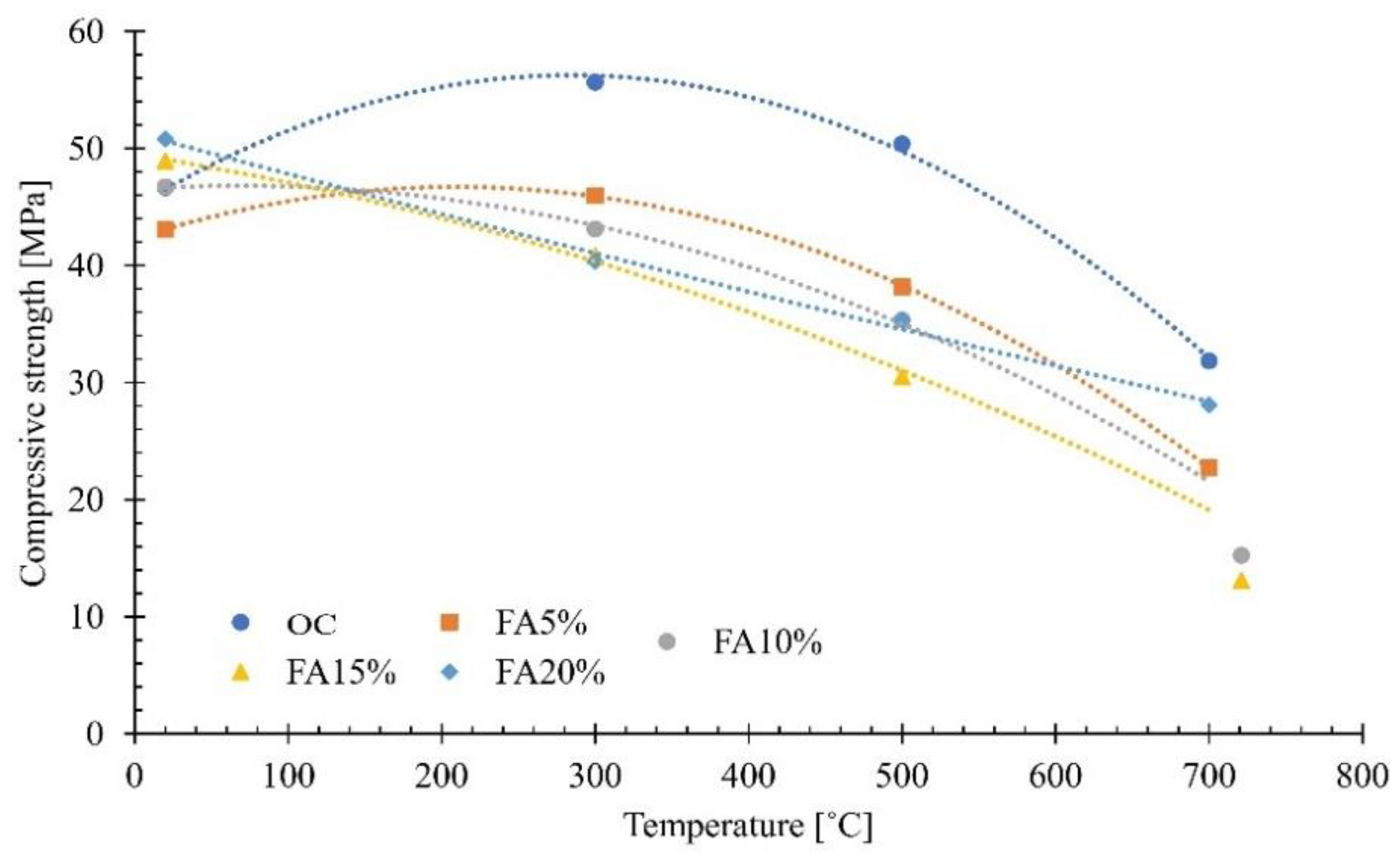
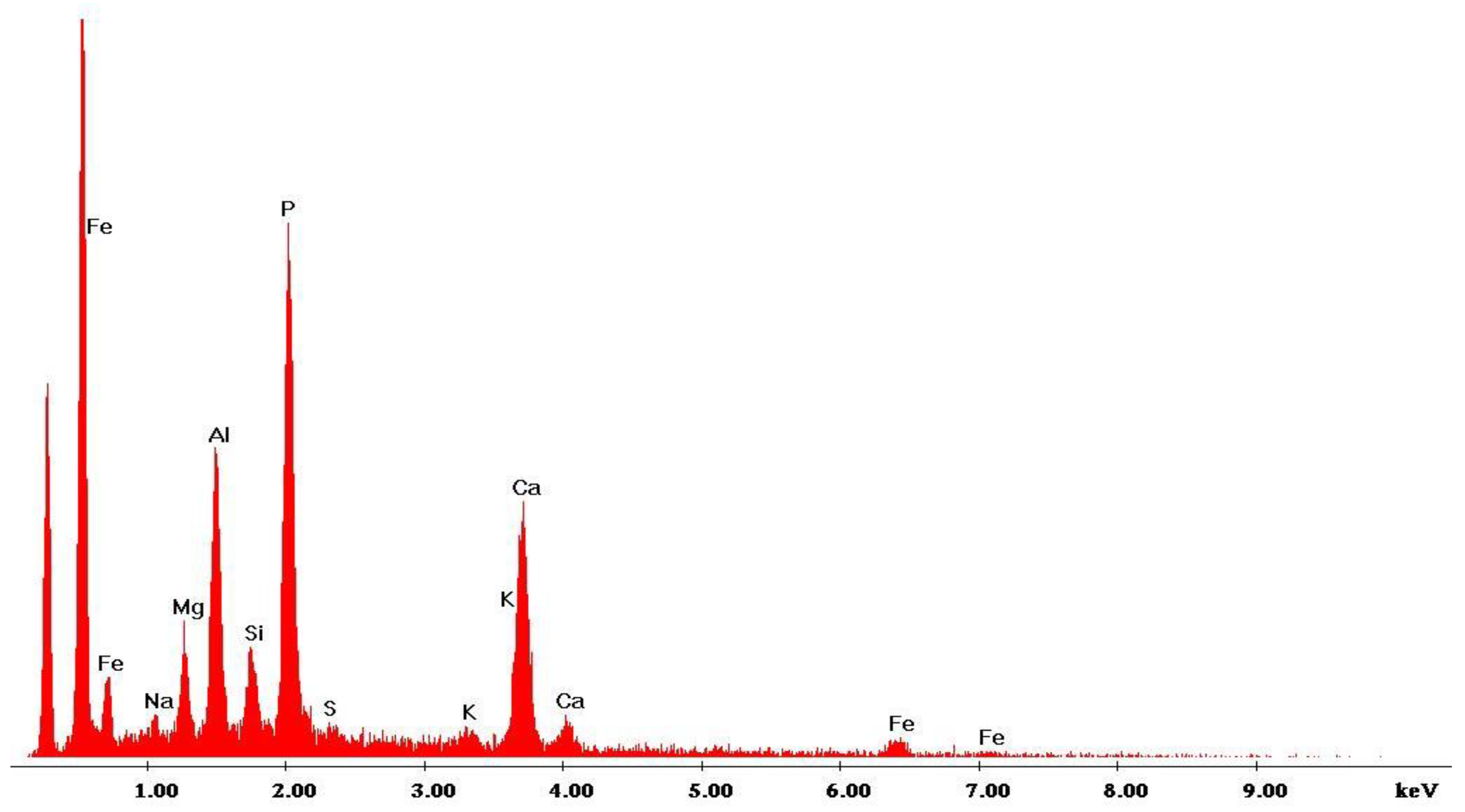
Striving for reduction of production costs and constraints on natural resources cause the use of waste materials as substitutes of traditional raw materials to become increasingly important. Dynamic development of sewerage systems and sewage treatment plants observed over the recent years leads to increase of mass of the produced sewage sludge. According to the Waste Law, the municipal sewage sludge can be used if it is properly stabilized, e.g., through thermal processing. This process results in significant quantities of fly ash which must be properly utilized. The paper presents results of investigations of influence of partial replacement of cement by the fly ash from sewage sludge on concrete parameters. It was designed as a C20/25 class concrete mix, based on the Portland cement CEM I 42.5R with various ash content. Physical and chemical properties of the ash as well as frost resistance and the compressive strength of the concrete after 28, 56 and 365 days of curing were investigated. The obtained results of investigations confirm the possibility of application of fly ash wastes as a cement substitute in the concrete manufacturing. If a predefined quantity of cement is replaced by the fly ash, then one can obtain cement composite with good strength parameters.
Keywords: concrete; cement; sewage sludge fly ash; properties concrete; cement; sewage sludge fly ash; properties