Article

Analysis of Microbial Communities in Aged Refuse Based on 16S Sequencing
1
Department of Land Resource Management, School of Public Administration, Shanxi University of Finance and Economics, Taiyuan 030012, China
2
College of Life Science, Shanxi Normal University, Linfen 710062, China
*
Author to whom correspondence should be addressed.
Sustainability 2021, 13(8), 4111; https://doi.org/10.3390/su13084111
Submission received: 18 January 2021 / Revised: 26 March 2021 / Accepted: 29 March 2021 / Published: 7 April 2021

Abstract

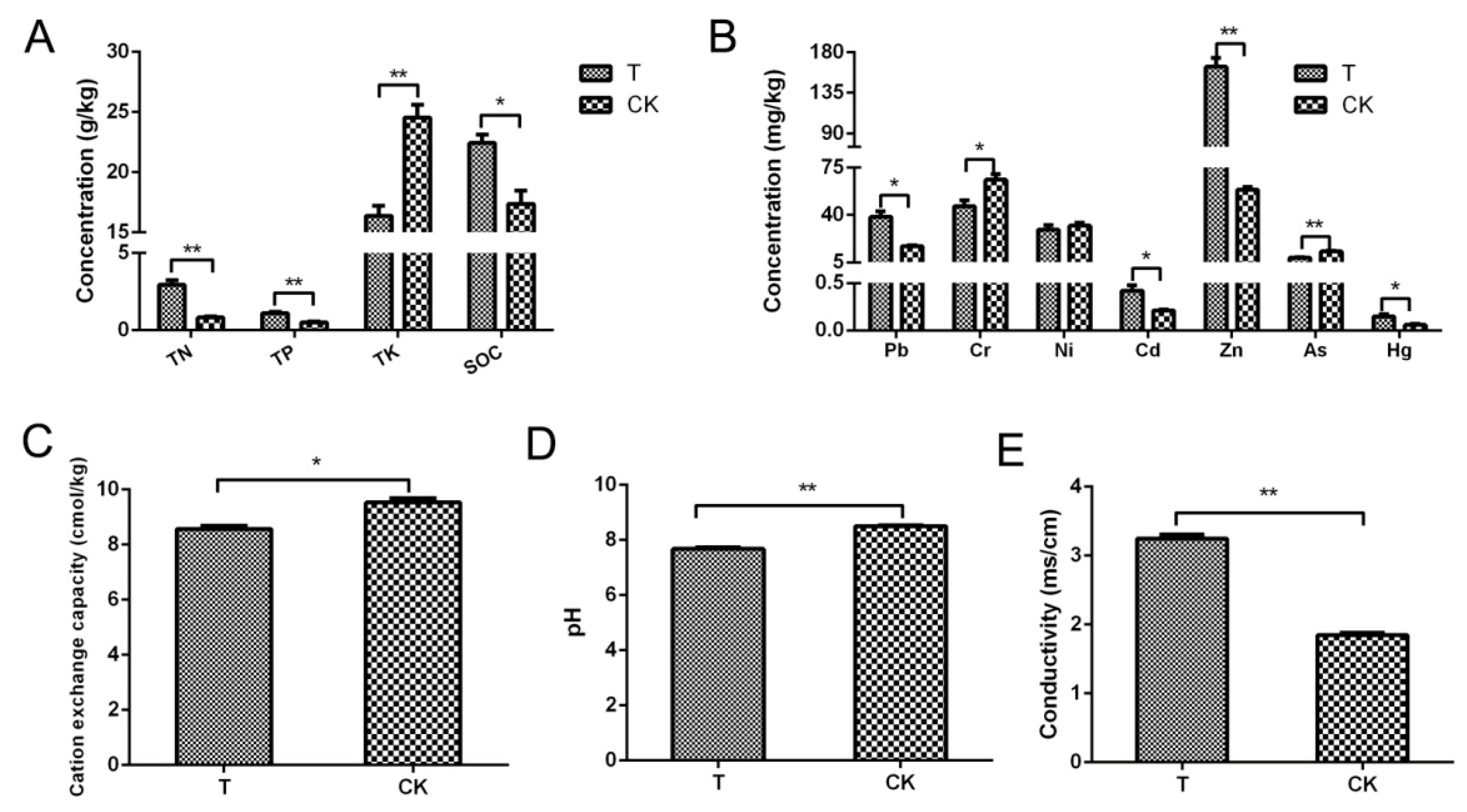
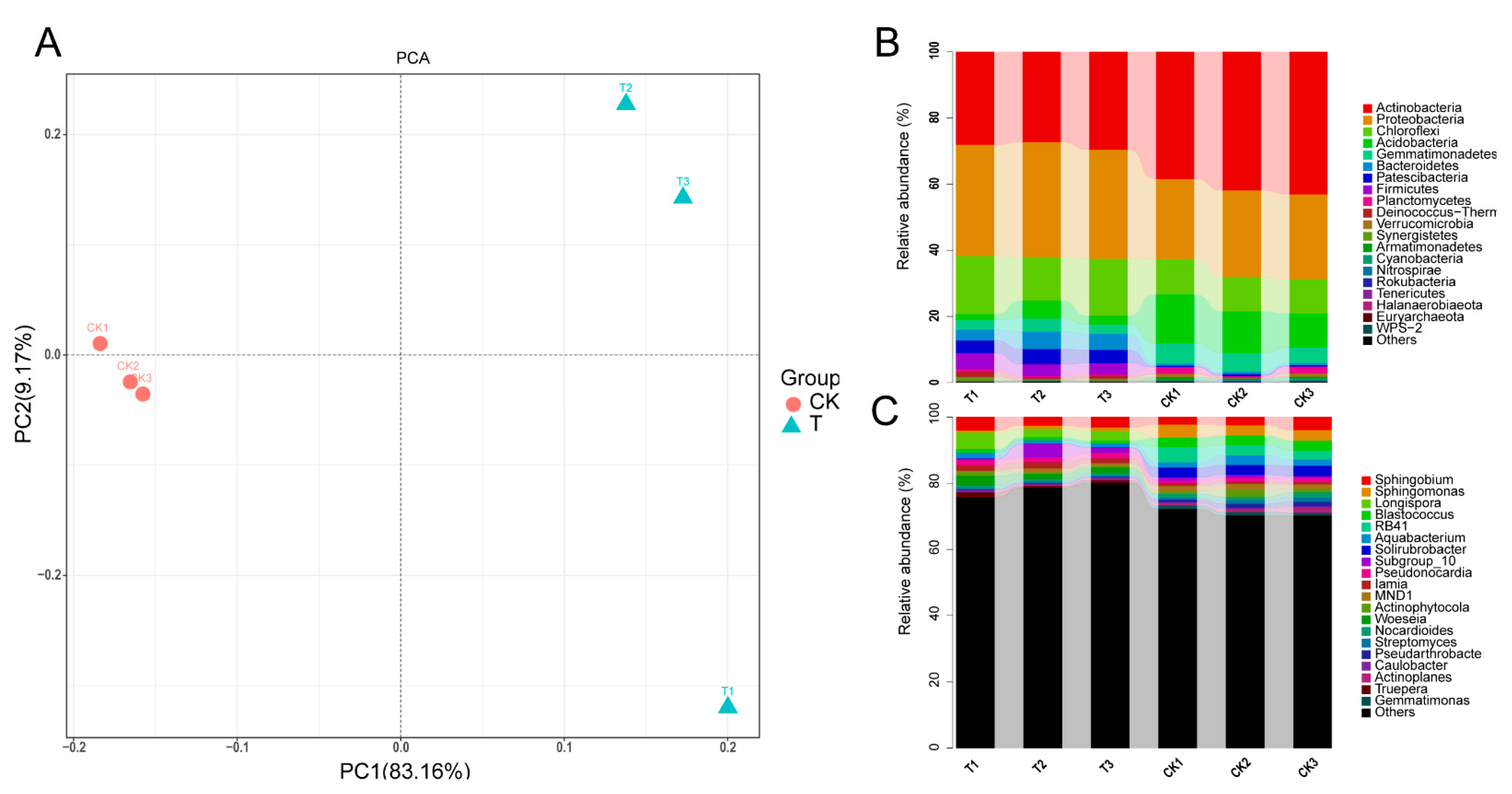
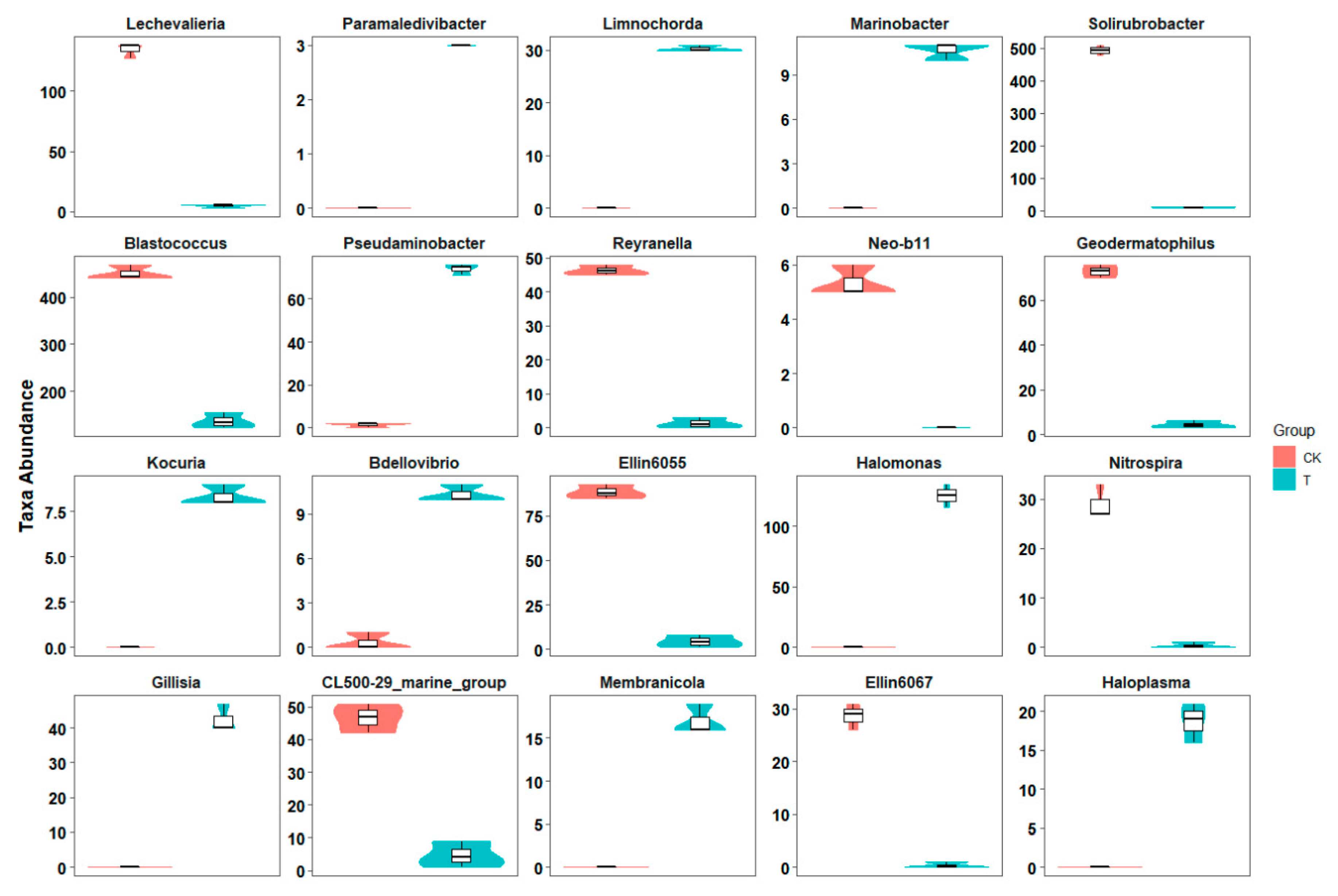
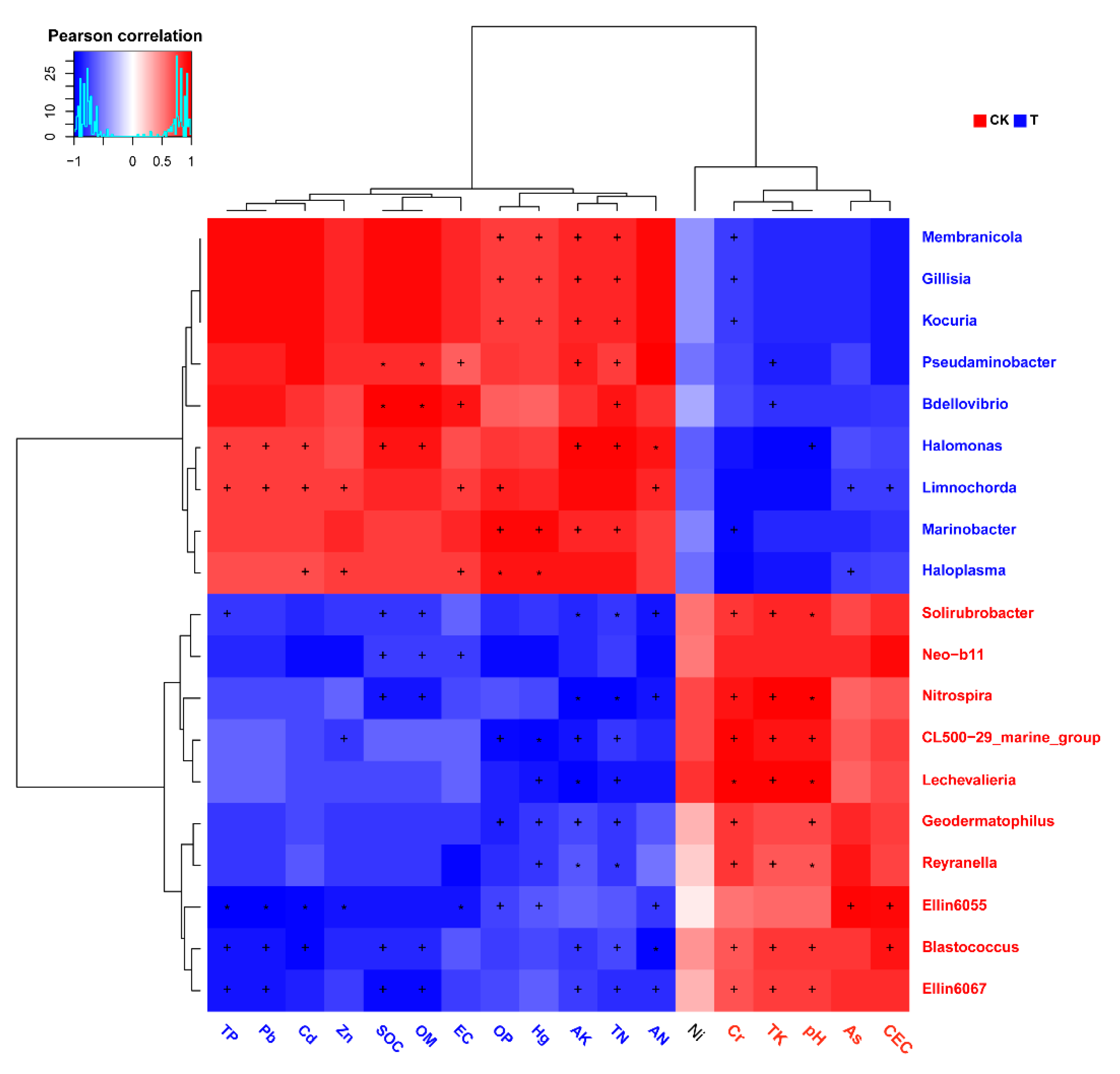
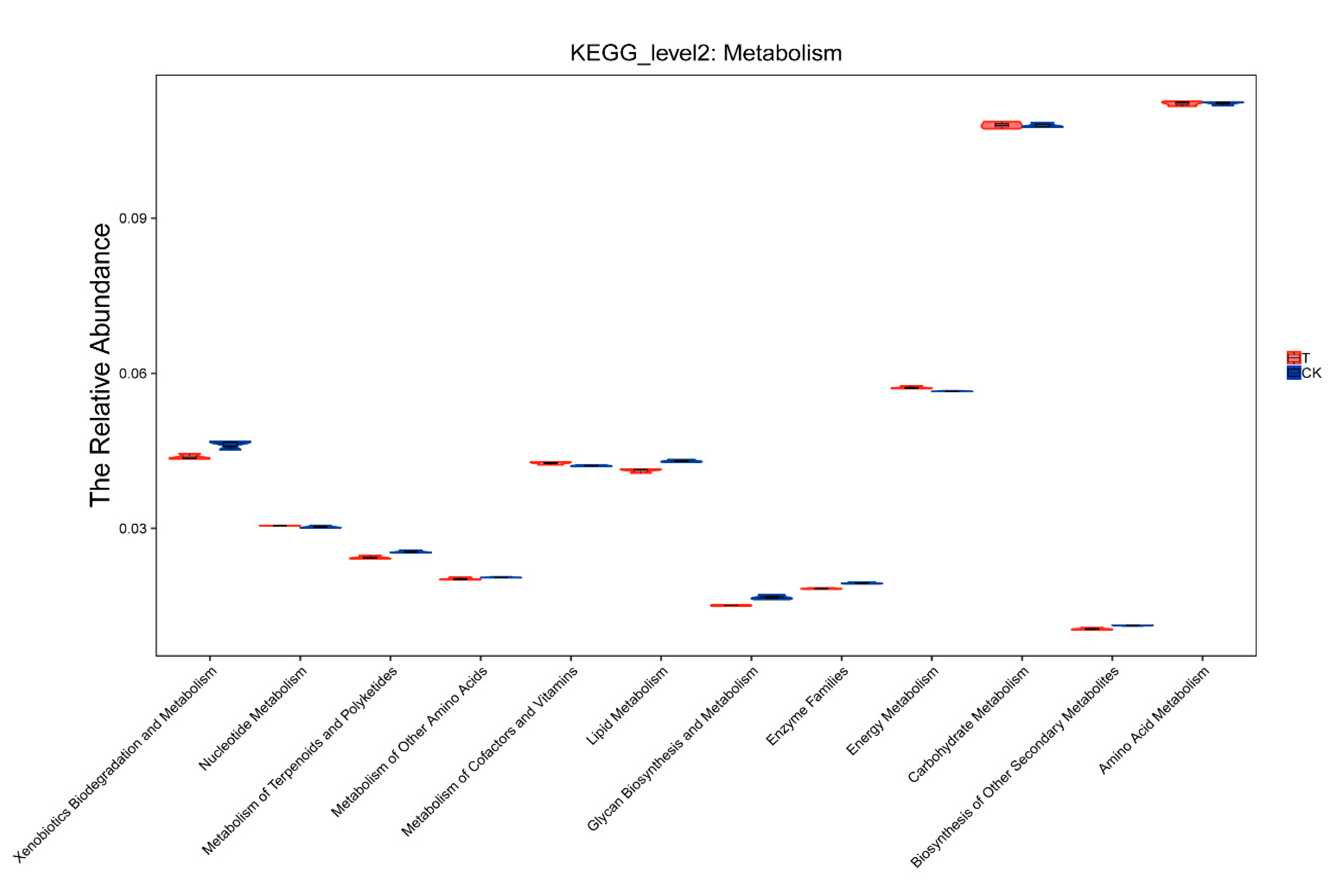
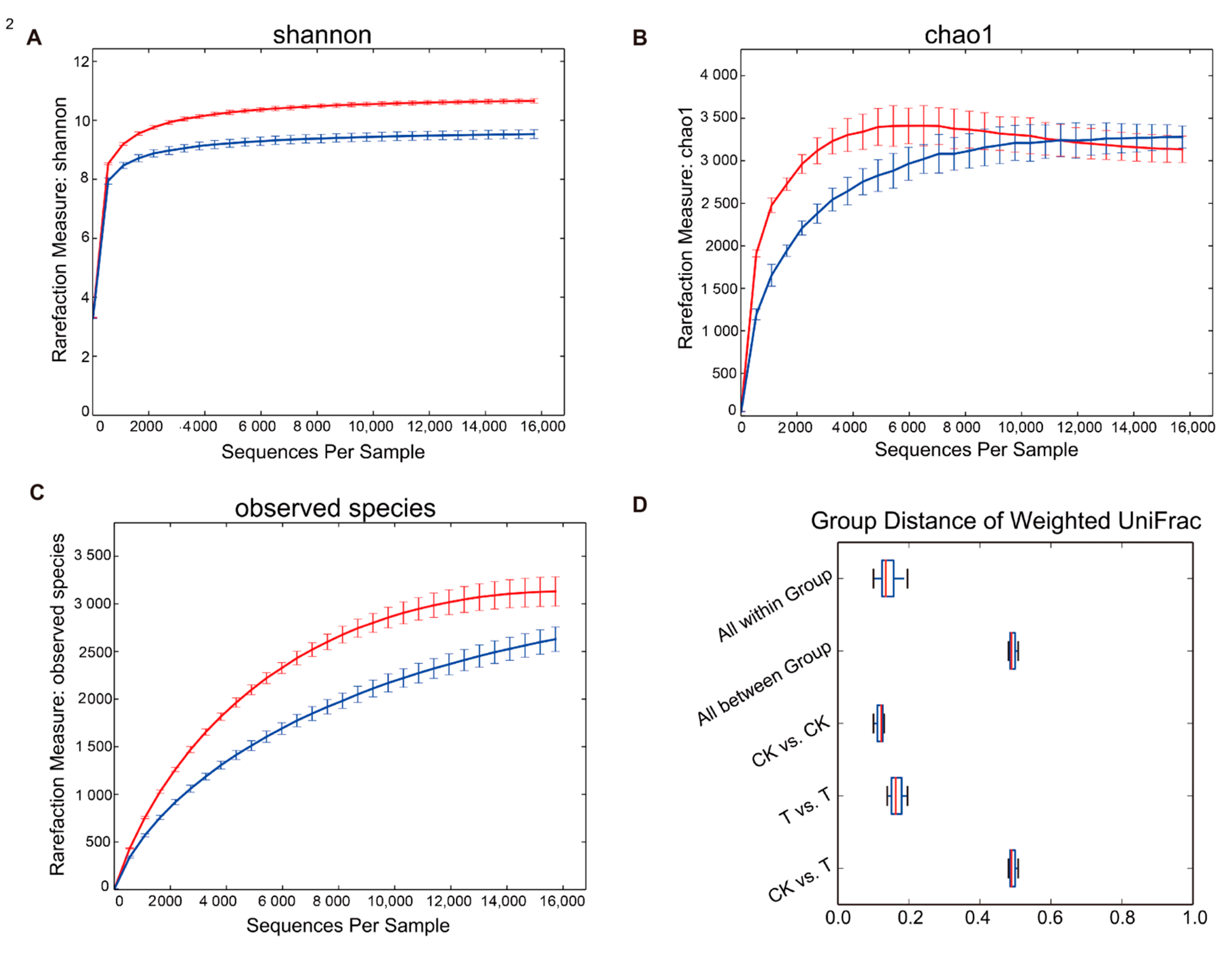
Aged refuse is widely considered to have certain soil fertility. 16S rRNA amplicon sequencing is used to investigate the microbial community of aged refuse. The aged refuse is found to contain higher soil fertility elements (total nitrogen, total phosphorus, total potassium, etc.) and higher concentrations of heavy metals (Pb, Cd, Zn, and Hg). Taxonomy based on operational taxonomic units (OTUs) shows that Actinobacteria, Proteobacteria, Chloroflexi, Acidobacteria, and Gemmatimonadetes are the main bacterial phyla in the two soils and there is a palpable difference in the microbial community composition between the two groups of samples. The genera Paramaledivibacter, Limnochorda, Marinobacter, Pseudaminobacter, Kocuria, Bdellovibrio, Halomonas, Gillisia, and Membranicola are enriched in the aged refuse. Functional predictive analysis shows that both the control soil and aged refuse have a high abundance of “carbohydrate metabolism” and “amino acid metabolism”, and show differences in the abundance of several metabolism pathways, such as “xenobiotics biodegradation and metabolism” and “lipid metabolism”. Aged refuse and undisturbed soil show significant differences in alpha diversity and microbial community composition. Multiple environmental factors (Hg, TN, Cr, Cd, etc.) significantly impact microorganisms’ abundance (Marinobacter, Halomonas, Blastococcus, etc.). Our study provides valuable knowledge for the ecological restoration of closed landfills.
Keywords: 16S rRNA amplicon; aged refuse; fertility elements; heavy metals; microbial community; microbial diversity 16S rRNA amplicon; aged refuse; fertility elements; heavy metals; microbial community; microbial diversity