Article

Low Inertia Systems Frequency Variation Reduction with Fine-Tuned Smart Energy Controllers


by
Minas Patsalides
*,
Christina N. Papadimitriou
and
Venizelos Efthymiou
FOSS Research Centre for Sustainable Energy, University of Cyprus, 1678 Nicosia, Cyprus
*
Author to whom correspondence should be addressed.
Sustainability 2021, 13(5), 2979; https://doi.org/10.3390/su13052979
Submission received: 25 December 2020 / Revised: 28 February 2021 / Accepted: 1 March 2021 / Published: 9 March 2021

Abstract

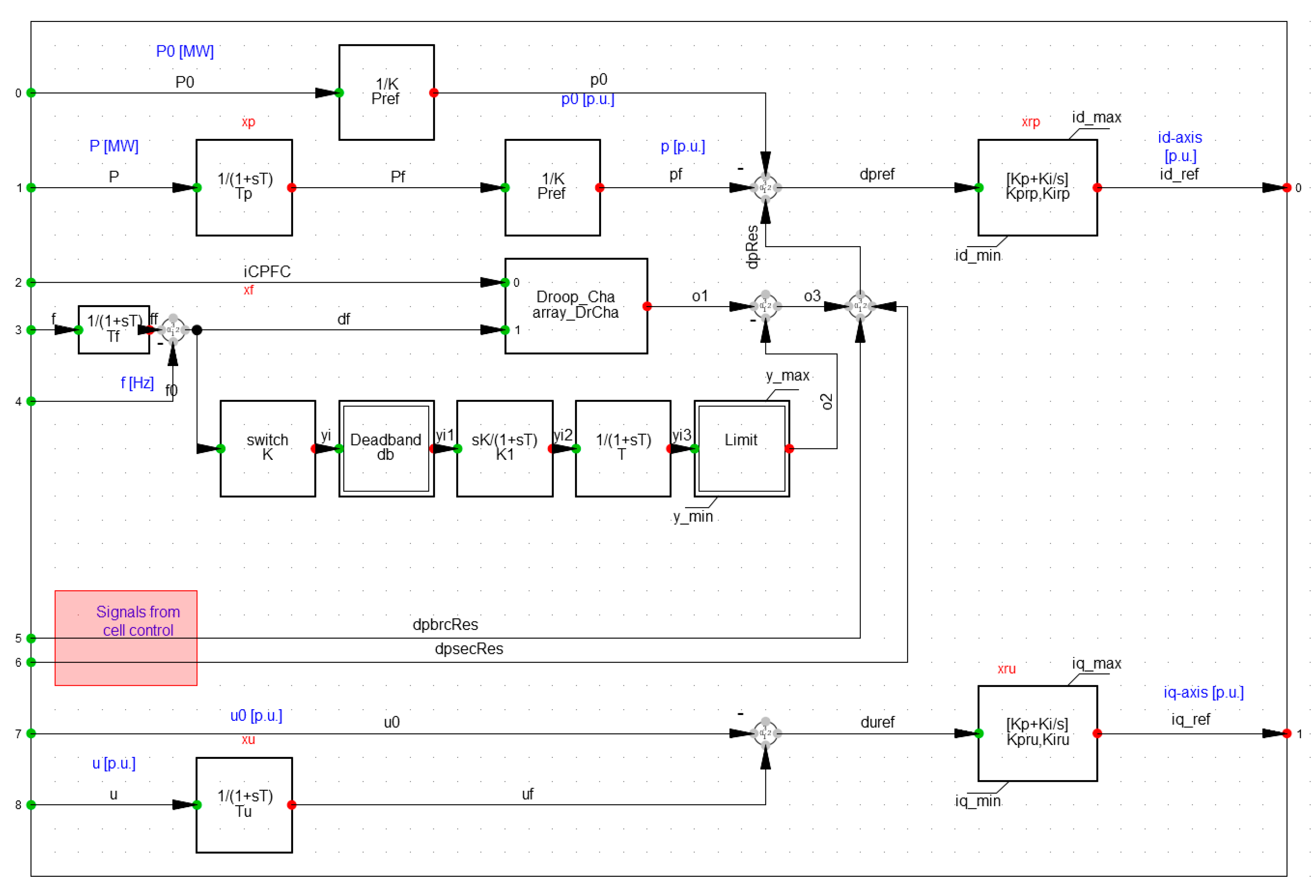
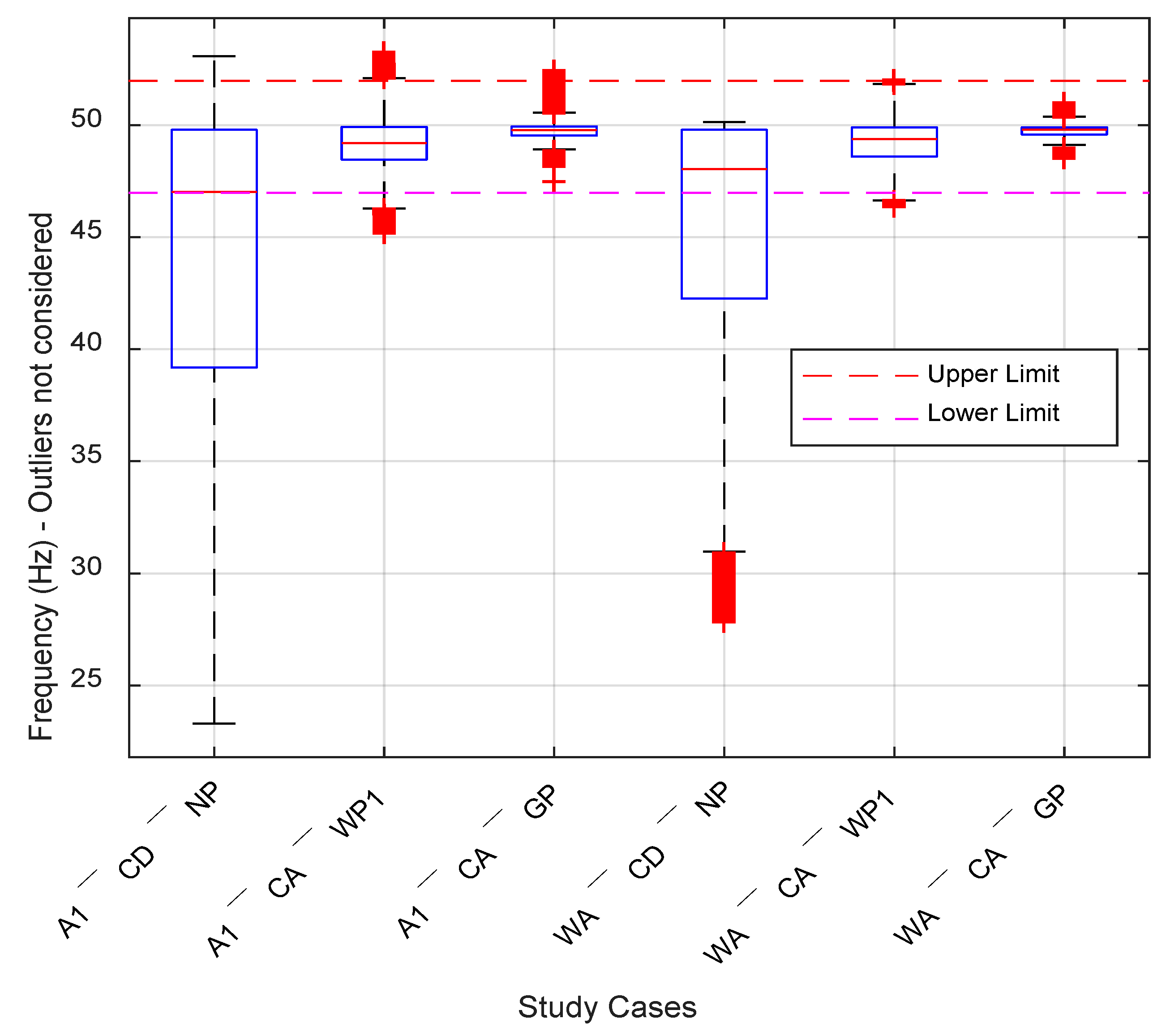
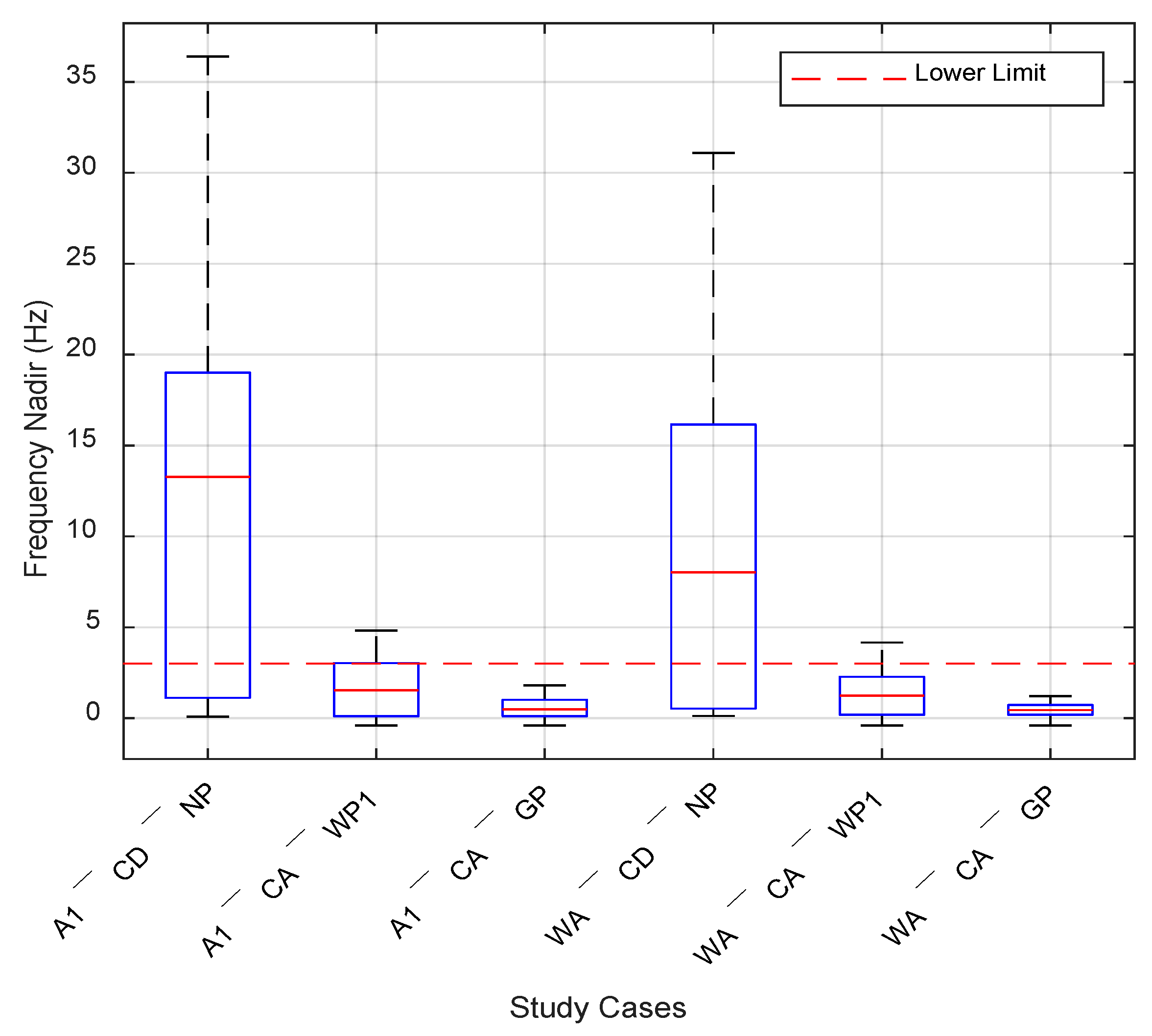
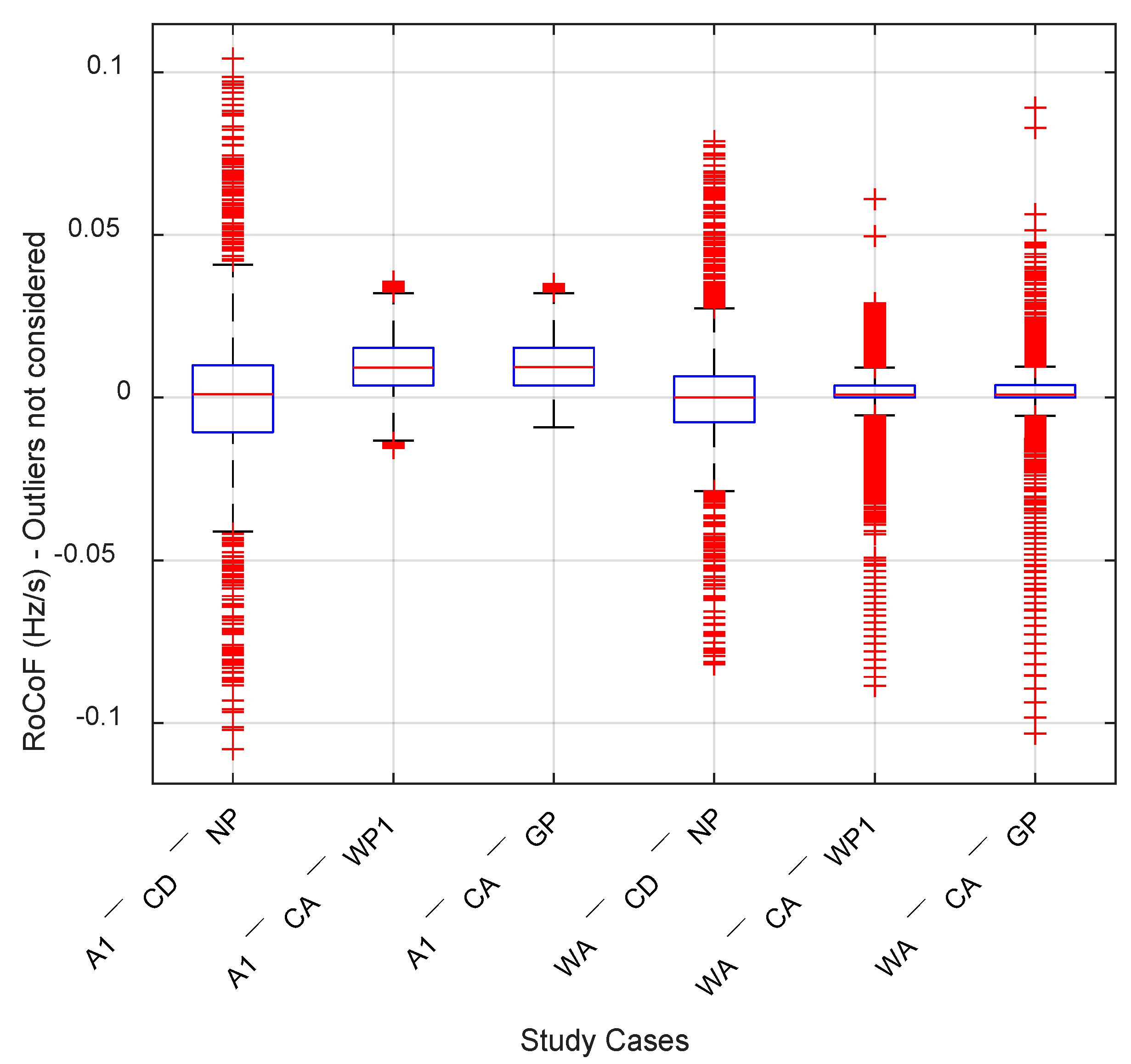
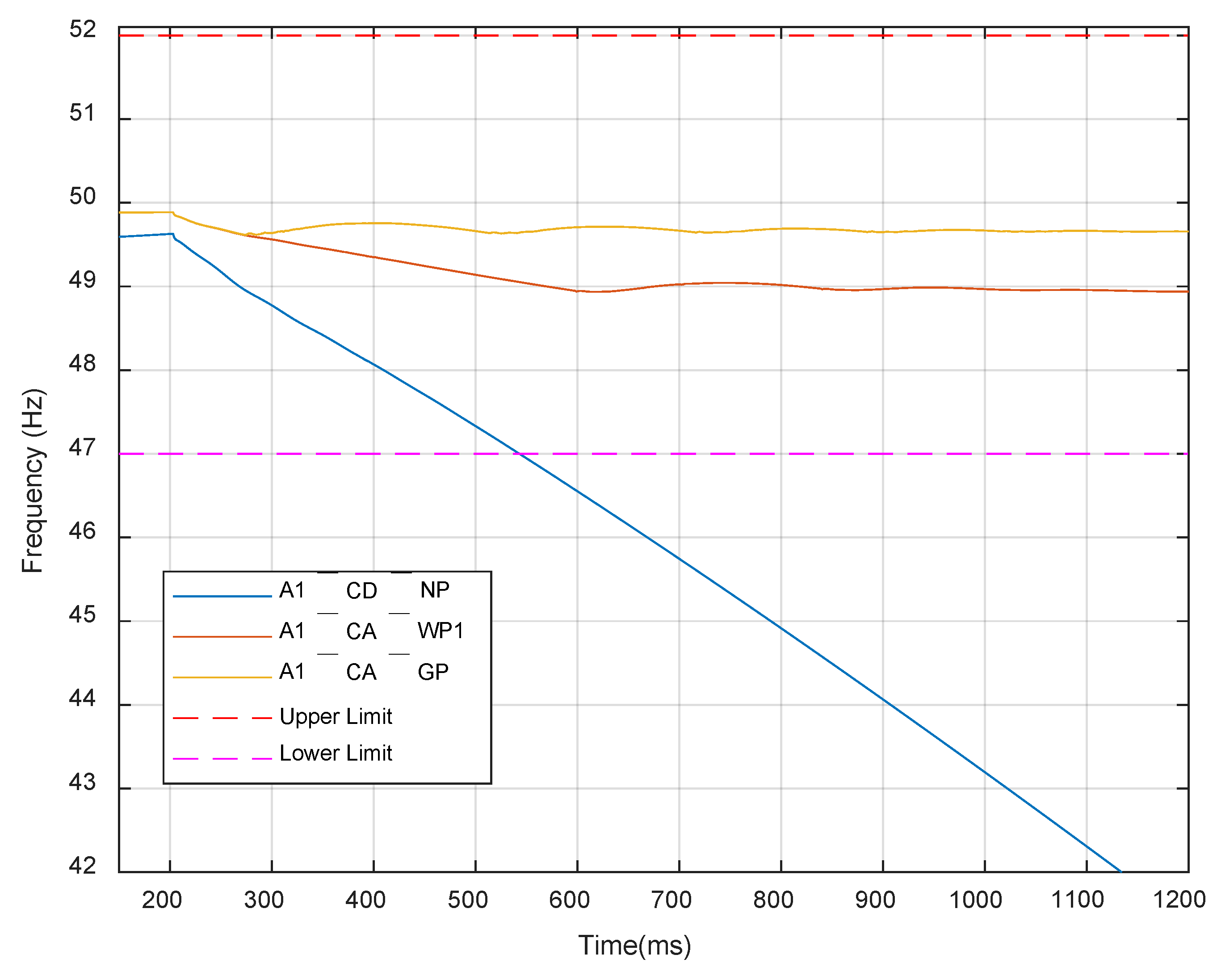
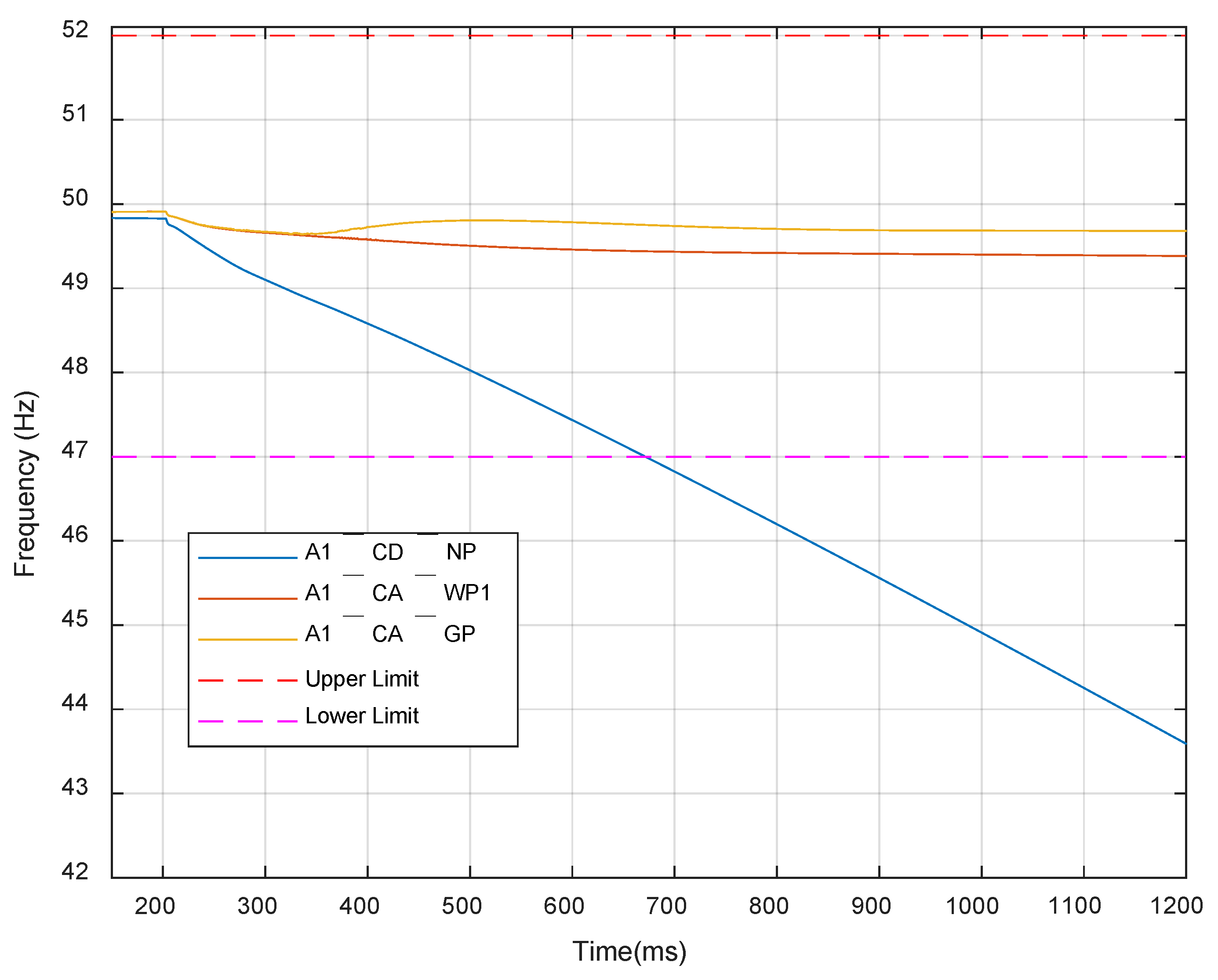
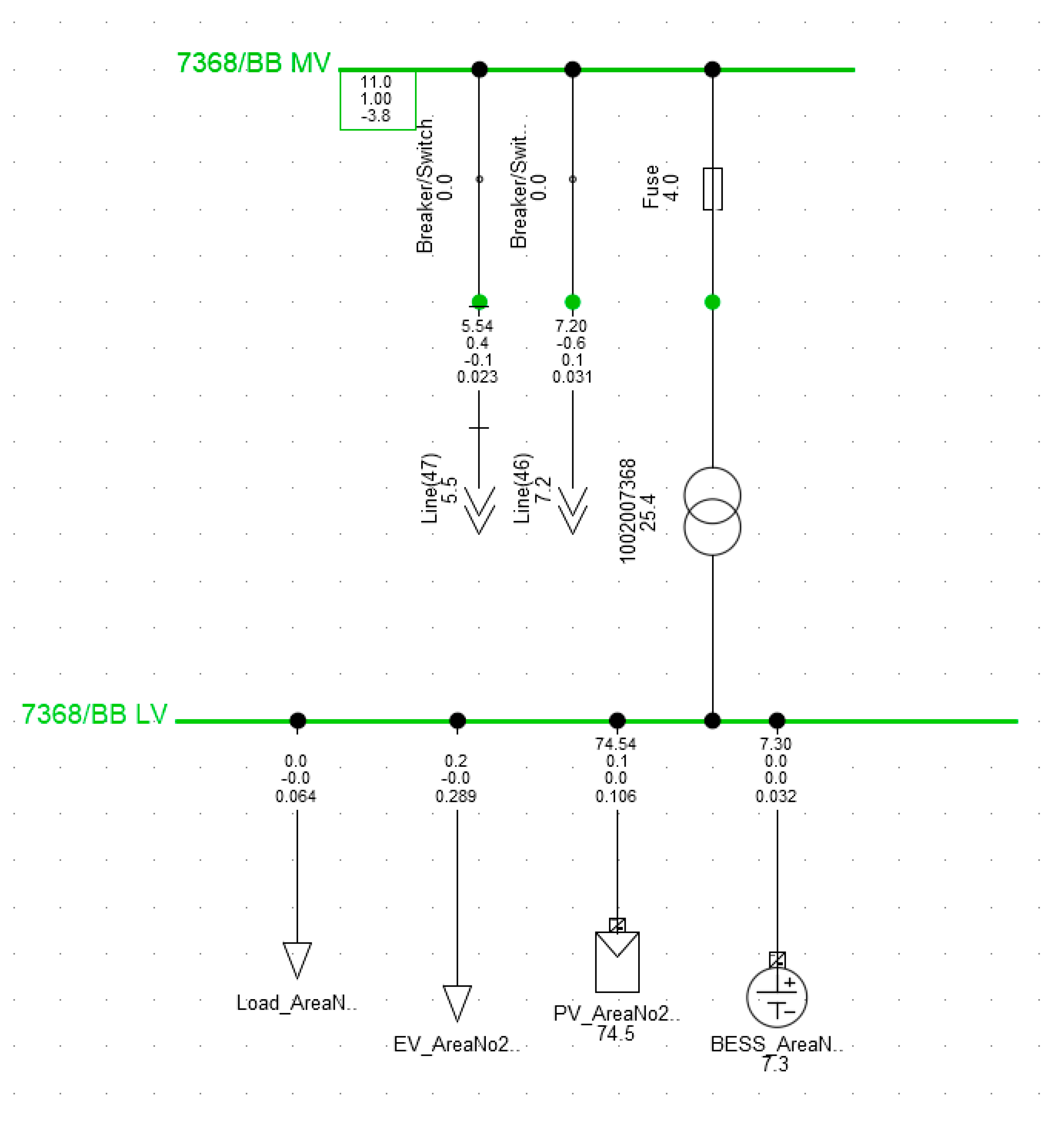
The distributed and stochastic nature of Renewable Power Sources is certainly forming considerable challenges for the operation of the power system. Specifically, the stability of the system can be jeopardized when the penetration of inverter-based systems is high. Storage and the proper design of controllers is seen as part of the solution for supporting the future expansion of distributed systems. Thus, control strategies need to be designed to provide the appropriate support to the system and be capable of keeping the variation of the frequency within limits to keep the reliability of the system as high as possible. The main challenge is the appropriate parameterization of these distributed controllers and their coordination under the integrated grid approach in securing the stability of the system at all times. In this paper, a smart energy controller is utilized and incorporated into the projection case study for Cyprus’ real distribution grid for the year 2050 to evaluate its behavior and identify possible weaknesses in its usage. It was found that the parameterization and not only the architecture of such controllers is crucial in coping with the frequency variation and stability problem. From the simulation work and recorded results, it was observed that the smart energy controllers can maintain frequency variation within the desirable range when the parametrization of the controllers is chosen appropriately. This specific observation highlights the need to evaluate and configure the smart controllers while operating in the field, and possibly further research is required to provide the advanced capability to such systems to adjust dynamically during field operation, thereby achieving better response during abnormal conditions.
Keywords: frequency variation; low inertia systems; distributed power resources; smart energy controllers; system stability; distribution grid frequency variation; low inertia systems; distributed power resources; smart energy controllers; system stability; distribution grid