


Abstract
Innovativeness is a characteristic of digital technologies (DT), and they have been assuming an important role in economic, social, and environmental dimensions. Therefore, DT are relevant contributors for sustainable development goal (SDG) achievements. This study aims to compare the preference for artificial intelligence-driven digital technologies (AI-Driven DT) to achieve SDGs in Brazil and Portugal. An independent sample t-test analysis and Levene test are performed to identify potential artificial intelligence-driven digital technologies (AI-Driven DT) as favorable facilitators for SDG achievements in Brazil and Portugal. Based on the findings, a broader analysis is provided, to (i) indicate potential favorable SDGs, (ii) discuss differences between the countries in AI-Driven DT preferences in each SDG, and (iii) make recommendations for potential technologies that could receive more attention and investments in both regions to make emergent digital technologies succeed, with a particular emphasis on cleaner production. The analysis is organized into three dimensions: economic, social, and environment. At the end, a closing discussion is provided about the key guidelines and prospects that could be adopted to keep a strong and positive shift of AI-Driven DT developments and applications towards fully supporting the attainment of the SDG of United Nations Organization (ONU) Agenda 2030.
1. Introduction
Artificial Intelligence-Driven (AI-Driven) digital technologies (DT) are intrinsically connected to interact, perceive, and understand people, businesses, economies, and lives in general [1]. The term Artificial Intelligence (AI) can be understood as a general combination and integration of applications with other “DTs” to create machines capable of thinking like humans [1,2,3]. AI-Driven DT economic and societal impacts increase on a continuous basis and more recently they are assuming an important role in the Sustainable Development Goals (SDG) Agenda 2030 [4], and their implementations are a considerable decision for developed and developing countries. In turn, Brazil and Portugal have been elected in this research to display their view on AI-driven DT on SDG achievements, contradicting their perspectives in this field.
As we enter into the age of sustainable development [5], in which the 17 SDGs (discussed in Section 2) are guiding nations of the world, Artificial Intelligence (AI) and digital technologies (DT)—such as digital twins, blockchain, virtual and augmented reality, and big data, among others—create a high expectation in enhancing economic, environment, and societal levels in global transformation to attend to SDGs [1]. Some priorities or key elements are pointed out by Palomares et al. (2021) to have optimal results and impacts on AI usage on the SDGs, such as (i) AI-driven DT fueled by universally accessible and reliable data; (ii) strengthen science–industry–government dialogue for technology and knowledge transferring; (iii) adapt and coordinate action plans in each country and context; (iv) alternative standards for facilitating the evaluation of SDG attainment; and (v) lessons learnt since the pandemic [1].
Numerous studies also identified advantages in economic and environmental evaluation by an AI-Driven DT application, leveraging cleaner production—mainly in industry segments [6,7,8,9]—for more productive processes; less toxic and more biodegradable products; and increased efficiency of raw materials, water, and energy, aiming at non-generation, reduction, or recycling of waste [7]. According to Oliveira Neto et al. [7], the environmental advantages from the adoption of cleaner production are concentrated and indirectly related to Industry, Innovation, and Infrastructure (SDG 9); Responsible Production and Consumption (SDG 12); and protection of Life on Land (SDG 15).
Due to a roller coaster of AI-driven DT success and failure in a consistent pattern over AI history [2,10,11], many countries pursue different strategies to reach SDG incorporating technologies in various forms through experimentation, public policies, triple helix, joint-ventures, global alliances, or SDG technological programs. Specialized professionals are involved in many of these initiatives to figure out solutions to apply AI-driven DT with a lower-cost impact to overcome country boundaries. In this vein, this study aims to compare the preference for artificial intelligence-driven digital technologies (AI-Driven DT) to achieve SDGs in Brazil and Portugal.
This study points out a ranking of preferable AI-Driven DT for the different SDGs in these two countries—Brazil and Portugal—conducting a public survey describing and classifying a set of technologies recommended for each SDG. The respondents are experts, executives involved in sustainability, and interested people who classified some AI-driven DT considered the most appropriate to reach SDG goals.
A final analysis is performed for each SDG along with preferred AI-Driven DT comparing similarities and discrepancies between these countries, with special attention on SDG 9, 12, and 15, which are related to cleaner production. Brazil and Portugal have different preferences in terms of SDG priorities and AI-Driven DT, with the former prioritizing DT that supports education aspects and the latter prioritizing those that support small and medium companies.
The paper is organized as follows: Section 2 describes contributions and barriers in AI-driven DT usage on each SDG and a panorama of SDGs in Brazil and Portugal. Section 3 presents the methodological approach applied in the analysis of data gathering. Section 4 shows findings for each one of the SDGs and some highlights about similarities and discrepancies between countries on their AI-driven DT favorability. Section 5 introduces a discussion of findings, presenting some lessons learnt for potential technologies that could receive more attention and investments in both regions to become emergent AI-Driven DTs that succeed. At the end, Section 6, conclusions are summarized.
2. AI-Driven DTs and Sustainable Development Goals
In this section, we introduce a brief description of AI-Driven DT into the 17 SDGs proposed by the United Nations Agenda 2030 [4] under three dimension perspectives [1,3] and their contributions and barriers to attain the different aspects of each SDG. In a sequence, we present a panorama of Brazil and Portugal and their efforts to achieve SDGs.
2.1. Contributions and Barriers of AI-Driven DT on SDG
The AI definition [12], from a pragmatic stand point, was presented by some authors as a computational natural language process capable of communicating with human beings through visual information, reasonable knowledge representation for decision-making, mind-thinking automated to process knowledge stored, and machine learning to extract common patterns from the available information. However, AI itself is not enough because it depends on data flow to learn and demands from other DTs for proper performance.
Therefore, AI-driven DT also faces challenges related to fairness, accountability, transparency, and ethics (FATE) for a reliable development, and the aim is to provide robustness to systems to avoid damages, lawfulness required by regulations and laws, and ethicalness to respect freedom, dignity, equality, citizen-rights, or non-discrimination principles [3,13].
Many of these are AI systems connected with DTs. Then, we briefly point out some of those that are used as DTs in the questionnaire applied in this study: Internet of Things (IoT), Blockchain, Augmented Reality, Virtual Reality, Digital Twin, 5G Communication Infrastructure, Big Data, and Recommender and Information Systems.
The wealthiness of alternatives to solving problems through AI-Driven DTs may support countries in reaching SDGs rapidly; however, they may result in inequalities due to the restriction of educational and computing resources throughout the world—mainly in developing countries, among other challenges. Additionally, a wide range of DTs are being developed that affect individuals lives, as well as impact economic, environmental, and societal aspects, requiring piloting new approaches and procedures from governments on the purpose of achieving SDGs [14].
Contributions and barriers for AI-driven DT are evidenced by some authors in the literature [1,2,3,14]; thus, we present in Table 1 a summary of the AI-Driven DT analysis based on the categorization among the SDGs, presented by Palomares et al. [1], relating to economy, environmental, and societal aspects. We highlight the economic dimension as sustainability and individual welfare concentration at an economic level, considering the welfare itself and prosperity; at the environmental dimension, safeguarding and preserving the environment, as well as the sustainable management of resources; at the social dimension, a sustainable development regarding welfare, prosperity at the community level, and equality are considered [14,15].
Table 1.
Brief contributions and barriers of AI-Driven DT usage on SDGs.
2.2. A Panoram of SDG in Brazil and Portugal
In this subsection, we present the main strategic initiatives from Brazil and Portugal to disseminate SDGs and move forward to new achievements in the SDG Agenda 2030.
2.2.1. Brazil Initiatives for SDG
In general, countries are failing to adopt SDGs around the globe [36]. Brazil has been progressing in the SDG Agenda 2030, particularly in the field of decent work and eco-nomic growth. Nonetheless, considering Brazil’s reality, sustainable development is still far away from Brazilian households. Poor existent sanitary infrastructure to handle plastics residuals, solid trash, sewage, and particularly kitchen oil which are deposited in many regions protected by national laws are some challenges faced. [37].
Ali et al. [36] pointed out that Brazilian companies are more focused on economic activities, development of institutions, and securing respectable work opportunities for their people. However, three SDG goals are not highlighted in the vision and mission statements of the Brazilian companies: ‘Quality Education’, ‘Gender Equality’, and ‘Life Below Water’.
In the scenario of diversity that defines Brazil, some strategies were defined as essential for SDG achievements: (i) national governance through the creation of the National Commission for the SDGs as an advisory and parity body; (ii) adequacy of targets to take into account regional diversity, Brazilian government priorities, national development plans, current legislation, and the socioeconomic situation experienced by the country; and (iii) national indicators considering data availability and monitoring [37].
In addition to the Brazilian government’s planning instruments [37], Brazil intends to stimulate the creation of local governance structures, which will lead the process of localizing the 2030 Agenda in the territories encompassing an engagement of private sector, academia and civil society organizations, preparation of monitoring reports, building institutional partnerships, preparation of a multi-year plan, creation of subnational commissions, SDG Brazil Award, and training public managers. Some tools by the initiative of the government and civil society have supported the planning and the dissemination of the SDGs, which are highlighted in Table 2.
Table 2.
Brazilian initiatives for SDG dissemination.
2.2.2. Portugal Initiatives for SDG
Portugal has followed up its SDG statistics through the Instituto Nacional de Estatística (INE) as the central institution for the production and dissemination of official statistics of Portugal. They have been in close coordination with other statistical departments of various ministries and national authorities, involved in the implementation of SDG strategic priorities to gather efforts in achieving the Agenda 2030 [38].
The country has been strongly involved in the efforts undertaken by other international bodies to align its respective policies and instruments to the SDG ambitions. In 2016 at the Conference of the Parties to the United Nations Framework Convention on Climate Change, Portugal took on the goal of achieving carbon neutrality by 2050, having developed a roadmap for carbon neutrality that set the vision, the trajectories, and guidelines for the policies to be implemented in this time frame.
The response to this challenge will be truly transformational in the way in which some of the most determining aspects of life in society face, regarding production and consumption patterns; the relationship with this production and use of energy; the way in which cities and spaces are organized for housing, work, and leisure; and the way mobility needs are faced with. In addition to being a technological challenge, this will also be a societal challenge that will depend considerably on the support and adhesion of the entire society.
Portugal embodies its strategic priorities [38] for the implementation of the 2030 Agenda for Sustainable Development in SDG4—Quality Education, SDG5—Gender Equality, SDG9—Industry, Innovation, and Infrastructure, SDG10—Reducing Inequalities, SDG13—Climate Action, and SDG14—Protecting Marine Life. At the same time, the INE has been monitoring European initiatives in a framework of cooperation with the United Nations Economic Commission for Europe (UNECE) and Eurostat in developing global indicators. In this context, we note a differentiated situation in terms of methodological stabilization and availability of these indicators, according to the classification system defined by the Inter-agency Expert Group (IAEG-SDG) [38].
This process has enabled national and international mapping of available information and identified the most appropriate sources of indicators for the monitoring of the 17 SDGs in Portugal. Figure 1 shows information and data availability in terms of indicators to support SDG achievements in Portugal, published in a national report on the implementation of the 2030 Agenda (in the graphic are % of indicators) [38].
Figure 1.
Quantity of information and data availability for each SDG (in percentage). Source: Ministry of Foreign Affairs National Report on the Implementation of the 2030 Agenda for Sustainable Development [38].
In terms of indicators to be developed, the Instituto Nacional de Estatísticas—INE— highlights more attention to SDG 2, 5, 11, and 14, where there are a higher percentage of inconclusive data availability, together with SDG 10, 11, 12, 13, 14, 15, and 17 that have indicators out of scope to measure the evolution of these SDGs. These SDGs reflect a data disaggregation to map the progress of SDGs in the various population sectors, which have received more attention from Portugal’s authorities.
To focus all the existing information on a single platform, the INE has made available on its portal (www.ine.pt; accessed on 10 October 2021) a file on the “Sustainable Development Goals” (in continuous updating) to allow all interested users an easy overview of SDG indicators. In the context of international cooperation, the INE has also been supporting the Portuguese-speaking countries in developing their national statistical systems in the context of the Community of Portuguese Language Countries (CPLP). In this sense, the statistical cooperation has been, since the 1980s, one of the priorities of INE and of the Portuguese Cooperation—today, meeting objectives in SDG 17. The existing cooperation programs will reflect the new information needs, with particular emphasis on data disaggregation to reflect progress in the various sectors of the population, including the most vulnerable [38].
3. Methodology
In this section, we present our approach based on surveys that rank different digital technologies to better achieve the SDGs. We identified in recent literature [3,39,40] some basic information about the structure that has been used to measure AI-Driven DT preference relations. Then, we define the tools to use to create the survey instrument. Finally, we chose to use, as reference, the proposed courses of action for AI-Driven DT described in [1,3] to build our model and capture decision-making that ranks different digital technologies to achieve the SDGs from the Brazilian and Portuguese citizens’ viewpoint.
3.1. Data Acquisition
Instrument design and adaptation in scientific research is a common phase for conducting a study to answer research questions [3]. As quantitative research, this study used a questionnaire for the desirable property of quality and the ability to measure the variables for which it was designed, being flexible for the subject in place. Availability to reach more people was considered, and, in this regard, an online digital media—Survey Monkey—was used to support this phase and helped reach more people, reducing costs and answer time.
The advantage provided by the Survey Monkey platform is that it allows us to have an unlimited number of participants in different levels of answers. Additionally, its interface with statistical software provides easy data transferring. The questionnaire had two phases: the first phase was to express the level of importance of each SDG among the economic, social, and environmental dimension, and the second phase was to express preferences of AI-Driven DT among the 17 SDGs. Instructions about SDGs and AI-Driven DT definitions were provided to participants before initiating the questionnaire. Each question about SDG contribution in each dimension and AI-Driven DT was classified according to the participant’s perception of how much the listed SDG and AI-Driven DT can contribute to the country in all its forms everywhere. This proposed survey was simpler and faster for decision-making approximations to gather opinions. In addition, Survey Monkey avoid missing data when the system did not allow blank answers.
The surveys were conducted anonymously, and it was not necessary to provide personal information. However, participants could provide an e-mail address if they wanted to receive the survey’s results. An invitation campaign to visit the website was launched, reaching academic and professionals in different sectors, with differing levels of experience and knowledge in AI-Driven DT. In addition, we also contacted associations with strong links. For example, we contacted the Nucleo de Estudos e Pesquisas Ambientais and Pacto Global both in Brazil. Definitions and information about SDGs and AI-Driven DT are provided to the participants in the questionnaire regarding the goals of the survey that initiated in June 2021 and closed in October 2021.
For ease of access to the surveys and provide enough information to the respondents in their native language about the different SDGs and the proposed AI-Driven DT, we prepared two different websites: https://pt.surveymonkey.com/r/BRSDG2021 for Portuguese from Brazil and https://pt.surveymonkey.com/r/PTSDG2021 for Portuguese from Portugal, both created on 07 August 2021, and lastly accessed on 02 November 2021 to capture final data for analysis.
Sampling is an important step in the research process because it helps inform the quality of inferences made by researchers, and it should generate sufficient data pertaining to the phenomenon of interest to allow thick, rich description, thereby increasing descriptive validity and interpretive validity [41]. Thus, we calculated the sample size in G-Power software due to its ease of use and the wide range of projects it supports [42], in order to have good quality data in terms of absolute numbers. Figure 2 shows the graph data about the sampling calculation in t-statistics in two independent groups using G-Power* 3.1.9.2 software. Additionally, Table 3 provides information regarding the number of answers collected from each survey and conclusion rates with respect to the minimum limit of participants (n > 50). All statistics were calculated with JASP software support [43].
Figure 2.
Sample size calculation for two groups of data.
Table 3.
Number of responses received in each survey.
3.2. AI-Driven DT Decision-Making Analysis
Once we collected enough answers for each survey, we identified the SDG classification in each dimension to understand their level of priority in the two countries through ascending order, where the lowest priority level received a score of 1 and the highest priority level received a score of 5, as a Likert-scale. In sequence, we identified each AI-Driven DT in each SDG, according to those preferable over the others, based on a score of very low contribution (score 1) to very high contribution (score 5), and at this point, we aggregated all the information to determine the mean scores (t-statistics) for each of them in terms of effectiveness and preference to support each SDG. Yet, these mean scores were compared between the two groups, and the Levene’s test was used to assess the equality of variances avoiding homogeneity of variance or homoscedasticity [44], supporting our analysis and conclusions about the recommendations.
The profile of participants into the two groups are also considered in our analysis, particularly, because some participants may not be experts in AI-Driven DT, and a combination of these characteristics may have influenced the answers. Profile monitoring is a promising area, which has a wide application. Research on the statistical monitoring of profiles has just begun and the techniques provide efficient ways to understand environments [45]. We believe that research that also monitors general profiles benefits applications greatly.
Additionally, the relevance in having a profile monitored, in terms of characteristics in a sample, is related to having different perspectives about the same subject, based on different experiences that might create new interpretative ways with the data. Additionally, in some cases, it also allows researchers to have results with less bias or the tendency of knowledge in this kind of research that embraces technological opinion. It assumes that these characteristics provide more accuracy in terms of the proximity of citizens’ opinions in different levels of society in a population analyzed. Table 4 presents profiles monitored in our sample.
Table 4.
Sample profile.
Yet, Brazil and Portugal are different in their cultures despite the language being similar and Portugal being Brazil’s settler centuries ago. Both countries may perceive differences in terms of SDG priorities or AI-Driven DT contribution or effectiveness. Although, the results are significant for governments, practitioners, and researchers in assuming directive actions to invest in some AI-Driven DT specifically and to prioritize SDGs.
4. Results and Discussion
In this section, we present the results of the SDG priority classification in each dimension (economic, social, and environmental) and AI-Driven DT contribution classification decision-making, described in Section 3.2, showing the final preference ordering and a brief discussion about the results yielded from an SDG vantage point.
4.1. SDG Priorities for Brazil and Portugal
The proposed priorities of SDGs in each dimension (see Table 5) are among the ones with the highest mean score (MS) rates. The variance (F) rates among the scores represent the mean variances between Brazil and Portugal, which indicates signs of intensity for the SDG; thus, we have a moderately balanced distribution of individual votes. In the economic dimension, SDG9 Industry, Innovation and Infrastructure is elected as the most SDG priority for both countries. Yet in the economic dimension, in Brazil, SDG3 “Good Health and Well-Being” was the second priority, followed by SDG8 “Decent Work and Economic Growth”. In Portugal, SDG3 “Good Health and Well-Being” was the second priority, followed by SDG2 “Zero Hunger”. In the social dimension, SDG17 “Partnerships for the Goals” was the most prioritized for both countries, with low variance in t scores, followed by SDG16 “Peace, Justice and Solid Institutions”. In the environmental dimension, SDG15 “Life on Land” was the most prioritized for Brazil and SDG14 “Life Below Water” for Portugal. SDG13 “Climate Action” appeared in third place for both countries. No high variances in t scores among the SDGs were identified for each dimension, reflecting slight similarities between Brazil and Portugal in terms of SDG priorities.
Table 5.
SDG ranking priority based on t scores for dimensions.
4.2. AI-Driven DT in SDG1: No Poverty
From the five proposed AI-Driven DT recommendations to pursue the targets underlying this goal (see Table 6), there was a preference for three of them (SDG1.3, SDG1.4, and SDG1.5), with a high MS variance. This suggests that AI-Driven DT solutions combining and balancing the following three strategies would be perceived as popular holistic solutions: (i) Free digital platforms supported by individual financial management (SDG1.5), (ii) Advisory information systems on financial and economic education of families (SDG1.4), and (iii) AI using big data in the analysis of population economic data. This finding translates the view of people about education and poverty [46] in sharing richness through financial support and better financial education as a unique way of avoiding poverty, changing the traditional feeling of populism, where people wait for charity or someone to solve poverty.
Table 6.
AI-Driven DT Preference t scores in SDG1.
4.3. AI-Driven DT in SDG2: Zero Hunger
The recommendations for this SDG (see Table 7) are among the ones with the highest participation mean scores (SDG2.3, SDG2.4, and SDG2.5). Its associated variance between 3.682 for the most preferred alternative and 2.750 for the third preferred one indicates no signs of a very strong preference for-or-against the alternatives, thus having a moderately balanced distribution of individual votes. Nevertheless, there were slight differences to distinguish the last two options incurring, even because SDG2.2 and SDG2.3 achieved the MS in Portugal. SDG2.2 Smart City with safe food risk warning system [47] and SDG2.1 Advisory Information Systems for Food Management and Governance [48] had a high proximity level of MS between the countries. Education about health eating guidelines appeared as a strong concern among participants, without considering any culture aspects or specialties in the way of eating or availability of food.
Table 7.
AI-Driven DT Preference t scores in SDG2.
4.4. AI-Driven DT in SDG3: Good Health and Well-Being
There is no strict order of preference between the countries in the five proposed alternatives (see Table 8) to achieve SDG3 Good health and Well-being for all. Medical prediction and diagnosis through artificial intelligence (SDG3.1) and Use of Virtual/Augmented Reality techniques and mobile apps for training healthcare professionals (SDG3.2) were less popular in the health landscape. Public digital apps with personalized recommendations for healthy habits (SDG3.3) was ranked as an intermediate option. The highest contributors were shown by Information systems that advise on health safety, detecting and controlling infectious diseases (SDG3.4) and Big Data homogenization of multiple medical and health data sources (SDG3.5). This outcome is not unexpected, since the behavior of populations detected in the COVID-19 pandemic [49], especially in Brazil, related to controlling infectious diseases was particularly mismatching and disorganized, and, in many countries, the homogeneity in terms of treatment followed the same streamline.
Table 8.
AI-Driven DT Preference t scores in SDG3.
4.5. AI-Driven DT in SDG4: Quality Education
Table 9 shows the recommendations for SDG 4. Two popular proposals were observed. The first one was SDG 4.5 Use of Virtual/Augmented Reality techniques and mobile applications to disseminate technical content and support education at different levels of training, and in second place was SDG 4.1 Open and free education platforms with recommended content to encourage continuous learning. Technologies that reach more layers in societies are preferable, combining investments to provide less expensive education or even a free one. The next option, with almost the same score between the countries, was SDG 4.4 Personalized learning via AI and inclusive education, following the same premise about education for all everywhere. This is something particularly associated with countries’ realities, especially considering how important ubiquitous learning paradigms are nowadays, and “inclusive education” as an important goal for many experts in learning [3]. In the last positions were SDG 4.2 Big Data for handling student information for decision-making in public education policies and SDG4.3 Conversation Assistants for academic management and teaching quality assessment.
Table 9.
AI-Driven DT Preference t scores in SDG4.
4.6. AI-Driven DT in SDG5: Gender Equality
Amongst the recommendations for this SDG (see Table 10), there were two highly preferred option, SDG 5.5 AI with Virtual/Augmented Reality to guide women and girls in their economic and emotional emancipation in Portugal and SDG 5.4 Open DT for discussions on more effective legislation in defense of women and girls in Brazil, both centered on citizens’ preparation to avoid legal and social discrimination. They were followed by SDG 5.3 AI using monitoring digital platforms to detect gender bias in recruitment processes or deliberative bureaucracies, more oriented to discrimination in work environments as the third option. Even with the mean score of AI-Driven DT being slightly different, the variances were not significant between the countries. Discrimination against gender appears in many countries like a medieval behavior in societies. Education, new legislations, social manifestation, and political efforts do not seem to be enough. AI-Driven DT may be a new option to disseminate a better quality of relationship among any form of gender around the world; however, the question is whether AI-Driven DT in any form will overcome people biases [3,25]. Therefore, regardless of the scores associated here between Brazil and Portugal, all types of initiative under AI-Drive DT are valid.
Table 10.
AI-Driven DT Preference t scores in SDG5.
4.7. AI-Driven DT in SDG6: Clear Water and Sanitation
Targets under this SDG may be achievable with a contribution of SDG6.4 Management and governance of water-related resources, infrastructure, and ecosystems using advisory information systems [50] in Portugal and SDG 6.5 Big Data of water infrastructure and ecosystems linked to water and contamination processes to allow the study and analysis of future experiments [51] in Brazil (see Table 11), were noticeably stronger preferences. From the rest of the proposed AI-Driven DT, SDG 6.3 IoT to monitor all types of water installations, networks, and ecosystems gained third place, due to opportunities of these type of technologies being positively easier to implement. The last options were SDG 6.1 and SDG 6.2, which were potentially more known within the scope of water systems, and therefore, it would not be perceived as necessary comparing current lines of action in both countries.
Table 11.
AI-Driven DT Preference t scores in SDG6.
4.8. AI-Driven DT in SDG7: Affordable and Clean Energy
There are different proposals in this SDG (see Table 12). A visible preference in the SDG 7.5 Blockchain technology to control traceability and better monitor financial flows for investment in clean and renewable energy and SDG 7.4 Robotics to reduce inspection and maintenance costs of energy facilities, presumably focused on creating more reliable data about energy facilities. This finding can be associated with high costs (people, process, and goods) to keep energetic functions in place in these regions. The next one was SDG 7.3 Digital educational platforms for the use of alternative energies, and again, AI-Driven DT for education of people appeared as a good contributor. Following [1,3], renewable energies are publicly considered as the energies of the future and a better education on them may be required for future generations survival. The last two ones were SDG 7.1 and SDG 7.2, aimed at reducing the consumption of energy in data centers: not a widely tackled problem yet, in spite of its increasing significance [52,53], but not evidenced for population in general.
Table 12.
AI-Driven DT Preference t scores in SDG7.
4.9. AI-Driven DT in SDG8: Decent Work and Economic Growth
In this SDG (see Table 13), we can observe the highest popular AI-Driven DT was SDG8.5 Accessible and free platforms for the dissemination of services offered by professionals, self-employed and freelancers [54], characterizing the importance of entrepreneurship in both countries. In Brazil, an increasing number of startups in the last decade justify this result, and in Portugal, the growing new tech needs from private companies becoming relevant for survival in a competitive context justify the importance of free platforms. The lower contributors were SDG8.1 Integrated Digital Platforms for digital education and combating digital breach [55,56] for Brazil and SDG8.2 Advisory Information Systems for new products and services [57,58] for Portugal, even digital education being considered to develop new ways of working and recommendations to update education systems have been significantly supported. SDG8.3 Universal access to the internet and computers as the basis for access to banking and other credit and tax processing services together with SDG8.4 DT monitoring of raw materials of electronic and DT do not come from slave labor assumed an intermediary position, explained by high technological components being imported from other countries—the majority from Asiatic regions—and because the labor and tax legislation are highly complex to comply with.
Table 13.
AI-Driven DT Preference t scores in SDG8.
4.10. AI-Driven DT in SDG9: Industry, Innovation and Infrastructure
Following five AI-Driven DT proposals in this SDG related to industry, innovation, and infrastructure, as shown in Table 14, we observed the highest preferred options were SDG9.4 “Systematic monitoring of pollutant emissions in industry and transport”, which is highly analyzed in cleaner production literature that analyzed the differences in investments applied among large, medium, and small firms to improve productivity and profit margins, resulting in environmental benefits [7].
Table 14.
AI-Driven DT Preference t scores in SDG9.
This was followed by SDG 9.5 Systematized monitoring for open, sustainable, and inclusive innovations arising from investments in public and private R&D in both countries; it identifies a large opportunity for AI-Driven DT developments in offering DT to overcome cultural and technical barriers in the process of implementing easy-to-understand cleaner production, presenting alternatives to overcome barriers by identifying causes and effects, and evaluating economic results.
Moreover, according to Leite et al. [9], developing an environmental assessment through material applied into production allows for an early view in sustainable practices, and thus contributing to the reduction in economic difficulties. This approach is an actionable stepwise process that can be implemented in contexts with a limited availability of resources (e.g., financial, time, etc.), and, for this reason, can offer a good steppingstone for small companies to create awareness and initiate engagement with cleaner production objectives.
The less preferred option in both countries was SDG 9.1 Twin Digital for the generation of sustainable structural engineering solutions, which is related to providing a physical process or objects in real-time for engineering solutions as an important aspect to exert progress on. It is also associated with the level of complexity in production processes creation.
In an intermediary level were SDG 9.2 AI to support infrastructure projects and communication and transport networks, probably because pollution is a critical challenge where industry and transport have an important role to play [3,59]—especially in Brazil, a large territorial country—and SDG 9.3 Digital transformation of economy to support startups in innovative products/services.
There was a significant gap between the levels of implementation practices among firm sizes [7]. For example, small businesses only implement cleaner practices if it is to reduce costs, midsize companies are under pressure from large companies to implement better infrastructure in order to participate in product export contracts, and large companies implement cleaner production practices to comply with international environmental standards [7]. Therefore, experts can use this result to analyze the firm size and context to develop appropriate AI-Driven DT to be more inclusive among diverse levels of firm needs.
4.11. AI-Driven DT in SD10: Reduced Inequalities
Regarding SDG 10, which focuses on reducing inequalities, we present the five AI-Driven DT analyzed (see Table 15). The most relevant one was SDG 10.4 Technological support in Virtual Reality for small and medium companies regarding digital resources for globalization and competitive advantage in Portugal and SDG10.5 Accessible Digital Platforms for education on cultural data from countries and foreign language teaching in Brazil. This might be because to compete in globalization and e-commerce led by big enterprises, demand for overcoming language barriers puts entrepreneurs and their small and medium enterprises in a relatively disadvantaged position. In the intermediary position SDG 10.3 Digital analysis via Big Data on social polarization in social networks to combat discriminatory behavior in Brazil and SDG 10.2 Smart territories to promote citizen participation in city decisions in Portugal, are socially relevant for citizens to live in a fairer society. In last place was SDG 10.1 Interconnected Digital Bank of countries against economic crash. Digital banking [60] assumes a high importance for minorities who do not have a financial condition to pay for banking services, and the niche of these established users of digital banking applications has still not achieved its maturity. Additionally, the concept of a traditional banking service has a bad reputation, especially in Brazil, in using unfair negotiations, imposing needless obligations for their clients, and entangling them in a network of additional costs.
Table 15.
AI-Driven DT Preference t scores in SDG10.
4.12. AI-Driven DT in SDG11: Sustainable Cities and Communities
Aiming at building inclusive, safe, resilient, and sustainable urban environments (Table 16), Brazil and Portugal had the same favorite alternatives against the others: SDG11.5 Smart action/rescue plans with IoT support to support urban emergencies [61,62], followed by SDG11.4 Smart Cities and use of urban data Blockchain technology [63] to handle resilient and contingent plans in protocols of prevention, management, and recovery in different situations. A moderate contribution was shown for SDG11.3 Unified urban data management with Machine Learning. In Portugal, there was a lower preference towards SDG11.1 Smart Cities for citizen information and monitoring of social aspects, thereby hinting at a clear opinion that social aspects may not be related to this SDG but in another. This is a clear example of how people’s perceptions about AI-Driven DT can greatly vary depending on the nature and characteristic of the SDG in question. SDG11.2 Virtual/Augmented Reality and mobile applications in inclusive use of city services also appeared with a low MS.
Table 16.
AI-Driven DT Preference t scores in SDG11.
4.13. AI-Driven DT in SDG12: Responsible Production and Consumption
The results of classification on the five AI-Driven DT proposed (see Table 17) report a strict order of preference across all of them, in both countries, showing that the first preference was SDG12.5 Advisory Information Systems for sustainability in production processes, which is totally associated with cleaner production practices. Cesar da Silva et al. [8] highlight that an environmental management system with the best practices and that can acquire environmental certifications is essential for the supply of goods and services in the global market. Therefore, AI-Driven DT that could offer training in best practices on responsible production and consumption might be one of the solutions to enhance this SDG.
Table 17.
AI-Driven DT Preference t scores in SDG12.
In a sequence, SDG12.3 Robotics for “virtual” experimentation in production processes, SDG12.2 Big Data for production processes and consumption patterns, and SDG12.1 AI applied to the sensing of production in factories, supply networks and common places of consumption represent the sequence of AI-Driven DT preferences for both countries, meaning a variety of technologies acceptable to enhance responsible production.
SDG12.4 Augmented Reality to inform consumers about consumption-related impacts may arguably be interpreted as the immediate environmental priority in recycle investments identified in each country as relevant issues, such as urban patterns and architectural layouts making near-surface urban air pollutants difficult to disperse and better recycling processes for an ordinary population [64,65].
4.14. AI-Driven DT in SDG13: Climate Action
The AI-Driven DT contributions for SDG 13 are shown in Table 18. The results revealed a preference for SDG13.5 Advisory Information Systems with virtual conversation or digital interaction agents aimed at environmental education over the rest. This recommendation advocates the use of advanced AI techniques for the education of people on environmental aspects and life survival in all aspects. This was followed by SDG13.4 Smart cities to optimize urban traffic by reducing pollution, a big challenge in large cities, and SDG13.3 Big Data for predictive technology models using pre-learned models in different areas of the world, which follows the same argument: education and learning. The last ones were SDG13.2 AI using robotics (sensors, drones, robots, etc.) for real-time natural disaster predictions and SDG13.1 Digital Twin for educational models to combat climate change. This sequence of preferences may arguably be interpreted as the immediate environmental priority also identified as important issues for education and urban spatial patterns and architectural layouts making near-surface urban air pollutants difficult to disperse [65,66].
Table 18.
AI-Driven DT Preference t scores in SDG13.
4.15. AI-Driven DT in SDG14: Life Below Water
For this SDG, the preferable AI-Driven DT recommendation (see Table 19) was SDG14.5 Monitoring AI (drones, internet of things, etc.) to detect predatory fishing and actions against the environment. This recommendation stands for the adoption of advanced technologies to detect and monitor the expansion of human actions in destroying fauna and flora in the open seas. This is becoming a pressing global environmental issue, together with more than 10 million tons of plastic dumped into the sea annually [3,67,68], thereby being critically perceived. The second most preferred option was SDG14.4 Big Data and Advisory Information Systems for research and protection of marine resources, followed by SDG14.2 Big Data to integrate and analyze large marine areas in Brazil and SDG14.3 Incorporation of sensors with IoT technologies for real-time detection of marine fauna, in Portugal.
Table 19.
AI-Driven DT Preference t scores in SDG14.
4.16. AI-Driven DT in SDG15: Life on Land
A decision-making model applied against the alternatives presented in Table 20 shows that the recommendation of Smart Territories to efficiently integrate and analyze data collected in large areas (SDG15.5) dominated in both countries over the rest of the recommendations. The results also show that AI using Big Data to optimize water consumption in plantations (SDG15.3) and Embedding Smart Sensors with IoT technologies for real-time smart detection (SDG15.4) were almost equally preferred, even though both recommendations presented a dissimilar MS. It is relevant to mention that SDG15.4 is such a technology that, even though it still needs development to reach a greater level of maturity, has demonstrated a strong efficiency [3] and impact on fire detection [69,70] and land health monitoring [71,72]. Machine Learning artificial intelligence for early fire detection and prediction using aerial imagery and/or sensors (SDG15.1) and Robotics for early detection of crop diseases and loss reduction (SDG15.2) were less recommended. The SDG Life on Land demands strategic planning with goals and communication to stakeholders about performance improvements, otherwise best practice adoptions in terms of increased productivity and product quality, improvements in worker health and safety, water reuse, minimization of waste, reduction of environmental accidents, and replacement of toxic materials might not cause the expected effects. Hence, the adoption of cleaner production practices is essential and relevant to conquer a purchase contract with customers in the long-term and also obtain government subsidies for future investments [8].
Table 20.
AI-Driven DT Preference t scores in SDG15.
4.17. AI-Driven DT in SDG16: Peace, Justice and Solid Institutions
From the proposed alternatives for this SDG (see Table 21), SDG16.5 Digital Educational Platforms for the integration of citizens into the judicial system was the first recommendation, in Brazil and SDG16.4 Integrated Digital Expert Systems of criminal evidence in support of the judicial process, in Portugal. From the three remaining options, SDG16.3 Combination of AI techniques with other technological solutions (drones, Internet of Things, etc.) as integrated crime-fighting tools kept in the third position, followed by SDG16.2 Monitoring of institutions using blockchain technology to prevent institutional corruption, both public and private and SDG16.1 Machine Learning as a tool to anticipate the incidence of crime and improve security response in the last position. From the authors’ perspective, the higher dominance of SDG16.5 and SDG16.4 over the rest might be due to the specificities of the countries; for instance, education challenges in Brazil that also accompany other SDGs already described, and in Portugal, feasible technologies, which already have demonstrated a strong potential on applications. In addition, they are based on clear methods known by the AI community. This opposes SDG16.2 and SDG16.1, whose technology foundations might hold some uncertainty for the respondents, because of public institution dependence, even though these solutions have the potential of being successfully applied nowadays in other countries [73,74].
Table 21.
AI-Driven DT Preference t scores in SDG16.
4.18. AI-Driven DT in SDG17: Partnerships for the Goals
This is the most transversal SDG throughout the 17 SDGs and a highly consistent preference relating to interconnections offered from AI-Driven DT to solving problems and supporting SDG achievements is evidenced. (See Table 22). The three preferable technologies, AI with Big Data regarding the actions of countries aimed at SDG (SDG17.5), Virtual/Augmented Reality for education and facilitating global alliances (SDG17.3), and Digital Platforms for planning and implementing DT across society (SDG17.4) outranked the rest of the options, suggesting that Brazil and Portugal’s citizens have a strong interest in witnessing a greater engagement in building comprehensive programs, partnerships, and frameworks to bring AI-Driven DT into all aspects of people’s daily lives, aligned with sustainable development. These aspects are also identified in Alonso et al. [3]. The lower preference for Machine Learning for business alliances (SDG17.1) and AI with Advisory Information Systems for practices in organizational environments (SDG17.2) could indicate that participants might be concerned about business data breaches associated to organizational levels [75]. Thus, it is remarkably important to enforce mechanisms that not only safeguard data protection and privacy, but also transmit a sense of reliability to organizations.
Table 22.
AI-Driven DT Preference t scores in SDG17.
5. Discussion about AI-Driven DT preferences in Brazil and Portugal
AI-Driven DT is well-understood to be used in solving problems and its definition has been seen from various meaning and approaches [13]. Its future will depend on our design abilities and ingenuity to develop them for each problem identified and to negotiate the resulting (and serious) ethical, legal, and social issues from these newest forms of using AI-Driven DT [76]. It is interesting to try to understand what the paths of least resistance may be in the evolution of AI-Driven DT [13]; therefore, this study applied efforts to uncover some aspects of preferences to reduce potential resistances in the near future for AI-Driven DT development for SDG achievements.
Different AI techniques and related digital technologies were analyzed to establish those which deserve more attention and investment for the purpose of reaching the SDGs in Brazil and Portugal. Findings revealed similar recommendations between the countries, showing that, even though the SDG priority classification appeared different, there were resemblant aspects in the AI-Driven DT preferences.
Regarding the preferability of AI-Driven DT, it is highly manifested by digital educational platforms to revolutionize different disciplines to fulfill the SDG, in part because of their wide spread of reaching populations in many layers of society [77,78]. That information is an asset that can later be analyzed to make better decisions to improve learning processes, predict changes and failures, and continuously oversee the evolution of SDG indicators.
Big Data as advisory information systems [79,80] have also been preferred by the participants to create new policies based on the available data. Clearly, identification to process and analyze a large amount of information requires great efforts from public and private institutions towards data accuracy for better decision-making. Blockchain is also pointed out as a useful technology for the sake of governability, based on its distributed approach and data integrity characteristics [11,16,17,29,63]. Using Virtual/Augmented Reality techniques also appear as very supportive technologies in SDG2: Zero Hunger, SDG4: Quality Education, SDG5: Gender Equality, and SDG12: Responsible Production and Consumption [81,82].
Machine Learning has not been one of the preferable technologies among SDGs, potentially due to its capacity to build models from data, which can be, for the SDGs in the social dimension, difficult to create because of uncertainties in human behavior [83,84]. Digital Twins follow the same path of fewer contributor technologies and, maybe because of its specificities, is less known by participants who do not consider them equally as interesting as others [3].
Some general lessons have been extracted from these findings:
- In the SDG priority classification, SDG9: Industry, Innovation, and Infrastructure (BR = 3.252; PT = 3.462) was the highest preferable SDG in the economic dimension for both countries. This is a particular chapter, not only for Brazil and Portugal, but also for other countries, because SDG9 being successful is tightly associated with cleaner production that affects small, medium, and large firm long-term survival. Oliveira Neto et al. [6] showed, in a literature review about cleaner production, a huge number of studies related to economic and environmental evaluation resulting from cleaner production adoption and the related SDGs. Academic research has demonstrated the importance of responsible production through AI-Driven DT application. Therefore, the findings about preferable AI-Driven DT in this study offer a large pace on this direction for better decision-making.
- In the social dimension, SDG17: Partnerships for the Goals (Brazil (BR) = 4.262; Portugal (PT) = 4.446) was the first preference in Brazil and Portugal, which enhances the relevant role of AI-Driven DT in connecting people towards the same direction, engaging them, providing accurate data, and connecting them in a large network for SDG achievements.
- In the environmental dimension, SDG15: Life on Land (BR = 4.121) was identified in Brazil as the preference and SDG14: Life Below Water (PT = 4.077) in Portugal. The SDG 15 is negatively affected for cultural and technical barriers in the adoption of cleaner production, mainly in small enterprises. However, cultural and technical barriers can be overcome by means of economic and environmental gains, as well as through investment in employee training and in the acquisition of more efficient machines and equipment [9], which is totally associated with AI-Drive DT adoption. The findings in this study also offer some directions in this way.
- In Brazil, the five major technologies of preference in descending order were: SDG7.5 Blockchain technology to control traceability and better monitor financial flows for investment in clean and renewable energy (3.885); followed by SDG9.5 Systematized monitoring for open, sustainable, and inclusive innovations arising from investments in public and private R&D (3.782); SDG10.5 Accessible Digital Platforms for education on cultural data from countries and foreign language teaching (3.769); SDG15.5 Smart Territories to efficiently integrate and analyze data collected in large areas (3.718); and SDG6.5 Big Data of water infrastructure and ecosystems linked to water and contamination processes to allow the study and analysis of future experiments (3.692) [46,55,84,85,86].
- In Portugal, the five major technologies of preference in descending order were: SDG14.5 Monitoring AI (drones, internet of things, etc.) to detect predatory fishing and actions against the environment (4.068); SDG17.5 AI with Big Data regarding the actions of countries aimed at SDG (4.045); SDG10.4 Technological support in Virtual Reality for small and medium companies regarding digital resources for globalization and competitive advantage (3.886); SDG11.5 Smart action/rescue plans with IoT support to support urban emergencies (3.818); and SDG2.4 Accessible platforms for data integration in agricultural and food production (3.682) [87,88,89,90].
These technologies should be interpreted as potential successful technologies in Brazil and Portugal to attend to SDG goals and enhance the role of these countries in sustainable development, contributing to the survival of planet Earth [91,92].
This study has some theoretical and practical implications. For scholars, it enhances the relevance of AI and digital technologies to promote new perspectives for digital disruptive innovation literature. For practitioners, it contributes the presentation of some preferable AI-Driven DT to be considered by experts and policymakers as priorities in their countries of reference, and for entrepreneurs’ keen on developing new markets for SDG products, to support different segments, such as electricity, agriculture, legal, social, cities, and others.
6. Conclusions
In this paper, several AI-Driven DT recommendations are ranked towards the implementation of the United Nations’ SDGs for Brazil and Portugal. These recommendations were obtained in a previous study [1,3], which analyzed the specialized literature to track the current trends in the application of those technologies in the SDG field. Policy makers can use this study as a guidance in promising DT to support SDG and create better investment planning for new digital products to bring more innovation for SDG achievements.
We point out that the rankings of the recommendations are merely a form of comparability in and between the countries analyzed, which means that the last preferable technology must not be considered a “bad one”. From the 17 rankings, we have analyzed which DT are among the highest contributors in the best ranked recommendations. As an overall concluding remark, we state that Brazil and Portugal, as any other country, should use AI-Driven DT to act as enablers of the SDGs.
These recommendations on AI-Driven DT are drawn from a comprehensive analysis of the current literature as fundamental solutions to the advancement of SDGs, considering the viewpoint of citizens, which should be relevant information for those who are keen on developing new DT in their countries. We also remark on the importance of AI-Driven DT in the education of people in SDGs, meaning that this whole family of technologies is worth being invested in to improve the chances of Earth’s survival.
We remind of the relevance for companies, governments, and citizens to oversee fighting for more AI-Driven DT investments and bringing accessibility of high-quality data for people, enabling solutions to comply with the agenda of SDG 2030—especially for cleaner production, which has a strong impact for more sustainable economic and environmental dimensions. Additionally, this research may contribute to the clarification of new technological developments in conjunction with universities and research centers about AI-Driven DT to support SDGs, also contributing to the evolution of the digital innovation theory in a different perspective.
This study is not out of limitations because they are restricted to Brazil and Portugal under their social scenarios and criteria. The findings of providing AI-Driven DT preferences to reach the SDG 2030 Agenda may appear overly ambitious without triangulation, with other sources of inputs, such as qualitative research with AI-Driven DT developers and experts or focus groups discussing these quantitative results with policymakers. Yet, the sample does not embrace all social levels, but it may serve as a buffer to mitigate institutional inefficiencies to develop technologies; therefore, we recommend its replication in other countries, especially in those with less effort to reach SDGs for the sake of facilitating the comprehension about AI-Driven DT implementation and usage.
Author Contributions
Conceptualization, A.P. and P.R.d.C.; Formal analysis, A.P., P.R.d.C., L.C.C., L.F.d.S., C.T.K. and E.A.M.; Methodology, A.P. and P.R.d.C.; Project administration, A.P.; Resources, P.R.d.C. and L.C.C.; Supervision, P.R.d.C. and L.C.C.; Validation, L.F.d.S., C.T.K. and E.A.M.; Visualization, P.R.d.C., L.C.C., L.F.d.S., C.T.K. and E.A.M.; Writing—original draft, A.P.; Writing—review & editing, A.P. All authors have read and agreed to the published version of the manuscript.
Funding
This study was supported in Brazil by CAPES—Coordination of Personnel Improvement for Higher Education: Code 001 and CNPQ—National Council for Scientific and Technological Development and, in Portugal by National Funds of the FCT—Portuguese Foundation for Science and Technology within the project UID/ECO/04007/2019 and Instituto Polytechnic of Setúbal.
Data Availability Statement
All raw data regarding the surveys in this paper can be found at https://github.com/apigola/AI-Driven-DT-and-SDG.git (accessed on 6 December 2021).
Conflicts of Interest
The authors declare no conflict of interest.
Abbreviations
The following abbreviations are used in this manuscript: AI—Artificial Intelligence; DT—Digital Technologies; IoT—Internet of Things; SDG—Sustainable Development Goals, SMEs—small and middle enterprises.
References
- Palomares, I.; Martínez-Cámara, E.; Montes, R.; García-Moral, P.; Chiachio, M.; Chiachio, J.; Alonso, S.; Melero, F.J.; Molina, D.; Fernández, B.; et al. A panoramic view and swot analysis of artificial intelligence for achieving the sustainable development goals by 2030: Progress and prospects. Appl. Intell. 2021, 51, 6497–6527. [Google Scholar] [CrossRef] [Scilit]
- Goralski, M.A.; Tan, T.K. Artificial intelligence and sustainable development. Int. J. Manag. Educ. 2019, 18, 100330. [Google Scholar] [CrossRef] [Scilit]
- Alonso, S.; Montes, R.; Molina, D.; Palomares, I.; Martínez-Cámara, E.; Chiachio, M.; Chiachio, J.; Melero, F.; García-Moral, P.; Fernández, B.; et al. Ordering Artificial Intelligence Based Recommendations to Tackle the SDGs with a Decision-Making Model Based on Surveys. Sustainability 2021, 13, 6038. [Google Scholar] [CrossRef] [Scilit]
- United Nations. Transforming Our World: The 2030 Agenda for Sustainable Development; UN General Assembly, United Nations: New York, NY, USA, 2015; Available online: https://sdgs.un.org/2030agenda (accessed on 1 October 2021).
- Sachs, J.D. The Age of Sustainable Development; Columbia University Press: New York, NY, USA, 2015; ISBN 978-0-231-17314-8. [Google Scholar]
- Neto, G.C.D.O.; Correia, J.M.F.; Silva, P.C.; Sanches, A.G.D.O.; Lucato, W.C. Cleaner Production in the textile industry and its relationship to sustainable development goals. J. Clean. Prod. 2019, 228, 1514–1525. [Google Scholar] [CrossRef] [Scilit]
- Neto, G.C.D.O.; Tucci, H.N.P.; Correia, J.M.F.; Da Silva, P.C.; Da Silva, V.H.C.; Ganga, G.M.D. Assessing the implementation of Cleaner Production and company sizes: Survey in textile companies. J. Eng. Fibers Fabr. 2020, 15. [Google Scholar] [CrossRef] [Scilit]
- da Silva, P.C.; Neto, G.C.D.O.; Correia, J.M.F.; Tucci, H.N.P. Evaluation of economic, environmental, and operational performance of the adoption of cleaner production: Survey in large textile industries. J. Clean. Prod. 2020, 278, 123855. [Google Scholar] [CrossRef] [Scilit]
- Leite, R.; Amorim, M.; Rodrigues, M.; Neto, G.O. Overcoming Barriers for Adopting Cleaner Production: A Case Study in Brazilian Small Metal-Mechanic Companies. Sustainability 2019, 11, 4808. [Google Scholar] [CrossRef] [Scilit]
- Munoz, J.M.; Naqvi, A. Business Strategy in the Artificial Intelligence Economy; Business Expert Press: New York, NY, USA, 2018; ISBN 978-1-948198-98-1. [Google Scholar]
- Klarin, A. The decade-long cryptocurrencies and the blockchain rollercoaster: Mapping the intellectual structure and charting future directions. Res. Int. Bus. Financ. 2019, 51, 101067. [Google Scholar] [CrossRef] [Scilit]
- McCarthy, J.; Minsky, M.L.; Rochester, N.; Shannon, C.E. A Proposal for the Dartmouth Summer Research Project on Artificial Intelligence, 31 August 1955. AI Mag. 2006, 27, 12. [Google Scholar]
- Floridi, L. What the Near Future of Artificial Intelligence Could Be. Philos. Technol. 2019, 32, 1–15. [Google Scholar] [CrossRef] [Scilit]
- Vinuesa, R.; Azizpour, H.; Leite, I.; Balaam, M.; Dignum, V.; Domisch, S.; Felländer, A.; Langhans, S.D.; Tegmark, M.; Nerini, F.F. The role of artificial intelligence in achieving the Sustainable Development Goals. Nat. Commun. 2020, 11, 1–10. [Google Scholar] [CrossRef] [Scilit]
- Wu, J.; Guo, S.; Huang, H.; Liu, W.; Xiang, Y. Information and Communications Technologies for Sustainable Development Goals: State-of-the-Art, Needs and Perspectives. IEEE Commun. Surv. Tutor. 2018, 20, 2389–2406. [Google Scholar] [CrossRef] [Scilit]
- Kamble, S.S.; Gunasekaran, A.; Sharma, R. Modeling the blockchain enabled traceability in agriculture supply chain. Int. J. Inf. Manag. 2019, 52, 101967. [Google Scholar] [CrossRef] [Scilit]
- Lin, J.; Shen, Z.; Zhang, A.; Chai, Y. Blockchain and IoT Based Food Traceability for Smart Agriculture. In Proceedings of the 3rd International Conference on Crowd Science and Engineering, Singapore, 28–31 July 2018; Volume 3, pp. 1–6. [Google Scholar]
- Shafiee-Jood, M.; Cai, X. Reducing Food Loss and Waste to Enhance Food Security and Environmental Sustainability. Environ. Sci. Technol. 2016, 50, 8432–8443. [Google Scholar] [CrossRef] [Scilit]
- Kummitha, R.K.R. Smart technologies for fighting pandemics: The techno- and human- driven approaches in controlling the virus transmission. Gov. Inf. Q. 2020, 37, 101481. [Google Scholar] [CrossRef] [Scilit]
- Marconcini, M.; Metz, A.; Zeidler, J.; Esch, T. Urban Monitoring in Support of Sustainable Cities. In Proceedings of the 2015 Joint Urban Remote Sensing Event (JURSE), Lausanne, Switzerland, 30 March–1 April 2015; pp. 1–4. [Google Scholar]
- Villagra, A.; Alba, E.; Luque, G. A better understanding on traffic light scheduling: New cellular GAs and new in-depth analysis of solutions. J. Comput. Sci. 2020, 41, 101085. [Google Scholar] [CrossRef] [Scilit]
- Vilajosana, I.; Llosa, J.; Martinez, B.; Domingo-Prieto, M.; Angles, A.; Vilajosana, X. Bootstrapping smart cities through a self-sustainable model based on big data flows. IEEE Commun. Mag. 2013, 51, 128–134. [Google Scholar] [CrossRef] [Scilit]
- Lima, M.S.M.; Delen, D. Predicting and explaining corruption across countries: A machine learning approach. Gov. Inf. Q. 2020, 37, 101407. [Google Scholar] [CrossRef] [Scilit]
- Anderson, K.; Ryan, B.; Sonntag, W.; Kavvada, A.; Friedl, L. Earth observation in service of the 2030 Agenda for Sustainable Development. Geo-Spat. Inf. Sci. 2017, 20, 77–96. [Google Scholar] [CrossRef] [Scilit]
- Noriega, M. The application of artificial intelligence in police interrogations: An analysis addressing the proposed effect AI has on racial and gender bias, cooperation, and false confessions. Futures 2020, 117, 102510. [Google Scholar] [CrossRef] [Scilit]
- Pan, X.; Song, M.L.; Zhang, J.; Zhou, G. Innovation network, technological learning and innovation performance of high-tech cluster enterprises. J. Knowl. Manag. 2019, 23, 1729–1746. [Google Scholar] [CrossRef] [Scilit]
- Zhou, J.; Riekki, J.; Hämäläinen, M.; Mattila, P.; Yu, X.; Liu, X.; Zhang, W. China-Finland Educloud Platform towards Innovative Education. In Image and Video Technology; PSIVT 2017. Lecture Notes in Computer, Science; Satoh, S., Ed.; Springer: Cham, Switzerland, 2017; pp. 172–185. [Google Scholar]
- Tinelli, S.; Juran, I. Artificial intelligence-based monitoring system of water quality parameters for early detection of non-specific bio-contamination in water distribution systems. Water Supply 2019, 19, 1785–1792. [Google Scholar] [CrossRef] [Scilit]
- Kim, S.-K.; Huh, J.-H. Blockchain of Carbon Trading for UN Sustainable Development Goals. Sustainability 2020, 12, 4021. [Google Scholar] [CrossRef] [Scilit]
- Moro, A.; Holzer, A. A Framework to Predict Consumption Sustainability Levels of Individuals. Sustainability 2020, 12, 1423. [Google Scholar] [CrossRef] [Scilit]
- Salame, C.W.; Queiroz, J.C.B.; Rocha, G.D.M.; Amin, M.M. Mapping the Risk of Burning in the Brazilian Amazon with the Use of Logistic Regression and Fuzzy Inference. Math. Geol. 2012, 44, 241–256. [Google Scholar] [CrossRef] [Scilit]
- Exbrayat, J.-F.; Williams, M. Quantifying the net contribution of the historical Amazonian deforestation to climate change. Geophys. Res. Lett. 2015, 42, 2968–2976. [Google Scholar] [CrossRef] [Scilit]
- Avio, C.G.; Gorbi, S.; Regoli, F. Plastics and microplastics in the oceans: From emerging pollutants to emerged threat. Mar. Environ. Res. 2017, 128, 2–11. [Google Scholar] [CrossRef] [Scilit]
- Kako, S.; Morita, S.; Taneda, T. Estimation of plastic marine debris volumes on beaches using unmanned aerial vehicles and image processing based on deep learning. Mar. Pollut. Bull. 2020, 155, 111127. [Google Scholar] [CrossRef] [Scilit] [PubMed]
- Wolfert, S.; Ge, L.; Verdouw, C.; Bogaardt, M.-J. Big Data in Smart Farming—A review. Agric. Syst. 2017, 153, 69–80. [Google Scholar] [CrossRef] [Scilit]
- Ali, S.; Hussain, T.; Zhang, G.; Nurunnabi, M.; Li, B. The Implementation of Sustainable Development Goals in “BRICS” Countries. Sustainability 2018, 10, 2513. [Google Scholar] [CrossRef] [Scilit]
- Secretariat of Government of the Presidency of the Republic. Voluntary National Review on the Sustainable Development Goals—BRAZIL 2017. Available online: https://sustainabledevelopment.un.org/memberstates/brazil (accessed on 1 October 2021).
- Ministry of Foreign Affairs. National Report on the Implementation of the 2030 Agenda for Sustainable Development PORTUGAL 2017. Available online: https://sustainabledevelopment.un.org/memberstates/portugal (accessed on 1 October 2021).
- Alonso, S.; Chiclana, F.; Herrera, F.; Herrera-Viedma, E.; Alcalá-Fdez, J.; Porcel, C. A consistency-based procedure to estimate missing pairwise preference values. Int. J. Intell. Syst. 2008, 23, 155–175. [Google Scholar] [CrossRef] [Scilit]
- Herrera-Viedma, E.; Herrera, F.; Chiclana, F. A consensus model for multiperson decision making with different preference structures. IEEE Trans. Syst. Man Cybern. Part A Syst. Hum. 2002, 32, 394–402. [Google Scholar] [CrossRef] [Scilit]
- Loughran, R.J.; Wallbrink, P.J.; Walling, D.E.; Appleby, P.G. Sampling Methods. In Handbook for the Assessment of Soil Erosion and Sedimentation Using Environmental Radionuclides; Springer: Berlin/Heidelberg, Germany, 2002; pp. 41–57. [Google Scholar]
- Faul, F.; Erdfelder, E.; Lang, A.-G.; Buchner, A. G*Power 3: A flexible statistical power analysis program for the social, behavioral, and biomedical sciences. Behav. Res. Methods 2007, 39, 175–191. [Google Scholar] [CrossRef] [Scilit]
- Love, J.; Selker, R.; Marsman, M.; Jamil, T.; Dropmann, D.; Verhagen, J.; Ly, A.; Gronau, Q.F.; Smíra, M.; Epskamp, S.; et al. JASP: Graphical Statistical Software for Common Statistical Designs. J. Stat. Softw. 2019, 88, 1–17. [Google Scholar] [CrossRef] [Scilit]
- Pan, G. On a levene type test for equality of two variances. J. Stat. Comput. Simul. 1999, 63, 59–71. [Google Scholar] [CrossRef] [Scilit]
- Wang, K.; Tsung, F. Using Profile Monitoring Techniques for a Data-rich Environment with Huge Sample Size. Qual. Reliab. Eng. Int. 2005, 21, 677–688. [Google Scholar] [CrossRef] [Scilit]
- Tilak, J.B.G. Education and Poverty. J. Hum. Dev. 2002, 3, 191–207. [Google Scholar] [CrossRef] [Scilit]
- de Amorim, W.S.; Deggau, A.B.; Gonçalves, G.D.L.; Neiva, S.D.S.; Prasath, A.R.; Guerra, J.B.S.O.D.A. Urban challenges and opportunities to promote sustainable food security through smart cities and the 4th industrial revolution. Land Use Policy 2019, 87, 104065. [Google Scholar] [CrossRef] [Scilit]
- Nettle, R.; Klerkx, L.; Faure, G.; Koutsouris, A. Governance dynamics and the quest for coordination in pluralistic agricultural advisory systems. J. Agric. Educ. Ext. 2017, 23, 189–195. [Google Scholar] [CrossRef] [Scilit]
- Cosci, F.; Guidi, J. The Role of Illness Behavior in the COVID-19 Pandemic. Psychother. Psychosom. 2021, 90, 156–159. [Google Scholar] [CrossRef] [Scilit]
- Robins, L.; Burt, T.; Bracken, L.; Boardman, J.; Thompson, D. Making water policy work in the United Kingdom: A case study of practical approaches to strengthening complex, multi-tiered systems of water governance. Environ. Sci. Policy 2017, 71, 41–55. [Google Scholar] [CrossRef] [Scilit]
- Shin, S.; Lee, S.; Judi, D.R.; Parvania, M.; Goharian, E.; McPherson, T.; Burian, S.J. A Systematic Review of Quantitative Resilience Measures for Water Infrastructure Systems. Water 2018, 10, 164. [Google Scholar] [CrossRef] [Scilit]
- Kaddari, M.; El Mouden, M.; Hajjaji, A.; Semlali, A. Reducing energy consumption by energy management and energy audits in the pumping stations. In Proceedings of the 2018 Renewable Energies, Power Systems & Green Inclusive Economy (REPS-GIE), Casablanca, Morocco, 23–24 April 2018; pp. 1–6. [Google Scholar] [CrossRef] [Scilit]
- Rong, H.; Zhang, H.; Xiao, S.; Li, C.; Hu, C. Optimizing energy consumption for data centers. Renew. Sustain. Energy Rev. 2016, 58, 674–691. [Google Scholar] [CrossRef] [Scilit]
- Nemkova, E.; Demirel, P.; Baines, L. In search of meaningful work on digital freelancing platforms: The case of design professionals. New Technol. Work. Employ. 2019, 34, 226–243. [Google Scholar] [CrossRef] [Scilit]
- Williamson, B. Making markets through digital platforms: Pearson, edu-business, and the (e)valuation of higher education. Crit. Stud. Educ. 2020, 62, 50–66. [Google Scholar] [CrossRef] [Scilit]
- Komljenovic, J. The rise of education rentiers: Digital platforms, digital data and rents. Learn. Media Technol. 2021, 46, 320–332. [Google Scholar] [CrossRef] [Scilit]
- Messner, W. Justifying information system value. Bus. Inf. Rev. 2007, 24, 126–134. [Google Scholar] [CrossRef] [Scilit]
- Ghosh, A.; Mahanti, A. An Information System for Investment Advisory Process. In Proceedings of the International Conference on Information Systems and Design of Communication—ISDOC’14, Lisbon, Portugal, 16–17 May 2014; ACM Press: Lisbon, Portugal, 2014; pp. 143–148. [Google Scholar]
- Lucas, M.T.; Noordewier, T.G. Environmental management practices and firm financial performance: The moderating effect of industry pollution-related factors. Int. J. Prod. Econ. 2016, 175, 24–34. [Google Scholar] [CrossRef] [Scilit]
- Khanboubi, F.; Boulmakoul, A.; Tabaa, M. Impact of digital trends using IoT on banking processes. Procedia Comput. Sci. 2019, 151, 77–84. [Google Scholar] [CrossRef] [Scilit]
- Kodali, R.K.; Yerroju, S. IoT Based Smart Emergency Response System for Fire Hazards. In Proceedings of the 2017 3rd International Conference on Applied and Theoretical Computing and Communication Technology (iCATccT), Tumkur, India, 21–23 December 2017; pp. 194–199. [Google Scholar]
- Yang, L.; Yang, S.; Plotnick, L. How the internet of things technology enhances emergency response operations. Technol. Forecast. Soc. Chang. 2012, 80, 1854–1867. [Google Scholar] [CrossRef] [Scilit]
- Biswas, K.; Muthukkumarasamy, V. Securing Smart Cities Using Blockchain Technology. In Proceedings of the 2016 IEEE 18th International Conference on High Performance Computing and Communications; IEEE 14th International Conference on Smart City; IEEE 2nd International Conference on Data Science and Systems (HPCC/SmartCity/DSS), Sydney, Australia, 12–14 December 2016; pp. 1392–1393. [Google Scholar]
- Aphale, O.; Thyberg, K.L.; Tonjes, D.J. Differences in waste generation, waste composition, and source separation across three waste districts in a New York suburb. Resour. Conserv. Recycl. 2015, 99, 19–28. [Google Scholar] [CrossRef] [Scilit]
- Yang, J.; Shi, B.; Zheng, Y.; Shi, Y.; Xia, G. Urban form and air pollution disperse: Key indexes and mitigation strategies. Sustain. Cities Soc. 2019, 57, 101955. [Google Scholar] [CrossRef] [Scilit]
- Escobedo, F.J.; Kroeger, T.; Wagner, J.E. Urban forests and pollution mitigation: Analyzing ecosystem services and disservices. Environ. Pollut. 2011, 159, 2078–2087. [Google Scholar] [CrossRef] [Scilit]
- Law, K.L.; Starr, N.; Siegler, T.R.; Jambeck, J.R.; Mallos, N.J.; Leonard, G.H. The United States’ contribution of plastic waste to land and ocean. Sci. Adv. 2020, 6, eabd0288. [Google Scholar] [CrossRef] [Scilit]
- Wong, C.S.; Green, D.R.; Cretney, W.J. Quantitative Tar and Plastic Waste Distributions in the Pacific Ocean. Nature 1974, 247, 30–32. [Google Scholar] [CrossRef] [Scilit]
- Huang, Z.; Liu, F. The Application of MAS towards Simulation of Forest Fire Spreading. Int. J. Multimed. Ubiquitous Eng. 2013, 8, 189–200. [Google Scholar] [CrossRef] [Scilit]
- Razavi-Termeh, S.V.; Sadeghi-Niaraki, A.; Choi, S.-M. Ubiquitous GIS-Based Forest Fire Susceptibility Mapping Using Artificial Intelligence Methods. Remote. Sens. 2020, 12, 1689. [Google Scholar] [CrossRef] [Scilit]
- Kassim, M.R.M.; Mat, I.; Harun, A.N. Wireless Sensor Network in Precision Agriculture Application. In Proceedings of the 2014 International Conference on Computer, Information and Telecommunication Systems (CITS), Jeju, Korea, 7–9 July 2014; pp. 1–5. [Google Scholar]
- Bhatnagar, V.; Chandra, R. Iot-Based Soil Health Monitoring and Recommendation System. In Internet of Things and Analytics for Agriculture; Springer: Berlin/Heidelberg, Germany, 2020; Volume 2, pp. 1–21. [Google Scholar]
- Ahmad, A.; Maynard, S.B.; Shanks, G. A case analysis of information systems and security incident responses. Int. J. Inf. Manag. 2015, 35, 717–723. [Google Scholar] [CrossRef] [Scilit]
- Chen, X.; Harford, J.; Li, K. Monitoring: Which institutions matter? J. Financ. Econ. 2007, 86, 279–305. [Google Scholar] [CrossRef] [Scilit]
- Hallinan, D.; Friedewald, M.; McCarthy, P. Citizens’ perceptions of data protection and privacy in Europe. Comput. Law Secur. Rev. 2012, 28, 263–272. [Google Scholar] [CrossRef] [Scilit]
- Floridi, L. Open Data, Data Protection, and Group Privacy. Philos. Technol. 2014, 27, 1–3. [Google Scholar] [CrossRef] [Scilit]
- Tagliabue, L.; Cecconi, F.; Maltese, S.; Rinaldi, S.; Ciribini, A.; Flammini, A. Leveraging Digital Twin for Sustainability Assessment of an Educational Building. Sustainability 2021, 13, 480. [Google Scholar] [CrossRef] [Scilit]
- Rao, Y.; Wang, Y.; Zou, Y.; Zhang, J. The Sustainability of Digital Educational Resources. In Mathematical Software—ICMS 2014. ICMS 2014; Hong, H., Yap, C., Eds.; Lecture Notes in Computer Science; Springer: Berlin/Heidelberg, Germany, 2014; pp. 230–234. [Google Scholar]
- Wang, Y.; Kung, L.; Byrd, T.A. Big data analytics: Understanding its capabilities and potential benefits for healthcare organizations. Technol. Forecast. Soc. Chang. 2018, 126, 3–13. [Google Scholar] [CrossRef] [Scilit]
- Kitchens, B.; Dobolyi, D.; Li, J.; Abbasi, A. Advanced Customer Analytics: Strategic Value through Integration of Relationship-Oriented Big Data. J. Manag. Inf. Syst. 2018, 35, 540–574. [Google Scholar] [CrossRef] [Scilit]
- Vyas, R.M.; Sayadi, L.R.; Bendit, D.; Hamdan, U.S. Using Virtual Augmented Reality to Remotely Proctor Overseas Surgical Outreach: Building Long-Term International Capacity and Sustainability. Plast. Reconstr. Surg. 2020, 146, 622e–629e. [Google Scholar] [CrossRef] [Scilit]
- Gómez-Galán, J.; Vázquez-Cano, E.; De La Rosa, A.L.; López-Meneses, E. Socio-Educational Impact of Augmented Reality (AR) in Sustainable Learning Ecologies: A Semantic Modeling Approach. Sustainability 2020, 12, 9116. [Google Scholar] [CrossRef] [Scilit]
- Laurell, C.; Sandström, C.; Berthold, A.; Larsson, D. Exploring barriers to adoption of Virtual Reality through Social Media Analytics and Machine Learning—An assessment of technology, network, price and trialability. J. Bus. Res. 2019, 100, 469–474. [Google Scholar] [CrossRef] [Scilit]
- Ashley, M.J.; Johnson, M.S. Establishing a Secure, Transparent, and Autonomous Blockchain of Custody for Renewable Energy Credits and Carbon Credits. IEEE Eng. Manag. Rev. 2018, 46, 100–102. [Google Scholar] [CrossRef] [Scilit]
- Hyvärinen, H.; Risius, M.; Friis, G. A Blockchain-Based Approach towards Overcoming Financial Fraud in Public Sector Services. Bus. Inf. Syst. Eng. 2017, 59, 441–456. [Google Scholar] [CrossRef] [Scilit]
- Nyikes, Z.; Rajnai, Z. Big Data, as Part of the Critical Infrastructure. In Proceedings of the 2015 IEEE 13th International Symposium on Intelligent Systems and Informatics (SISY), Subotica, Serbia, 17–19 September 2015; pp. 217–222. [Google Scholar]
- Harris, J.M.; Nelson, J.; Rieucau, G.; Iii, W.P.B. Use of Drones in Fishery Science. Trans. Am. Fish. Soc. 2019, 148, 687–697. [Google Scholar] [CrossRef] [Scilit]
- Arfanuzzaman, M. Harnessing artificial intelligence and big data for SDGs and prosperous urban future in South Asia. Environ. Sustain. Indic. 2021, 11, 100127. [Google Scholar] [CrossRef] [Scilit]
- Jalo, H.; Pirkkalainen, H.; Torro, O. The State of Augmented Reality, Mixed Reality and Virtual Reality Adoption and Use in European Small and Medium-Sized Manufacturing Companies in 2020. Available online: https://vam-realities.eu/wp-content/uploads/VAM-Realities_Survey-Report (accessed on 6 December 2021).
- Liu, Z.; Wang, C. Design of Traffic Emergency Response System Based on Internet of Things and Data Mining in Emergencies. IEEE Access 2019, 7, 113950–113962. [Google Scholar] [CrossRef] [Scilit]
- Hogan, E.; Idowu, S.O. The Drive towards Global Sustainability in the Second Millennium: An Indispensable Task for the Survival of Planet Earth. In Current Global Practices of Corporate Social Responsibility; Idowu, S.O., Ed.; CSR, Sustainability, Ethics & Governance; Springer International Publishing: Cham, Switzerland, 2021; pp. 865–879. ISBN 978-3-030-68385-6. [Google Scholar]
- Lueddeke, G.R. Survival: One Health, One Planet, One Future, 1st ed.; Routledge: New York City, NY, USA, 2018; ISBN 978-0-429-44408-1. [Google Scholar]
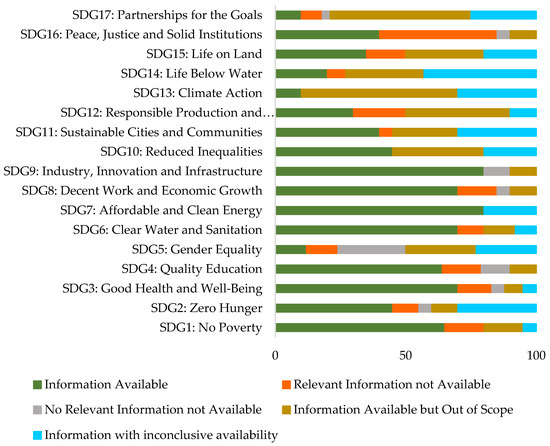
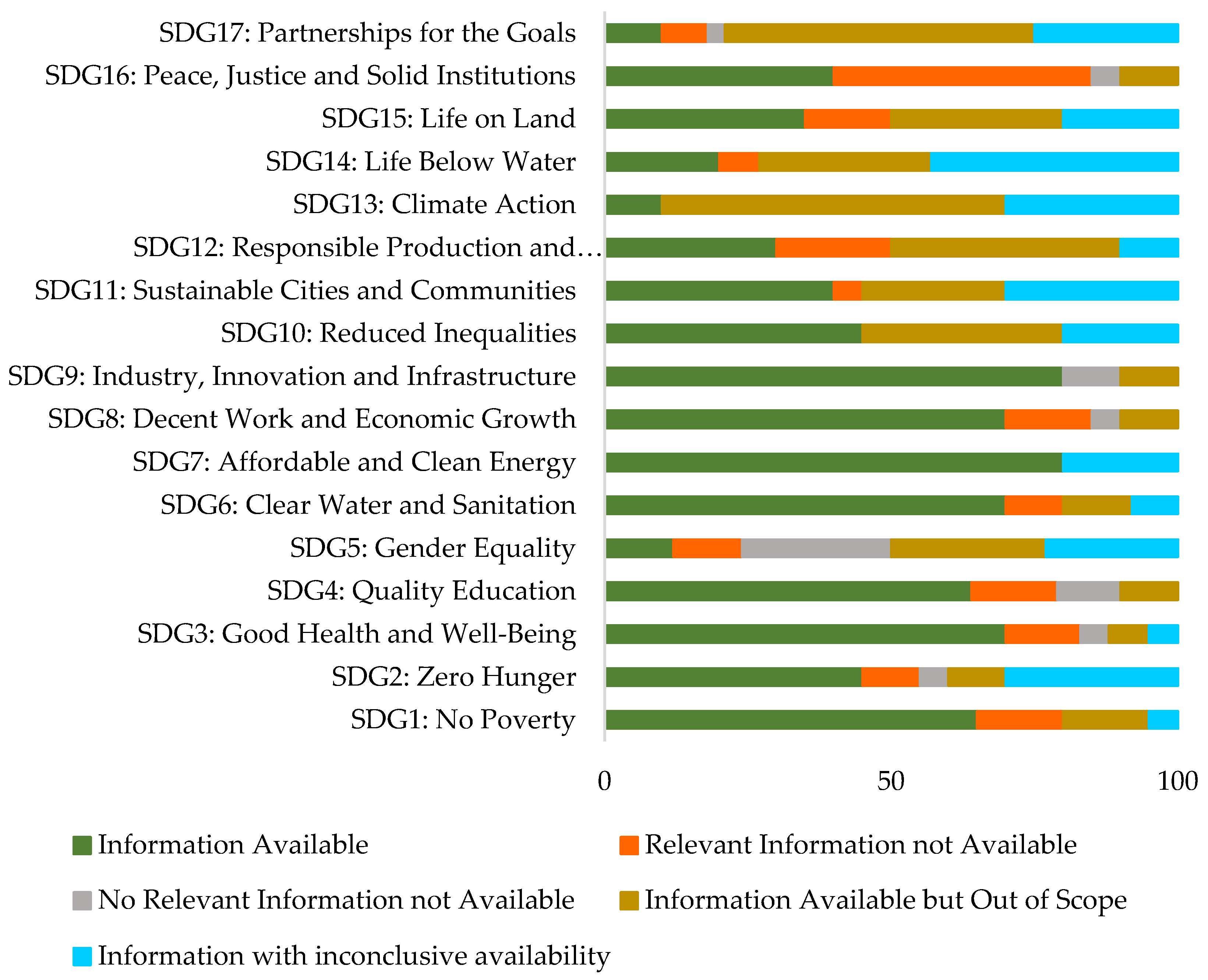
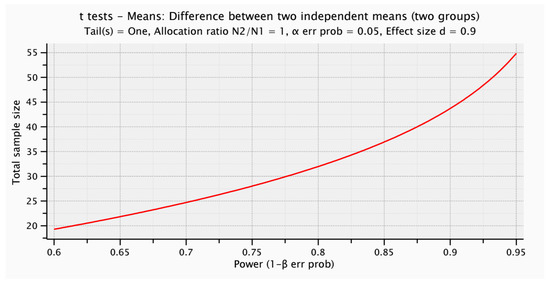
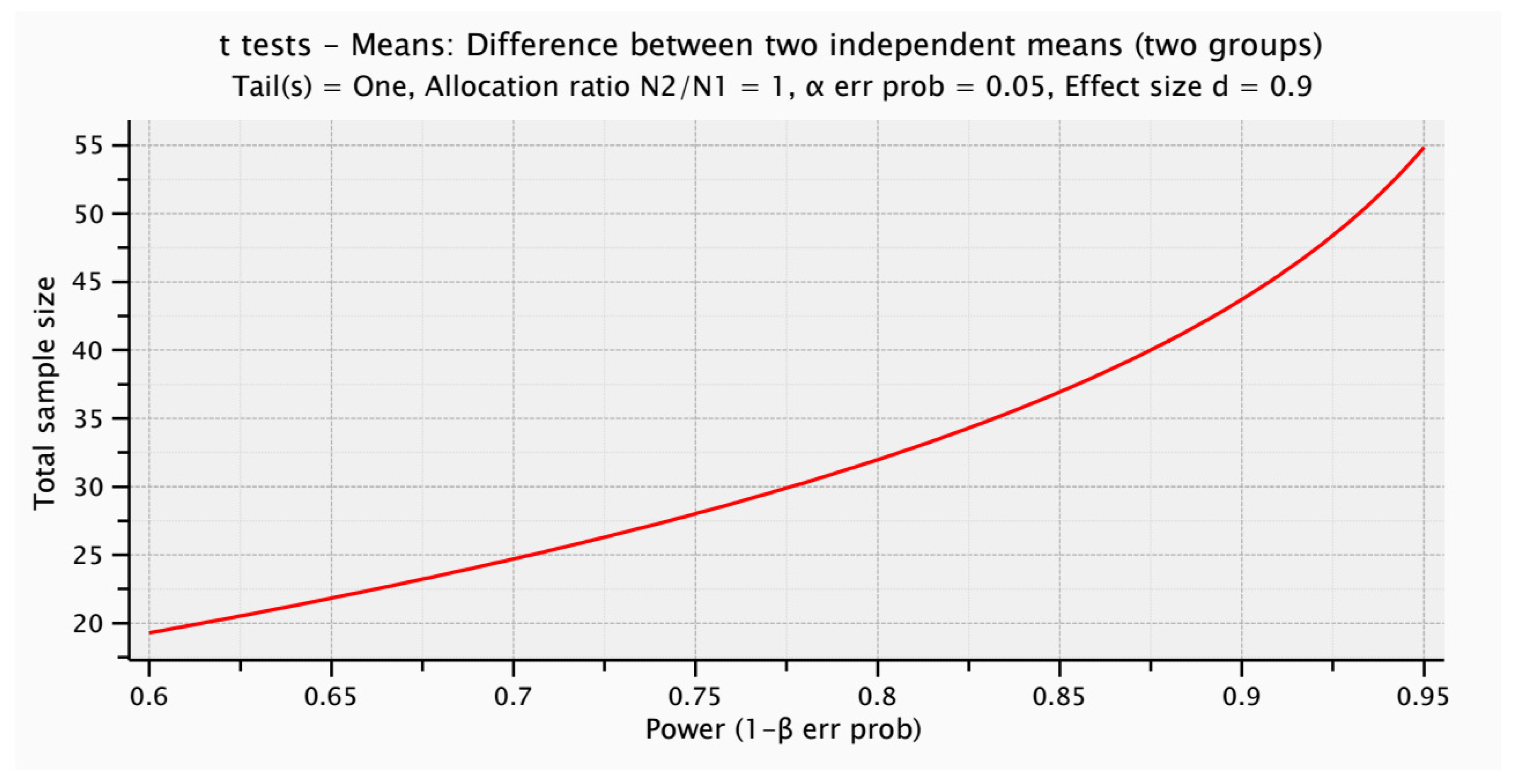

Publisher’s Note: MDPI stays neutral with regard to jurisdictional claims in published maps and institutional affiliations. |
© 2021 by the authors. Licensee MDPI, Basel, Switzerland. This article is an open access article distributed under the terms and conditions of the Creative Commons Attribution (CC BY) license (https://creativecommons.org/licenses/by/4.0/).