Article

SPI-Based Hybrid Hidden Markov–GA, ARIMA–GA, and ARIMA–GA–ANN Models for Meteorological Drought Forecasting

by
Mohammed Alquraish
1,
Khaled Ali. Abuhasel
1,
Abdulrahman S. Alqahtani
2 and
Mosaad Khadr
3,*
1
Department of Mechanical Engineering, College of Engineering, University of Bisha, P.O. Box 001, Bisha 61922, Saudi Arabia
2
Department of Computer Science, College of Computing and Information Technology, University of Bisha, P.O. Box 001, Bisha 61922, Saudi Arabia
3
Department of Civil Engineering, College of Engineering, University of Bisha, P.O. Box 001, Bisha 61922, Saudi Arabia
*
Author to whom correspondence should be addressed.
Sustainability 2021, 13(22), 12576; https://doi.org/10.3390/su132212576
Submission received: 15 August 2021 / Revised: 8 November 2021 / Accepted: 9 November 2021 / Published: 15 November 2021
(This article belongs to the Special Issue Sustainable Water Resource Management)

Abstract

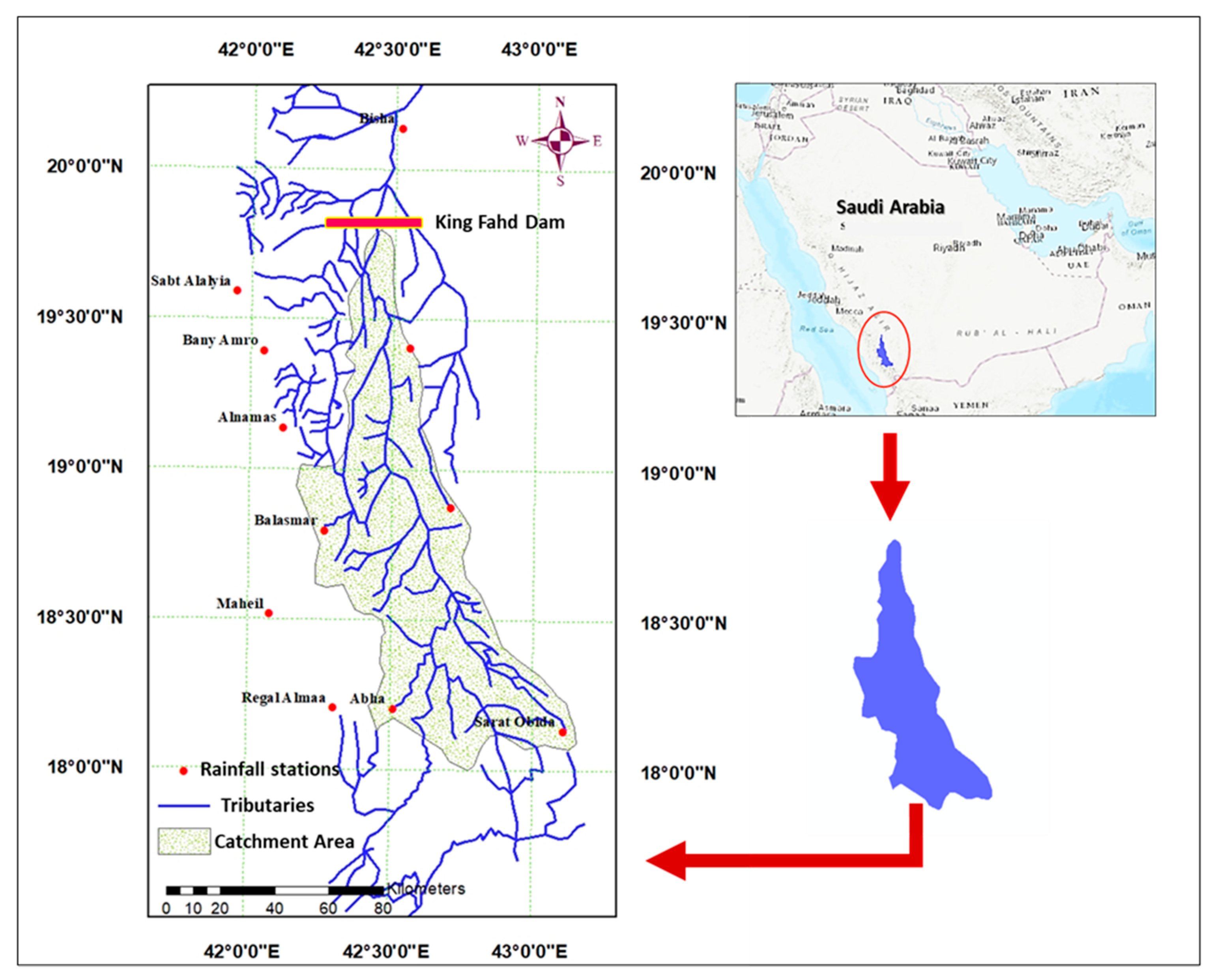
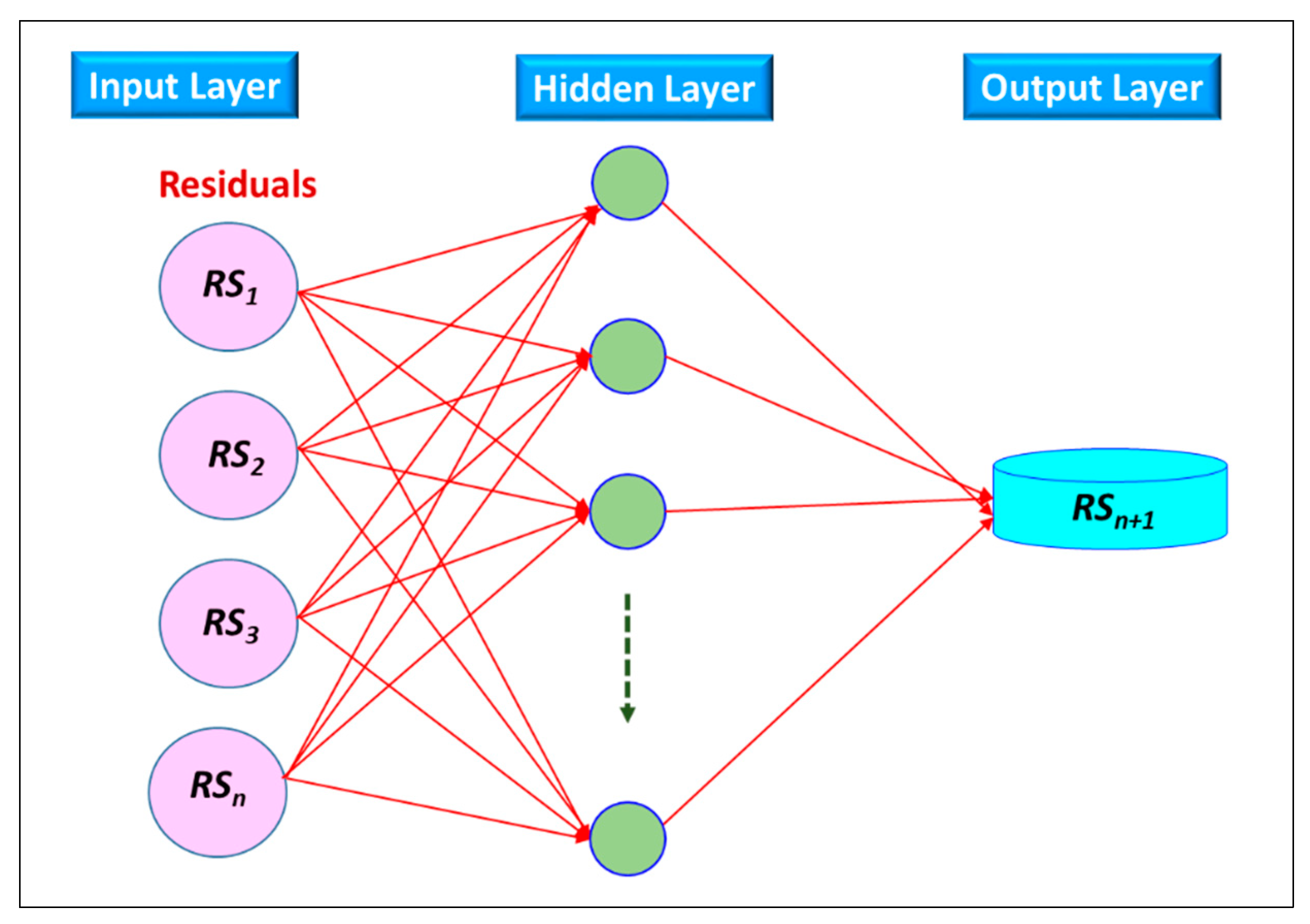
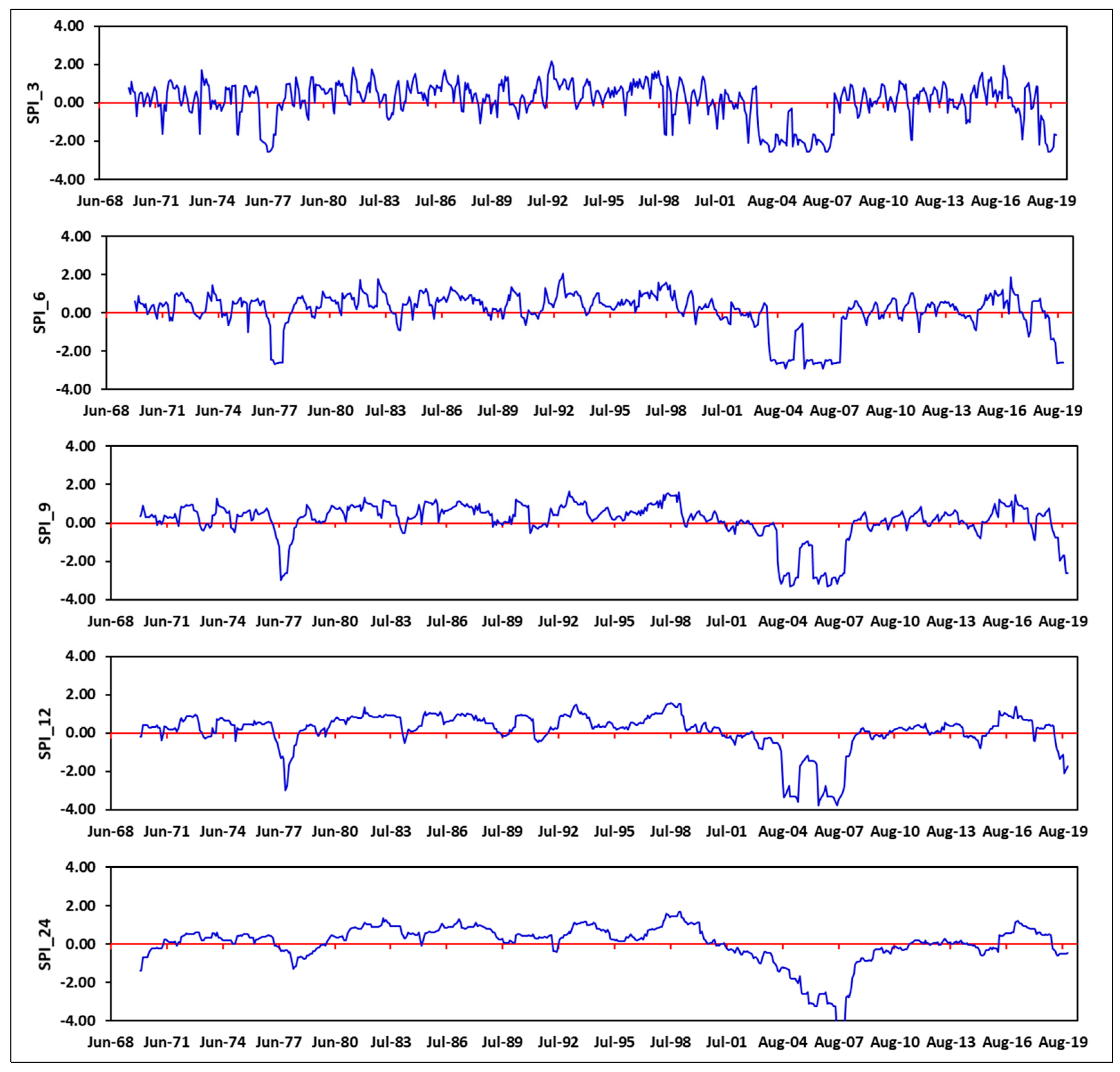
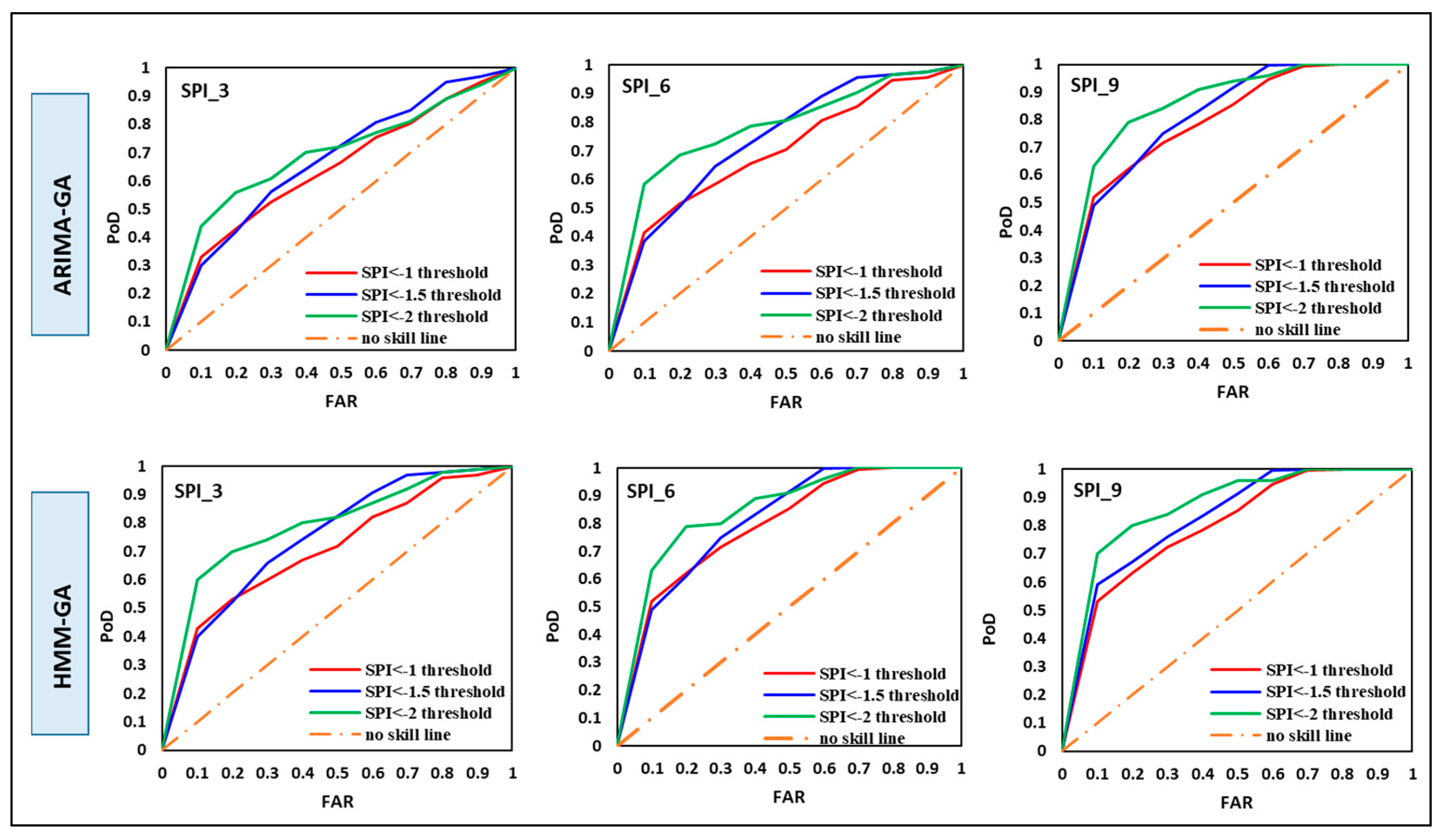
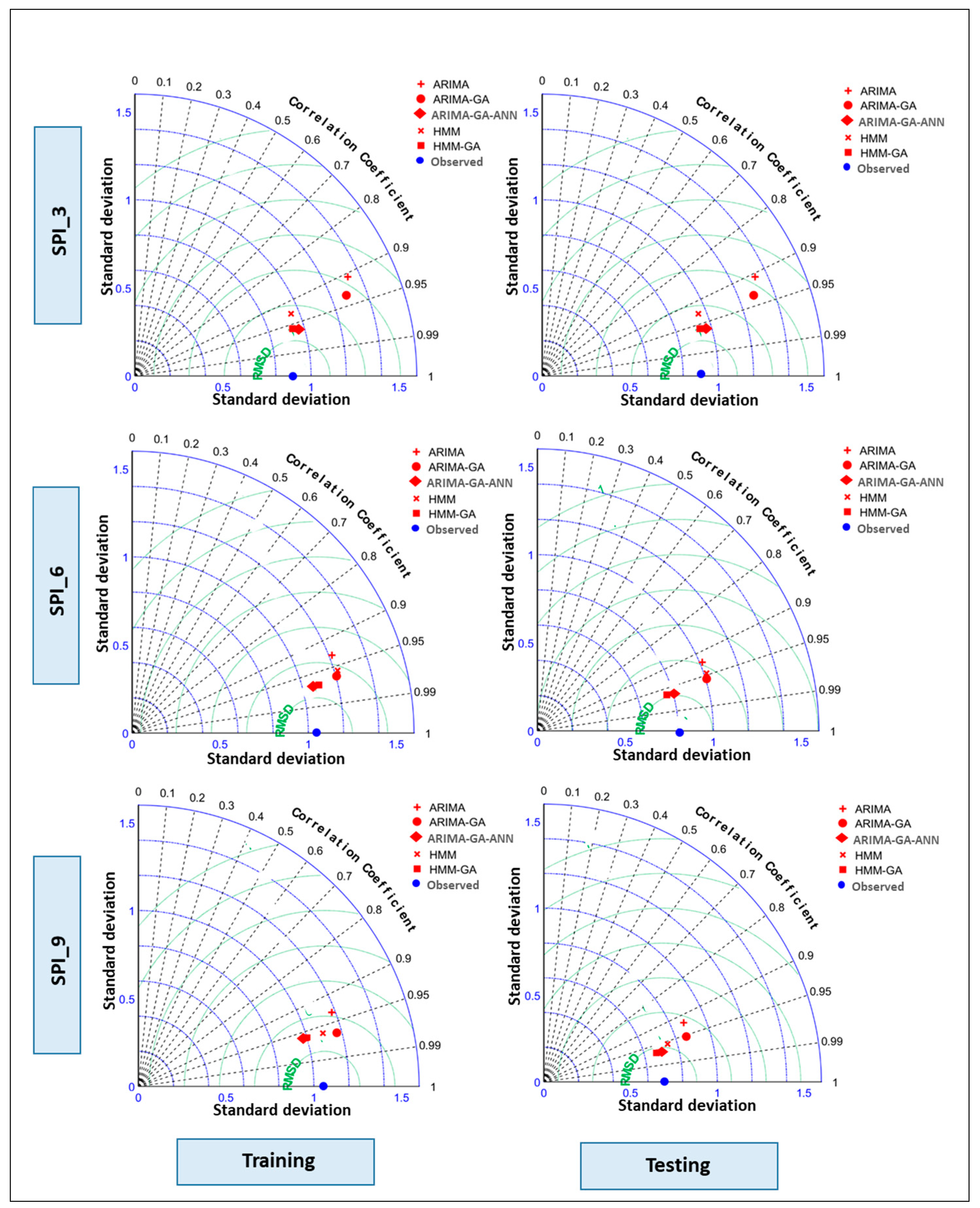
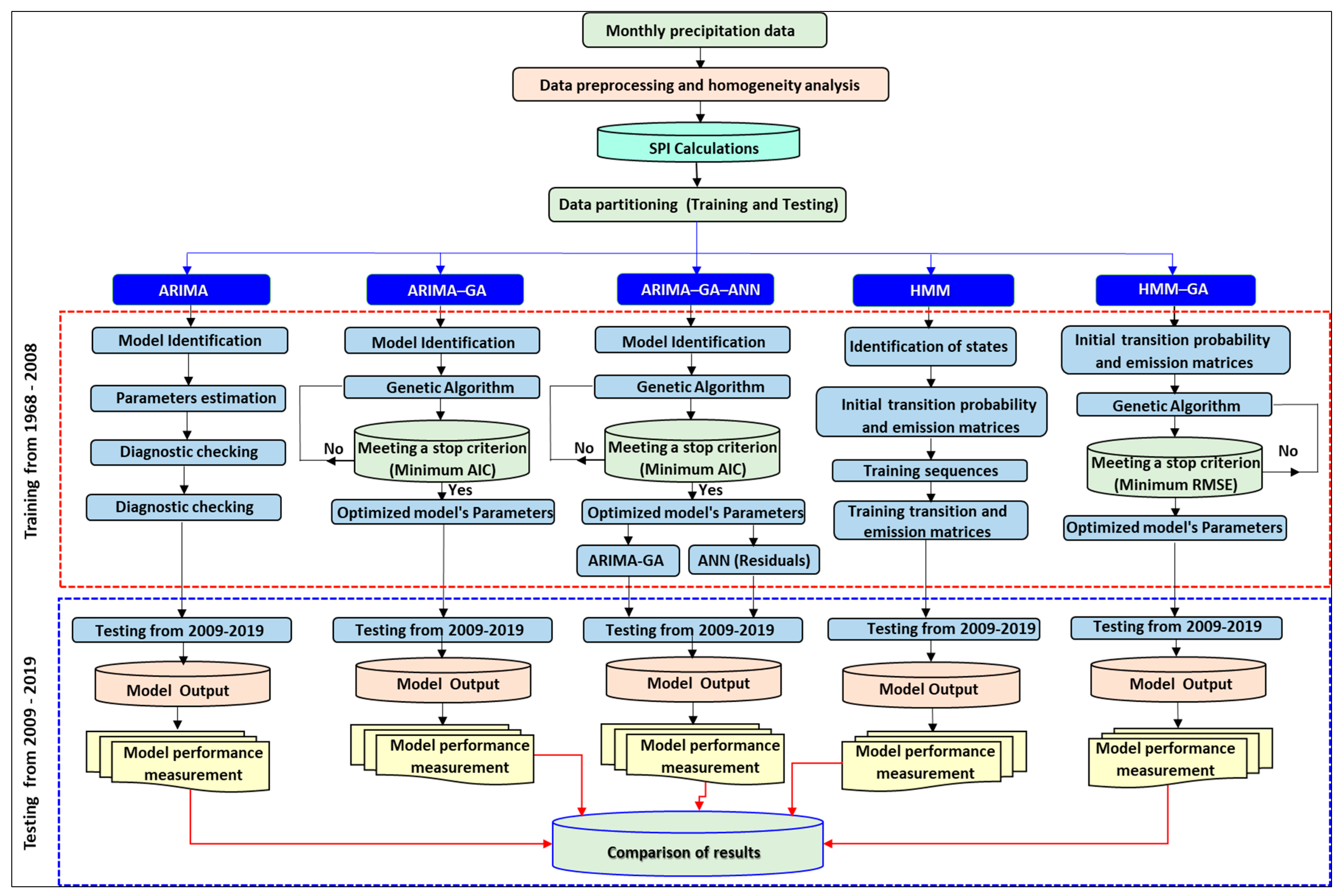
Drought is a severe environmental disaster that results in significant social and economic damage. As such, efficient mitigation plans must rely on precise modeling and forecasting of the phenomenon. This study was designed to enhance drought forecasting through developing and evaluating the applicability of three hybrid models—the hidden Markov model–genetic algorithm (HMM–GA), the auto-regressive integrated moving average–genetic algorithm (ARIMA–GA), and a novel auto-regressive integrated moving average–genetic algorithm–ANN (ARIMA–GA–ANN)—to forecast the standard precipitation index (SPI) in the Bisha Valley, Saudi Arabia. The accuracy of the models was investigated and compared with that of classical HMM and ARIMA based on a performance evaluation and visual inspection. Furthermore, the multi-class Receiver Operating Characteristic-based Area under the Curve (ROC–AUC) was applied to evaluate the ability of the hybrid model to forecast drought events. We used data from 1968 to 2008 to train the models and data from 2009 to 2019 for validation. The performance evaluation results confirmed that the hybrid models provided superior results in forecasting the SPI one month in advance. Furthermore, the results demonstrated that the GA-induced improvement in the HMM forecasts was matched by an approximate 16.40% and 23.46% decrease in the RMSE in the training and testing results, respectively, compared to the classical HMM model. Consequently, the RMSE values of the ARIMA–GA model were reduced by an average of 10.06% and 9.36% for the training and testing processes, respectively. Finally, the ARIMA–GA–ANN, which combined the strengths of the linear stochastic model ARIMA and a non-linear ANN, achieved a greater reduction values in RMSE by an average of 32.82% and 27.47% in comparison with ARIMA in the training and testing phases, respectively. The ROC–AUC results confirmed the capability of the developed models to distinguish between events and non-events with reasonable accuracy, implying the appropriateness of these models as a tool for drought mitigation and warning systems.
Keywords: drought forecasting; SPI; genetic algorithm; HMM; ARIMA drought forecasting; SPI; genetic algorithm; HMM; ARIMA