Article

Simulation of Possible Fire and Explosion Hazards of Clean Fuel Vehicles in Garages
1
Department of Building Services Engineering, The Hong Kong Polytechnic University, Hong Kong, China
2
School of Safety Science and Engineering, Xi’an University of Science and Technology, Xi’an 710054, China
*
Author to whom correspondence should be addressed.
Sustainability 2021, 13(22), 12537; https://doi.org/10.3390/su132212537
Submission received: 19 October 2021 / Revised: 5 November 2021 / Accepted: 8 November 2021 / Published: 12 November 2021
(This article belongs to the Special Issue Fire Safety in Green and Sustainable Buildings)

Abstract

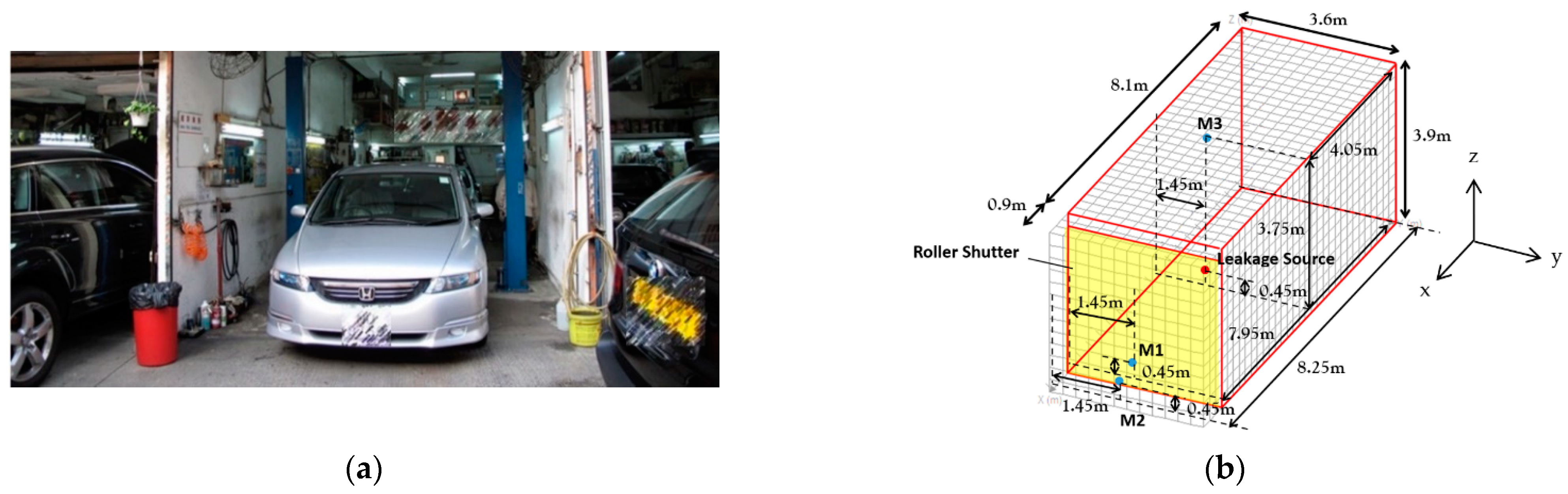
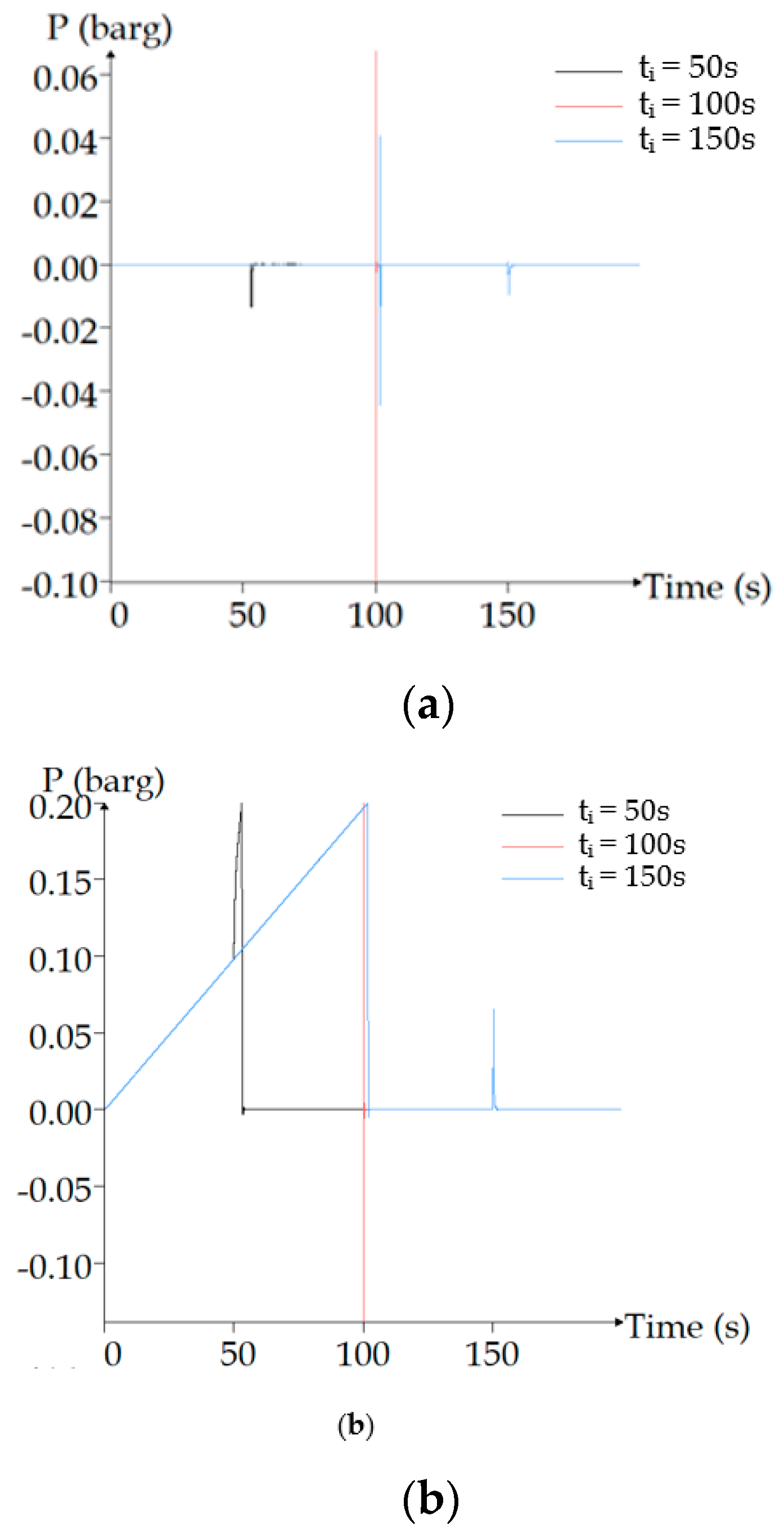
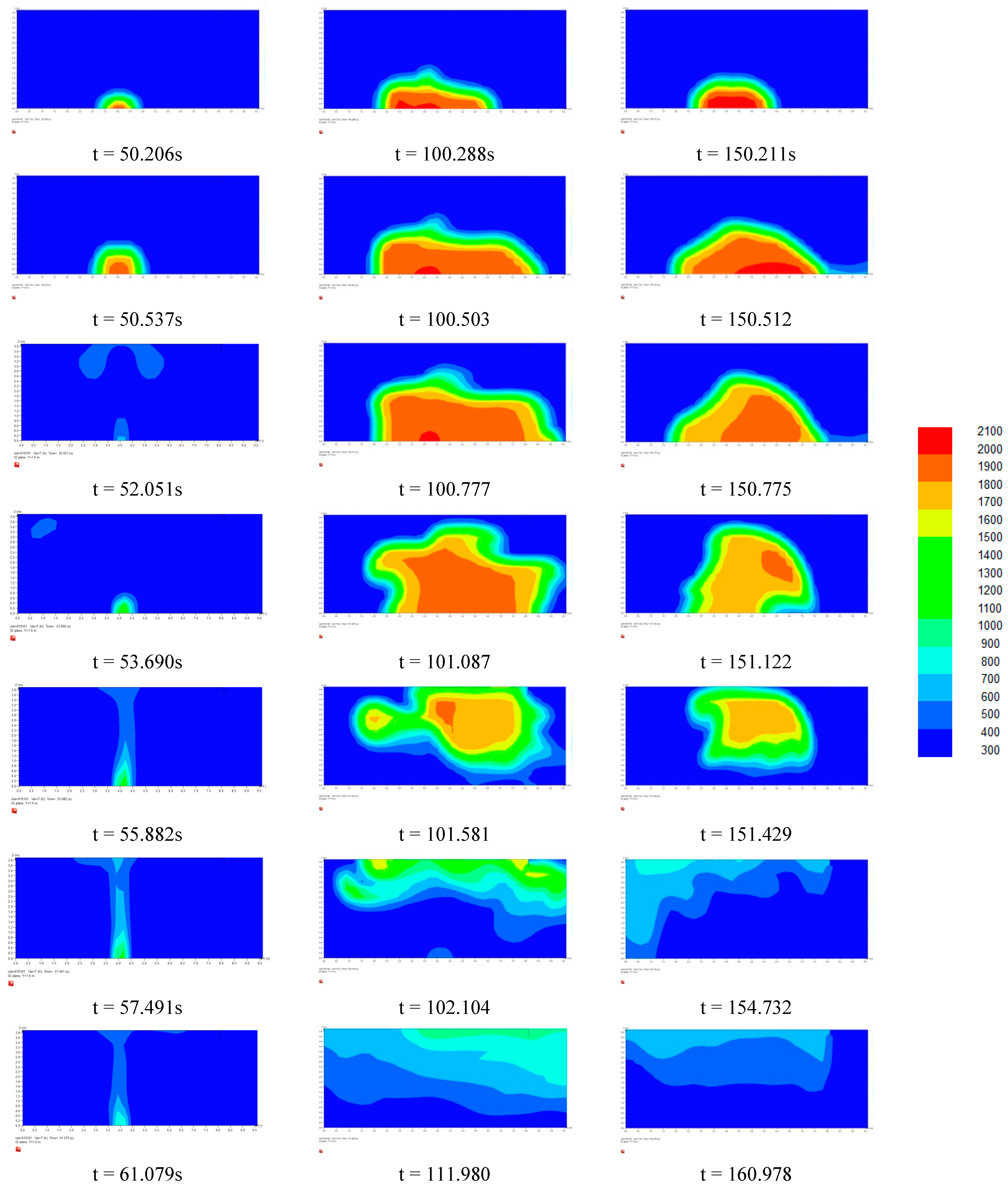
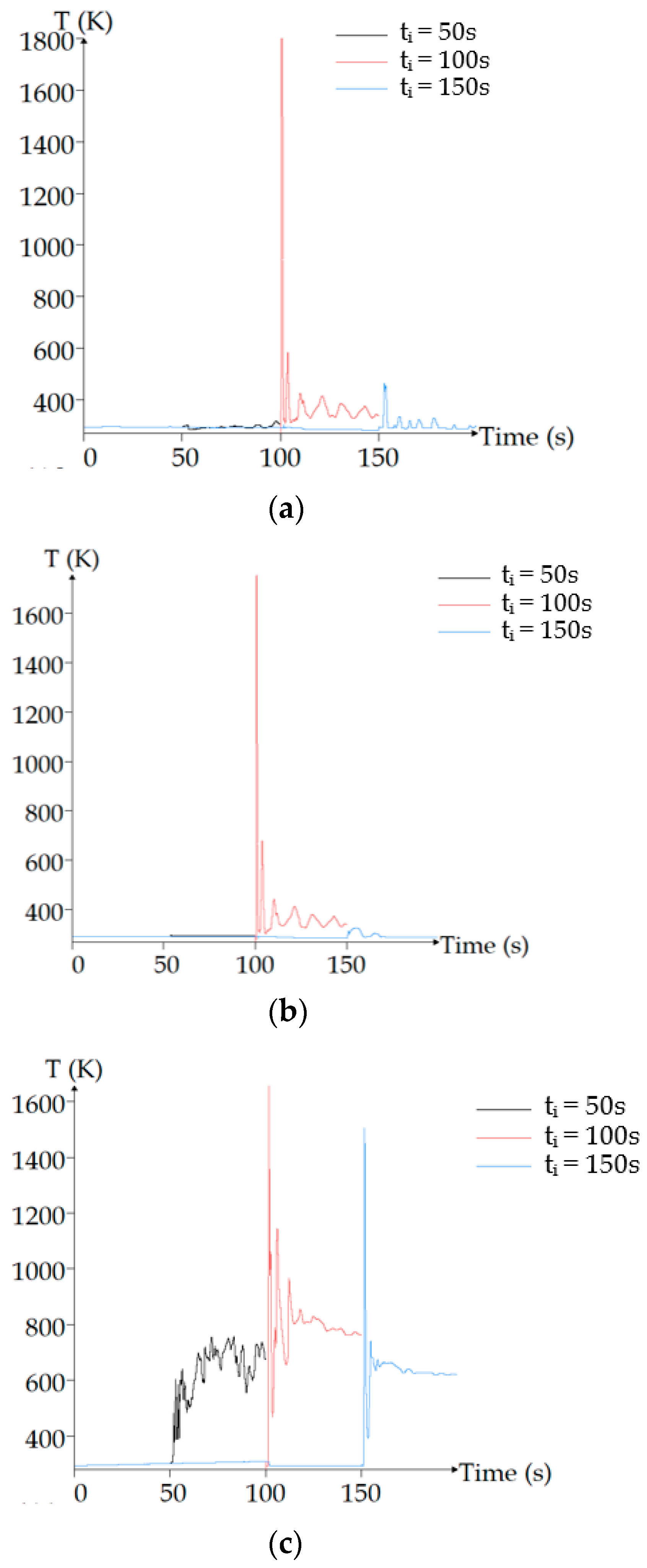
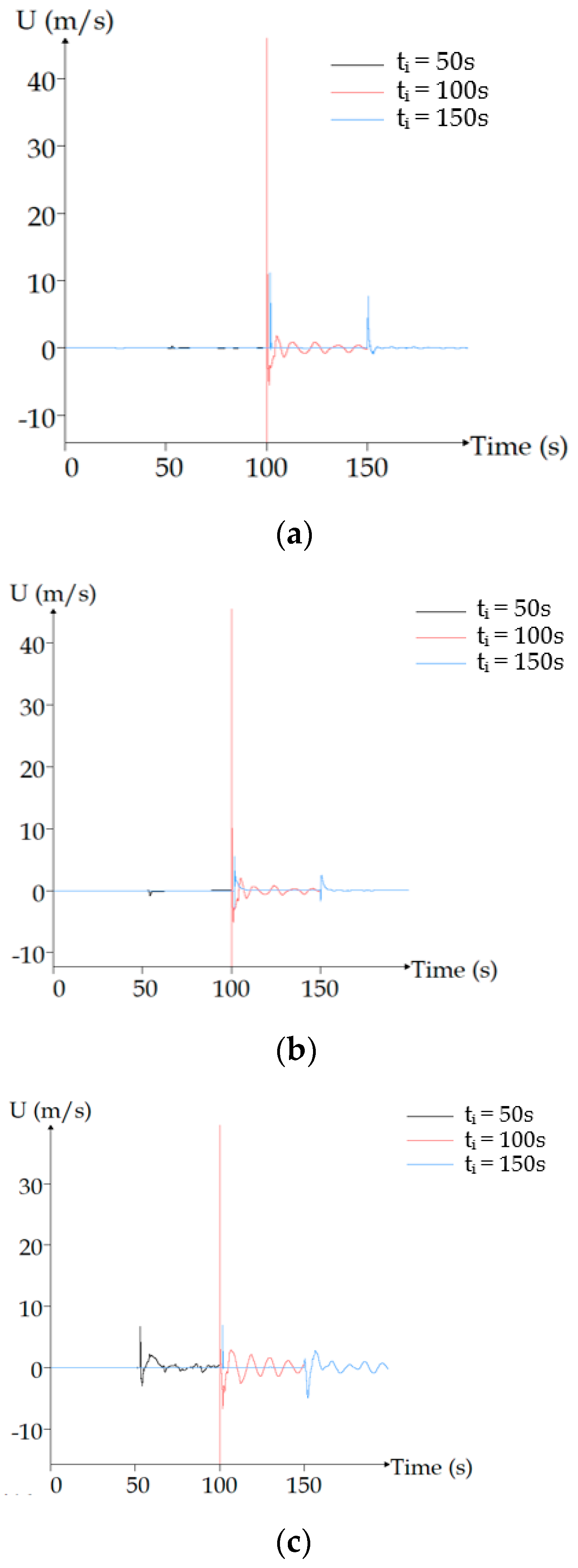
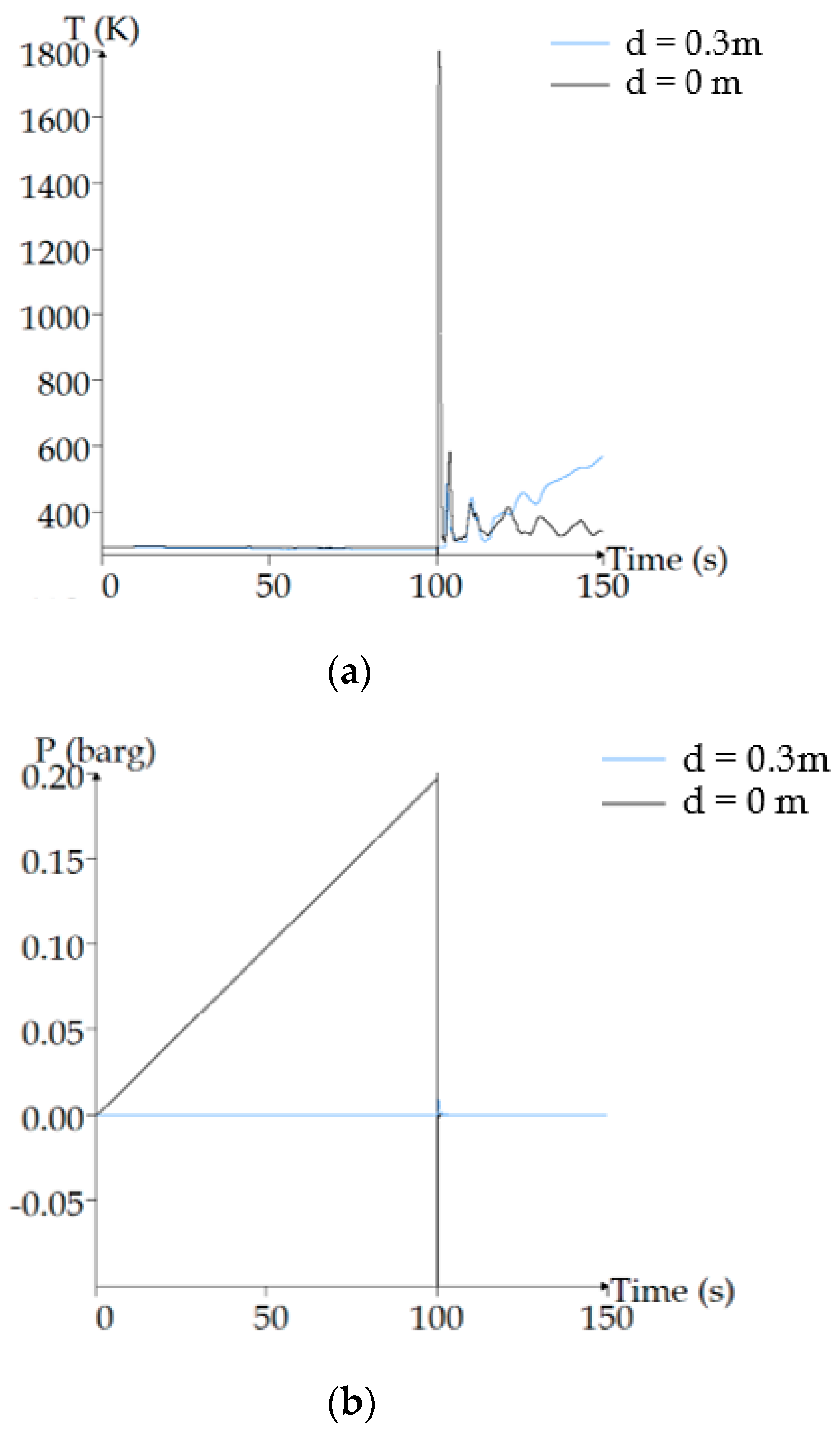
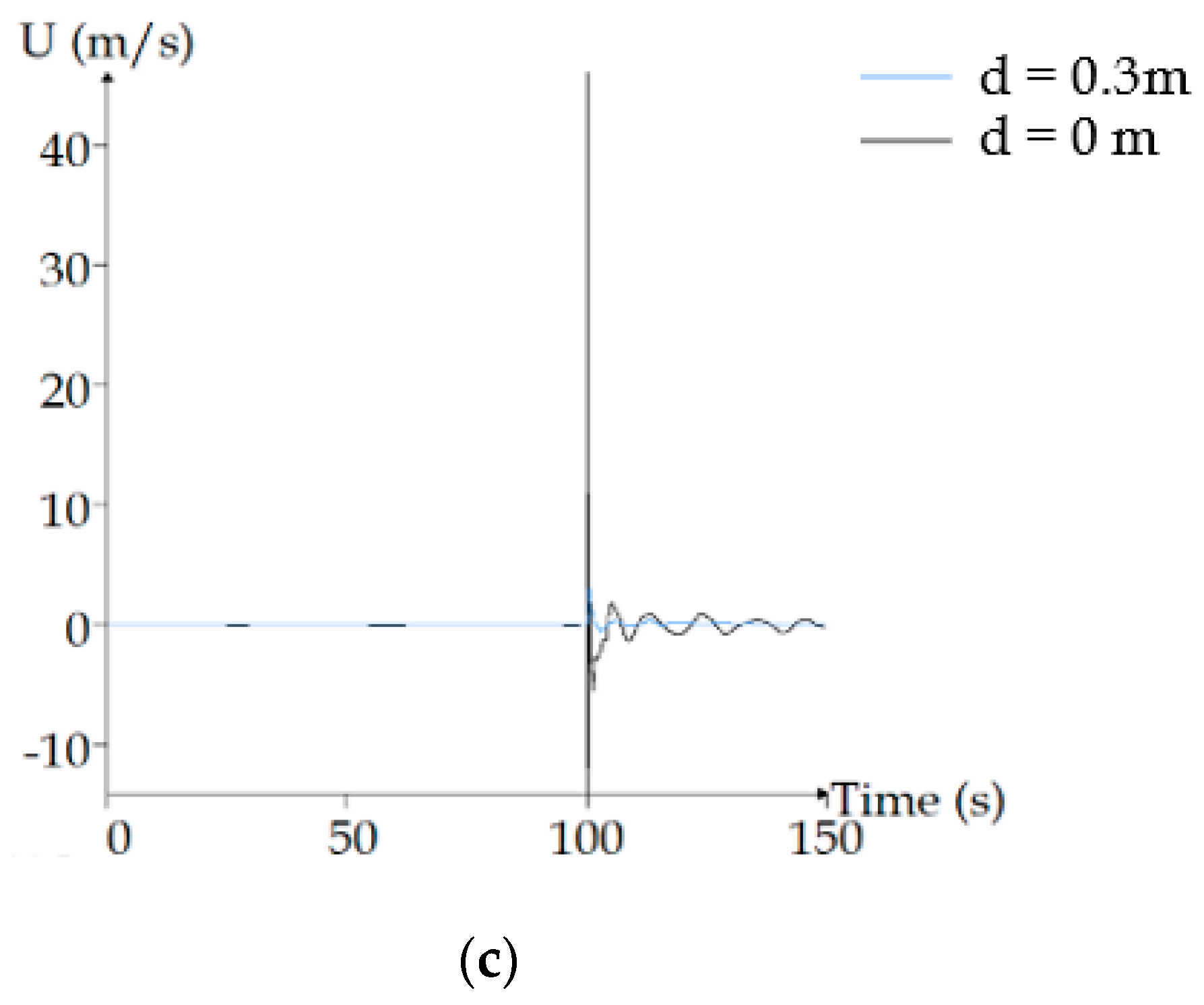
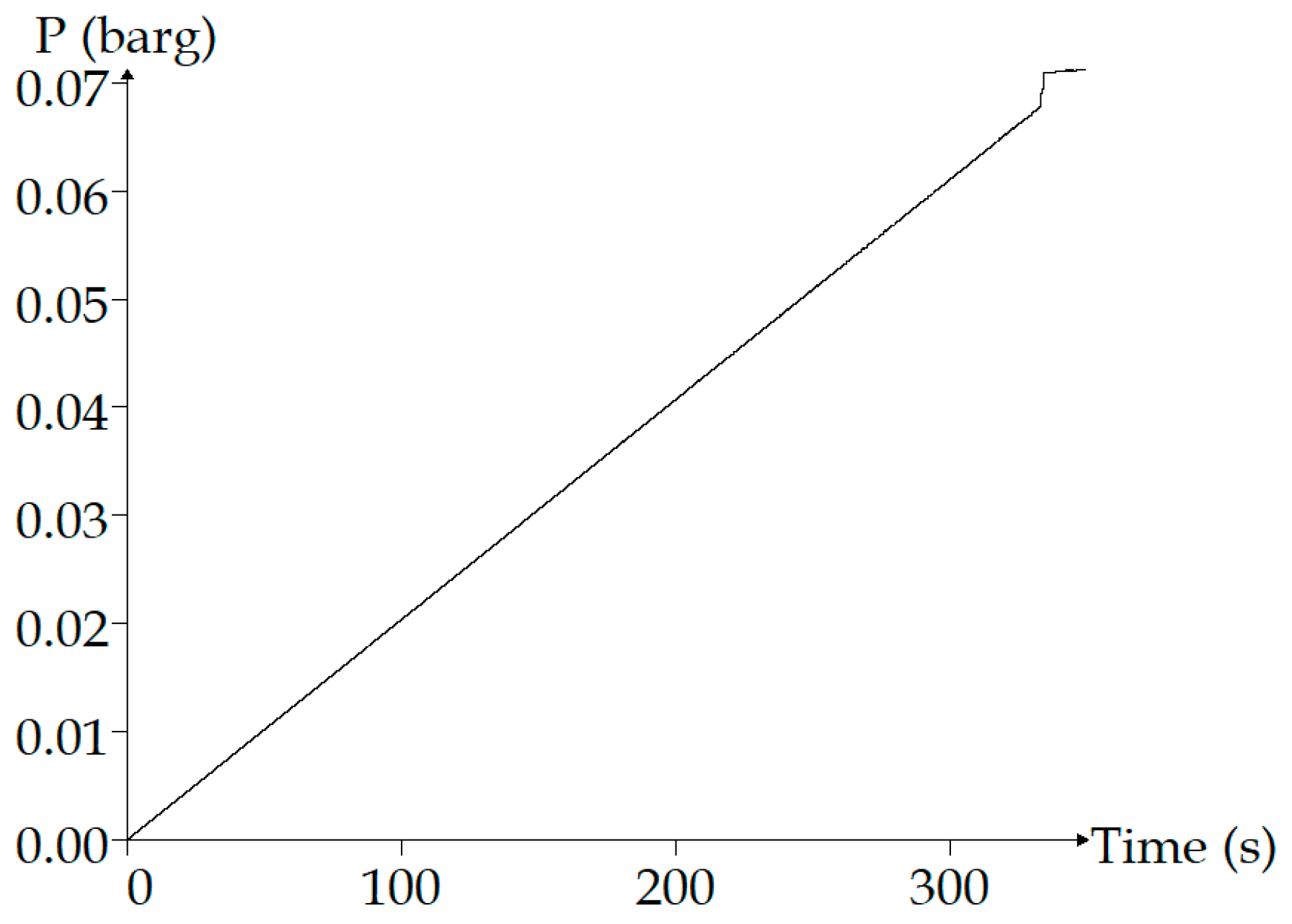
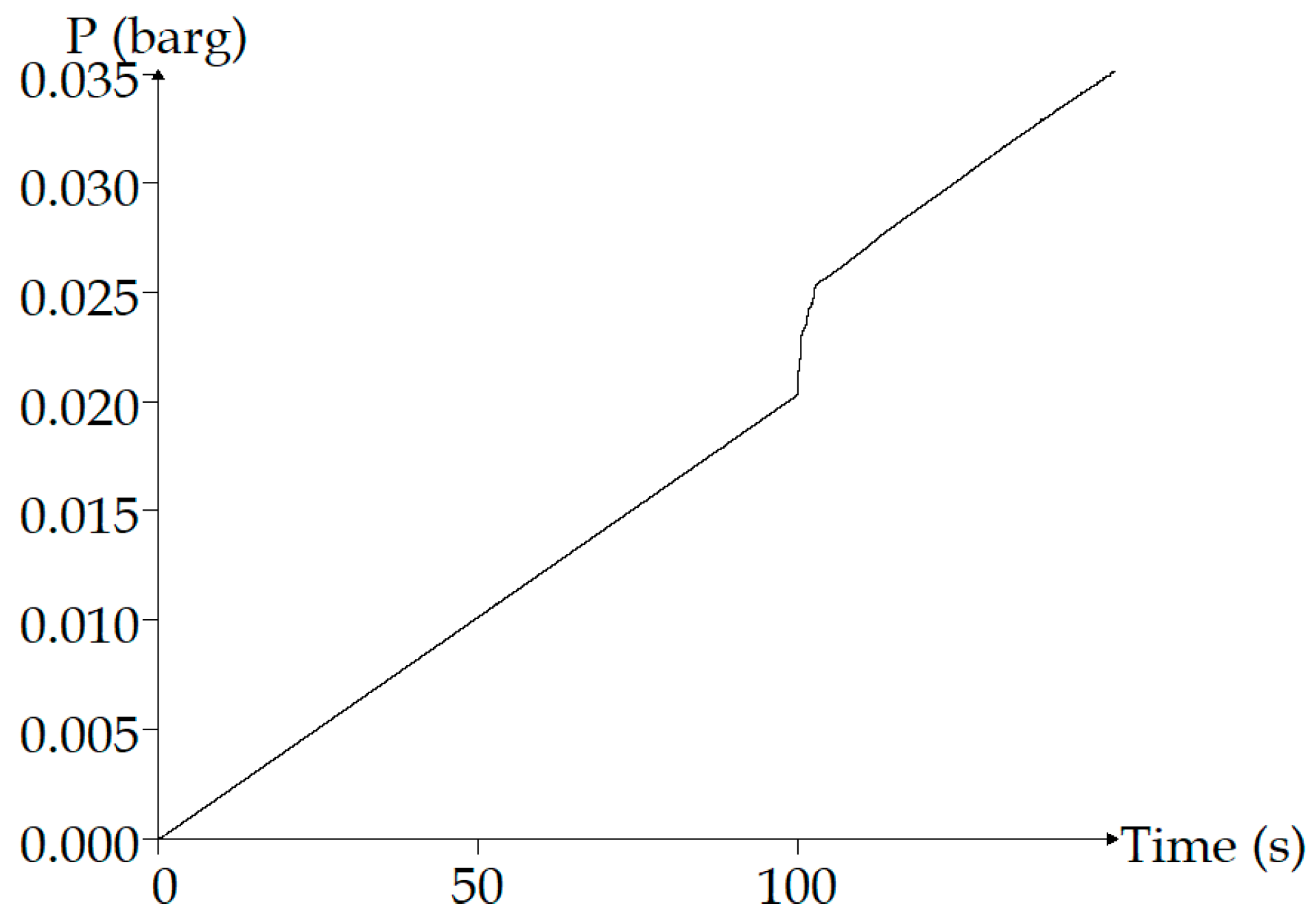
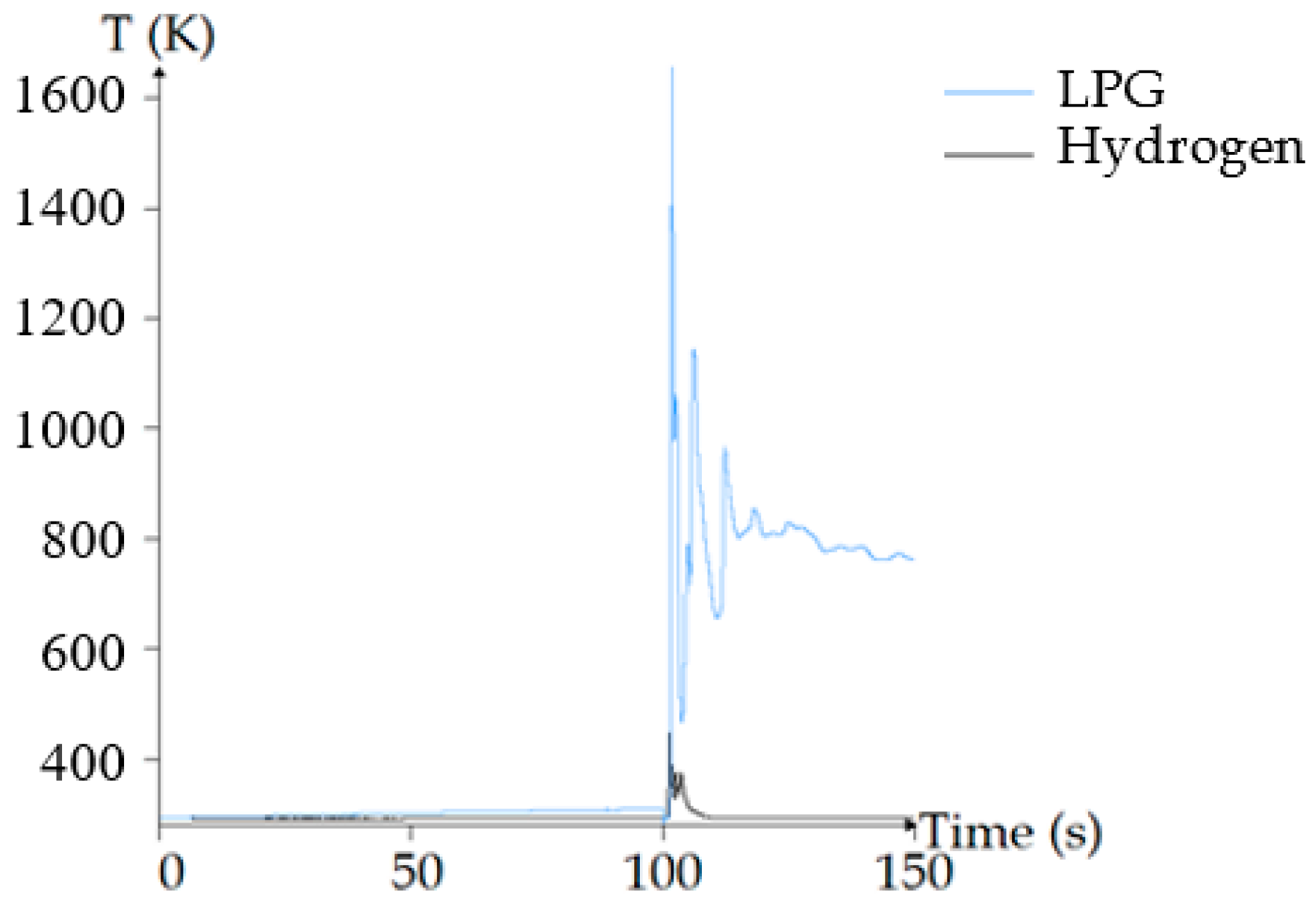
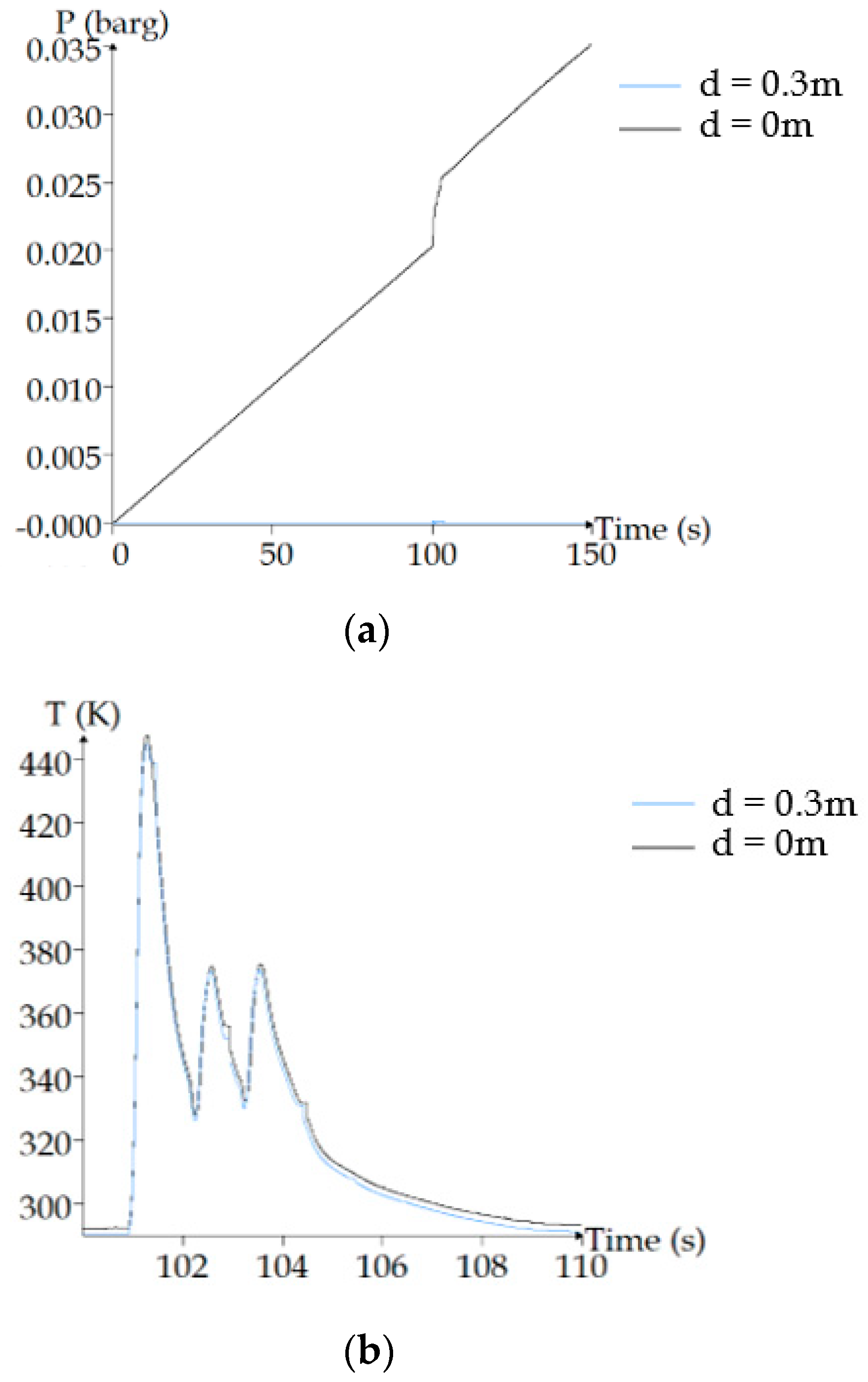
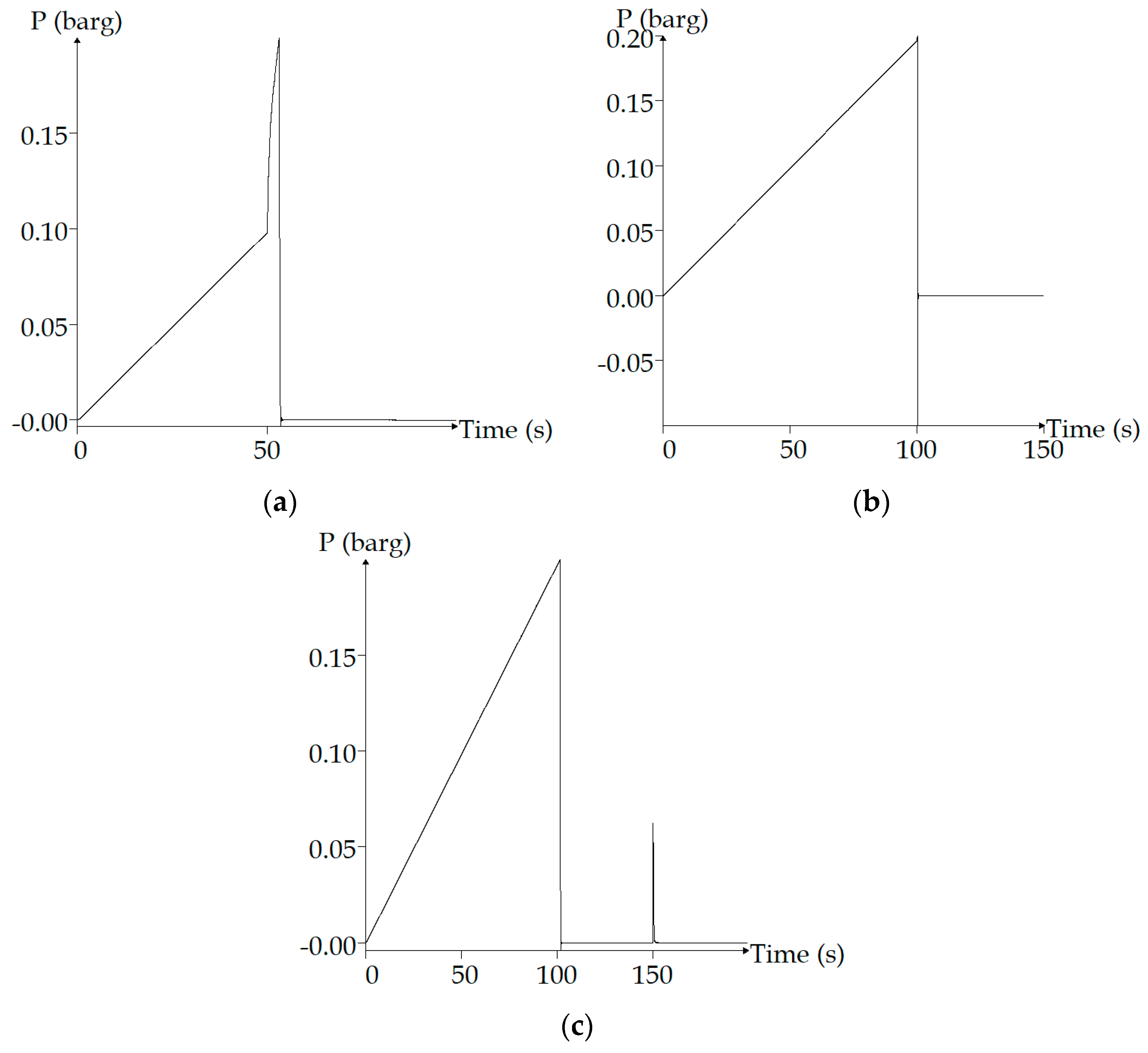
Clean fuel is advocated to be used for sustainability. The number of liquefied petroleum gas (LPG) and hydrogen vehicles is increasing globally. Explosion hazard is a threat. On the other hand, the use of hydrogen is under consideration in Hong Kong. Explosion hazards of these clean fuel (LPG and hydrogen) vehicles were studied and are compared in this paper. The computational fluid dynamics (CFD) software Flame Acceleration Simulator (FLACS) was used. A car garage with a rolling shutter as its entrance was selected for study. Dispersion of LPG from the leakage source with ignition at a higher position was studied. The same garage was used with a typical hydrogen vehicle leaking 3.4 pounds (1.5 kg) of hydrogen in 100 s, the mass flow rate being equal to 0.015 kgs−1. The hydrogen vehicle used in the simulation has two hydrogen tanks with a combined capacity of 5 kg. The entire tank would be completely vented out in about 333 s. Two scenarios of CFD simulation were carried out. In the first scenario, the rolling shutter was completely closed and the leaked LPG or hydrogen was ignited at 300 s after leakage. The second scenario was conducted with a gap height of 0.3 m under the rolling shutter. Predicted results of explosion pressure and temperature show that appropriate active fire engineering systems are required when servicing these clean fuel vehicles in garages. An appropriate vent in an enclosed space such as the garage is important in reducing explosion hazards.
Keywords: explosion hazard; clean fuel; LPG vehicles; hydrogen vehicles; garages explosion hazard; clean fuel; LPG vehicles; hydrogen vehicles; garages