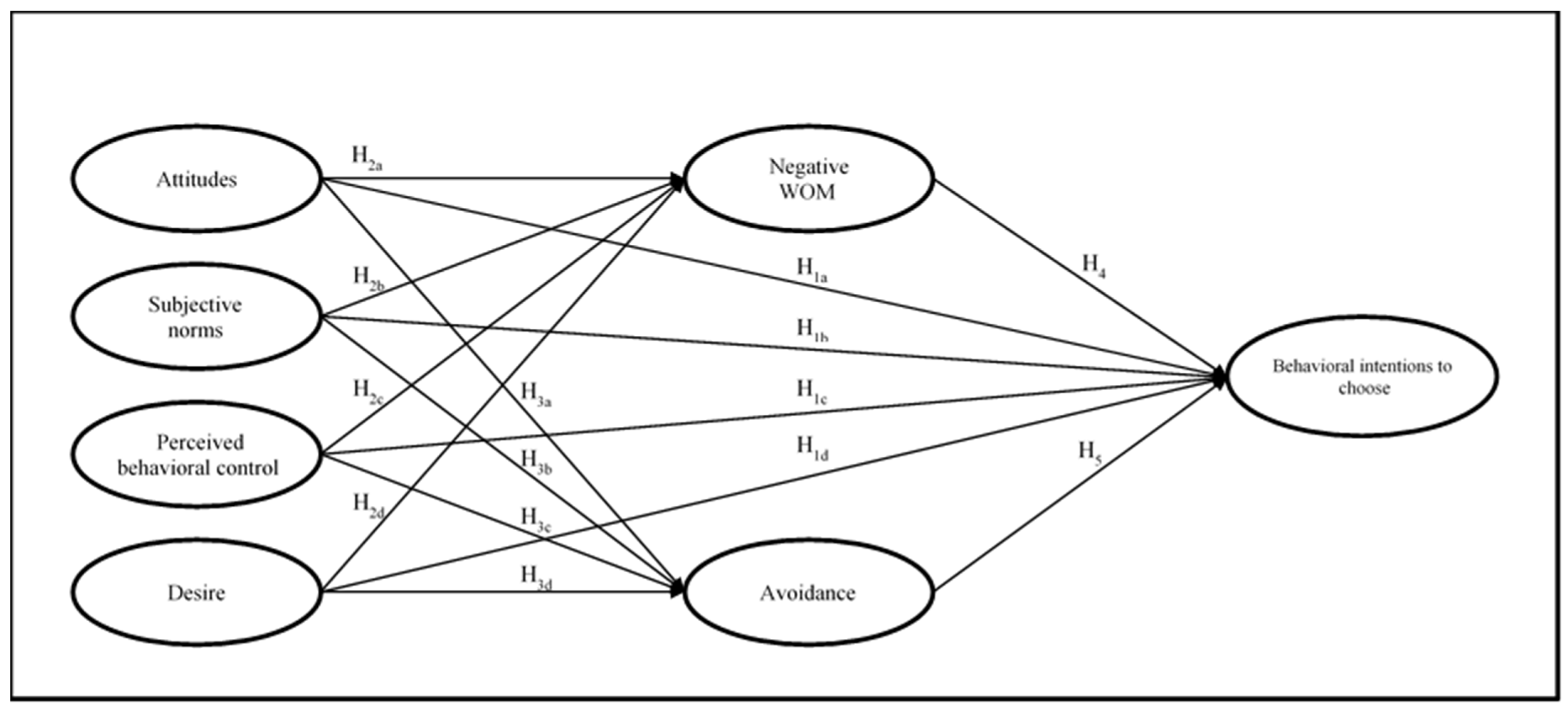
Factors Predicting Individuals’ Behavioural Intentions for Choosing Cultural Tourism: A Structural Model



Abstract
Share and Cite
Platania, S.; Woosnam, K.M.; Ribeiro, M.A. Factors Predicting Individuals’ Behavioural Intentions for Choosing Cultural Tourism: A Structural Model. Sustainability 2021, 13, 10347. https://doi.org/10.3390/su131810347
Platania S, Woosnam KM, Ribeiro MA. Factors Predicting Individuals’ Behavioural Intentions for Choosing Cultural Tourism: A Structural Model. Sustainability. 2021; 13(18):10347. https://doi.org/10.3390/su131810347
Chicago/Turabian StylePlatania, Silvia, Kyle Maurice Woosnam, and Manuel Alector Ribeiro. 2021. "Factors Predicting Individuals’ Behavioural Intentions for Choosing Cultural Tourism: A Structural Model" Sustainability 13, no. 18: 10347. https://doi.org/10.3390/su131810347
APA StylePlatania, S., Woosnam, K. M., & Ribeiro, M. A. (2021). Factors Predicting Individuals’ Behavioural Intentions for Choosing Cultural Tourism: A Structural Model. Sustainability, 13(18), 10347. https://doi.org/10.3390/su131810347