Article

Sustainable Viticulture on Traditional ‘Baran’ Training System in Eastern Turkey

1
Department of Horticulture, Faculty of Agriculture, Atatürk University, 25240 Erzurum, Turkey
2
Department of Viticulture and Enology, Faculty of Horticulture, Mendel University in Brno, Valticka 337, 691 44 Lednice, Czech Republic
*
Author to whom correspondence should be addressed.
Sustainability 2021, 13(18), 10236; https://doi.org/10.3390/su131810236
Submission received: 26 August 2021 / Revised: 8 September 2021 / Accepted: 9 September 2021 / Published: 14 September 2021

Abstract

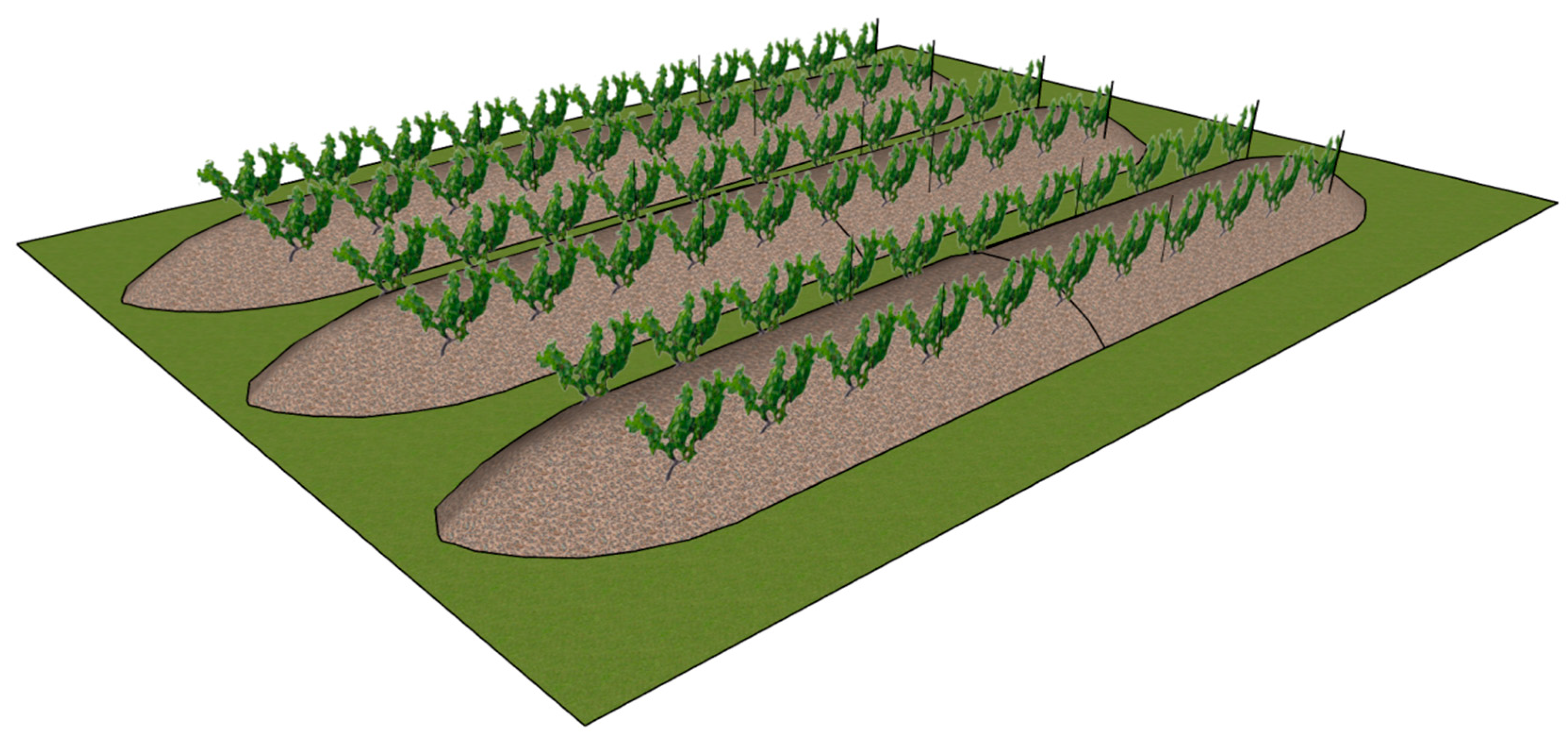
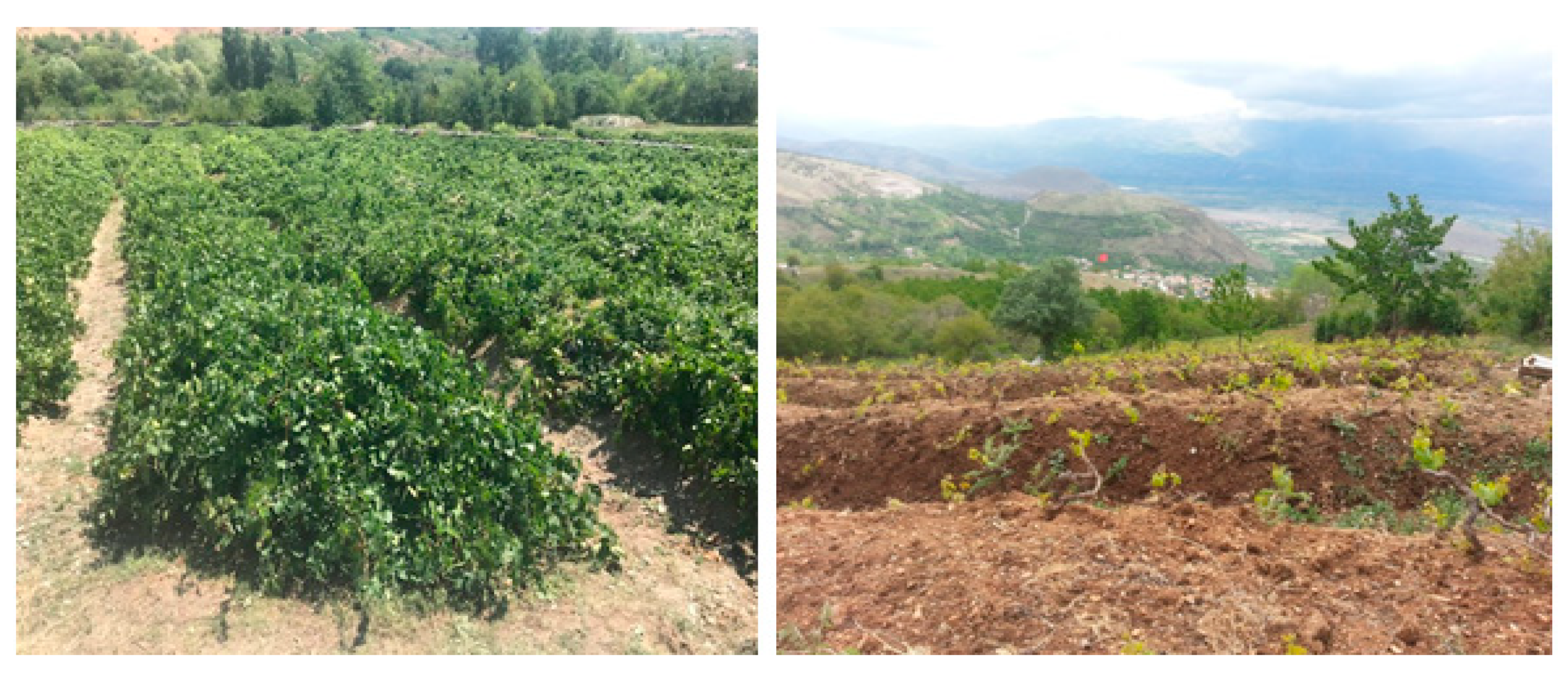
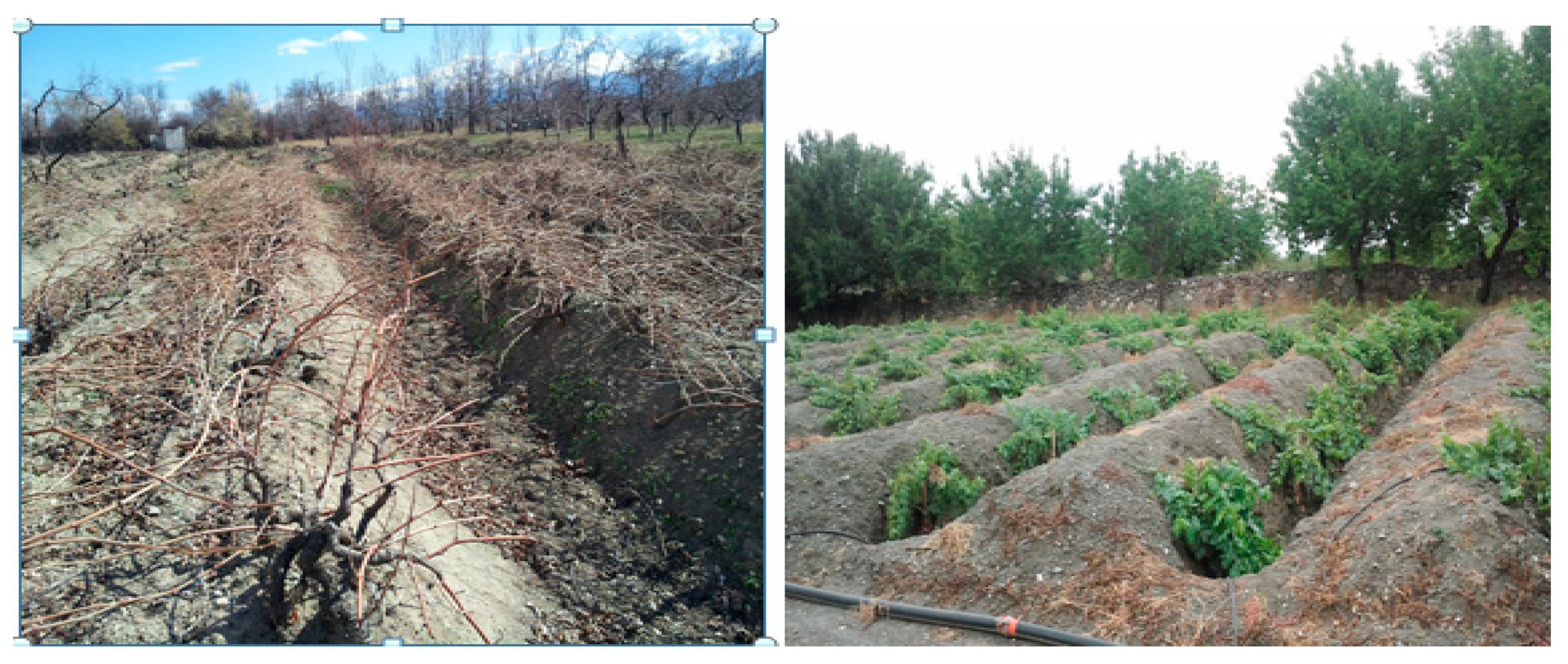
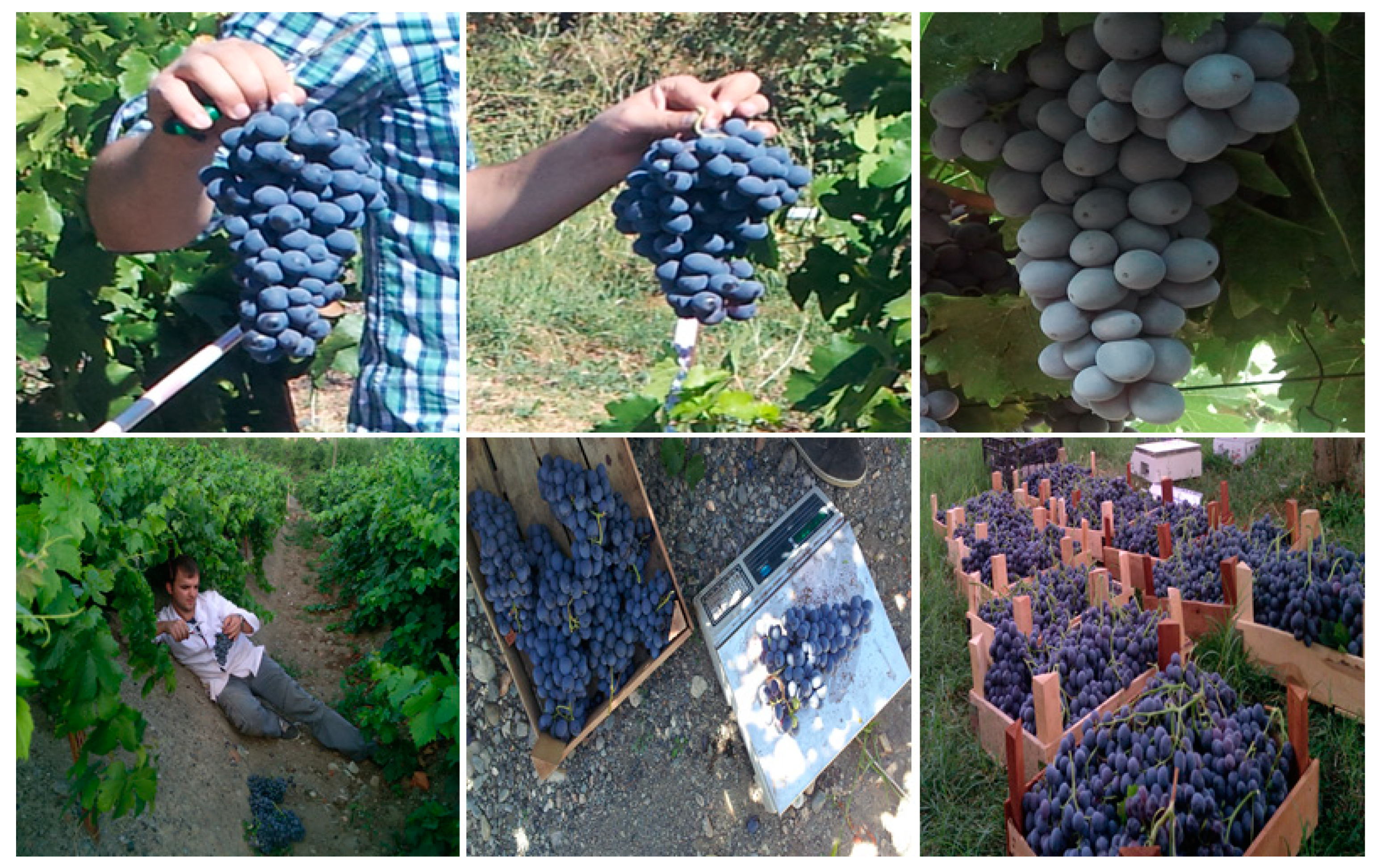
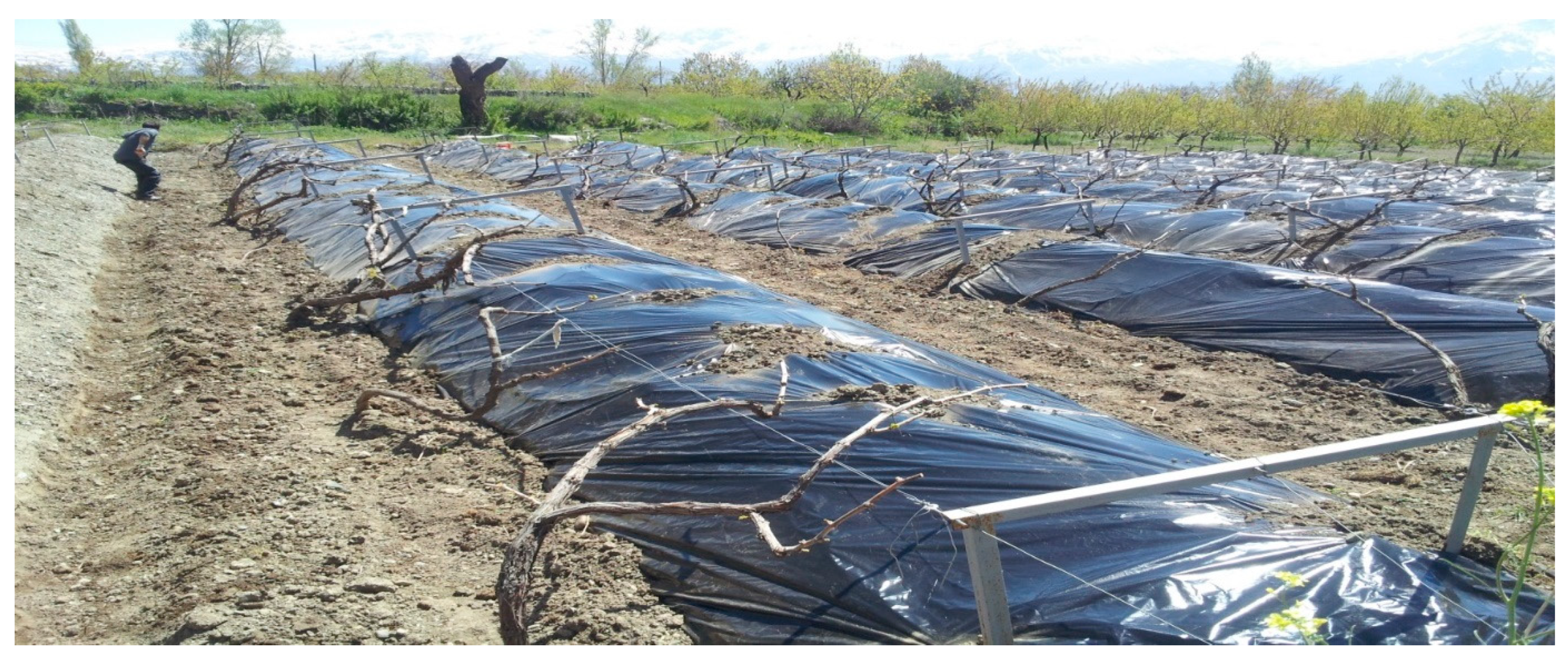
Erzincan plain is one of the most fascinating regions in Turkey for plant biodiversity. The area is very rich in terms of gene, species and ecosystem diversity. Having a number of natural habitats, mountains, etc., the region is one of the richest regions in Turkey for plant endemism as well. In northern parts of the region, in particular in Üzümlü, Bayırbağ and Pişkidağ districts, grape production dominates agriculture production and the famous ‘Karaerik’ grape cultivar has been cultivated for a long time on the very special traditional ‘Baran’ training system to avoid cold damage that occurs in winter months. The cultivar is harvested between 1 September and 1 October according to altitude in the region. The cultivar is well known in Turkey and there is a great demand for this cultivar in Turkey due to its perfect berry characteristics. In this study, yield, marketable product, cluster weight, cluster form, organic acids, specific sugars and sensory characteristics of the ‘Karaerik’ grape cultivar grown in three altitudes (1200 m a.s.l., 1400 m a.s.l. and 1600 m a.s.l., respectively) in Üzümlü district were investigated. For each altitude, grape clusters were sampled from ten vineyards and an average sample was formed. Marketable product, cluster weight, cluster form, organic acids and specific sugars were determined on those samples. Yield was determined as per decare. Sensory characteristics of samples were determined by five expert panelists. Results showed that the cluster weight was the highest in lower altitude and increasing altitude formed a more conical cluster form compared to winged cylindrical clusters at lower altitudes. The highest yield (740 kg per decare) was obtained in 1200 m a.s.l. and was followed by 1400 m a.s.l. (682 kg per decare) and 1600 m a.s.l. (724 kg per decare), respectively. Altitude strongly affected sugar and organic acid composition and ratio in berries of the ‘Karaerik’ grape. Fructose and tartaric acid were the main sugar and organic acid at all altitudes and were found between 10.04–14.02 g/100 g and 2.17–3.66 g/100 g, respectively. Sensory scores were also the highest at lower altitudes and decreased parallel to altitude increase.
Keywords: grape; altitude; sustainability; quality grape; altitude; sustainability; quality