Article

Sustainable Development of Smart Manufacturing Driven by the Digital Twin Framework: A Statistical Analysis

1
Symbiosis Institute of Technology, Symbiosis International (Deemed University), Lavale, Pune 412115, Maharashtra, India
2
Symbiosis Centre for Applied Artificial Intelligence, Symbiosis International (Deemed University), Lavale, Pune 412115, Maharashtra, India
*
Authors to whom correspondence should be addressed.
Sustainability 2021, 13(18), 10139; https://doi.org/10.3390/su131810139
Submission received: 24 July 2021 / Revised: 27 August 2021 / Accepted: 30 August 2021 / Published: 10 September 2021
(This article belongs to the Special Issue Sustainable and Advanced Remanufacturing Processes)

Abstract

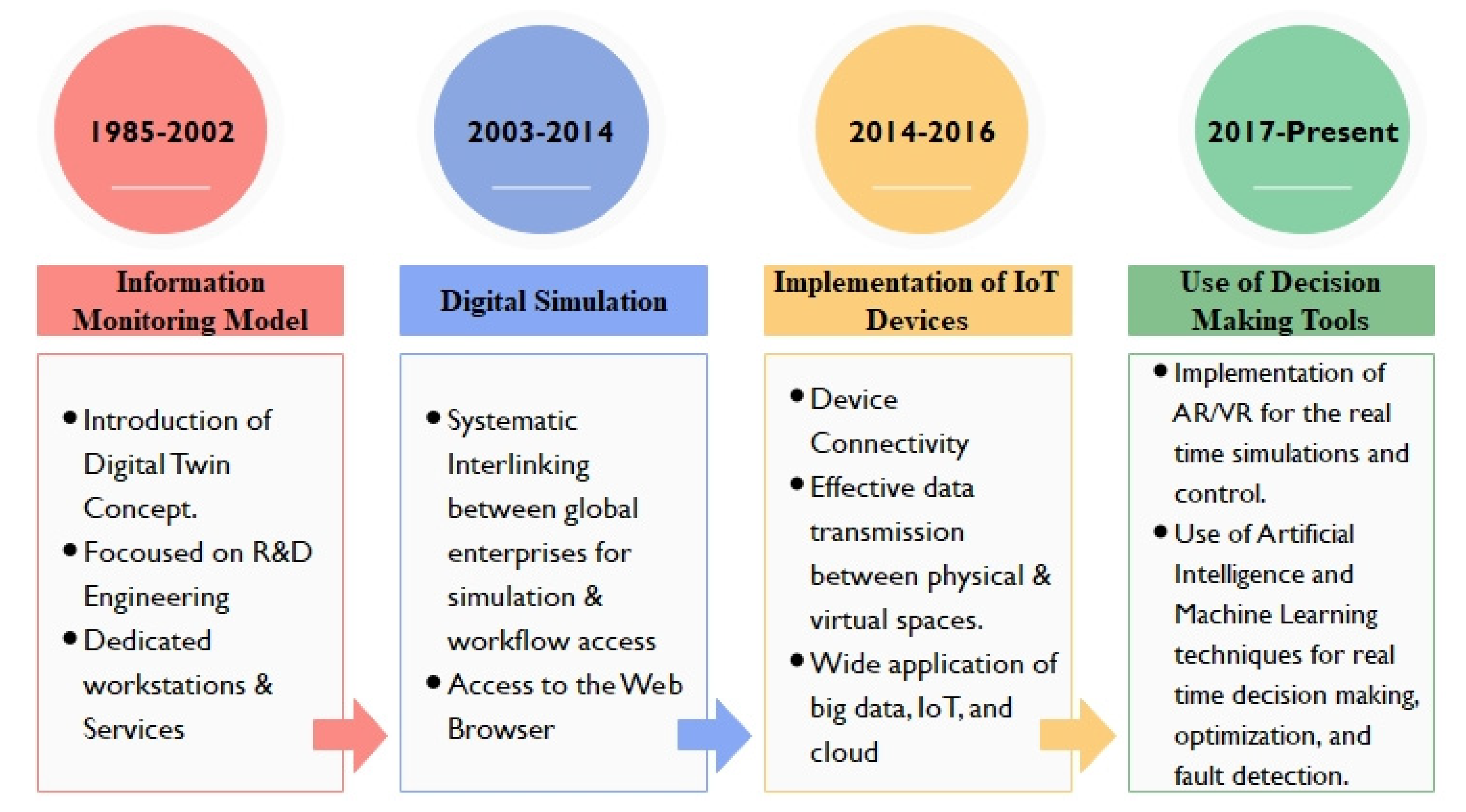
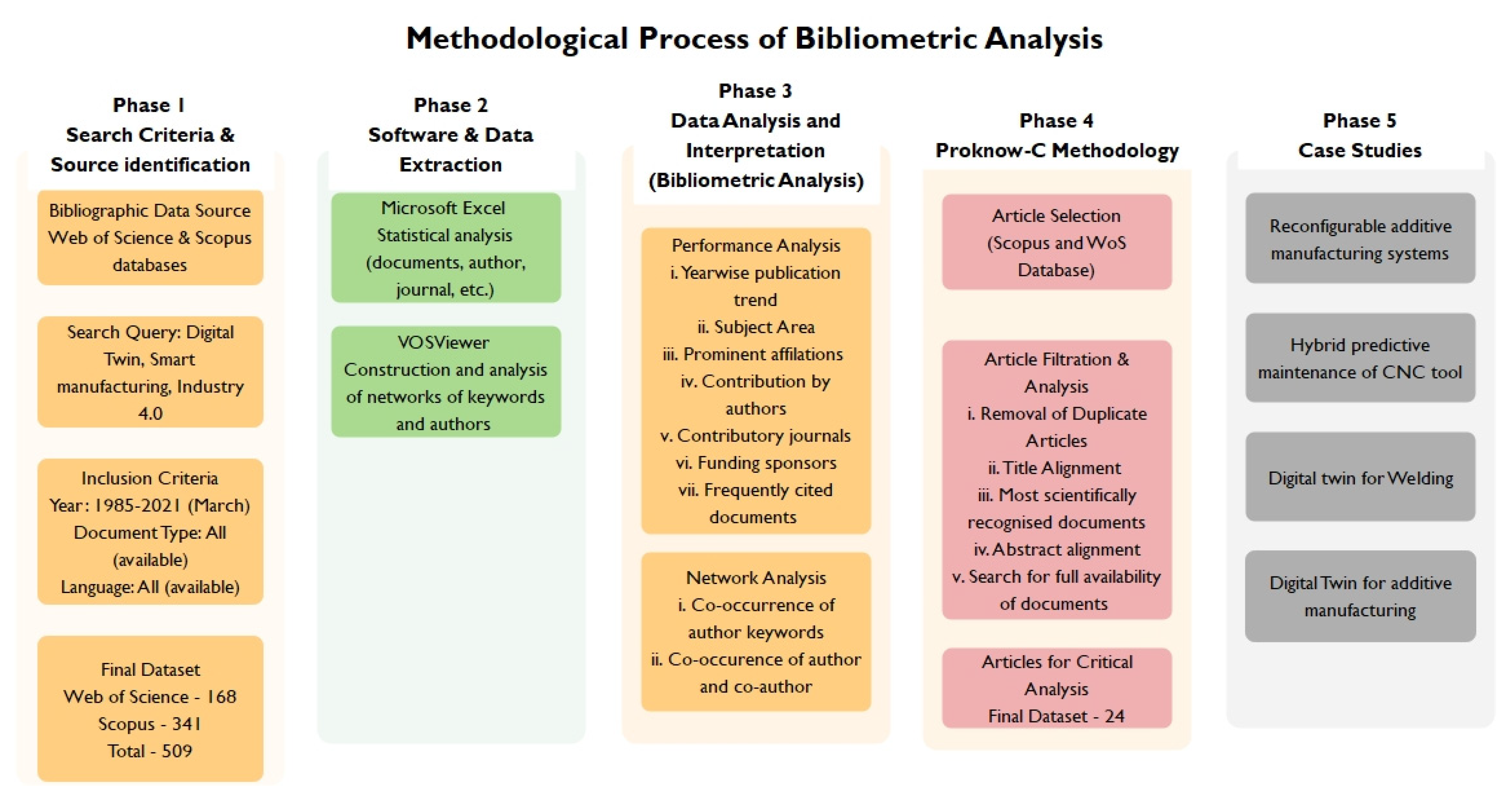
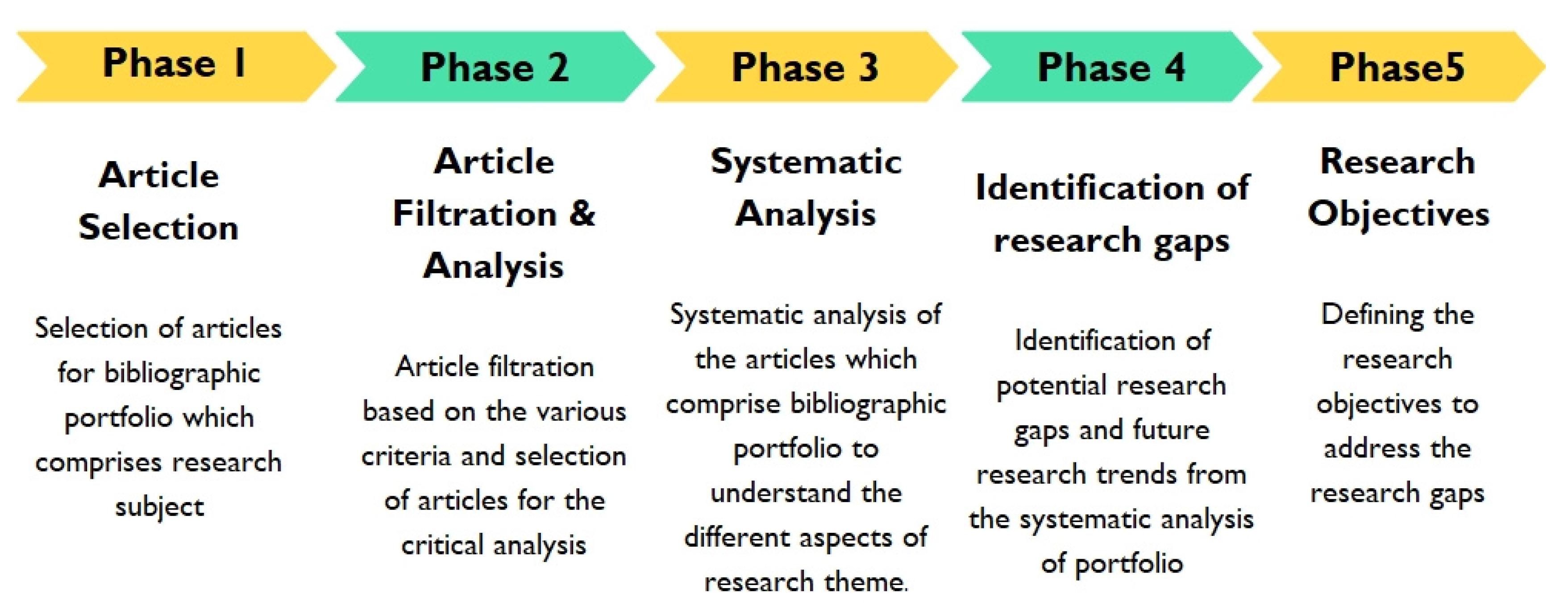
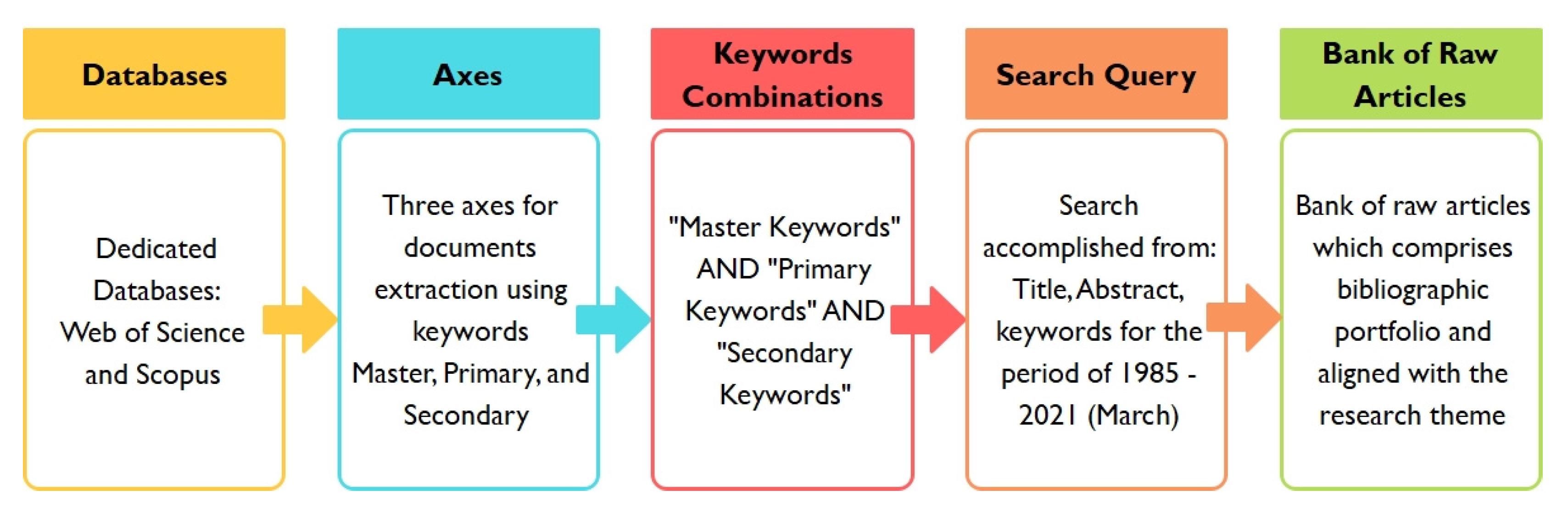
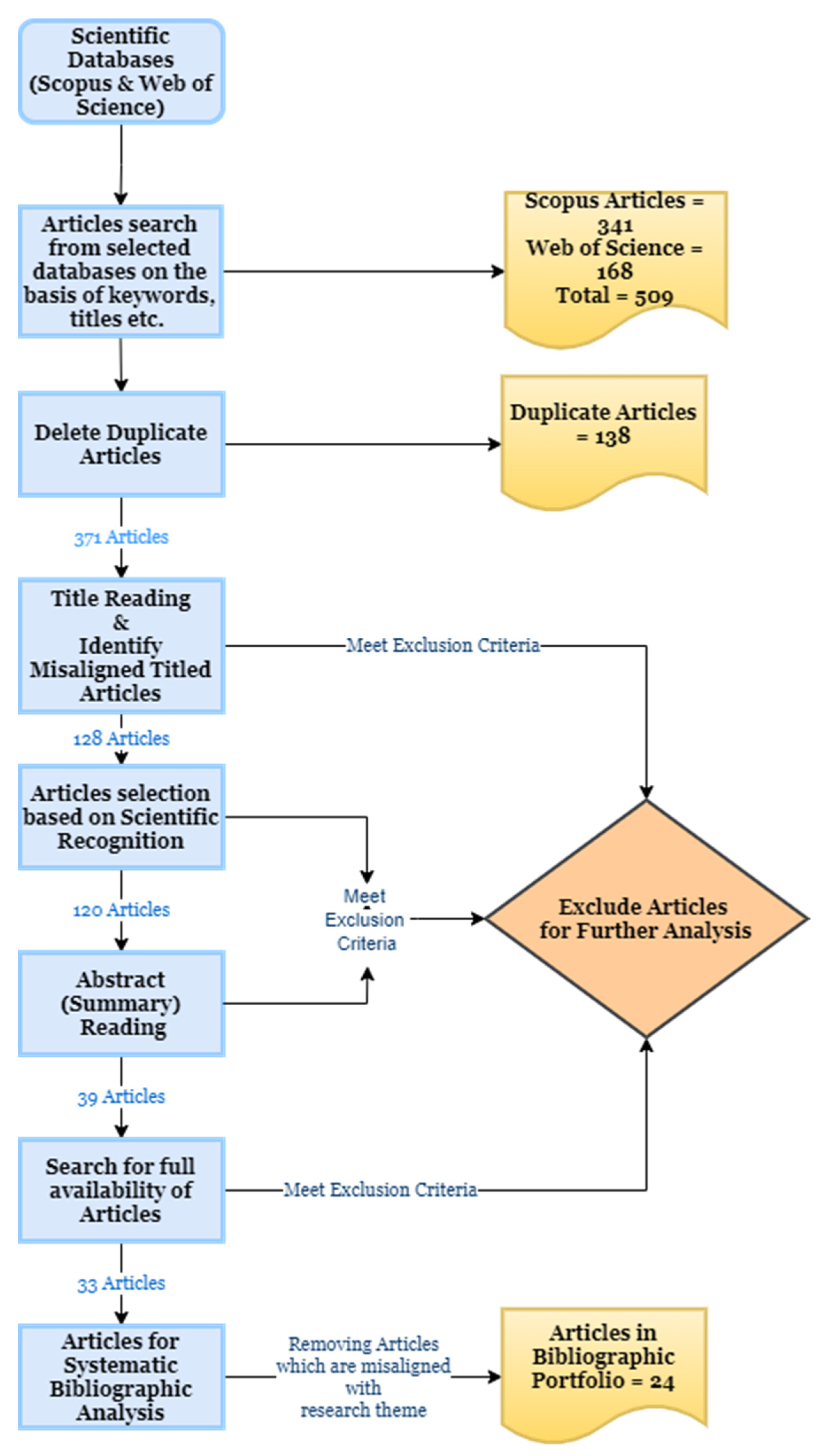
The Fourth Industrial Revolution drives industries from traditional manufacturing to the smart manufacturing approach. In this transformation, existing equipment, processes, or devices are retrofitted with some sensors and other cyber-physical systems (CPS), and adapted towards digital production, which is a blend of critical enabling technologies. In the current scenario of Industry 4.0, industries are shaping themselves towards the development of customized and cost-effective processes to satisfy customer needs with the aid of a digital twin framework, which enables the user to monitor, simulate, control, optimize, and identify defects and trends within, ongoing process, and reduces the chances of human prone errors. This paper intends to make an appraisal of the literature on the digital twin (DT) framework in the domain of smart manufacturing with the aid of critical enabling technologies such as data-driven systems, machine learning and artificial intelligence, and deep learning. This paper also focuses on the concept, evolution, and background of digital twin and the benefits and challenges involved in its implementation. The Scopus and Web of Science databases from 2016 to 2021 were considered for the bibliometric analysis and used to study and analyze the articles that fall within the research theme. For the systematic bibliometric analysis, a novel approach known as Proknow-C was employed, including a series of procedures for article selection and filtration from the existing databases to get the most appropriate articles aligned with the research theme. Additionally, the authors performed statistical and network analyses on the articles within the research theme to identify the most prominent research areas, journal/conference, and authors in the field of a digital twin. This study identifies the current scenarios, possible research gaps, challenges in implementing DT, case studies and future research goals within the research theme.
Keywords: digital twin; industry 4.0; Proknow-C; artificial intelligence; machine learning; deep learning digital twin; industry 4.0; Proknow-C; artificial intelligence; machine learning; deep learning