Article

What Motivates Stakeholders to Demand Corporate Social Responsibility: A Survey Experiment
Network for Education and Research on Peace and Sustainability (NERPS), Hiroshima University, Higashi-Hiroshima 739-8530, Japan
*
Author to whom correspondence should be addressed.
Sustainability 2021, 13(15), 8313; https://doi.org/10.3390/su13158313
Submission received: 27 May 2021 / Revised: 20 July 2021 / Accepted: 20 July 2021 / Published: 26 July 2021
(This article belongs to the Special Issue Corporate Social Responsibility and Corporate Performance)

Abstract

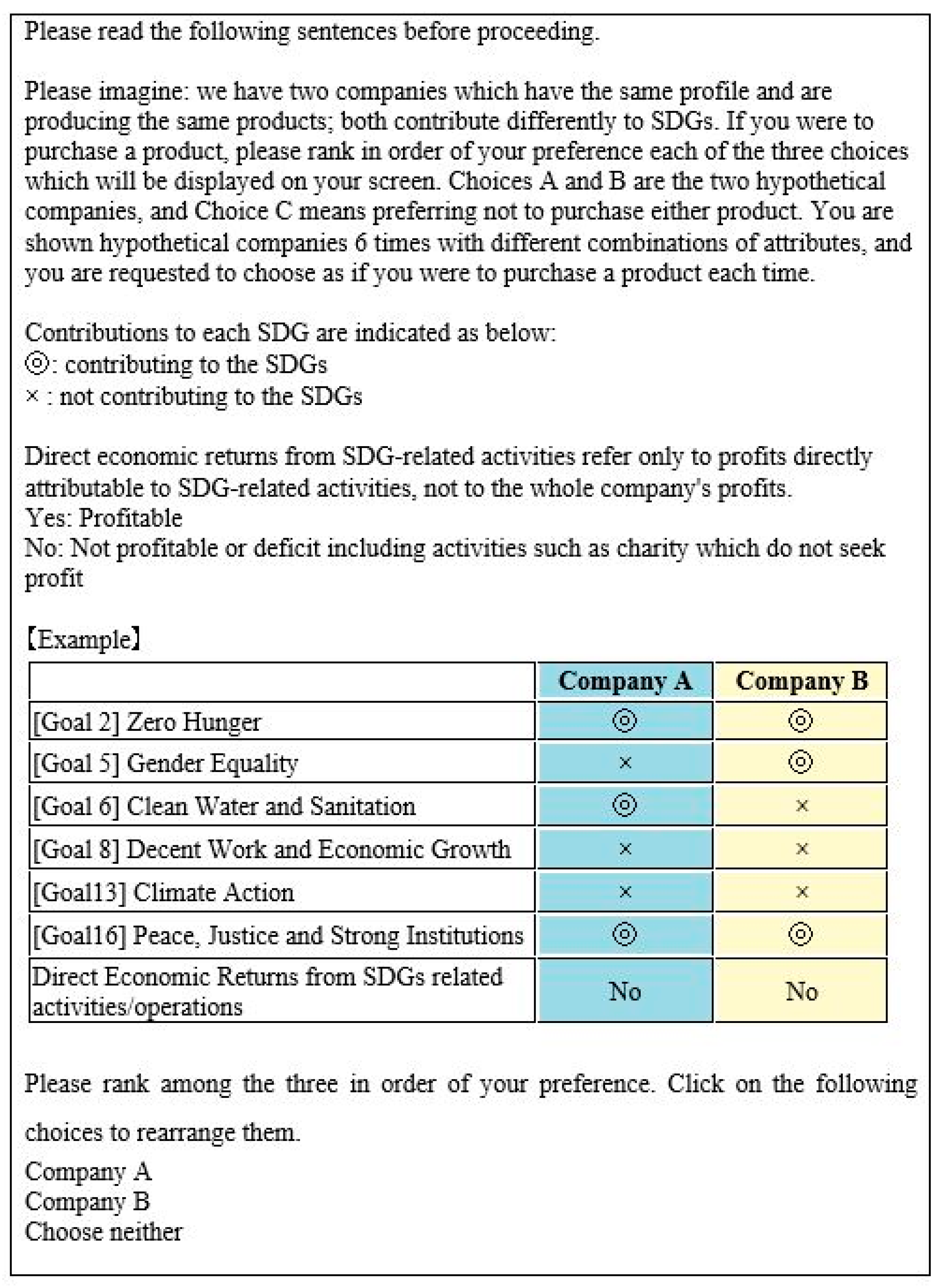
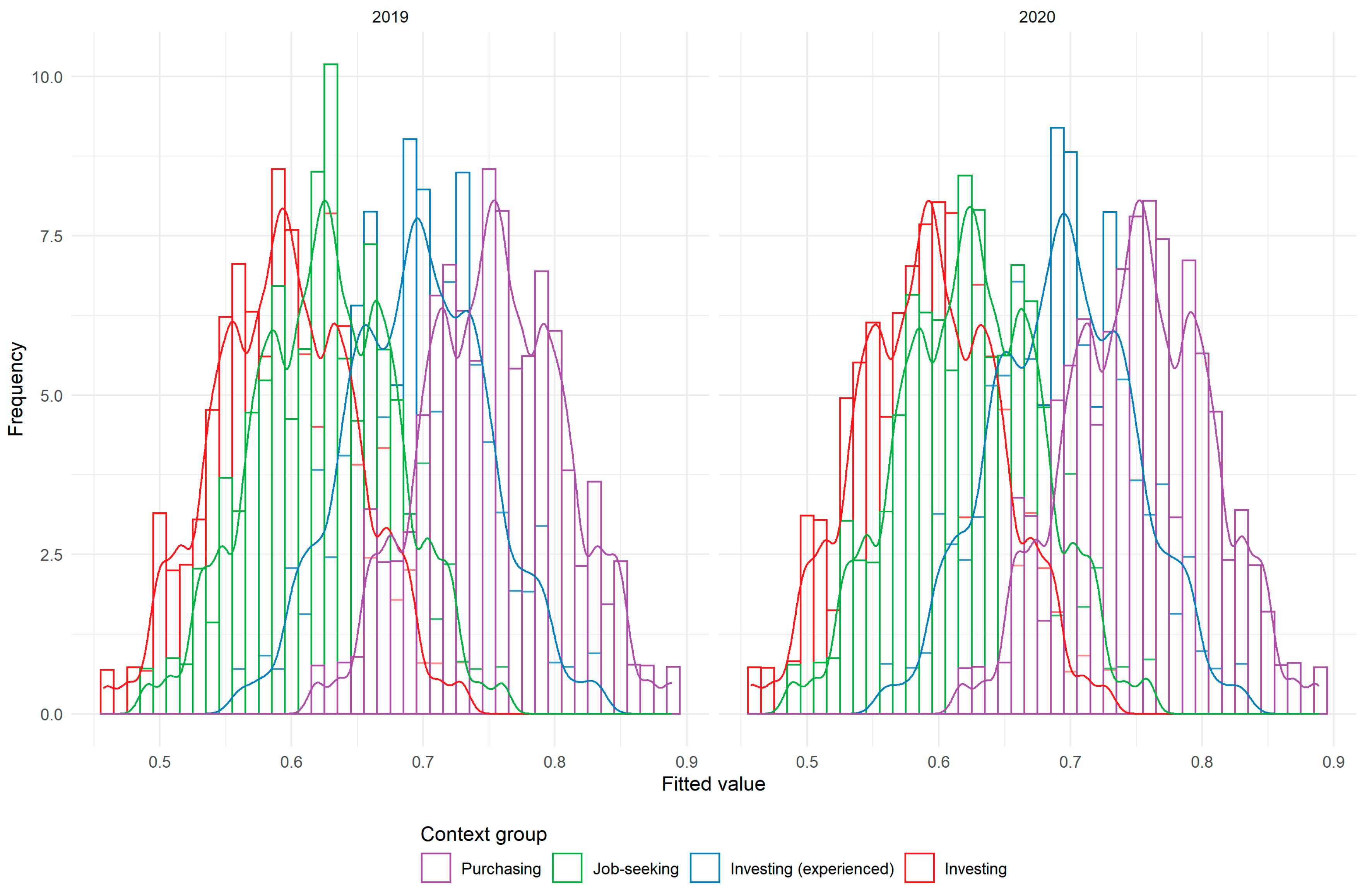
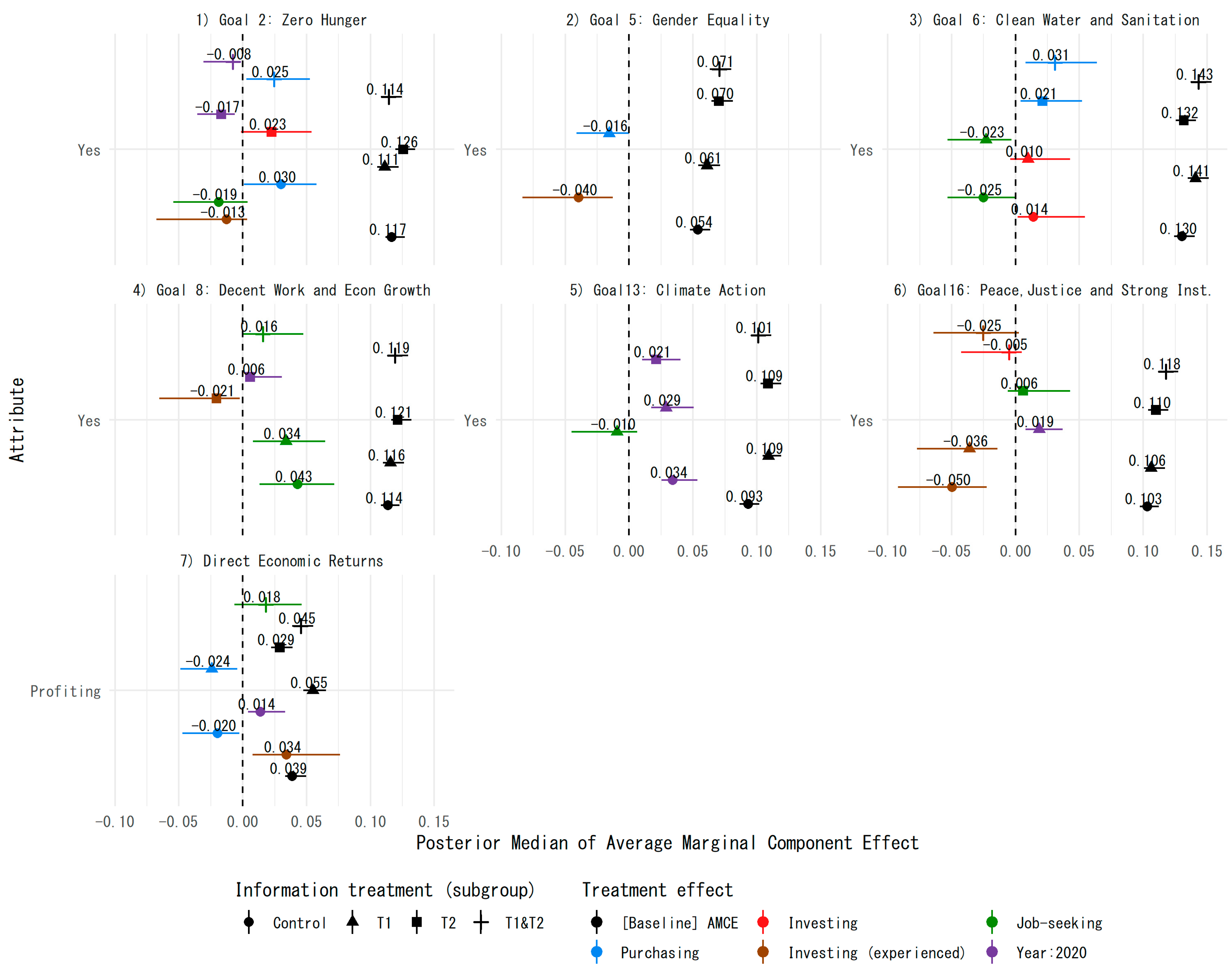
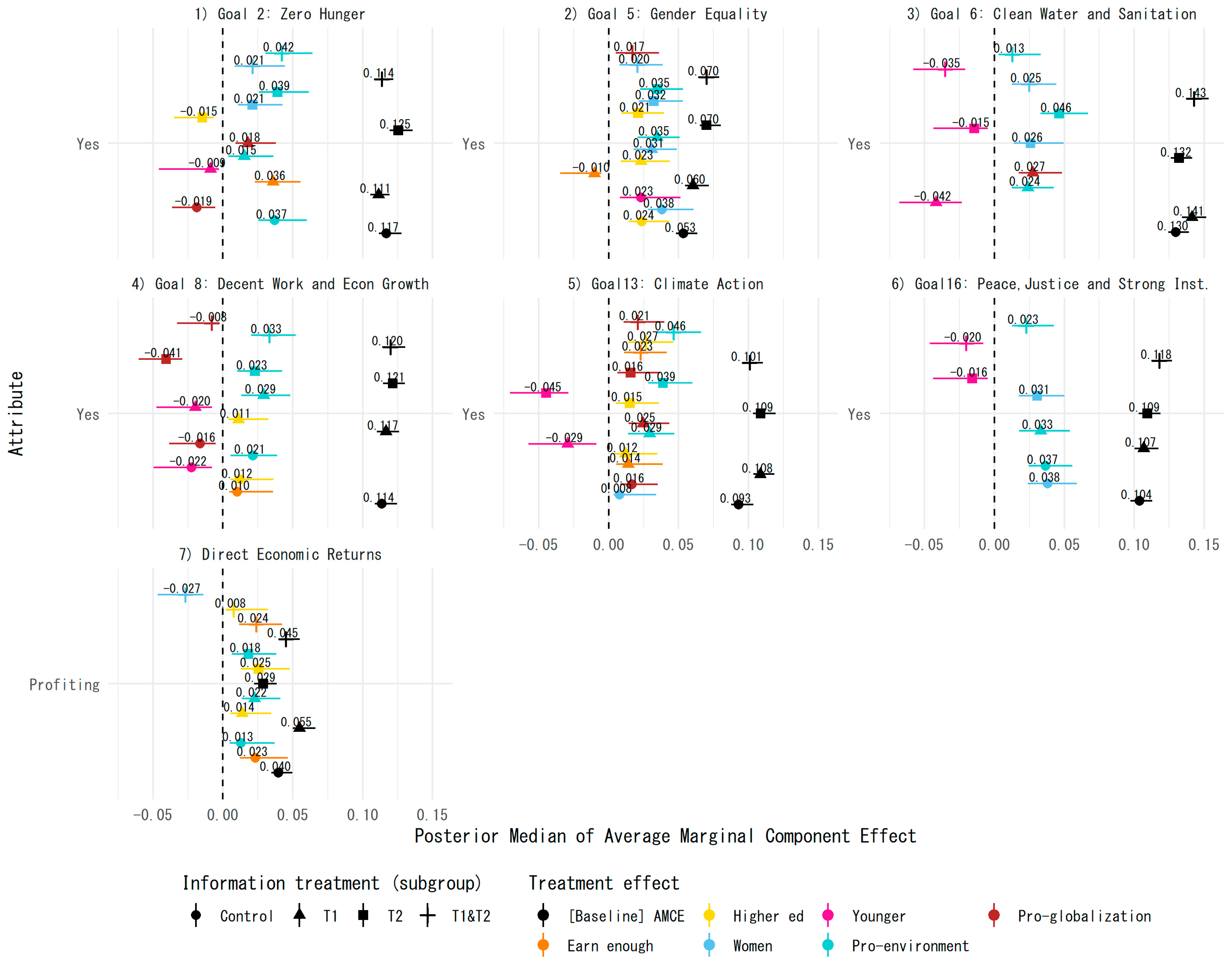
Businesses are facing consistent pressures from stakeholders to be socially responsible although the economic benefits of corporate social responsibility (CSR) have been found to be mixed. We aim to reveal stakeholders’ motivations for demanding CSR by studying stakeholders’ stated preferences on companies’ contribution to the United Nations’ Sustainable Development Goals (SDGs) in three different contexts, purchasing, investing, and job-seeking. We conducted conjoint survey experiments—embedded information treatments targeting the public in Japan (n = 12,098) in 2019 and 2020. The results showed that stakeholders demanded corporations to contribute to international-related issues rather than domestic-related issues. Stakeholders’ support was low when the companies profited from contributing to the SDGs. These results suggest that social context reflects the preferences of stakeholders on corporates’ SDG activities. Overall, raising awareness had effects on stakeholders’ support and to what extent the information affected the decisions of stakeholders was varied by stakeholders.
Keywords: corporate social responsibility; other-regarding behavior; sustainable development; conjoint survey experiment corporate social responsibility; other-regarding behavior; sustainable development; conjoint survey experiment