Article

Smart City Development in Taiwan: From the Perspective of the Information Security Policy


1
College of Business Administration, National Huaqiao University, Quanzhou 362021, China
2
Department of Business, National Open University, New Taipei City 24701, Taiwan
3
Graduate institute of Global Business and Strategy, National Taiwan Normal University, Taipei 10645, Taiwan
4
College of Management, National Taipei University of Education, Taipei 10671, Taiwan
*
Author to whom correspondence should be addressed.
Sustainability 2020, 12(7), 2916; https://doi.org/10.3390/su12072916
Submission received: 1 March 2020 / Revised: 4 April 2020 / Accepted: 4 April 2020 / Published: 6 April 2020
(This article belongs to the Special Issue Urban Planning and Smart City Decision Management)

Abstract

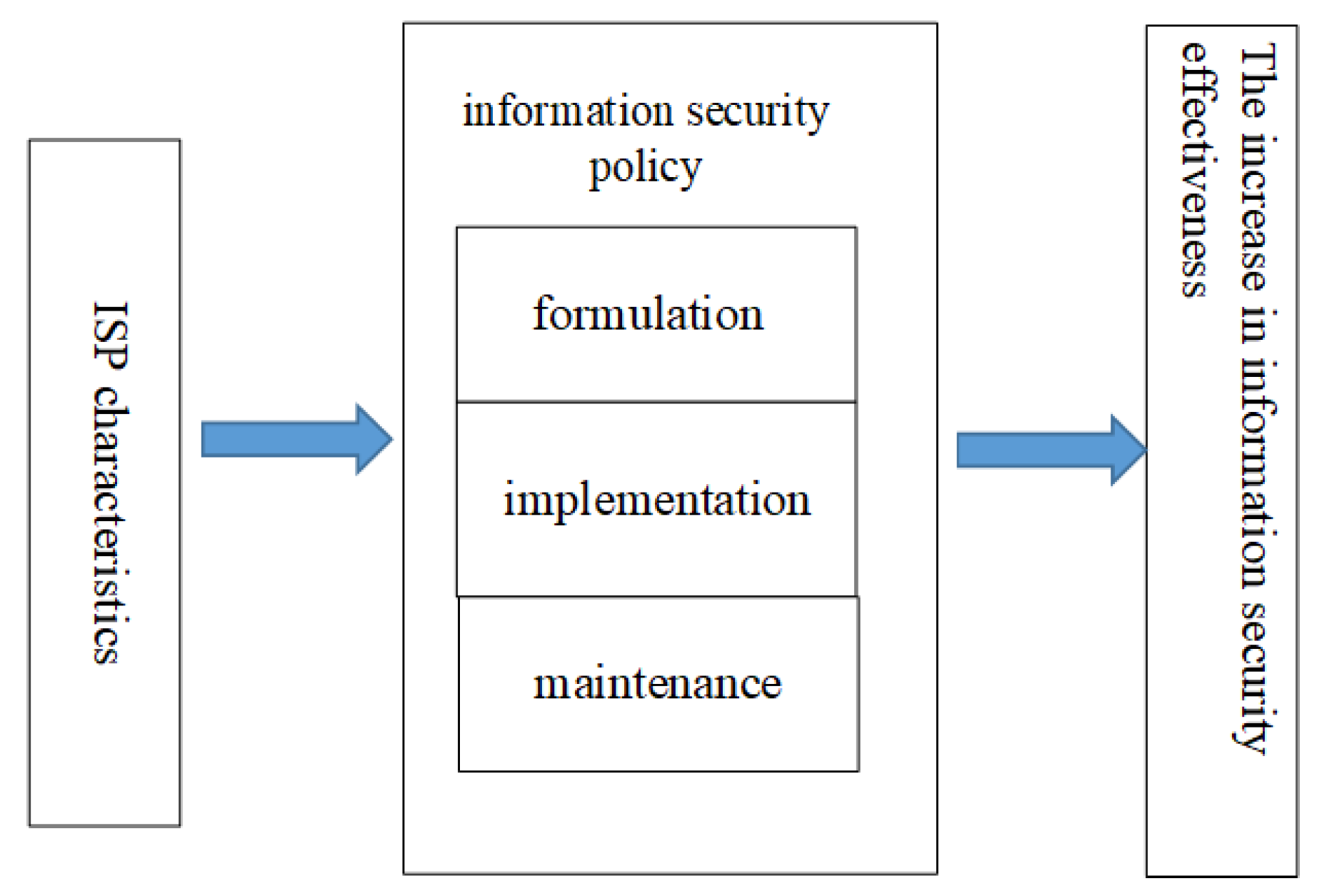
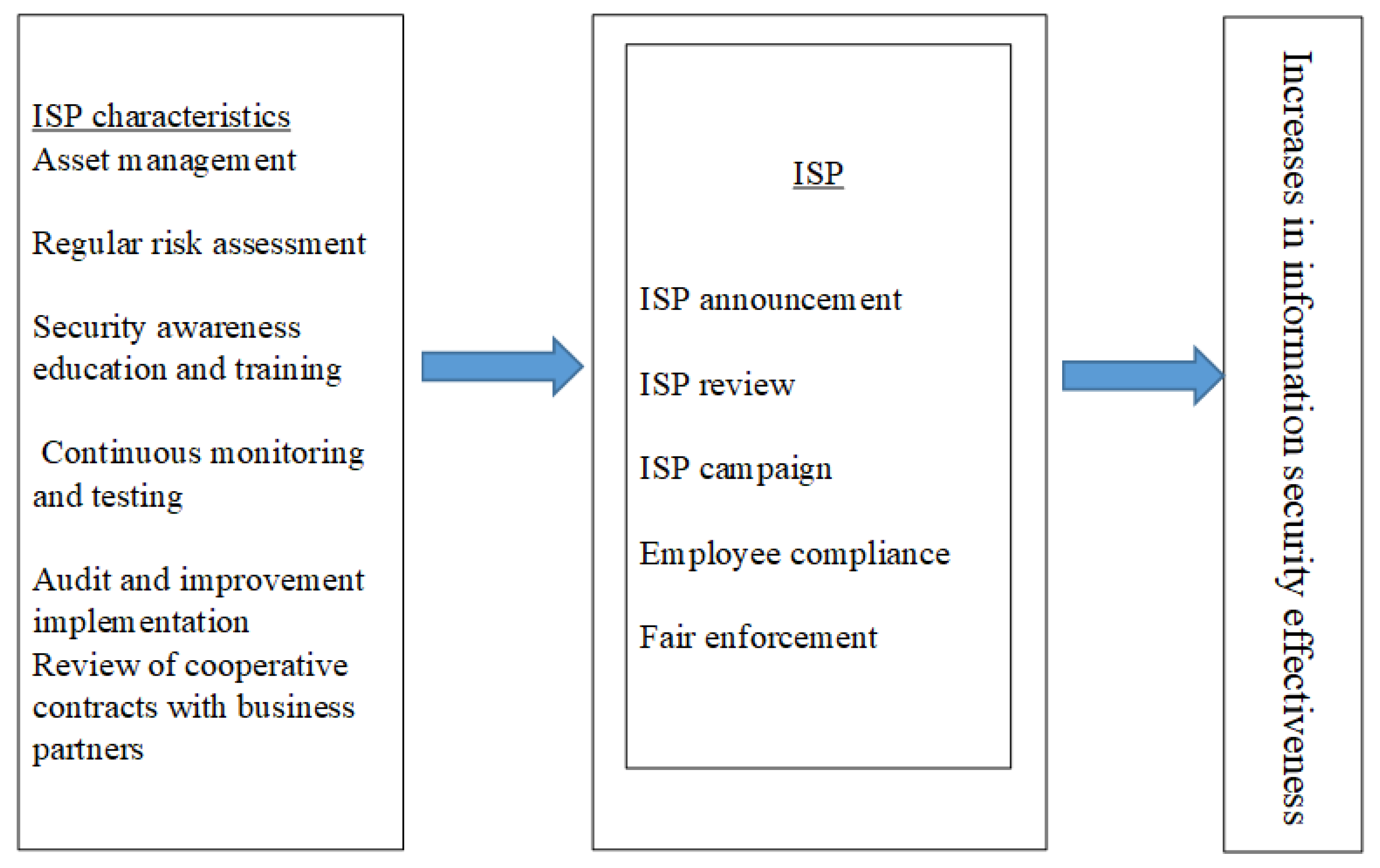
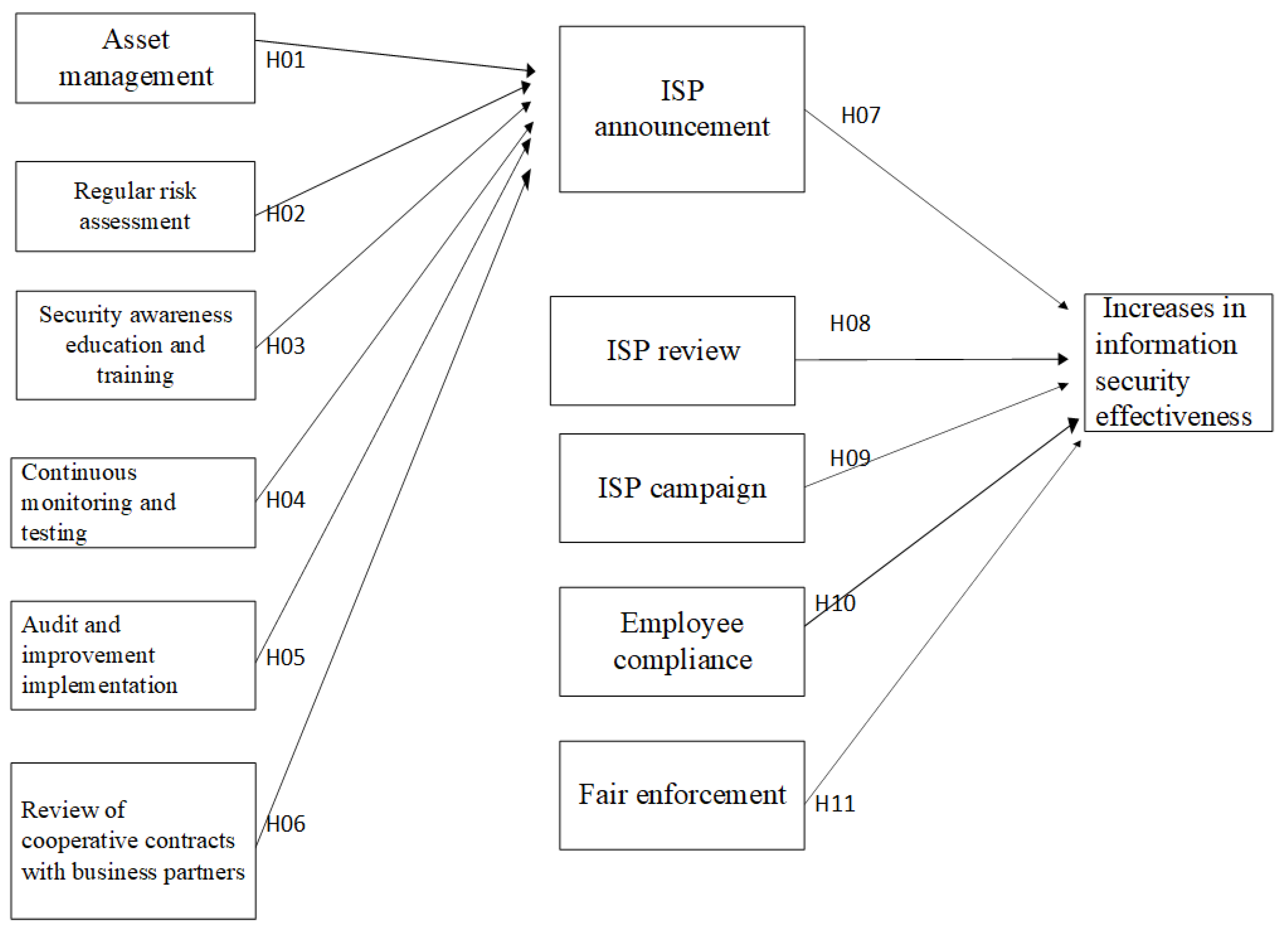
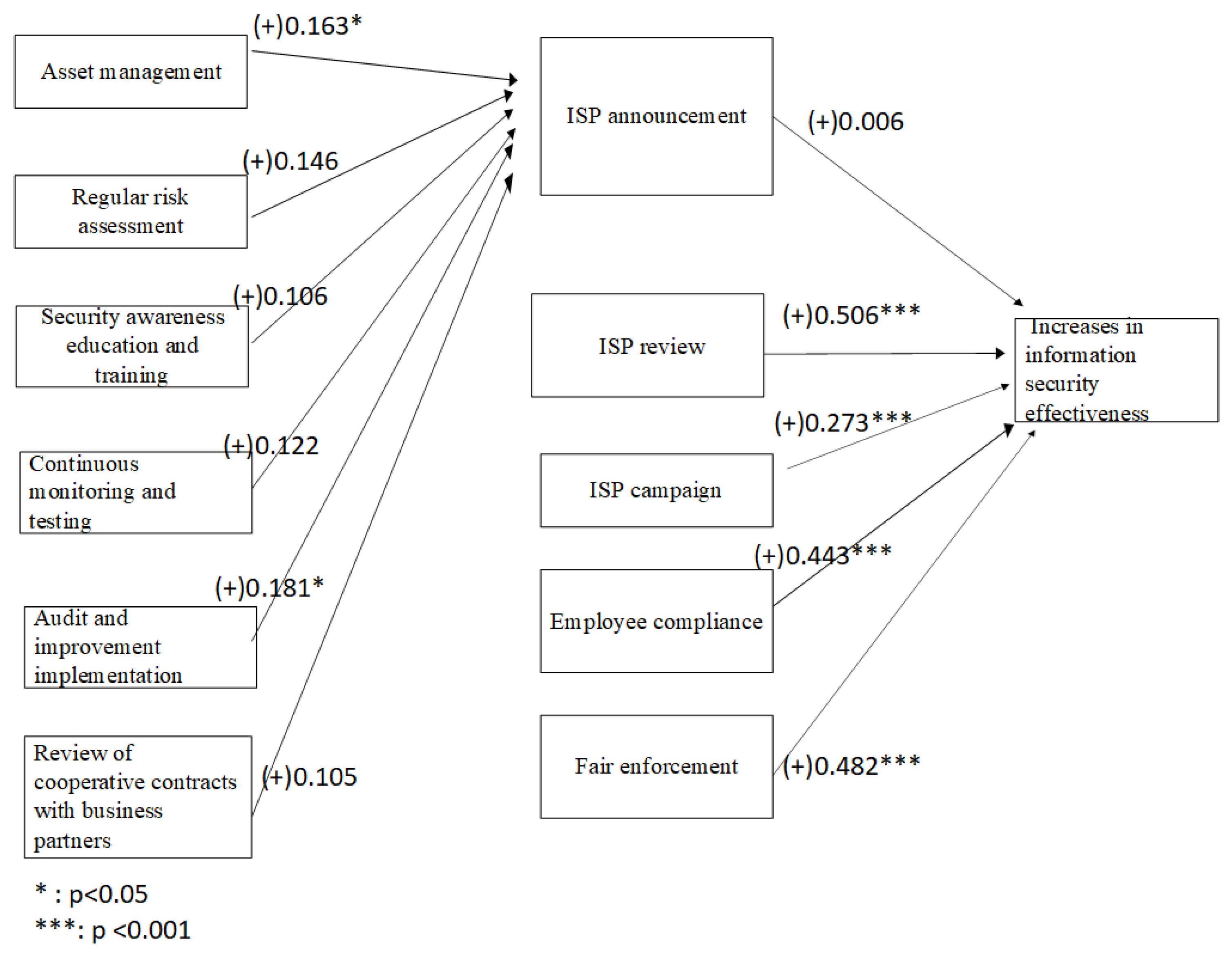
A smart city is developed through the Internet of Things (IoT), cloud computing, big data, mobile Internet, and other new generation technologies regarding information and communication, and data resources in various fields are integrated and applied. The issue of information security in the network era is the strategic focus, as well as the focus of people’s attention, during Taiwan’s smart city construction. Information security policies are the information security guidelines for organizations, and are key to the organization’s information security performance; moreover, such policies show the organization’s support and commitment to the information security of smart cities. This paper discusses the model of information security policy in Taiwan’s smart cities, uses Path Analysis to explore the characteristics of information security policy in smart cities, and examines the relationship between the formulation, implementation, maintenance, and effectiveness of information security policies. Furthermore, this study examines the impact on the effectiveness of organizational information security policies and information security performance from the following aspects: The length of information security policy publication time, policy review, policy advocacy, employee compliance, fair law enforcement, etc., which are all concrete manifestations of the formulation, implementation, and maintenance of information security policy models. Through a questionnaire survey, the correlation between various assumptions, as well as the relationship between organizational information security characteristics, information security policies, and the effectiveness of information security, are verified one by one during the implementation of information security policies. Finally, conclusions and implications are put forward.
Keywords: smart city; information security effectiveness; information security policy; path analysis smart city; information security effectiveness; information security policy; path analysis