Article

Spatio-Temporal Variation Characteristics and Driving Forces of Farmland Shrinkage in Four Metropolises in East Asia


1
School of City and Environment, Yunnan University of Finance and Economics, Kunming 650221, Yunnan, China
2
College of Surveying and Geo-Informatics, Tongji University, Shanghai 200092, China
*
Author to whom correspondence should be addressed.
Sustainability 2020, 12(3), 754; https://doi.org/10.3390/su12030754
Submission received: 12 December 2019 / Revised: 10 January 2020 / Accepted: 18 January 2020 / Published: 21 January 2020

Abstract

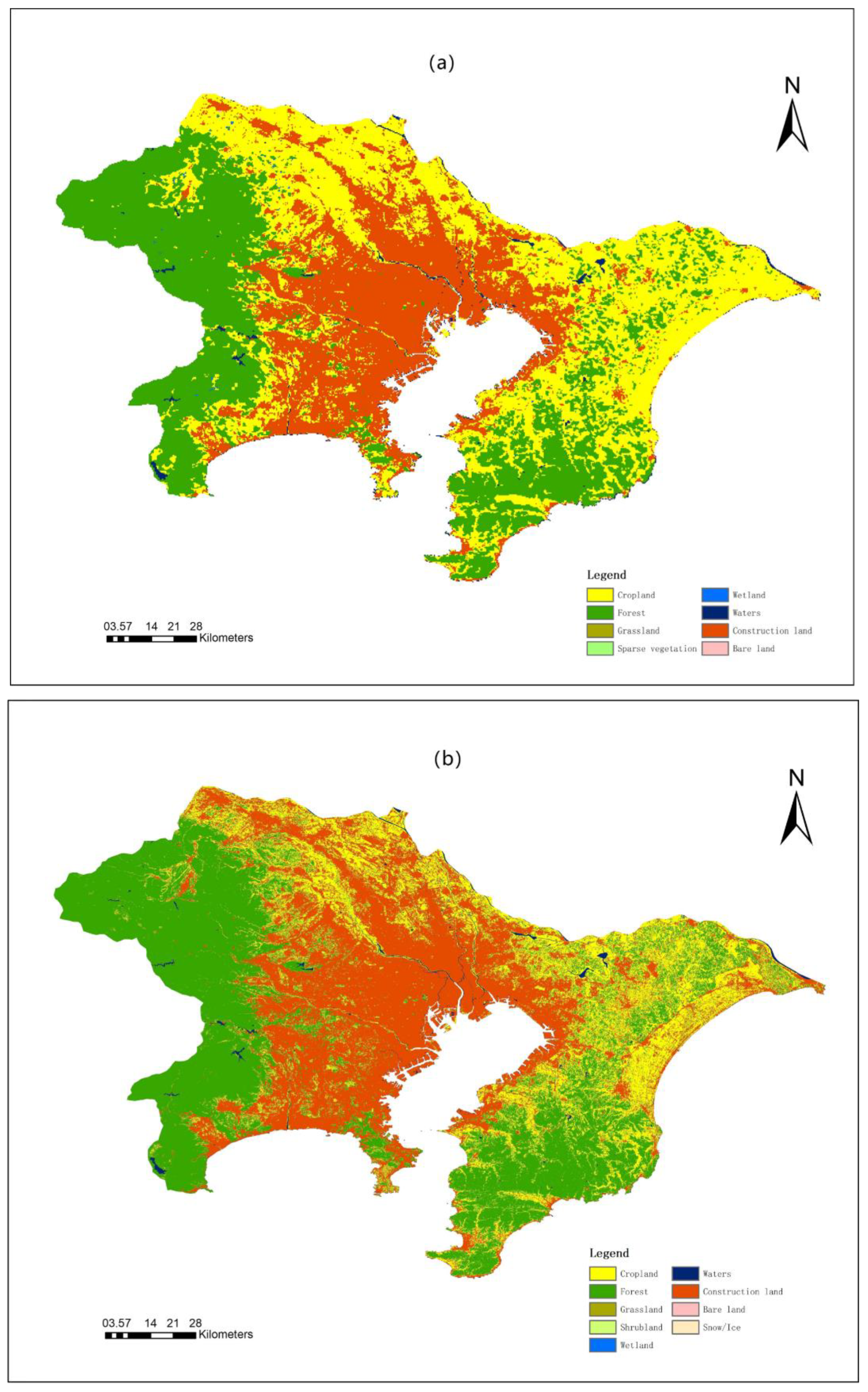
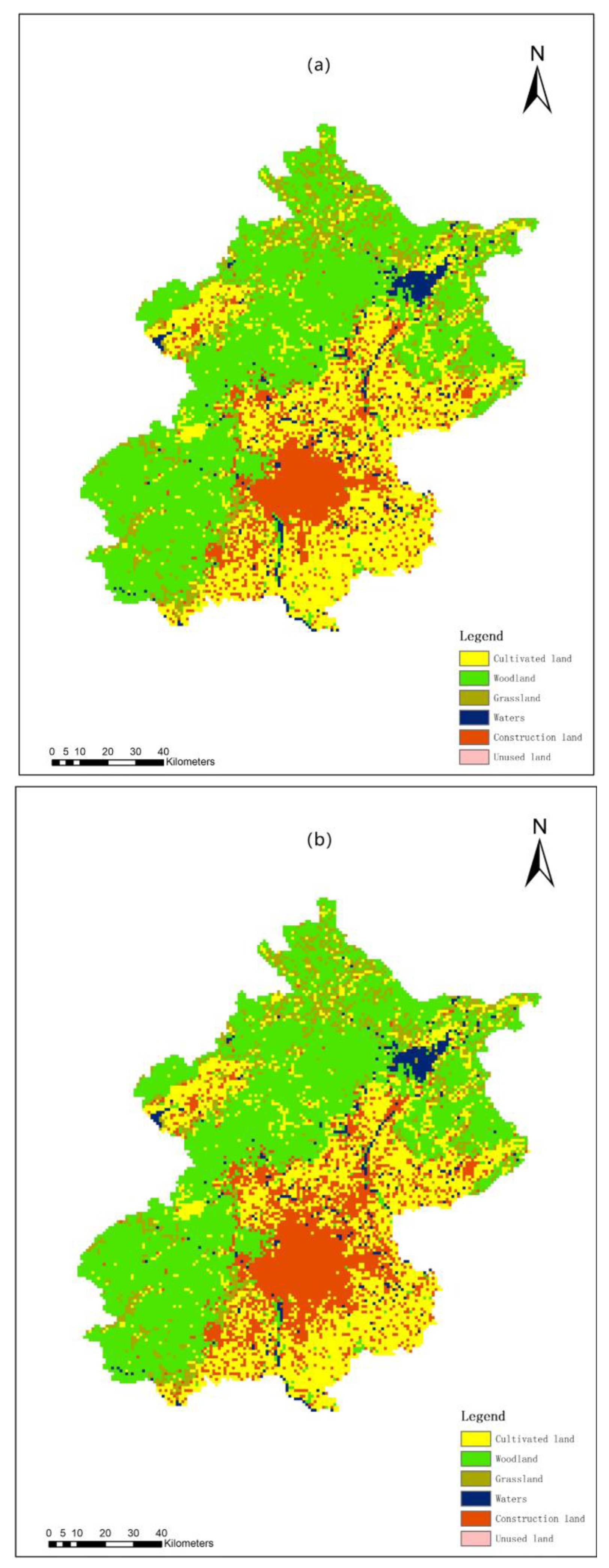
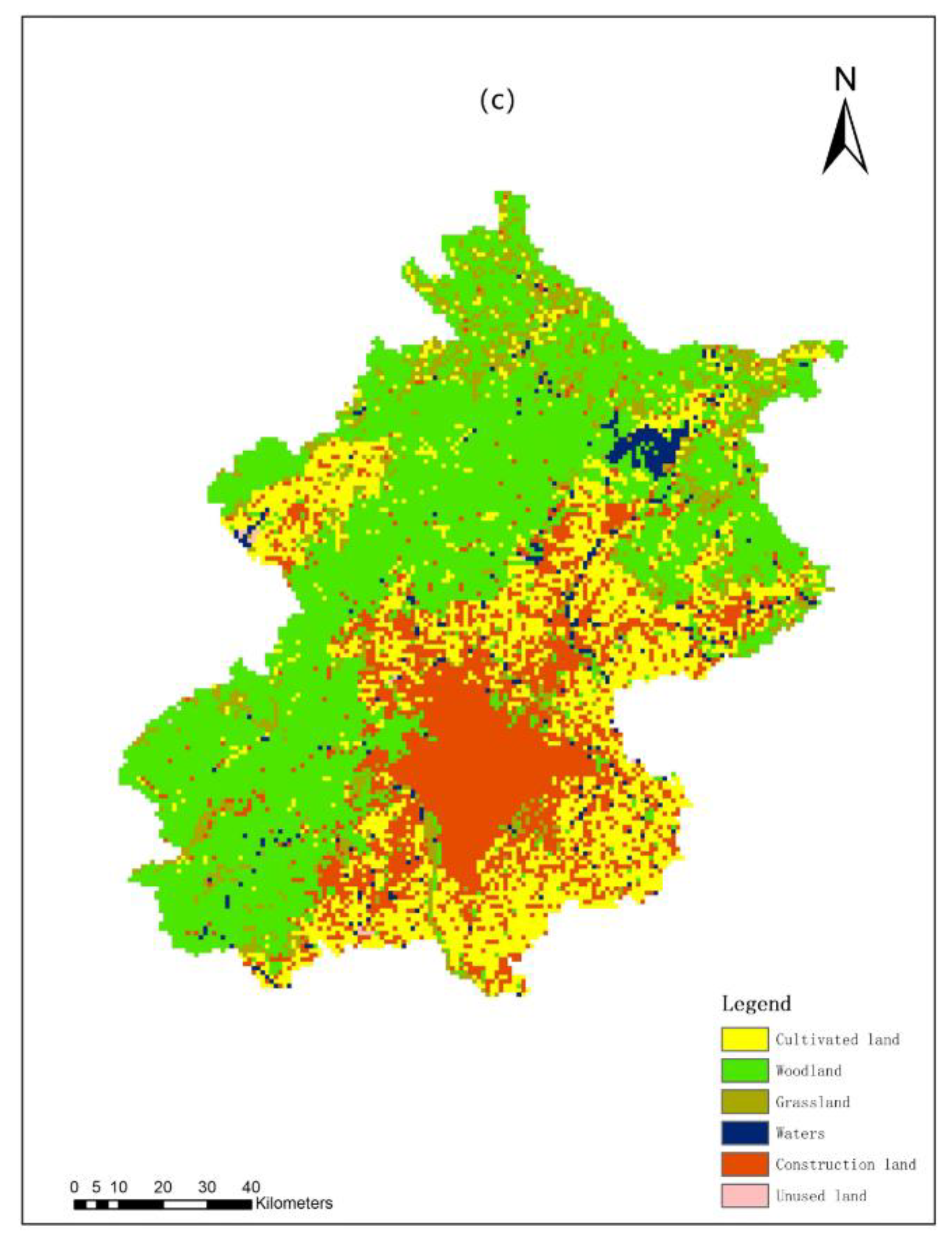
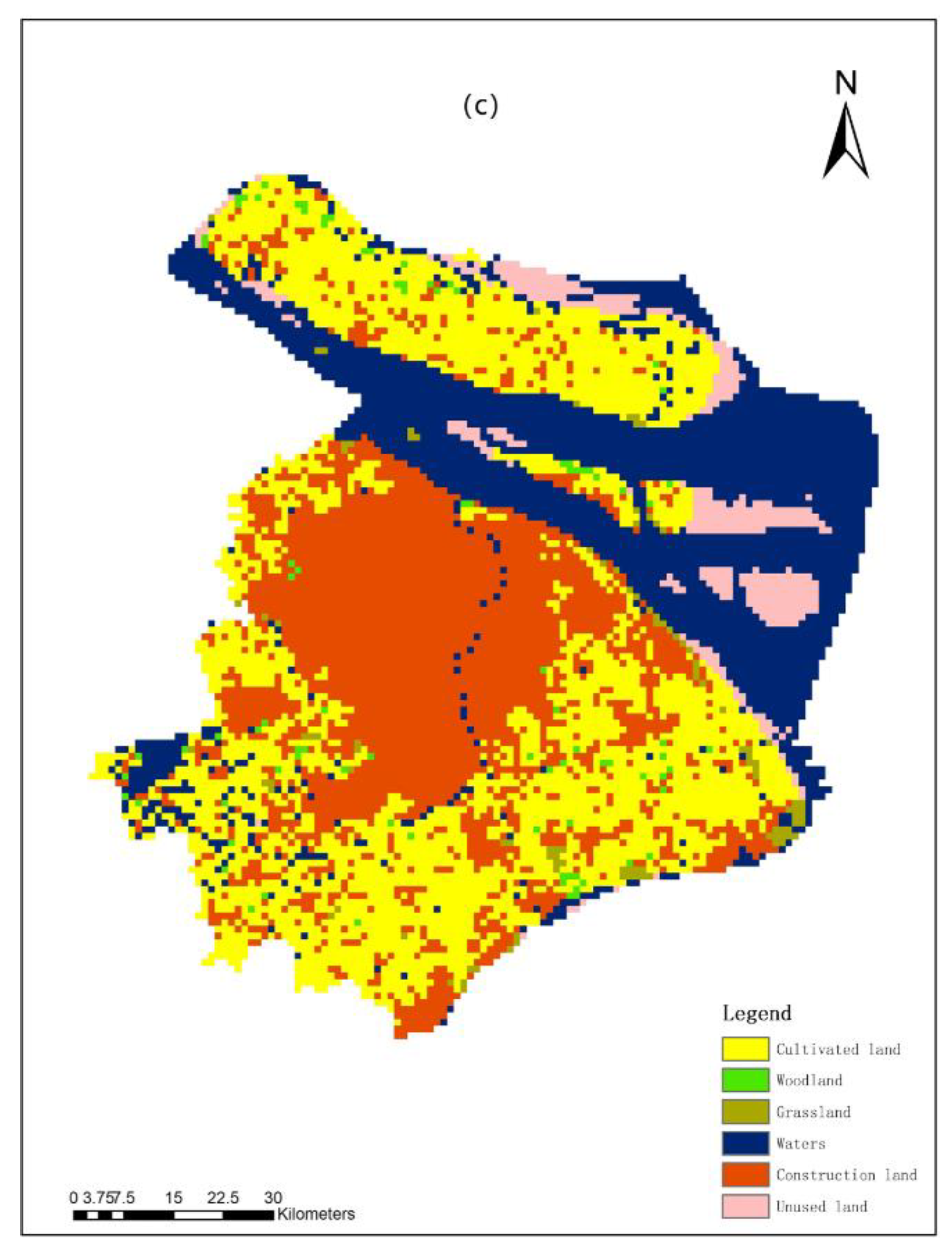
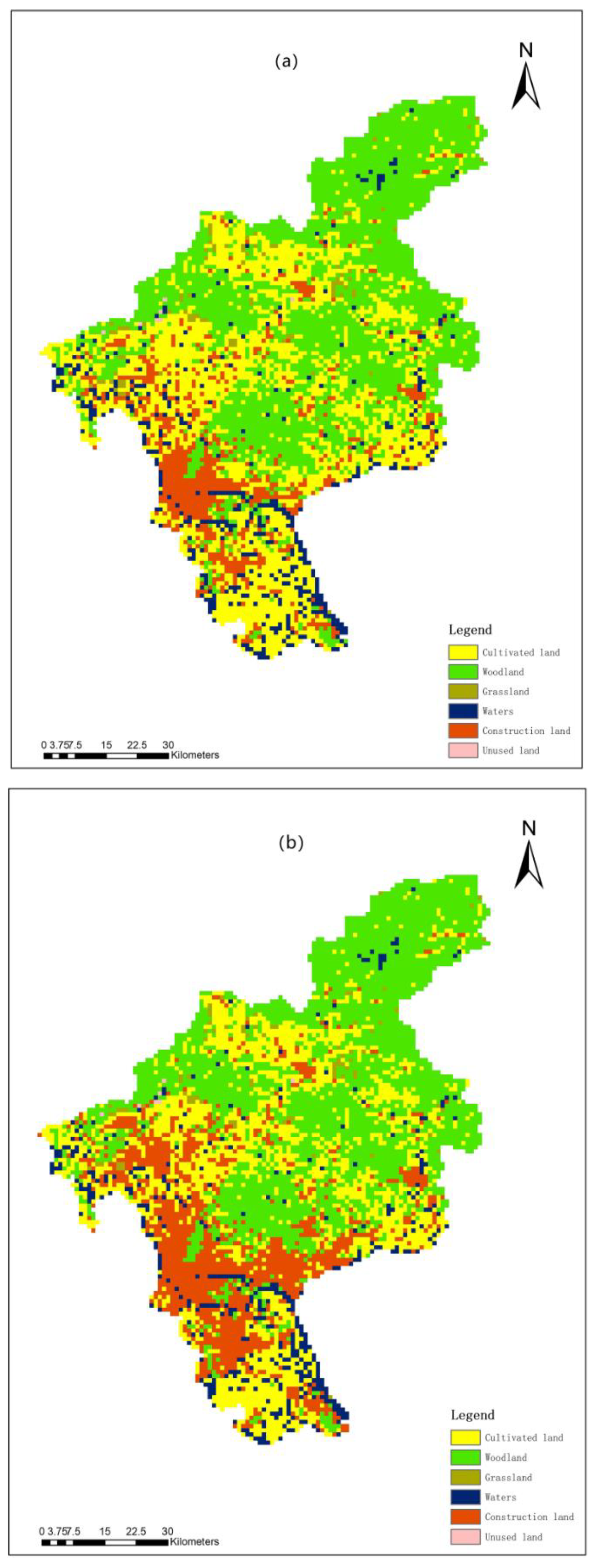
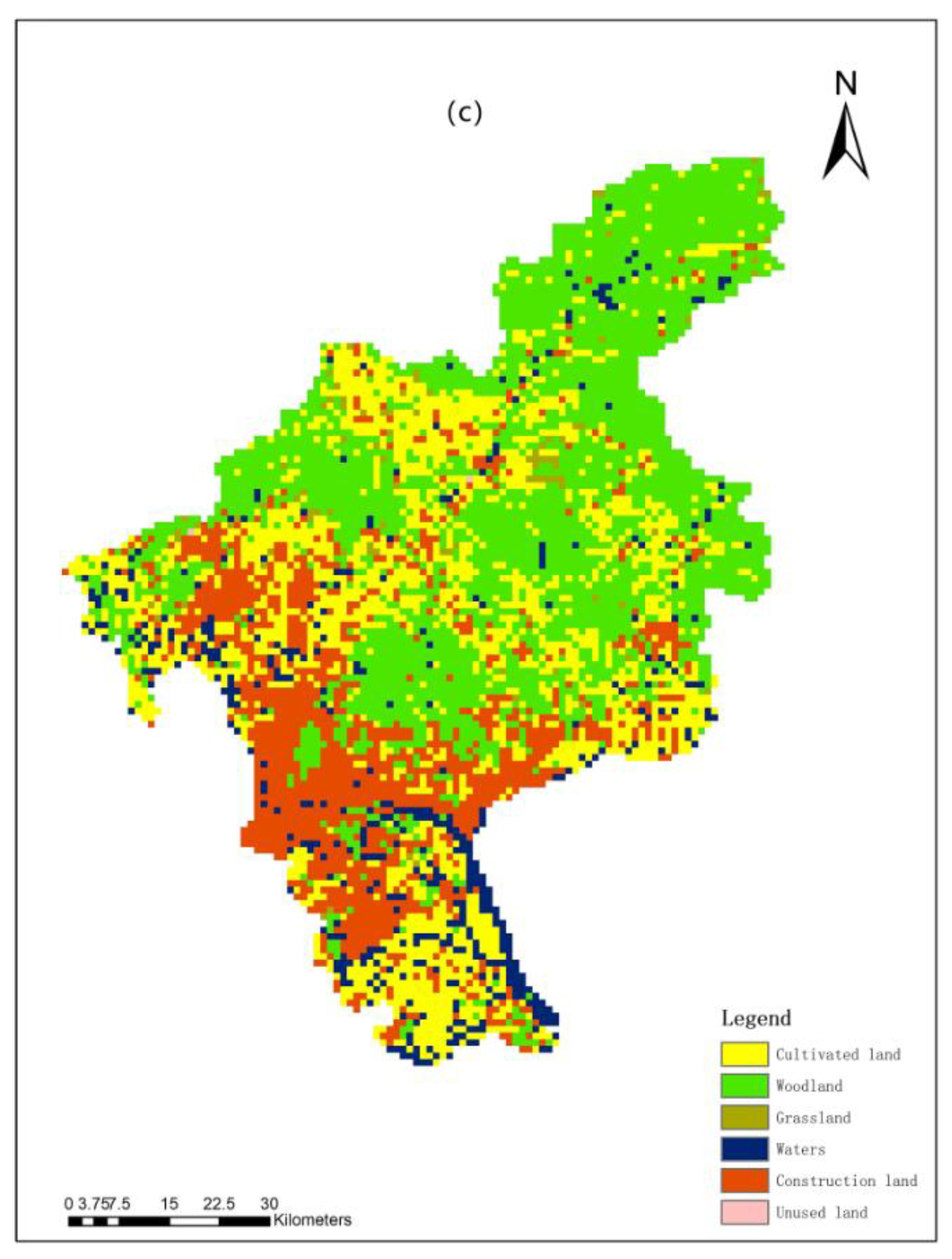
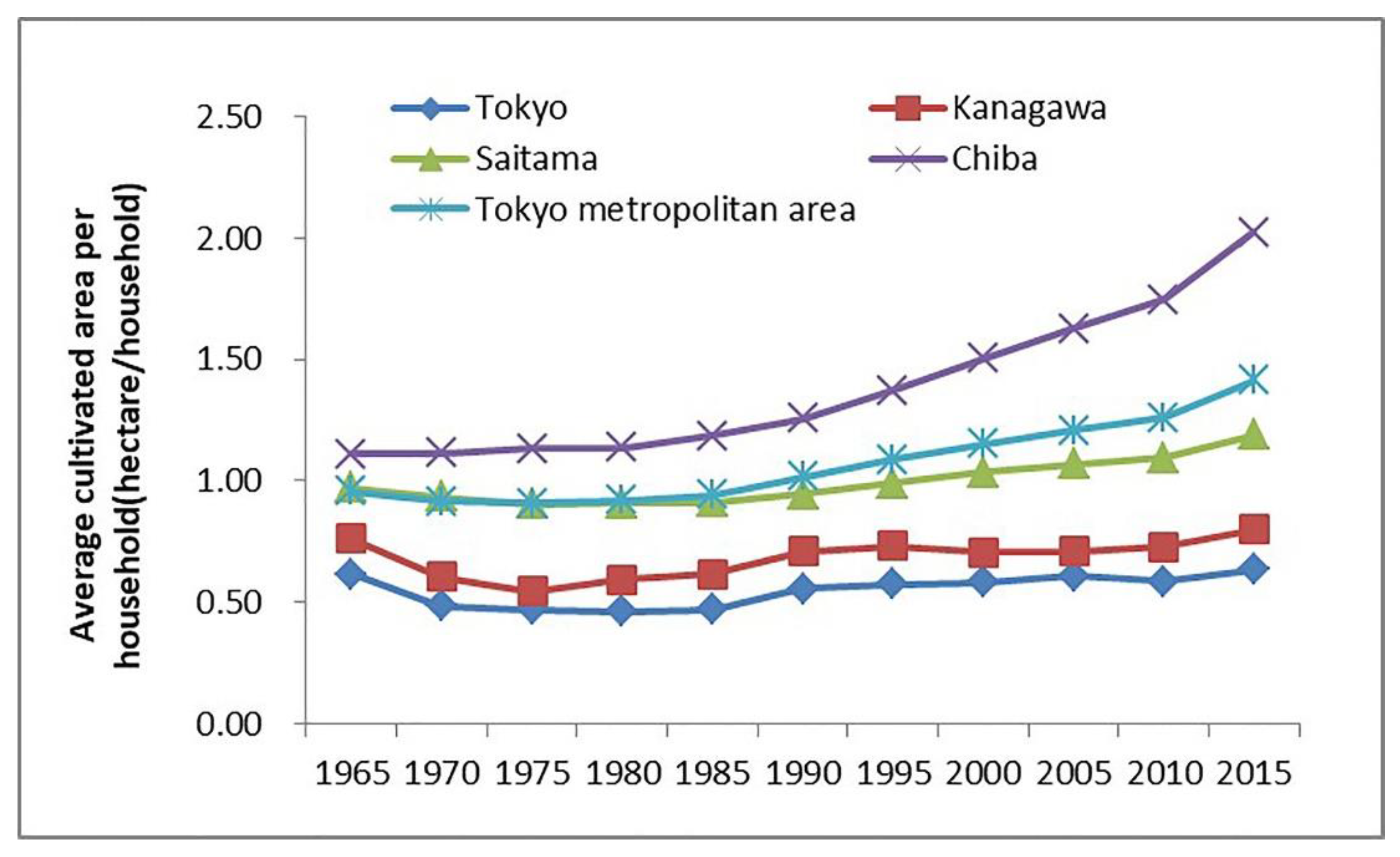
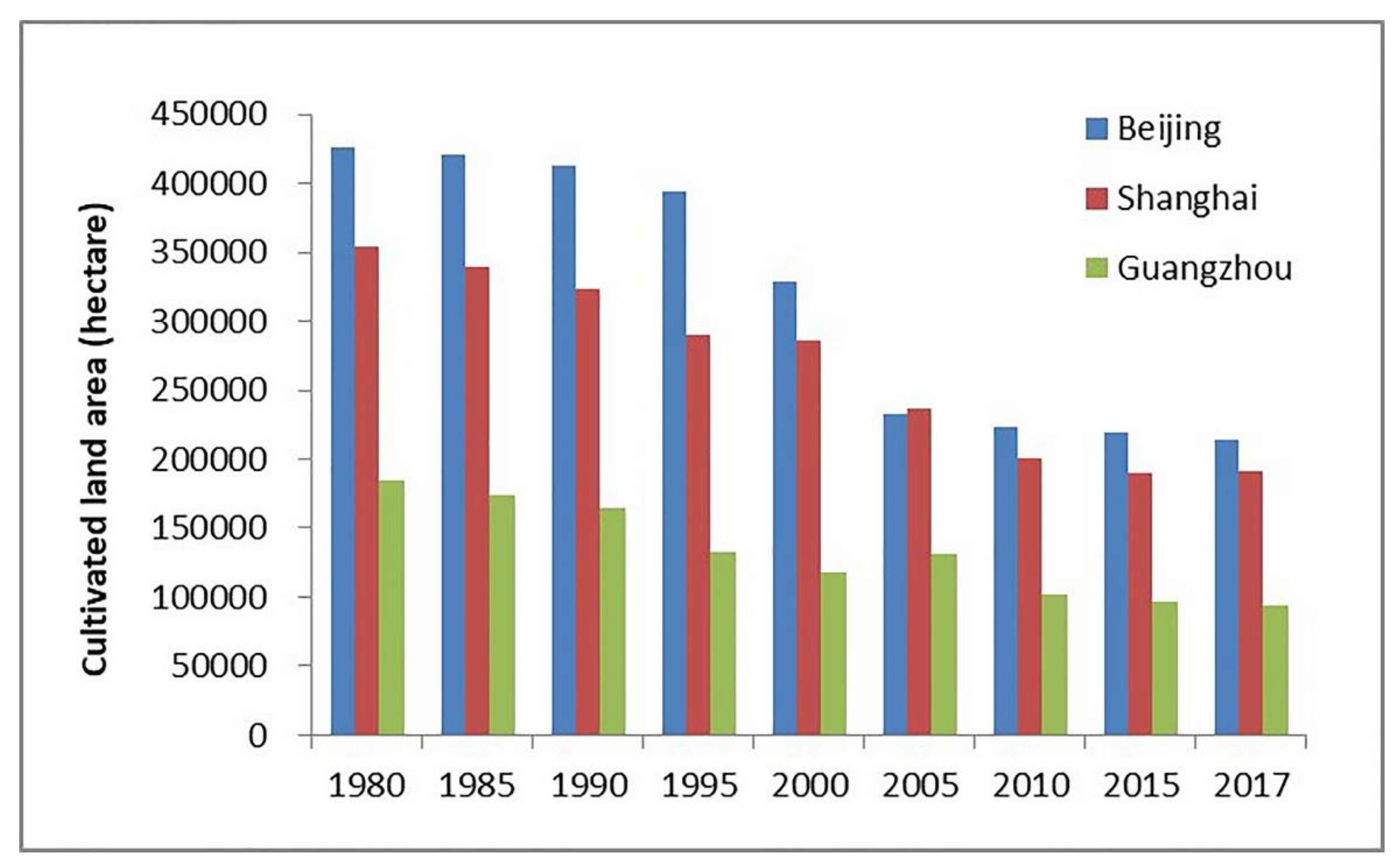
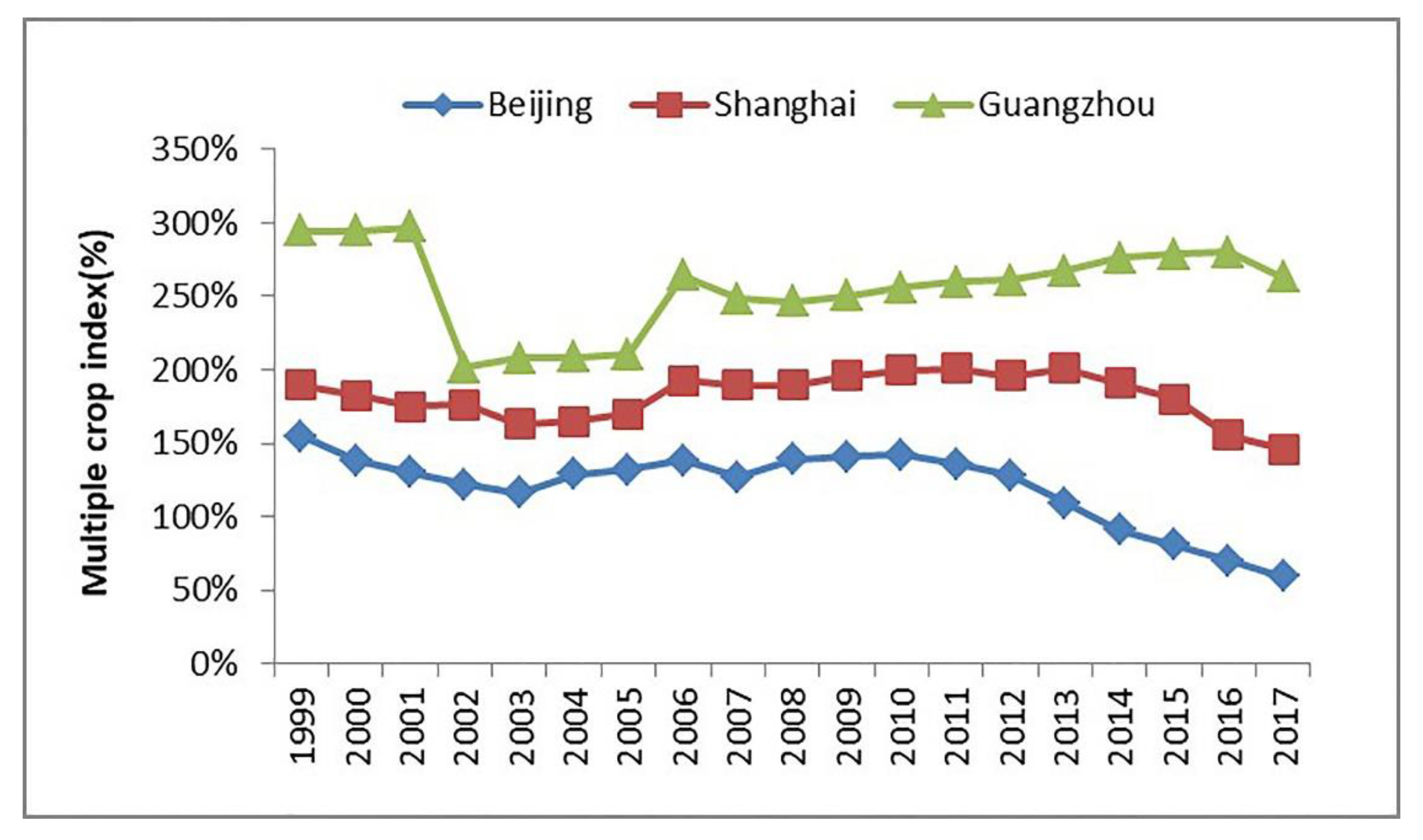
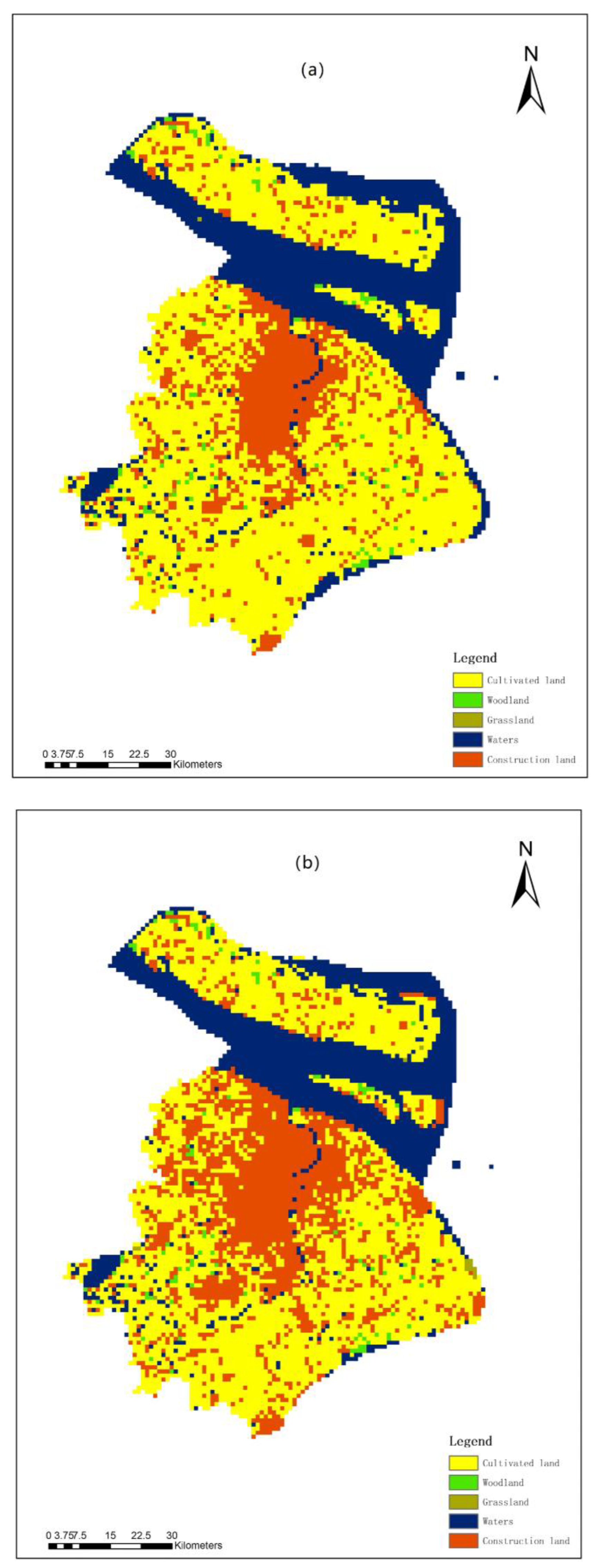
The shrinkage of cultivated land is a general trend in metropolitan areas. However, previous studies have mainly paid attention to the shrinkage of arable land in major grain-producing areas, mixed agro-pastoral areas, ecologically fragile areas and construction areas of major engineering projects (such as the Three Gorges project). This paper analyses the characteristics and driving factors of cultivated land change on the metropolitan area scale and longer time dimension. Exemplified by four metropolises in East Asia, Tokyo, Beijing, Shanghai and Guangzhou, based on official statistics for the cities involved, using correlation analysis, principal component analysis and regression analysis methods and Statistical Product and Service Solutions (SPSS) 25 software, the main driving factors and differences in cultivated land shrinkage in Beijing, Shanghai, Guangzhou and the Tokyo metropolitan area are quantitatively revealed. The results show the following: (1) there are some differences in the shrinkage in arable land and spatial distributions among different cities. Tokyo and Guangzhou still have some cultivated land in central urban areas, while there is no arable land in the central areas of Beijing and Shanghai. (2) There is a clear difference in the main driving factors of cultivated land shrinkage between the Tokyo metropolitan area and Beijing, Shanghai and Guangzhou. Residential area and population are the main driving factors for the former, while economic development and urbanisation are the main driving factors for the latter three areas. It shows that the shrinkage of cultivated land is closely related to the developmental stage of urbanisation. (3) There is a rather obvious difference in the main driving factors of cultivated land change among Beijing, Shanghai and Guangzhou. Gross Domestic Product (GDP) is the primary factor leading to the shrinkage of arable land in Beijing, built-up area is the primary factor in Shanghai, and the Engel’s coefficient for rural residents is the primary factor in Guangzhou. This reflects the difference in measures for the utilisation and protection of cultivated land among different cities. (4) The socioeconomic factors that affect the contraction of cultivated land are varied. In this study, industrial restructuring is included in the evaluation index system, mainly because industrial transformation and upgrading is essential for sustainable development of emerging global cities, and agricultural production conditions are not included in the evaluation index system, mainly because they are more the result of urbanisation than the cause.
Keywords: farmland sustainability; spatio-temporal variation; driving forces; urban agricultural revitalisation; four metropolises of East Asia farmland sustainability; spatio-temporal variation; driving forces; urban agricultural revitalisation; four metropolises of East Asia