Article

Feasibility of Stochastic Models for Evaluation of Potential Factors for Safety: A Case Study in Southern Italy


by
Giuseppe Guido
1,
Sina Shaffiee Haghshenas
1,
Sami Shaffiee Haghshenas
1,
Alessandro Vitale
1,
Vittorio Astarita
1,* and
Ashkan Shafiee Haghshenas
2
1
Department of Civil Engineering, University of Calabria, Via Bucci, 87036 Rende, Italy
2
W Booth School of Engineering Practice & Technology, McMaster University, Main St W 1280, Hamilton, ON L8S 4L8, Canada
*
Author to whom correspondence should be addressed.
Sustainability 2020, 12(18), 7541; https://doi.org/10.3390/su12187541
Submission received: 31 July 2020 / Revised: 9 September 2020 / Accepted: 11 September 2020 / Published: 12 September 2020

Abstract

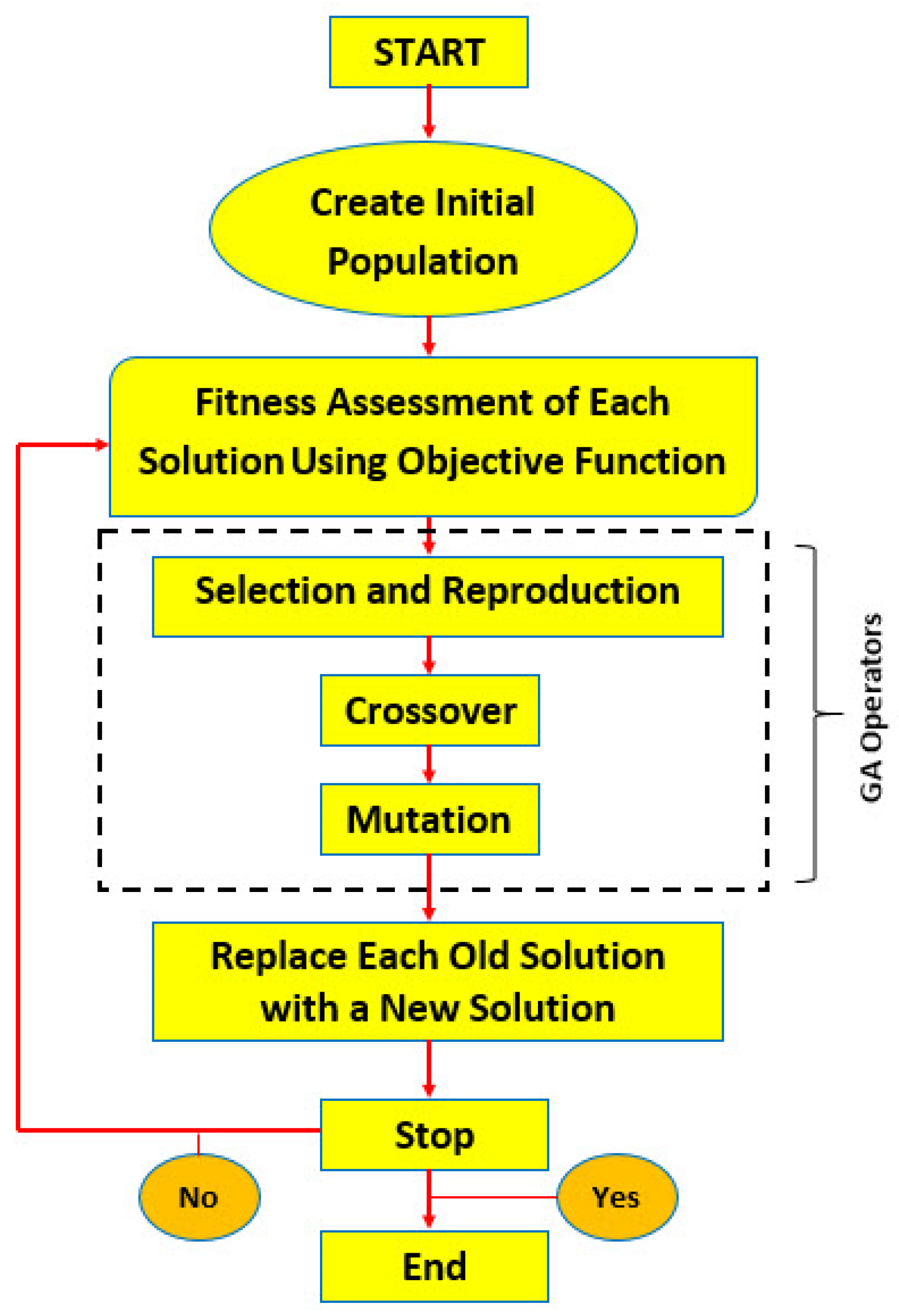
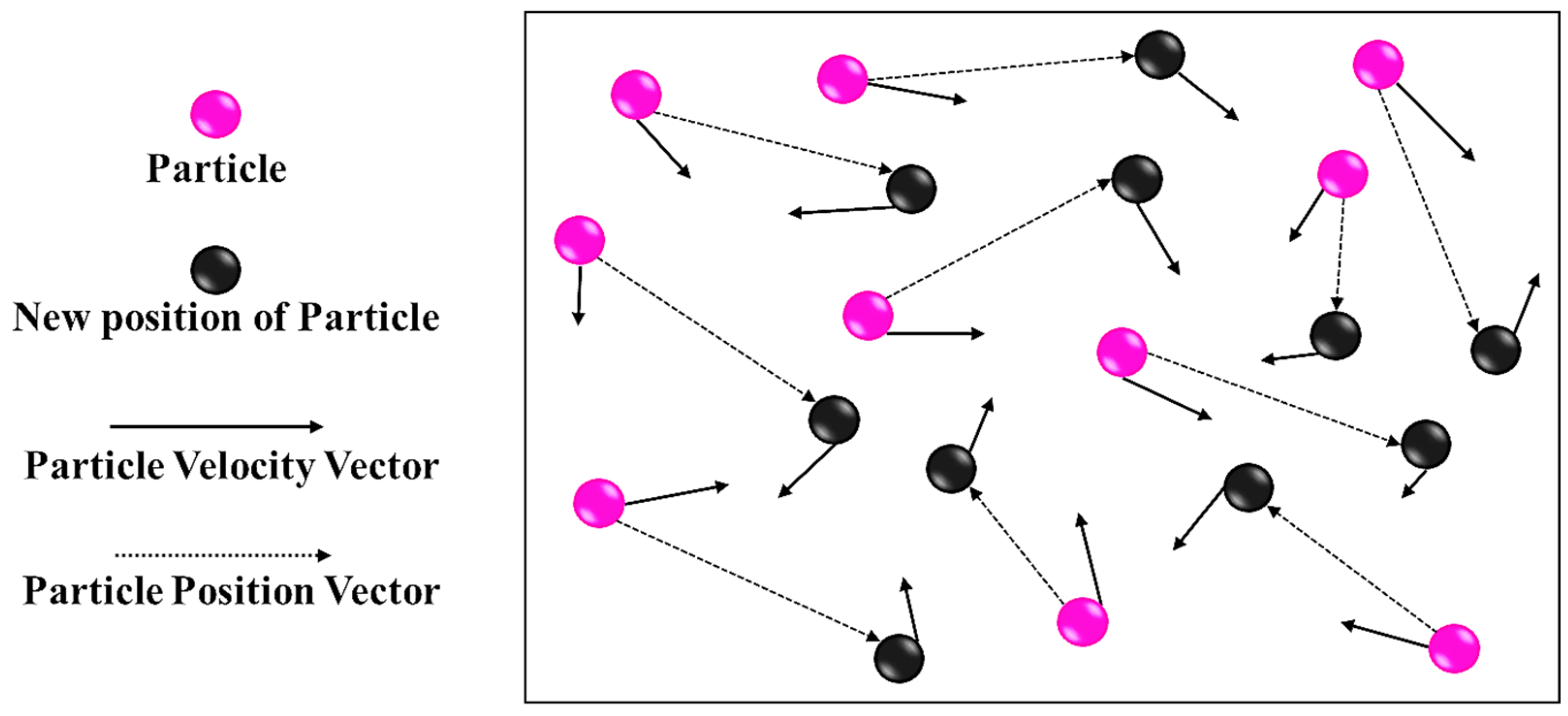
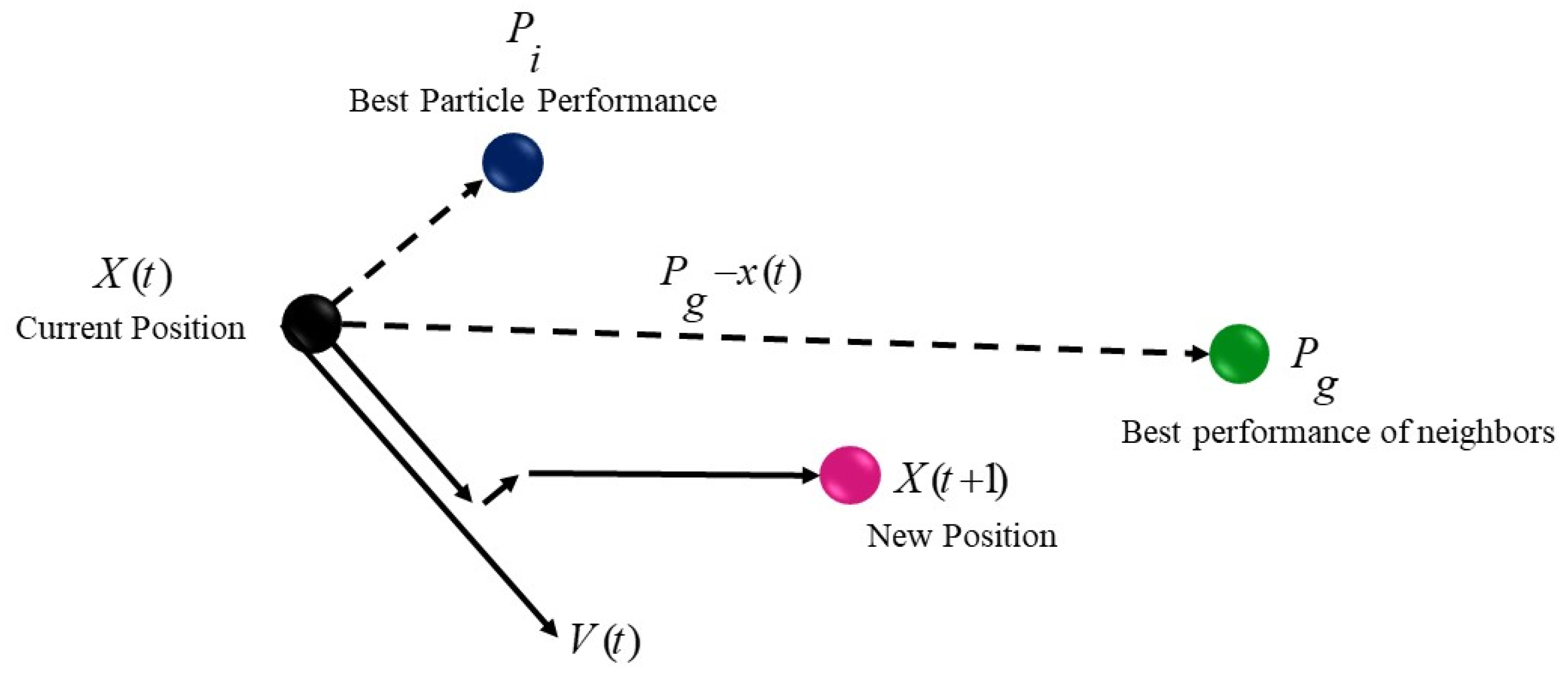
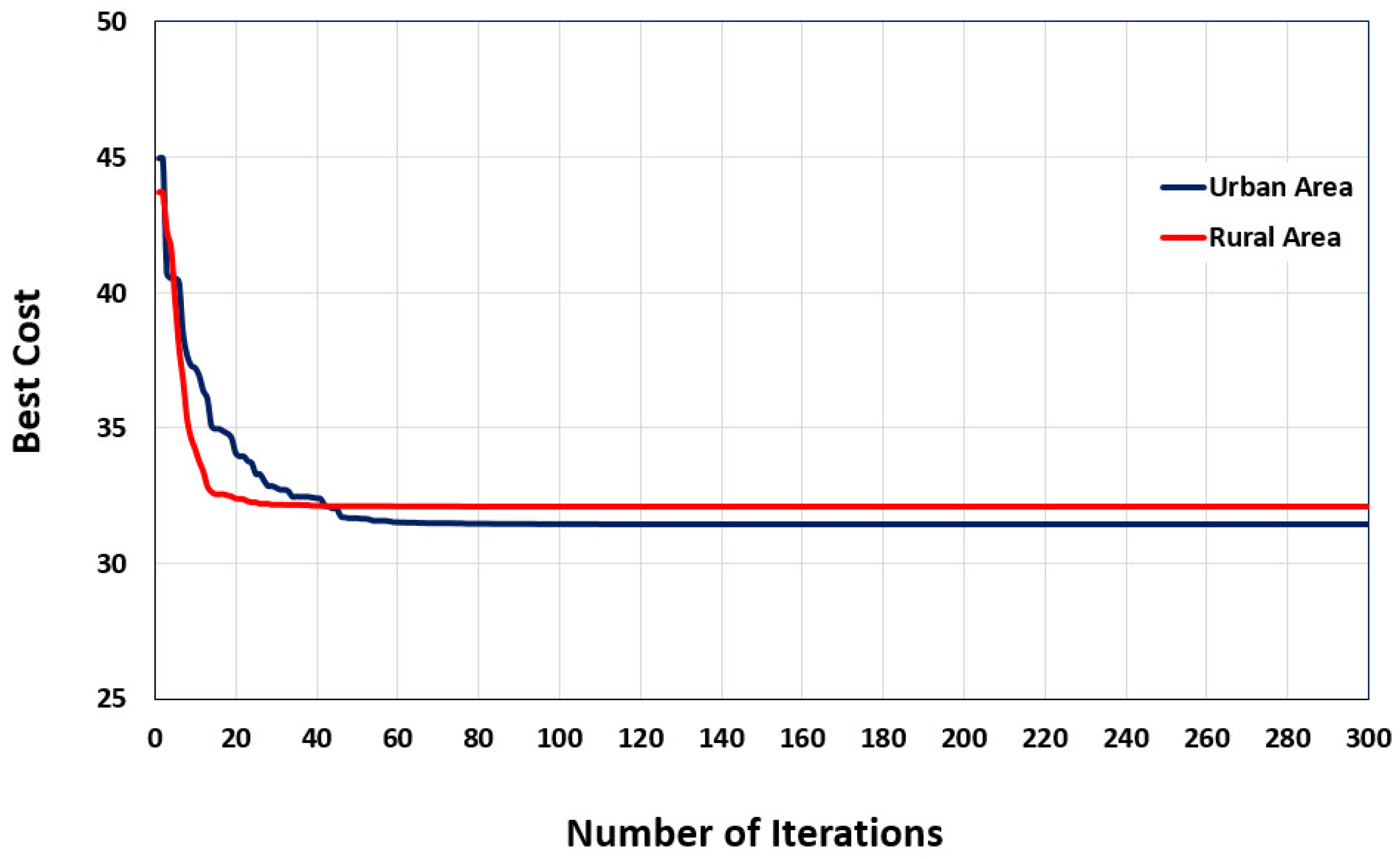
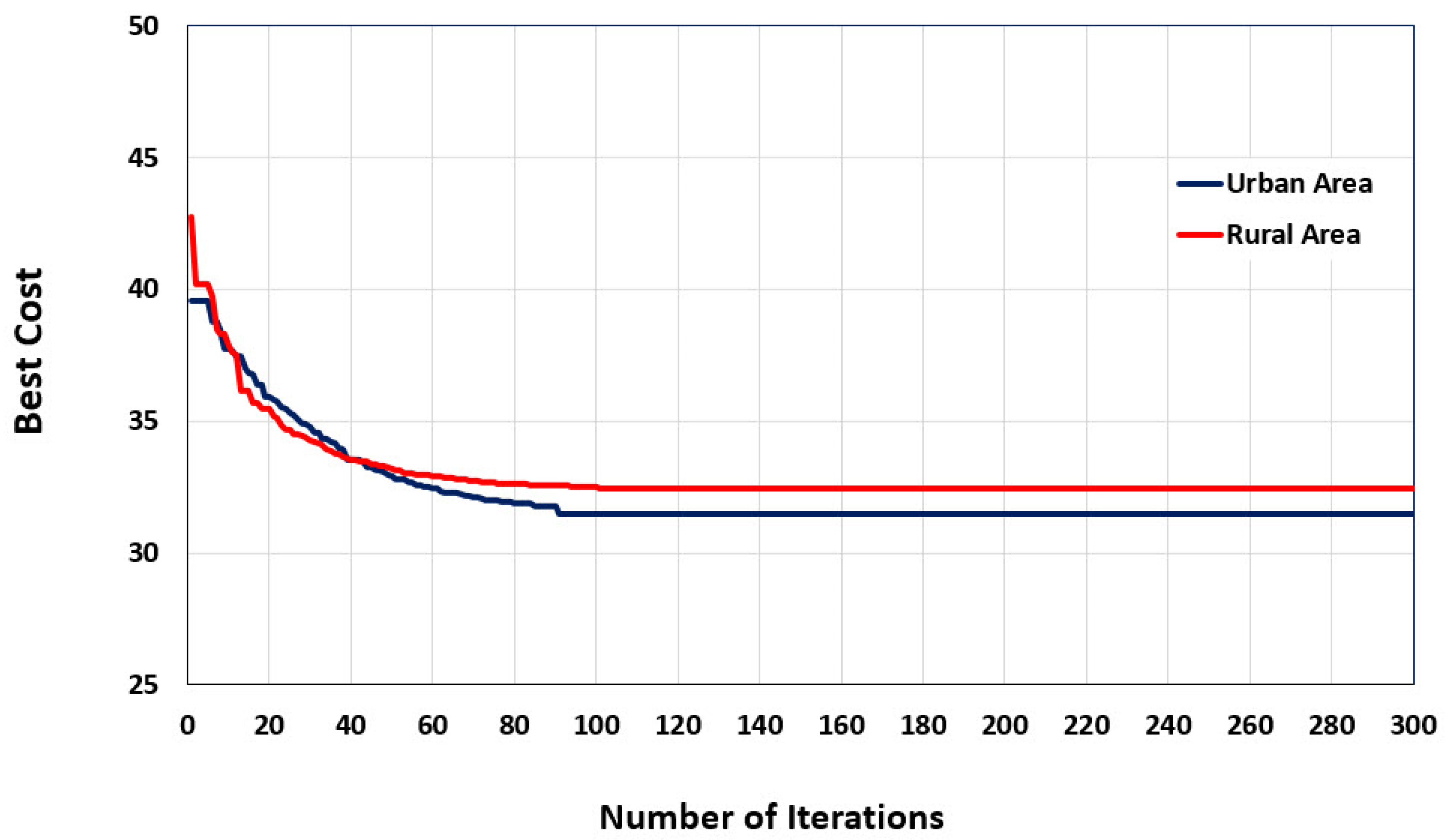
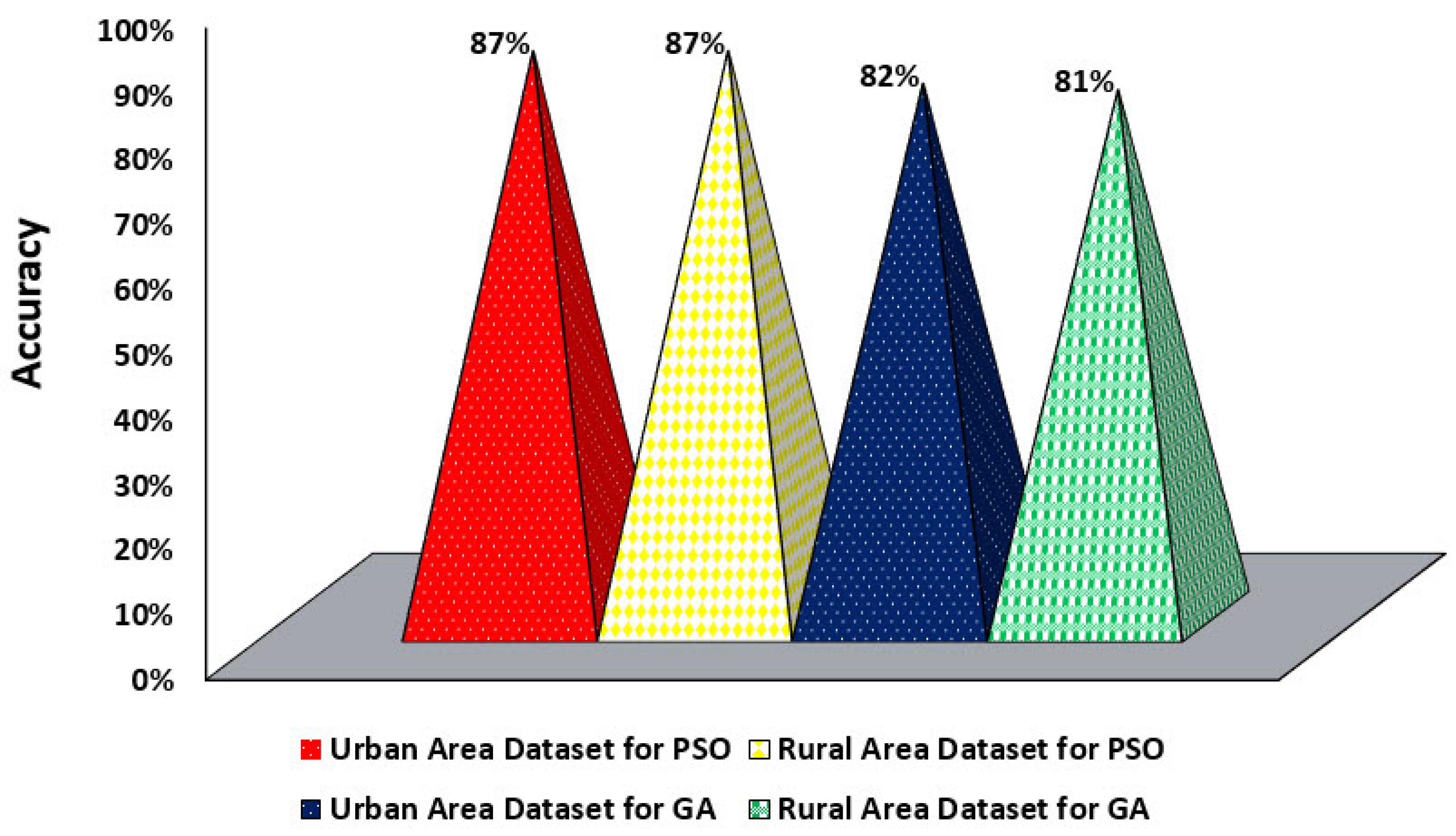
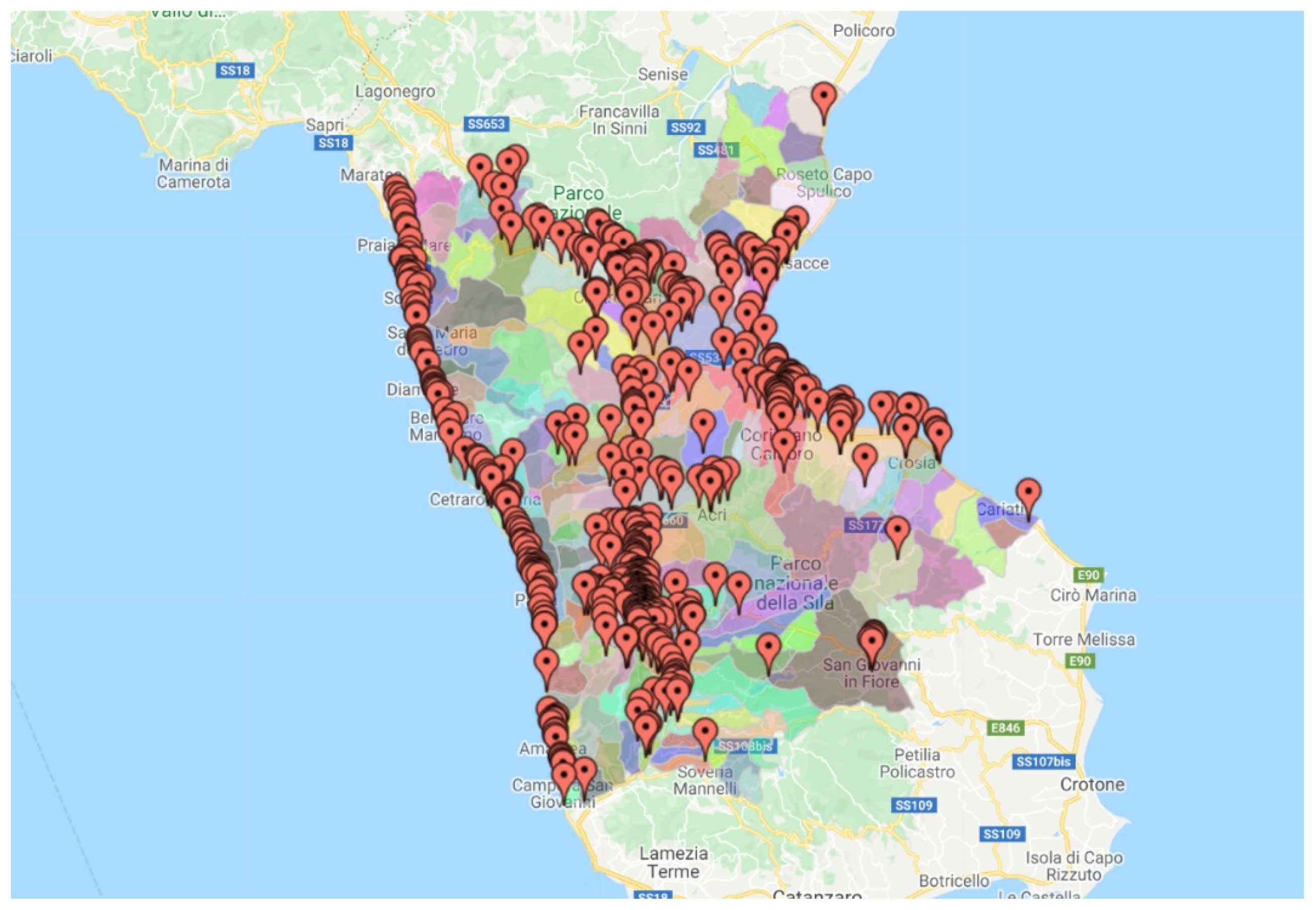
There is no definite conclusion about what the main variables that play a fundamental role in road safety are. Therefore, the identification of significant factors in road accidents has been a primary concern of the transportation safety research community for many years. Every accident is influenced by multiple variables that, in a given time interval, concur to cause a crash scenario. Information coming from crash reports is very useful in traffic safety research, and several reported crash variables can be analyzed with modern statistical methods to establish whether a classification or clustering of different crash variables is possible. Hence, this study aims to use stochastic techniques for evaluating the role of some variables in accidents with a clustering analysis. The variables that are considered in this paper are light conditions, weekday, average speed, annual average daily traffic, number of vehicles, and type of accident. For this purpose, a combination of particle swarm optimization (PSO) and the genetic algorithm (GA) with the k-means algorithm was used as the machine-learning technique to cluster and evaluate road safety data. According to a multiscale approach, based on a set of data from two years of crash records collected from rural and urban roads in the province of Cosenza, 154 accident cases were accurately investigated and selected for three categories of accident places, including straight, intersection, and other, in each urban and rural network. PSO had a superior performance, with 0.87% accuracy on urban and rural roads in comparison with GA, although the results of GA had an acceptable degree of accuracy. In addition, the results show that, on urban roads, social cost and type of accident had the most and least influence for all accident places, while, on rural roads, although the social cost was the most notable factor for all accident places, the type of accident had the least effect on the straight sections and curves, and the number of vehicles had the least influence at intersections.
Keywords: road safety; urban and rural networks; machine learning; particle swarm optimization (PSO); genetic algorithms (GA); stochastic techniques road safety; urban and rural networks; machine learning; particle swarm optimization (PSO); genetic algorithms (GA); stochastic techniques