Article

Teachers’ Transgressive Pedagogical Practices in Context: Ecology, Politics, and Social Change


by
Antonia Condeza-Marmentini
* and
Luis Flores-González
*
Faculty of Education, Pontificia Universidad Católica de Chile, Santiago 6904411, Chile
*
Authors to whom correspondence should be addressed.
Sustainability 2019, 11(21), 6145; https://doi.org/10.3390/su11216145
Submission received: 26 June 2019 / Revised: 2 October 2019 / Accepted: 13 October 2019 / Published: 4 November 2019
(This article belongs to the Special Issue Transgressive Learning and Transformations to Sustainability)

Abstract

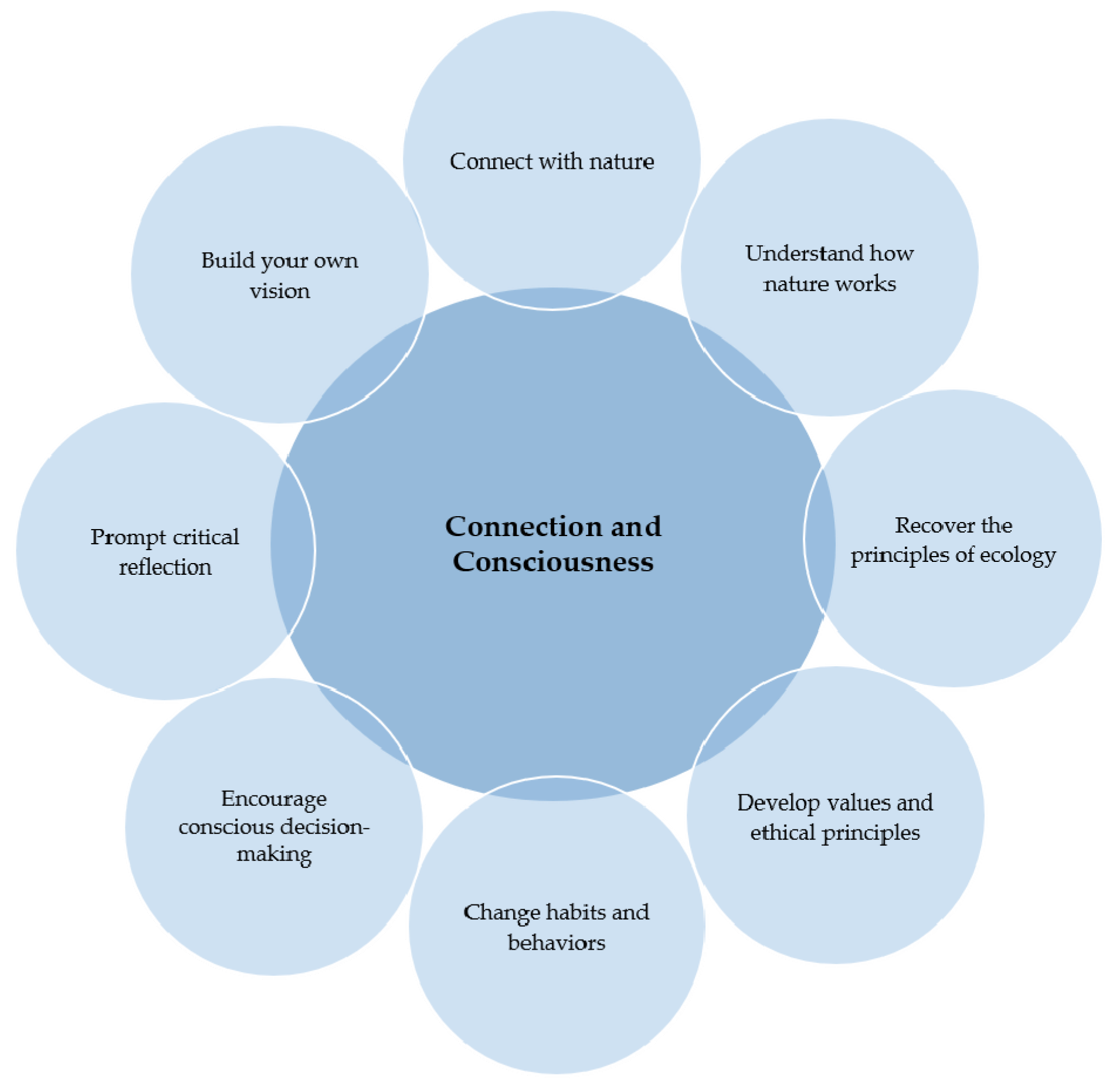
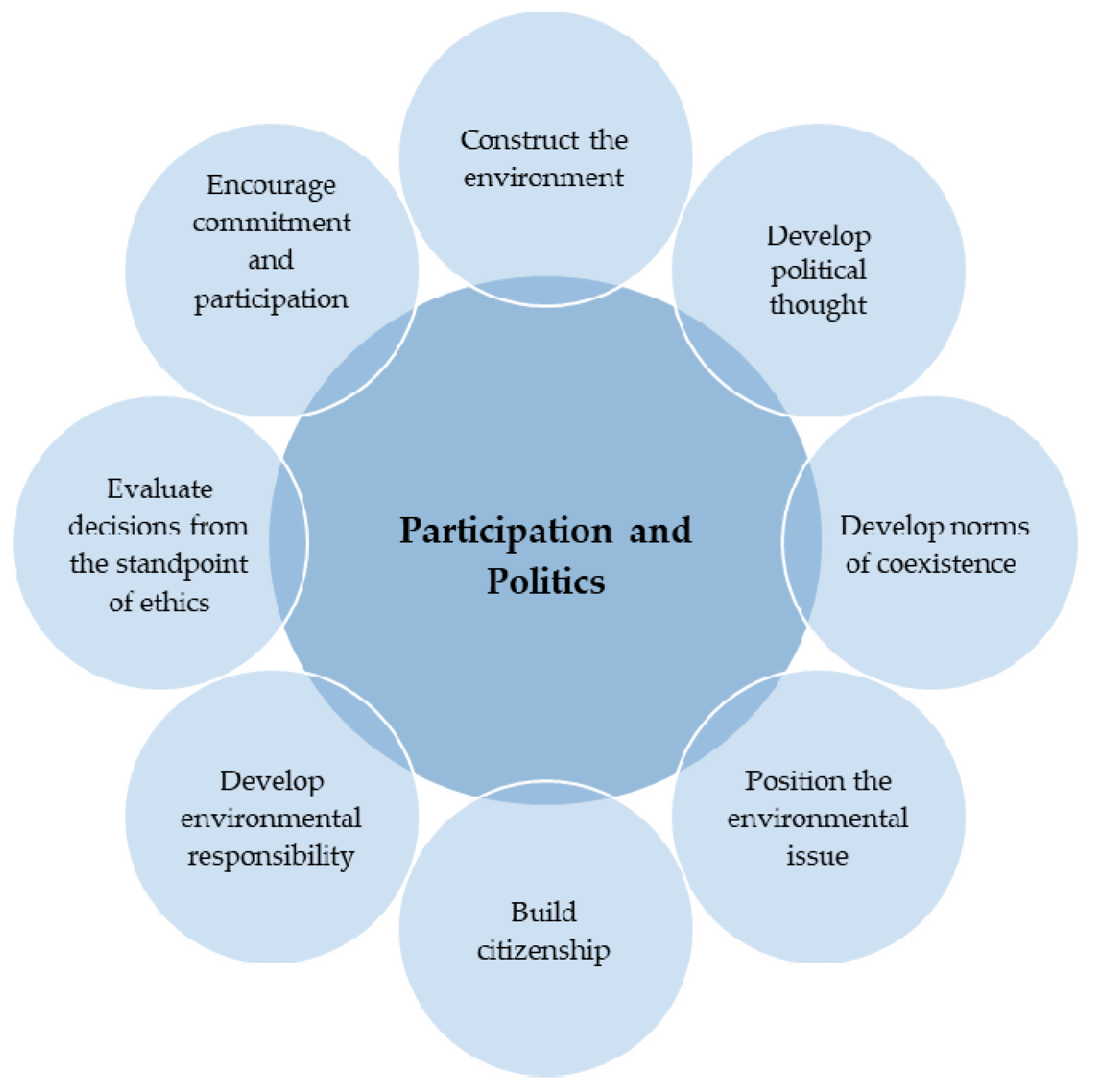
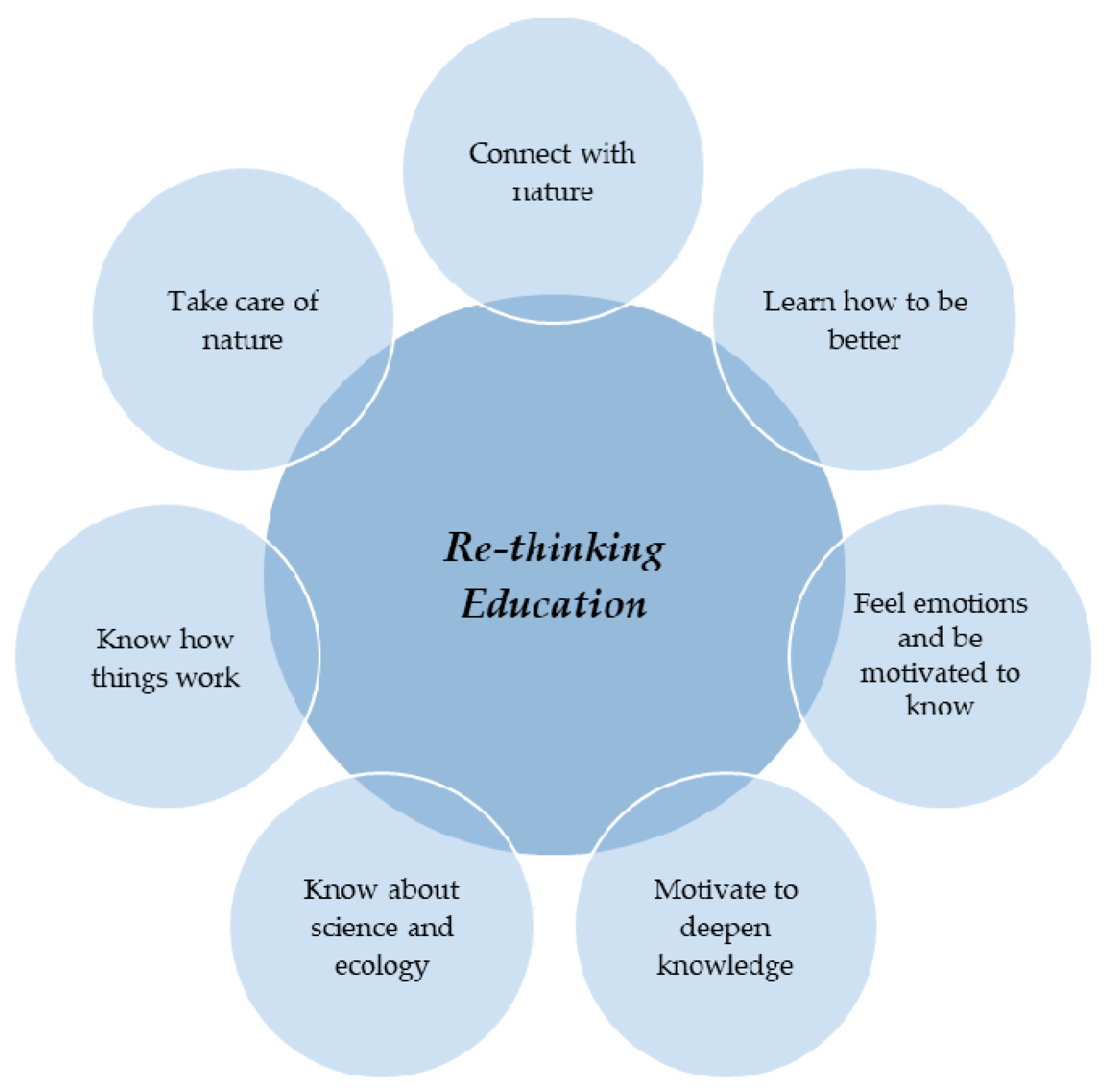
Chilean teachers face the urgent challenge of incorporating environmental and sustainability dimensions into their teaching practices within an economic and social context of extreme neoliberalism, which has an important impact on both teaching practices and hegemonic perspectives on the environment. Therefore, this article explores the motivations that guide the environment-related practices of teachers at Chilean secondary schools. Using a framework of pragmatism and phenomenology, it addresses teachers’ meaning-making through the interpretative axes of their views on the environment and theories of education, addressing the following categories: (1) connection and consciousness; (2) participation and politics; and (3) re-thinking education. The discussion emphasizes the importance of understanding “environmental issues” in context, together with the transversal axis of social change. Teachers’ meaning-making arises from their social and historical context and can be interpreted from the standpoint of traditions of thought originating in Latin America. The article argues that the transgressive element in the studied practices is social change, understood as community action arising from a combination of critical reflection and with an emphasis on the co-production of knowledge in this collective sphere. This is experienced by the teachers as a challenge to their capacity to address the inherent uncertainty of knowledge and the projection of a utopian society as a social right.
Keywords: environmental and sustainability education; social change; transgressive learning; teachers; Chile environmental and sustainability education; social change; transgressive learning; teachers; Chile