Article

Superfruit in the Niche—Underutilized Sea Buckthorn in Gilgit-Baltistan, Pakistan


1
Organic Plant Production and Agroecosystems Research in the Tropics and Subtropics, University of Kassel, Steinstrasse 19, D-37213 Witzenhausen, Germany
2
Department of Plant Breeding and Genetics, Muhammad Nawaz Shareef University of Agriculture, 66000 Multan, Pakistan
3
School of Business and Management Sciences, Information Technology University, 54600 Lahore, Pakistan
4
Tropenzentrum and International Center for Development and Decent Work (ICDD), University of Kassel, Steinstrasse 19, D-37213 Witzenhausen, Germany
*
Author to whom correspondence should be addressed.
Sustainability 2019, 11(20), 5840; https://doi.org/10.3390/su11205840
Submission received: 13 August 2019 / Revised: 13 October 2019 / Accepted: 15 October 2019 / Published: 21 October 2019

Abstract

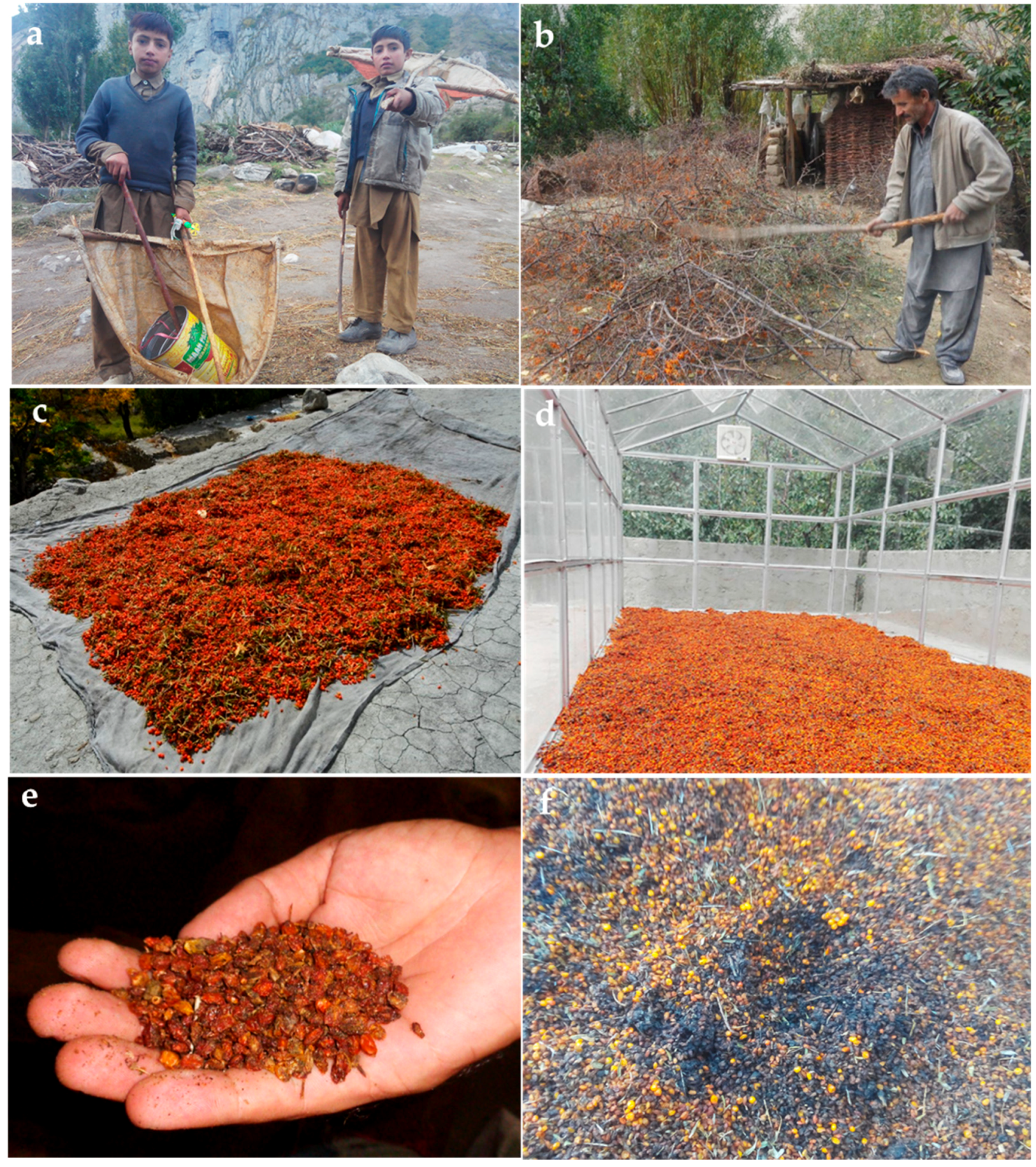
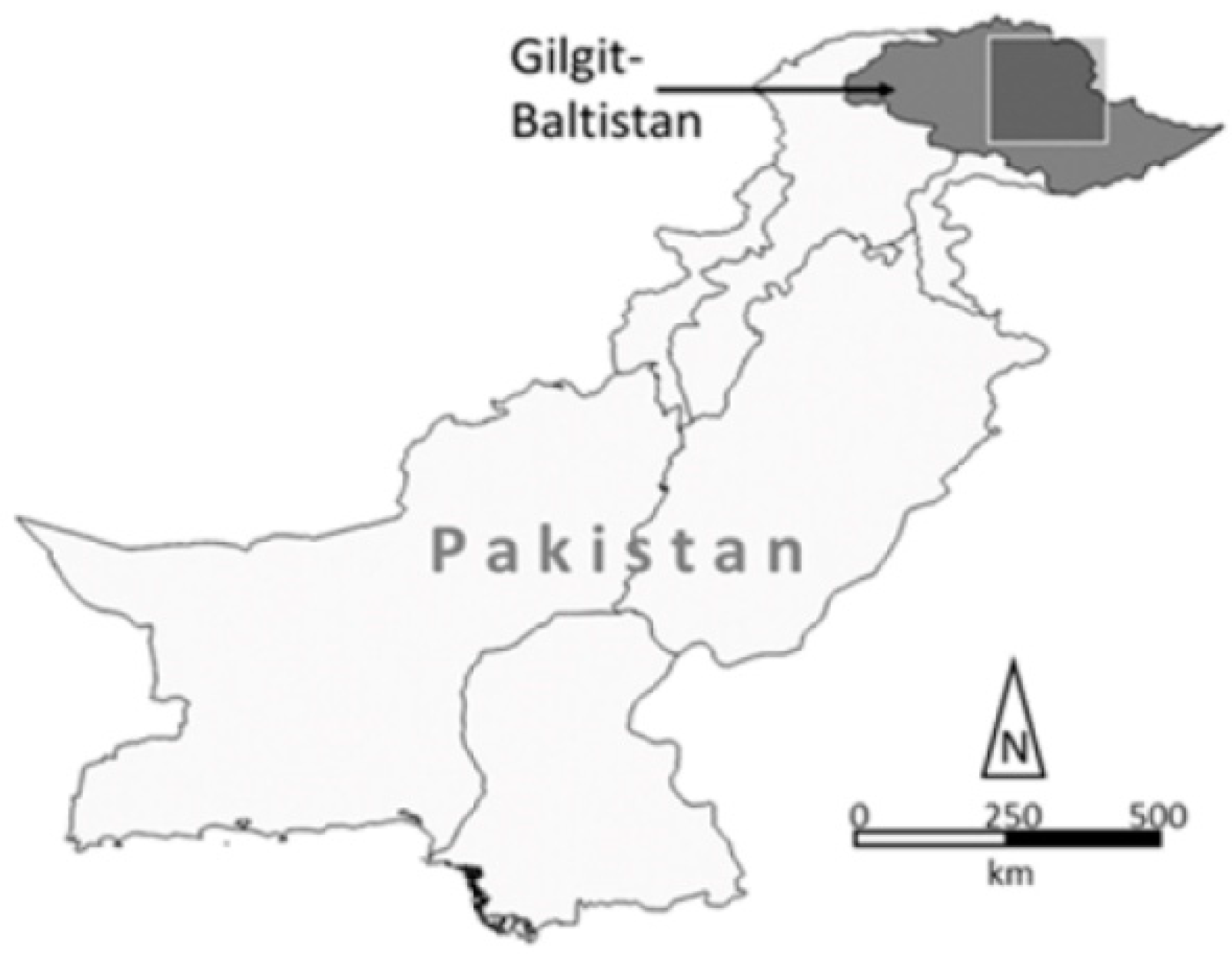
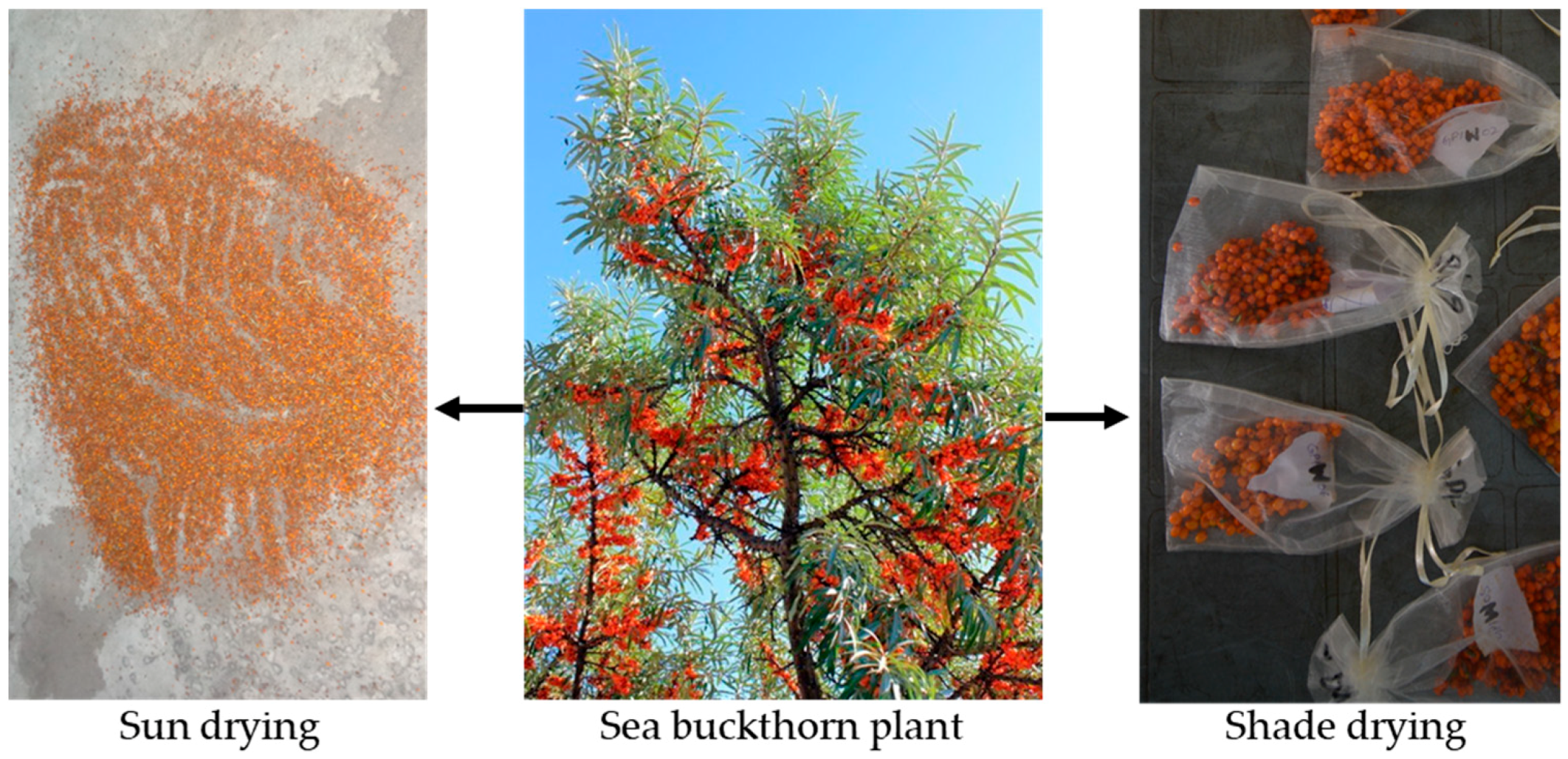
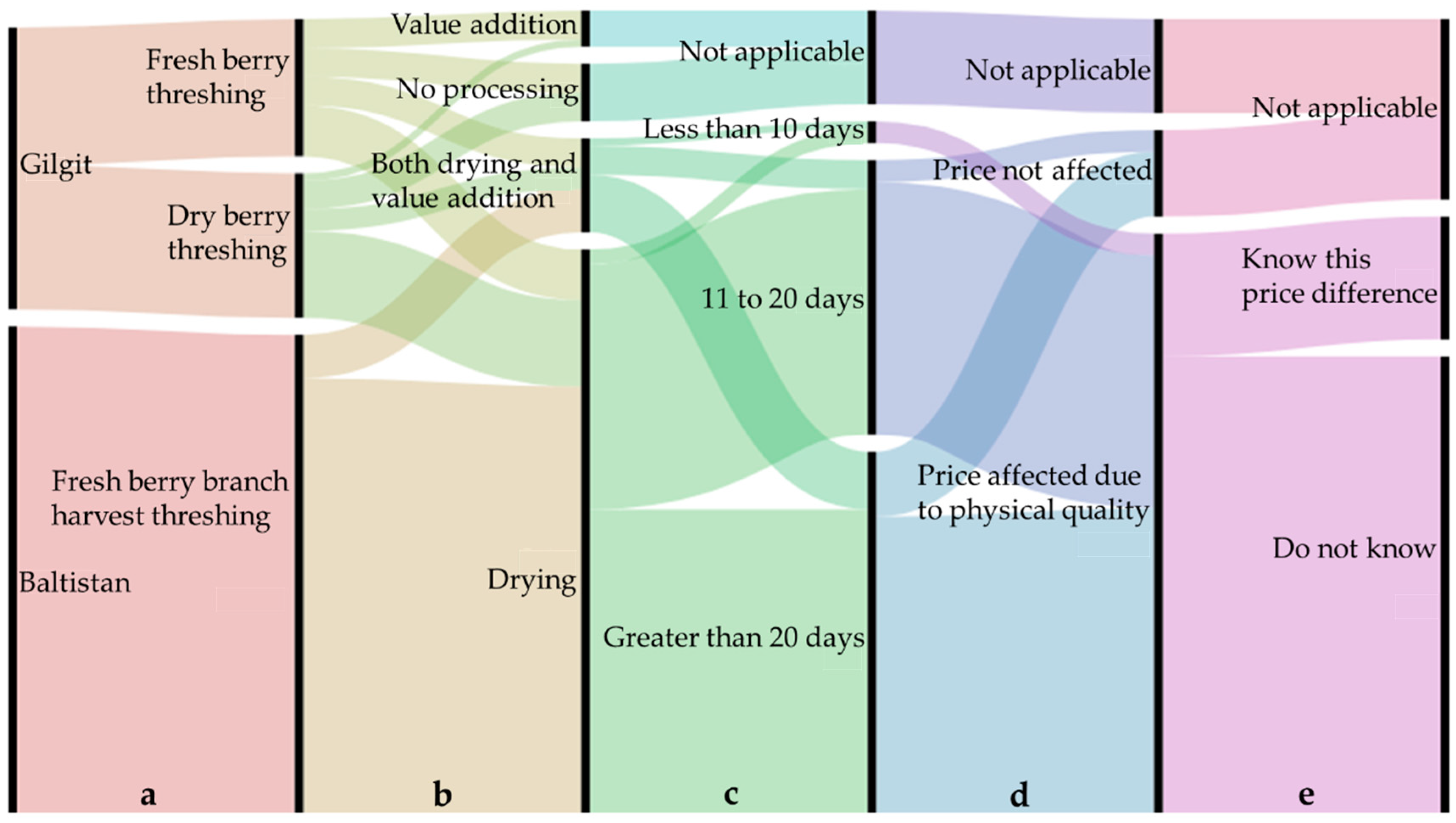
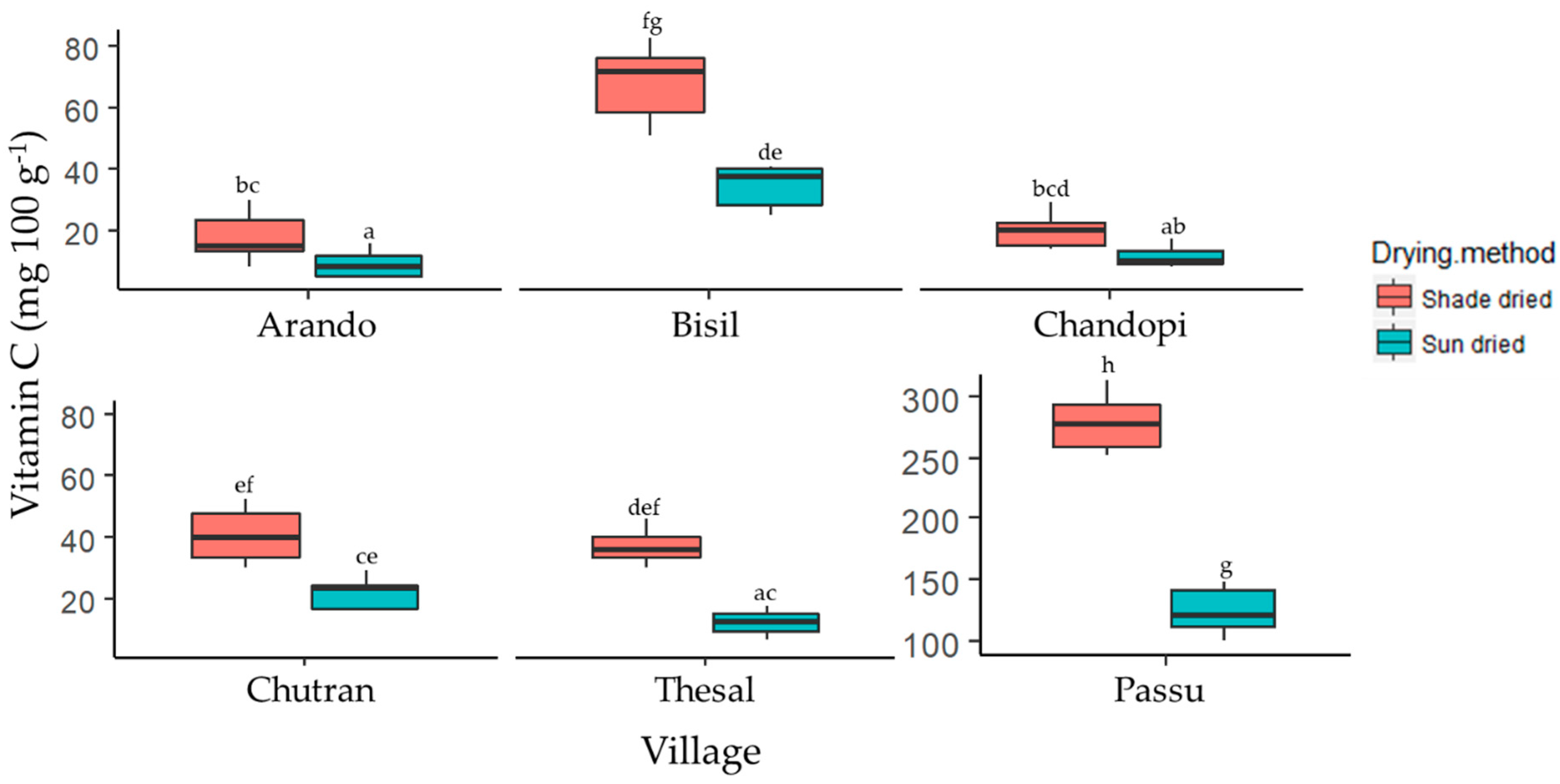
Sea buckthorn is a medicinal plant occurring throughout the temperate regions of the northern hemisphere. Considered as a “superfood” given the nutritional properties of its berries, the latter have a large international market potential, particularly in China and Europe. Although sea buckthorn grows widespread in northern Pakistan, it is a neglected species there. Fruit marketing is severely hampered by low raw product quality, varying prices, and low local demand. During 2017–2018 a total of 111 collectors and 17 commission agents were interviewed from Gilgit-Baltistan, Pakistan using semi-structured questionnaires. The results provide comprehensive information about the current situation from collection to post-harvest management of sea buckthorn fruits including the analysis of vitamin C under different sun and shade drying conditions. The findings are complemented by an analysis of the underlying supply chain. Fruit sale prices were low for the collectors (1.82 US$ kg−1) since mostly poor households are involved in the harvest and sale. Traditional sun drying and storage conditions were inappropriate resulting in a decrease of chemical fruit quality and thus negatively affecting the sales price of produce. Supply chain analyses showed that the non-coordination among actors and lack of infrastructure affect the efficiency of the targeted sea buckthorn production at large. The study also shows the urgent need to set appropriate food quality standards, to increase communication among stakeholders, and to intensify training offers especially for collectors of sea buckthorn fruits.
Keywords: fruit collection and drying; Hippophae rhamnoides; non-regulated price; post-harvest handling; vitamin C fruit collection and drying; Hippophae rhamnoides; non-regulated price; post-harvest handling; vitamin C