Review

Cognitive and Affective Antecedents of Consumers’ Satisfaction: A Systematic Review of Two Research Approaches

1
Department of Social and Organizational Psychology, National Distance Education University (UNED), Street Juan del Rosal, 10, 28040 Madrid, Spain
2
Consumer Council of Castilla La Mancha, 45071 Toledo, Spain
*
Author to whom correspondence should be addressed.
Sustainability 2019, 11(2), 431; https://doi.org/10.3390/su11020431
Submission received: 26 November 2018 / Revised: 17 December 2018 / Accepted: 11 January 2019 / Published: 15 January 2019
(This article belongs to the Special Issue Conscious Consumption)

Abstract

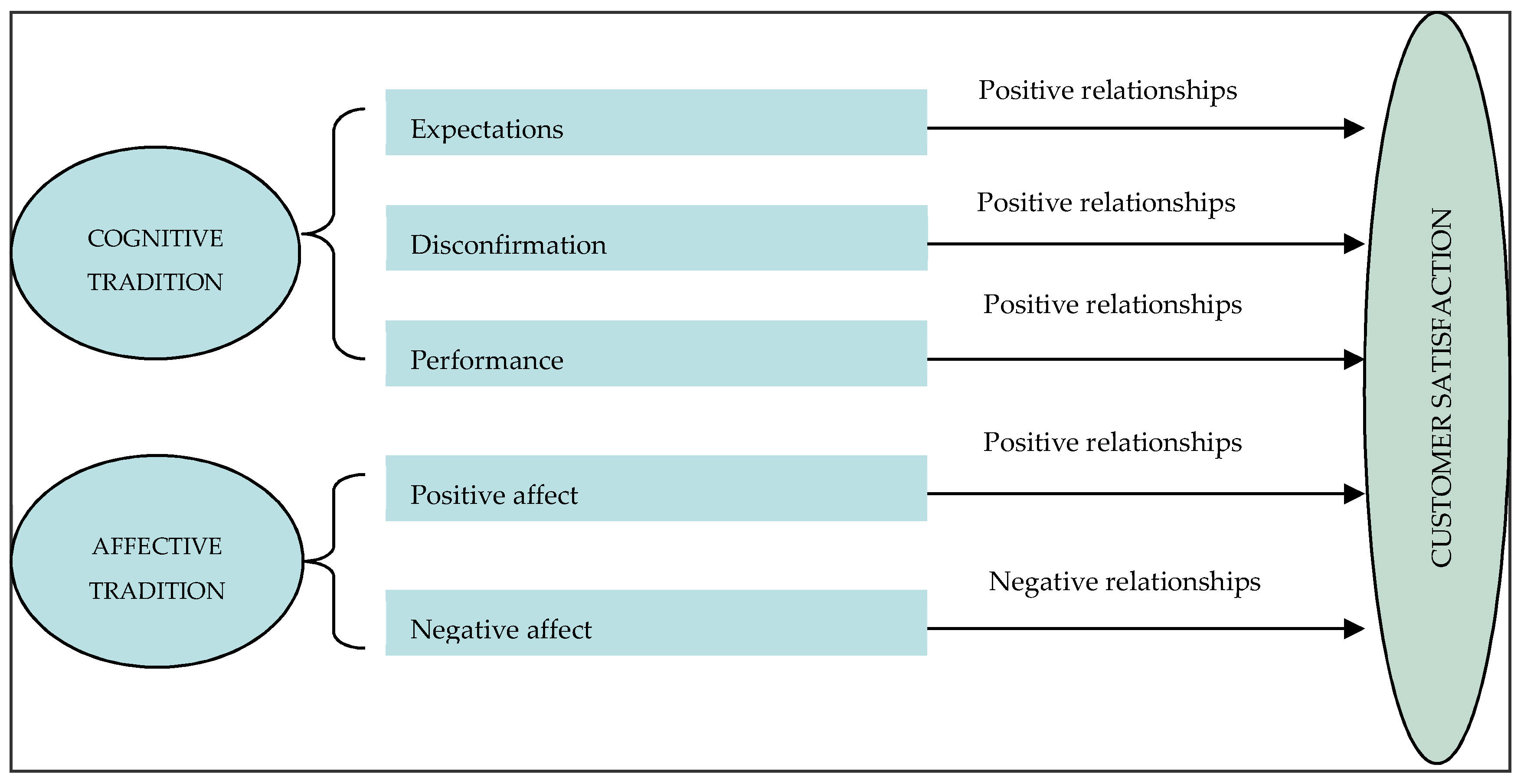
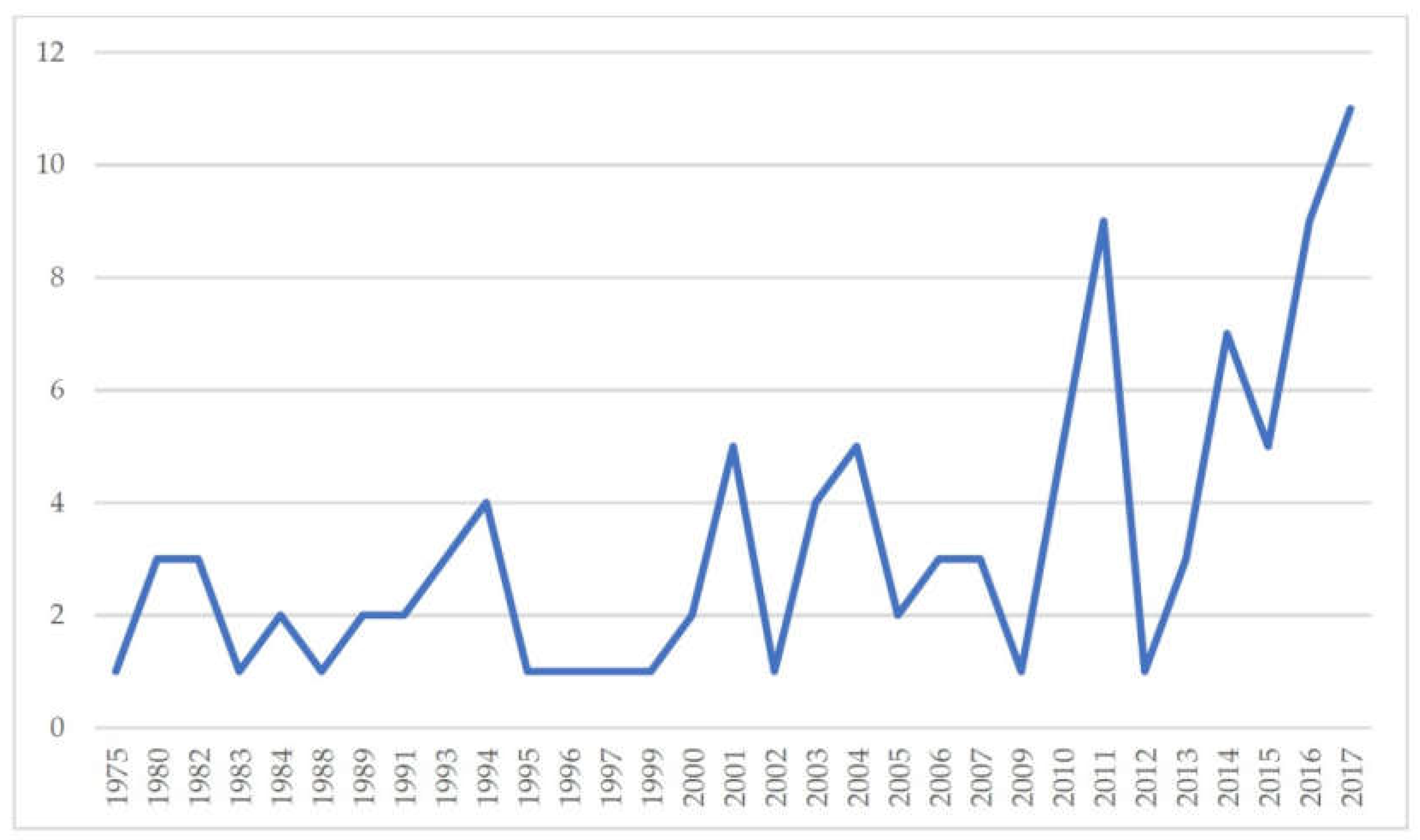
The study of consumers’ satisfaction has generated empirical research in the last few decades, with new challenges, such as a specific lens on online consumers’ satisfaction. During the last decades, two well-differentiated research traditions can be observed: cognitive and affective. A wide range of antecedents of consumers’ satisfaction has been proposed. The present contribution empirical research conducted under these two perspectives to determine which variables are related to satisfaction, the direction of these relationships, and the differences between the two dominant approaches. We conducted a systematic review of 104 empirical studies on consumers’ satisfaction published between 1975 and 2017. The findings showed that both the cognitive and the affective tradition yield statistically significant precursors of satisfaction. A comparison between empirical studies exploring consumers’ satisfaction in traditional versus by Internet purchasing behavior showed an increasing relevance of cognitive facets in traditional consumer behavior. Empirical evidence exploring differences between consumers’ satisfaction with purchasing goods versus hiring services showed that both cognitive and affective predictors strongly impact when services are hired versus consuming goods. This article concludes with a discussion of these results and their implications.
Keywords: consumers’ satisfaction; expectations; expectations’ confirmation; positive affect; negative affect consumers’ satisfaction; expectations; expectations’ confirmation; positive affect; negative affect