Social Learning for Facilitating Dialogue and Understanding of the Ecosystem Services Approach: Lessons from a Cross-Border Experience in the Alboran Marine Basin



Abstract
1. Introduction
2. Materials and Methods
2.1. Study Area
2.2. Methodological Approach
2.2.1. Social-Ecological System Overview and Participants
2.2.2. Structure and Operation
2.2.3. Monitoring and Assessment
3. Results
3.1. Workshop Outcomes
3.1.1. Main Regional Drivers of Marine Ecosystem Change in the AMB and Indicators for Its Monitoring
3.1.2. Marine Ecosystem Services Impacted by the Regional Drivers and Indicators for Its Monitoring
3.2. Evolution of Key Variables Monitored throughout the SL Process
3.3. Assessment of the SL Experience by the Participants
4. Discussion
4.1. Societal Effects of the SL Process in the Individuals Involved
- A more inclusive and constructive dialogue on the ESA. Patterns of communication amongst the members of the community of practice changed gradually throughout the SL process and moved towards a more inclusive and constructive dialogue on the ESA (Table 3). At the beginning, we observed that the communication process was constrained by the asymmetries in education and misunderstanding of ESA concepts amongst individuals (Table 3). These limitations are likely influenced by a variety of factors that scientific literature suggests can hinder the communication process when the ESA is employed as a common language [19]. Amongst these factors are the market-oriented connotation attached to the ecosystem services concept [20] and the complex scientific terminology of the ESA [11]. Throughout the SL process, we observed that the intensified collective debates about drivers of change and ecosystem services helped the actors to acquire cognitive and practical competencies that facilitated dialogue about the ESA and a common understanding of its importance to support the governance model (Table 3). This allowed individuals to gradually become better informed and acquire more fluency in the language of the ESA to address the sustainability issues at stake (Table 3) [58]. The generation of this effective dialogue amongst individuals with a plurality of perspectives and values facilitated the effective statement of their positions and promoted more equal participation in the sustainability debate [59,60].
- A better understanding of the interconnectedness and interdependence of the social-ecological system in which actors are embedded. This effect became apparent through the co-produced inventory of regional drivers of global change and ecosystem services by the community of practice (Table 1). One such example was when the actors addressed the relationship between fishing (corresponding to the ‘food’ category of the provisioning ecosystem services) (Table 2) and overfishing (corresponding to the ‘overexploitation’ category of the regional drivers) (Table 1). The monitoring of both issues was considered a priority for the AMB ( Table 1; Table 2) for two main reasons: (1) the Spanish and Moroccan fishing sectors make up just over 1% and 2.5% of each country’s annual GDP (Gross Domestic Product), respectively, and (2) historical conflicts exist between Spain and Morocco related to the overexploitation of fish stocks in Moroccan waters by Spanish fishing fleets [61]. Although this was a sensitive topic initially, a social shift occurred once the community of practice understood the current status of small pelagic species, such as Sardina pilchardus and Engraulis encrasicolus which are declining in number and suffer from overexploitation [62]. Following discussion, participants acknowledged that the adverse effects of human activities from both sides on the marine ecosystem’s ecological integrity can result in disparate consequences across socio-political borders [33]. This acknowledgement led to a demonstrable shift in the participants’ general perceptions of a governance system based on ecological rather than socio-political boundaries, and they acquired progressively wider notions of the importance of cross-border collaboration between the countries to progress towards sustainability in the AMB (Table 4).
- Enhanced recognition of science-policy-society complementarities to address sustainability issues. This argument was endorsed by the results of the questionnaire administered after the completion of the SL process, in which the participants showed willingness to continue to participate in transboundary platforms formed by science-policy-society representatives to address sustainability issues in this marine region (Table 4). The recognition of complementarities resulted from a slow and progressive change in pre-defined perceptions across science, policy and society throughout the process. Initially, we observed general uncertainty regarding the roles that the researchers, decision-makers and local users would play in the SL process, which was shaped by the need to reconcile different knowledge, interests and values [43]. The co-production of context-based knowledge to generate outcomes from the integration of multiple disciplines and backgrounds such as ecology, governance and socio-economic sectors (Table S1) led to the diverse actors gradually recognising the enrichment of their individual perspectives (Table 3). As mutual understanding increased amongst the participants, they began to clarify their respective roles in the sustainability debate and recognise science-policy-society complementarities to address issues at stake. For instance, the role of scientists became prominent when the community deliberated on regulating ecosystem services. Most actors had shown a limited understanding of these types of ecosystem services (Table 3), which led to the prioritisation of provisioning and cultural services (Table S3). These findings showed that the existence of knowledge gaps could be related to the global assumption that people tend to identify tangible ecosystem services more easily than intangibles [63]. This discrepancy could be one of the reasons why fishing resources (provisioning services) and recreation values (cultural services) are usually the most easily perceived ecosystem services provided by marine ecosystems [64]. To address these knowledge gaps, the community of practice called for researchers to build more capacity in ecological processes and ecosystem functions in this marine region.
- A gradual social transformation towards more sustainable and equitable governance. The results confirmed that the SL process through the ESA progressively generated a shift in social perception towards more sustainable and equitable governance of the AMB. Such social change was initially conditioned by the participant’s different value systems and mental models associated with the traditional models of governance. This starting position gradually shifted throughout the SL process, as evidenced by the ESA indicators co-produced by the community of practice. As indicators represent a simplified picture of factors crucial to understanding and managing complex social-ecological systems [65], these tools helped individuals to easily envision different and similar means of monitoring specific ecological processes across socio-political borders [33]. Most of the actors supported the implementation of a harmonised system of ESA indicators in the bordering countries, as reflected in the responses to the questionnaire. They perceived the common indicators dataset as a key tool for advancing towards equitable and sustainable governance of this marine region (Table 4). This statement was based on such indicators being scientifically adequate, robust, and useful for aligning conservation policies [47] to complement and align management strategies framed into conservation policies to protect and conserve the AMB in each country [39,40].
4.2. Factors that Facilitated the SL Process in the Governance Context of the AMB
- Generation of trust and shared understanding. The creation of an atmosphere of trust and shared understanding is widely recognised as one of the most important factors to enable SL [25]. To attain this goal, we combined face-to-face interactions through the three workshops with the use of electronic communications (such as email and online platforms). This combination helped build proximity and ensure a constant flow of communication between the groups involved in the SL process [66]. In addition, we incorporated well-recognised factors that contributed to the generation of trust and common understanding from different dimensions. These included (1) the clarification of the goals and outcomes of the study from the beginning, which helped avoid unfounded expectations [43]; (2) the establishment of a validation procedure of the generated outcomes that promoted transparency, flexibility, and adaptive capacity in the exercise [67]; (3) the implementation of workgroup activities and plenary sessions that facilitated a sense of collective construction of outcomes [59]; and (4) the organisation of informal meetings, which allowed building personal interactions [25]. Acknowledging that the emergence of trust and shared understanding is crucial to establishing collaboration [68], the creation of such conditions became evident at the end of the SL process when win-win strategies were established amongst institutions from both countries to obtain funding for programme implementation in the medium term to continue to advance the sustainability of the AMB (Table 3).
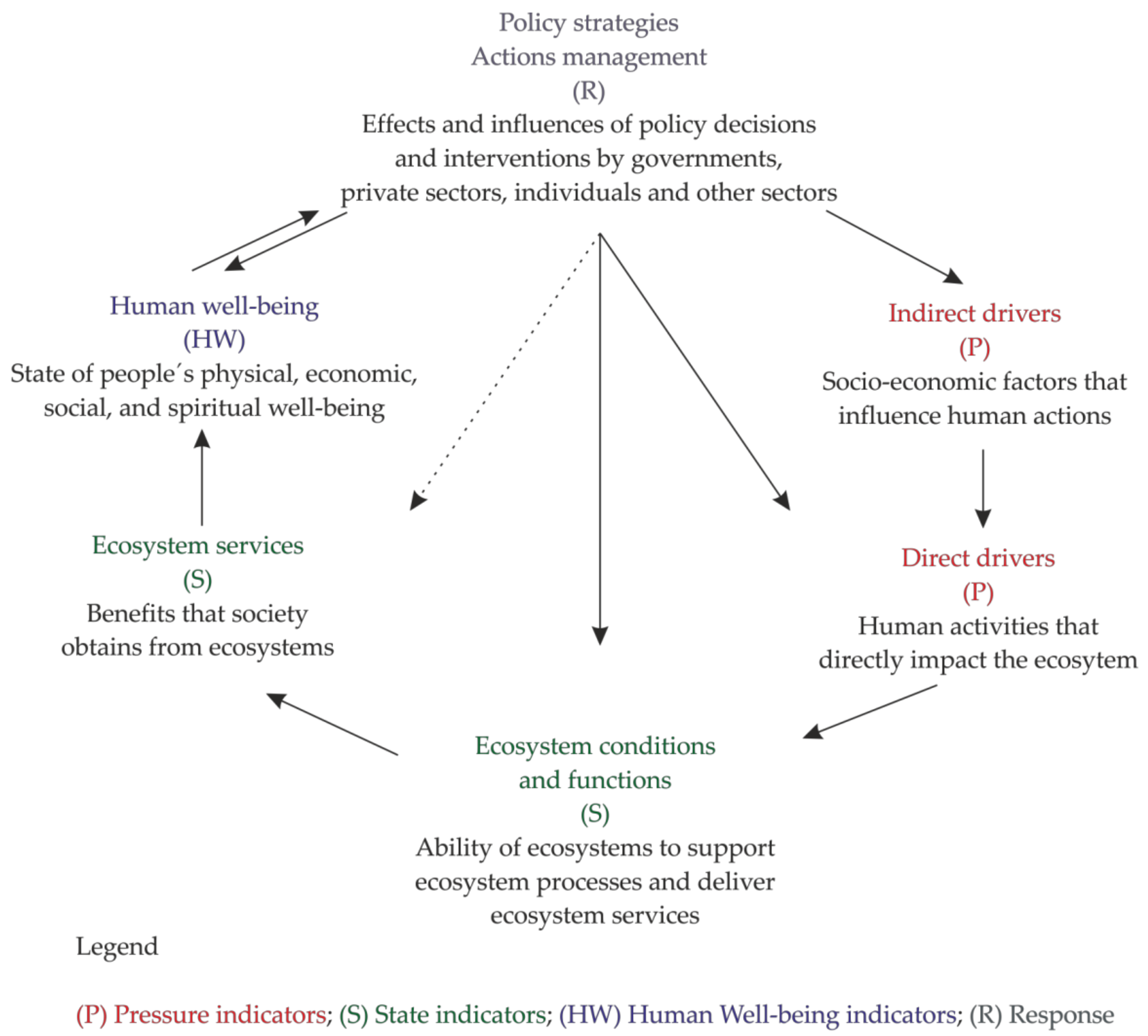
- Facilitation of knowledge exchanges between actor groups across frontiers. A major challenge for SL is to enhance knowledge exchange and knowledge co-production between diverse actor groups to jointly generate outcomes to achieve a common purpose [69]. Throughout the SL process, we identified two key factors, which were not mutually exclusive, that contributed to surmounting this challenge. First, a knowledge-brokering approach [45] based on shared leadership between Spain and Morocco was used. In addition to promoting knowledge transfer amongst the participants, we observed that this shared leadership led to a balanced representation of both countries and strengthened relationships between the participants from the bordering countries. Considering that knowledge-brokering approaches can be adapted based on the context, actors and desired goals (see, e.g., [67,70]), our results suggested that a shared approach between brokers of different countries can be a key factor for facilitating knowledge exchange and building confidence in cross-border contexts. Second, the development of a clearly structured, systematised and timed learning process focused the collective deliberations on specific areas [71]. In our case, such areas encompassed some parts of the ESA: drivers and ecosystem services. This focus facilitated the progressive co-evolution of the participants’ understanding of these social–ecological issues, helping them to accommodate diverse perspectives and gain in-depth knowledge to co-produce knowledge on these topics [69]. As a result, the community of practice generated an inventory of drivers that was coherent with the conceptual model of the MEA (2005), as well as other similar evaluations (see, e.g., [72]) ( Table 1; Table 2).
- Promotion of more democratic participation. An increasing number of scholars have drawn attention to the need to ensure symmetrical opportunities so that everyone can contribute to the sustainability debate [23,73]. We observed three key factors that positively influenced more democratic participation in the process by the individuals involved: (1) the training lectures on the ESA, (2) the presence of translators, and (3) the implementation of “consensus rules”. First, we found that the training lectures by specialists in socio-ecological systems to build capacity for relative newcomers in the lexicon and ESA concepts, also helped the participants acquire new cognitive competences in these matters (Table 4). This competency led to the most of the participants perceiving that capacity building is needed when working with the ESA (Table 4). This recognition is in line with recent studies that underline that capacity building as part of a social process can help actors to better understand the complexity of the issue at stake and become familiar with it [74]. Second, we tested whether the integration of qualified translators with experience in the AMB would help the participants express their positions more precisely and effectively in their home language [58]. This process allowed everyone to participate fluently in the ongoing discussions throughout the SL process. Finally, we observed that the participants’ approbation of formal rules in workshops that required that all results reach a consensus allowed the representation of everyone’s perspectives and interests in the workshops’ outcomes. This approach helped to avoid bias in the generated outcomes despite the unbalanced participation of stakeholder groups involved in the SL process due to resources and time constraints (Table S1).
- Co-production of practical outcomes. The provision of results that are translatable to real outcomes is recognised as an incentive for SL processes [75]. The direct relationship between effort and time invested by actors in participating, and the usefulness of the generated outcomes resulting from their participation is usually the reason behind this incentive [68]. Under this assumption, we developed a SL process oriented towards the ESA as a governance approach in the AMB with the aim of co-producing indicators that could be used to align conservation policies between Spain and Morocco. To clarify the intention of generating practical outcomes, first, some of the training lectures were focused on increasing the normative capacities of the actors. The reason for this approach is that such capacities are recognised as a key element to link knowledge and policy action [76]. To ensure these capacities do so, the experts explained the legal frameworks that call for the implementation of marine conservation policies based on an ecosystem approach in Spain and Morocco. These frameworks are the Marine Strategy Framework Directive [39] and the Ecosystem Approach Strategy for all Mediterranean Countries [40]. Second, we presented a geoportal as an on-line repository to collect and promote information exchange for more sustainable governance of the AMB (http://www.iucn-geoportalboran.org/es/). We informed the participants that this repository included a specific section focused on indicators in which the co-produced outcomes could be applied as an input for aligning conservation policies between both countries. This ability was considered important to helping the actors envision the practicability and usefulness of the outcomes generated from the SL process. As a result, questionnaires evidenced that most of respondents supported that a common set of drivers and ecosystem services indicators be harmonised across boundaries to align marine conservation policies (Table 4).
4.3. The Potential of SL in the ESA to Make It Relevant to Policy and Society
5. Conclusions
Supplementary Materials
Author Contributions
Funding
Acknowledgments
Conflicts of Interest
References
- Guerry, A.D.; Polasky, S.; Lubchenco, J.; Chaplin-Kramer, R.; Daily, G.C.; Griffin, R.; Ruckelshaus, M.; Bateman, I.J.; Duraiappah, A.; Elmqvist, T.; et al. Natural Capital and Ecosystem Services Informing Decisions: From Promise to Practice. Proc. Natl. Acad. Sci. USA 2015, 112, 7348–7355. [Google Scholar] [CrossRef] [Scilit] [PubMed]
- Folke, C.; Hahn, T.; Olsson, P.; Norberg, J. Adaptive Governance of Social-Ecological Systems. Annu. Rev. Environ. Resour. 2005, 30, 441–473. [Google Scholar] [CrossRef] [Scilit]
- Millenium Ecosystem Assessment. Ecosystem and Human Well-Being: Synthesis; Millenium Ecosystem Assessment: Washington, DC, USA, 2005. [Google Scholar]
- Katsanevakis, S.; Stelzenmüller, V.; South, A.; Sørensen, T.K.; Jones, P.J.S.; Kerr, S.; Badalamenti, F.; Anagnostou, C.; Breen, P.; Chust, G.; et al. Ecosystem-Based Marine Spatial Management: Review of Concepts, Policies, Tools, and Critical Issues. Ocean Coast. Manag. 2011, 54, 807–820. [Google Scholar] [CrossRef] [Scilit]
- Steffen, W.; Grinevald, J.; Crutzen, P.; McNeill, J. The Anthropocene: Conceptual and Historical Perspectives. Philos. Trans. A Math. Phys. Eng. Sci. 2011, 369, 842–867. [Google Scholar] [CrossRef] [Scilit]
- Foley, M.M.; Halpern, B.S.; Micheli, F.; Armsby, M.H.; Caldwell, M.R.; Crain, C.M.; Prahler, E.; Rohr, N.; Sivas, D.; Beck, M.W.; et al. Guiding Ecological Principles for Marine Spatial Planning. Mar. Policy 2010, 34, 955–966. [Google Scholar] [CrossRef] [Scilit]
- Sander, J.; Nicolas, D.; Berta, M.-L.; Nicholas, B.D.; Erik, G.-B.; Fanny, B.; Francesca, M.L.; Kati, V.; Davide, G.; Katharina, S.J.; et al. A New Valuation School: Integrating Diverse Values of Nature in Resource and Land Use Decisions. Ecosyst. Serv. 2016, 22, 213–220. [Google Scholar] [CrossRef] [Scilit]
- Costanza, R.; Arge, R.; De Groot, R.; Farberk, S.; Grasso, M.; Hannon, B.; Limburg, K.; Naeem, S.; Neill, R.V.O.; Paruelo, J.; et al. The Value of the World’s Ecosystem Services and Natural Capital. Nature 1997, 387, 253–260. [Google Scholar] [CrossRef] [Scilit]
- Daily, G.C.; Polasky, S.; Goldstein, J.; Kareiva, P.M.; Mooney, H.A.; Pejchar, L.; Ricketts, T.H.; Salzman, J.; Shallenberger, R. Ecosystem Services in Decision Making: Time to Deliver. Front. Ecol. Environ. 2009, 7, 21–28. [Google Scholar] [CrossRef] [Scilit]
- Abson, D.J.; von Wehrden, H.; Baumgaertner, S.; Fischer, J.; Hanspach, J.; Haerdtle, W.; Heinrichs, H.; Klein, A.M.; Lang, D.J.; Martens, P.; et al. Ecosystem Services as a Boundary Object for Sustainability. Ecol. Econ. 2014, 103, 29–37. [Google Scholar] [CrossRef] [Scilit]
- Reyers, B.; Nel, J.L.; O’Farrell, P.J.; Sitas, N.; Nel, D.C. Navigating Complexity through Knowledge Coproduction: Mainstreaming Ecosystem Services into Disaster Risk Reduction. Proc. Natl. Acad. Sci. USA 2015, 112, 7362–7368. [Google Scholar] [CrossRef] [Scilit]
- Nesshoever, C.; Vandewalle, M.; Wittmer, H.; Balian, E.V.; Carmen, E.; Geijzendorffer, I.R.; Goerg, C.; Jongman, R.; Livoreil, B.; Santamaria, L.; et al. The Network of Knowledge Approach: Improving the Science and Society Dialogue on Biodiversity and Ecosystem Services in Europe. Biodivers. Conserv. 2016, 25, 1215–1233. [Google Scholar] [CrossRef] [Scilit]
- Carmen, E.; Watt, A.; Carvalho, L.; Dick, J.; Fazey, I.; Garcia-Blanco, G.; Grizzetti, B.; Hauck, J.; Izakovicova, Z.; Kopperoinen, L.; et al. Knowledge Needs for the Operationalisation of the Concept of Ecosystem Services. Ecosyst. Serv. 2018, 29, 441–451. [Google Scholar] [CrossRef] [Scilit]
- Costanza, R.; de Groot, R.; Braat, L.; Kubiszewski, I.; Fioramonti, L.; Sutton, P.; Farber, S.; Grasso, M. Twenty Years of Ecosystem Services: How Far Have We Come and How Far Do We Still Need to Go? Ecosyst. Serv. 2017, 28, 1–16. [Google Scholar] [CrossRef] [Scilit]
- Maes, J.; Burkhard, B.; Geneletti, D. Ecosystem Services Are Inclusive and Deliver Multiple Values. A Comment on the Concept of Nature’s Contributions to People. One Ecosyst. 2018, 3, e24720. [Google Scholar] [CrossRef] [Scilit]
- Jetzkowitz, J.; van Koppen, C.S.A.; Lidskog, R.; Ott, K.; Voget-Kleschin, L.; Wong, C.M.L. The Significance of Meaning. Why IPBES Needs the Social Sciences and Humanities. Innovation 2018, 31, S38–S60. [Google Scholar] [CrossRef] [Scilit]
- Schröter, M.; van der Zanden, E.H.; van Oudenhoven, A.P.E.; Remme, R.P.; Serna-Chavez, H.M.; de Groot, R.S.; Opdam, P. Ecosystem Services as a Contested Concept: A Synthesis of Critique and Counter-Arguments. Conserv. Lett. 2014, 7, 514–523. [Google Scholar] [CrossRef] [Scilit]
- Steger, C.; Hirsch, S.; Evers, C.; Branoff, B.; Petrova, M.; Nielsen-Pincus, M.; Wardropper, C.; van Riper, C.J. Ecosystem Services as Boundary Objects for Transdisciplinary Collaboration. Ecol. Econ. 2018, 143, 153–160. [Google Scholar] [CrossRef] [Scilit]
- Schleyer, C.; Lux, A.; Mehring, M.; Görg, C. Ecosystem Services as a Boundary Concept: Arguments from Social Ecology. Sustainability 2017, 9, 1107. [Google Scholar] [CrossRef] [Scilit]
- Kusmanoff, A.M.; Fidler, F.; Gordon, A.; Bekessy, S.A. Decline of ‘biodiversity’ in Conservation Policy Discourse in Australia. Environ. Sci. Policy 2017, 77, 160–165. [Google Scholar] [CrossRef] [Scilit]
- Munns, W.R., Jr.; Rea, A.W.; Mazzotta, M.J.; Wainger, L.A.; Saterson, K. Toward a Standard Lexicon for Ecosystem Services. Integr. Environ. Assess. Manag. 2015, 11, 666–673. [Google Scholar] [CrossRef] [Scilit]
- Rist, S.; Chidambaranathan, M.; Escobar, C.; Wiesmann, U.; Zimmermann, A. Moving from Sustainable Management to Sustainable Governance of Natural Resources: The Role of Social Learning Processes in Rural India, Bolivia and Mali. J. Rural Stud. 2007, 23, 23–37. [Google Scholar] [CrossRef] [Scilit]
- Rist, S.; Chiddambaranathan, M.; Escobar, C.; Wiesmann, U. “It Was Hard to Come to Mutual Understanding...”—The Multidimensionality of Social Learning Processes Concerned with Sustainable Natural Resource Use in India, Africa and Latin America. Syst. Pract. Action Res. 2006, 19, 219–237. [Google Scholar] [CrossRef] [Scilit]
- Schneider, F.; Rist, S. Envisioning Sustainable Water Futures in a Transdisciplinary Learning Process: Combining Normative, Explorative, and Participatory Scenario Approaches. Sustain. Sci. 2014, 9, 463–481. [Google Scholar] [CrossRef] [Scilit]
- Schneider, F.; Ledermann, T.; Rist, S.; Fry, P. Social Learning Processes in Swiss Soil Protection—The “From Farmer–To Farmer” Project. Hum. Ecol. 2009, 37, 475–489. [Google Scholar] [CrossRef] [Scilit]
- Reed, M.; Evely, A.; Cundill, G.; Fazey, I.; Glass, J.; Laing, A.; Newig, J.; Parrish, B.; Prell, C.; Raymond, C.; et al. What Is Social Learning? Ecol. Soc. 2010, 15, r1. Available online: http://www.ecologyandsociety.org/vol15/iss4/resp1/ (accessed on 23 September 2019). [CrossRef] [Scilit]
- Habermas, J. The Theory of Communicative Action; Beacon Press: Boston, MA, USA, 1984; Volume 1. [Google Scholar]
- Tàbara, J.D.; Chabay, I. Coupling Human Information and Knowledge Systems with Social–Ecological Systems Change: Reframing Research, Education, and Policy for Sustainability. Environ. Sci. Policy 2013, 28, 71–81. [Google Scholar] [CrossRef] [Scilit]
- Tàbara, J.D.; Pahl-Wostl, C. Sustainability Learning in Natural Resource Use and Management. Ecol. Soc. 2007, 12, 5. [Google Scholar] [CrossRef] [Scilit]
- Cundill, G.; Rodela, R. A Review of Assertions about the Processes and Outcomes of Social Learning in Natural Resource Management. J. Environ. Manag. 2012, 113, 7–14. [Google Scholar] [CrossRef] [Scilit] [PubMed]
- Cowling, R.M.; Egoh, B.; Knight, A.T.; O’Farrell, P.J.; Reyers, B.; Rouget, M.; Roux, D.J.; Welz, A.; Wilhelm-Rechman, A. An Operational Model for Mainstreaming Ecosystem Services for Implementation. Proc. Natl. Acad. Sci. USA 2008, 105, 9483–9488. [Google Scholar] [CrossRef] [Scilit]
- Moreau, C.; Barnaud, C.; Mathevet, R. Conciliate Agriculture with Landscape and Biodiversity Conservation: A Role-Playing Game to Explore Trade-Offs among Ecosystem Services through Social Learning. Sustainability 2019, 11, 310. [Google Scholar] [CrossRef] [Scilit]
- Dallimer, M.; Strange, N. Why Socio-Political Borders and Boundaries Matter in Conservation. Trends Ecol. Evol. 2015, 30, 132–139. [Google Scholar] [CrossRef] [Scilit] [PubMed]
- López-Hoffman, L.; Varady, R.G.; Flessa, K.W.; Balvanera, P. Ecosystem Services across Borders: A Framework for Transboundary Conservation Policy. Front. Ecol. Environ. 2010, 8, 84–91. [Google Scholar] [CrossRef] [Scilit]
- León, P.; Blanco, J.M.; Flexas, M.M.; Gomis, D.; Reul, a.; Rodríguez, V.; Jiménez-Gómez, F.; Allen, J.T.; Rodríguez, J. Surface Mesoscale Pico–Nanoplankton Patterns at the Main Fronts of the Alboran Sea. J. Mar. Syst. 2015, 143, 7–23. [Google Scholar] [CrossRef] [Scilit]
- Robles, R. Conservation and Sustainable Development of the Alboran Sea; IUCN: Grand, Switzerland, 2010. [Google Scholar]
- Coll, M.; Piroddi, C.; Albouy, C.; Ben Rais Lasram, F.; Cheung, W.W.L.; Christensen, V.; Karpouzi, V.S.; Guilhaumon, F.; Mouillot, D.; Paleczny, M.; et al. The Mediterranean Sea under Siege: Spatial Overlap between Marine Biodiversity, Cumulative Threats and Marine Reserves. Glob. Ecol. Biogeogr. 2012, 21, 465–480. [Google Scholar] [CrossRef] [Scilit]
- De Vivero, J.L.S.; Directorate-General for Internal Policies of the Union (European Parliament). Aguas Jurisdiccionales en el Mediterráneo y el Mar Negro; EU Publications: Brussels, Belgium, 2010. [Google Scholar] [CrossRef]
- EU (European Union). Directive 2008/56/EC of the European Parliament and of the Council, of 17 June 2008, Establising a Framework for Community Action in the Field of Marine Environmental Policy (Marine Strategy Framework Directive); EU: Official Journal of the European Union: Strasbourg, France, 2008; pp. 19–40. [Google Scholar]
- UNEP-MAP. The Convention for the Protection of the Marine Environment and the Coastal Region of the Mediterranean and Its. In Proceedings of the 15th Ordinary Meeting of the Contracting Parties to Protocols, Almeria, Spain, 15–18 January 2008; pp. 15–17. [Google Scholar]
- Bernard, H.R. Research Methods in Anthropology: Qualitative and Quantitative Approaches; Altamira Press: Walnut Creek, FL, USA, 2005. [Google Scholar]
- Wenger, E. Communities of Practice and Social Learning Systems. Organization 2000, 7, 225–246. [Google Scholar] [CrossRef] [Scilit]
- Hegger, D.; Lamers, M.; Van Zeijl-Rozema, A.; Dieperink, C. Conceptualising Joint Knowledge Production in Regional Climate Change Adaptation Projects: Success Conditions and Levers for Action. Environ. Sci. Policy 2012, 18, 52–65. [Google Scholar] [CrossRef] [Scilit]
- Medema, W.; Adamowski, J.; Orr, C.; Furber, A.; Wals, A.; Milot, N. Building a Foundation for Knowledge Co-Creation in Collaborative Water Governance: Dimensions of Stakeholder Networks Facilitated through Bridging Organizations. Water 2017, 9, 60. [Google Scholar] [CrossRef] [Scilit]
- Hering, J.G. Do We Need “More Research” or Better Implementation through Knowledge Brokering? Sustain. Sci. 2016, 11, 363–369. [Google Scholar] [CrossRef] [Scilit] [PubMed]
- Martín-López, B.; Iniesta-Arandia, I.; García-Llorente, M.; Palomo, I.; Casado-Arzuaga, I.; Del Amo, D.G.; Gómez-Baggethun, E.; Oteros-Rozas, E.; Palacios-Agundez, I.; Willaarts, B.; et al. Uncovering Ecosystem Service Bundles through Social Preferences. PLoS ONE 2012, 7, e38970. [Google Scholar] [CrossRef] [Scilit] [PubMed]
- Cash, D.W.; Clark, W.C.; Alcock, F.; Dickson, N.M.; Eckley, N.; Guston, D.H.; Jäger, J.; Mitchell, R.B. Knowledge Systems for Sustainable Development. Proc. Natl. Acad. Sci. USA 2003, 100, 8086–8091. [Google Scholar] [CrossRef] [Scilit] [PubMed]
- Ritchie, J.; Lewis, J. The Foundations of Qualitative Research. Qual. Res. Pract. 2003, 2, 52–55. [Google Scholar] [CrossRef] [Scilit]
- Mostert, E.; Pahl-wostl, C.; Rees, Y.; Searle, B.; Tàbara, D.; Tippett, J. Social Learning in European River-Basin Management: Barriers and Fostering Mechanisms from 10 River Basins. Ecol. Soc. 2007, 12, 1–16. [Google Scholar] [CrossRef] [Scilit]
- Walter, A.I.; Helgenberger, S.; Wiek, A.; Scholz, R.W. Measuring Societal Effects of Transdisciplinary Research Projects: Design and Application of an Evaluation Method. Eval. Program Plan. 2007, 30, 325–338. [Google Scholar] [CrossRef] [Scilit] [PubMed]
- Bradburn, N.; Sudman, S.; Wansink, B. Asking Questions: A Practical Guide to Questionnaire Design. Comput. Environ. Urban Syst. 2004, 14, 72. [Google Scholar] [CrossRef] [Scilit]
- Baird, J.; Plummer, R.; Haug, C.; Huitema, D. Learning Effects of Interactive Decision-Making Processes for Climate Change Adaptation. Glob. Environ. Chang. 2014, 27, 51–63. [Google Scholar] [CrossRef] [Scilit]
- Tinch, R.; Balian, E.; Carss, D.; de Blas, D.E.; Geamana, N.A.; Heink, U.; Keune, H.; Nesshöver, C.; Niemelä, J.; Sarkki, S.; et al. Science-Policy Interfaces for Biodiversity: Dynamic Learning Environments for Successful Impact. Biodivers. Conserv. 2016, 27, 1679–1702. [Google Scholar] [CrossRef] [Scilit]
- Hadorn, G.H.; Biber-Klemm, S.; Grossenbacher-Mansuy, W.; Hoffmann-Riem, H.; Joye, D.; Pohl, C.; Wiesmann, U.; Zemp, E. Handbook of Transdisciplinary Research; Springer Nature: Cham, Switzerland, 2008. [Google Scholar]
- Tàbara, J.D. A New Vision of Open Knowledge Systems for Sustainability: Opportunities for Social Scientists. In World Social Science Report 2013; OECD: Paris, France, 2013; pp. 112–118. [Google Scholar]
- Adler, C.; Hirsch Hadorn, G.; Breu, T.; Wiesmann, U.; Pohl, C. Conceptualizing the Transfer of Knowledge across Cases in Transdisciplinary Research. Sustain. Sci. 2018, 13, 179–190. [Google Scholar] [CrossRef] [Scilit]
- Flyvbjerg, B. Five Misunderstandings About Case-Study Research. Qual. Inq. 2006, 12, 219–245. [Google Scholar] [CrossRef] [Scilit]
- Weber, T. Language Matters in Transdisciplinarity. Available online: https://i2insights.org/2018/10/02/language-matters/ (accessed on 4 October 2018).
- Akpo, E.; Crane, T.A.; Vissoh, P.V.; Tossou, R.C. Co-Production of Knowledge in Multi-Stakeholder Processes: Analyzing Joint Experimentation as Social Learning. J. Agric. Educ. Ext. 2015, 21, 369–388. [Google Scholar] [CrossRef] [Scilit]
- Herweg, K.; Rist, S.; Liniger, H.; Prasuhn, V.; Schneider, F.; Ledermann, T.; Fry, P.; Zimmermann, A.; Hurni, H.; Wiesmann, U. Transdisciplinarity—An Option for Applied Landscape Ecology in Complex and Uncertain Contexts. Erde 2010, 141, 321–339. [Google Scholar]
- Iglesias, M. Conflict and Cooperation between Spain and Morocco (1956–2008); Andalusian Studies Centre Foundation, Andalusian Studies Center, Government of Andalusia: Sevilla, Spain, 2010; ISBN 9788493785598. [Google Scholar]
- FAO (Food and Agriculture Organization of the United Nations). Profiles of Fisheries and Aquaculture Country; FAO: Valencia, Spain, 2011. [Google Scholar]
- Costanza, R. Ecosystem Services: Multiple Classification Systems Are Needed. Biol. Conserv. 2008, 141, 350–352. [Google Scholar] [CrossRef] [Scilit]
- Cognetti, G.; Maltagliati, F. Ecosystem Service Provision: An Operational Way for Marine Biodiversity Conservation and Management. Mar. Pollut. Bull. 2010, 60, 1916–1923. [Google Scholar] [CrossRef] [Scilit] [PubMed]
- Nel, J.L.; Roux, D.J.; Driver, A.; Hill, L.; Maherry, A.C.; Snaddon, K.; Petersen, C.R.; Smith-Adao, L.B.; Van Deventer, H.; Reyers, B. Knowledge Co-Production and Boundary Work to Promote Implementation of Conservation Plans. Conserv. Biol. 2016, 30, 176–188. [Google Scholar] [CrossRef] [Scilit] [PubMed]
- Sutherland, W.J.; Fleishman, E.; Mascia, M.B.; Pretty, J.; Rudd, M.A. Methods for Collaboratively Identifying Research Priorities and Emerging Issues in Science and Policy. Methods Ecol. Evol. 2011, 2, 238–247. [Google Scholar] [CrossRef] [Scilit]
- López-Rodríguez, M.D.; Castro, A.J.; Castro, H.; Jorreto, S.; Cabello, J. Science-Policy Interface for Addressing Environmental Problems in Arid Spain. Environ. Sci. Policy 2015, 50, 1–14. [Google Scholar] [CrossRef] [Scilit]
- Ansell, C.; Gash, A. Collaborative Governance in Theory and Practice. J. Public Adm. Res. Theory 2007, 18, 543–571. [Google Scholar] [CrossRef] [Scilit]
- Roux, D.J.; Nel, J.L.; Cundill, G.; O’Farrell, P.; Fabricius, C. Transdisciplinary Research for Systemic Change: Who to Learn with, What to Learn about and How to Learn. Sustain. Sci. 2017, 12, 711–726. [Google Scholar] [CrossRef] [Scilit]
- López-Rodríguez, M.D.; Castro, H.; Arenas, M.; Requena-Mullor, J.M.; Cano, A.; Valenzuela, E.; Cabello, J. Exploring Institutional Mechanisms for Scientific Input into the Management Cycle of the National Protected Area Network of Peru: Gaps and Opportunities. Environ. Manag. 2017, 60, 1022–1041. [Google Scholar] [CrossRef] [Scilit]
- Wiesmann, U.; Biber-Klemm, S.; Grossenbacher-Mansuy, W.; Hadorn, G.H.; Hoffmann-Riem, H.; Joye, D.; Pohl, C.; Zemp, E. Enhancing Transdisciplinary Research: A Synthesis in Fifteen Propositions. In Handbook of Transdisciplinary Research; Springer: Dordrecht, The Netherlands, 2008; pp. 433–441. [Google Scholar]
- Millenium Ecosystem Assessment of Spain. Evaluación de los Ecosistemas del Milenio en España; Millenium Ecosystem Assessment; Ministerio de Medio Ambiente: Madrid, Spain, 2011. [Google Scholar]
- Díaz, S.; Pascual, U.; Stenseke, M.; Martín-López, B.; Watson, R.T.; Molnár, Z.; Hill, R.; Chan, K.M.A.; Baste, I.A.; Brauman, K.A.; et al. Assessing Nature’s Contributions to People. Science 2018, 359, 270–272. [Google Scholar] [CrossRef] [Scilit]
- Karrasch, L.; Maier, M.; Kleyer, M.; Klenke, T. Collaborative Landscape Planning: Co-Design of Ecosystem-Based Land Management Scenarios. Sustainability 2017, 9, 1668. [Google Scholar] [CrossRef] [Scilit]
- Dedeurwaerdere, T.; Admiraal, J.; Beringer, A.; Bonaiuto, F.; Cicero, L.; Fernandez-Wulff, P.; Hagens, J.; Hiedanpää, J.; Knights, P.; Molinario, E.; et al. Combining Internal and External Motivations in Multi-Actor Governance Arrangements for Biodiversity and Ecosystem Services. Environ. Sci. Policy 2016, 58, 1–10. [Google Scholar] [CrossRef] [Scilit]
- Wyborn, C. Connectivity Conservation: Boundary Objects, Science Narratives and the Co-Production of Science and Practice. Environ. Sci. Policy 2015, 51, 292–303. [Google Scholar] [CrossRef] [Scilit]
- Pohl, C.; Hadorn, G.H. Principles for Designing Transdisciplinary Research; Oekom: Munich, Germany, 2007; pp. 36–40. [Google Scholar]
- Brandt, P.; Ernst, A.; Gralla, F.; Luederitz, C.; Lang, D.J.; Newig, J.; Reinert, F.; Abson, D.J.; Wehrden, H. Von. A Review of Transdisciplinary Research in Sustainability Science. Ecol. Econ. 2013, 92, 1–15. [Google Scholar] [CrossRef] [Scilit]
- Pahl-Wostl, C.; Tàbara, D.; Bouwen, R.; Craps, M.; Dewulf, A.; Mostert, E.; Ridder, D.; Taillieu, T. The Importance of Social Learning and Culture for Sustainable Water Management. Ecol. Econ. 2008, 64, 484–495. [Google Scholar] [CrossRef] [Scilit]
- Pascual, U.; Balvanera, P.; Díaz, S.; Pataki, G.; Roth, E.; Stenseke, M.; Watson, R.T.; Başak Dessane, E.; Islar, M.; Kelemen, E.; et al. Valuing Nature’s Contributions to People: The IPBES Approach. Curr. Opin. Environ. Sustain. 2017, 26, 7–16. [Google Scholar] [CrossRef] [Scilit]


| Regional Drivers of Global Change (Workshop 1) | Number of Times Regional Drivers were Identified by Work Groups (Absolute Frequency) (Workshop 1) | Indicators Proposed for Monitoring Regional Drivers of Global Change (Workshop 3) | Measuring Examples for Its Monitoring (Workshop 3) |
|---|---|---|---|
| Overfishing | 4 | Fish capture | Biomass of fish species landed |
| Marine coastal pollution from land resources | 4 | Wastewater treatment in coastal cities with more than 10,000 inhabitants | Number of coastal cities with more than 10,000 inhabitants without wastewater treatments |
| Intensive coastal urbanisation | 4 | Urban settlement in coastal municipalities | Km2 of urban settlement in coastal municipalities/Km2 of total area of coastal municipalities |
| Intensification of maritime traffic | 4 | Transit for transporting merchandise (e.g., oil tanker, goods platform) sailing in the marine basin | Number of merchant ships sailing in the marine basin |
| Invasive alien species | 2 | Areas identified with presence of invasive alien species | Number of areas identified with presence of invasive alien species |
| Climate change | 2 | Regional contributions (Andalusia and Rif) of total CO2 emissions | Tonnes of total CO2 emissions |
| Main Ecosystem Services Negatively Impacted by the Regional Drivers (Workshop 2) | Number of Times Ecosystem Services were Considered Negatively Impacted by the Regional Drivers by Work Groups (Absolute Frequency over the Cut-Off Value) (Workshop 2) | Indicators Proposed for Monitoring Ecosystem Services (Workshop 3) | Measuring Examples for Its Monitoring (Workshop 3) |
|---|---|---|---|
| Food (fish) | 20 | Fish capture | Biomass of fish species landed |
| Recreational activities and nature tourism | 20 | Ecotourism businesses with recreational activities in the marine and coastal environment. | Number of ecotourism businesses with recreational activities in the marine and coastal environment. |
| Environmental education | 19 | Active participation in environmental education programs on the coast. | Number of people involved in environmental education programs related to coastal environment. |
| Scientific knowledge | 18 | Cross-border cooperation research project in the marine basin. | Number of cross-border cooperation research projects in the coastal and marine basin. |
| Aesthetic enjoyment of seascapes and landscapes | 17 | Tourism in coastal protected natural areas. | Number of visitors in coastal protected natural areas. |
| Biotic materials | 17 | Phytomass production for aquaculture, industry, and food. | Number of factories of phytomass production for aquaculture, industry, and food. |
| Natural medicine and biotechnology | 16 | Phytomass production for research and biotechnology. | Number of factories of phytomass production for research and biotechnology. |
| Sense of place or cultural identity | 16 | Historical and cultural patrimony on the coast. | Number of interests in historical and cultural goods on the coast. |
| Legend | |||
| Provisioning ecosystem service | |||
| Cultural ecosystem service | |||
| Social Changes in Interaction and Communication Patterns amongst the Actors throughout the SL Process | Main Social Aspects that Emerged amongst the Actors throughout the SL Process | Key Operative Factors that Positively Influenced the SL Process 1 | ||
|---|---|---|---|---|
| Workshop | Initial Social Pattern | Evolution of the Social Pattern | ||
| W1 | Actors from both countries initially showed a sceptical attitude towards the planned SL experience and a certain level of distrust of interacting with each other. More intense interaction was observed amongst actors of the same nationality than amongst actors belonging to the same stakeholder group (e.g., science, policy, and society). In the communication process, the actors showed a reserved attitude towards opining about the topics discussed. Asymmetries in education and training could have influenced this initial communication process. Several actors publicly expressed their concern about expressing their points of views without sufficient foundation in ESA (this was especially argued by the decision makers and local users). They manifested a feeling of insecurity and inequality. | Progressively greater interaction started to emerge amongst the actors. They started to positively value the efforts undertaken by the research team to (1) increase capacity building in ESA, and (2) create a space based on inclusiveness, collective learning, consensus, and transparency. The participants began to show a more confident attitude towards expressing their opinion. They established a respectful dialogue marked by the exchange of ideas from their own perspective. This helped actors to progressively increase their understanding of the AMB from different standpoints (e.g., ecological, governance, social, cultural, economic) and formulate a wider and integrated image of the AMB. The initial atmosphere of distrust between actors from both countries shifted, and the interaction and communication patterns became more recurrent. | Recognising a limited and varying degree of knowledge of ESA concepts. Beginning to feel more comfortable by personally experiencing participation in a process based on horizontal equality and inclusiveness. Starting to envision the AMB as a social-ecological system. Developing a more positive attitude towards cross-boundary interaction. Generating an incipient climate of mutual confidence between actors from both countries. | Shared leadership between knowledge brokers from Spain and Morocco. Clear communication of goals and outcomes of the study and researchers’ intended roles in the exercise. Statement of a flexible, transparent, inclusive, adaptive and consultative transdisciplinary learning process. Training activities on ESA to build capacity in previous workshops’ activities. |
| W2 | More positive attitude towards the learning process and better interaction amongst actors’ groups. Several participants expressed satisfaction with the structure and functioning of the previous workshop and the procedure to obtain consensus outcomes. It was identified that scientists initially dominated the dialogue marked by the inherent complexity of ecosystem services concepts (especially with regulating ecosystem services). Decision- makers and local users showed more reserved conduct in expressing their opinion due to their perceptions about limitations of their own knowledge. | The intensive training activities and the mutual learning process guided by the knowledge brokers helped to increase familiarity and knowledge on ecosystem services concepts. As actors increased their capacity in ESA, decision makers and local users became part of the interaction with researchers in a less hierarchical way. They began to express their values, worldviews and knowledge. Stakeholders’ groups started to recognise the enrichment of individual perspectives and co-produced context-based knowledge based on science, policy and society support. As a consequence, more intense interaction and efficient dialogue began to dominate the workshop. | Elucidating the contributions from different types of knowledge and values to co-produce context-based knowledge. Recognising complementarities amongst science, policy, and society. Connecting actors through a culture of collective action for sustainability. Improving trust and mutual understanding across stakeholder groups. | Presence of translators to offer the possibility of actors expressing themselves in their native tongue. Informal meetings between and after workshop activities to build personal relationships. Workshops based on a horizontal structure to avoid power imbalances and hierarchical structures. Information and communication technologies outside meetings to facilitate constant communication. |
| W3 | The interaction and communication patterns were more fluent and trusting amongst stakeholder groups. The participants became to realise that it was a process in which all opinions were taken into account to address sustainability issues through mutual learning and consensus. During the workshop activities actors established an open and constructive dialogue beyond the exchange of individual opinions. | The proposition of common indicators throughout the workshop helped actors clearly articulate actions in both countries that could generate adverse effects on the other. They understood that sustainability of the AMB and, hence, their well-being, could be driven in terms of mutual interest for diverse stakeholders from both countries (rather than the interest of each individually) and by coordinated management actions. This showed that (1) an environment of confidence and mutual understanding had begun to consolidate across knowledge domains and countries, and (2) a culture of collective construction for sustainability emerged gradually. Proactive interaction moving towards a communicative action pattern amongst the actors developed by the close of the workshop. Such constructive dialogue resulted in identifying win-win strategies amongst the institutions involved in order to obtain funding for their implementation in the medium-term. | Consolidating trust and understanding amongst actors. Elucidating the benefits of collaboration and synergies across knowledge domains and frontiers. Transforming attitudes towards collective action for a more sustainable and equitable governance. Emergence of a positive willingness to be involved in further processes focused on sustainability with policy implications. | Consensus over ground rules to ensure inclusive environment and co-produce consensus outcomes. Generation of practical outcomes that could be transferred to policy as a starting point to begin aligning conservation policies. |
| Question | Respondent Profile | Questionnaire Replies by Respondent Profile (No./%) | |||||||
|---|---|---|---|---|---|---|---|---|---|
| Yes | No | Do Not Know/ Do Not Answer | Other | ||||||
| Spain | Morocco | Spain | Morocco | Spain | Morocco | Spain | Morocco | ||
| 1. Are you in favour of holistic and sustainable management of the AMB? | Scientist | 1/2 | 5/12 | 1/2 | 0/0 | 0/0 | 0/0 | 0/0 | 0/0 |
| Decision maker | 8/19 | 4/9 | 0/0 | 0/0 | 0/0 | 0/0 | 0/0 | 0/0 | |
| Social actor | 20/46 | 2/5 | 1/2 | 0/0 | 1/2 | 0/0 | 0/0 | 0/0 | |
| Total | 40/93 | 2/5 | 1/2 | 0/0 | |||||
| 2. Do you think that the current governance system could be improved in the AMB? | Scientist | 2/5 | 3/7 | 0/0 | 0/0 | 0/0 | 0/0 | 0/0 | 2/5 |
| Decision maker | 8/19 | 4/9 | 0/0 | 0/0 | 0/0 | 0/0 | 0/0 | 0/0 | |
| Social actor | 21/48 | 2/5 | 0/0 | 0/0 | 1/2 | 0/0 | 0/0 | 0/0 | |
| Total | 40/93 | 0/0 | 1/2 | 2/5 | |||||
| 3. In your opinion, should governance in the AMB be based on ecological rather than socio-political boundaries? | Scientist | 1/2 | 5/12 | 1/2.5 | 0/0 | 0/0 | 0/0 | 0/0 | 0/0 |
| Decision maker | 8/19 | 2/5 | 0/0 | 0/0 | 0/0 | 0/0 | 0/0 | 2/5 | |
| Social actor | 20/45 | 2/5 | 1/2.5 | 0/0 | 0/0 | 0/0 | 1/2 | 0/0 | |
| Total | 38/88 | 2/5 | 0/0 | 3/7 | |||||
| 4. Do you believe that coordinated management between bordering countries could help to the sustainability of the AMB? | Scientist | 1/2 | 4/9 | 1/2.5 | 0/0 | 0/0 | 0/0 | 0/0 | 1/2.025 |
| Decision maker | 7/16 | 3/7 | 0/0 | 0/0 | 0/0 | 0/0 | 1/2.025 | 1/2.025 | |
| Social actor | 20/47 | 2/5 | 1/2.5 | 0/0 | 0/0 | 0/0 | 1/2.025 | 0/0 | |
| Total | 37/86 | 2/5 | 0/0 | 4/9 | |||||
| 5. Should sustainability issues be addressed through transboundary and science-policy-society interface approaches in the AMB? | Scientist | 1/2 | 4/9 | 1/2.5 | 0/0 | 0/0 | 0/0 | 0/0 | 1/2 |
| Decision maker | 6/14 | 3/7 | 0/0 | 0/0 | 0/0 | 0/0 | 2/6 | 1/2 | |
| Social actor | 20/47 | 2/5 | 1/2.5 | 0/0 | 0/0 | 0/0 | 1/2 | 0/0 | |
| Total | 36/84 | 2/5 | 0/0 | 5/12 | |||||
| 6. Would you like to continue participating in transboundary platforms formed amongst science-policy-society entities to address sustainability issues in this marine region? | Scientist | 2/5 | 4/9 | 0/0 | 0/0 | 0/0 | 0/0 | 0/0 | 1/2.03 |
| Decision maker | 7/16 | 3/7 | 0/0 | 0/0 | 1/2.5 | 0/0 | 0/0 | 1/2.03 | |
| Social actor | 21/49 | 1/2 | 0/0 | 0/0 | 1/2.5 | 0/0 | 0/0 | 1/2.03 | |
| Total | 38/88 | 0/0 | 2/5 | 3/7 | |||||
| 7. Do you consider that the social learning process helped you to acquire new knowledge about ESA as a governance practice? | Scientist | 2/5 | 2/5 | 0/0 | 0/0 | 0/0 | 0/0 | 0/0 | 3/7 |
| Decision maker | 8/19 | 2/5 | 0/0 | 0/0 | 0/0 | 0/0 | 0/0 | 2/5 | |
| Social actor | 21/49 | 1/2 | 0/0 | 0/0 | 0/0 | 0/0 | 1/2 | 1/2 | |
| Total | 36/84 | 0/0 | 0/0 | 7/16 | |||||
| 8. Is the ESA a suitable framework for transboundary conservation? | Scientist | 1/2 | 3/7 | 1/2 | 0/0 | 0/0 | 1/2 | 0/0 | 1/2 |
| Decision maker | 6/14 | 4/9 | 0/0 | 0/0 | 0/0 | 0/0 | 2/5 | 0/0 | |
| Social actor | 20/47 | 2/5 | 1/2 | 0/0 | 0/0 | 0/0 | 1/2 | 0/0 | |
| Total | 36/84 | 2/5 | 1/2 | 4/9 | |||||
| 9. Do you think that capacity building is needed when working with the ESA? | Scientist | 1/2 | 4/9 | 1/2 | 0/0 | 0/0 | 0/0 | 0/0 | 1/2 |
| Decision maker | 5/12 | 3/7 | 1/2 | 1/2 | 0/0 | 0/0 | 2/5 | 0/0 | |
| Social actor | 18/42 | 2/5 | 2/5 | 0/0 | 0/0 | 0/0 | 2/5 | 0/0 | |
| Total | 33/77 | 5/12 | 0/0 | 5/12 | |||||
| 10. Do you believe that monitoring of drivers of global change and ecosystem services is useful for conservation policies? | Scientist | 2/5 | 4/9 | 0/0 | 0/0 | 0/0 | 0/0 | 0/0 | 1/2 |
| Decision maker | 6/13 | 3/7 | 1/2.5 | 0/0 | 0/0 | 0/0 | 1/2 | 1/2 | |
| Social actor | 17/40 | 2/5 | 1/2.5 | 0/0 | 2/5 | 0/0 | 2/5 | 0/0 | |
| Total | 34/79 | 2/5 | 2/5 | 5/11 | |||||
| 11. Should a common set of drivers and ecosystem services indicators be harmonised across boundaries for aligning marine conservation policies? | Scientist | 2/5 | 4/9 | 0/0 | 0/0 | 0/0 | 0/0 | 0/0 | 1/2 |
| Decision maker | 7/16 | 3/7 | 0/0 | 0/0 | 0/0 | 0/0 | 1/2 | 1/2 | |
| Social actor | 18/42 | 2/5 | 2/5 | 0/0 | 0/0 | 0/0 | 2/5 | 0/0 | |
| Total | 36/84 | 2/5 | 0/0 | 5/11 | |||||
| 12. Do you believe that a harmonised system of drivers and ecosystem services could promote sustainable and equitable governance in the AMB? | Scientist | 2/5 | 4/9 | 0/0 | 0/0 | 0/0 | 0/0 | 0/0 | 1/2 |
| Decision maker | 6/13 | 3/7 | 1/2 | 0/0 | 0/0 | 0/0 | 2/5 | 1/2 | |
| Social actor | 17/40 | 2/5 | 1/2 | 0/0 | 0/0 | 0/0 | 3/7 | 0/0 | |
| Total | 34/79 | 2/5 | 0/0 | 7/16 | |||||
© 2019 by the authors. Licensee MDPI, Basel, Switzerland. This article is an open access article distributed under the terms and conditions of the Creative Commons Attribution (CC BY) license (http://creativecommons.org/licenses/by/4.0/).
Share and Cite
López-Rodríguez, M.D.; Cabello, J.; Castro, H.; Rodríguez, J. Social Learning for Facilitating Dialogue and Understanding of the Ecosystem Services Approach: Lessons from a Cross-Border Experience in the Alboran Marine Basin. Sustainability 2019, 11, 5239. https://doi.org/10.3390/su11195239
López-Rodríguez MD, Cabello J, Castro H, Rodríguez J. Social Learning for Facilitating Dialogue and Understanding of the Ecosystem Services Approach: Lessons from a Cross-Border Experience in the Alboran Marine Basin. Sustainability. 2019; 11(19):5239. https://doi.org/10.3390/su11195239
Chicago/Turabian StyleLópez-Rodríguez, María D., Javier Cabello, Hermelindo Castro, and Jaime Rodríguez. 2019. "Social Learning for Facilitating Dialogue and Understanding of the Ecosystem Services Approach: Lessons from a Cross-Border Experience in the Alboran Marine Basin" Sustainability 11, no. 19: 5239. https://doi.org/10.3390/su11195239
APA StyleLópez-Rodríguez, M. D., Cabello, J., Castro, H., & Rodríguez, J. (2019). Social Learning for Facilitating Dialogue and Understanding of the Ecosystem Services Approach: Lessons from a Cross-Border Experience in the Alboran Marine Basin. Sustainability, 11(19), 5239. https://doi.org/10.3390/su11195239