Article

Better Earlier than Longer: First-Mover Advantage in Social Commerce Product Information Competition


Institute of Systems Engineering, Dalian University of Technology, Dalian 116024, China
*
Authors to whom correspondence should be addressed.
Sustainability 2019, 11(17), 4630; https://doi.org/10.3390/su11174630
Submission received: 26 July 2019 / Revised: 13 August 2019 / Accepted: 22 August 2019 / Published: 26 August 2019
(This article belongs to the Section Economic and Business Aspects of Sustainability)

Abstract

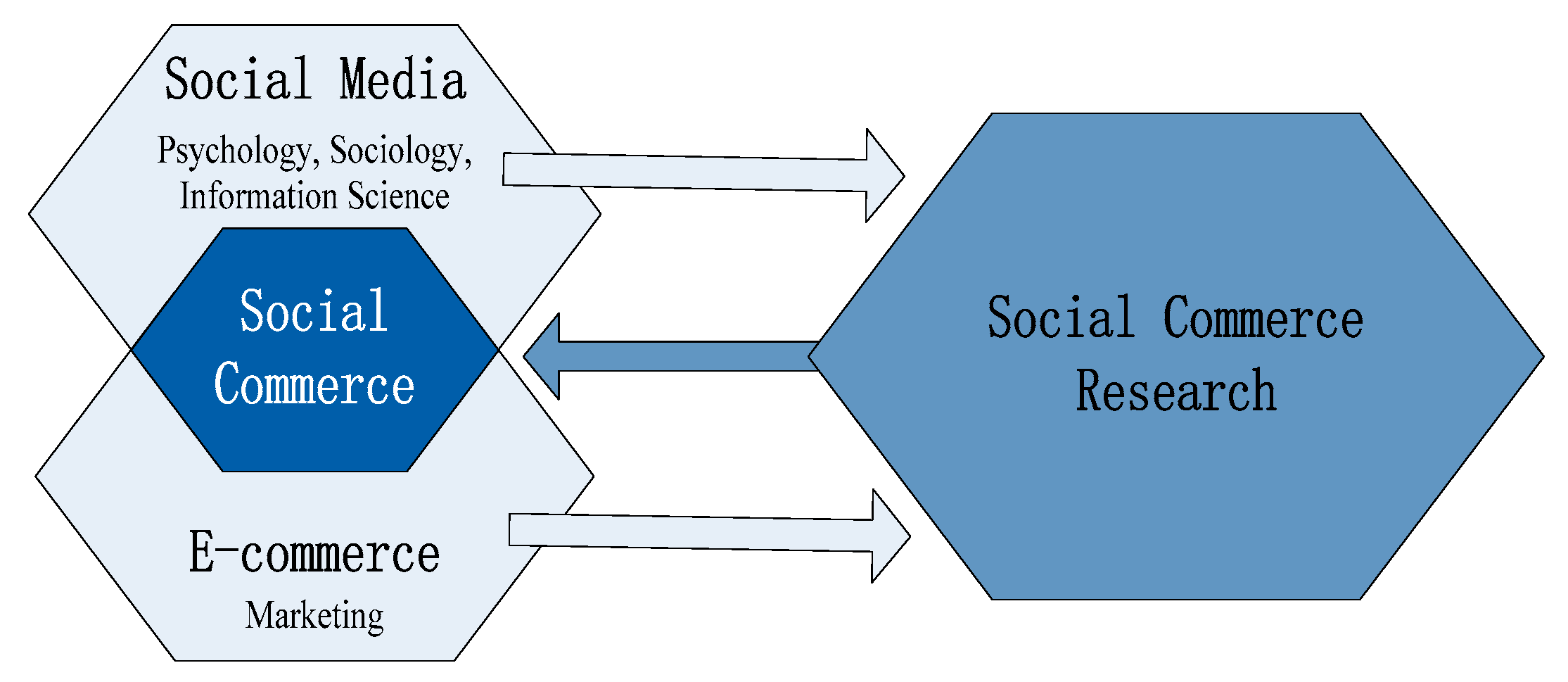
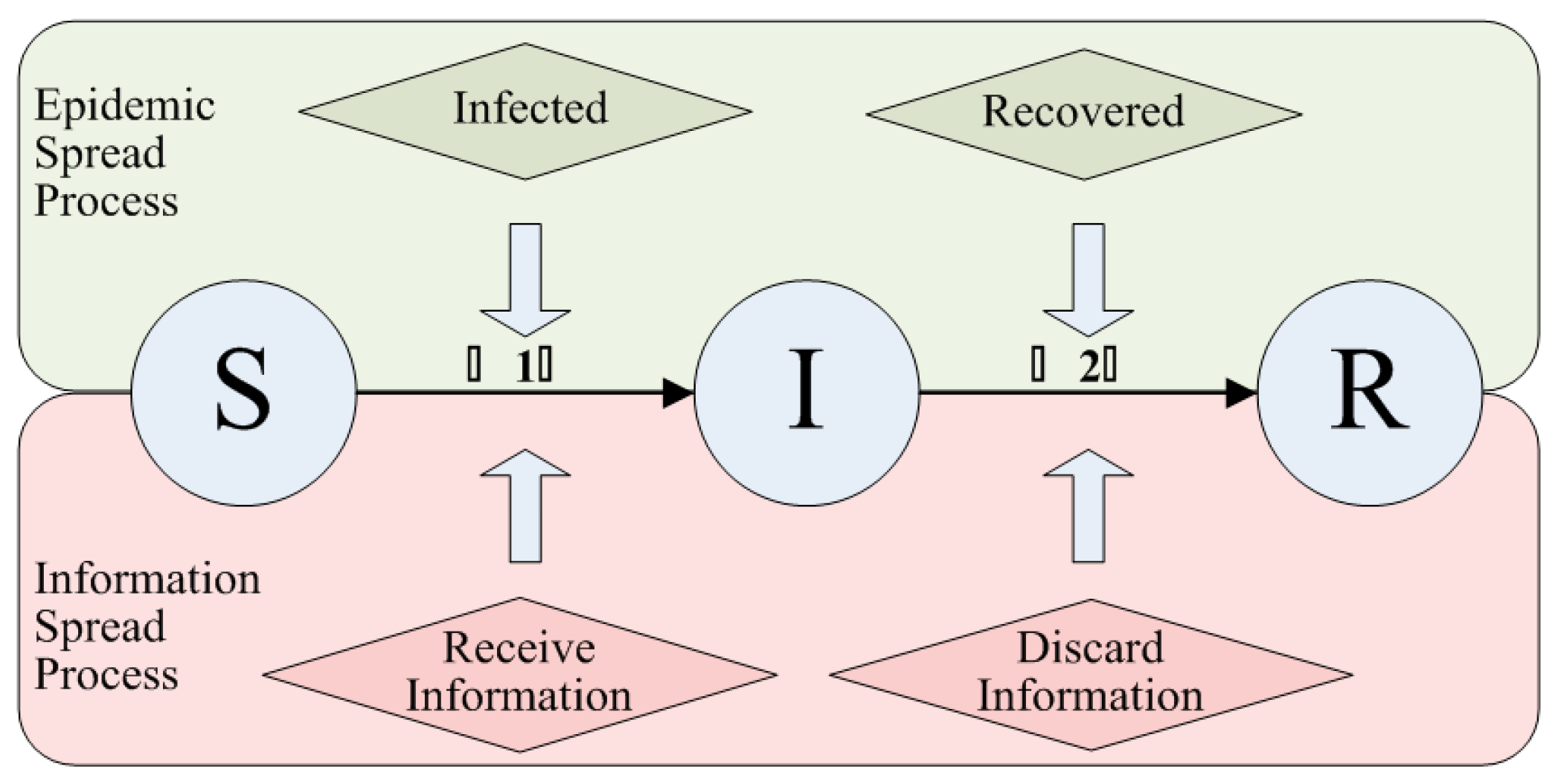
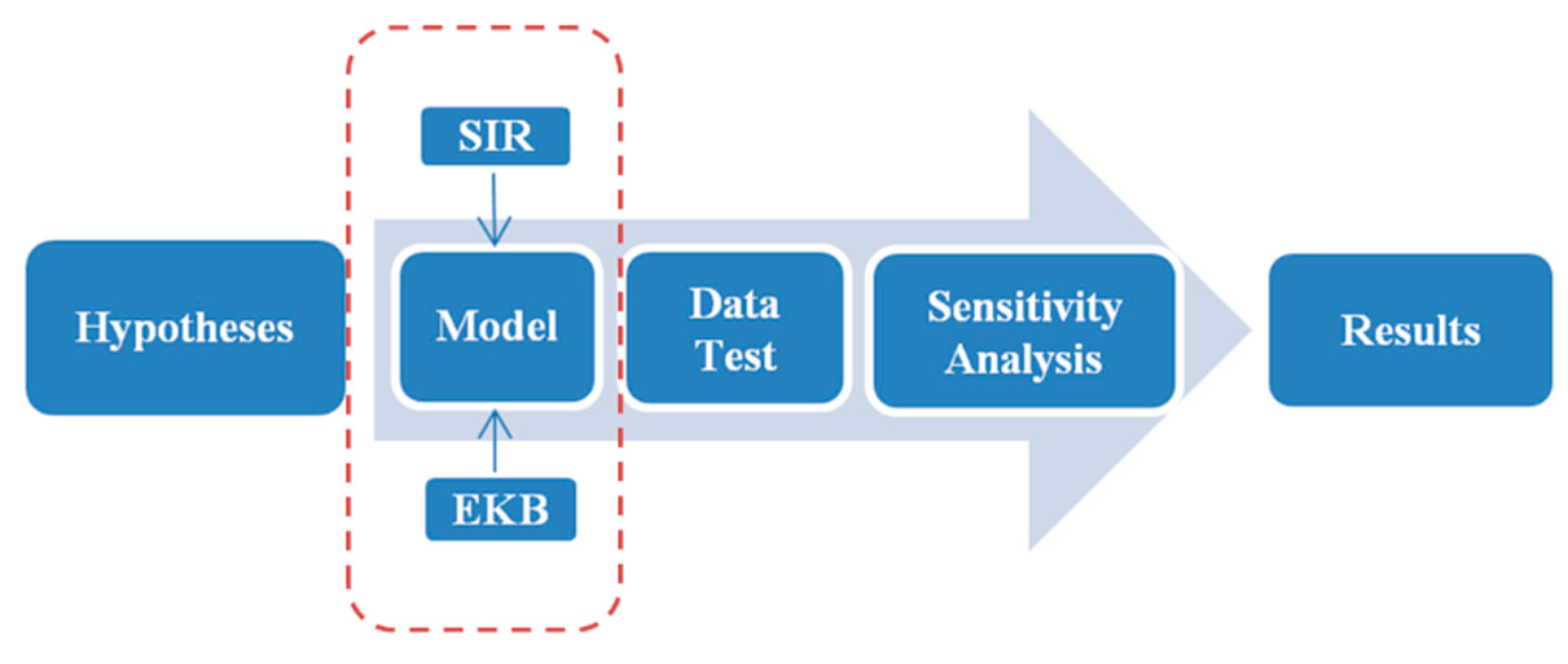
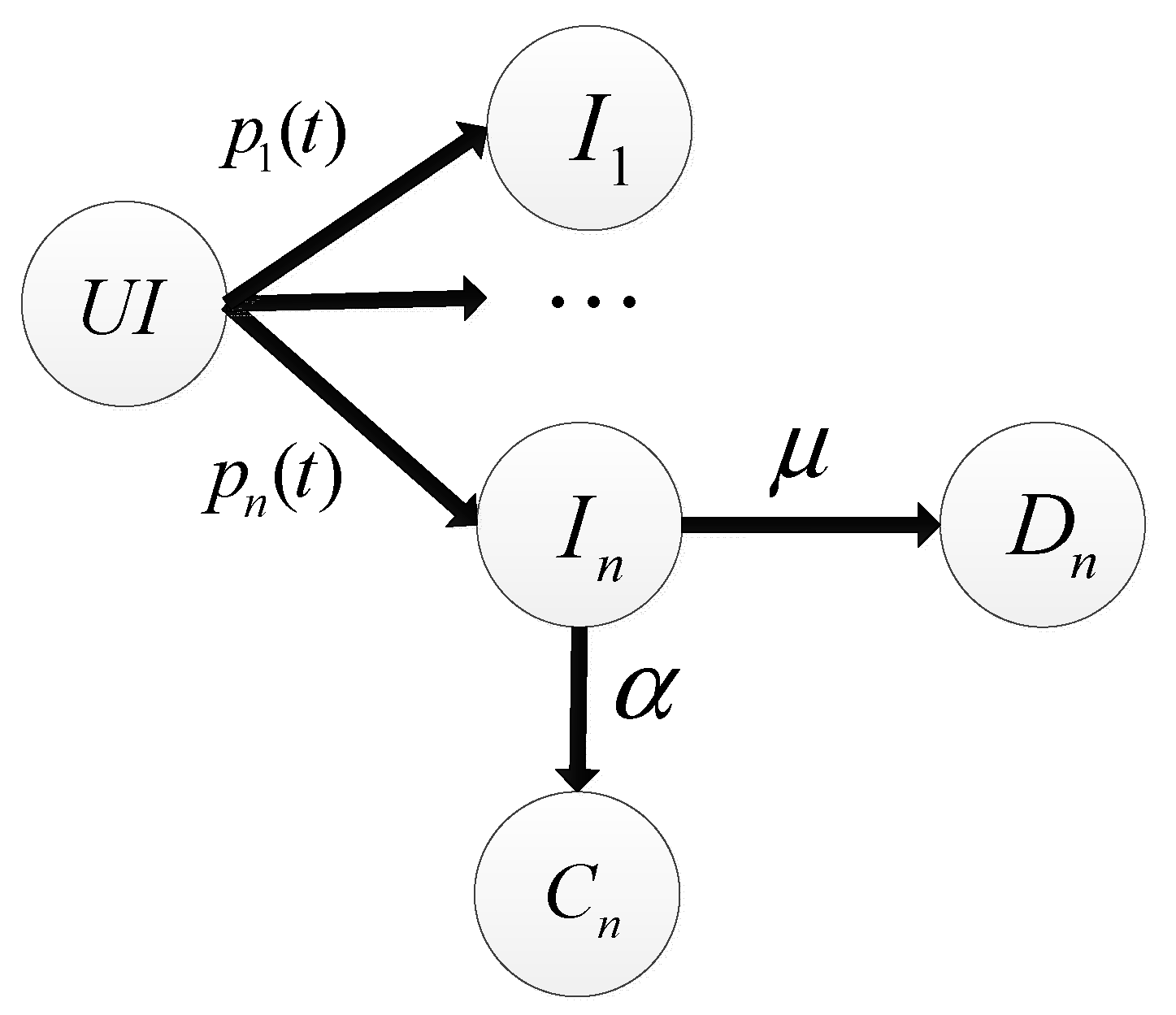
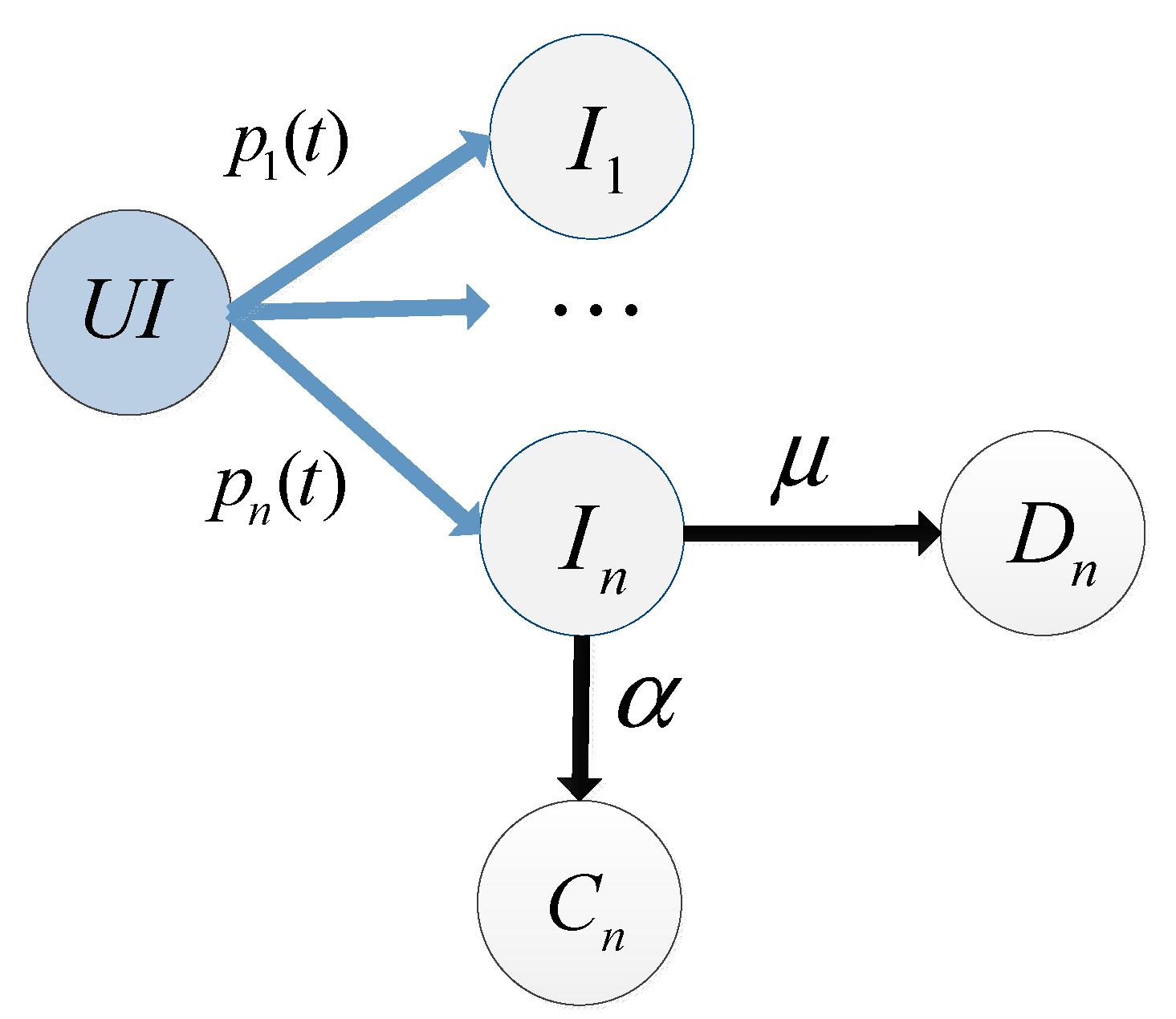
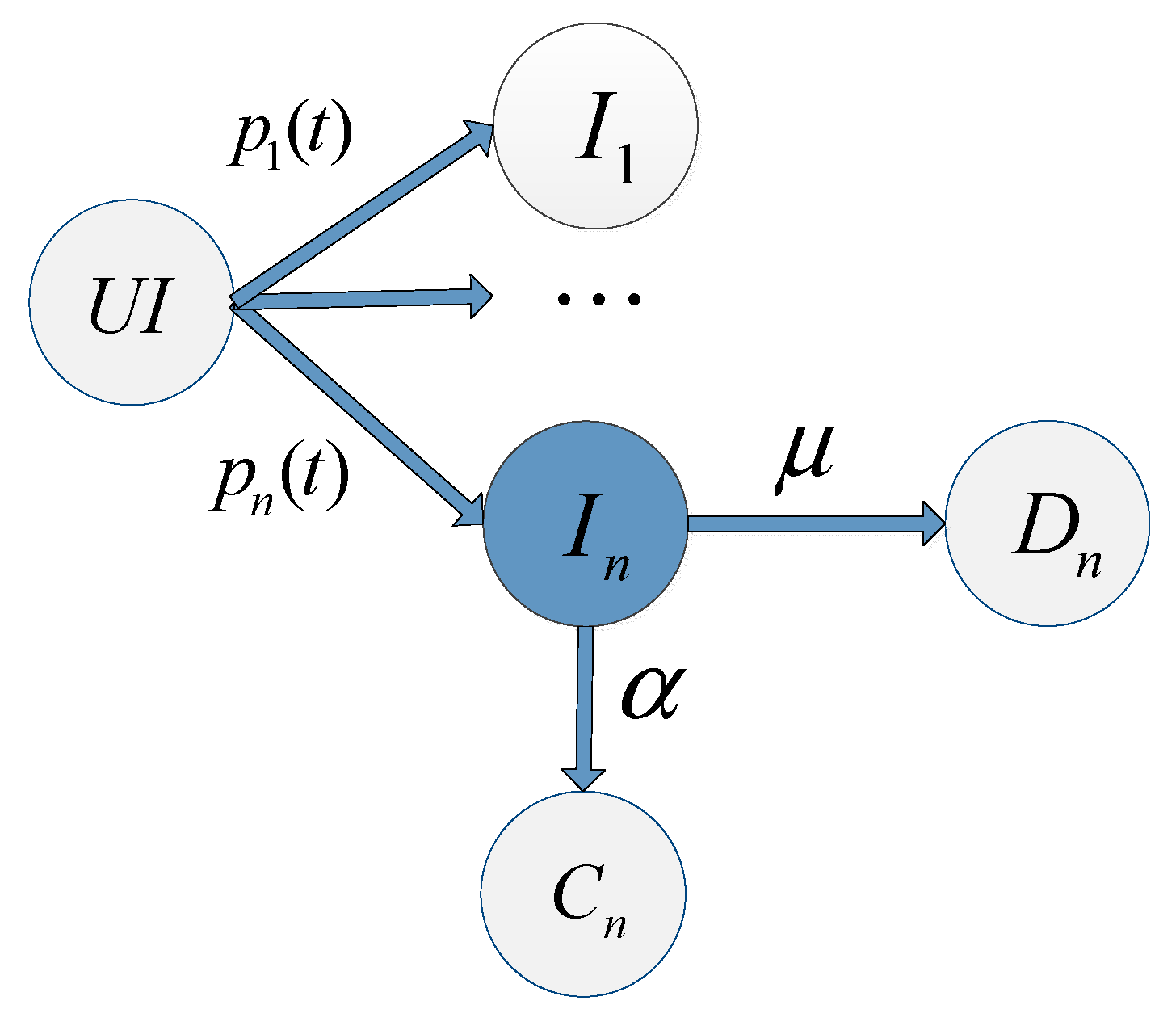
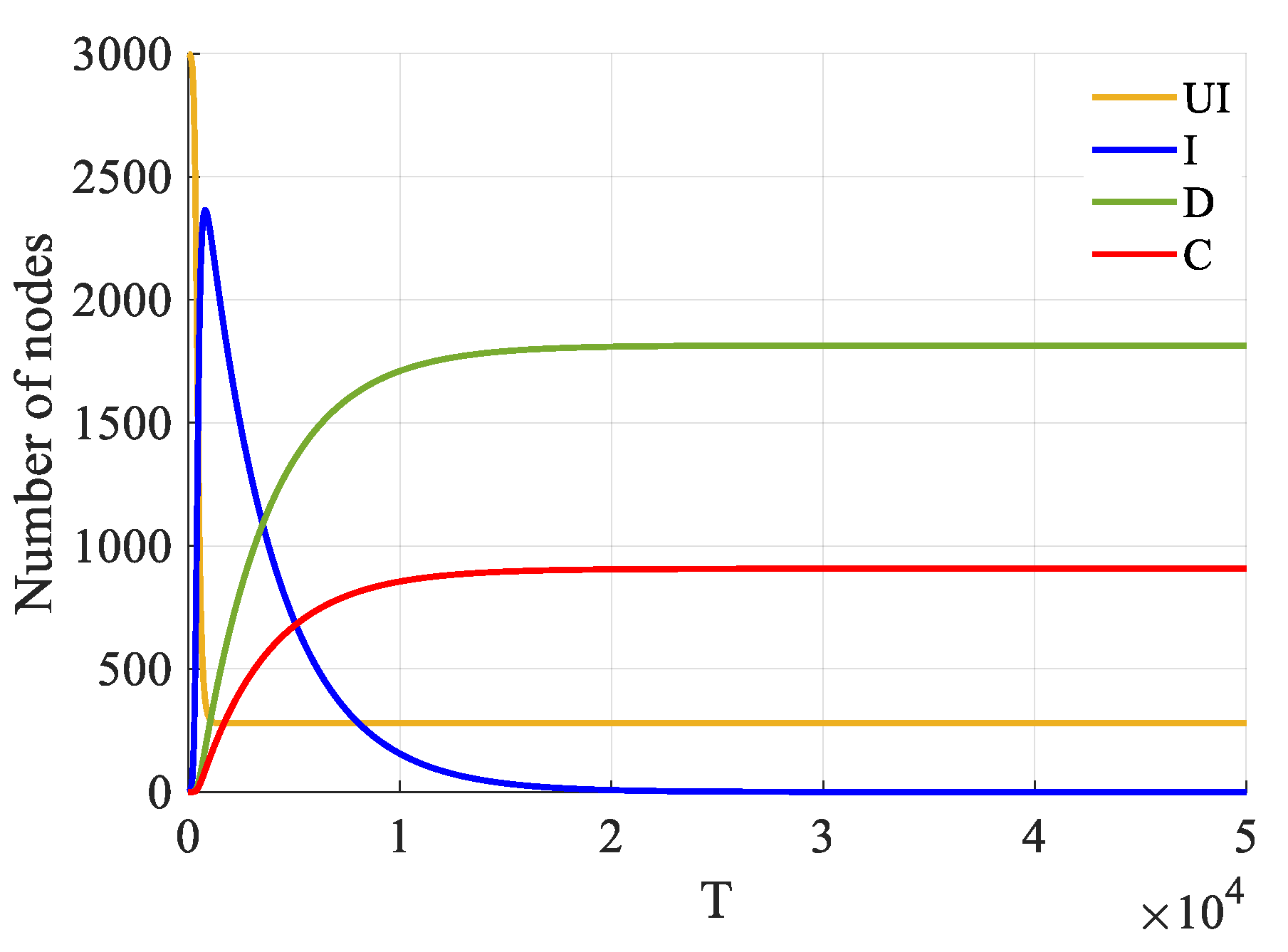
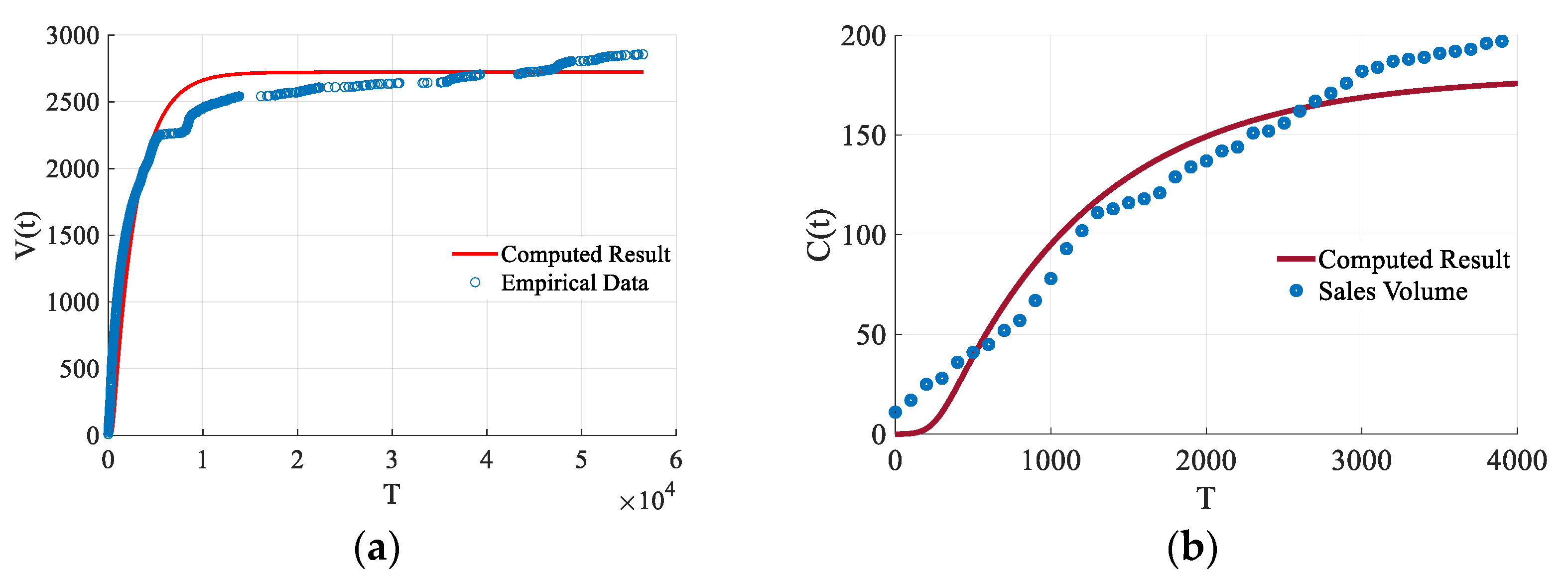
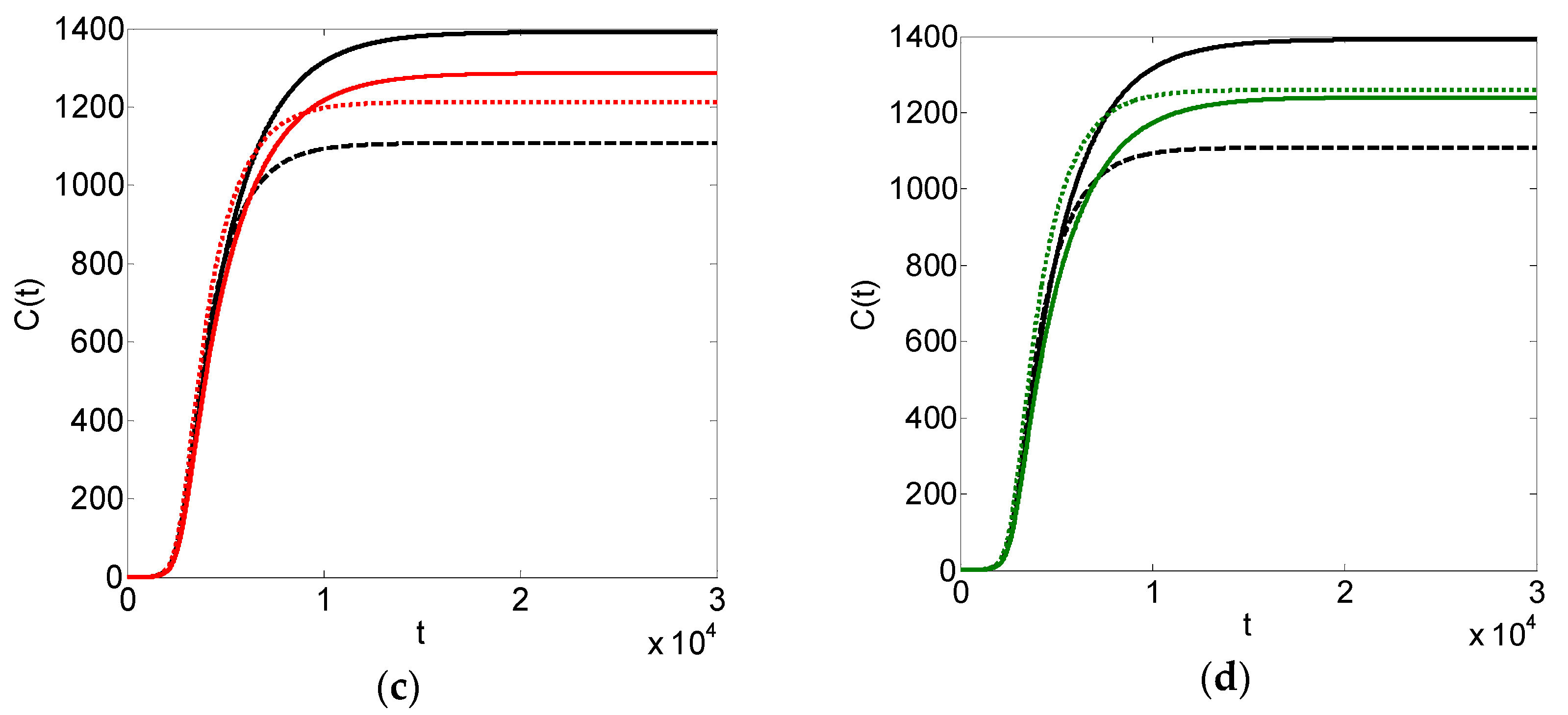
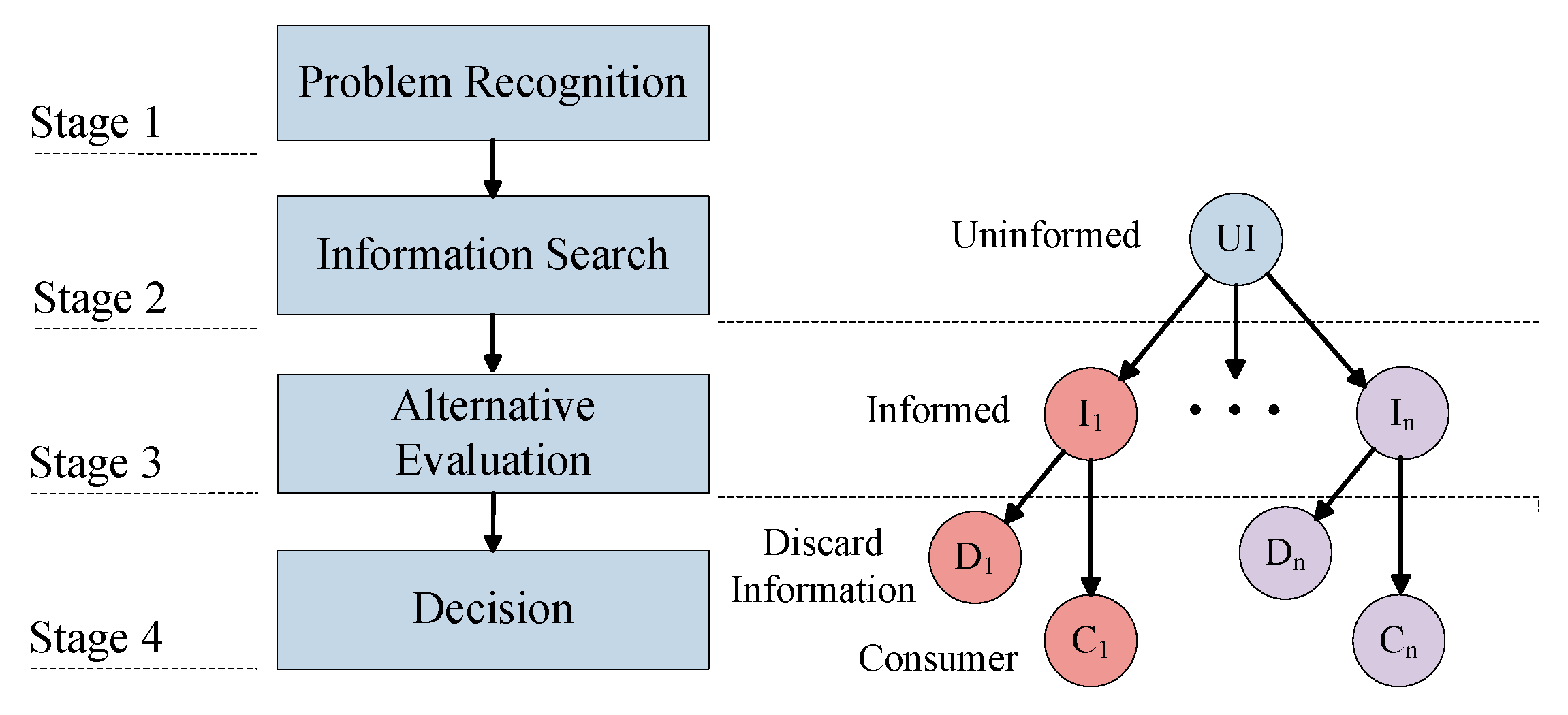
Social commerce (SC) is a rapidly emerging branch of e-commerce. Effective information spread is the critical element in increasing the sales volume in this industry. However, few studies have explored the underlying mechanism and corresponding winning strategies from the perspective of information spread. This research fills the gap by using a simulation method. Combined with the Engel–Kollat–Blackwell (EKB) theory, we improved the Susceptible–Infected–Recovered (SIR) epidemic dissemination dynamic model to simulate the competitive information spread process on social commerce networks. Datasets collected from two of the biggest SC websites in China, Sina Weibo and Taobao, verified the accuracy of the proposed model. Parameter sensitivity analysis results indicated that releasing the product message earlier is more effective than increasing the spread duration for improving the performance of information diffusion so as to boost the sales volume. It was also shown that high discard probability destroys the sales volume caused by high purchase probability. Low discard probability can lead to a good sales volume eventually, even when the purchase probability is low. The results provide evidence for the First-Mover Advantage theory from the information spreading point of view. We come up with practical strategies for SC marketers based on the simulation results.
Keywords: social commerce; SC network; competitive information spread; sales volume; First-Mover Advantage social commerce; SC network; competitive information spread; sales volume; First-Mover Advantage