Article

Quality in Tourism Literature: A Bibliometric Review


by
Fernando J. Garrigos-Simon
1,
Yeamduan Narangajavana-Kaosiri
2 and
Yeamdao Narangajavana
3,*
1
Department of Business Organization, Universitat Politècnica de València, 46022 Valencia, Spain
2
Department of Business Administration and Marketing, Universitat Jaume I, 12071 Castellón, Spain
3
School of Management, Walailak University, 222 Thaiburi, Thasala, Nakhon Si Thammarat 80160, Thailand
*
Author to whom correspondence should be addressed.
Sustainability 2019, 11(14), 3859; https://doi.org/10.3390/su11143859
Submission received: 31 May 2019 / Revised: 6 July 2019 / Accepted: 8 July 2019 / Published: 16 July 2019
(This article belongs to the Special Issue Service Quality in Leisure and Tourism)

Abstract

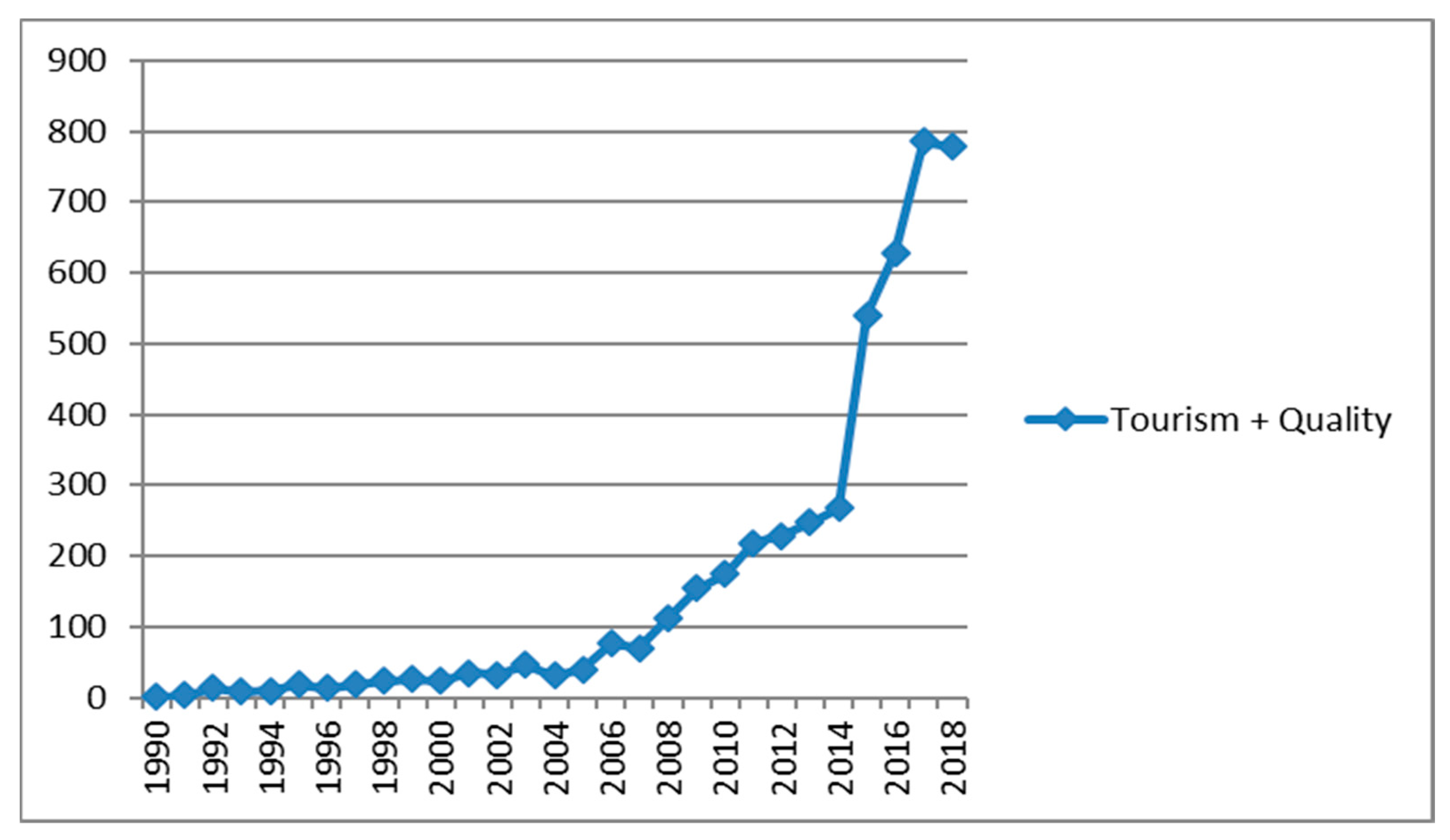
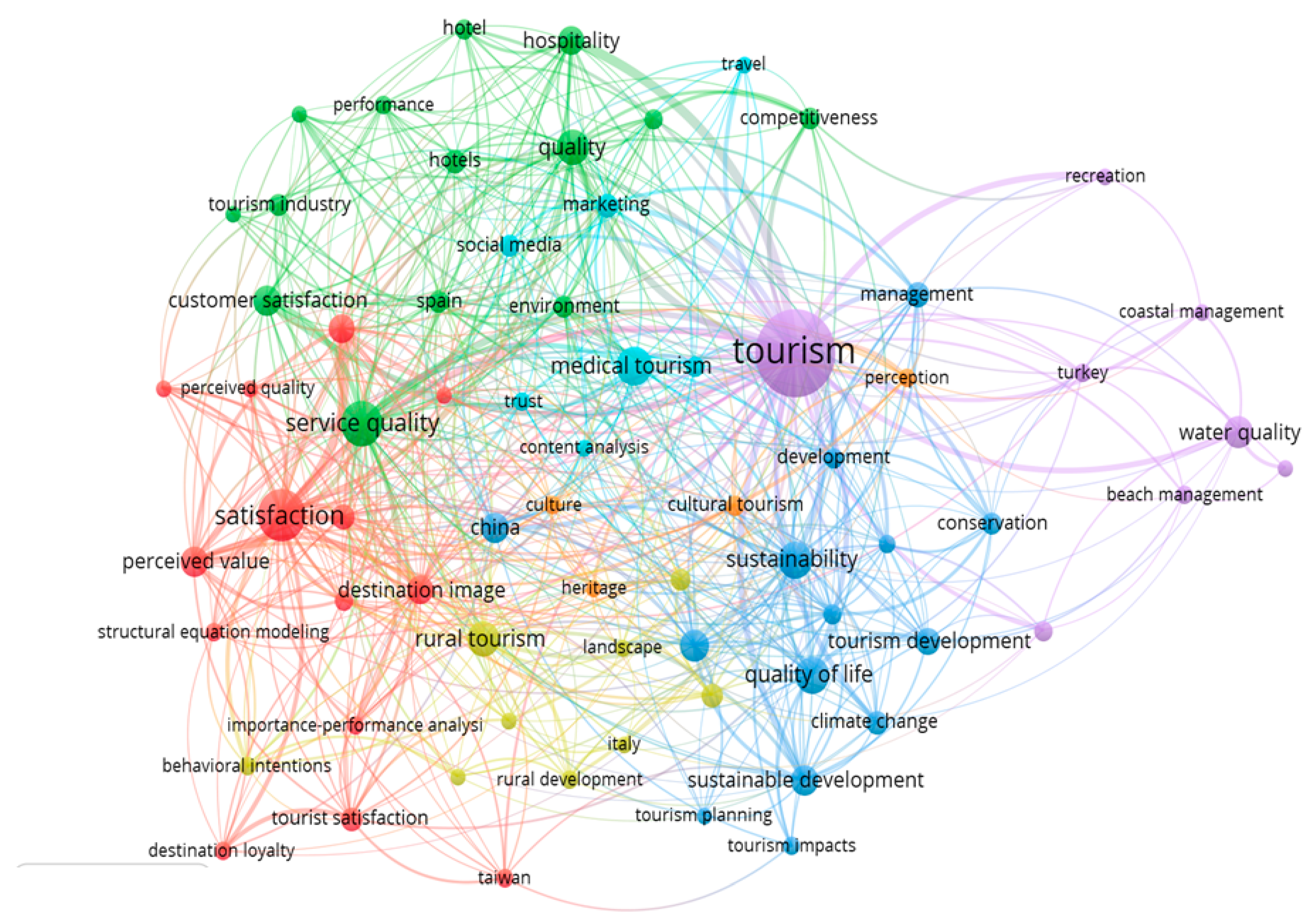
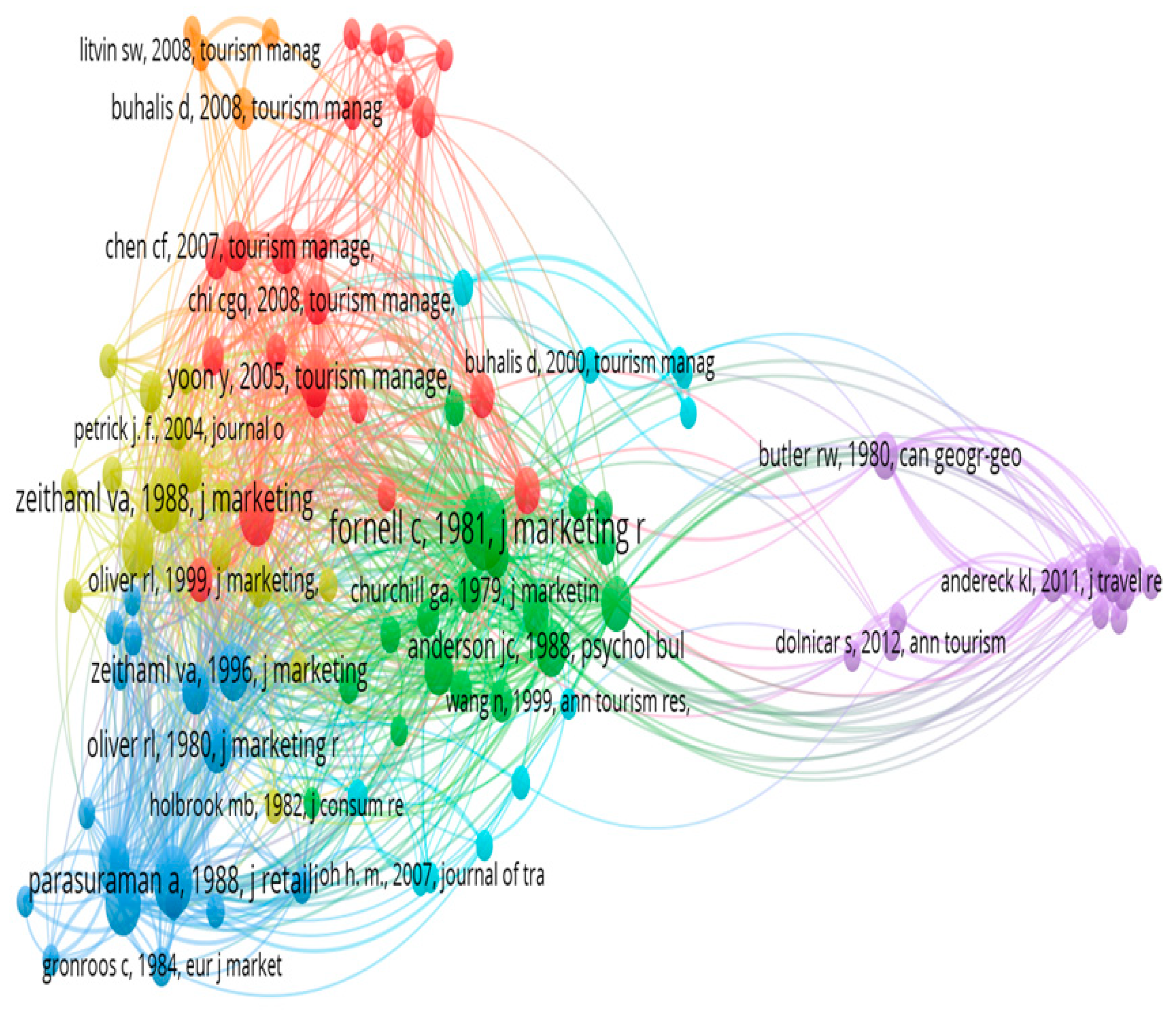
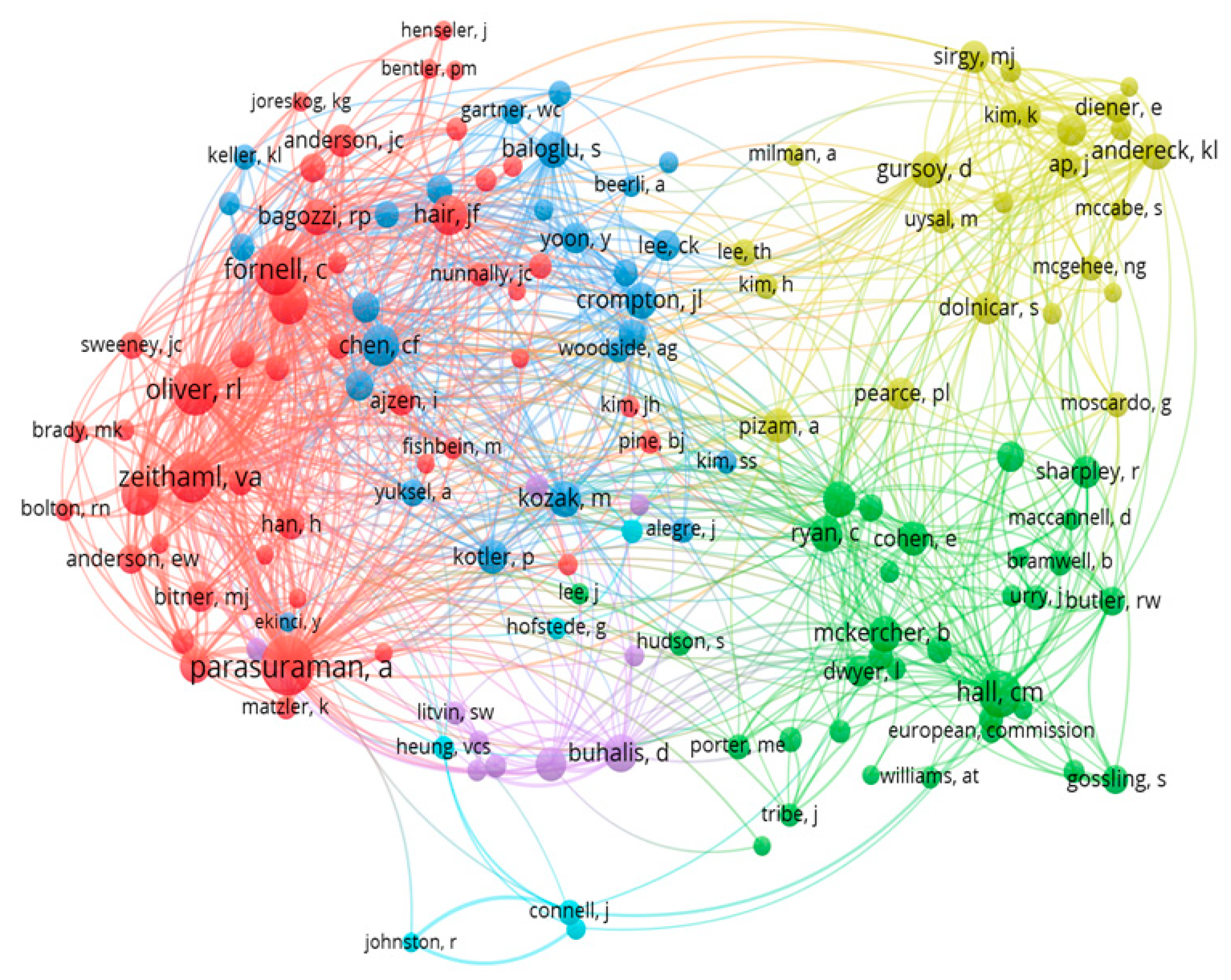
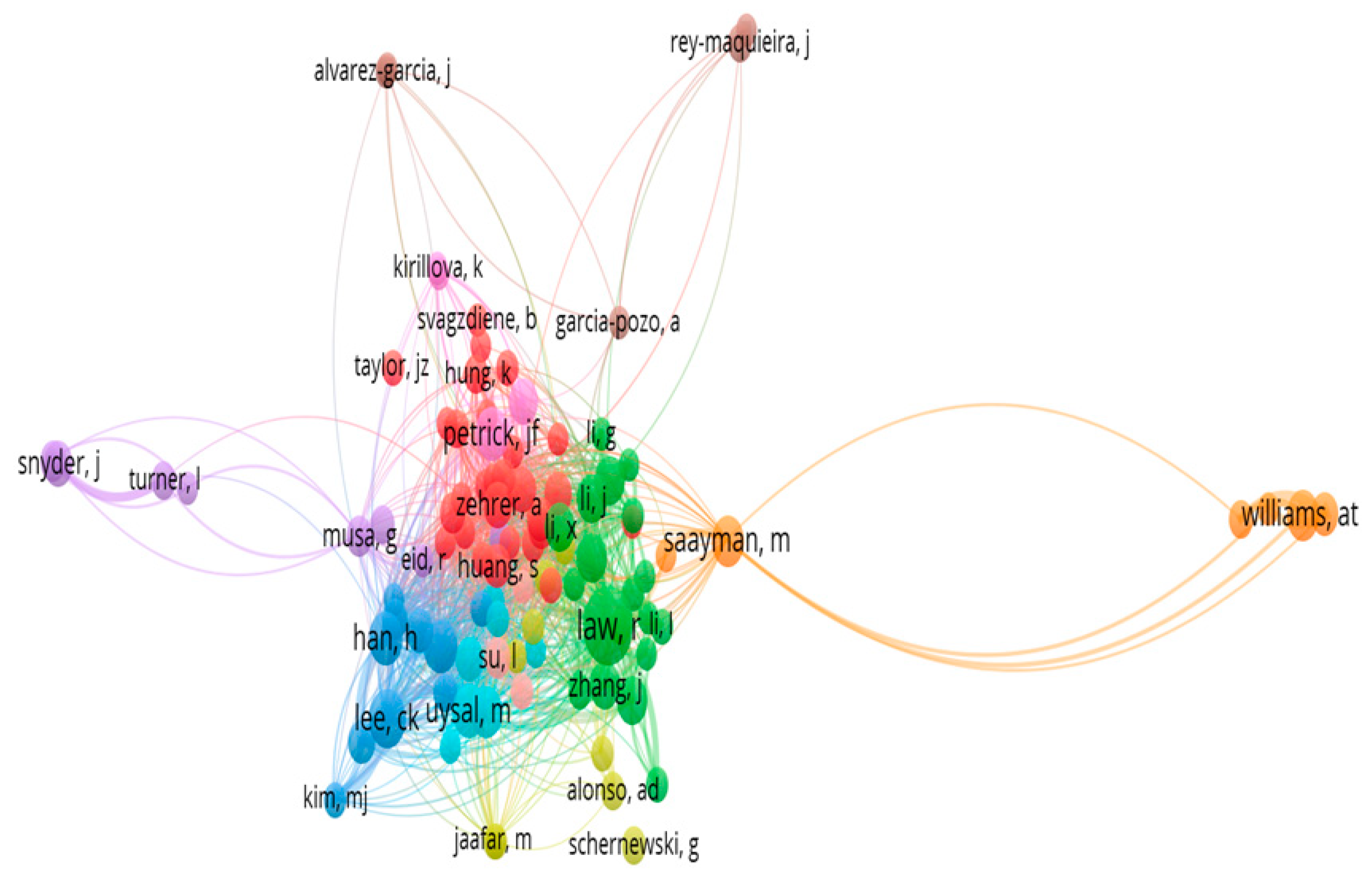
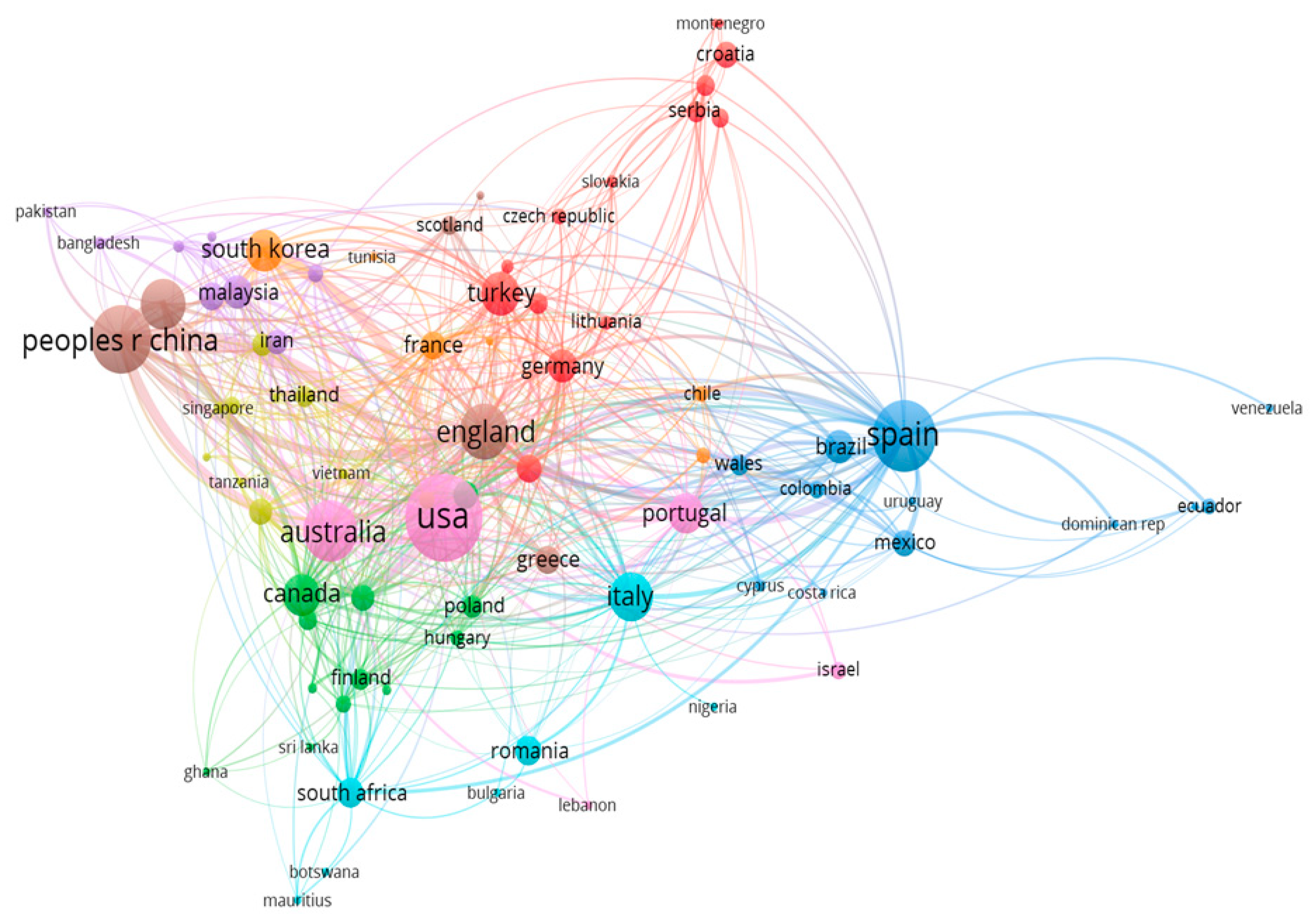
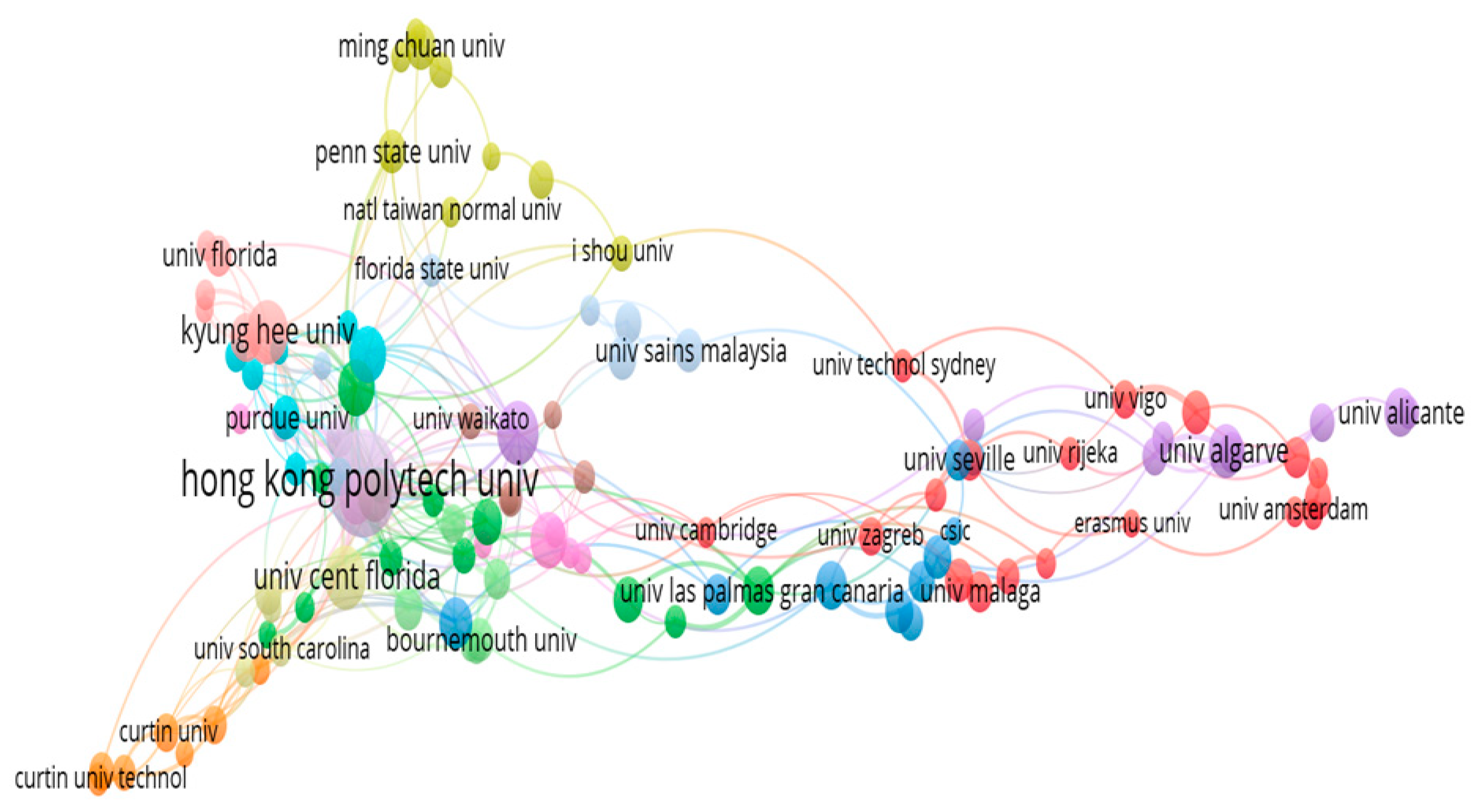
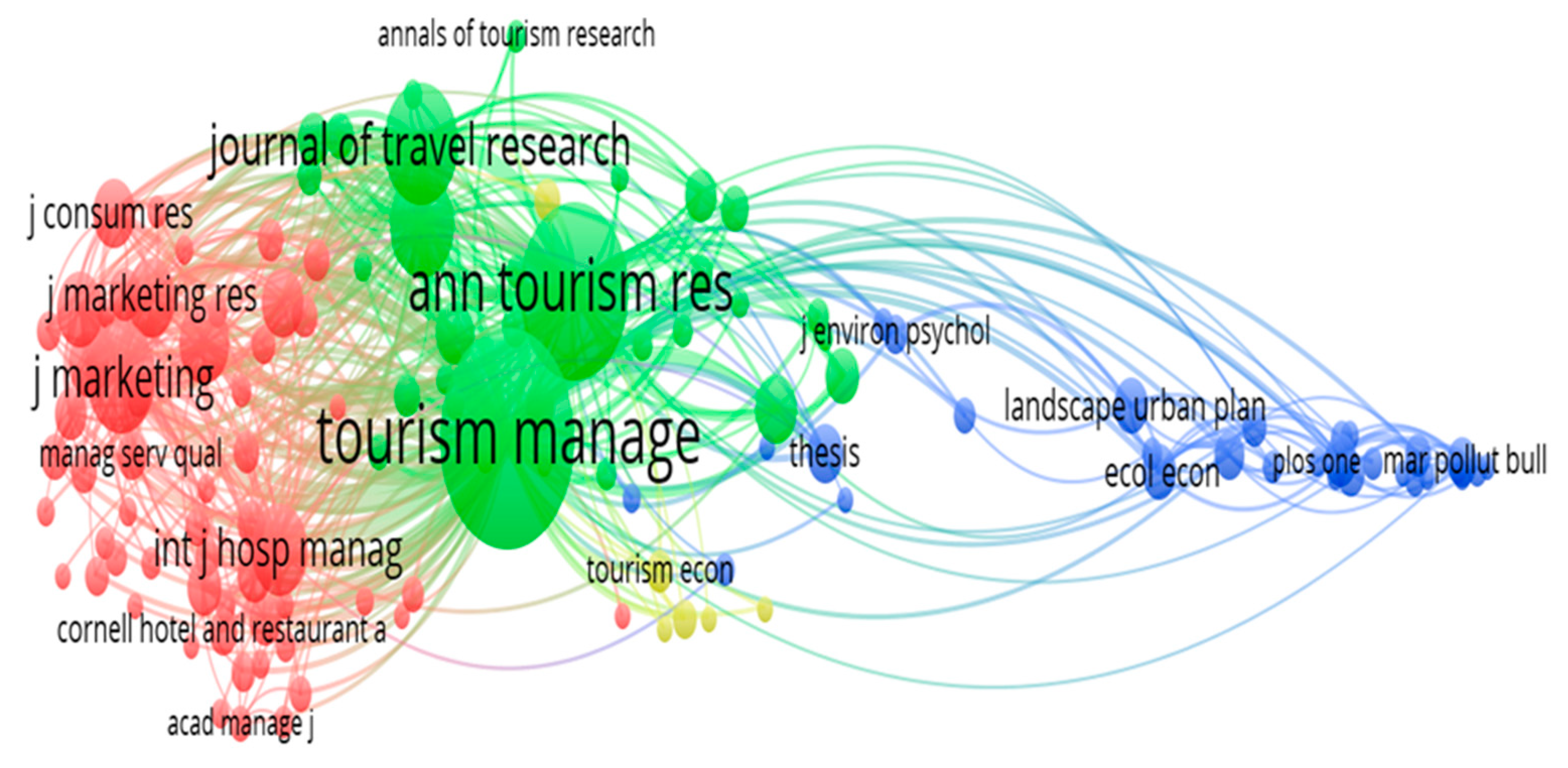
The literature about quality has experienced an important expansion in the tourism sector in the last decade. This is a result of the importance of quality issues when attempting to maintain and expand sustainable business models for tourism organizations and destinations, which are critical to strengthen competitiveness in the new framework. This relevance has been reflected in the tourism literature, with numerous papers focusing on the topic of quality. Nevertheless, despite its importance, there is a lack of studies and reviews of this literature. In order to overcome this problem, this paper develops a bibliometric and visualization analysis of the literature that examines the topics of tourism and quality together. Specifically, the article studies the 4625 documents on this issue published until the end of 2018 in the Web of Science Core Collection database, by using the co-occurrence of keywords, co-citation, bibliographic coupling, and co-authorship analyses. In addition, the VOSviewer program was used to map the diverse clusters or relationships among the literature. The results showed the trends and impact of this literature, and also the main papers, authors, journals, institutions, and even countries that focus on tourism and quality aspects together. They are useful for researchers and practitioners when dealing with this topic, in order to better understand the situation of this issue and its development.
Keywords: tourism; quality; bibliometric; visualization; competitiveness; sustainability tourism; quality; bibliometric; visualization; competitiveness; sustainability