Article

Does Migrant Status and Household Registration Matter? Examining the Effects of City Size on Self-Rated Health


Guangdong Provincial Key Laboratory of Urbanization and Geo-Simulation, School of Geography and Planning, Sun Yat-Sen University, Guangzhou 510275, China
*
Author to whom correspondence should be addressed.
These authors contribute equally to this work.
Sustainability 2018, 10(7), 2204; https://doi.org/10.3390/su10072204
Submission received: 11 June 2018 / Revised: 23 June 2018 / Accepted: 26 June 2018 / Published: 27 June 2018
(This article belongs to the Section Sustainable Urban and Rural Development)

Abstract

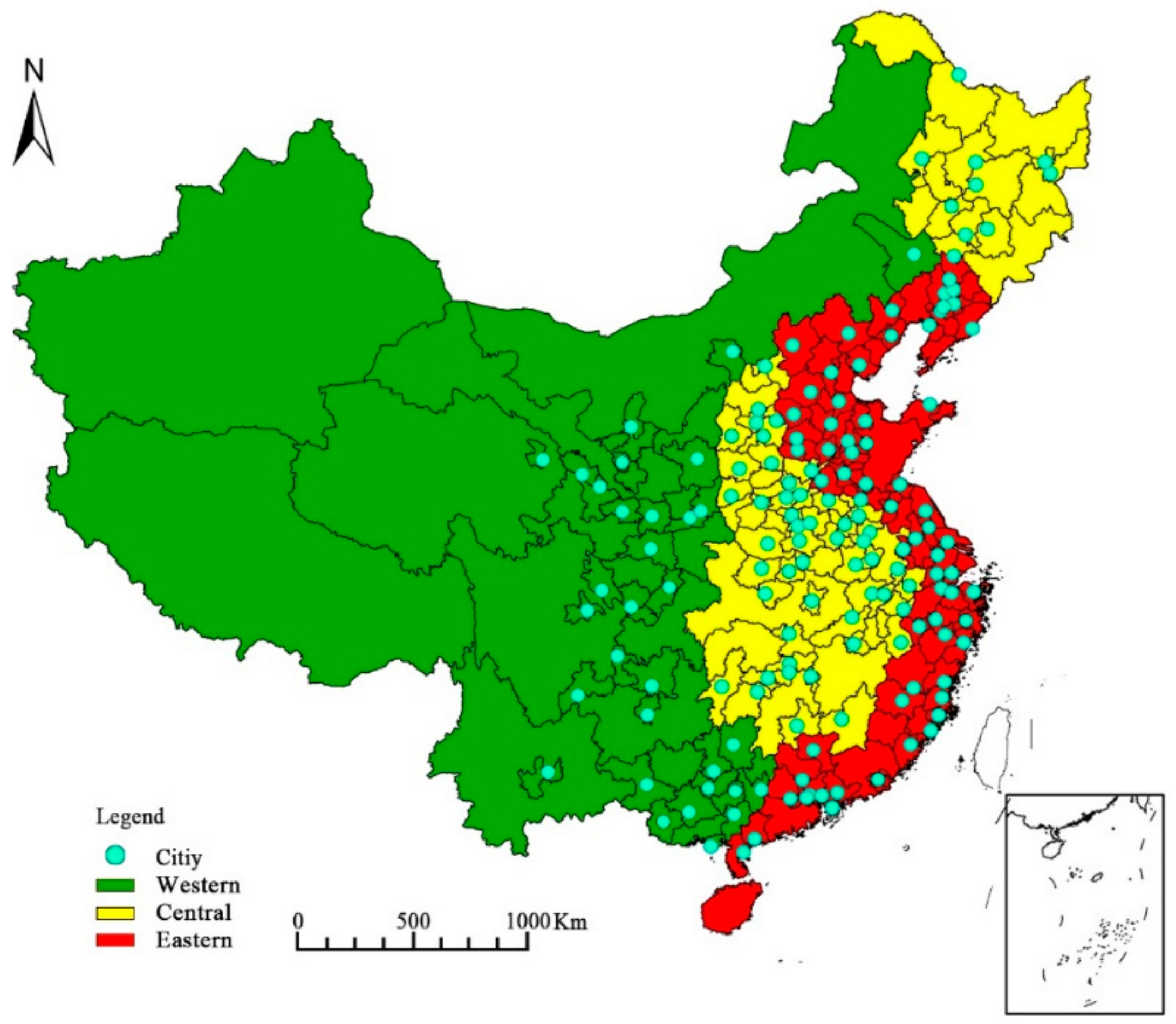
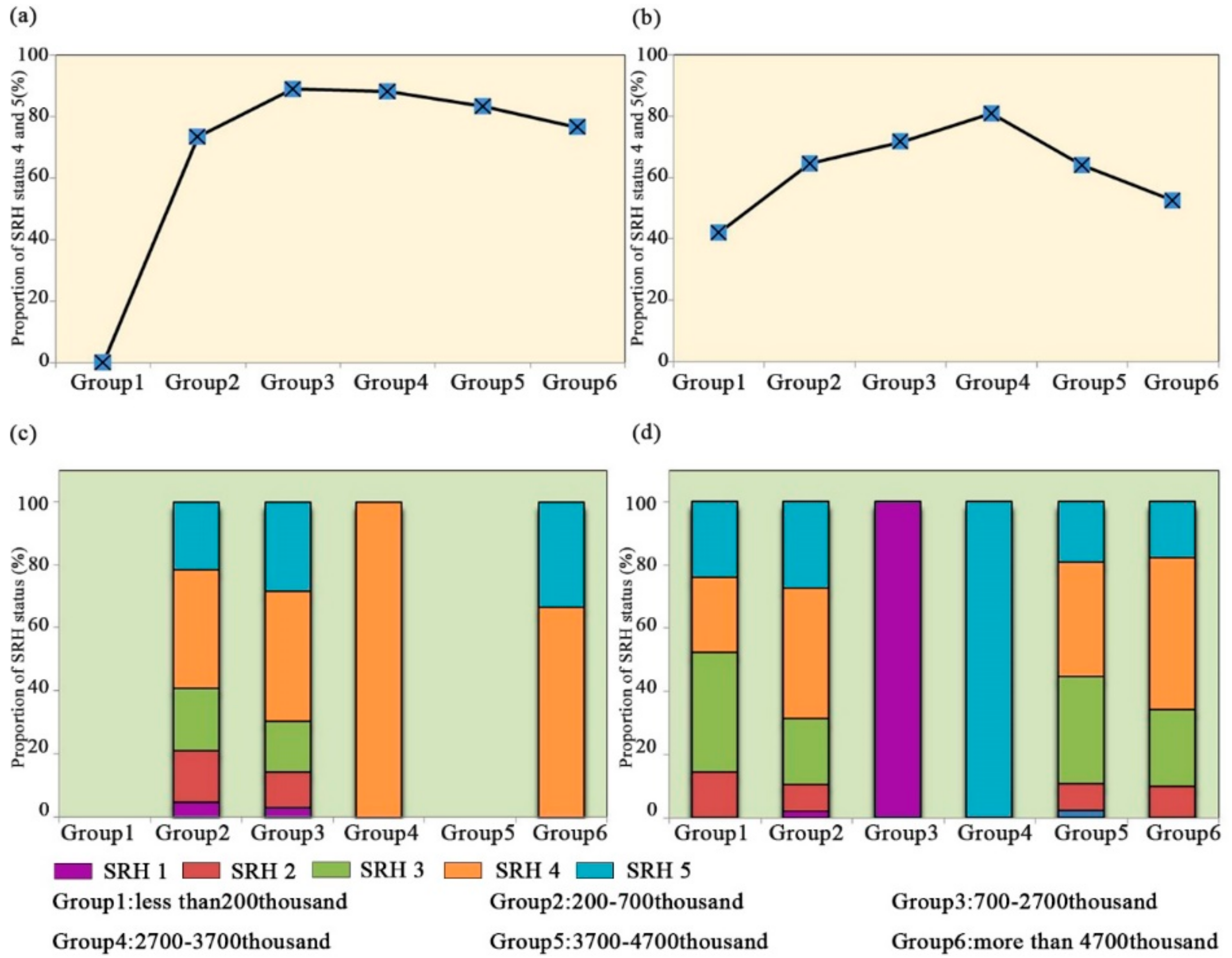
Rapid urban population growth, especially in the last three decades, has begun to present a serious threat to living conditions, and posing increased risks to human health. Investigating the relationship between population size of city areas and self-rated health (SRH) can, we argue, provide insights for the management of population growth and improving SRH. This study employed a multilevel analysis to reveal the effects of city size on SRH both from migrant status and household registration perspectives, using data from the Chinese General Social Survey (CGSS) for 2013. The results indicate that an inverted U-shaped relationship exists between city size and SRH. Income and population density were shown to constitute significant positive impact drivers in relation to SRH. In contrast, migrant status and household registration exerted a significant negative effect on SRH. While the SRH status of migrants was not influenced by city size, city size was found to influence the SRH of individuals differently in different regions (i.e., eastern, central, and western parts of China). The results will be helpful in understanding the effect of the dynamics of city size on SRH in China, and will assist the Chinese government in employing effective strategies to improve SRH status.
Keywords: city size; self-rated health; migrant; household registration; China city size; self-rated health; migrant; household registration; China