Article

Plankton Community Structure and Biomass in the Eastern Middle Caspian Sea

by
Tatyana Fedorovna Kurochkina
1,
Botagoz Murasovna Nasibulina
1,
Shima Bakhshalizadeh
2,
Nikolai Popov
3,
Gulnur Kuanysheva
4,
Francesco Fazio
5,* and
Attaala Muhaysin Ali
6
1
Department of Ecology, Nature Management, Land Management and Life Safety, Faculty of Geology & Geography, Innovative Natural Institute, Astrakhan State University, P.O. Box 414000 Astrakhan, Russia
2
Department of Marine Science, Caspian Sea Basin Research Center, University of Guilan, Rasht 4183753689, Iran
3
Kazakh Research Institute of Fisheries, Atyrau 060001, Kazakhstan
4
Department of Ecology, Safi Utebayev Atyrau Oil and Gas University, Musa Baymukhanov Str. 45A, Atyrau 060027, Kazakhstan
5
Department of Veterinary Sciences, University of Messina, Viale Palatucci, 98168 Messina, Italy
6
Department of Marine Biology, Hadhramout University, Mukalla 50512, Yemen
*
Author to whom correspondence should be addressed.
Water 2023, 15(1), 138; https://doi.org/10.3390/w15010138
Submission received: 6 November 2022 / Revised: 16 December 2022 / Accepted: 27 December 2022 / Published: 30 December 2022
(This article belongs to the Section Biodiversity and Functionality of Aquatic Ecosystems)

Abstract

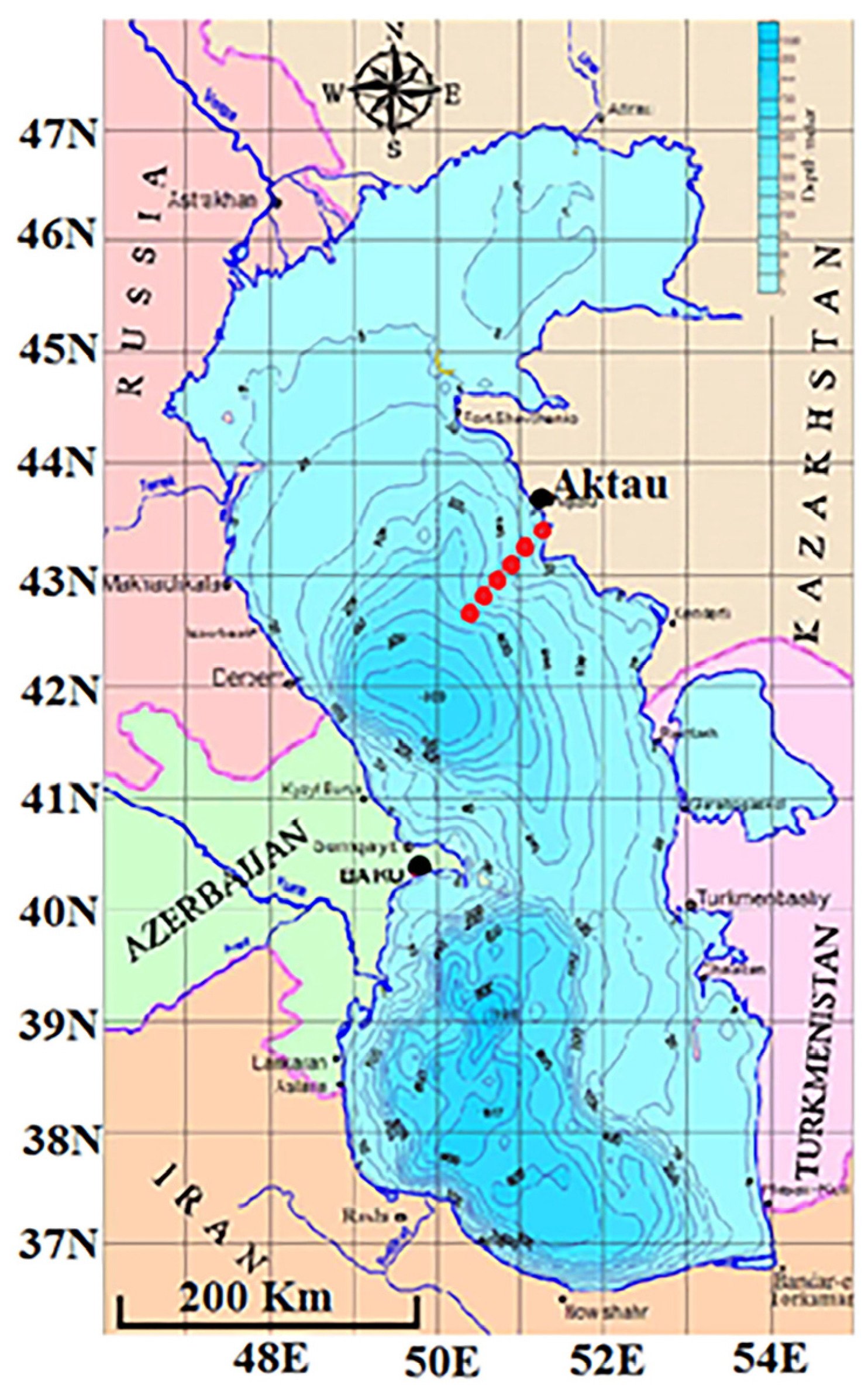
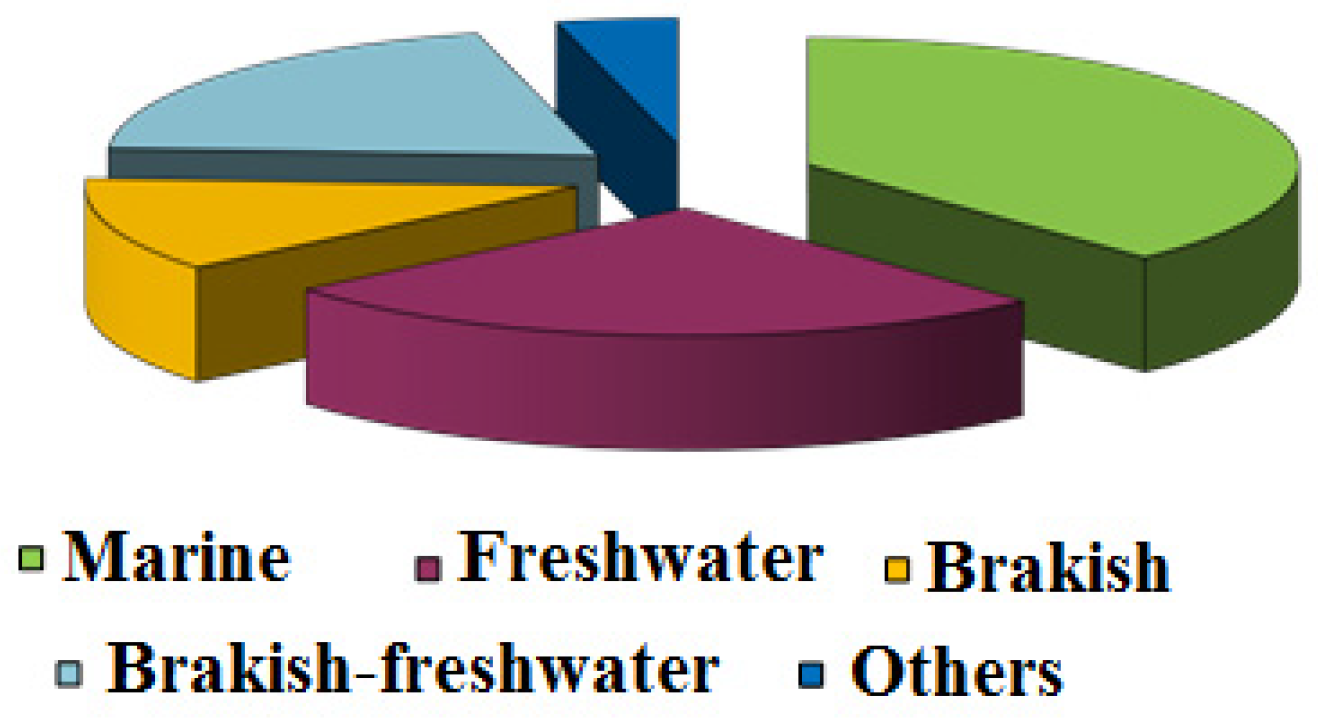
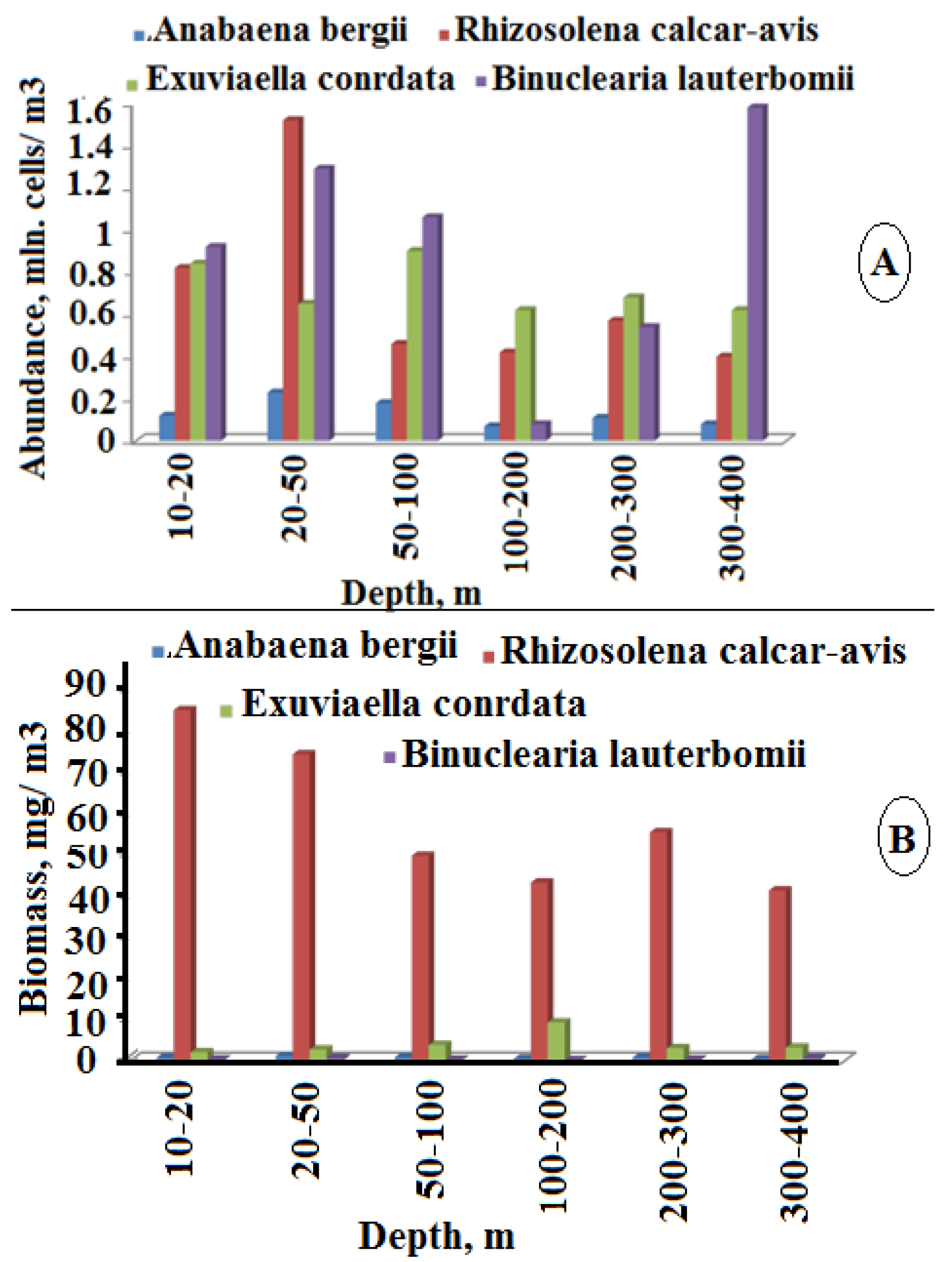
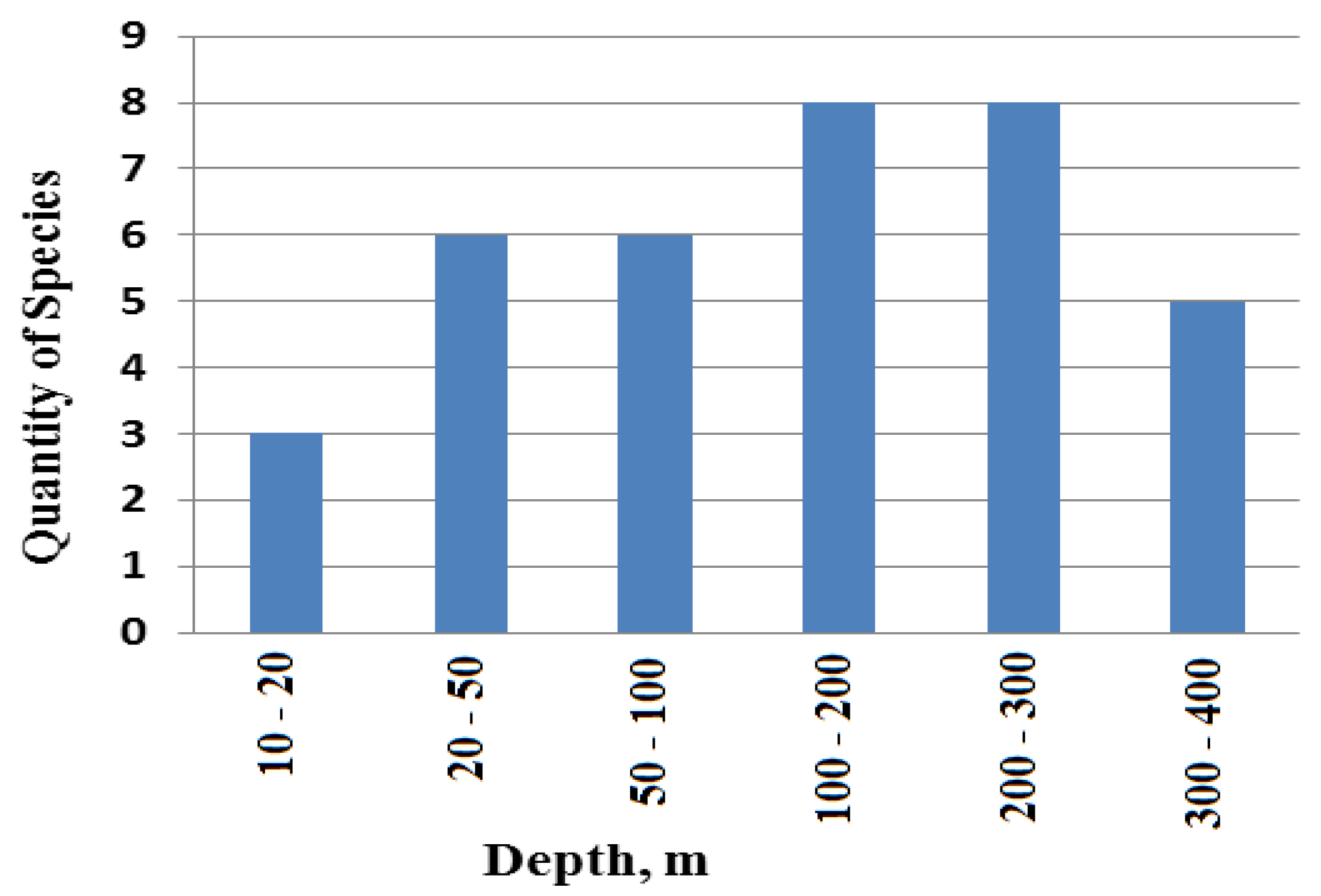
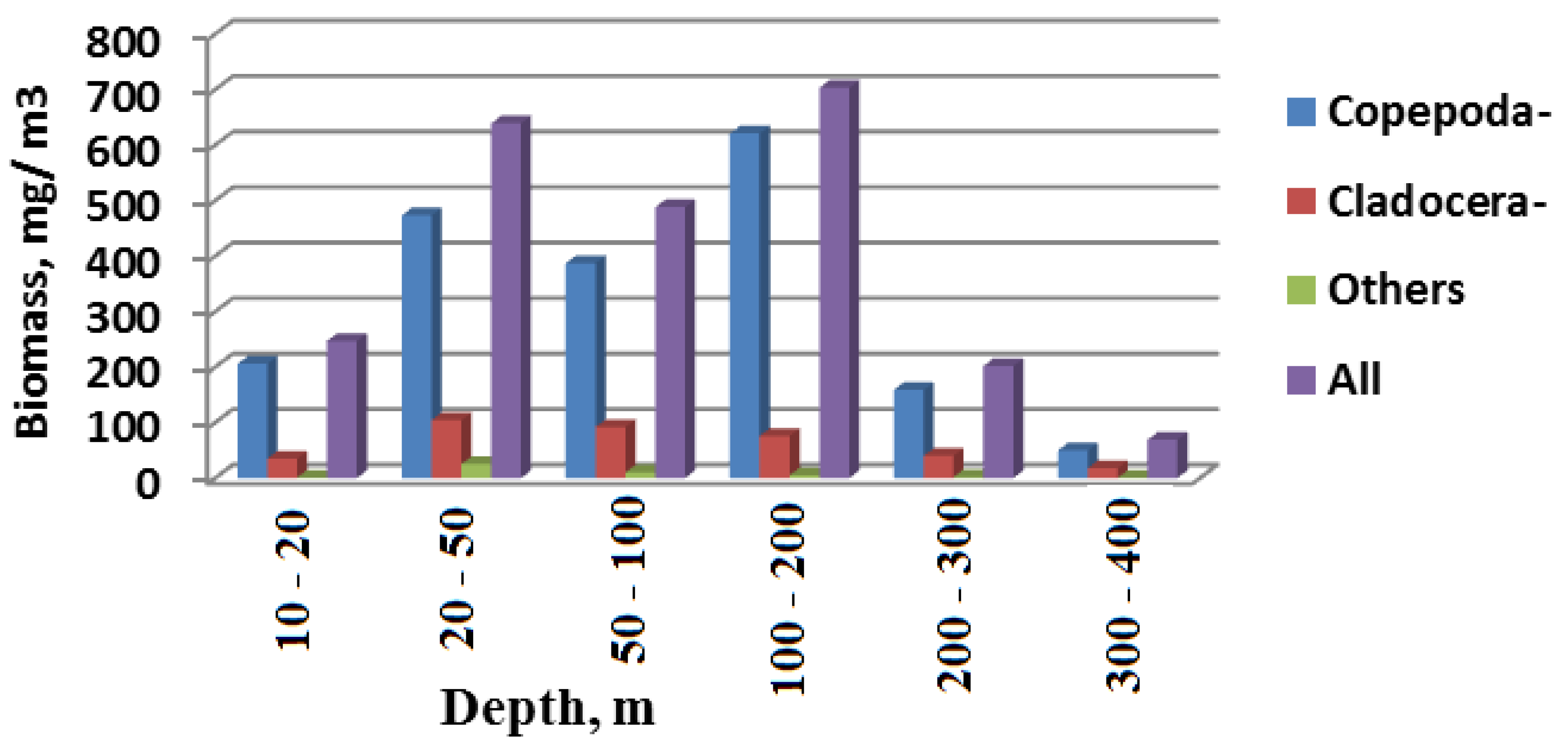
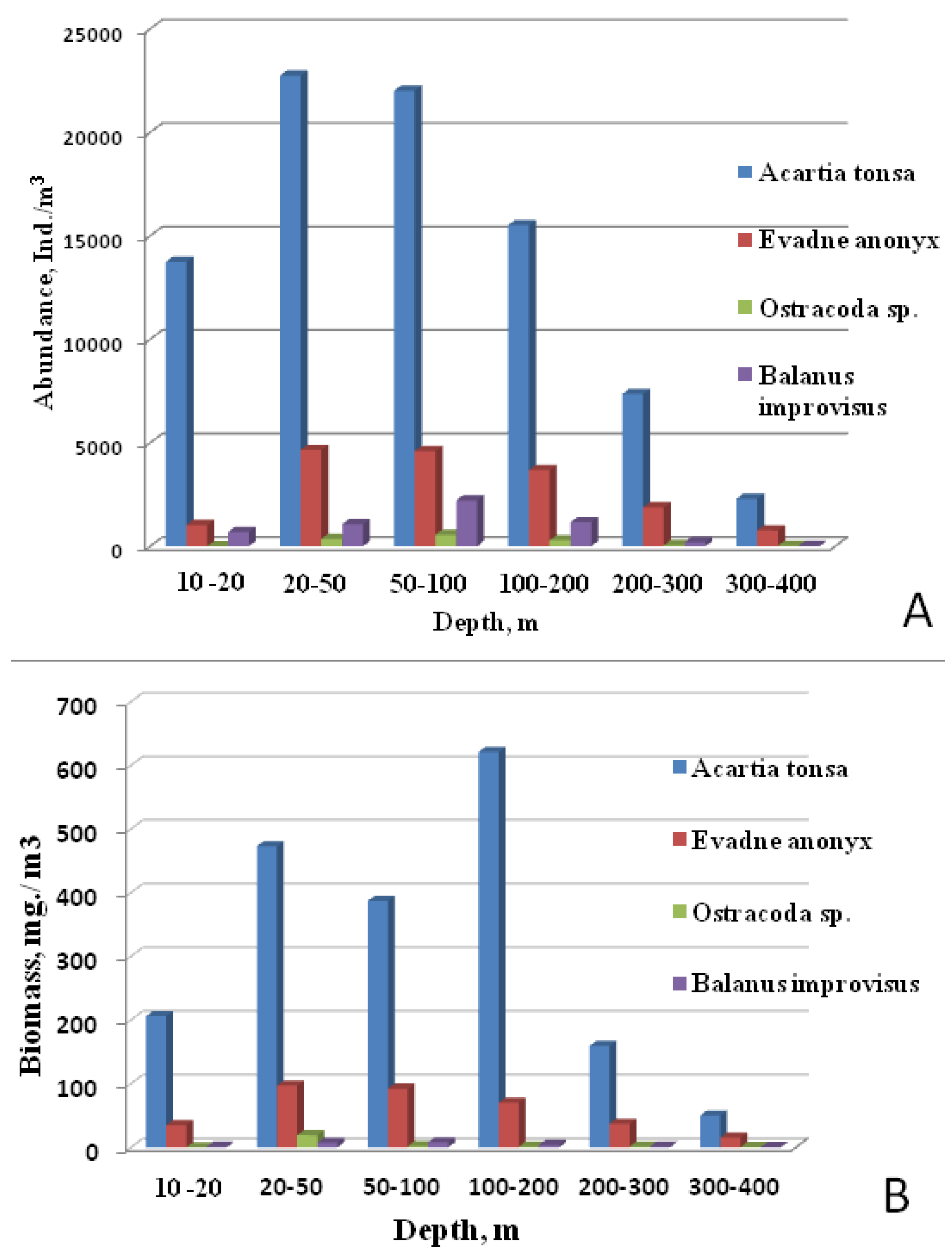
Despite the role of planktonic organisms in the fishery value of the Caspian Sea and in addition to the increase in the plankton population in the Caspian Sea, there are few detailed studies regarding the determination of the planktonic organisms in the Caspian Sea. In the present investigation, we aimed to study the cell abundance and diversity of the phyto- and zooplankton in the eastern part of the Middle Caspian Sea in the spring of 2016. The composition of phytoplankton consisted of 50 species belonging to 4 systematic groups which were registered in the eastern part of the Middle Caspian: Cyanophyta (7), Bacillariophyta (24), Dinoflagellata (13), and Chlorophyta (6). Zooplankton were represented by 9 taxa: Cladocera—6, Copepod—1, and other groups—2. The most important phytoplankton species were Rhizosolenia calcar-avis, Anabaena bergii, Exuviaella cordata, and Binuclearia lauterbornii. The 0–50 m layer in the eastern Middle Caspian was the most productive, where the biomass varied from 98 mg/m3 to 109 mg/m3, consisting largely of diatoms. The cladoceran Evadne anonyx typica, the copepod Acartia tonsa, and the larvae of barnacle crustaceans (Cirripedia) were widely distributed in this layer. Zooplankton abundance decreased markedly with the depth. The maximum zooplankton concentrations were confined to depths down to 200 m.
Keywords: Caspian Sea; phytoplankton; plankton; Shannon–Weaver index; zooplankton Caspian Sea; phytoplankton; plankton; Shannon–Weaver index; zooplankton