Article

Thermoanalytical and Kinetic Studies for the Thermal Stability of Emerging Pharmaceutical Pollutants Under Different Heating Rates


1
Graduate School of Science and Engineering, Saitama University, 255 Shimo-Okubo, Sakura-ku, Saitama City 338-8570, Japan
2
School of Environmental and Chemical Engineering, Shanghai University, Shanghai 200444, China
*
Authors to whom correspondence should be addressed.
J. Xenobiotics 2024, 14(4), 1784-1806; https://doi.org/10.3390/jox14040095
Submission received: 14 October 2024 / Revised: 12 November 2024 / Accepted: 13 November 2024 / Published: 14 November 2024

Abstract

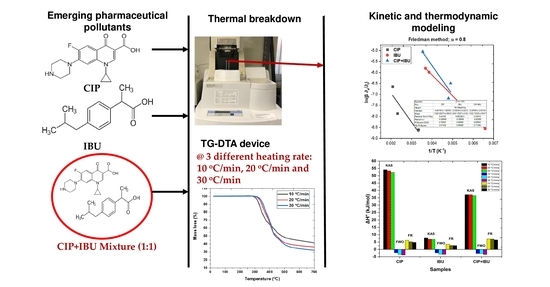
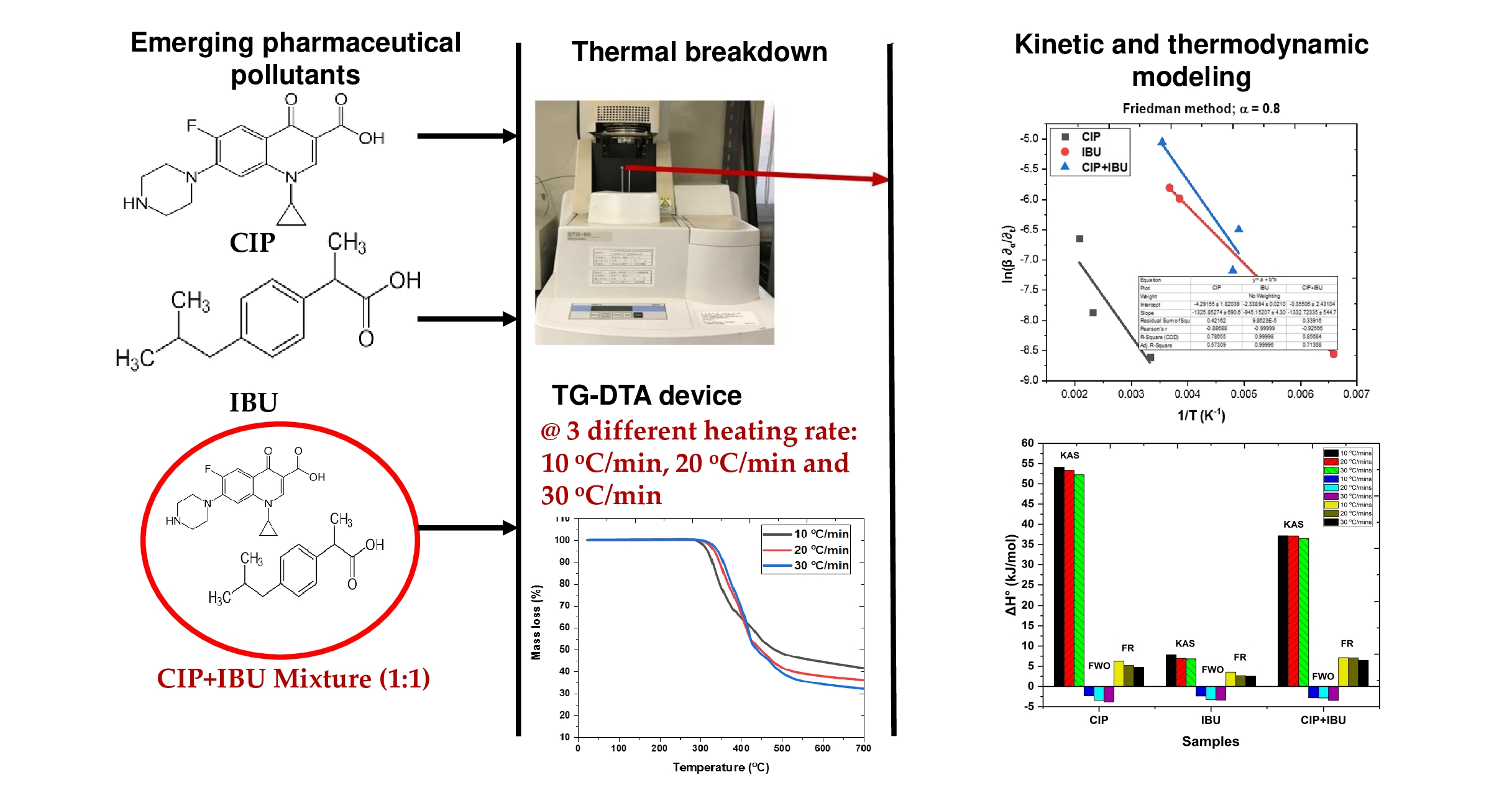
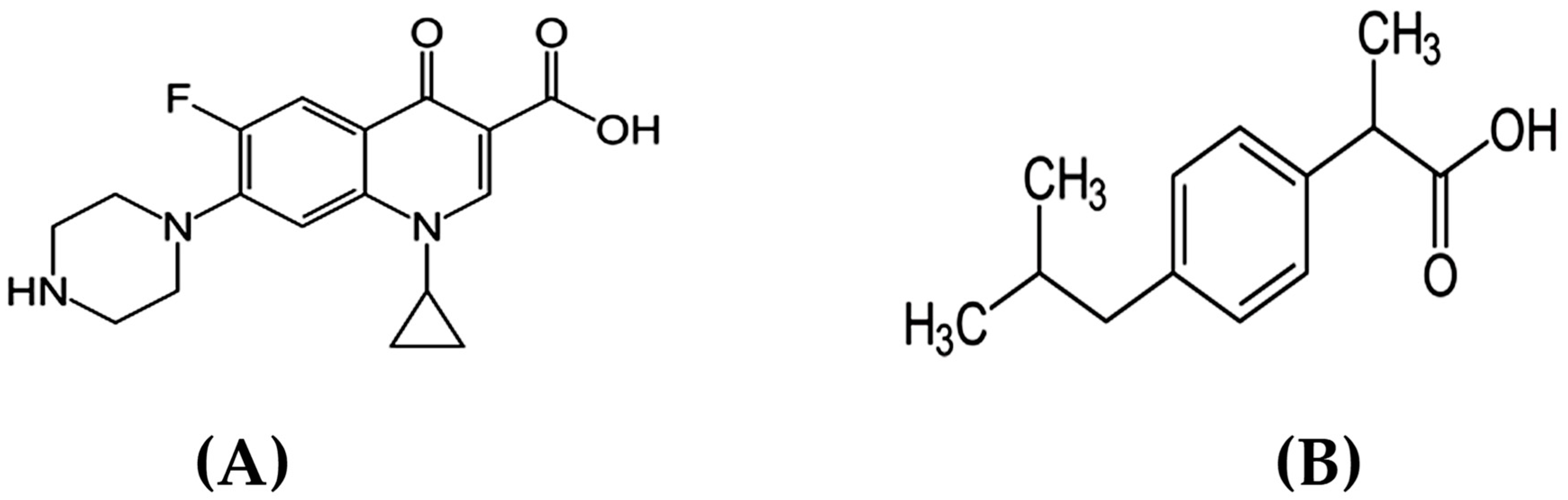
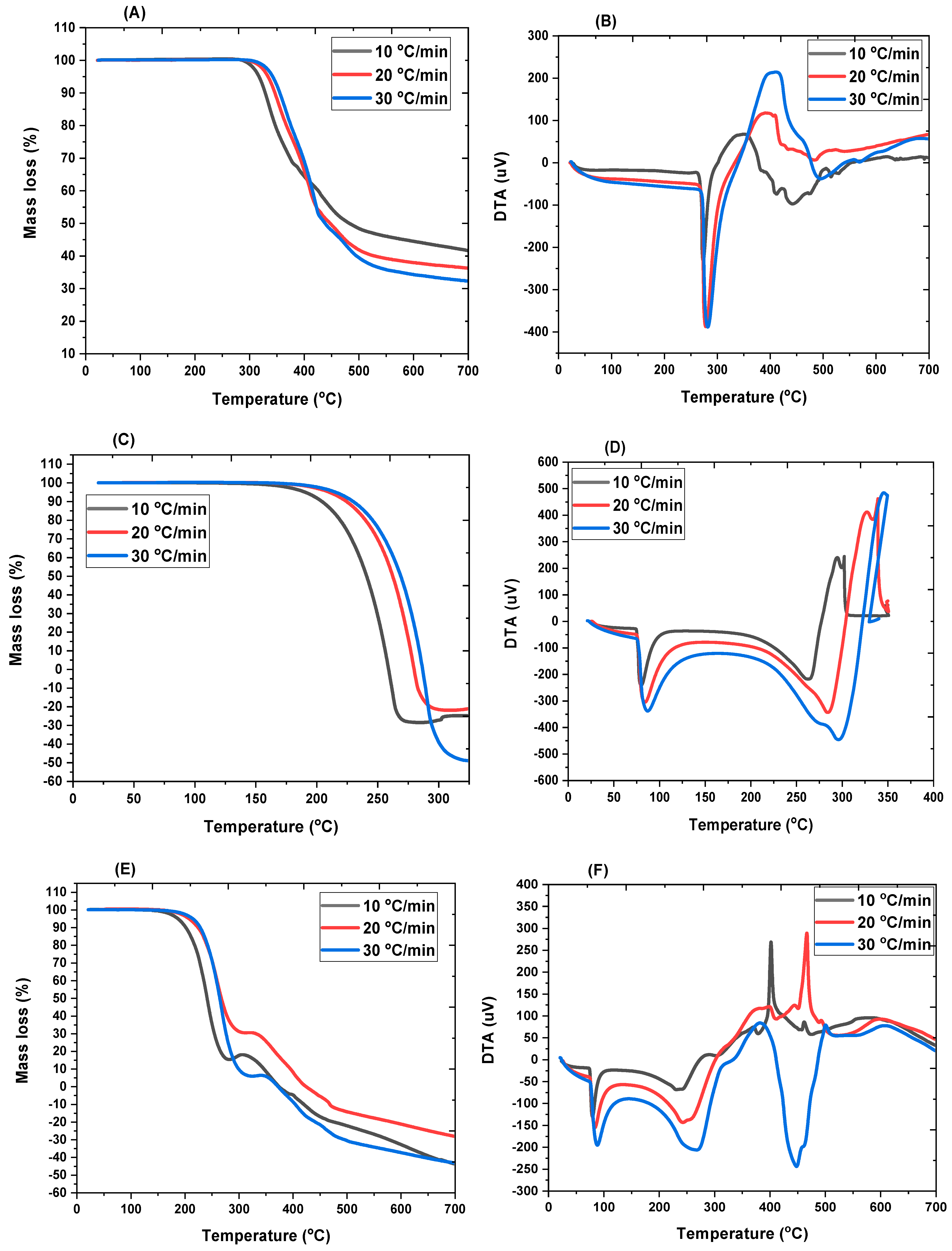
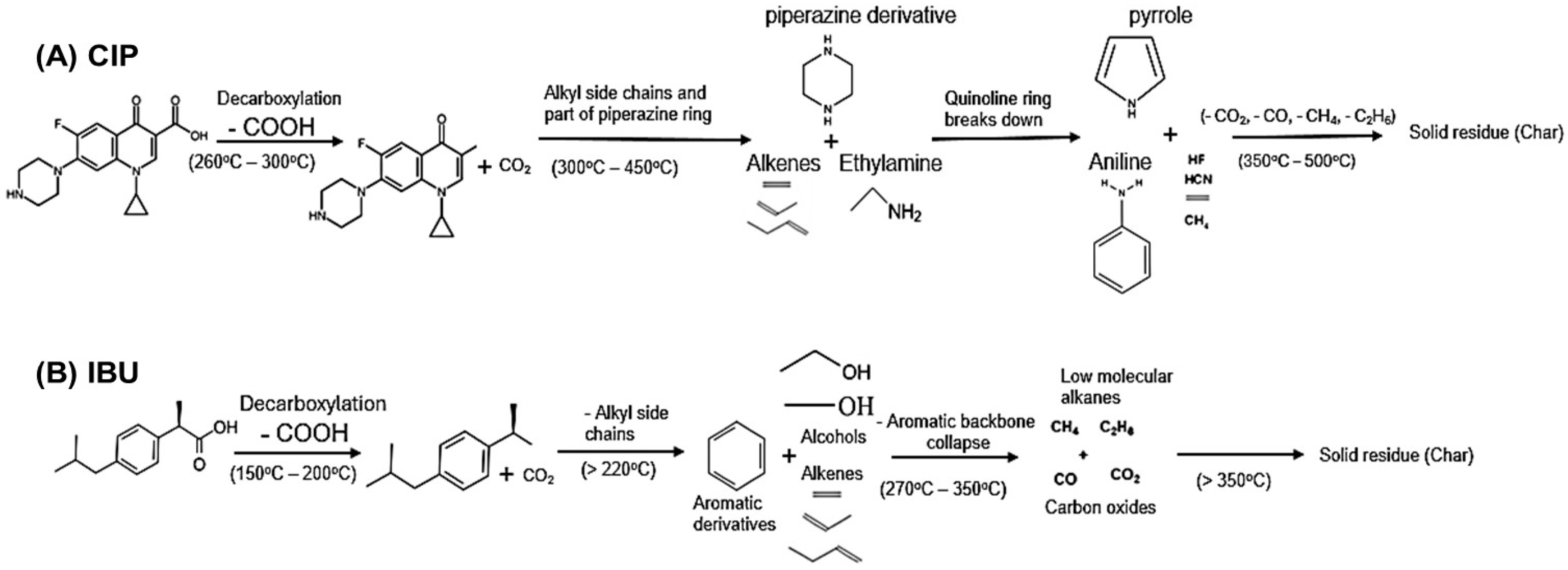
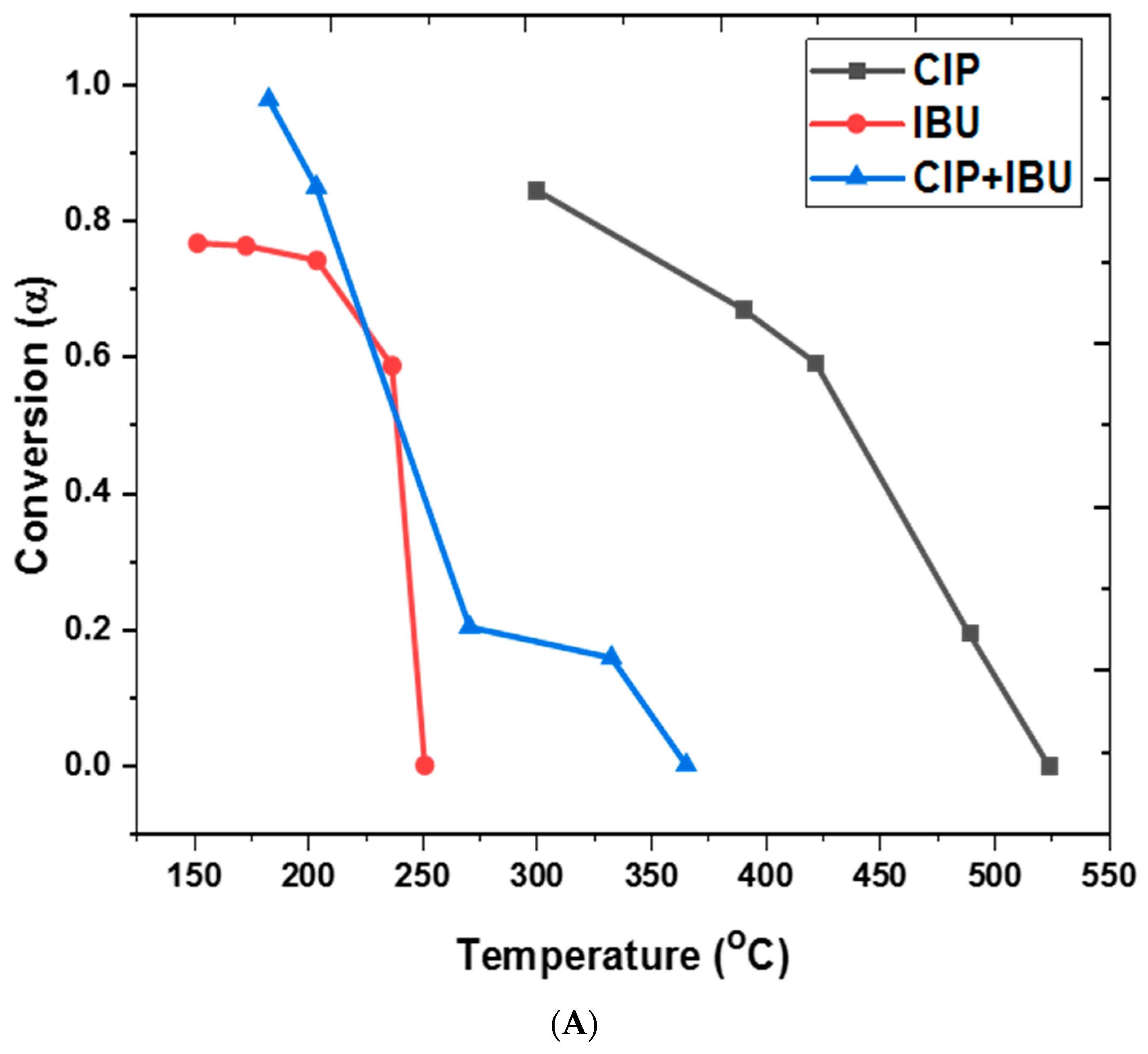
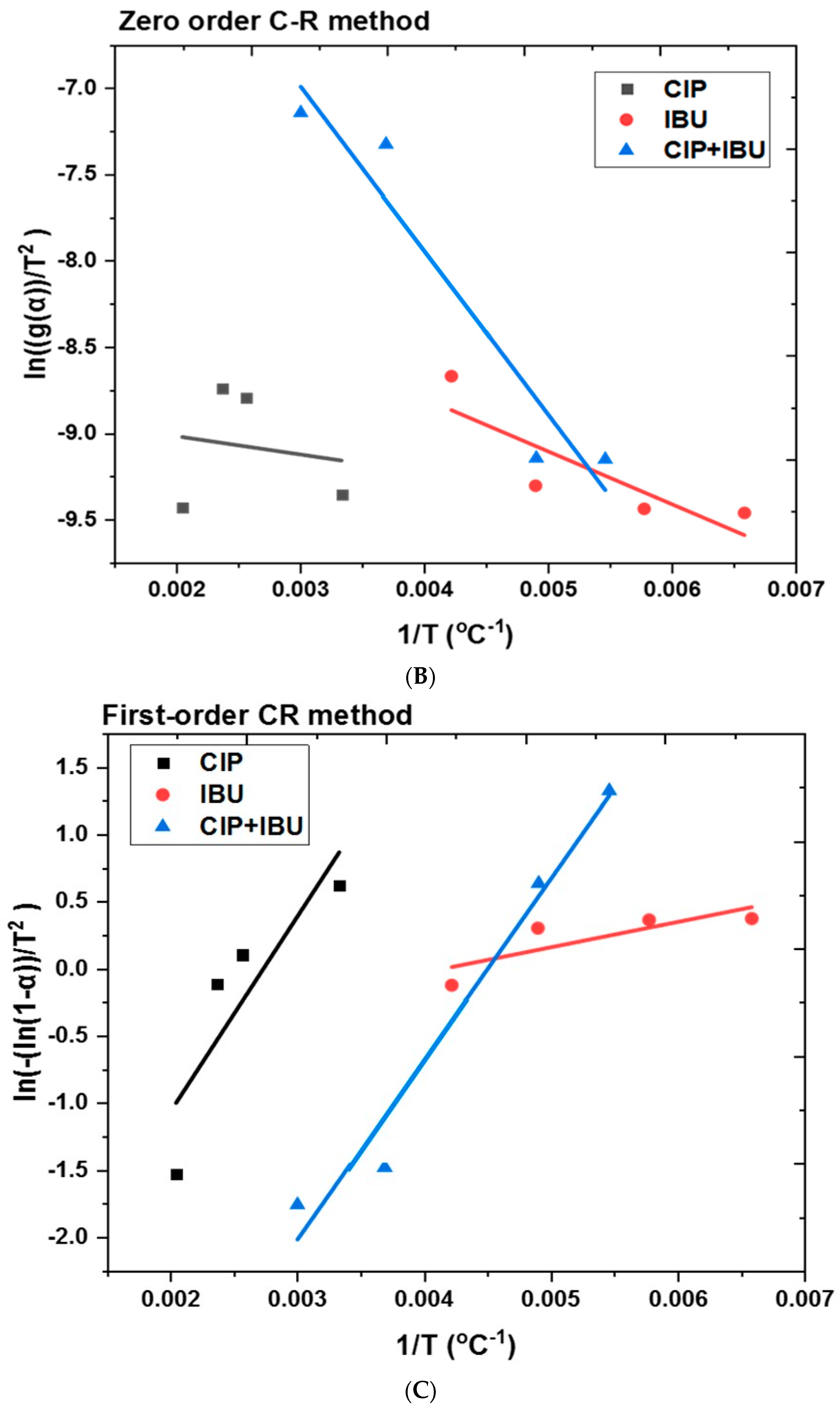
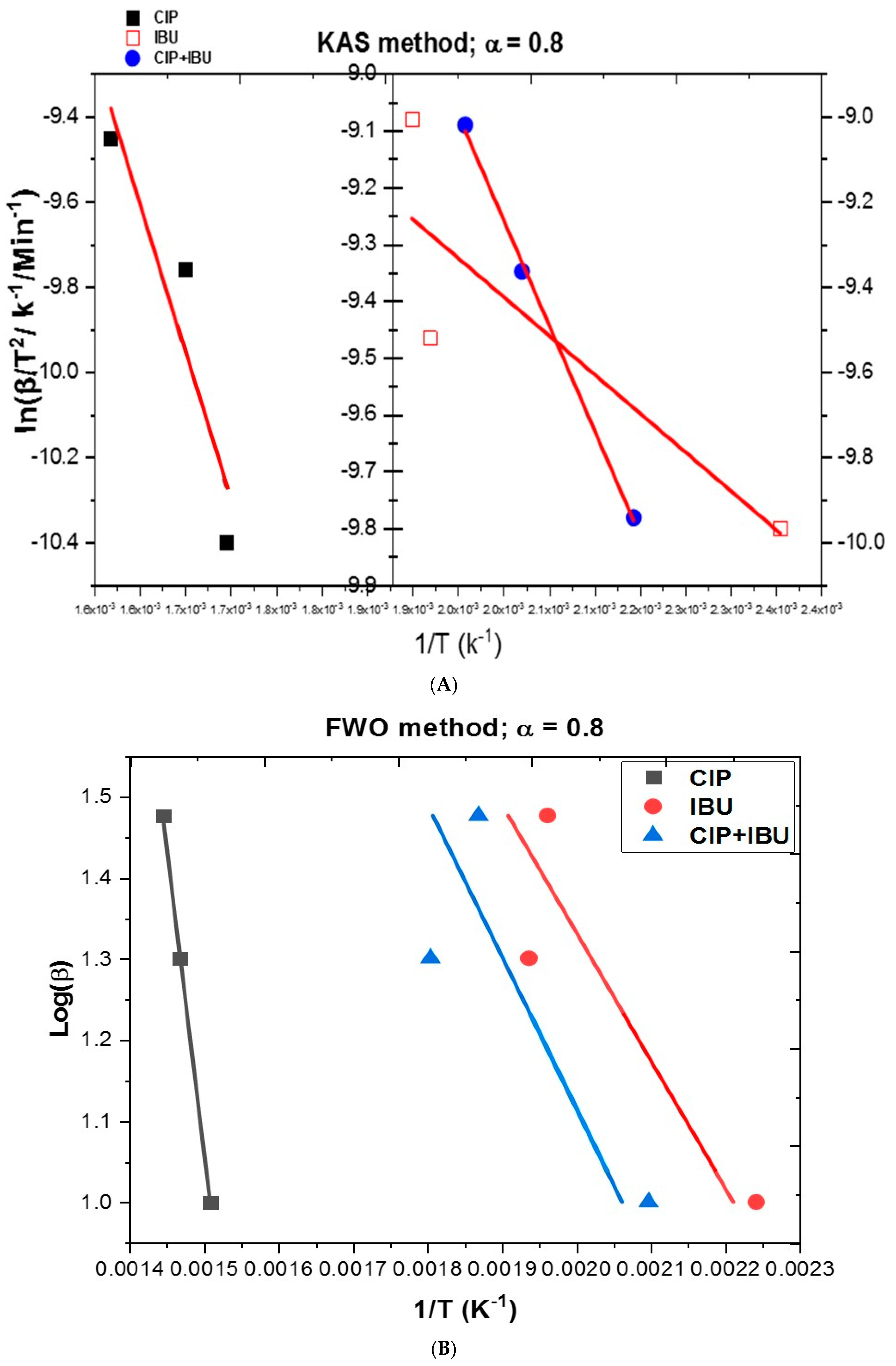
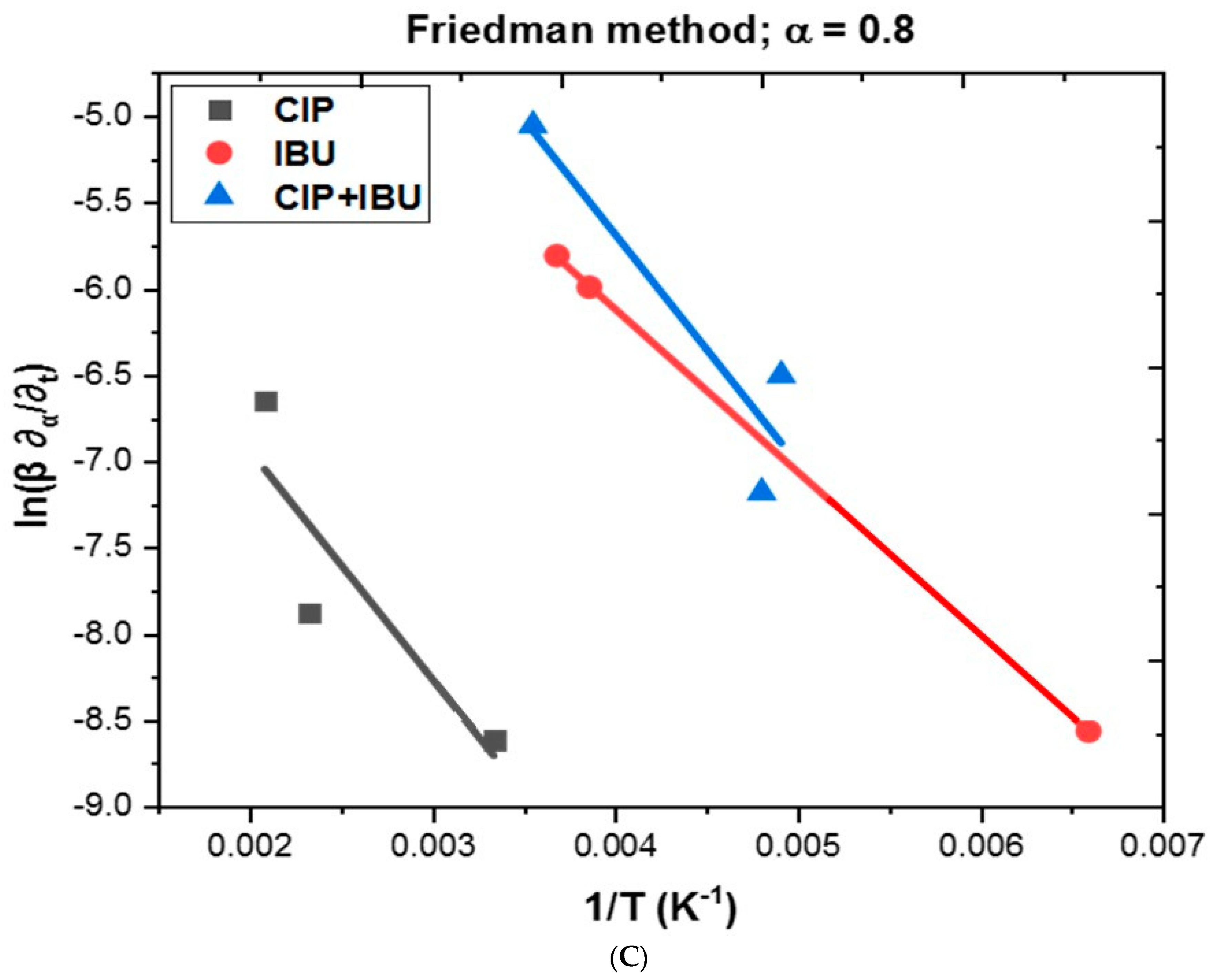
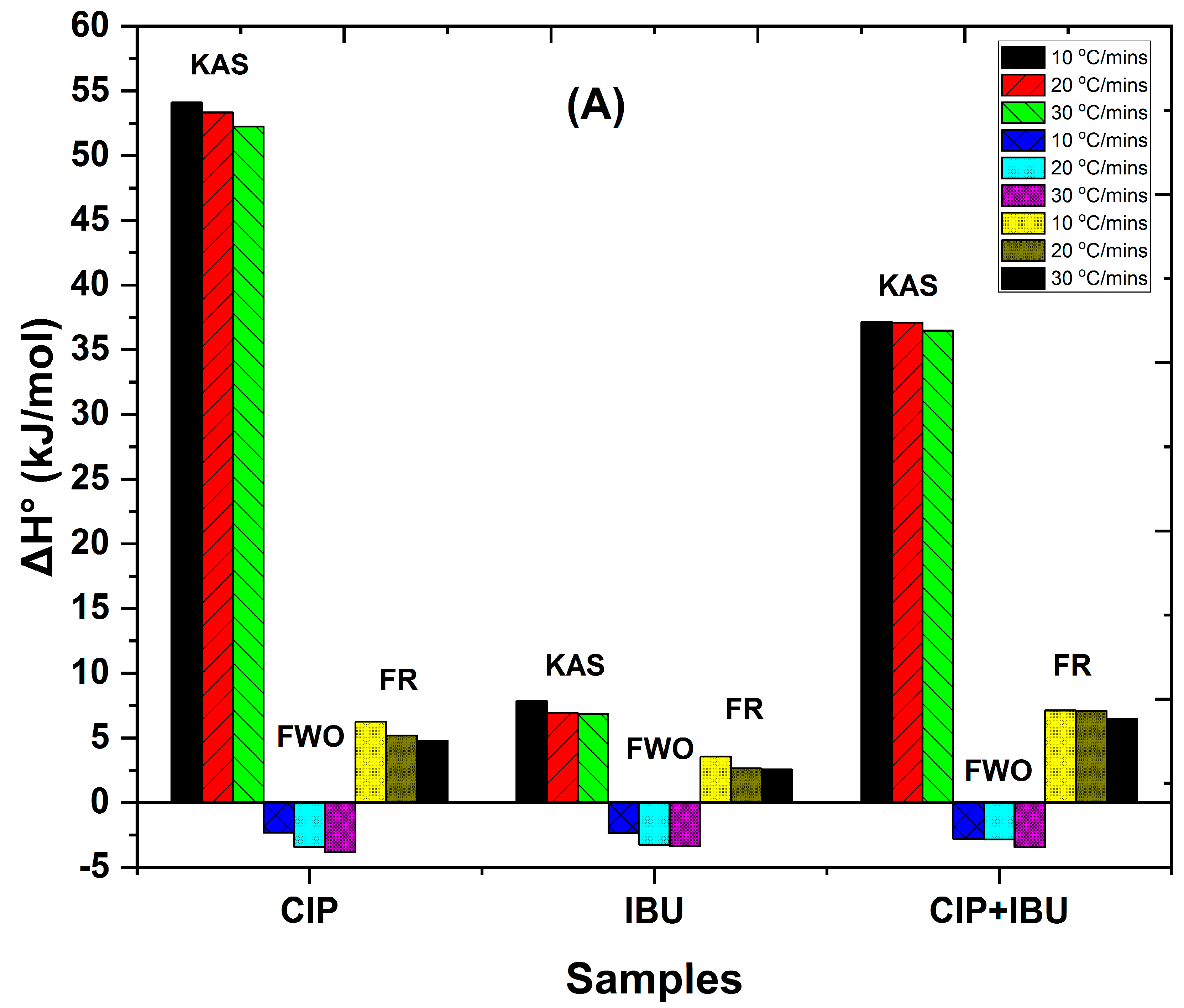
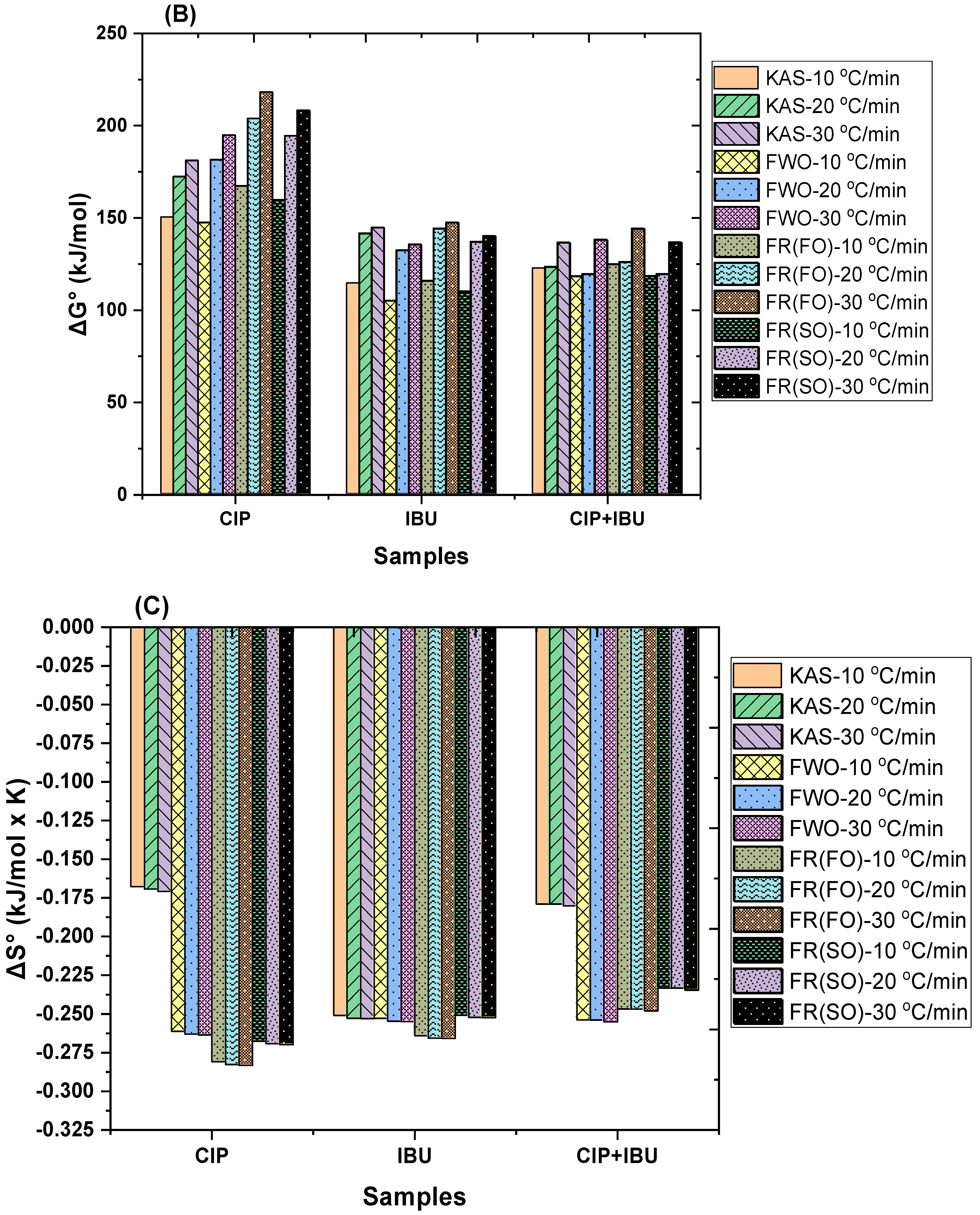
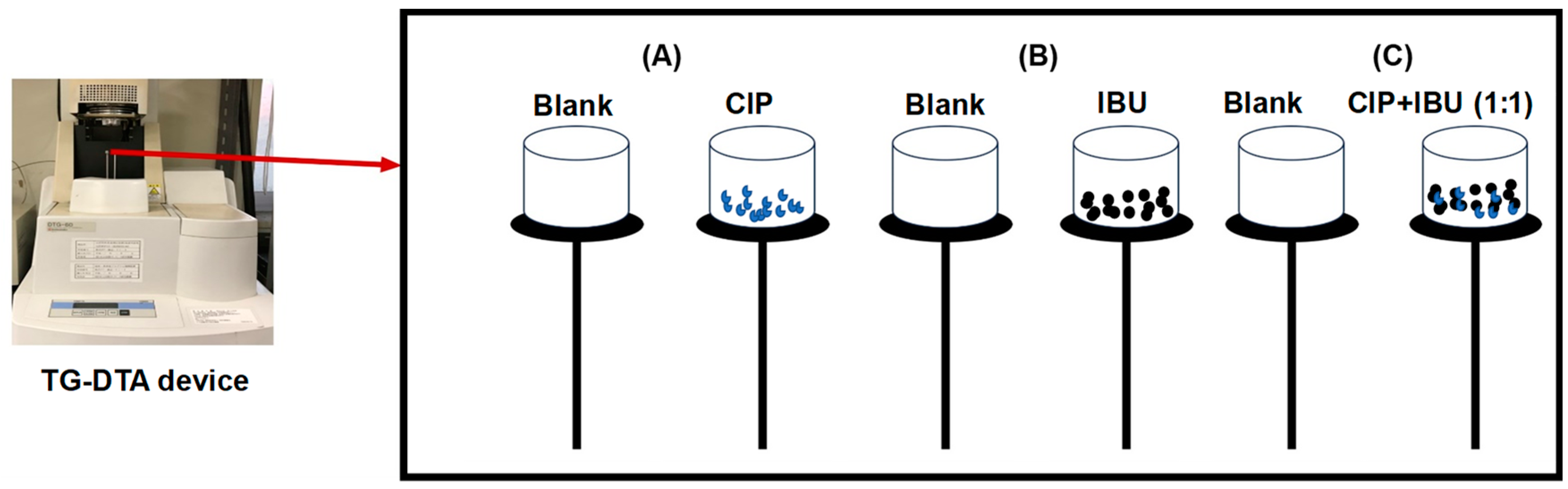
Emerging pharmaceutical pollutants like ciprofloxacin (CIP) and ibuprofen (IBU) are frequently detected in aquatic environments, posing risks to ecosystems and human health. Since pollutants rarely exist alone in the environment, understanding the thermal stability and degradation kinetics of these compounds, especially in mixtures, is crucial for developing effective removal strategies. This study therefore investigates the thermal stability and degradation kinetics of CIP and IBU, under different heating rates. Thermogravimetric analysis (TGA) and differential thermal analysis (DTA) were employed to examine the thermal behavior of these compounds individually and in mixture (CIP + IBU) at heating rates of 10, 20, and 30 °C/min. The kinetics of thermal degradation were analyzed using both model-fitting (Coats–Redfern (CR)) and model-free (Kissinger–Akahira–Sunose (KAS), Flynn–Wall–Ozawa (FWO), and Friedman (FR)) methods. The results showed distinct degradation patterns, with CIP decomposing between 280 and 550 °C and IBU between 152 and 350 °C, while the mixture exhibited multistep decomposition in the 157–500 °C range. The CR model indicated first-order kinetics as a better fit for the degradation (except for IBU). Furthermore, CIP exhibits higher thermal stability and activation energy compared to IBU, with the KAS model yielding activation energies of 58.09 kJ/mol for CIP, 11.37 kJ/mol for IBU, and 41.09 kJ/mol for CIP + IBU mixture. The CIP + IBU mixture generally showed intermediate thermal properties, suggesting synergistic and antagonistic interactions between the compounds. Thermodynamic parameters (ΔH°, ΔG°, ΔS°) were calculated, revealing non-spontaneous, endothermic processes for all samples (except in the FWO method) with a decrease in molecular disorder and positive ΔG° values across all models and heating rates. The study found that higher heating rates led to less thermodynamically favorable conditions for degradation. These findings provide important information concerning the thermal behavior of these pharmaceutical pollutants, which can inform strategies for their removal from the environment and the development of more effective waste-treatment processes.
Keywords: degradation kinetics; thermogravimetric analysis (TGA); differential thermal analysis (DTA); isoconversional kinetics; waste treatment; thermodynamic parameters degradation kinetics; thermogravimetric analysis (TGA); differential thermal analysis (DTA); isoconversional kinetics; waste treatment; thermodynamic parameters
Graphical Abstract