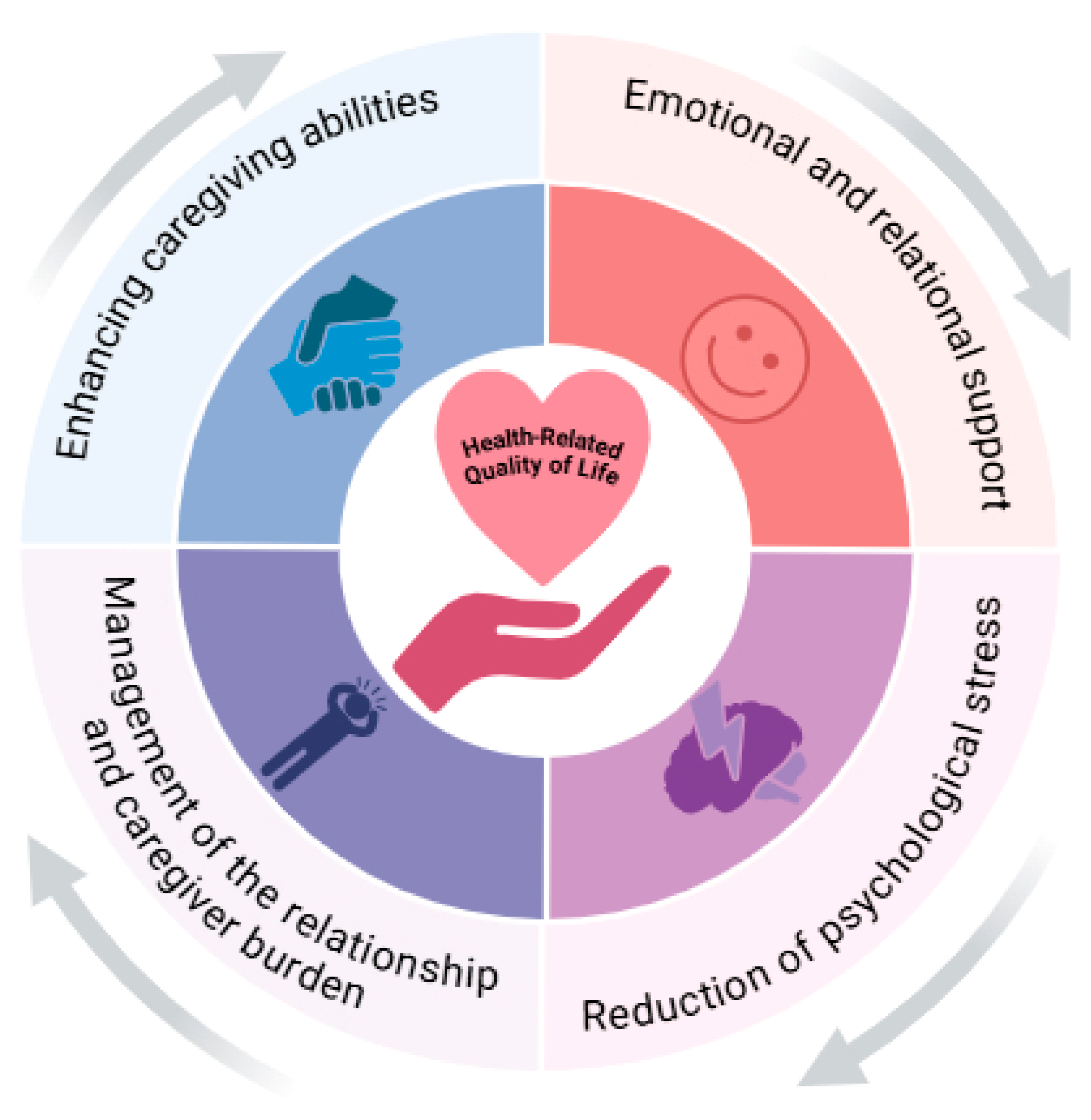


The Impact of Informal Caregiving on Patient-Reported Outcomes, Psychological Well-Being and Quality of Life in Inflammatory Bowel Disease: A Systematic Review

 ,
,  ,
,  and
and
Abstract
1. Introduction
2. Materials and Methods
2.1. Methodology of the Review and Protocol Registration
2.2. Research Question
2.3. Search Strategy
2.4. Inclusion Criteria
2.5. Risk of Bias and Methodological Quality Assessment of the Studies
2.6. Assessment of Evidence Certainty
2.7. Data Extraction
2.8. Data Synthesis

| Author, Year | Country | Type of Study | Characteristics of Sample Size/Population | Objectives | Role of Caregiver | Effect of Caregiving | Key Finding |
|---|---|---|---|---|---|---|---|
| Fang et al., 2022 [21] | China | Cross-sectional study | Patients (n = 181): mean age 34.9 ± 11.4; male 56%, female 44%; CD 53.6%, UC 46.4% Caregivers (n = 181): mean age 43.7 ± 13.2; male 36%, female 64%; age groups 18–44: 50%, 45–60: 35%, >60: 13% (2% missing) | To explore the association between caregiver “caring ability,” positive feelings, dyadic closeness, and patient QoL | Informal/primary caregiver. | Caregiver positive feelings are correlated with better patient HRQoL. Caregiver “caring ability” mediates this association (explaining 34.1% of the variance). Relational closeness is also positively correlated with patient HRQoL. | Caregiver positive feelings and caring ability mediate the relationship between dyadic closeness and the patient’s quality of life. |
| Fu et al., 2020 [51] | China | Cross-sectional study | Patients (n = 199): mean age 35.3 ± 10.6; male 57.3%, female 42.7%; CD 56.8%, UC 43.2% | To examine the mediating effect of psychological symptoms on the relationship between disease activity, social support, and HRQoL. | Source of social support (family, friends, others). | Social support is positively correlated with HRQoL (r = 0.338, p < 0.01). Patient psychological symptoms (anxiety and depression) fully mediate this relationship (indirect effect: β = 1.20, p < 0.001). | The association between social support and HRQoL is explained by the capacity of support to alleviate the patient’s psychological distress. |
| Katz et al., 2016 [43] | Canada | Cross-sectional study | Patients (n = 164): mean age 47.28 ± 16.1 (range 18–81); male 44.5%, female 55.5%; CD 57.9%, UC 37.8%, indeterminate/both 4.3%; partnered: 66.5% | To examine the relationship between social support and QoL in IBD patients and identify mechanisms, including cognitive factors (catastrophizing and optimism) as mediators. | Source of social support (significant other, family, friends). | Spouse responses (solicitous, negative, distracting) were measured. Lower perceived support and higher negative responses from the spouse predicted worse QoL. Patient Helplessness (a subscale of catastrophizing) fully mediated the relationship between negative spouse responses and QoL. | Social interaction variables are associated with IBD-related QoL, but the patient’s experience of Helplessness reduces their ability to benefit from social support. Interventions improving social interactions and reducing catastrophizing are beneficial. |
| Lahat et al., 2014 [52] | Israel | Cross-sectional study | Patients (n = 101): mean age 45.36 ± 15.46; men 53, women 48; CD 62, UC 39 | To assess patients’ opinions regarding sharing information with their partners and their partner’s involvement in disease management. | Partner/Spouse. | The vast majority of patients desired greater partner involvement. 93% shared health problems, and 88% believed that greater partner involvement would help them better manage their disease. | IBD Patients perceive their partner’s involvement as a crucial factor for better disease management and desire a more active role from them. |
| Maunder et al., 2007 [44] | Canada | Cross-sectional study | Patients (n = 155, UC only): (women 52.9% in single/separated vs 39.4% in married/common-law); marital status single/separated/divorced 32.9%, married/common-law 67.1%; disease status at assessment active UC n = 20, remission n = 135. | To determine whether the perceived impact of UC on daily activities (illness intrusiveness) is greater for unmarried individuals compared to those in a relationship. | Implicit: Spouse/Partner defined via marital status. | Patients who were single or separated reported significantly greater illness intrusiveness than married/cohabiting patients (p = 0.02), even after controlling for age, income, and social support. | Single marital status and younger age are independent risk factors for a greater perceived functional impact of the disease. |
| Yuan et al., 2025 [53] | China | Cross-sectional study | Patients (n = 236): mean 32.11 ± 11.39; male 63.98%, female 36.02%; UC 24.15%, CD 75.85% | To assess the current state of caregiver burden in IBD and identify associated factors. | Primary caregiver (family members). | Evidence on caregiver-related psychosocial burden within the informal caregiving context and was interpreted as part of the dyadic caregiving framework, rather than as a study of objective patient clinical outcomes. Caregivers of IBD patients experience a substantial and multidimensional burden. Higher caregiver burden is associated with elevated levels of anxiety, depression, and poor sleep quality. | Predictors of increased caregiver burden include female caregiver gender, younger patient age, and greater disease severity. Caregiver burden is a significant phenomenon that negatively impacts caregiver well-being. |
| Theme | Supporting Studies | Key Findings |
|---|---|---|
| Positive association between caregiver support and patient Quality of Life | [21,43,44,51] | The presence of general social support, a stable partner, and high perceived spousal support are significant predictors of better QoL and HRQoL in IBD patients. |
| Mediating role of the patient’s psychological status | [43,51] | Caregiver support improves QoL by acting as a protective factor against the psychological burden of the disease. The association is mediated by the reduction of the patient’s psychological symptoms (anxiety, depression) and by the decrease in Helplessness catastrophizing. |
| Caregiver-related mediating mechanisms | [21] | The relationship between dyadic closeness and the patient’s HRQoL is mediated by the caregiver’s positive feelings and “caring ability”. This pathway explains a significant portion (34.1%) of the variance in QoL. |
| Impact of caregiving burden on support effectiveness | [44,53] | A high caregiver burden (associated with anxiety, depression, and poor sleep quality) represents an obstacle to the ability to provide effective support. The burden is greater when the patient is young and the disease is more severe. |
| Quality of interaction as a key modulator | [43] | The quality of the interaction is crucial. Negative or irritable responses from the spouse are directly associated with worse patient QoL, negating the potential benefits of support. |
| Patient perception and need for support | [52] | Patients perceive partner involvement as a crucial factor for better disease management. The overwhelming majority (88%) desire a more active role and greater involvement from their partner. |
3. Results
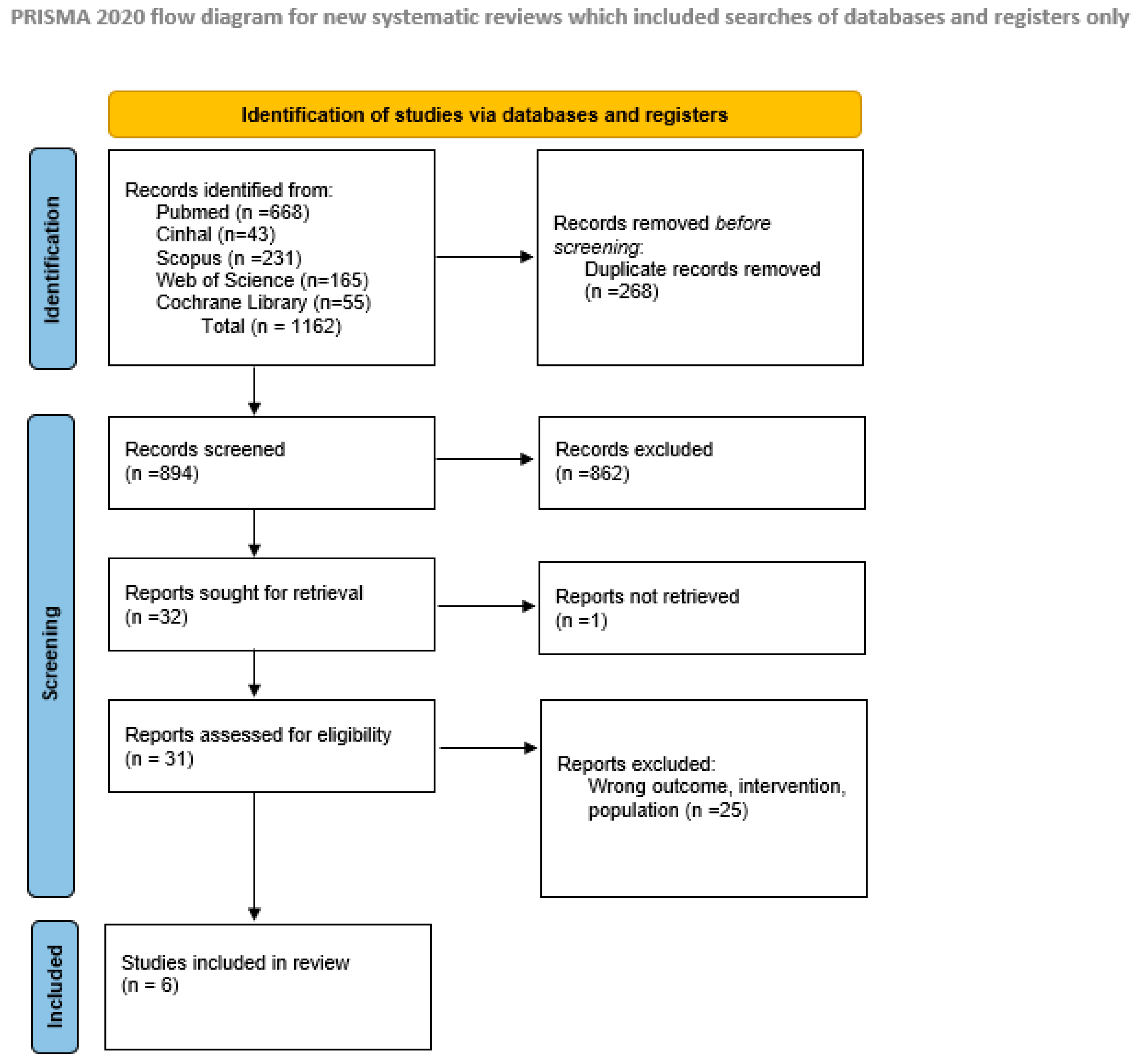
3.1. Study Selection and General Characteristics
3.2. Thematic Summary of Results
3.3. Structure of the Synthesis and Standardised Metric
3.4. Mediating Mechanisms Linking Caregiver Support to Quality of Life
3.5. Contextual and Relational Factors Modulating the Effectiveness of Support
3.6. Absence of Evidence on Clinical Outcomes
3.7. Certainty of the Evidence
| Study | Sample (Patients/Caregivers) | Caregiver-Related Exposure | Outcome (Instrument) | Analysis | Effect Estimate | 95% CI | p-Value | Direction of Association | Notes |
|---|---|---|---|---|---|---|---|---|---|
| Fang et al., 2022 [21] | 181/181 | Caregiver positive feelings; caring ability | HRQoL (IBDQ) | Sequential mediation (SEM) | Indirect effect β = 0.24 | 0.09 to 0.44 | <0.001 | Positive | Relational closeness → positive feelings → caring ability → HRQoL; 34.1% variance explained |
| Fu et al., 2020 [51] | 199/– | Perceived social support | HRQoL (IBDQ) | Multivariable regression + mediation | β = 1.38 | 0.82 to 1.93 | <0.01 | Positive | Effect fully mediated by anxiety/depression (HAD). Social support improves QoL by reducing psychological distress. |
| Katz et al., 2016 [43] | 164/– | Perceived spousal support | QoL (S-IBDQ) | Multivariable regression | β = 0.31 | Not reported | <0.01 | Positive | Helplessness catastrophizing identified as key mediator between support and QoL |
| Katz et al., 2016 [43] | 164/– | Negative spousal responses | QoL (S-IBDQ) | Multivariable regression | β = −0.41 | Not reported | <0.01 | Negative | Adverse relational behaviours independently associated with poorer QoL |
| Maunder et al., 2007 [44] | 155/– | Marital/partner status | Illness intrusiveness | ANCOVA | F = 5.73 | Not reported | 0.02 | Positive | Unmarried patients in remission reported illness intrusiveness similar to those with active disease. Age and social support also significant |
| Yuan et al., 2025 [53] | 236/236 | Caregiver Anxiety (SAS) & Depression (SDS) | Caregiver Burden (CBI total score) | Multiple linear regression | R2 = 0.645; β = 0.329–0.453 | 0.136 to 0.709 (for β) | <0.01 | Positive | Model explains 64.5% of variance in burden. Female caregivers and those with longer caregiving hours reported significantly higher burden. |
| Lahat et al., 2014 [52] | 101/– | Partner involvement | Patient-reported coping | Descriptive + χ2 | OR not reported | Not reported | <0.001 | Positive | 88% of patients believed partner involvement helped them cope better with disease; 70% wanted partners more involved |
4. Discussion
4.1. Strengths and Limitations
4.2. Implications for Clinical Practice and Future Research
| Category | Implications for Clinicians | Implications for Patients and Caregiver |
|---|---|---|
| Dyadic Assessment and Intervention | Integrate the assessment of patient–caregiver dynamics into routine clinical practice. Utilize screening questions to evaluate the quality of perceived support and communication. Offer joint psychoeducational interventions aimed at improving communication and dyadic coping strategies. | Engage in open, honest communication about needs, fears, and challenges related to the disease. Schedule regular “check-ins” to discuss how the illness is influencing the relationship and the well-being of both parties. |
| Screening and support for caregiver burden | Conduct proactive screening for burden, anxiety, and depression in informal caregivers, especially in severe illness settings or young patients. Provide caregivers with information about dedicated support resources, including support groups, psychological counseling, and respite care. | Recognize the signs of burnout (e.g., emotional exhaustion, irritability) and actively seek support. Express appreciation and acknowledge the caregiver’s effort to help mitigate their sense of burden. |
| Improving interaction quality | Educate dyads on the impact of negative interactions (e.g., criticism, irritation) on patient QoL and provide strategies for constructive communication. Encourage a focus on emotional and practical support, rather than distracting or minimizing responses. | Learn and practice active listening and communication techniques to navigate stressful periods. Collaborate to solve problems, framing the illness as a shared challenge rather than an individual burden. |
| Patient empowerment and caregiver engagement | Recognize and validate the patient’s desire for greater partner involvement, facilitating conversations on how the caregiver can assume a more active role in disease management. Encourage caregiver participation in medical appointments (with consent) to enhance shared understanding of the treatment plan. | Clearly express specific areas where help or involvement is desired. Actively seek information about the disease (Caregivers) to provide competent support and foster a sense of inclusion in the care pathway. |
5. Conclusions
Supplementary Materials
Author Contributions
Funding
Institutional Review Board Statement
Informed Consent Statement
Data Availability Statement
Public Involvement Statement
Guidelines and Standards Statement
Use of Artificial Intelligence
Acknowledgments
Conflicts of Interest
Abbreviations
| CD | Crohn’s Disease; |
| HRQoL, | Health-Related Quality of Life; |
| IBD | Inflammatory Bowel Disease; |
| JBI | Joanna Briggs Institute; |
| PRISMA | Preferred Reporting Items for Systematic Reviews and Meta-Analyses |
| PROs | Patient-Reported Outcomes |
| QoL | Quality of Life |
| SWiM | Synthesis Without Meta-analysis |
| UC | Ulcerative Colitis |
References
- Calvez, V.; Puca, P.; Di Vincenzo, F.; Del Gaudio, A.; Bartocci, B.; Murgiano, M.; Iaccarino, J.; Parand, E.; Napolitano, D.; Pugliese, D.; et al. Novel Insights into the Pathogenesis of Inflammatory Bowel Diseases. Biomedicines 2025, 13, 305. [Google Scholar] [CrossRef] [Scilit] [PubMed]
- Ng, S.C.; Shi, H.Y.; Hamidi, N.; Underwood, F.E.; Tang, W.; Benchimol, E.I.; Panaccione, R.; Ghosh, S.; Wu, J.C.Y.; Chan, F.K.L.; et al. Worldwide Incidence and Prevalence of Inflammatory Bowel Disease in the 21st Century: A Systematic Review of Population-Based Studies. Lancet 2017, 390, 2769–2778. [Google Scholar] [CrossRef] [Scilit] [PubMed]
- Burisch, J.; Munkholm, P. The Epidemiology of Inflammatory Bowel Disease. Scand. J. Gastroenterol. 2015, 50, 942–951. [Google Scholar] [CrossRef] [Scilit]
- Loftus, E.V., Jr. Clinical Epidemiology of Inflammatory Bowel Disease: Incidence, Prevalence, and Environmental Influences. Gastroenterology 2004, 126, 1504–1517. [Google Scholar] [CrossRef] [Scilit] [PubMed]
- Wan, J.; Zhou, J.; Wang, Z.; Liu, D.; Zhang, H.; Xie, S.; Wu, K. Epidemiology, Pathogenesis, Diagnosis, and Treatment of Inflammatory Bowel Disease: Insights from the Past Two Years. Chin. Med. J. 2025, 138, 763–776. [Google Scholar] [CrossRef] [Scilit] [PubMed]
- Alatab, S.; Sepanlou, S.G.; Ikuta, K.; Vahedi, H.; Bisignano, C.; Safiri, S.; Sadeghi, A.; Nixon, M.R.; Abdoli, A.; Abolhassani, H.; et al. The Global, Regional, and National Burden of Inflammatory Bowel Disease in 195 Countries and Territories, 1990–2017: A Systematic Analysis for the Global Burden of Disease Study 2017. Lancet Gastroenterol. Hepatol. 2020, 5, 17–30. [Google Scholar] [CrossRef] [Scilit] [PubMed]
- Ruan, G.; Sun, Y.; Yu, Z.; Bai, X.; Yang, H.; Qian, J. Global, Regional, and National Burden of Inflammatory Bowel Disease from 1990 to 2021: Findings from the Global Burden of Disease 2021. Gastroenterol. Rep. 2025, 13, goaf082. [Google Scholar] [CrossRef] [Scilit]
- Wang, R.; Li, Z.; Liu, S.; Zhang, D. Global, Regional and National Burden of Inflammatory Bowel Disease in 204 Countries and Territories from 1990 to 2019: A Systematic Analysis Based on the Global Burden of Disease Study 2019. BMJ Open 2023, 13, e065186. [Google Scholar] [CrossRef] [Scilit] [PubMed]
- Kaplan, G.G.; Kuenzig, M.E.; Windsor, J.W.; Bernstein, C.N.; Bitton, A.; Coward, S.; Jones, J.L.; Lee, K.; Murthy, S.K.; Targownik, L.E.; et al. The 2023 Impact of Inflammatory Bowel Disease in Canada: COVID-19 and IBD. J. Can. Assoc. Gastroenterol. 2023, 6, S76–S82. [Google Scholar] [CrossRef] [Scilit] [PubMed]
- Windsor, J.W.; Kuenzig, M.E.; Murthy, S.K.; Bitton, A.; Bernstein, C.N.; Jones, J.L.; Lee, K.; Targownik, L.E.; Peña-Sánchez, J.-N.; Rohatinsky, N.; et al. The 2023 Impact of Inflammatory Bowel Disease in Canada: Executive Summary. J. Can. Assoc. Gastroenterol. 2023, 6, S1–S8. [Google Scholar] [CrossRef] [Scilit] [PubMed]
- Buie, M.J.; Quan, J.; Windsor, J.W.; Coward, S.; Hansen, T.M.; King, J.A.; Kotze, P.G.; Gearry, R.B.; Ng, S.C.; Mak, J.W.; et al. Global Hospitalization Trends for Crohn’s Disease and Ulcerative Colitis in the 21st Century: A Systematic Review with Temporal Analyses. Clin. Gastroenterol. Hepatol. 2023, 21, 2211–2221. [Google Scholar] [CrossRef] [Scilit]
- Zhao, M.; Gönczi, L.; Lakatos, P.L.; Burisch, J. The Burden of Inflammatory Bowel Disease in Europe in 2020. J. Crohns Colitis 2021, 15, 1573–1587. [Google Scholar] [CrossRef] [Scilit] [PubMed]
- Caviglia, G.P.; Garrone, A.; Bertolino, C.; Vanni, R.; Bretto, E.; Poshnjari, A.; Tribocco, E.; Frara, S.; Armandi, A.; Astegiano, M.; et al. Epidemiology of Inflammatory Bowel Diseases: A Population Study in a Healthcare District of North-West Italy. J. Clin. Med. 2023, 12, 641. [Google Scholar] [CrossRef] [Scilit] [PubMed]
- Crocetti, E.; Bergamaschi, W.; Russo, A.G. Population-Based Incidence and Prevalence of Inflammatory Bowel Diseases in Milan (Northern Italy), and Estimates for Italy. Eur. J. Gastroenterol. Hepatol. 2021, 33, e383–e389. [Google Scholar] [CrossRef] [Scilit] [PubMed]
- López-Vico, M.; Sánchez-Capilla, A.; Redondo-Cerezo, E. Quality of Life in Cohabitants of Patients Suffering Inflammatory Bowel Disease: A Cross-Sectional Study. Int. J. Environ. Res. Public. Health 2022, 19, 115. [Google Scholar] [CrossRef] [Scilit]
- Benchimol, E.I.; Bernstein, C.N.; Bitton, A.; Murthy, S.K.; Nguyen, G.C.; Lee, K.; Cooke-Lauder, J.; Siddiq, S.; Windsor, J.W.; Carroll, M.W.; et al. The Impact of Inflammatory Bowel Disease in Canada 2018: A Scientific Report from the Canadian Gastro-Intestinal Epidemiology Consortium to Crohn’s and Colitis Canada. J. Can. Assoc. Gastroenterol. 2019, 2, S1–S5. [Google Scholar] [CrossRef] [Scilit] [PubMed]
- Lin, X.; Fei, F.; Zhang, X.; Zhou, Y.; Qin, F.; Sun, X.; Zhang, Y.; Koffman, J. Effectiveness of the Family-Centred Empowerment Model on Informal Caregivers of People with Chronic Diseases: A Systematic Review and Meta-Analysis. J. Clin. Nurs. 2026, 35, 602–620. [Google Scholar] [CrossRef] [Scilit] [PubMed]
- Wright, K. Cost-Effecriveness in Community Care; Centre for Health Economics, University of York: New York, NY, USA, 1987. [Google Scholar]
- Napolitano, D.; Vellone, E.; Iovino, P.; Scaldaferri, F.; Cocchieri, A. Self-Care in Patients Affected by Inflammatory Bowel Disease and Caregiver Contribution to Self-Care (IBD-SELF): A Protocol for a Longitudinal Observational Study. BMJ Open Gastroenterol. 2024, 11, e001510. [Google Scholar] [CrossRef] [Scilit] [PubMed]
- Bayly, M.; Morgan, D.; Elliot, V.; Kosteniuk, J.; Froehlich Chow, A.; Peacock, S.; O’Connell, M.E. Does Early-Stage Intervention Improve Caregiver Well-Being or Their Ability to Provide Care to Persons with Mild Dementia or Mild Cognitive Impairment? A Systematic Review and Meta-Analysis. Psychol. Aging 2021, 36, 834. [Google Scholar] [CrossRef] [Scilit]
- Fang, N.; Deng, H.; Fu, T.; Zhang, Z.; Long, X.; Wang, X.; Tian, L. Association between Caregiver Ability and Quality of Life for People with Inflammatory Bowel Disease: The Mediation Effect of Positive Feelings of Caregivers. Front. Psychol. 2022, 13, 988150. [Google Scholar] [CrossRef] [Scilit]
- Skolarus, L.E.; Freedman, V.A.; Feng, C.; Burke, J.F. African American Stroke Survivors: More Caregiving Time, but Less Caregiving Burden. Circ. Cardiovasc. Qual. Outcomes 2017, 10, e003160. [Google Scholar] [CrossRef] [Scilit] [PubMed]
- De Maria, M.; Ausili, D.; Lorini, S.; Vellone, E.; Riegel, B.; Matarese, M. Patient Self-Care and Caregiver Contribution to Patient Self-Care of Chronic Conditions: What Is Dyadic and What It Is Not. Value Health 2022, 25, 1165–1173. [Google Scholar] [CrossRef] [Scilit]
- Lyons, K.S.; Miller, L.M.; McCarthy, M.J. The Roles of Dyadic Appraisal and Coping in Couples with Lung Cancer. J. Fam. Nurs. 2016, 22, 493–514. [Google Scholar] [CrossRef] [Scilit] [PubMed]
- Banerjee, R.; Pal, P.; Hilmi, I.; Raghunathan, N.; Rahman, M.; Limsrivillai, J.; Kamani, L.; Ghoshal, U.C.; Aye, T.T.; Joshi, N.; et al. Primary Caregiver Burden and Undiagnosed Mental Health Illness in Out-Patients with Inflammatory Bowel Disease—A Multicentric Prospective Survey from the IBD Emerging Nations’ Consortium. Indian J. Gastroenterol. 2024, 43, 1156–1167. [Google Scholar] [CrossRef] [Scilit] [PubMed]
- Liu, R.; Tang, A.; Wang, X.; Shen, S. Assessment of Quality of Life in Chinese Patients with Inflammatory Bowel Disease and Their Caregivers. Inflamm. Bowel Dis. 2018, 24, 2039–2047. [Google Scholar] [CrossRef] [Scilit] [PubMed]
- Parekh, N.K.; Shah, S.; McMaster, K.; Speziale, A.; Yun, L.; Nguyen, D.L.; Melmed, G.; Kane, S. Effects of Caregiver Burden on Quality of Life and Coping Strategies Utilized by Caregivers of Adult Patients with Inflammatory Bowel Disease. Ann. Gastroenterol. Q. Publ. Hell. Soc. Gastroenterol. 2016, 30, 89. [Google Scholar] [CrossRef] [Scilit] [PubMed]
- Shukla, R.; Thakur, E.; Bradford, A.; Hou, J. Caregiver Burden in Adults with Inflammatory Bowel Disease. Clin. Gastroenterol. Hepatol. 2018, 16, 7–15. [Google Scholar] [CrossRef] [Scilit] [PubMed]
- Jelenova, D.; Prasko, J.; Ociskova, M.; Karaskova, E.; Kolarova, J.; Hunková, M.; Vydra, D.; Mihal, V. Psychoeducation of Adolescents with Inflammatory Bowel Diseases and Their Families. Act. Nerv. Super. Rediviva 2016, 58, 33–39. [Google Scholar]
- Zhou, M.; Wang, M.; Luo, D.; Sun, C.; Bian, Q.; Xu, J.; Lin, Z. The Mediating Role of Resilience between Caregiver Burden and Hope among Patients with Inflammatory Bowel Disease. Nurs. Open 2024, 11, e70001. [Google Scholar] [CrossRef] [Scilit]
- Bidwell, J.T.; Vellone, E.; Lyons, K.S.; D’Agostino, F.; Riegel, B.; Juárez-Vela, R.; Hiatt, S.O.; Alvaro, R.; Lee, C.S. Determinants of Heart Failure Self-Care Maintenance and Management in Patients and Caregivers: A Dyadic Analysis. Res. Nurs. Health 2015, 38, 392–402. [Google Scholar] [CrossRef] [Scilit]
- Bouldin, E.D.; Trivedi, R.B.; Reiber, G.E.; Rosland, A.-M.; Silverman, J.B.; Krieger, J.; Nelson, K.M. Associations between Having an Informal Caregiver, Social Support, and Self-Care among Low-Income Adults with Poorly Controlled Diabetes. Chronic Illn. 2017, 13, 239–250. [Google Scholar] [CrossRef] [Scilit] [PubMed]
- Clarke, A.L.; Critchley, C. Impact of Choice of Coping Strategies and Family Functioning on Psychosocial Function of Young People with Epilepsy. Epilepsy Behav. 2016, 59, 50–56. [Google Scholar] [CrossRef] [Scilit] [PubMed]
- Durante, A.; Paturzo, M.; Mottola, A.; Alvaro, R.; Dickson, V.V.; Vellone, E. Caregiver Contribution to Self-Care in Patients with Heart Failure: A Qualitative Descriptive Study. J. Cardiovasc. Nurs. 2019, 34, E28–E35. [Google Scholar] [CrossRef] [Scilit] [PubMed]
- Gouzman, J.; Cohen, M.; Ben-Zur, H.; Shacham-Shmueli, E.; Aderka, D.; Siegelmann-Danieli, N.; Beny, A. Resilience and Psychosocial Adjustment in Digestive System Cancer. J. Clin. Psychol. Med. Settings 2015, 22, 1–13. [Google Scholar] [CrossRef] [Scilit] [PubMed]
- Chen, Y.; Shen, J. Core Indicators of an Evaluation and Guidance System for Quality of Care in Inflammatory Bowel Disease Centers: A Critical Review. EClinicalMedicine 2022, 46, 101382. [Google Scholar] [CrossRef] [Scilit] [PubMed]
- Spagnuolo, R.; Corea, A.; Napolitano, D.; Nisticò, E.; Pagnotta, R.; Pagliuso, C.; Schiavoni, E.; Turchini, L.; Fiorino, G.; Radice, S.; et al. Nursing-Sensitive Outcomes in Adult Inflammatory Bowel Disease: A Systematic Review. J. Adv. Nurs. 2021, 77, 2248–2266. [Google Scholar] [CrossRef] [Scilit] [PubMed]
- Yu, N.; Wu, K.; Samyue, T.; Fry, S.; Stanley, A.; Ross, A.; Malcolm, R.; Connell, W.; Wright, E.; Ding, N.S.; et al. Outcomes of a Comprehensive Specialist Inflammatory Bowel Disease Nursing Service. Inflamm. Bowel Dis. 2024, 30, 960–969. [Google Scholar] [CrossRef] [Scilit]
- Napolitano, D.; Scaldaferri, F.; Leone, S.; Previtali, E.; Fiorino, G.; Caprioli, F.; Fantini, M.C.; Radice, S.; Lorenzon, G.; Schiavoni, E.; et al. The Dedicated Inflammatory Bowel Disease Nurse, If You Know Them, You Love Them: Survey of the Italian IBD Patients’ Association. Crohns Colitis 360 2025, 7, otaf063. [Google Scholar] [CrossRef] [Scilit]
- Thomassen, B.J.M.; Hendrix, E.M.B.; Mujagic, Z.; Smeets, F.G.M.; de Jong, M.J.; Gevers, T.J.G.; Veldhuijzen, G.; van der Horst, D.; Scherpenzeel, M.; Dijkstra, G.; et al. What Do Patients and Informal Caregivers Value in IBD Care? A Narrative Inquiry. BMC Health Serv. Res. 2025, 25, 681. [Google Scholar] [CrossRef] [Scilit] [PubMed]
- Page, M.J.; McKenzie, J.E.; Bossuyt, P.M.; Boutron, I.; Hoffmann, T.C.; Mulrow, C.D.; Shamseer, L.; Tetzlaff, J.M.; Akl, E.A.; Brennan, S.E.; et al. The PRISMA 2020 Statement: An Updated Guideline for Reporting Systematic Reviews. BMJ 2021, 372, n71. [Google Scholar] [CrossRef] [Scilit]
- Richardson, W.S.; Wilson, M.C.; Nishikawa, J.; Hayward, R.S. The Well-Built Clinical Question: A Key to Evidence-Based Decisions. ACP J. Club 1995, 123, 3. [Google Scholar] [CrossRef] [Scilit]
- Katz, L.; Tripp, D.A.; Ropeleski, M.; Depew, W.; Curtis Nickel, J.; Vanner, S.; Beyak, M.J. Mechanisms of Quality of Life and Social Support in Inflammatory Bowel Disease. J. Clin. Psychol. Med. Settings 2016, 23, 88–98. [Google Scholar] [CrossRef] [Scilit]
- Maunder, R.G.; Greenberg, G.R.; Lancee, W.J.; Steinhart, A.H.; Silverberg, M.S. The Impact of Ulcerative Colitis Is Greater in Unmarried and Young Patients. Can. J. Gastroenterol. Hepatol. 2007, 21, 715–720. [Google Scholar] [CrossRef] [Scilit] [PubMed]
- Apolone, G.; Mosconi, P. The Italian SF-36 Health Survey. J. Clin. Epidemiol. 1998, 51, 1025–1036. [Google Scholar] [CrossRef] [Scilit]
- Ware, J.E.; Sherbourne, C.D. The MOS 36-Ltem Short-Form Health Survey (SF-36): I. Conceptual Framework and Item Selection. Med. Care 1992, 30, 473–483. [Google Scholar] [CrossRef] [Scilit]
- Guyatt, G.; Mitchell, A.; Irvine, E.J.; Singer, J.; Williams, N.; Goodacre, R.; Tompkins, C. A New Measure of Health Status for Clinical Trials in Inflammatory Bowel Disease. Gastroenterology 1989, 96, 804–810. [Google Scholar] [CrossRef] [Scilit]
- Siddaway, A.P.; Wood, A.M.; Hedges, L.V. How to Do a Systematic Review: A Best Practice Guide for Conducting and Reporting Narrative Reviews, Meta-Analyses, and Meta-Syntheses. Annu. Rev. Psychol. 2019, 70, 747–770. [Google Scholar] [CrossRef] [Scilit]
- Howick, J.H. The Philosophy of Evidence-Based Medicine; John Wiley & Sons: Hoboken, NJ, USA, 2011. [Google Scholar]
- Campbell, M.; McKenzie, J.E.; Sowden, A.; Katikireddi, S.V.; Brennan, S.E.; Ellis, S.; Hartmann-Boyce, J.; Ryan, R.; Shepperd, S.; Thomas, J.; et al. Synthesis without Meta-Analysis (SWiM) in Systematic Reviews: Reporting Guideline. BMJ 2020, 368, l6890. [Google Scholar] [CrossRef] [Scilit]
- Fu, H.; Kaminga, A.C.; Peng, Y.; Feng, T.; Wang, T.; Wu, X.; Yang, T. Associations between Disease Activity, Social Support and Health-Related Quality of Life in Patients with Inflammatory Bowel Diseases: The Mediating Role of Psychological Symptoms. BMC Gastroenterol. 2020, 20, 11. [Google Scholar] [CrossRef] [Scilit]
- Lahat, A.; Neuman, S.; Eliakim, R.; Ben-Horin, S. Partners of Patients with Inflammatory Bowel Disease: How Important Is Their Support? Clin. Exp. Gastroenterol. 2014, 7, 255–259. [Google Scholar] [CrossRef] [Scilit] [PubMed]
- Yuan, Y.; Wang, H.; Song, X.; Tan, W.; Liu, Y.; Liu, H.; Hu, C.; Guo, H. Exploring the Multidimensional Impact of Caregiver Burden in Patients with Inflammatory Bowel Disease. Front. Public Health 2025, 13, 1528778. [Google Scholar] [CrossRef] [Scilit]
- Knowles, K.A.; Xun, H.; Jang, S.; Pang, S.; Ng, C.; Sharma, A.; Spaulding, E.M.; Singh, R.; Diab, A.; Osuji, N.; et al. Clinicians for CARE: A Systematic Review and Meta-Analysis of Interventions to Support Caregivers of Patients with Heart Disease. J. Am. Heart Assoc. 2021, 10, e019706. [Google Scholar] [CrossRef] [Scilit]
- Bozzetti, M.; Marcomini, I.; Lo Cascio, A.; Magurano, M.R.; Ribaudi, E.; Petralito, M.; Milani, I.; Amato, S.; Orgiana, N.; Parello, S.; et al. Exploring the Mediating Role of Self-Efficacy in the Relationship Between Caregiver Contribution and Resilience in Inflammatory Bowel Disease. Behav. Sci. 2025, 15, 1381. [Google Scholar] [CrossRef] [Scilit] [PubMed]
- Gomollón, F.; Dignass, A.; Annese, V.; Tilg, H.; Van Assche, G.; Lindsay, J.O.; Peyrin-Biroulet, L.; Cullen, G.J.; Daperno, M.; Kucharzik, T.; et al. 3rd European Evidence-Based Consensus on the Diagnosis and Management of Crohn’s Disease 2016: Part 1: Diagnosis and Medical Management. J. Crohns Colitis 2017, 11, 3–25. [Google Scholar] [CrossRef] [Scilit] [PubMed]
- Thapwong, P.; Norton, C.; Rowland, E.; Farah, N.; Czuber-Dochan, W. A Systematic Review of the Impact of Inflammatory Bowel Disease (IBD) on Family Members. J. Clin. Nurs. 2023, 32, 2228–2238. [Google Scholar] [CrossRef] [Scilit]
- Coenen, S.; Weyts, E.; Vermeire, S.; Ferrante, M.; Noman, M.; Ballet, V.; Vanhaecht, K.; Van Assche, G. Effects of Introduction of an Inflammatory Bowel Disease Nurse Position on the Quality of Delivered Care. Eur. J. Gastroenterol. Hepatol. 2017, 29, 646–650. [Google Scholar] [CrossRef] [Scilit]
- Napolitano, D.; Schiavoni, E.; Scaldaferri, F. Nurse Practitioners in Inflammatory Bowel Disease: The Emerging Role of the IBD Care Manager. J. Gastrointest. Liver Dis. JGLD 2022, 31, 4627. [Google Scholar] [CrossRef] [Scilit]
- Napolitano, D.; Vincenzo, F.D.; Orgiana, N.; Schiavoni, E.; Germini, F.; Pugliese, D.; Scaldaferri, F.; IBD UNIT-CEMAD. The Inflammatory Bowel Disease Care Manager: Italian State of the Art. Ann. Gastroenterol. 2024, 37, 37–45. [Google Scholar] [CrossRef] [Scilit]
- Matarese, M.; Pendoni, R.; Piredda, M.; De Marinis, M.G. Caregivers’ Experiences of Contributing to Patients’ Self-Care in Chronic Obstructive Pulmonary Disease: A Thematic Synthesis of Qualitative Studies. J. Adv. Nurs. 2021, 77, 4017–4034. [Google Scholar] [CrossRef] [Scilit] [PubMed]
- Pendoni, R.; Albanesi, B.; Clari, M.; Pecorari, G.; Matarese, M. Contributing to Self-Care of a Person with Chronic Obstructive Pulmonary Disease: A Qualitative Study of the Experiences of Family Caregivers. J. Adv. Nurs. 2024, 80, 1927–1942. [Google Scholar] [CrossRef] [Scilit]
- Caggianelli, G.; Alivernini, F.; Chirico, A.; Iovino, P.; Lucidi, F.; Uchmanowicz, I.; Rasero, L.; Alvaro, R.; Vellone, E. The Relationship between Caregiver Contribution to Self-Care and Patient Quality of Life in Heart Failure: A Longitudinal Mediation Analysis. PLoS ONE 2024, 19, e0300101. [Google Scholar] [CrossRef] [Scilit]
- Vellone, E.; Biagioli, V.; Durante, A.; Buck, H.G.; Iovino, P.; Tomietto, M.; Colaceci, S.; Alvaro, R.; Petruzzo, A. The Influence of Caregiver Preparedness on Caregiver Contributions to Self-Care in Heart Failure and the Mediating Role of Caregiver Confidence. J. Cardiovasc. Nurs. 2020, 35, 243–252. [Google Scholar] [CrossRef] [Scilit] [PubMed]
- Pucciarelli, G.; Lyons, K.S.; Petrizzo, A.; Ambrosca, R.; Simeone, S.; Alvaro, R.; Lee, C.S.; Vellone, E. Protective Role of Caregiver Preparedness on the Relationship between Depression and Quality of Life in Stroke Dyads. Stroke 2022, 53, 1. [Google Scholar] [CrossRef] [Scilit] [PubMed]
- Pashaeypoor, S.; Yaghoobzadeh, A.; Ong, F.S.; Cheraghi, M.; Khoshkesht, S.; Mardanian Dehkordi, L. Caregiving for Patients with Chronic Diseases: The Process of Caregiver Empowerment. J. Qual. Res. Health Sci. 2025, 14, 1–8. [Google Scholar] [CrossRef] [Scilit]
- Dorri, N.; Riegel, B. Development and Psychometric Evaluation of the Self-Care of Informal Caregivers Inventory. Int. J. Nurs. Stud. Adv. 2024, 7, 100237. [Google Scholar] [CrossRef] [Scilit]
- Farahani, M.A.; Soltani-Arabshahi, S.K.; Kashani, M. The Needs of Family Caregivers of Patients with Chronic Obstructive Pulmonary Disease: A Scoping Review Protocol. BMC Nurs. 2025, 24, 1313. [Google Scholar] [CrossRef] [Scilit]
- De Maria, M.; Ferro, F.; Ausili, D.; Buck, H.G.; Vellone, E.; Matarese, M. Characteristics of Dyadic Care Types among Patients Living with Multiple Chronic Conditions and Their Informal Caregivers. J. Adv. Nurs. 2021, 77, 4768–4781. [Google Scholar] [CrossRef] [Scilit]

Disclaimer/Publisher’s Note: The statements, opinions and data contained in all publications are solely those of the individual author(s) and contributor(s) and not of MDPI and/or the editor(s). MDPI and/or the editor(s) disclaim responsibility for any injury to people or property resulting from any ideas, methods, instructions or products referred to in the content. |
© 2026 by the authors. Licensee MDPI, Basel, Switzerland. This article is an open access article distributed under the terms and conditions of the Creative Commons Attribution (CC BY) license.
Share and Cite
Benedetti, F.; Imperatori, G.; Amatucci, V.; Lo Cascio, A.; Amato, S.; Napolitano, D. The Impact of Informal Caregiving on Patient-Reported Outcomes, Psychological Well-Being and Quality of Life in Inflammatory Bowel Disease: A Systematic Review. Nurs. Rep. 2026, 16, 97. https://doi.org/10.3390/nursrep16030097
Benedetti F, Imperatori G, Amatucci V, Lo Cascio A, Amato S, Napolitano D. The Impact of Informal Caregiving on Patient-Reported Outcomes, Psychological Well-Being and Quality of Life in Inflammatory Bowel Disease: A Systematic Review. Nursing Reports. 2026; 16(3):97. https://doi.org/10.3390/nursrep16030097
Chicago/Turabian StyleBenedetti, Fabrizio, Giulia Imperatori, Valeria Amatucci, Alessio Lo Cascio, Simone Amato, and Daniele Napolitano. 2026. "The Impact of Informal Caregiving on Patient-Reported Outcomes, Psychological Well-Being and Quality of Life in Inflammatory Bowel Disease: A Systematic Review" Nursing Reports 16, no. 3: 97. https://doi.org/10.3390/nursrep16030097
APA StyleBenedetti, F., Imperatori, G., Amatucci, V., Lo Cascio, A., Amato, S., & Napolitano, D. (2026). The Impact of Informal Caregiving on Patient-Reported Outcomes, Psychological Well-Being and Quality of Life in Inflammatory Bowel Disease: A Systematic Review. Nursing Reports, 16(3), 97. https://doi.org/10.3390/nursrep16030097