Article

Populations of Nitrogen-Fixing and Phosphate-Solubilizing Bacteria in Different Curcuma Species

by
Neptu Islamy Raharja
1,2 and
Mohammad Amzad Hossain
1,2,*
1
The United Graduate School of Agricultural Sciences, Kagoshima University, Kagoshima 890-0065, Japan
2
Faculty of Agriculture, University of the Ryukyus, Okinawa 903-0213, Japan
*
Author to whom correspondence should be addressed.
Microbiol. Res. 2026, 17(7), 134; https://doi.org/10.3390/microbiolres17070134
Submission received: 30 May 2026 / Revised: 6 July 2026 / Accepted: 7 July 2026 / Published: 11 July 2026
(This article belongs to the Section Food and Agricultural Microbiology)

Abstract

Nitrogen and phosphorus are essential macronutrients that often limit plant growth due to their low bioavailability in soil. Beneficial microorganisms, including nitrogen-fixing and phosphate-solubilizing bacteria, play important roles in improving nutrient availability and supporting plant productivity. This study investigated the populations of nitrogen-fixing and phosphate-solubilizing bacteria associated with different Curcuma species. Samples were collected during the vegetative stage from rhizosphere soil, rhizomes, stems, and leaves. Plant tissues were surface-sterilized to isolate endophytic bacteria, and microbial populations were enumerated using nitrogen-free agar and Pikovskaya agar at 28 °C for 7–14 days. The results revealed clear differences in bacterial populations among plant compartments and Curcuma species. Nitrogen-fixing bacteria were most abundant in the rhizosphere, reaching 3.0–23.3 × 10⁴ CFU/g in field conditions and 3.3–18.3 × 10⁴ CFU/g in the plastic house, followed by rhizomes, stems, and leaves. Similarly, phosphate-solubilizing bacteria showed the highest populations in the rhizosphere (11.3–29.7 × 10⁴ CFU/g in the field and 4.3–25.5 × 10⁴ CFU/g in the plastic house). These findings suggest that Curcuma-associated nitrogen-fixing and phosphate-solubilizing bacteria may contribute to nutrient cycling and potentially enhance plant adaptation to environmental stresses through improved nutrient acquisition, providing a basis for future studies and biofertilizer development in sustainable agriculture.

1. Introduction

Nitrogen and phosphorus are among the most essential macronutrients required for plant growth and development; however, their availability in soils is often limited. Nitrogen deficiency restricts chlorophyll formation and protein synthesis, whereas phosphorus scarcity impairs root development and energy transfer, ultimately reducing crop productivity [1,2]. In many agricultural systems, these nutrient limitations are commonly addressed through the application of synthetic fertilizers. However, the excessive use of chemical fertilizers has raised increasing concerns regarding environmental sustainability, soil degradation, and nutrient imbalance [3,4]. Consequently, alternative strategies that enhance nutrient availability through natural processes are receiving growing attention. Among these strategies, beneficial soil microorganisms play a crucial role in improving nutrient acquisition and maintaining soil fertility [5,6].
Nitrogen-fixing bacteria (NFB) and phosphate-solubilizing bacteria (PSB) are among the most important functional groups involved in nutrient cycling [5,7]. Nitrogen-fixing bacteria convert atmospheric nitrogen into plant-available forms such as ammonia, whereas phosphate-solubilizing bacteria mobilize insoluble phosphorus compounds into soluble forms that can be readily absorbed by plants [8,9]. Numerous studies have demonstrated that these microorganisms significantly contribute to plant nutrition by improving nutrient uptake efficiency, promoting plant growth, and enhancing crop yields [10,11,12]. For example, free-living diazotrophs and PSB have been widely isolated from the rhizospheres of major crops such as rice, maize, and wheat, where they play key roles in nutrient cycling and sustainable agricultural production [13,14]. Despite these advances, studies examining the distribution and abundance of these functional microbial groups in non-leguminous medicinal plants remain relatively limited.
Curcuma species (family Zingiberaceae) represent an important group of medicinal and aromatic plants widely cultivated in tropical and subtropical regions [15]. Several species, including Curcuma longa (C. longa), Curcuma xanthorrhiza (C. xanthorrhiza), and Curcuma aromatica (C. aromatica), are highly valued for their medicinal, nutritional, and industrial applications due to their rich content of bioactive compounds such as curcuminoids and essential oils [16,17]. Unlike legumes, Curcuma plants do not form symbiotic nitrogen-fixing nodules. Nevertheless, they can associate with diverse beneficial microorganisms, including free-living and endophytic nitrogen-fixing bacteria inhabiting the rhizosphere and internal plant tissues [18]. These plant-associated microbial communities may contribute to nutrient acquisition and overall plant performance, particularly under nutrient-limited conditions. In addition to nitrogen-fixing bacteria, phosphate-solubilizing bacteria are also commonly found in the rhizosphere of many crop species and may play an important role in improving phosphorus availability and plant growth [14]. The genus Curcuma comprises more than 90 recognized species and exhibits considerable morphological and biochemical diversity, which may influence plant–microbe interactions and the composition of associated microbial communities [19,20,21]. However, information regarding the populations of nitrogen-fixing and phosphate-solubilizing bacteria associated with different Curcuma species remains limited.
Understanding the microbial populations associated with Curcuma species is important not only for elucidating plant–microbe ecological interactions but also for developing sustainable cultivation strategies for medicinal crops. Therefore, this study investigated the populations of nitrogen-fixing and phosphate-solubilizing bacteria associated with different Curcuma species. Microbial abundance was examined across multiple plant compartments, including the rhizosphere, rhizomes, stems, and leaves. By comparing the distribution of these functional microbial groups among different plant tissues and species, this study provides insights into the ecological relationships between Curcuma plants and nutrient-cycling bacteria. The findings contribute to a deeper understanding of plant–microbe associations in non-leguminous crops and highlight the potential of these microbial populations for future biofertilizer development.

2. Materials and Methods

2.1. Chemicals and Reagents

Sodium hypochlorite, 70% ethanol, glucose, sodium chloride (NaCl), potassium dihydrogen phosphate (KH2PO4), magnesium sulfate heptahydrate (MgSO4·7H2O), ferrous sulfate heptahydrate (FeSO4·7H2O), sodium molybdate dihydrate (Na2MoO4·2H2O), manganese sulfate (MnSO4), calcium carbonate (CaCO3), calcium phosphate [Ca3(PO4)2], ammonium sulfate [(NH4)2SO4], and potassium chloride (KCl), were purchased from Nacalai Tesque (Kyoto, Japan). Nutrient Agar, yeast extract, and agar were obtained from Difco; BD (Franklin Lakes, NJ, USA). All chemicals and reagents were of analytical grade.

2.2. Curcuma Species and Strains

Five turmeric species were used for the plastic house experiments: C. longa (cultivar Ryudai Gold (RG) and five strains: L1–L5), C. zedoaria (ZE), C. xanthorrhiza (ZA), C. aromatica (AR), and C. amada (AM). For the field experiment, four turmeric species were included: C. longa (RG, L1, L2, L3), C. zedoaria (ZE), C. xanthorrhiza (ZA), and C. aromatica (AR). These Curcuma species and cultivars exhibit considerable diversity in rhizome size, shape, and color, as well as other morphological characteristics, including plant height and inflorescence morphology, and are recognized for their medicinal and commercial importance, making them valuable genetic resources for future commercial cultivation [19,22].

2.3. Curcuma Cultivation

The pot experiment was conducted in a plastic house from 11 May 2020 to 6 February 2021. Each Wagner pot (0.05 m2) (AS ONE Corporation, Osaka, Japan) was filled with a mixture of 3.5 kg air-dried dark-red soil and 2.5 kg cultured soil (commercially available as Hanasaki monogatari) (Akimoto Tensan, Mie, Japan), thoroughly homogenized prior to planting. Seed rhizomes were selected based on size to match the specific Curcuma species and strains, and one rhizome per pot was planted at a depth of 6 cm [23]. Pots were arranged randomly within the plastic house. The outdoor environment was partially maintained by keeping the windows open, which were closed only during typhoon events. Watering was applied as needed to maintain optimal soil moisture for seedling establishment and growth.
The field experiment was conducted concurrently from May 2020 to February 2021 at the Sub-tropical Field Science Center, University of the Ryukyus, Okinawa. The study site consisted of dark-red soil (Shimajiri Maji, Chromic Luvisol) [24], where the same Curcuma species and strains were cultivated under standard field management practices.

2.4. Sample Collection

Samples were obtained from multiple plant compartments, including the rhizosphere, rhizome, stem, and leaf, while the plants were still in their vegetative green-stage. Each plant was cut at the soil surface, after which the leaves were separated from the stems. Rhizosphere soil was carefully collected from the roots of each plant, and composite soil samples were subsequently prepared for each Curcuma species and strain.

2.5. Isolation and Enumeration of Nitrogen-Fixing Bacteria from Plants

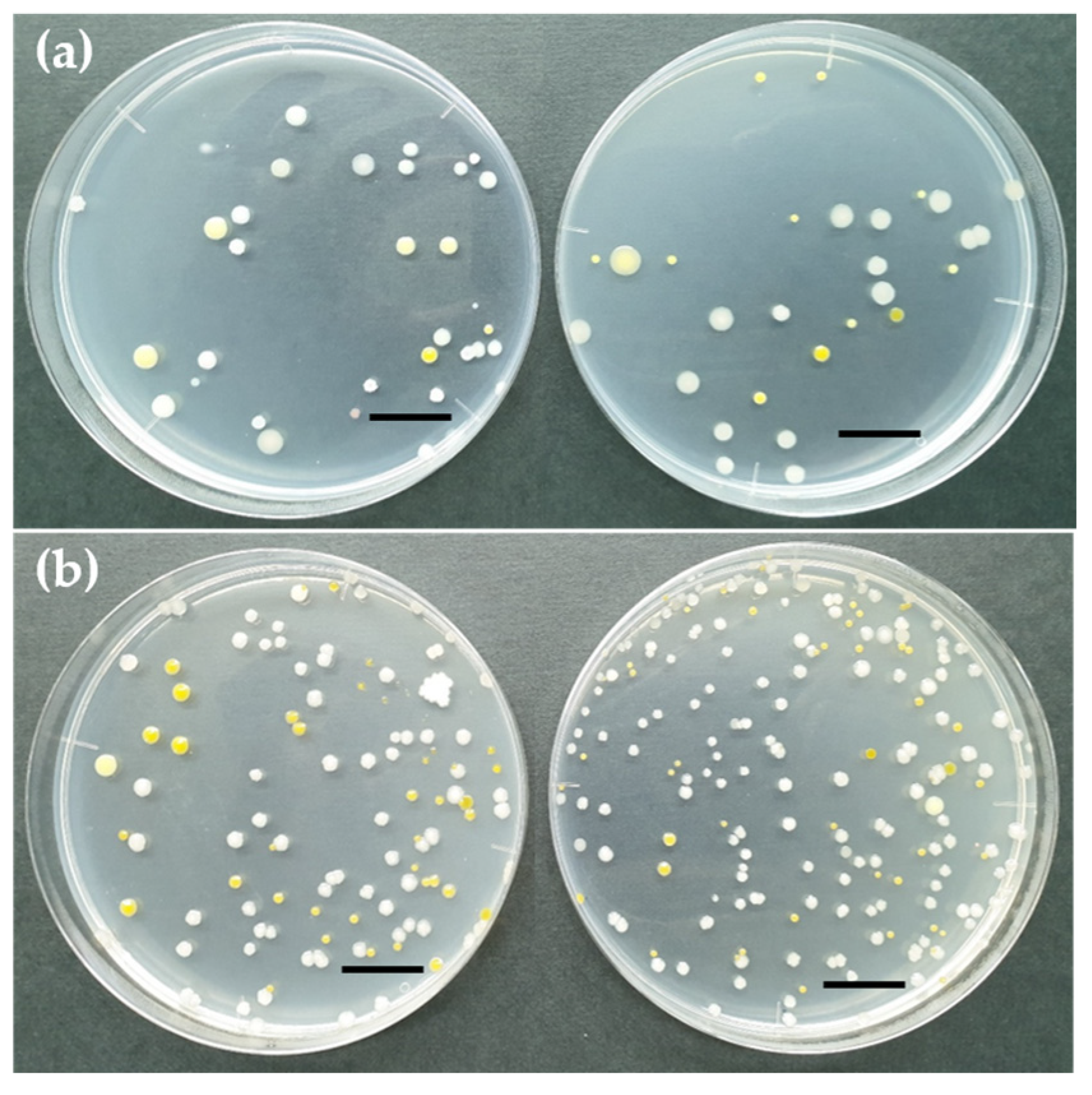
Leaves, stems, and rhizome were washed under running water, cut into pieces, and surface-sterilized sequentially with sterile distilled water, 70% ethanol (1 min), and 3% sodium hypochlorite (1.5 min for leaves, 3 min for stems and rhizome), followed by three rinses with sterile distilled water [25]. Sterility was confirmed by spreading 0.1 mL of the final rinse water on Nutrient Agar and incubating (Sanyo MIR-152; Sanyo, Osaka, Japan) at 28 °C for 14 days. Sterilized tissues were then homogenized in a sterile mortar and pestle, suspended in 9 mL of 0.85% NaCl, serially diluted, and plated on a prepared nitrogen-free agar medium containing glucose (10 g/L), KH2PO4 (25 g/L), NaCl (12.5 g/L), MgSO4·7H2O (12.5 g/L), FeSO4·7H2O (12.5 g/L), Na2MoO4·2H2O (0.1 g/L), MnSO4 (0.38 g/L), CaCO3 (0.1 g/L), and agar (20 g/L). Plates were incubated at 28 °C for 14 days, and colonies were counted daily. All analyses were performed in triplicate. Bacterial colony growth on nitrogen-free agar indicates the ability to fix nitrogen, as shown in Figure 1.

2.6. Isolation and Enumeration of Nitrogen-Fixing Bacteria from Rhizosphere

Rhizosphere soil tightly adhering to roots and rhizomes was collected using a sterile spatula. Composite samples (10 g) were suspended in 90 mL of 0.85% NaCl, homogenized on an orbital shaker (Eyela multi shaker MMS–3020; Tokyo Rikakikai, Tokyo, Japan) at 150 rpm for 30 min, and serially diluted. Aliquots (0.1 mL) from each dilution were plated on a manually prepared nitrogen-free agar medium (as described in Section 2.4) and incubated at 28 °C for 7 days. Colony counts were recorded daily, with all analyses conducted in triplicate.

2.7. Isolation and Enumeration of Phosphate Solubilizing Bacteria from Plants

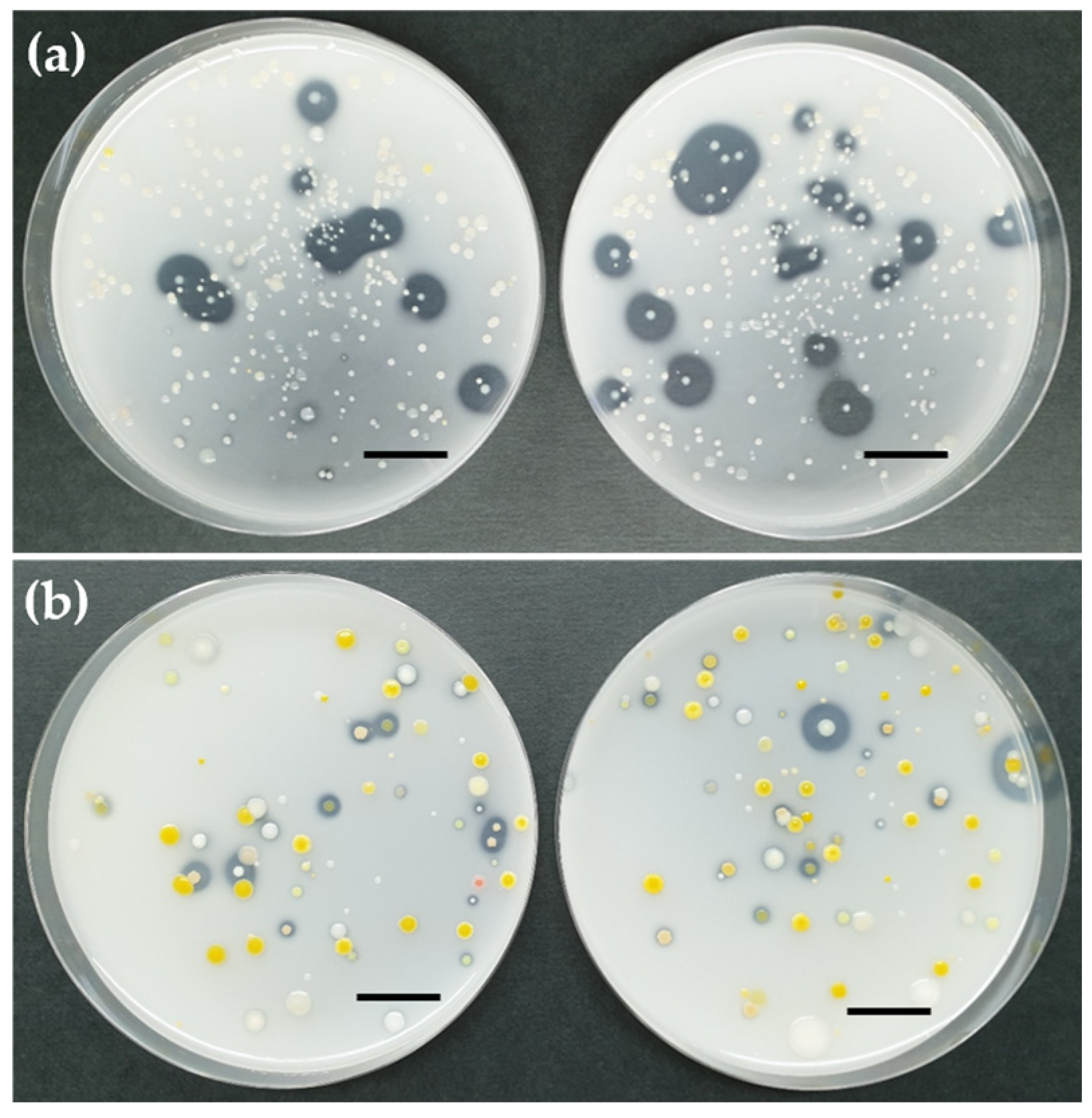
Leaves, stems, and rhizome were processed as described above for nitrogen-fixing bacteria. Sterilized tissues were homogenized, suspended in 9 mL of 0.85% NaCl, serially diluted, and plated on a prepared Pikovskaya agar medium containing glucose (10 g/L), Ca3(PO4)2 (5 g/L), (NH4)2SO4 (0.5 g/L), NaCl (0.2 g/L), MgSO4·7H2O (0.1 g/L), KCl (0.2 g/L), yeast extract (0.5 g/L), MnSO4 (0.001 g/L), FeSO4·7H2O (0.001 g/L), and agar (20 g/L). Plates were incubated at 28 °C for 14 days, and colonies were counted daily. Analyses were performed in triplicate. Clear halo zones indicating phosphate-solubilizing activity are shown in Figure 2.

2.8. Isolation and Enumeration of Phosphate Solubilizing Bacteria from Rhizosphere

Rhizosphere soil samples were collected, homogenized, and diluted as described for nitrogen-fixing bacteria. Dilutions (0.1 mL) were plated on a manually prepared Pikovskaya agar medium (as described in Section 2.6) and incubated at 28 °C for 7 days. Colonies were counted daily, with all experiments conducted in triplicate.

2.9. Statistical Analysis

Data were expressed as mean ± standard deviation (SD). One-way ANOVA followed by Tukey’s test was conducted using IBM SPSS version 26.0 (IBM Corp., Armonk, NY, USA). Heatmaps were generated using OriginPro 2026 (OriginLab Corporation, Northampton, MA, USA). Differences were considered significant at p < 0.05.

3. Results

3.1. Nitrogen-Fixing Bacteria Populations in Different Curcuma Species

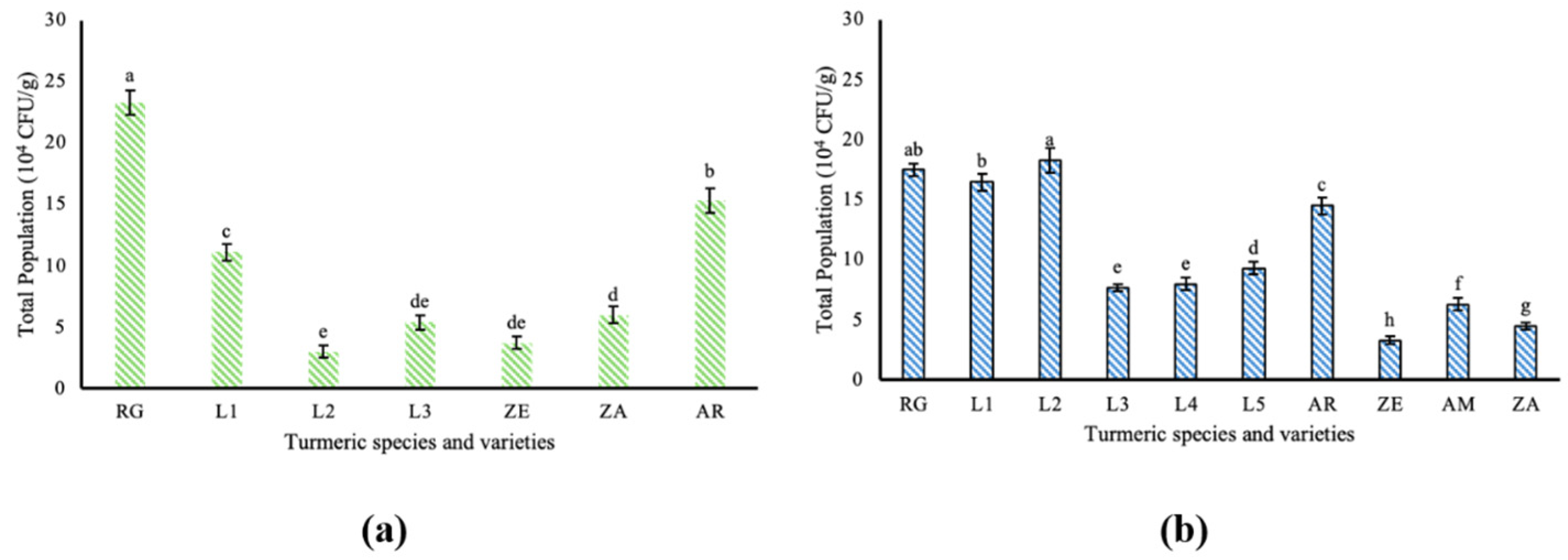
The rhizosphere consistently exhibited the highest population of nitrogen-fixing bacteria among all plant compartments, confirming its well-established role as a microbial hotspot. In the field, population densities ranged from 3.0 to 23.3 × 10⁴ CFU/g, whereas in the plastic house, densities ranged from 3.3 to 18.3 × 10⁴ CFU/g (Figure 3). These values indicate robust microbial colonization at the root–soil interface, which is likely driven by root exudates providing carbon and other nutrients to support bacterial growth. Across both cultivation systems, C. longa Ryudai Gold (RG) consistently hosted the highest rhizospheric NFB populations in the field, whereas L2 exhibited the highest population in the plastic house, suggesting a genotype-dependent preference for microbial association.
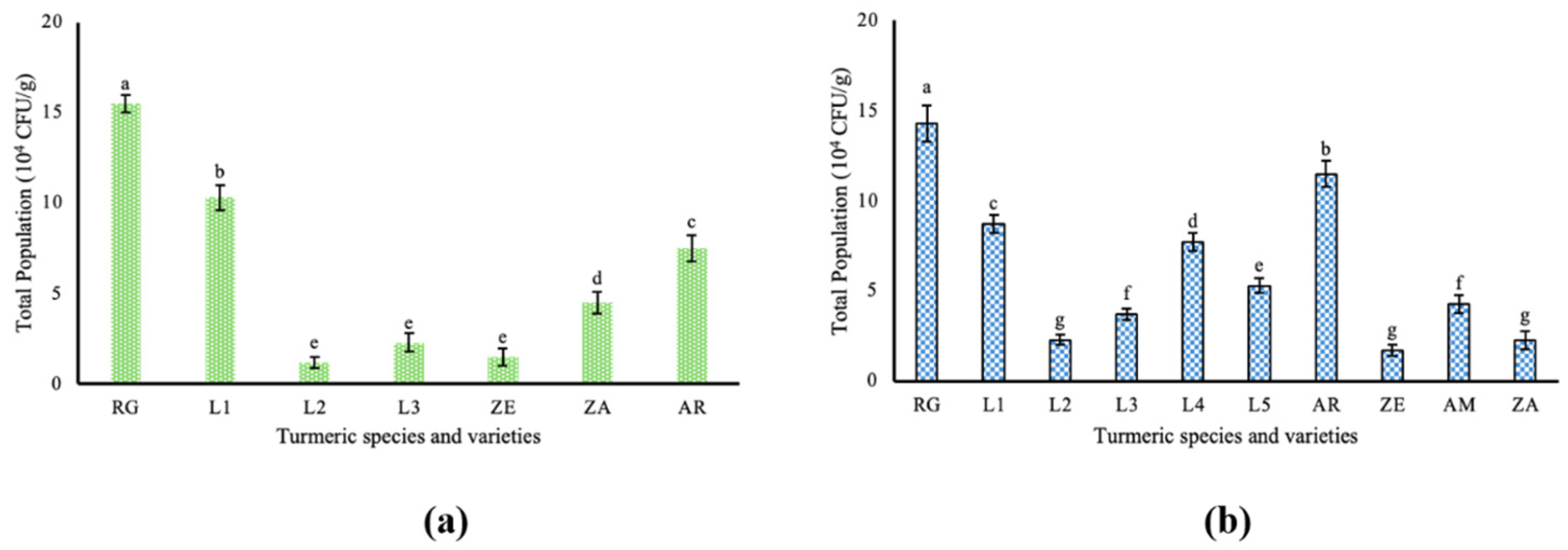
Moreover, rhizomes supported the second-highest NFB populations, with counts ranging from 1.2 to 15.5 × 10⁴ CFU/g in the field and 1.7 to 14.3 × 10⁴ CFU/g in the plastic house (Figure 4). This indicates that rhizomes provide a favorable internal environment for endophytic nitrogen-fixing bacteria, likely due to nutrient availability and structural niches. Among the species tested, RG consistently exhibited the highest rhizome-associated NFB population, while other C. longa strains and C. zedoaria (ZE) showed moderate populations.
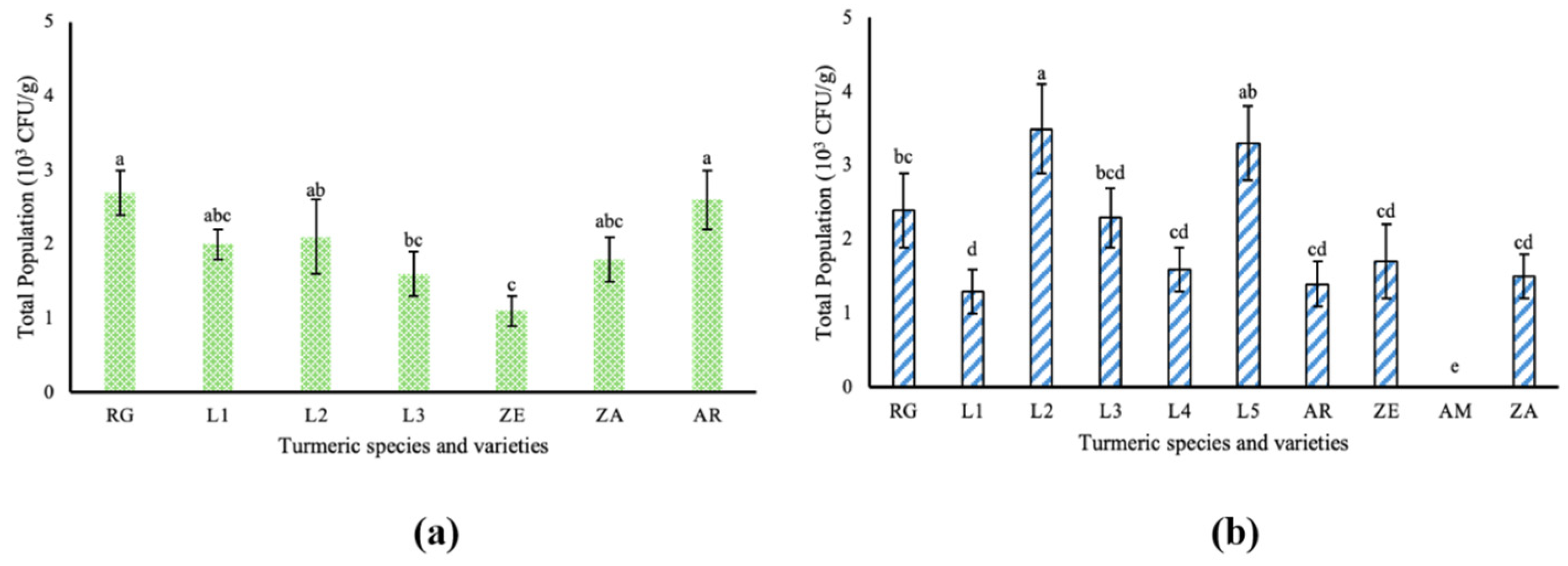
Following the rhizome, stem tissues were examined to assess the distribution of NFB along the aerial portions of the plant. Stem tissues harbored moderate NFB populations, ranging from 1.1 to 2.7 × 10³ CFU/g in the field and 0.0 to 3.5 × 10³ CFU/g in the plastic house (Figure 5). Compared to the rhizosphere and rhizome, stems offered a less nutrient-rich but stable environment for endophytes. Variations among species and cultivars were evident; RG exhibited the highest stem-associated NFB population in the field, whereas L2 dominated in the plastic house. These observations highlight that bacterial colonization in stems may be influenced by both genotype and environmental conditions.
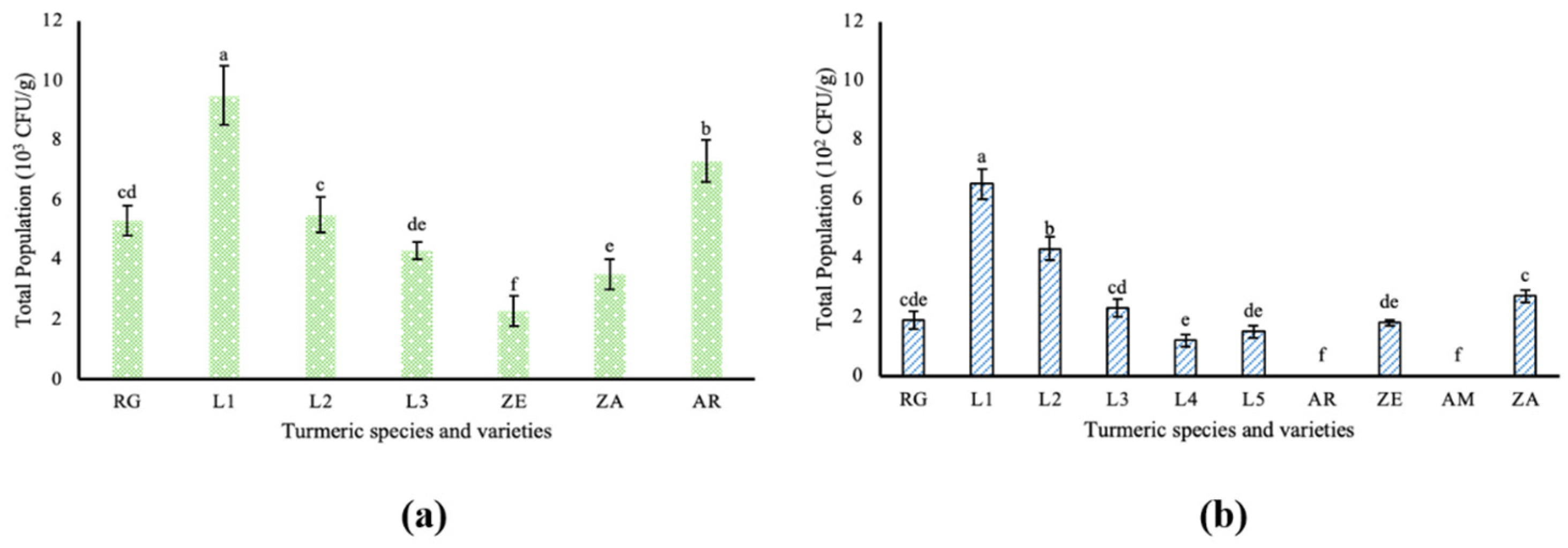
Finally, the leaf tissues were analyzed to complete the assessment of compartment-specific NFB populations. Leaves harbored the lowest NFB populations, with values ranging from 2.3 to 9.5 × 10³ CFU/g in field samples and 0.0 to 6.5 × 10² CFU/g in the plastic house (Figure 6). Despite the generally low abundance, C. longa L1 consistently displayed the highest leaf-associated NFB population in both cultivation systems.
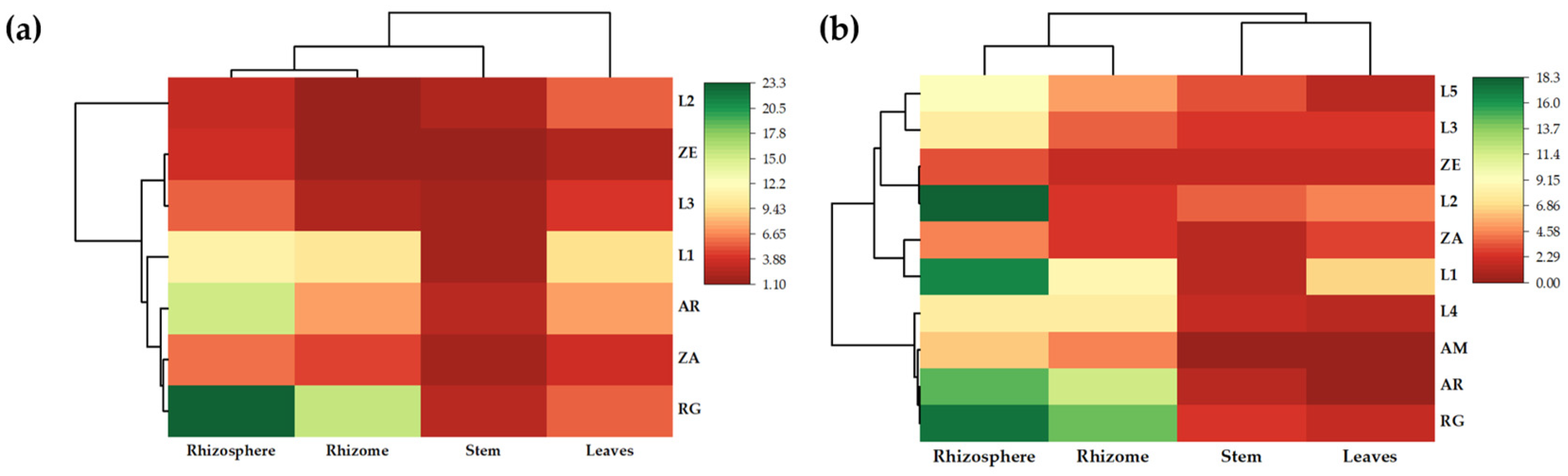
To provide an overall visualization of nitrogen-fixing bacterial populations among different Curcuma species and plant compartments, heatmaps with hierarchical clustering were generated (Figure 7). The heatmaps demonstrated distinct population patterns across cultivars and plant compartments in both field and plastic house experiments. Consistent with the individual analyses, rhizosphere samples generally exhibited the highest bacterial populations, followed by rhizomes, whereas stems and leaves showed comparatively lower abundances. These visualizations further highlight the compartment-specific distribution of nitrogen-fixing bacteria among different Curcuma species.

3.2. Phosphate-Solubilizing Bacteria Populations in Different Curcuma Species

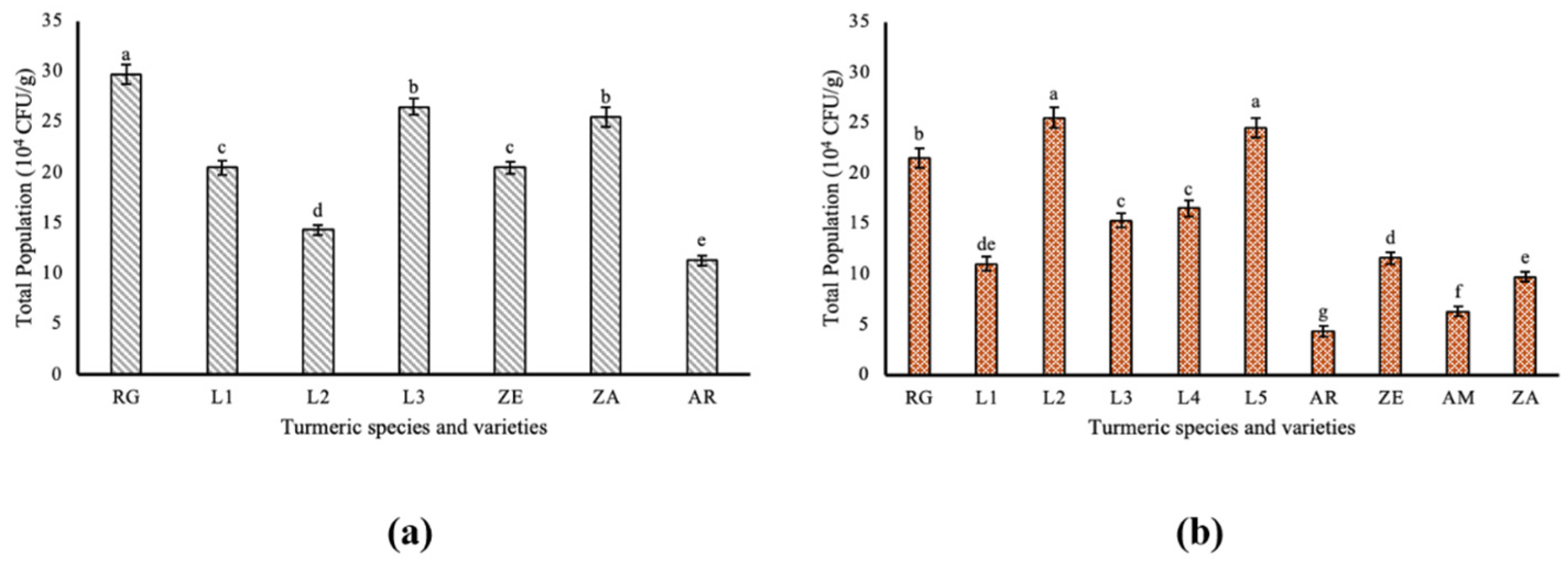
The rhizosphere exhibited the highest populations of phosphate-solubilizing bacteria (PSB) among all plant compartments, highlighting its role as a nutrient-rich zone that supports metabolically active microbial communities involved in phosphorus cycling. In field samples, PSB populations ranged from 11.3 to 29.7 × 10⁴ CFU/g, while in the plastic house, densities ranged from 4.3 to 25.5 × 10⁴ CFU/g (Figure 8). Among the cultivars, C. longa Ryudai Gold (RG) exhibited the highest rhizospheric PSB population in the field, whereas L2 and L5 were dominant under plastic house conditions.
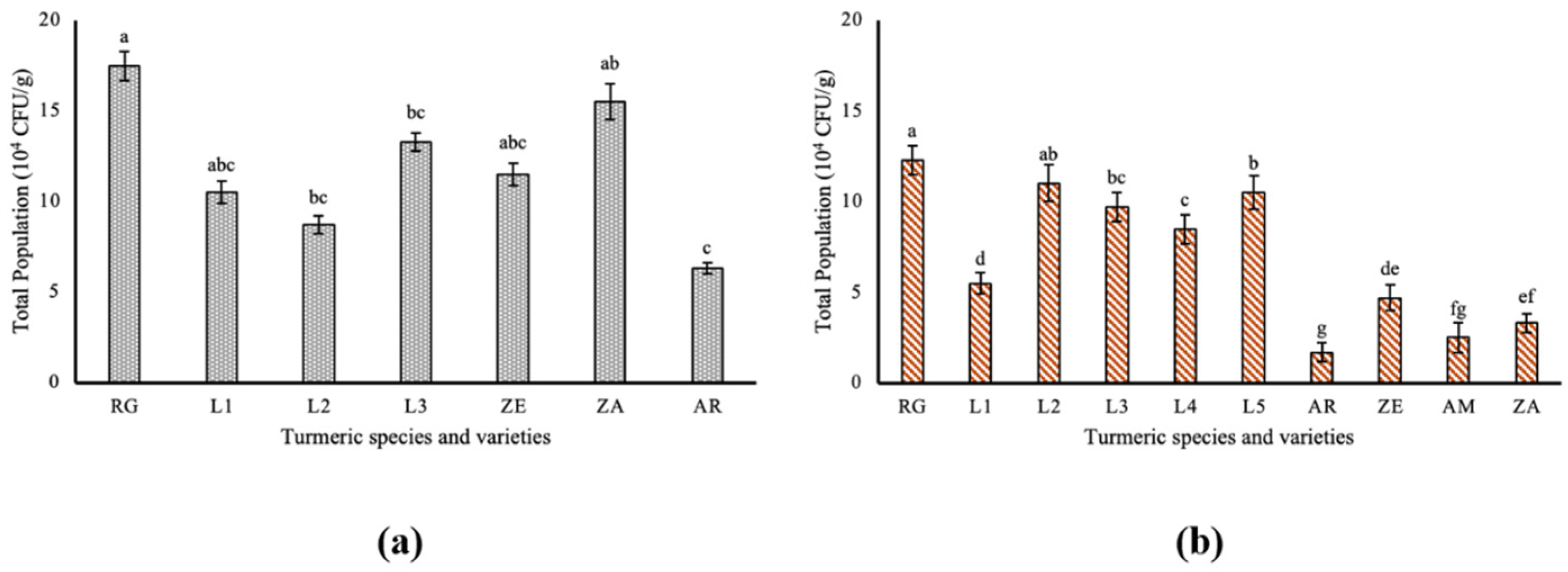
Rhizomes harbored the second-highest PSB populations, with counts ranging from 6.3 to 17.5 × 10⁴ CFU/g in the field and 1.7 to 12.3 × 10⁴ CFU/g in the plastic house (Figure 9). These findings underscore the rhizome as a nutrient-rich niche supporting endophytic PSB colonization, likely influenced by stored carbohydrates and secondary metabolites. In the field, RG and C. xanthorrhiza (ZA) showed the highest rhizome-associated populations, whereas RG and L2 were dominant under plastic house conditions.
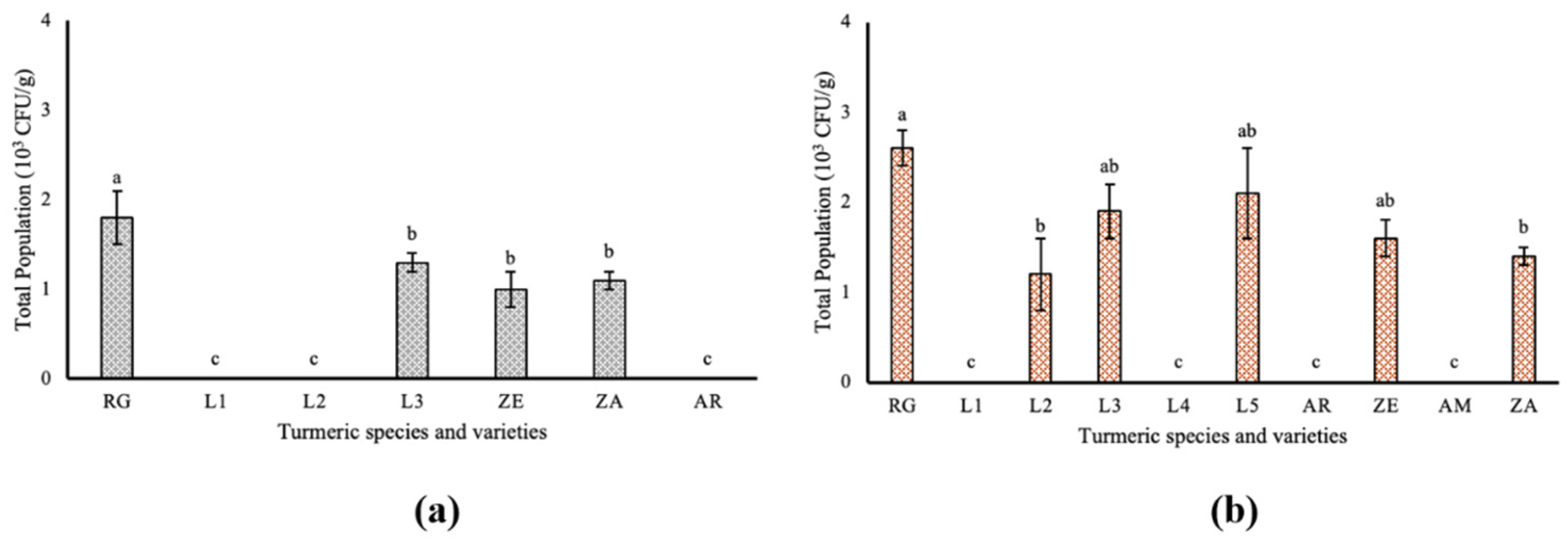
Stem tissues contained intermediate populations of PSB, ranging from 0.0 to 1.8 × 10³ CFU/g in the field and 0.0 to 2.6 × 10³ CFU/g in the plastic house (Figure 10). Compared with the rhizosphere and rhizome, stems provide a less nutrient-rich internal environment, which may explain the relatively lower bacterial abundance. Nevertheless, the consistent detection of PSB in stem tissues indicates successful endophytic colonization across different Curcuma species. Variations among cultivars were also observed, suggesting that both plant genotype and cultivation environment influence stem-associated PSB populations. In the field, C. longa RG exhibited the highest stem-associated PSB population, followed by L3, ZA, and ZE. Similarly, under plastic house conditions, RG also showed the highest stem-associated PSB population, followed by L5, L3, ZE, ZA, and L2.
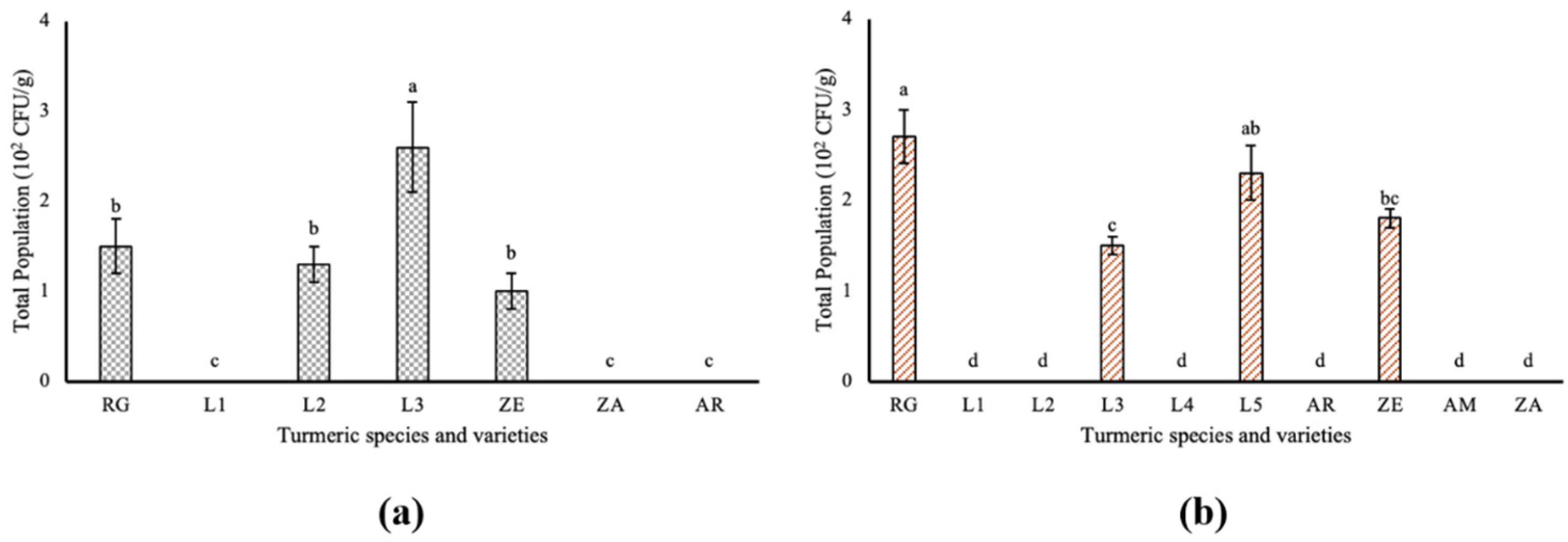
Finally, PSB populations in leaf tissues were evaluated to complete the assessment across plant compartments. Leaves exhibited the lowest PSB populations among all compartments, ranging from 0.0 to 2.6 × 10² CFU/g in the field and 0.0 to 2.7 × 10² CFU/g in the plastic house (Figure 11). The relatively low abundance reflects the nutrient-scarce and environmentally harsh conditions of the leaf enviroment. Despite low counts, variability among cultivars was observed; in the field, L3 showed the highest leaf-associated PSB populations, while in the plastic house, RG was dominant.
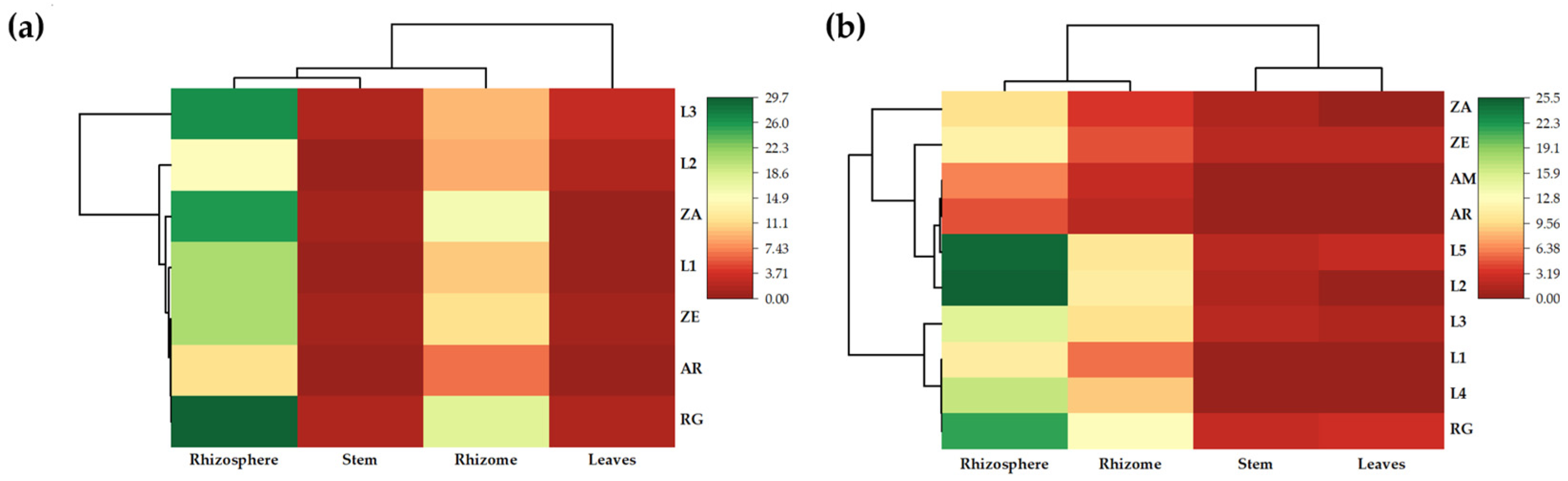
To provide an integrated visualization of phosphate-solubilizing bacterial populations, heatmaps based on hierarchical clustering were generated (Figure 12). Distinct population patterns were observed among different Curcuma species and plant compartments in both field and plastic house experiments. Consistent with the individual population analyses, rhizosphere samples generally exhibited the highest PSB populations, followed by rhizomes, whereas stems and leaves contained comparatively lower populations. The heatmaps further illustrate cultivar-specific variation in bacterial abundance while reinforcing the compartment-specific distribution patterns observed throughout the study. Overall, PSB distribution followed a clear compartment-specific pattern, with the highest abundance in the rhizosphere, intermediate in rhizomes and stems, and lowest in leaves, emphasizing the ecological significance of these microorganisms in Curcuma species.

4. Discussion

This study provides a baseline evaluation of nitrogen-fixing bacteria (NFB) and phosphate-solubilizing bacteria (PSB) associated with different Curcuma species across rhizosphere and internal plant compartments. The results reveal distinct compartment-specific distribution patterns, reflecting the ecological niches and nutrient availability within each plant part. The rhizosphere consistently hosted the highest bacterial populations for both NFB and PSB. This pattern is consistent with its nutrient-rich microenvironment shaped by root exudates, which provide carbon sources and signaling compounds that support microbial growth and activity [11,26]. The rhizosphere represents a dynamic microenvironment with intense microbial activity due to the presence of root exudates, which contain organic acids, amino acids, sugars, and other metabolites that serve as nutrient sources for microorganisms. These compounds support the growth of various diazotrophic bacteria, including free-living species such as Azotobacter and associative bacteria such as Azospirillum [27]. In addition to nitrogen-fixing bacteria, phosphate-solubilizing bacteria also play an important role in the Curcuma rhizosphere. These microorganisms can release organic acids and enzymes that convert insoluble phosphate into plant-available forms, thereby improving phosphorus uptake and plant growth [9,28]. Previous studies have suggested that PSB inoculation may enhance not only plant biomass and yield but also the accumulation of bioactive compounds in medicinal plants. High microbial abundance in the rhizosphere indicates active involvement in nutrient cycling and highlights their potential contributions to nitrogen and phosphorus nutrition in Curcuma plants [29].
Rhizomes harbored the second-highest bacterial populations, suggesting that internal tissues are favorable niches for endophytic colonization. As nutrient storage organs, rhizomes provide carbohydrates, minerals, and secondary metabolites that sustain microbial growth, supporting both NFB and PSB populations [30]. Such colonization may also contribute indirectly to plant health, including stress mitigation and pathogen resistance, although functional characterization of these bacteria in Curcuma remains a future research avenue. The stem and leaf compartments exhibited lower bacterial densities, reflecting reduced nutrient availability, environmental stresses, and less favorable conditions for microbial persistence [26]. These results reflect the relatively harsh environment of the phyllosphere, where factors such as UV exposure, desiccation, and limited nutrient availability constrain bacterial colonization. Nonetheless, the consistent presence of both NFB and PSB in aerial tissues indicates their adaptability and potential functional roles in the internal plant nutrient economy.
Species- and cultivar-specific differences were also observed. C. longa RG frequently supported the highest populations of both NFB and PSB, particularly in rhizosphere and rhizome tissues, suggesting genotype-specific compatibility with beneficial microbes. These differences may result from variations in tissue chemistry, exudate composition, or secondary metabolite profiles, which can selectively influence microbial colonization and persistence [12,13]. Other cultivars, such as L2 and L5, exhibited elevated microbial populations under plastic house conditions, suggesting that controlled environmental factors can further modulate bacterial abundance. These results emphasize that plant genotype is a key determinant of microbiome composition and highlight the potential for selecting cultivars that naturally support high populations of functional bacteria.
The ecological significance of these findings is substantial. From a broader ecological perspective, these findings support the concept of the plant holobiont, in which plants and their associated microbial communities function as an integrated biological system rather than as independent entities. The compartment-specific distribution of nitrogen-fixing and phosphate-solubilizing bacteria observed in this study suggests that different Curcuma tissues provide distinct ecological niches for beneficial microorganisms. Although the present study did not evaluate soil nutrient status, plant metabolite composition, or plant physiological responses, the widespread occurrence of these functional bacterial groups indicates their potential contribution to nutrient acquisition and plant performance. Future studies integrating microbial community analyses with soil properties and phytochemical profiling will help clarify how plant-associated microbiota influence turmeric productivity, quality, and biological value. The widespread occurrence of NFB and PSB across different plant compartments and cultivars underlines their integral role in the Curcuma microbiome. The compartment-specific distribution patterns, further supported by hierarchical clustering in the heatmap analyses, indicate that bacterial colonization is influenced by the distinct microenvironments within plant tissues. In both field and plastic house experiments, rhizosphere samples consistently harbored the highest bacterial populations, whereas endophytic populations gradually declined from rhizomes to stems and leaves. These patterns suggest that nutrient availability and tissue-specific ecological niches shape the abundance and distribution of beneficial bacteria associated with Curcuma species. Nitrogen-fixing bacteria contribute to endogenous nitrogen input, particularly in nutrient-poor soils, potentially reducing reliance on chemical fertilizers. Similarly, PSB can solubilize otherwise inaccessible phosphorus, enhance plant uptake and support growth [10,11]. The compartmental distribution observed also provides guidance for potential inoculant development, for instance, by targeting rhizome-associated endophytes to maximize plant nutrient benefits [30,31].
This study contributes to understanding plant–microbe interactions in non-leguminous medicinal crops, a group less studied than cereals or legumes. The identification of active NFB and PSB populations across multiple compartments demonstrates the adaptability and ecological importance of these bacteria, suggesting practical applications in biofertilizer development for sustainable Curcuma cultivation. Future research should focus on functional characterization of isolates, field-scale evaluation of their effects on growth and yield, and molecular profiling of microbial communities to capture diversity and functional potential within Curcuma tissues. Overall, this study highlights the widespread presence and compartment-specific distribution of NFB and PSB in Curcuma species. The findings underscore the ecological and functional importance of these microbial populations, demonstrate genotype-dependent variation, and provide a foundation for leveraging beneficial bacteria to improve nutrient acquisition and support sustainable cultivation practices.

5. Conclusions

In conclusion, this study demonstrates that nitrogen-fixing and phosphate-solubilizing bacteria are widespread across rhizosphere and internal tissues of different Curcuma species. The rhizosphere consistently harbored the highest bacterial populations, followed by rhizomes, stems, and leaves, reflecting compartment-specific ecological niches shaped by nutrient availability and microenvironmental conditions. Genotype-specific differences were also observed among certain cultivars, particularly C. longa ‘Ryudai Gold’, which supported higher microbial abundance and showed strong plant–microbe compatibility. The presence of these beneficial bacteria under both field and plastic house conditions highlights their adaptability and potential functional roles in promoting nutrient acquisition, plant growth, and sustainable cultivation. Rhizome-associated endophytes, in particular, may represent promising candidates for the development of microbial inoculants or biofertilizers. These findings provide a foundational understanding of the distribution and abundance of nitrogen-fixing and phosphate-solubilizing bacteria in Curcuma, emphasizing their ecological and agricultural significance. However, although the present study provides valuable insights into the distribution and abundance of culturable nitrogen-fixing and phosphate-solubilizing bacteria, it is limited by the lack of molecular identification of representative isolates and functional validation of their plant growth-promoting effects. Therefore, future studies should employ 16S rRNA gene sequencing together with complementary functional analyses to determine the taxonomic identity and diversity of these beneficial bacterial isolates. In addition, inoculation experiments under controlled and field conditions are needed to validate their functional roles and evaluate their potential as microbial inoculants for sustainable Curcuma cultivation. These approaches will strengthen the understanding of plant–microbe interactions and support the development of evidence-based microbial technologies for sustainable Curcuma production. Overall, the present study provides a valuable baseline for understanding the distribution and abundance of culturable nitrogen-fixing and phosphate-solubilizing bacteria associated with different Curcuma species, thereby establishing a scientific foundation for future molecular, functional, and applied research.

Author Contributions

Experiment management, data collection, data analysis and manuscript writing, review, and editing, N.I.R.; experiment planning, manuscript review, and editing, M.A.H. All authors have read and agreed to the published version of the manuscript.

Funding

This research received no external funding.

Institutional Review Board Statement

Not applicable.

Informed Consent Statement

Not applicable.

Data Availability Statement

The original contributions presented in this study are included in the article. Further inquires can be directed to the corresponding author.

Conflicts of Interest

The authors declare no conflicts of interest.

References

  1. Fathi, A. Role of nitrogen (N) in plant growth, photosynthesis pigments, and N use efficiency. Agrisost 2022, 28, 1–8. [Google Scholar]
  2. Khan, F.; Siddique, A.B.; Shabala, S.; Zhou, M.; Zhao, C. Phosphorus plays key roles in regulating plants’ physiological responses to abiotic stresses. Plants 2023, 12, 2861. [Google Scholar] [CrossRef] [Scilit] [PubMed]
  3. Xing, Y.; Xie, Y.; Wang, X. Enhancing Soil Health through Balanced Fertilization: A Pathway to Sustainable Agriculture and Food Security. Front. Microbiol. 2025, 16, 1536524, Erratum in Front. Microbiol. 2025, 16, 1644143. https://doi.org/10.3389/fmicb.2025.1644143. [Google Scholar] [CrossRef] [Scilit] [PubMed]
  4. Krasilnikov, P.; Taboada, M.A.; Amanullah. Fertilizer use, soil health and agricultural sustainability. Agriculture 2022, 12, 462. [Google Scholar] [CrossRef] [Scilit]
  5. Glick, B.R. Plant growth-promoting bacteria: Mechanisms and applications. Scientifica 2012, 2012, 963401. [Google Scholar] [CrossRef] [Scilit] [PubMed]
  6. Wei, X.; Xie, B.; Wan, C.; Song, R.; Zhong, W.; Xin, S.; Song, K. Enhancing soil health and plant growth through microbial fertilizers: Mechanisms, benefits, and sustainable agricultural practices. Agronomy 2024, 14, 609. [Google Scholar] [CrossRef] [Scilit]
  7. Backer, R.; Rokem, J.S.; Ilangumaran, G.; Lamont, J.; Praslickova, D.; Ricci, E.; Subramanian, S.; Smith, D.L. Plant growth-promoting rhizobacteria: Context, mechanisms of action, and roadmap to commercialization of biostimulants for sustainable agriculture. Front. Plant Sci. 2018, 9, 1473. [Google Scholar] [CrossRef] [Scilit] [PubMed]
  8. Lawal, I.; Yusuf, I.; Fardami, A.Y.; Bashir, A.; Musa, A. Nitrogen fixing bacteria and their application for heavy metal removal: A mini review. J. Biochem. Microbiol. Biotechnol. 2021, 9, 43–47. [Google Scholar] [CrossRef] [Scilit]
  9. Silva, L.I.D.; Pereira, M.C.; Carvalho, A.M.X.D.; Buttrós, V.H.; Pasqual, M.; Dória, J. Phosphorus-solubilizing microorganisms: A key to sustainable agriculture. Agriculture 2023, 13, 462. [Google Scholar] [CrossRef] [Scilit]
  10. Wang, Z.; Zhang, H.; Liu, L.; Zhao, D.; Sun, J.; Zhang, Y. Screening of phosphate-solubilizing bacteria and their abilities of phosphorus solubilization and wheat growth promotion. BMC Microbiol. 2022, 22, 296. [Google Scholar] [CrossRef] [Scilit] [PubMed]
  11. Ibáñez, A.; Diez-Galán, A.; Cobos, R.; Calvo-Peña, C.; Barreiro, C.; Medina-Turienzo, J.; Sánchez-García, M.; Coque, J.J.R. Using rhizosphere phosphate solubilizing bacteria to improve barley (Hordeum vulgare) plant productivity. Microorganisms 2021, 9, 1619. [Google Scholar] [CrossRef] [Scilit] [PubMed]
  12. Hasan, A.; Tabassum, B.; Hashim, M.; Khan, N. Role of plant growth promoting rhizobacteria (PGPR) as a plant growth enhancer for sustainable agriculture: A review. Bacteria 2024, 3, 59–75. [Google Scholar] [CrossRef] [Scilit]
  13. Bhattacharyya, P.N.; Jha, D.K. Plant growth-promoting rhizobacteria (PGPR): Emergence in agriculture. World J. Microbiol. Biotechnol. 2012, 28, 1327–1350. [Google Scholar] [CrossRef] [Scilit] [PubMed]
  14. Richardson, A.E.; Simpson, R.J. Soil microorganisms mediating phosphorus availability. Plant Physiol. 2011, 156, 989–996. [Google Scholar] [CrossRef] [Scilit] [PubMed]
  15. Sharifi-Rad, J.; Rayess, Y.E.; Rizk, A.A.; Sadaka, C.; Zgheib, R.; Zam, W.; Sestito, S.; Rapposelli, S.; Neffe-Skocińska, K.; Zielińska, D.; et al. Turmeric and its major compound curcumin on health: Bioactive effects and safety profiles for food, pharmaceutical, biotechnological and medicinal applications. Front. Pharmacol. 2020, 11, 550909. [Google Scholar] [CrossRef] [Scilit] [PubMed]
  16. Prasad, S.; Aggarwal, B.B. Turmeric, the golden spice: From traditional medicine to modern medicine. In Herbal Medicine: Biomolecular and Clinical Aspects; Benzie, I.F.F., Wachtel-Galor, S., Eds.; CRC Press: Boca Raton, FL, USA, 2011. [Google Scholar] [CrossRef] [Scilit]
  17. Li, S.; Yuan, W.; Deng, G.; Wang, P.; Yang, P.; Aggarwal, B.B. Chemical composition and product quality control of turmeric (Curcuma longa L.). Pharm. Crops 2011, 2, 28–54. [Google Scholar] [CrossRef] [Scilit]
  18. Khan, S.; Ambika Rani, K.; Sharma, S.; Kumar, A.; Singh, S.; Thapliyal, M.; Rawat, P.; Thakur, A.; Pandey, S.; Thapliyal, A. Rhizobacterial mediated interactions in Curcuma longa for plant growth and enhanced crop productivity: A systematic review. Front. Plant Sci. 2023, 14, 1231676. [Google Scholar] [CrossRef] [Scilit] [PubMed]
  19. Kaliyadasa, E.; Samarasinghe, B.A. A review on golden species of Zingiberaceae family around the world: Genus Curcuma. Afr. J. Agric. Res. 2019, 14, 519–531. [Google Scholar] [CrossRef] [Scilit]
  20. Saji, K.V.; Sasikumar, B.; Rema, J.; Aravind, S.; Nirmal Babu, K. Spices genetic resources: Diversity, distribution and conservation. In Conservation and Utilization of Horticultural Genetic Resources; Springer: Singapore, 2019; pp. 283–320. [Google Scholar] [CrossRef] [Scilit]
  21. Sun, W.; Wang, S.; Zhao, W.; Wu, C.; Guo, S.; Gao, H.; Tao, H.; Lu, J.; Wang, Y.; Chen, X. Chemical constituents and biological research on plants in the genus Curcuma. Crit. Rev. Food Sci. Nutr. 2017, 57, 1451–1523. [Google Scholar] [CrossRef] [Scilit] [PubMed]
  22. Raharja, N.I.; Hossain, M.A.; Akamine, H. Microbial population in Curcuma species at different growth stages. Agriculture 2025, 10, 1092. [Google Scholar] [CrossRef] [Scilit]
  23. Ishimine, Y.; Hossain, M.; Murayama, S. Optimal planting depth for turmeric (Curcuma longa L.) cultivation in dark red soil in Okinawa Island, southern Japan. Plant Prod. Sci. 2003, 6, 83–89. [Google Scholar] [CrossRef] [Scilit]
  24. Hossain, M.A. Effects of harvest time on shoot biomass and yield of turmeric (Curcuma longa L.) in Okinawa, Japan. Plant Prod. Sci. 2010, 13, 97–103. [Google Scholar] [CrossRef] [Scilit]
  25. Kumar, A.; Singh, R.; Yadav, A.; Giri, D.D.; Singh, P.K.; Pandey, K.D. Diversity of bacterial endophytes from Curcuma longa L. and their role in plant growth promotion and antifungal activity. J. Appl. Microbiol. 2016, 120, 1653–1665. [Google Scholar] [CrossRef] [Scilit] [PubMed]
  26. Vorholt, J.A. Microbial life in the phyllosphere. Nat. Rev. Microbiol. 2012, 10, 828–840. [Google Scholar] [CrossRef] [Scilit] [PubMed]
  27. Saha, B.; Saha, S.; Das, A.; Bhattacharyya, P.K.; Basak, N.; Sinha, A.K.; Poddar, P. Biological nitrogen fixation for sustainable agriculture. In Agriculturally Important Microbes for Sustainable Agriculture: Applications in Crop Production and Protection; Meena, V.S., Ed.; Springer: Singapore, 2017; pp. 81–128. [Google Scholar] [CrossRef] [Scilit]
  28. Sharma, S.B.; Sayyed, R.Z.; Trivedi, M.H.; Gobi, T.A. Phosphate solubilizing microbes: Sustainable approach for managing phosphorus deficiency in agricultural soils. SpringerPlus 2013, 2, 587. [Google Scholar] [CrossRef] [Scilit] [PubMed]
  29. Ahemad, M.; Kibret, M. Mechanisms and applications of plant growth promoting rhizobacteria: Current perspective. J. King Saud Univ. Sci. 2014, 26, 1–20. [Google Scholar] [CrossRef] [Scilit]
  30. Compant, S.; Clément, C.; Sessitsch, A. Plant growth-promoting bacteria in the rhizo- and endosphere of plants: Their role, colonization, mechanisms involved, and prospects for utilization. Soil Biol. Biochem. 2010, 42, 669–678. [Google Scholar] [CrossRef] [Scilit]
  31. Santoyo, G.; Guzmán-Guzmán, P.; Parra-Cota, F.I.; Santos-Villalobos, S. Plant growth stimulation by microbial consortia. Agronomy 2021, 11, 219. [Google Scholar] [CrossRef] [Scilit]
Figure 1. Representative colonies of nitrogen-fixing bacteria isolated from the rhizosphere of the turmeric species RG (C. longa); (a) cultivated in the field (10−3); (b) cultivated in a plastic house (10−2). Scale bar = 10 mm.
Microbiolres 17 00134 g001
Figure 2. Representative colonies of phosphate-solubilizing bacteria isolated from the rhizosphere of turmeric species RG (C. longa); (a) cultivated in the field (10−3); (b) cultivated in a plastic house (10−3). Scale bar = 10 mm.
Microbiolres 17 00134 g002
Figure 3. Population of Nitrogen-Fixing Bacteria in rhizosphere cultivated in field (a) and cultivated in plastic house (b). The different letters above the bar represent that the data were significantly different based on the Tukey test at p < 0.05. Note: RG, Ryudai gold; L1, C. longa strain 1; L2, C. longa strain 2; L3, C. longa strain 3; L4, C. longa strain 4; L5, C. longa strain 5; AR, C. aromatica; ZE, C. zedoaria; AM, C. amada; ZA, C. xanthorrhiza.
Microbiolres 17 00134 g003
Figure 4. Population of Nitrogen-Fixing Bacteria in rhizome cultivated in field (a) and cultivated in plastic house (b). The different letters above the bar represent that the data were significantly different based on the Tukey test at p < 0.05. Note: RG, Ryudai gold; L1, C. longa strain 1; L2, C. longa strain 2; L3, C. longa strain 3; L4, C. longa strain 4; L5, C. longa strain 5; AR, C. aromatica; ZE, C. zedoaria; AM, C. amada; ZA, C. xanthorrhiza.
Microbiolres 17 00134 g004
Figure 5. Population of Nitrogen-Fixing Bacteria in stem cultivated in field (a) and cultivated in plastic house (b). The different letters above the bar represent that the data were significantly different based on the Tukey test at p < 0.05. Note: RG, Ryudai gold; L1, C. longa strain 1; L2, C. longa strain 2; L3, C. longa strain 3; L4, C. longa strain 4; L5, C. longa strain 5; AR, C. aromatica; ZE, C. zedoaria; AM, C. amada; ZA, C. xanthorrhiza.
Microbiolres 17 00134 g005
Figure 6. Population of Nitrogen-Fixing Bacteria in leaf cultivated in field (a) and cultivated in plastic house (b). The different letters above the bar represent that the data were significantly different based on the Tukey test at p < 0.05. Note: RG, Ryudai gold; L1, C. longa strain 1; L2, C. longa strain 2; L3, C. longa strain 3; L4, C. longa strain 4; L5, C. longa strain 5; AR, C. aromatica; ZE, C. zedoaria; AM, C. amada; ZA, C. xanthorrhiza.
Microbiolres 17 00134 g006
Figure 7. Heatmaps with hierarchical clustering showing the distribution of nitrogen-fixing bacteria populations across different Curcuma species and plant compartments. (a) Field-grown plants; (b) Plastic house-grown plants. Color intensity represents the bacterial populations (CFU/g) with greener colors indicating higher populations and brown colors indicating lower populations. Hierarchical clustering was performed to visualize similarities in bacterial population patterns among Curcuma species.
Microbiolres 17 00134 g007
Figure 8. Population of Phosphate-Solubilizing Bacteria in rhizosphere cultivated in field (a) and cultivated in plastic house (b). The different letters above the bar represent that the data were significantly different based on the Tukey test at p < 0.05. Note: RG, Ryudai gold; L1, C. longa strain 1; L2, C. longa strain 2; L3, C. longa strain 3; L4, C. longa strain 4; L5, C. longa strain 5; AR, C. aromatica; ZE, C. zedoaria; AM, C. amada; ZA, C. xanthorrhiza.
Microbiolres 17 00134 g008
Figure 9. Population of Phosphate-Solubilizing Bacteria in rhizome cultivated in field (a) and cultivated in plastic house (b). The different letters above the bar represent that the data were significantly different based on the Tukey test at p < 0.05. Note: RG, Ryudai gold; L1, C. longa strain 1; L2, C. longa strain 2; L3, C. longa strain 3; L4, C. longa strain 4; L5, C. longa strain 5; AR, C. aromatica; ZE, C. zedoaria; AM, C. amada; ZA, C. xanthorrhiza.
Microbiolres 17 00134 g009
Figure 10. Population of Phosphate-Solubilizing Bacteria in stem cultivated in field (a) and cultivated in plastic house (b). The different letters above the bar represent that the data were significantly different based on the Tukey test at p < 0.05. Note: RG, Ryudai gold; L1, C. longa strain 1; L2, C. longa strain 2; L3, C. longa strain 3; L4, C. longa strain 4; L5, C. longa strain 5; AR, C. aromatica; ZE, C. zedoaria; AM, C. amada; ZA, C. xanthorrhiza.
Microbiolres 17 00134 g010
Figure 11. Population of Phosphate-Solubilizing Bacteria in leaf cultivated in field (a) and cultivated in plastic house (b). The different letters above the bar represent that the data were significantly different based on the Tukey test at p < 0.05. Note: RG, Ryudai gold; L1, C. longa strain 1; L2, C. longa strain 2; L3, C. longa strain 3; L4, C. longa strain 4; L5, C. longa strain 5; AR, C. aromatica; ZE, C. zedoaria; AM, C. amada; ZA, C. xanthorrhiza.
Microbiolres 17 00134 g011
Figure 12. Heatmaps generated based on hierarchical clustering showing the distribution patterns of phosphate-solubilizing bacteria populations across different Curcuma species and plant compartments. (a) Field-grown plants; (b) Plastic house-grown plants. Color intensity represents bacterial populations (CFU/g) with greener colors indicating higher populations and brown colors indicating lower populations.
Microbiolres 17 00134 g012
Disclaimer/Publisher’s Note: The statements, opinions and data contained in all publications are solely those of the individual author(s) and contributor(s) and not of MDPI and/or the editor(s). MDPI and/or the editor(s) disclaim responsibility for any injury to people or property resulting from any ideas, methods, instructions or products referred to in the content.